• Home
  • About Us
  • Toolkit
  • Archives
  • Advertise
  • Privacy Policy

Kids Ain't Cheap

But They Sure Are Worth It

  • Parenting
    • Baby Stuff
    • Books and Reading
      • Aesops Fables
      • Comic Books
    • Education
    • Family Time
    • Green Living
    • Growing Up
    • Healthy Living & Eating
    • Holidays
    • Parenting
    • Random Musings
    • Shopping
    • Stuff to Do
  • Money
  • Product Reviews
    • Books and Magazines
    • Discount Sites
    • Furniture
    • House Keeping
    • Reviews News
    • Toys and Games
  • Contact Us
  • Our Editorial Commitment
  • Search

Before The First Step: 8 Hidden Dangers In Your Bathroom Threatening Toddlers

July 23, 2025 | Leave a Comment

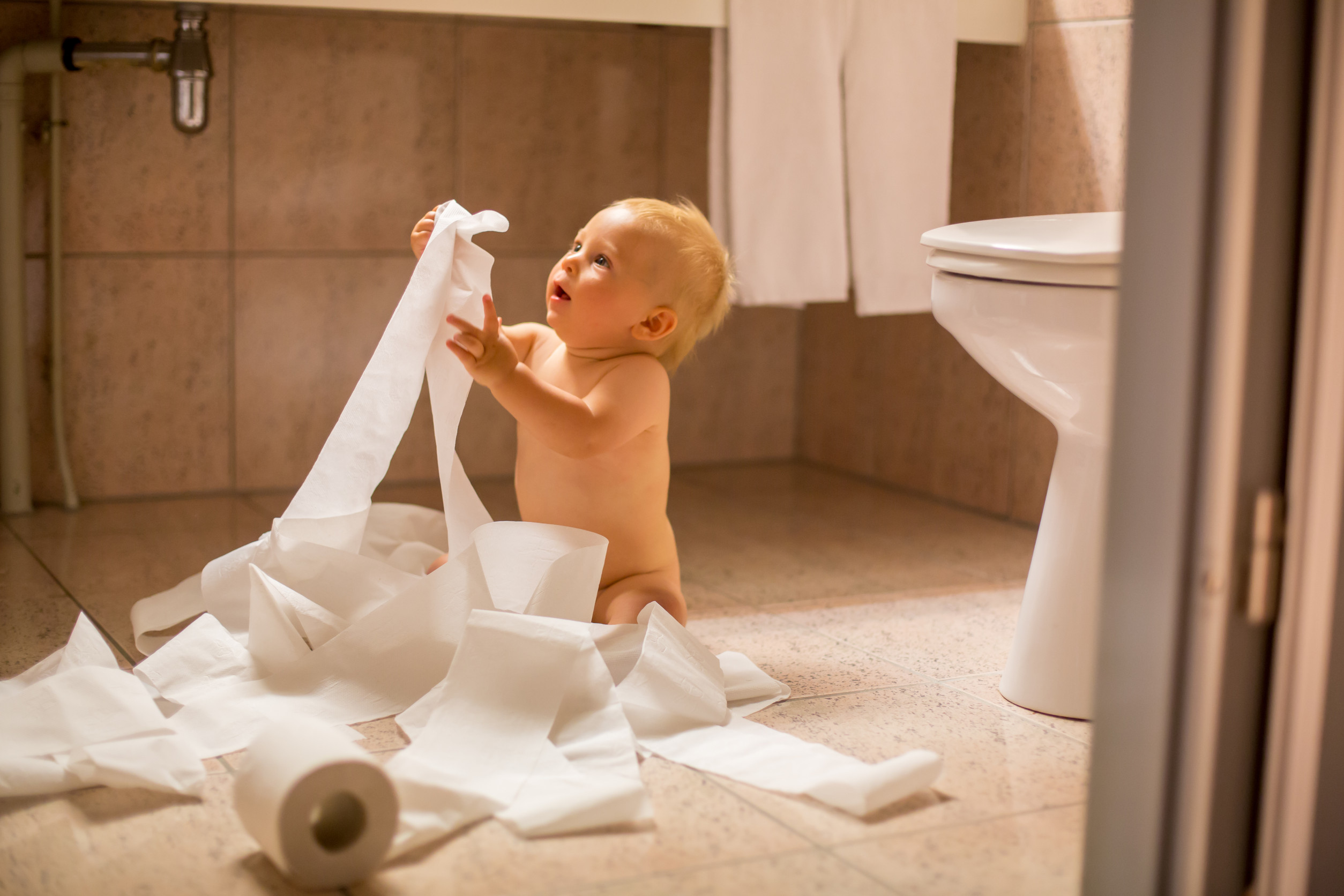
Before The First Step 8 Hidden Dangers In Your Bathroom Threatening Toddlers
Image source: 123rf.com

Your bathroom may look clean, bright, and toddler-safe at first glance, but behind that closed door lies a minefield of hidden hazards. Toddlers are naturally curious, and once they start crawling or toddling, the bathroom becomes one of the riskiest rooms in your home. From slippery floors to toxic products tucked under the sink, seemingly harmless items can pose serious threats. Recognizing these overlooked risks gives you the power to make small changes that could prevent major accidents. Let’s walk through the most common dangers in your bathroom threatening toddlers before little feet ever cross the tile.

1. Slippery Floors and Bath Mats

A wet bathroom floor is a fall waiting to happen, especially for toddlers who are still learning how to balance. Even the tiniest splash from the sink or tub can make the surface dangerously slick. Throw rugs and bathmats without anti-slip backing add another layer of risk. Once a toddler slips, injuries like head bumps or broken bones can happen fast. Of all the dangers in your bathroom threatening toddlers, slick surfaces are among the most overlooked.

2. Unsecured Toilets

Toilets seem harmless to adults, but they pose a drowning risk for toddlers who can topple in headfirst. Toddlers are drawn to water and might try to play in the bowl or flush objects out of curiosity. A toilet lid lock is a simple fix that can prevent a tragic accident. Some toddlers may even try to climb the toilet to reach counters or windows, which adds the danger of falling. This everyday fixture ranks high among dangers in your bathroom threatening toddlers.

3. Cleaning Products Under the Sink

The space under your bathroom sink is a magnet for trouble if it’s stocked with cleaners, bleach, or drain chemicals. Even a small amount of these products can be extremely toxic if ingested or spilled on skin. Childproof cabinet locks are essential, but relocating cleaners to higher shelves is even better. Labels and caps can be misleadingly colorful or appealing to curious hands. Poisoning hazards are silent but serious dangers in your bathroom threatening toddlers.

4. Medications Within Reach

Many parents keep everyday medications in bathroom drawers or cabinets, thinking it’s safe as long as the lids are child-resistant. But toddlers have been known to open “safety” caps with enough time and effort. Vitamins, pain relievers, and prescriptions should always be stored high and out of sight. A medicine lockbox offers extra protection if bathroom storage is your only option. Medications are one of the most dangerous dangers in your bathroom threatening toddlers, especially when colorful pills resemble candy.

5. Sharp Tools and Grooming Items

Razors, tweezers, nail clippers, and scissors often end up scattered on counters or loosely stored in drawers. These small, sharp items can cause cuts or choking if a toddler gets hold of them. Always store grooming tools in a locked container or drawer with a safety latch. Toddlers love to mimic adult behavior, making these items even more tempting during your morning routine. These bite-sized hazards are surprisingly common dangers in your bathroom threatening toddlers.

6. Bathtub Scalding Hazards

A toddler can get seriously burned in seconds if the water temperature in your tub or sink is too high. If your water heater is set above 120°F, your child could suffer serious burns in seconds. Installing anti-scald devices or adjusting your water heater’s temperature helps prevent painful accidents. Even turning your back briefly while filling a tub can lead to disaster. Scalding risks remain one of the top dangers in your bathroom threatening toddlers.

7. Electrical Outlets and Appliances

Hair dryers, straighteners, and electric razors may seem harmless when unplugged, but cords and outlets are tempting toys to little ones. Plug covers are a must, and appliances should be unplugged and stored securely after every use. Devices that heat up can stay hot for several minutes after being turned off. A toddler’s small fingers don’t need much contact to get burned or shocked. Electrical items create stealthy dangers in your bathroom threatening toddlers that are easy to forget.

8. Trash Cans and Toiletry Waste

Even a small bathroom trash can holds big risks, from sharp razors to used floss picks, cotton swabs, or medications. Toddlers may dig through the trash out of curiosity and find items they can chew, choke on, or injure themselves with. Using a trash can with a locking lid or placing it out of reach makes a big difference. Don’t underestimate how appealing a crinkly wrapper or colorful tube of lotion can be to tiny hands. Trash becomes one of the most underestimated dangers in your bathroom threatening toddlers.

Safety Starts Before Their First Steps

By the time your toddler is standing, it may already be too late to fix the hidden hazards in your bathroom. Safety-proofing this space early can prevent falls, burns, poisonings, and other emergencies before they happen. The good news is most of these changes are simple and inexpensive to make. From latching drawers to adjusting your water heater, every small step adds up to a safer home. Awareness is the first defense against the dangers in your bathroom threatening toddlers.

Which of these bathroom dangers surprised you most? Have you toddler-proofed your bathroom yet? Let us know your safety tips in the comments!

Read More:

6 Urgent Steps to Protect Your Home from Kids’ Dangers

8 Everyday Products Dangerous for Toddlers

Catherine Reed
Catherine Reed

Catherine is a tech-savvy writer who has focused on the personal finance space for more than eight years. She has a Bachelor’s in Information Technology and enjoys showcasing how tech can simplify everyday personal finance tasks like budgeting, spending tracking, and planning for the future. Additionally, she’s explored the ins and outs of the world of side hustles and loves to share what she’s learned along the way. When she’s not working, you can find her relaxing at home in the Pacific Northwest with her two cats or enjoying a cup of coffee at her neighborhood cafe.
Filed Under: Home and Living Tagged With: accident prevention, babyproofing, bathroom safety, childproofing, household hazards, new parent advice, parenting tips, toddler safety

Bathtub Dangers: 8 Hidden Dangers in Your Child’s Bathtub

July 10, 2025 | Leave a Comment

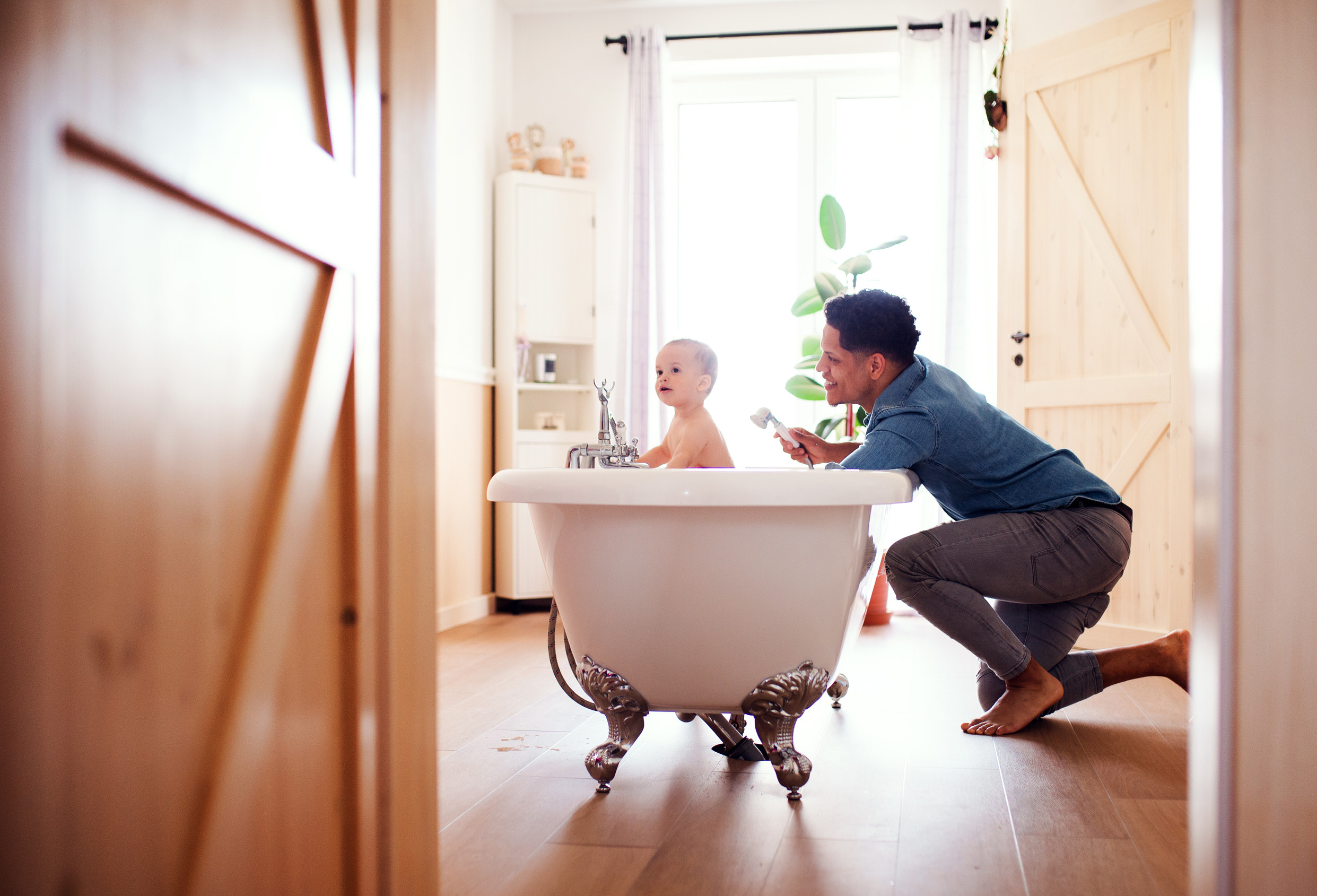
Bathtub Dangers 8 Hidden Dangers in Your Childs Bathtub
123rf.com

Bath time is supposed to be fun, soothing, and safe—but is it as safe as you think? Many parents are surprised to learn that there are hidden dangers in your child’s bathtub that go far beyond slips and splashes. From moldy toys to toxic bath products, what seems like a harmless routine can hide serious risks. The good news is that once you know what to look out for, making bath time safer is easy and completely manageable. Here’s what might be lurking in your child’s tub and what you can do to fix it.

1. Slippery Surfaces

The most obvious but still overlooked hazard is a slick bathtub floor. Kids get wiggly when they play in water, and just one wrong move can result in a painful fall. Bathtubs become dangerously slippery when soap, shampoo, or even plain water builds up on the surface. A non-slip bath mat or textured decals can help provide traction and reduce risk. To lower the chance of slipping, always supervise closely and keep the surface as dry and soap-free as possible.

2. Moldy Bath Toys

Squeeze toys and rubber ducks may seem adorable, but they’re a breeding ground for mold and bacteria. Water gets trapped inside and creates the perfect dark, moist environment for growth. Every time your child squirts or chews on them, they’re potentially exposed to harmful germs. Regularly clean and dry toys, and consider sealing the holes to prevent water from getting in. If a toy smells musty or has visible mold, toss it—it’s not worth the risk.

3. Scalding Hot Water

Many parents don’t realize how quickly hot water can cause burns, especially on sensitive toddler skin. Water over 120°F can cause scalding in a matter of seconds, and many water heaters are set higher than that by default. Installing an anti-scald valve or adjusting your water heater to a safer temperature is one of the simplest ways to eliminate this danger. Always test the water with your wrist before placing your child in the tub. When it comes to hidden dangers in your child’s bathtub, heat is one of the most dangerous and most preventable.

4. Toxic Bath Products

That lavender bubble bath or fruity shampoo may smell great, but many bath products contain ingredients that are too harsh for kids. Some soaps and bath bombs include artificial dyes, fragrances, or preservatives that can irritate skin, trigger allergies, or even cause hormonal disruption. Stick with fragrance-free, hypoallergenic products made specifically for children. Read ingredient labels carefully and avoid anything with parabens, phthalates, or SLS. Just because something is marketed to kids doesn’t mean it’s safe.

5. Unsecured Faucets and Spouts

Metal spouts and temperature knobs aren’t just functional—they’re also head-level hazards for little ones. If a child slips or stands up too fast, they could knock into the faucet and cause bruising or cuts. Protective covers made from soft rubber or foam can cushion sharp edges and reduce injury risk. There are also faucet covers that double as water flow reducers, adding another layer of safety. This small investment can prevent big accidents in a blink.

6. Electrical Devices Nearby

Hairdryers, space heaters, and phone chargers should be nowhere near the tub, even if they’re unplugged. Curious kids may grab cords or try to mimic adult behavior by turning things on. Water and electricity are a deadly mix, and just having a device nearby increases the chances of something going wrong. Keep all electronics far from the bathroom and store cords out of reach. One of the most serious hidden dangers in your child’s bathtub isn’t in the water—it’s outside of it.

7. Overfilled Tubs

It might seem harmless to fill the tub a little higher so your child can “swim” more easily, but this increases the risk of drowning. Even just a few inches of water can be dangerous, especially for toddlers who slip beneath the surface silently. Stick to the recommendation of filling the tub with only a few inches of water. Always keep your eyes and hands on your child, even for a moment. Too much water plus one moment of distraction is a risk no parent should take.

8. Leftover Cleaning Chemicals

If you clean your tub with strong cleaners and then rinse quickly, traces can remain on the surface and irritate your child’s skin. Some cleaners leave behind residue that’s especially harsh on young, sensitive skin. Rinse the tub thoroughly after every scrub-down and give it time to air out before filling it up again. Better yet, switch to non-toxic, child-safe cleaning products whenever possible. What you clean with is just as important as how often you clean when trying to avoid hidden dangers in your child’s bathtub.

Bathtime Should Be Fun, Not Frightening

Bath time is often a bonding experience, but it’s easy to overlook the everyday hazards hiding in plain sight. By being aware of the hidden dangers in your child’s bathtub, you can make small changes that add up to a much safer routine. From watching water temperature to rethinking what toys are safe, it all starts with a closer look and a few smart swaps. With just a little effort, you can turn the tub into a safe and enjoyable space again. After all, kids should leave the bath cleaner—not in danger.

What’s one bathtub safety tip you swear by? Share your go-to strategies in the comments to help other parents keep bath time safe.

Read More:

10 Hidden Fees You Didn’t Know Were in Your Childcare Contract

10 Hidden Dangers of Social Media Every Parent Should Know

Catherine Reed
Catherine Reed

Catherine is a tech-savvy writer who has focused on the personal finance space for more than eight years. She has a Bachelor’s in Information Technology and enjoys showcasing how tech can simplify everyday personal finance tasks like budgeting, spending tracking, and planning for the future. Additionally, she’s explored the ins and outs of the world of side hustles and loves to share what she’s learned along the way. When she’s not working, you can find her relaxing at home in the Pacific Northwest with her two cats or enjoying a cup of coffee at her neighborhood cafe.

Filed Under: Parenting Tagged With: baby safety, bathroom safety, bathtub safety, childproofing tips, household hazards, moldy toys, parenting hacks, toddler bath tips

  • Facebook
  • Pinterest
  • RSS
  • Twitter

Basic Principles Of Good Parenting

Here some basic principles for good parenting:

  1. What You Do Matters: Your kids are watching you. So, be purposeful about what you want to accomplish.
  2. You Can’t be Too Loving: Don’t replace love with material possessions, lowered expectations or leniency.
  3. Be Involved Your Kids Life: Arrange your priorities to focus on what your kid’s needs. Be there mentally and physically.
  4. Adapt Your Parenting: Children grow quickly, so keep pace with your child’s development.
  5. Establish and Set Rules: The rules you set for children will establish the rules they set for themselves later.  Avoid harsh discipline and be consistent.
  6. Explain Your Decisions: What is obvious to you may not be evident to your child. They don’t have the experience you do.
  7. Be Respectful To Your Child: How you treat your child is how they will treat others.  Be polite, respectful and make an effort to pay attention.
Best Parenting Blogs

Most Popular

Baby

9 Unusual Baby Names That Sound Like They Belong to Future CEOs

Evan Morgan
Baby

10 Baby Names That Were Once Considered “Grandparent Names” but Feel Cool Again

Evan Morgan
Target Store

Choking Incident Prompts Recall of 49,000 Target Gigglescape “Under the Sea” Popping Toys

Evan Morgan
Frustrated Girl

Why Some Students on the Spectrum Are Labeled With ODD

Evan Morgan
Coke Bottles

12 Things Kids Took to School in the ’70s That Would Never Be Allowed Today

Evan Morgan

All content on Kids Ain’t Cheap is for entertainment purposes only. By reading this blog, you agree that Kids Ain’t Cheap is not responsible for any actions taken after reading this blog. For the full disclaimer, see our privacy policy.

Please note that Kids Ain’t Cheap has financial relationships with some of the merchants mentioned here. Kids Ain’t Cheap is funded by banner advertising, commission sales and search optimization consulting.

Copyright © 2006–2026 | District Media | All Rights Reserved | Privacy Policy

Copyright © 2026 Runway Pro Theme by Viva la Violette