• Home
  • About Us
  • Toolkit
  • Archives
  • Advertise
  • Privacy Policy

Kids Ain't Cheap

But They Sure Are Worth It

  • Parenting
    • Baby Stuff
    • Books and Reading
      • Aesops Fables
      • Comic Books
    • Education
    • Family Time
    • Green Living
    • Growing Up
    • Healthy Living & Eating
    • Holidays
    • Parenting
    • Random Musings
    • Shopping
    • Stuff to Do
  • Money
  • Product Reviews
    • Books and Magazines
    • Discount Sites
    • Furniture
    • House Keeping
    • Reviews News
    • Toys and Games
  • Contact Us
  • Our Editorial Commitment
  • Search

Why Pediatricians are Quietly Flagging These 5 Household Items as Toxic

January 19, 2026 | Leave a Comment

Why Pediatricians are Quietly Flagging These 5 Household Items as Toxic
Image Source: Shutterstock.com

From kitchen counters in Fayetteville to daycare centers in Volusia County, FL, pediatricians are sounding the unprecedented alarm: five everyday household items are now flagged as toxic threats for the 2025‑2026 season. What was once dismissed as a minor irritation has erupted into a hidden reality affecting local‑to‑national child health. This quiet rollout of concern has not been televised, but pediatric clinics report a surge in exposure cases tied to products parents assumed were safe.

Medical professionals are not speculating. In 2026 pediatric case reports, toxic exposure to itemized household goods increased by double digits compared to 2024 figures, according to district health records in Florida’s Marion County. Pediatric hospitals documented acute reactions from substances historically labeled “benign.” This spike correlates with a toxicology dashboard update in early 2026 that reclassified common compounds previously cleared in older safety reviews.

Georgia’s mandated reporting statute, O.C.G.A. § 19‑7‑5, now requires pediatricians to file immediate risk notifications when household toxin cases surpass specific thresholds. Clinics across north Georgia confirmed they are doing just that. These are not low‑grade warnings — these are reportable incidents that now populate state health intelligence feeds.

The 5 Items Pediatricians Are Flagging

Clinics in both Georgia and Florida list the following as repeat exposure culprits:

1. Decorative Resin Figurines — Leach cadmium and lead under normal handling.
2. DIY Scent Warmers — Volatile organic compounds spike in enclosed rooms.
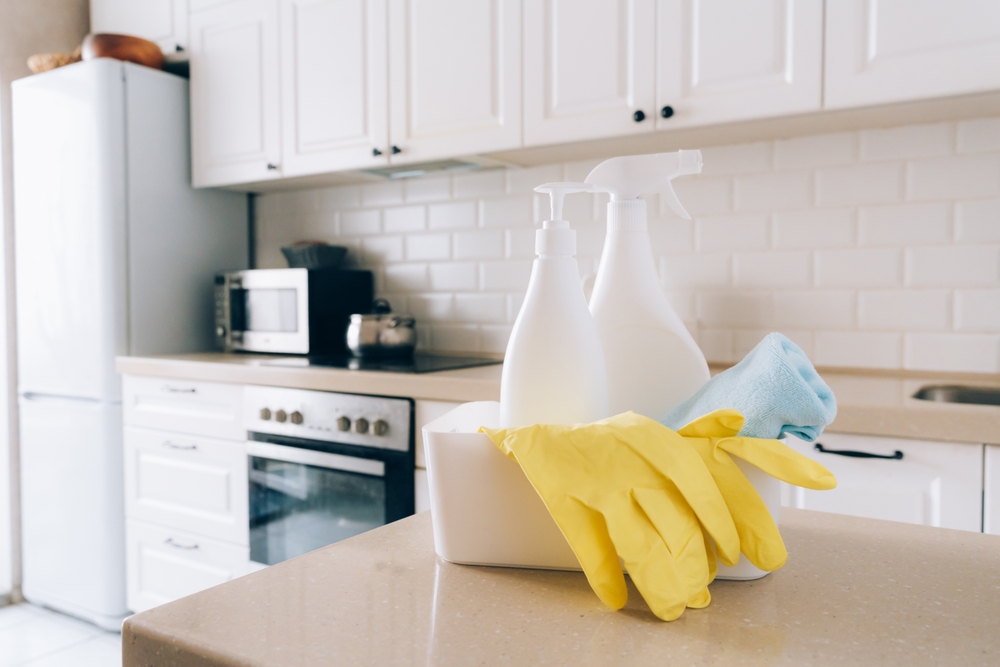
3. “Plant‑Based” Cleaning Sprays — Misleading labels mask allergenic compounds.
4. Foam Play Mats — Off‑gassing brominated flame retardants in new batches.
5. Repurposed Food Containers — Not all are BPA‑free despite claims.

Each item was tested and confirmed in pediatric toxicology panels this year. These are not hypothetical risks; pediatricians in Fayetteville and Volusia are seeing physical reactions.
Why Pediatricians are Quietly Flagging These 5 Household Items as Toxic
Image Source: Shutterstock.com

What Parents Are Losing

Parents are facing real losses. This isn’t academic. The financial fallout is direct: emergency room co‑pays, specialist visits, follow‑up testing, and out‑of‑network consultants are draining bank accounts faster than college savings can accumulate. Credit scores are dipping under the weight of medical bills. Social capital erodes when parents must cancel work obligations to manage acute child health crises. The hidden costs of kids now include what once was invisible: avoidable toxic exposures that force families into debt and anxiety loops.

These exposures carry high‑stakes parenting consequences. Your child’s future cognitive and physical development is the asset at stake — not a budget line item you can easily cut or postpone.

Is Your Household Safe?

Now it’s your turn: Do we prioritize safety at all costs — even if it means restricting products and family routines? Or do we defend liberty and consumer choice even if it risks our children’s health? Choose one: Safety vs. Liberty. Reply and defend your stance.

You May Also Like…

Is Your Little One’s DIY Costume a Potential Safety Hazard?

A Parent’s Guide to Safe Heating at Home

Digital Safety: 6 Steps to Safeguard Your Child’s Online Identity

Behavioral Red Flags: How Kids Silently Signal They Don’t Feel Safe at Home

Are Parents Ignoring Early Signs of Anxiety in Elementary Kids?

Brandon Marcus
Brandon Marcus
Brandon Marcus is a writer who has been sharing the written word since a very young age. His interests include sports, history, pop culture, and so much more. When he isn’t writing, he spends his time jogging, drinking coffee, or attempting to read a long book he may never complete.

Filed Under: Household Tagged With: child safety, family safety, health, Health and Safety, health and wellness, healthy household, household hazards, household items, Safety, toxic household products, toxic ingredients

Beyond The Label: 8 Everyday Products Dangerous For Babies

July 25, 2025 | Leave a Comment

Beyond The Label 8 Everyday Products Dangerous For Babies
Image source: 123rf.com

Just because something is sold in a baby aisle or sits on your household shelf doesn’t mean it’s safe for your child. In fact, many common items that look harmless—or are even labeled as “gentle” or “non-toxic”—can actually be dangerous for babies. From ingredients you can’t pronounce to overlooked hazards in everyday gear, these products can pose health and safety risks with long-term consequences. As a parent, you already have a million things to think about, but knowing what to keep out of baby’s reach or routine can make a big difference. Here’s a closer look at eight everyday products that may be more dangerous for babies than most people realize.

1. Scented Baby Wipes Can Trigger Skin and Breathing Issues

They may smell like lavender or fresh linen, but scented baby wipes often contain fragrances and preservatives that are harsh on delicate skin. These chemicals can cause rashes, allergic reactions, or even disrupt your baby’s developing respiratory system. Even wipes labeled “natural” or “sensitive” may include irritants like parabens or formaldehyde-releasing agents. Unscented, hypoallergenic wipes with minimal ingredients are often a safer choice. Always read the ingredient list, even if the packaging looks baby-friendly.

2. Air Fresheners Release Harmful Particles

Plug-ins, sprays, and scented oils might make your home smell clean, but they can pollute the air your baby breathes. Many air fresheners emit volatile organic compounds (VOCs), which have been linked to asthma and hormone disruption. Since babies breathe faster and closer to the ground, they absorb more of these chemicals than adults. These products can be especially dangerous for babies with allergies or existing respiratory conditions. Consider switching to natural ventilation or baking soda-based alternatives instead.

3. Teething Necklaces Pose a Serious Choking Risk

Amber teething necklaces have gained popularity as a “natural” remedy for teething pain, but they can be very dangerous for babies. There’s no scientific evidence they work, and they create a strangulation and choking hazard if the beads break or the necklace gets caught. Even silicone versions marketed as “safe” can break under pressure. Pediatricians and safety experts strongly recommend avoiding them entirely. Use chilled (not frozen) teething toys instead and always supervise during use.

4. Baby Powders Contain Inhalation Hazards

While baby powders were once considered essential, many now come with warnings about the dangers of inhaling fine particles. Traditional talc-based powders have been linked to respiratory issues and even cancer in some lawsuits. Even cornstarch-based powders, though marketed as safer, can still irritate sensitive lungs when airborne. If you’re trying to reduce moisture, a soft cloth or barrier cream is usually a better option. Avoid using powders directly on your baby’s skin or near their face.

5. Plastic Baby Bottles May Leach Harmful Chemicals

Not all plastic baby bottles are created equal, and some may still leach chemicals like BPA or BPS, especially when heated. These chemicals have been associated with developmental and hormonal disruptions. Even “BPA-free” bottles may contain substitute chemicals that aren’t fully tested for safety. Glass bottles or those made with high-quality silicone can provide a safer alternative. If you do use plastic, avoid microwaving and replace them at the first sign of wear or scratches.

6. Fabric Softeners and Dryer Sheets Leave Toxic Residue

Soft, fresh-smelling clothes feel great, but the chemicals used in fabric softeners and dryer sheets are far from gentle. They leave a film on clothes that can cause skin irritation and introduce endocrine-disrupting compounds. These residues are especially dangerous for babies, whose skin absorbs more than adult skin. Unscented, hypoallergenic detergents without added softeners are a better choice. If you miss that softness, try wool dryer balls instead.

7. Crib Bumpers and Pillows Increase Suffocation Risk

Crib bumpers, decorative pillows, and even plush blankets can look cute, but they pose a real suffocation hazard for babies. Despite warnings from pediatricians and the American Academy of Pediatrics, some stores still sell them as part of crib bedding sets. Babies don’t have the strength to move their heads if their airway becomes blocked by soft materials. A firm mattress with a fitted sheet is all your baby needs for safe sleep. Keep the crib free of extras to reduce the risk of SIDS.

8. Antibacterial Soaps Disrupt the Skin’s Natural Barrier

Parents want to keep germs away, but antibacterial soaps are often too harsh for baby skin. These products can strip the skin’s natural oils and alter the microbiome, which plays a role in immune system development. Some ingredients, like triclosan, have even been banned in certain products due to safety concerns. For most situations, plain soap and water are more than enough. Stick to mild, fragrance-free cleansers designed specifically for infants.

Safe Starts Begin with Awareness

When it comes to products that are dangerous for babies, the real threat is often what we don’t see or question. Labels like “gentle,” “natural,” or “for babies” can be misleading, hiding ingredients or risks that don’t show up until it’s too late. By learning where these hidden dangers live and choosing safer alternatives, you’re giving your baby the best possible start. You don’t have to overhaul your entire household overnight, but small swaps and more informed choices can make a big difference. Parenting is full of enough surprises already—safety shouldn’t be one of them.

What everyday baby product surprised you most after learning about its risks? Share your thoughts or tips in the comments!

Read More:

Are You Wasting Money? 6 Baby Items New Parents Regret Buying

6 Urgent Safety Checks for Baby Gear

Catherine Reed
Catherine Reed

Catherine is a tech-savvy writer who has focused on the personal finance space for more than eight years. She has a Bachelor’s in Information Technology and enjoys showcasing how tech can simplify everyday personal finance tasks like budgeting, spending tracking, and planning for the future. Additionally, she’s explored the ins and outs of the world of side hustles and loves to share what she’s learned along the way. When she’s not working, you can find her relaxing at home in the Pacific Northwest with her two cats or enjoying a cup of coffee at her neighborhood cafe.

Filed Under: Parenting Tagged With: baby care, baby product risks, baby safety, dangerous for babies, household hazards, natural baby care, parenting tips, safe parenting choices, toxic products

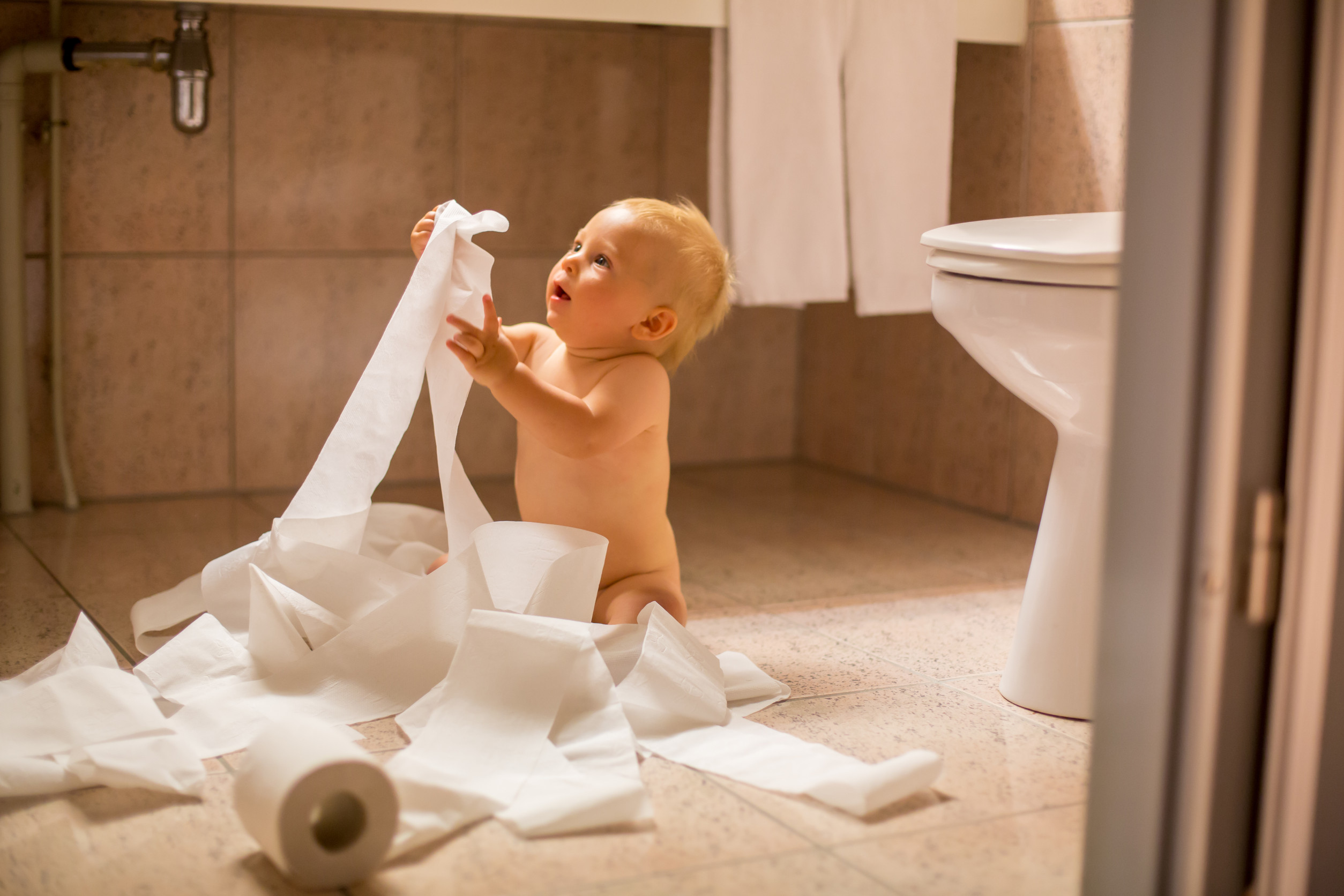
Before The First Step: 8 Hidden Dangers In Your Bathroom Threatening Toddlers

July 23, 2025 | Leave a Comment

Before The First Step 8 Hidden Dangers In Your Bathroom Threatening Toddlers
Image source: 123rf.com

Your bathroom may look clean, bright, and toddler-safe at first glance, but behind that closed door lies a minefield of hidden hazards. Toddlers are naturally curious, and once they start crawling or toddling, the bathroom becomes one of the riskiest rooms in your home. From slippery floors to toxic products tucked under the sink, seemingly harmless items can pose serious threats. Recognizing these overlooked risks gives you the power to make small changes that could prevent major accidents. Let’s walk through the most common dangers in your bathroom threatening toddlers before little feet ever cross the tile.

1. Slippery Floors and Bath Mats

A wet bathroom floor is a fall waiting to happen, especially for toddlers who are still learning how to balance. Even the tiniest splash from the sink or tub can make the surface dangerously slick. Throw rugs and bathmats without anti-slip backing add another layer of risk. Once a toddler slips, injuries like head bumps or broken bones can happen fast. Of all the dangers in your bathroom threatening toddlers, slick surfaces are among the most overlooked.

2. Unsecured Toilets

Toilets seem harmless to adults, but they pose a drowning risk for toddlers who can topple in headfirst. Toddlers are drawn to water and might try to play in the bowl or flush objects out of curiosity. A toilet lid lock is a simple fix that can prevent a tragic accident. Some toddlers may even try to climb the toilet to reach counters or windows, which adds the danger of falling. This everyday fixture ranks high among dangers in your bathroom threatening toddlers.

3. Cleaning Products Under the Sink

The space under your bathroom sink is a magnet for trouble if it’s stocked with cleaners, bleach, or drain chemicals. Even a small amount of these products can be extremely toxic if ingested or spilled on skin. Childproof cabinet locks are essential, but relocating cleaners to higher shelves is even better. Labels and caps can be misleadingly colorful or appealing to curious hands. Poisoning hazards are silent but serious dangers in your bathroom threatening toddlers.

4. Medications Within Reach

Many parents keep everyday medications in bathroom drawers or cabinets, thinking it’s safe as long as the lids are child-resistant. But toddlers have been known to open “safety” caps with enough time and effort. Vitamins, pain relievers, and prescriptions should always be stored high and out of sight. A medicine lockbox offers extra protection if bathroom storage is your only option. Medications are one of the most dangerous dangers in your bathroom threatening toddlers, especially when colorful pills resemble candy.

5. Sharp Tools and Grooming Items

Razors, tweezers, nail clippers, and scissors often end up scattered on counters or loosely stored in drawers. These small, sharp items can cause cuts or choking if a toddler gets hold of them. Always store grooming tools in a locked container or drawer with a safety latch. Toddlers love to mimic adult behavior, making these items even more tempting during your morning routine. These bite-sized hazards are surprisingly common dangers in your bathroom threatening toddlers.

6. Bathtub Scalding Hazards

A toddler can get seriously burned in seconds if the water temperature in your tub or sink is too high. If your water heater is set above 120°F, your child could suffer serious burns in seconds. Installing anti-scald devices or adjusting your water heater’s temperature helps prevent painful accidents. Even turning your back briefly while filling a tub can lead to disaster. Scalding risks remain one of the top dangers in your bathroom threatening toddlers.

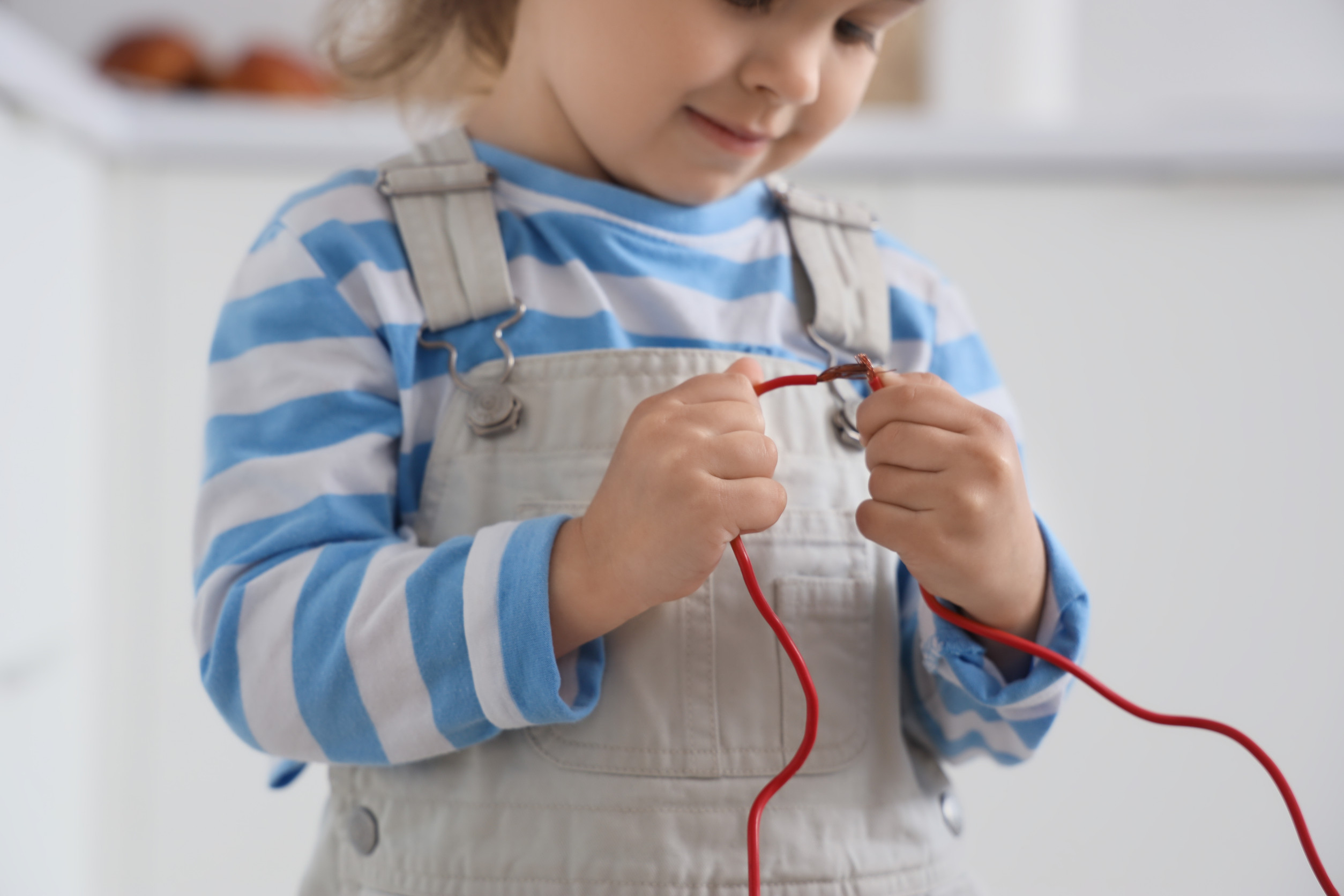
7. Electrical Outlets and Appliances

Hair dryers, straighteners, and electric razors may seem harmless when unplugged, but cords and outlets are tempting toys to little ones. Plug covers are a must, and appliances should be unplugged and stored securely after every use. Devices that heat up can stay hot for several minutes after being turned off. A toddler’s small fingers don’t need much contact to get burned or shocked. Electrical items create stealthy dangers in your bathroom threatening toddlers that are easy to forget.

8. Trash Cans and Toiletry Waste

Even a small bathroom trash can holds big risks, from sharp razors to used floss picks, cotton swabs, or medications. Toddlers may dig through the trash out of curiosity and find items they can chew, choke on, or injure themselves with. Using a trash can with a locking lid or placing it out of reach makes a big difference. Don’t underestimate how appealing a crinkly wrapper or colorful tube of lotion can be to tiny hands. Trash becomes one of the most underestimated dangers in your bathroom threatening toddlers.

Safety Starts Before Their First Steps

By the time your toddler is standing, it may already be too late to fix the hidden hazards in your bathroom. Safety-proofing this space early can prevent falls, burns, poisonings, and other emergencies before they happen. The good news is most of these changes are simple and inexpensive to make. From latching drawers to adjusting your water heater, every small step adds up to a safer home. Awareness is the first defense against the dangers in your bathroom threatening toddlers.

Which of these bathroom dangers surprised you most? Have you toddler-proofed your bathroom yet? Let us know your safety tips in the comments!

Read More:

6 Urgent Steps to Protect Your Home from Kids’ Dangers

8 Everyday Products Dangerous for Toddlers

Catherine Reed
Catherine Reed

Catherine is a tech-savvy writer who has focused on the personal finance space for more than eight years. She has a Bachelor’s in Information Technology and enjoys showcasing how tech can simplify everyday personal finance tasks like budgeting, spending tracking, and planning for the future. Additionally, she’s explored the ins and outs of the world of side hustles and loves to share what she’s learned along the way. When she’s not working, you can find her relaxing at home in the Pacific Northwest with her two cats or enjoying a cup of coffee at her neighborhood cafe.

Filed Under: Home and Living Tagged With: accident prevention, babyproofing, bathroom safety, childproofing, household hazards, new parent advice, parenting tips, toddler safety

Toddler Danger: 8 Everyday Products Dangerous for Toddlers

July 18, 2025 | Leave a Comment

Toddler Danger 8 Everyday Products Dangerous for Toddlers
Image source: 123rf.com

Toddlers are curious, fearless, and fast—and while that makes for some sweet memories, it also creates real safety concerns. Many of the items sitting around your home right now may seem harmless to you but pose a serious toddler danger. The problem is that everyday products often fly under the radar because they’re not labeled as hazardous or kept out of reach. But toddlers don’t know what’s off-limits, and accidents can happen in seconds. Here are eight common products you’ll want to take a second look at to keep your little one safer.

1. Laundry Pods

Colorful and squishy, laundry pods can look like candy to a toddler. But these highly concentrated detergent packets are extremely toxic if ingested and can also cause burns to the mouth, eyes, or skin. Even a small amount can trigger serious symptoms like vomiting, breathing trouble, or seizures. Store them in a locked cabinet well above eye level and never let your child help with laundry when pods are in reach. Laundry detergent bottles can also pose a toddler danger, so all cleaning products should be secured.

2. Button Batteries

These tiny, shiny batteries are found in remote controls, musical toys, thermometers, and greeting cards. If swallowed, button batteries can burn through a toddler’s esophagus in a matter of hours due to the electrical current they emit. This is one of the most serious hidden dangers in the average household. Always check battery compartments and tape them shut if needed, and keep spare batteries locked away. If you suspect your toddler has swallowed one, it’s an immediate ER visit—don’t wait for symptoms.

3. Cords and Window Blind Strings

Window blind cords, charging cables, and curtain ties can all pose a strangulation hazard. Toddlers often play with anything within their reach, and loose cords can quickly become wrapped around a neck or limb. Cordless blinds are the safest option, but if you have cords, use safety wraps or cord cleats to keep them out of sight and out of mind. Even small cords like headphone wires can be a toddler danger if left dangling. Always take a quick look around to check for hanging hazards.

4. Magnets

While a single magnet might not seem like a big deal, multiple swallowed magnets can attract to one another inside the body. This can cause intestinal blockages, tissue damage, and even life-threatening perforations. Many building toys, jewelry, and novelty items contain small magnets that come loose over time. If you notice toys breaking or pieces missing, toss them immediately. Always check that anything magnetic is toddler-safe and large enough not to be swallowed.

5. Personal Care Products

Toothpaste, makeup, nail polish remover, and mouthwash are easy to access in most bathrooms. But they contain ingredients that can irritate, burn, or poison if your toddler gets into them. Even “natural” or “child-friendly” products are meant for supervised use only. Consider adding childproof locks to bathroom drawers and cabinets, and never leave toiletry bags within reach. Personal care items are one of the most overlooked sources of toddler danger.

6. Houseplants

Believe it or not, many popular houseplants are toxic if chewed on or swallowed. Plants like pothos, philodendron, peace lilies, and even aloe can irritate a toddler’s mouth or cause stomach upset. Since toddlers love exploring with their hands and mouths, these plants need to be placed well out of reach or removed altogether. Do a quick search to check the safety of your indoor greenery. It’s one of the simplest ways to reduce toddler danger inside your home.

7. Medications and Vitamins

A childproof cap doesn’t mean childproof. Toddlers can be shockingly determined when they see something colorful like gummy vitamins or cold medicine. All medications, including over-the-counter pain relievers and supplements, should be stored high up and in locked containers. Even a single adult dose of some medications can be fatal to a toddler. Double-check that purses, backpacks, and nightstands are also free of medication within reach.

8. Furniture and TVs That Aren’t Anchored

Toddlers love to climb, and a heavy dresser or television can easily tip over if pulled on or used as a ladder. Tip-over accidents are more common than many parents realize and can cause head injuries, fractures, or worse. Anchoring furniture to the wall with anti-tip kits is a quick and effective fix. Make sure TVs, bookshelves, and tall furniture pieces are stable and secured. It’s a small task that can prevent a big toddler danger.

Look Again at What’s Hiding in Plain Sight

You don’t need to live in fear, but you do need to stay aware of how quickly normal items can become threats to your toddler. The toddler danger often comes from the everyday things we stop noticing—until something goes wrong. A simple sweep of your home every few weeks can make a huge difference in preventing accidents. Think like a toddler: what can they reach, pull, open, or swallow? The more intentional your setup, the safer your little explorer will be.

What surprising toddler danger did you discover in your home? Share your experience or tips with other parents in the comments!

Read More:

11 Ways You’re Undermining Your Toddler’s Growth

7 Medical Scams Targeting Parents of Toddlers

Catherine Reed
Catherine Reed

Catherine is a tech-savvy writer who has focused on the personal finance space for more than eight years. She has a Bachelor’s in Information Technology and enjoys showcasing how tech can simplify everyday personal finance tasks like budgeting, spending tracking, and planning for the future. Additionally, she’s explored the ins and outs of the world of side hustles and loves to share what she’s learned along the way. When she’s not working, you can find her relaxing at home in the Pacific Northwest with her two cats or enjoying a cup of coffee at her neighborhood cafe.

Filed Under: Parenting Tagged With: babyproofing your home, child safety tips, childproofing tips, household hazards, parenting toddlers, toddler danger, toddler injury prevention, toddler safety

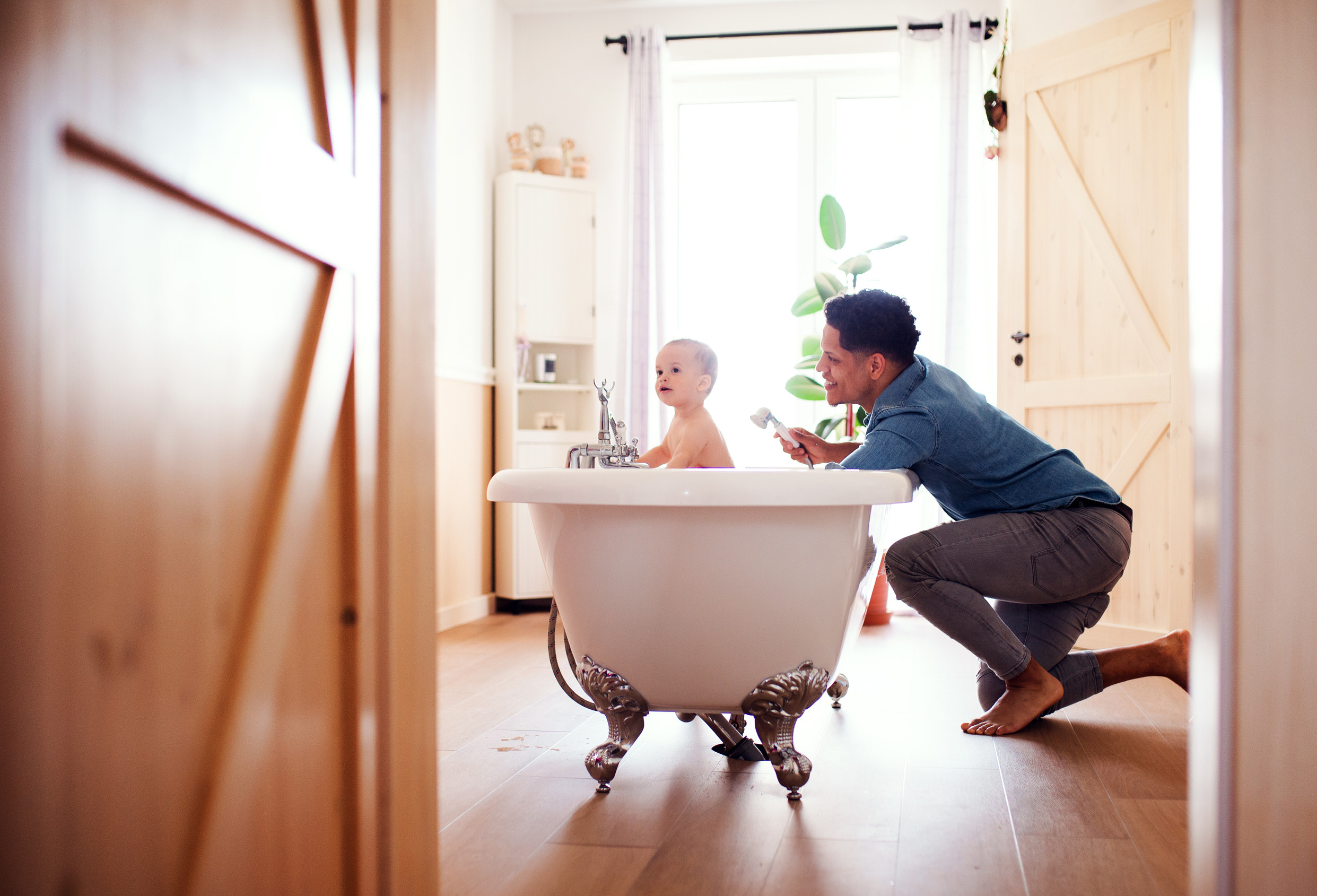
Bathtub Dangers: 8 Hidden Dangers in Your Child’s Bathtub

July 10, 2025 | Leave a Comment

Bathtub Dangers 8 Hidden Dangers in Your Childs Bathtub
123rf.com

Bath time is supposed to be fun, soothing, and safe—but is it as safe as you think? Many parents are surprised to learn that there are hidden dangers in your child’s bathtub that go far beyond slips and splashes. From moldy toys to toxic bath products, what seems like a harmless routine can hide serious risks. The good news is that once you know what to look out for, making bath time safer is easy and completely manageable. Here’s what might be lurking in your child’s tub and what you can do to fix it.

1. Slippery Surfaces

The most obvious but still overlooked hazard is a slick bathtub floor. Kids get wiggly when they play in water, and just one wrong move can result in a painful fall. Bathtubs become dangerously slippery when soap, shampoo, or even plain water builds up on the surface. A non-slip bath mat or textured decals can help provide traction and reduce risk. To lower the chance of slipping, always supervise closely and keep the surface as dry and soap-free as possible.

2. Moldy Bath Toys

Squeeze toys and rubber ducks may seem adorable, but they’re a breeding ground for mold and bacteria. Water gets trapped inside and creates the perfect dark, moist environment for growth. Every time your child squirts or chews on them, they’re potentially exposed to harmful germs. Regularly clean and dry toys, and consider sealing the holes to prevent water from getting in. If a toy smells musty or has visible mold, toss it—it’s not worth the risk.

3. Scalding Hot Water

Many parents don’t realize how quickly hot water can cause burns, especially on sensitive toddler skin. Water over 120°F can cause scalding in a matter of seconds, and many water heaters are set higher than that by default. Installing an anti-scald valve or adjusting your water heater to a safer temperature is one of the simplest ways to eliminate this danger. Always test the water with your wrist before placing your child in the tub. When it comes to hidden dangers in your child’s bathtub, heat is one of the most dangerous and most preventable.

4. Toxic Bath Products

That lavender bubble bath or fruity shampoo may smell great, but many bath products contain ingredients that are too harsh for kids. Some soaps and bath bombs include artificial dyes, fragrances, or preservatives that can irritate skin, trigger allergies, or even cause hormonal disruption. Stick with fragrance-free, hypoallergenic products made specifically for children. Read ingredient labels carefully and avoid anything with parabens, phthalates, or SLS. Just because something is marketed to kids doesn’t mean it’s safe.

5. Unsecured Faucets and Spouts

Metal spouts and temperature knobs aren’t just functional—they’re also head-level hazards for little ones. If a child slips or stands up too fast, they could knock into the faucet and cause bruising or cuts. Protective covers made from soft rubber or foam can cushion sharp edges and reduce injury risk. There are also faucet covers that double as water flow reducers, adding another layer of safety. This small investment can prevent big accidents in a blink.

6. Electrical Devices Nearby

Hairdryers, space heaters, and phone chargers should be nowhere near the tub, even if they’re unplugged. Curious kids may grab cords or try to mimic adult behavior by turning things on. Water and electricity are a deadly mix, and just having a device nearby increases the chances of something going wrong. Keep all electronics far from the bathroom and store cords out of reach. One of the most serious hidden dangers in your child’s bathtub isn’t in the water—it’s outside of it.

7. Overfilled Tubs

It might seem harmless to fill the tub a little higher so your child can “swim” more easily, but this increases the risk of drowning. Even just a few inches of water can be dangerous, especially for toddlers who slip beneath the surface silently. Stick to the recommendation of filling the tub with only a few inches of water. Always keep your eyes and hands on your child, even for a moment. Too much water plus one moment of distraction is a risk no parent should take.

8. Leftover Cleaning Chemicals

If you clean your tub with strong cleaners and then rinse quickly, traces can remain on the surface and irritate your child’s skin. Some cleaners leave behind residue that’s especially harsh on young, sensitive skin. Rinse the tub thoroughly after every scrub-down and give it time to air out before filling it up again. Better yet, switch to non-toxic, child-safe cleaning products whenever possible. What you clean with is just as important as how often you clean when trying to avoid hidden dangers in your child’s bathtub.

Bathtime Should Be Fun, Not Frightening

Bath time is often a bonding experience, but it’s easy to overlook the everyday hazards hiding in plain sight. By being aware of the hidden dangers in your child’s bathtub, you can make small changes that add up to a much safer routine. From watching water temperature to rethinking what toys are safe, it all starts with a closer look and a few smart swaps. With just a little effort, you can turn the tub into a safe and enjoyable space again. After all, kids should leave the bath cleaner—not in danger.

What’s one bathtub safety tip you swear by? Share your go-to strategies in the comments to help other parents keep bath time safe.

Read More:

10 Hidden Fees You Didn’t Know Were in Your Childcare Contract

10 Hidden Dangers of Social Media Every Parent Should Know

Catherine Reed
Catherine Reed

Catherine is a tech-savvy writer who has focused on the personal finance space for more than eight years. She has a Bachelor’s in Information Technology and enjoys showcasing how tech can simplify everyday personal finance tasks like budgeting, spending tracking, and planning for the future. Additionally, she’s explored the ins and outs of the world of side hustles and loves to share what she’s learned along the way. When she’s not working, you can find her relaxing at home in the Pacific Northwest with her two cats or enjoying a cup of coffee at her neighborhood cafe.

Filed Under: Parenting Tagged With: baby safety, bathroom safety, bathtub safety, childproofing tips, household hazards, moldy toys, parenting hacks, toddler bath tips

8 Safety Measures Parents Often Overlook at Home

April 3, 2025 | Leave a Comment

real estate and family home security concept - closeup picture of male and female hands holding white paper house with blue lock
Image Source: 123rf.com

Creating a safe home environment for children requires more than just baby-proofing the basics. Many parents, despite their best intentions, unknowingly overlook crucial safety measures that could prevent injuries or accidents. From hidden hazards to simple preventative steps, ensuring a secure household demands regular attention to detail. With these often-overlooked tips, you can safeguard your family and foster peace of mind.

1. Secure Heavy Furniture and Appliances

Large items such as bookshelves, dressers, and televisions pose a serious risk if not anchored securely to walls. A curious child climbing or pulling on furniture can cause it to tip over, resulting in injury. Use furniture straps or anchors to keep heavy items firmly in place. Make it a habit to check the stability of furniture and appliances regularly. Preventing accidents starts with proactive measures to secure your surroundings.

2. Address Hidden Electrical Risks

While outlet covers are essential, exposed cords and power strips are equally dangerous. Toddlers can chew on cords or pull on them, leading to shocks or burns. Use cord concealers or organizers to keep wires tucked away safely. For power strips, invest in models with built-in childproof covers. Eliminating these hazards ensures a safer exploration zone for your children.

3. Install Window Safety Locks

Windows are often overlooked as potential risks, especially on upper floors. Simple safety locks or restrictors can prevent accidental falls and ensure children stay safe. Window screens should not be relied upon as barriers—they’re designed to keep bugs out, not kids in. Regularly check locks and latches to ensure they remain functional. Providing this added layer of security can prevent life-threatening situations.

4. Test Smoke and Carbon Monoxide Detectors

Smoke and carbon monoxide detectors are lifesaving devices but are ineffective if not properly maintained. Make it a monthly habit to test alarms and replace batteries as needed. Ensure detectors are placed in key areas like bedrooms, hallways, and near kitchens. If your detector is more than 10 years old, it’s time for a replacement. Consistent maintenance keeps your family protected in case of emergencies.

5. Lock Away Hazardous Items

Cleaning supplies, medications, and even everyday household items like detergents should be stored in cabinets with locks or placed out of reach. Curious children can easily access these harmful substances if left unsecured. Review your storage areas regularly to ensure hazardous items are properly organized. Preventing accidental ingestion starts with controlled access.

6. Prevent Drowning Risks

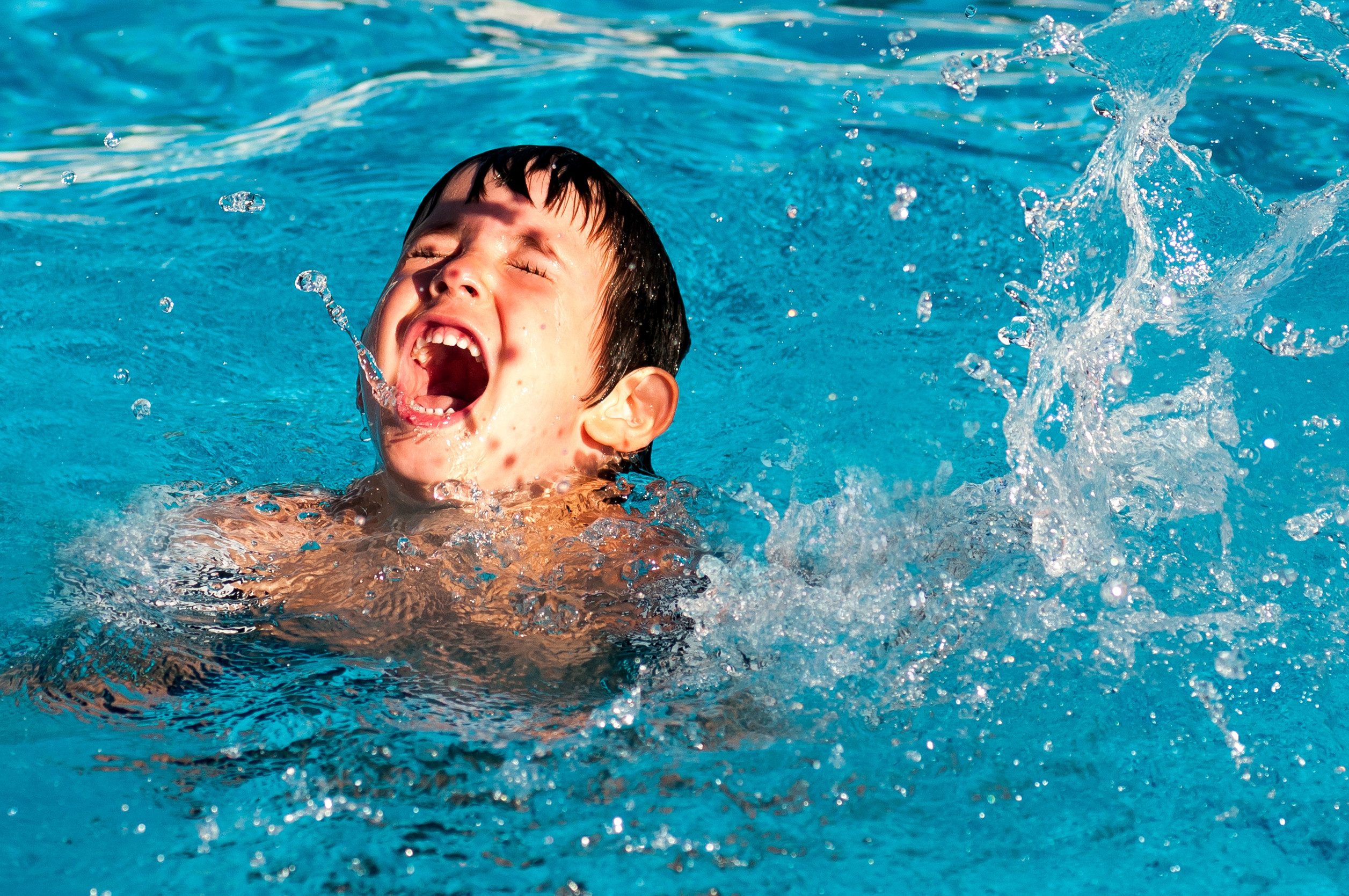
Young boy playing in the pool
Image Source: 123rf.com

Bathtubs, toilets, and even buckets of water can pose drowning risks to young children. Always keep bathroom doors closed and consider investing in toilet locks. Empty and store buckets immediately after use, and supervise bathtime closely. Taking these precautions reduces the risk of silent and sudden accidents involving water.

7. Mind Kitchen Safety

The kitchen is filled with hidden dangers like sharp utensils, hot stovetops, and cleaning agents. Secure cabinets with childproof locks, and always turn pot handles inward on the stove. Ensure knives and other sharp objects are stored far from reach. A few simple adjustments to your kitchen routine can drastically improve household safety.

8. Create Emergency Plans

Parents often neglect having clear emergency plans, such as evacuation routes for fires or earthquakes. Teach your children basic steps to follow in case of danger, and practice drills regularly. Clearly label emergency contacts and keep first-aid supplies easily accessible. Preparation makes all the difference when unexpected situations arise.

Proactive Safety Pays Off

Your home should be a sanctuary, and these eight measures ensure a safer environment for your family. By addressing overlooked risks, you enhance your ability to protect your children from harm.

What additional safety tips have worked well for your household? Share your insights in the comments below!

Read More:

10 Things Child Predators Look for When Targeting a Victim

7 Reasons You Shouldn’t Post Pictures of Your Young Children Online

Tamila McDonald
Tamila McDonald

Tamila McDonald is a U.S. Army veteran with 20 years of service, including five years as a military financial advisor. After retiring from the Army, she spent eight years as an AFCPE-certified personal financial advisor for wounded warriors and their families. Now she writes about personal finance and benefits programs for numerous financial websites.

Filed Under: Parenting Tagged With: childproofing, emergency planning, family security, home safety tips, household hazards, parenting advice

  • Facebook
  • Pinterest
  • RSS
  • Twitter

Basic Principles Of Good Parenting

Here some basic principles for good parenting:

  1. What You Do Matters: Your kids are watching you. So, be purposeful about what you want to accomplish.
  2. You Can’t be Too Loving: Don’t replace love with material possessions, lowered expectations or leniency.
  3. Be Involved Your Kids Life: Arrange your priorities to focus on what your kid’s needs. Be there mentally and physically.
  4. Adapt Your Parenting: Children grow quickly, so keep pace with your child’s development.
  5. Establish and Set Rules: The rules you set for children will establish the rules they set for themselves later.  Avoid harsh discipline and be consistent.
  6. Explain Your Decisions: What is obvious to you may not be evident to your child. They don’t have the experience you do.
  7. Be Respectful To Your Child: How you treat your child is how they will treat others.  Be polite, respectful and make an effort to pay attention.
Best Parenting Blogs

Most Popular

11 Ways Kids Are Outsmarting Parental Controls 1. Using Alternate Devices One common trick is simply turning to another device. If a child’s main phone or tablet is restricted, they may borrow a sibling’s, friend’s, or even a school laptop. This instantly gives them access to content outside of parental oversight. Parents often focus on one device, forgetting that others in the household can serve as loopholes. Knowing this tactic helps families tighten controls across all electronics. 2. Clearing Browsing Histories Many kids quickly learn that clearing browsing history hides evidence of restricted activity. With just a few clicks, they can erase any trace of websites visited. This makes it harder for parents to notice when rules are being broken. Parents may assume no history means no browsing, but the reality is often the opposite. Kids are outsmarting parental controls by making it seem like nothing happened at all. 3. Using Private Browsing Modes Most browsers offer “incognito” or private browsing features. Kids use this mode to access websites without leaving a record in the history. To parents checking later, everything looks clean and safe. This simple trick is often one of the first ways kids discover how to bypass restrictions. Conversations about private browsing can help close this gap. 4. Guessing or Resetting Passwords Children who are persistent may try to guess passwords to parental control apps or accounts. Others may find ways to reset them through email prompts or security questions. Once inside, they can disable restrictions entirely. Parents may not even realize controls have been altered until much later. Stronger, less predictable passwords can make this more difficult. 5. Using VPNs to Hide Activity Virtual private networks, or VPNs, let kids disguise their online locations. With one downloaded app, they can bypass geographic or parental restrictions. Some children learn about VPNs through friends or even social media. This makes it easy for them to reach content that should be blocked. Parents often underestimate just how simple it is for kids to use these tools. 6. Creating Fake Accounts When parents monitor social media, kids may create hidden accounts. These “finstas” or fake profiles allow them to interact freely without parental oversight. While their main account appears harmless, the secondary one tells a different story. Kids are outsmarting parental controls by playing both sides at once. Checking for duplicate accounts can help parents stay more aware. 7. Exploiting Time Zone Settings Some kids change the time zone on their devices to bypass screen time limits. This trick allows them to gain extra hours of usage undetected. Parents may assume controls are working, but in reality, the child is bending the clock. It’s a clever loophole that highlights just how resourceful kids can be. Monitoring device settings regularly can catch this tactic. 8. Disabling or Uninstalling Apps Parental control apps can be deleted or disabled with surprising ease. Some kids even reinstall them before a parent checks, making it seem like nothing changed. Others may simply restrict permissions to prevent apps from functioning properly. When apps aren’t monitored closely, parents may not notice they’ve been tampered with. This shows the importance of consistent follow-up. 9. Turning to Friends for Access If a child can’t get past restrictions on their own, they may rely on friends. Visiting a friend’s house or borrowing their phone can give them a free pass. Parents often forget that peer environments can override restrictions set at home. This kind of social workaround is especially common with gaming or social media. Open conversations about trust and responsibility are essential. 10. Hiding Apps in Plain Sight Kids sometimes download apps that look innocent but serve as gateways to hidden activity. These apps may disguise themselves as calculators or utilities. In reality, they allow file storage, private messaging, or browser access. Parents glancing at a home screen may overlook them entirely. Learning to recognize these disguised apps can help parents stay informed. 11. Outpacing Parents’ Tech Knowledge Finally, kids often know more about devices than their parents do. Whether through YouTube tutorials, TikTok hacks, or peer groups, they quickly learn advanced workarounds. This knowledge gap means controls can be bypassed before parents even realize the loophole exists. Staying informed and continually learning about new technology is the best defense. Kids are outsmarting parental controls because they adapt faster than most adults. The Real Solution Lies Beyond Restrictions While controls and filters are important, no system is perfect. Kids will always find creative ways around barriers, making communication the strongest safeguard. Setting clear expectations, building trust, and having ongoing conversations about online behavior matter more than apps alone. Parents who combine technology with open dialogue create a safer digital environment. The goal isn’t to win a battle of wits but to build a relationship that keeps kids both safe and honest. Do you think kids are outsmarting parental controls faster than parents can keep up? Share your experiences in the comments below. What to Read Next... 6 Parenting Tech Shortcuts That Can Expose Your Child to Strangers How Much Screen Time Is Too Much—Legally Speaking? Is Your Child’s School Quietly Tracking Their Location Without Your Consent? How Much Screen Time Is Quietly Reshaping Childhood Behavior? Why Some Parents Are Being Investigated Over Homeschooling Records

11 Ways Kids Are Outsmarting Parental Controls

Catherine Reed
Smiling grandfather holding a happy baby indoors.

Why Grandparents Shouldn’t Babysit Their Grandkids Every Week – The Unspoken Issue

Samantha
Girl getting makeup done, referencing psychologist-approved age.

Wearing Makeup: Here Is the Age That Psychologists Agree It’s Okay for Girls to Wear Makeup

Samantha
birthday gifts

7 Birthday Gifts Your Child Should Never Bring to a Party

Latrice Perez

Babysitting Without Cash: 10 Ways to Barter Your Way Out of Childcare Costs

Ashleigh Clyde

All content on Kids Ain’t Cheap is for entertainment purposes only. By reading this blog, you agree that Kids Ain’t Cheap is not responsible for any actions taken after reading this blog. For the full disclaimer, see our privacy policy.

Please note that Kids Ain’t Cheap has financial relationships with some of the merchants mentioned here. Kids Ain’t Cheap is funded by banner advertising, commission sales and search optimization consulting.

Copyright © 2006–2026 | District Media | All Rights Reserved | Privacy Policy

Copyright © 2026 Runway Pro Theme by Viva la Violette