• Home
  • About Us
  • Toolkit
  • Archives
  • Advertise
  • Privacy Policy

Kids Ain't Cheap

But They Sure Are Worth It

  • Parenting
    • Baby Stuff
    • Books and Reading
      • Aesops Fables
      • Comic Books
    • Education
    • Family Time
    • Green Living
    • Growing Up
    • Healthy Living & Eating
    • Holidays
    • Parenting
    • Random Musings
    • Shopping
    • Stuff to Do
  • Money
  • Product Reviews
    • Books and Magazines
    • Discount Sites
    • Furniture
    • House Keeping
    • Reviews News
    • Toys and Games
  • Contact Us
  • Our Editorial Commitment
  • Search

Check Your Doorways: 150,000 Retractable Baby Gates Recalled for ‘Torso Entrapment’

April 5, 2026 | Leave a Comment

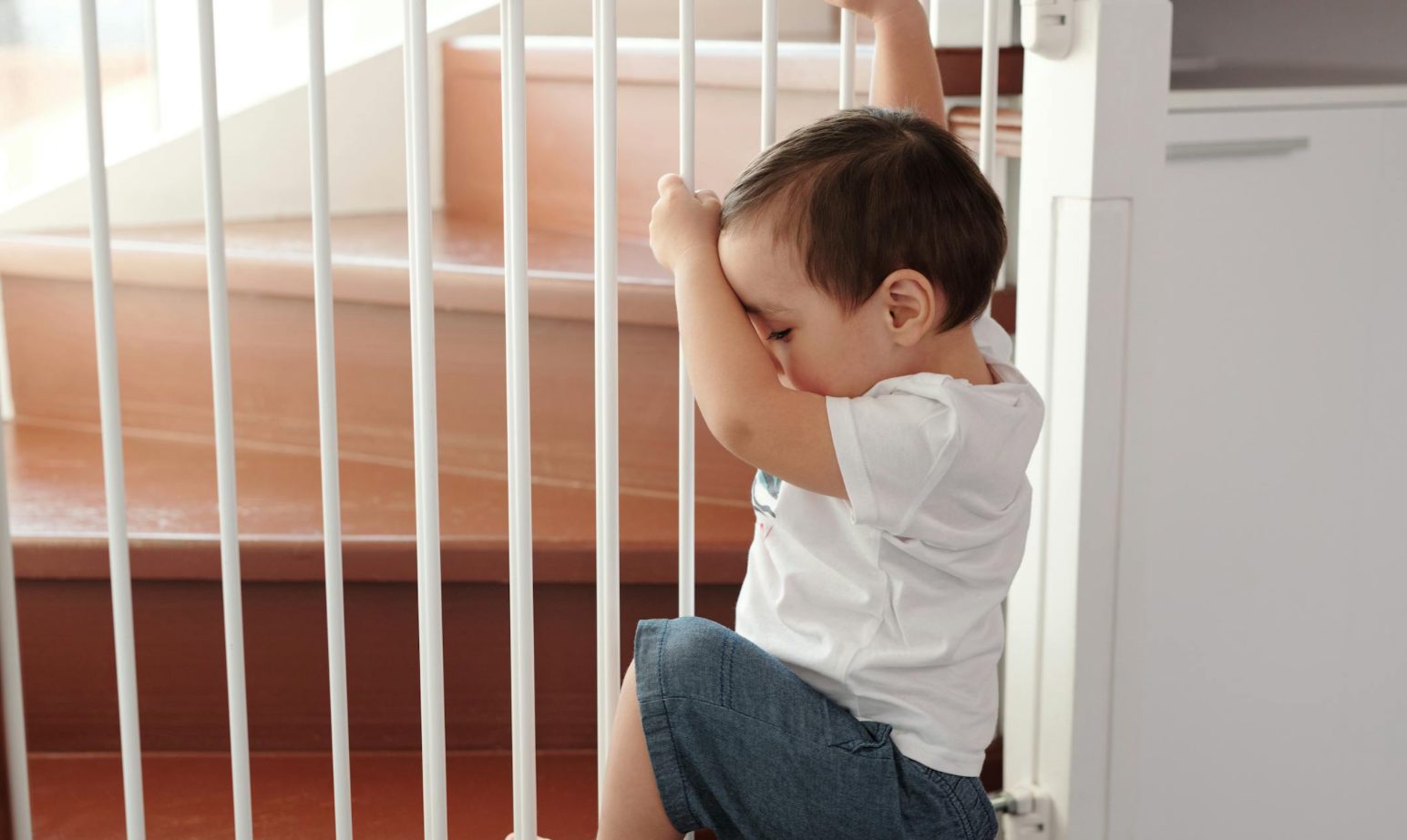
Baby Gate
Image Source: Pexels

Parents rely on baby gates to create safe boundaries, but a recent recall is raising serious concerns. Around 150,000 retractable baby gates have been pulled from the market due to a dangerous “torso entrapment” risk. This issue can allow a child’s body to slip through while their head remains trapped, creating a potentially life-threatening situation. If you have a retractable gate installed in your home, now is the time to take a closer look. Let’s break down what this recall means and what you should do next.

What Is the Recall About?

The recall centers on retractable baby gates that fail to meet federal safety standards for openings and spacing. In some cases, the mesh material stretches or gaps widen, allowing a child’s torso to pass through while their head cannot. This creates a serious entrapment hazard that can lead to injury or suffocation. Reports indicate that the issue may not be immediately noticeable, making it especially dangerous for unsuspecting parents. Understanding the exact nature of the defect is the first step in protecting your child.

Why “Torso Entrapment” Is So Dangerous

Torso entrapment is particularly alarming because it combines restriction with limited mobility. When a child becomes stuck in this way, they may panic and struggle, increasing the risk of injury. In worst-case scenarios, restricted breathing can occur if pressure is placed on the chest or neck. Unlike simple falls, this hazard can go unnoticed for critical moments if a caregiver is not nearby. That’s why safety experts emphasize immediate action when a recall like this is announced.

How to Identify If Your Gate Is Affected

Start by checking the brand, model number, and purchase date of your baby gate. Most recalled products are listed on retailer websites or included in recall announcements from manufacturers. Look for signs such as overly flexible mesh, loose mounting hardware, or gaps that widen under pressure. If your gate retracts but doesn’t lock firmly into place, that could also be a red flag. When in doubt, it’s better to stop using the gate until you confirm whether it’s safe.

What You Should Do Right Now

If you suspect your gate is part of the recall, remove it immediately to eliminate the risk. Contact the manufacturer or retailer to request a refund, replacement, or repair kit if available. In the meantime, consider using a pressure-mounted or hardware-mounted gate that meets current safety standards. Always supervise your child closely, especially in areas like staircases where the risk is higher. Taking quick action can make all the difference in preventing a serious accident.

Choosing a Safer Alternative

Not all baby gates are created equal, so it’s important to choose one designed with safety in mind. Look for models that meet ASTM and JPMA certification standards, as these indicate rigorous testing. Hardware-mounted gates are often more secure for stairways, while pressure-mounted options work well for doorways. Pay attention to locking mechanisms and ensure they are difficult for children to manipulate. Investing in a reliable gate now can provide long-term peace of mind.

Preventing Future Safety Risks at Home

Beyond replacing a recalled gate, take time to evaluate your entire home safety setup. Check for loose screws, worn materials, or outdated equipment that may pose risks. Regularly test gates and other childproofing tools to ensure they function properly under pressure. Educate caregivers and family members about proper installation and use. A proactive approach helps reduce the likelihood of accidents and keeps your home a safer environment for your child.

Stay Alert and Act Fast

This recall is a reminder that even trusted safety products can sometimes fall short. Staying informed and regularly checking your childproofing equipment is essential for preventing harm. If you own a retractable baby gate, take a few minutes today to inspect it and confirm its safety. Small steps like these can have a big impact on your child’s well-being.

What about you—have you checked your baby gate recently, and do you feel confident it’s truly safe? Share your thoughts in the comments and help other parents stay informed.

What to Read Next

7 Hidden Chemicals in Natural Baby Wipes That Pediatricians Are Now Flagging

Why Parents Are Ditching the Traditional Baby Shower for Diaper Parties

Teachers Admit: These 6 Baby Names Create Instant Bias in the Classroom

Evan Morgan

Evan Morgan has been a full-time freelance writer and editor for 10+ years. When not working, he enjoys catching the latest true crime documentary or getting lost in a good book.
Filed Under: Parenting Tagged With: baby gate recall, baby safety, childproofing, home safety, parenting tips, toddler safety

8 DIY Projects at Home That Put Curious Toddlers at Risk

November 16, 2025 | Leave a Comment

8 DIY Projects at Home That Put Curious Toddlers at Risk
Image source: shutterstock.com

When you have toddlers running around, even the most innocent home improvement task can turn into a safety hazard. While creativity and productivity often thrive when you tackle DIY projects at home, it’s easy to overlook how dangerous certain tools, materials, or setups can be for little explorers. From choking risks to chemical exposure, many popular DIY projects contain hidden hazards that parents should know before picking up the toolbox. Here’s a look at eight common home projects that can unintentionally put curious toddlers in harm’s way—and how to make them safer.

1. Painting Rooms and Furniture

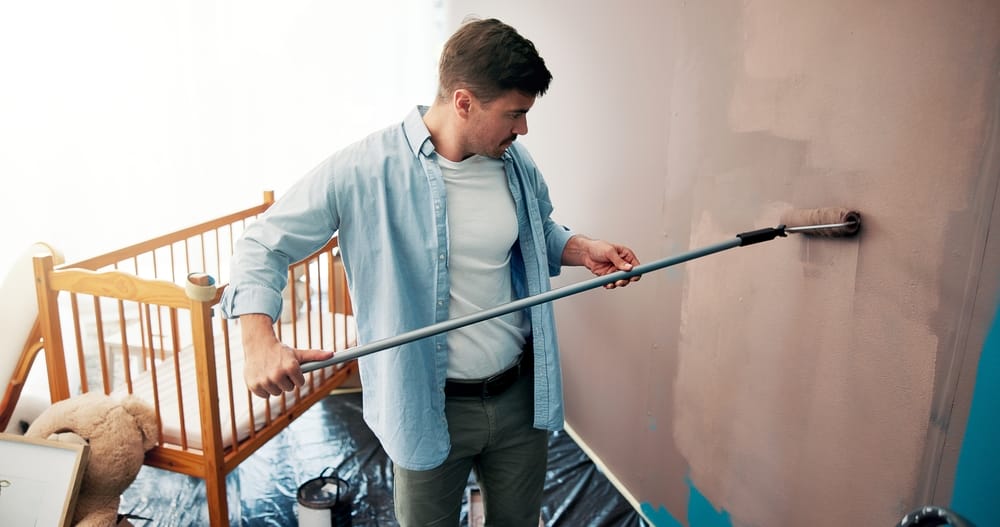
Painting might seem like one of the simplest DIY projects at home, but it comes with major safety concerns for toddlers. Paint fumes can irritate a child’s lungs, eyes, and skin, even if you’re using low-VOC formulas. Wet paint also attracts curious fingers, and lead paint exposure remains a risk in older homes. If painting while parenting, always ensure proper ventilation, restrict toddler access to the room, and store brushes, rollers, and paint cans well out of reach. Even better, schedule painting projects during daycare hours or naps.

2. Installing or Sanding Floors

New floors are exciting, but sanding, staining, or installing wood or laminate can produce dust and fumes that harm developing lungs. Sawdust and adhesives may contain chemicals like formaldehyde, and even small nails or staples can become choking hazards. Toddlers are notorious for putting things in their mouths, so any loose debris is a serious concern. Always seal off the workspace with barriers, vacuum regularly, and keep protective masks nearby. For major flooring work, consider a short family staycation elsewhere until the dust literally settles.

3. Building or Refinishing Furniture

Furniture restoration is one of the most popular DIY projects at home, but it often involves power tools, solvents, and heavy pieces that can topple over. The smell of varnish or wood glue might fascinate toddlers, but those fumes can cause headaches or nausea quickly. Small screws, knobs, and fasteners also present serious swallowing hazards. Parents should work in a well-ventilated, locked-off area and use baby gates to prevent accidental entry. If you’re refinishing nursery furniture, make sure all materials are certified non-toxic once dry.

4. Crafting or Sewing Projects

It’s easy to forget how sharp and tiny crafting materials can be until a toddler grabs one. Pins, needles, scissors, and beads are irresistible to little hands and mouths, making these projects deceptively risky. Even fabric glue and markers can contain chemicals that irritate skin or eyes. To minimize danger, store all supplies in containers with secure lids and avoid leaving work-in-progress projects on low tables. Encourage your child’s curiosity safely by setting up a toddler-friendly craft zone with big crayons and soft felt pieces instead.

5. Outdoor Yard Work and Gardening

Gardening sounds harmless, but some outdoor DIY projects at home involve hidden hazards. Fertilizers, insecticides, and even potting soil can contain bacteria or chemicals unsafe for toddlers. Power tools like trimmers or lawnmowers add another layer of risk, especially when kids are nearby. Parents should supervise closely, store garden tools in locked sheds, and choose non-toxic alternatives for pest control. Remember that even decorative gravel or mulch can become a choking danger when a curious toddler decides to “taste-test” the yard.

6. Home Repairs Using Power Tools

Few things fascinate toddlers more than noise and movement, which makes drills, saws, and hammers irresistible. Unfortunately, these are among the most dangerous tools in any home. Power tools can send debris flying or cause serious injury in seconds. Even unplugged, their cords and attachments invite unwanted play. When taking on repair-based DIY projects at home, always unplug tools when not in use, secure cords, and create a physical barrier so little ones can’t wander into the workspace.

7. Installing Wall Décor or Shelving

Hanging décor or adding shelves can transform a space, but these tasks come with surprising toddler hazards. Screws, nails, and wall anchors are small enough to choke on, while improperly mounted shelves may collapse under curious tugs. Falling décor like mirrors or picture frames can also cause injury. Always double-check weight limits, use secure wall studs, and avoid hanging heavy items near play areas. If toddlers are home, postpone installation until another adult can supervise them elsewhere.

8. Mixing Homemade Cleaners or Solutions

Homemade cleaners are trendy, but they can quickly turn risky when kids are around. Vinegar, baking soda, and essential oils might seem natural, yet they can cause burns or poisoning if ingested or mixed improperly. Curious toddlers love watching bubbles form during chemical reactions—making this type of experiment especially tempting. Always mix and store cleaning solutions far from their reach, using clear labels and childproof lids. Even natural ingredients should be treated with the same caution as store-bought chemicals.

Keeping DIY Dreams Safe for Little Ones

DIY projects at home can be rewarding and cost-effective, but safety should always come first when toddlers are in the picture. With planning, supervision, and the right protective measures, parents can still enjoy creative projects without putting their children in harm’s way. Establish clear zones where your child can play safely, and involve them in non-hazardous parts of the process, like choosing paint colors or holding soft brushes. The key is to strike a balance between your child’s need for safety and exploration, and your own creative drive.

What DIY safety tips do you use to keep your toddler protected while working on home projects? Share your thoughts in the comments below!

What to Read Next…

  • The “Harmless” Habit: 7 Health Habits Shortening Childhood For Many
  • Toddler Falls: 5 Home Areas Where Toddlers Get Hurt Most (Are Yours Safe?)
  • Is Your Home Toxic? 8 Everyday Items Poisoning Your Toddler
  • Is Your Toddler Already Experiencing Burnout?
  • The Hidden Truth: 8 Everyday Products Poisonous To Toddlers
Catherine Reed
Catherine Reed

Catherine is a tech-savvy writer who has focused on the personal finance space for more than eight years. She has a Bachelor’s in Information Technology and enjoys showcasing how tech can simplify everyday personal finance tasks like budgeting, spending tracking, and planning for the future. Additionally, she’s explored the ins and outs of the world of side hustles and loves to share what she’s learned along the way. When she’s not working, you can find her relaxing at home in the Pacific Northwest with her two cats or enjoying a cup of coffee at her neighborhood cafe.

Filed Under: Home and Living Tagged With: childproofing, DIY home projects, family safety, home improvement, indoor projects, parenting hacks, parenting tips, toddler safety

The Danger In Your Bathtub: 8 Hidden Dangers In Your Child’s Bathtub

July 25, 2025 | Leave a Comment

The Danger In Your Bathtub 8 Hidden Dangers In Your Childs Bathtub
Image source: 123rf.com

A warm bath might seem like the safest part of your child’s day, but lurking beneath the bubbles could be hazards you haven’t even considered. From slippery surfaces to sneaky chemical exposures, your child’s bathtub can be a hotspot for hidden risks. Many of these dangers are easy to overlook because they come from products and habits we trust without question. But being aware of these risks gives you the power to make simple changes that keep your child safer. Let’s take a close look at what could be hiding in your child’s bathtub—and what you can do to fix it.

1. Slippery Surfaces Create Fall Risks

It only takes one slippery moment for a bath to turn into a scary accident. Wet bathtubs are extremely slick, and even a slight shift in movement can cause a toddler or young child to fall. Most parents assume they’ll always be right there, but distractions happen, and kids are fast. A good-quality non-slip mat or adhesive grip decals can make a huge difference in reducing the risk. Always test the surface yourself before bath time and never leave your child unattended, even for a second.

2. Mold Hides in Favorite Bath Toys

That cute rubber ducky might be filled with more than air—it could be harboring mold. When water gets trapped inside toys, especially ones with small holes, mold can begin growing out of sight. Each squeeze can spray moldy water right onto your child’s skin or into their mouth. Try switching to solid toys without holes or ones that open for cleaning. Regular disinfecting and thorough drying are key to keeping your child’s bathtub toys safe and clean.

3. Water Temperature Can Change Suddenly

What starts as a perfect warm bath can quickly become dangerous if the water temperature shifts. Children’s skin is thinner and more sensitive than adults’, making them more prone to scalds. A sudden rush of hot water from a faucet or temperature change from flushing a nearby toilet can burn your child in seconds. Installing an anti-scald device on your faucet or setting your water heater to 120°F or lower can help. Always test the water with your wrist or elbow before placing your child in the tub.

4. Harsh Soaps and Bubble Baths Irritate Skin

Many common soaps and bubble bath products marketed for kids still contain dyes, fragrances, and harsh chemicals. These ingredients can dry out or irritate sensitive skin and worsen conditions like eczema. Even some “gentle” brands can cause problems over time, especially with daily use. Look for fragrance-free, hypoallergenic formulas and keep bubble baths as an occasional treat. Taking a closer look at what goes into your child’s bathtub routine can reduce unnecessary skin issues.

5. Drain Stoppers Can Be a Pinch Hazard

Most parents don’t think twice about the drain stopper, but curious fingers often find their way to the tub’s drain. Some stoppers create a suction or have small moving parts that can pinch or trap skin. If a child tries to remove or play with it, they could get stuck or scared, especially in deeper water. Consider a child-safe flat stopper or drain cover without moving pieces. Teaching kids not to play with the drain also helps build safe habits over time.

6. Mildew Builds Up Around the Edges

The warm, damp environment of your child’s bathtub makes it a perfect breeding ground for mildew. It often starts around the edges where the tub meets the wall, hidden behind toys or bath seats. Breathing in mildew spores can irritate young lungs, especially for kids with asthma or allergies. Wiping down the tub after each use and running a fan or dehumidifier in the bathroom helps prevent buildup. Regular cleaning with kid-safe mildew removers can keep it from becoming a bigger issue.

7. Long Hair Clogs Increase Bacteria

If your child has longer hair, it’s likely collecting in the drain—sometimes unnoticed. These clogs not only slow drainage but can also trap bacteria, which contributes to unpleasant smells and potential exposure to germs. Dirty water sitting in a tub takes longer to rinse off your child’s skin, leaving behind more residue. Using a hair catcher in the drain and cleaning it regularly can make a big difference. It also saves you from plumbing headaches later on.

8. Bath Seats Aren’t Always as Safe as They Look

Bath seats are meant to make bathing easier, but they’re not foolproof. Some models can slip, tip, or give a false sense of security that leads to momentary inattention. Older or recalled models may no longer meet safety standards, yet many parents still use them out of habit. Always check that your bath seat has suction cups that hold firm and never use one without staying within arm’s reach. Remember, no bath seat replaces active supervision.

What’s Lurking in Your Child’s Bathtub Might Surprise You

Bath time should be calming and fun, not a source of hidden danger. But without realizing it, your child’s bathtub can become a collection of risks that build up over time. From moldy toys to scalding water, it’s worth taking a few extra minutes to inspect, clean, and adjust your setup. Small changes go a long way toward keeping your child safe, happy, and healthy. Awareness is the first step to reclaiming bath time as the safe space it should be.

What bathtub safety tip has made the biggest difference in your home? Share your favorite in the comments below!

Read More:

8 Everyday Products Dangerous for Toddlers

6 Urgent Steps to Protect Your Home from Kids’ Dangers

Catherine Reed
Catherine Reed

Catherine is a tech-savvy writer who has focused on the personal finance space for more than eight years. She has a Bachelor’s in Information Technology and enjoys showcasing how tech can simplify everyday personal finance tasks like budgeting, spending tracking, and planning for the future. Additionally, she’s explored the ins and outs of the world of side hustles and loves to share what she’s learned along the way. When she’s not working, you can find her relaxing at home in the Pacific Northwest with her two cats or enjoying a cup of coffee at her neighborhood cafe.

Filed Under: Parenting Tagged With: bath time safety, bathroom hazards, bathtub falls, childproofing, mold in bath toys, parenting tips, toddler safety, water safety, your child's bathtub

Before The First Step: 8 Hidden Dangers In Your Bathroom Threatening Toddlers

July 23, 2025 | Leave a Comment

Before The First Step 8 Hidden Dangers In Your Bathroom Threatening Toddlers
Image source: 123rf.com

Your bathroom may look clean, bright, and toddler-safe at first glance, but behind that closed door lies a minefield of hidden hazards. Toddlers are naturally curious, and once they start crawling or toddling, the bathroom becomes one of the riskiest rooms in your home. From slippery floors to toxic products tucked under the sink, seemingly harmless items can pose serious threats. Recognizing these overlooked risks gives you the power to make small changes that could prevent major accidents. Let’s walk through the most common dangers in your bathroom threatening toddlers before little feet ever cross the tile.

1. Slippery Floors and Bath Mats

A wet bathroom floor is a fall waiting to happen, especially for toddlers who are still learning how to balance. Even the tiniest splash from the sink or tub can make the surface dangerously slick. Throw rugs and bathmats without anti-slip backing add another layer of risk. Once a toddler slips, injuries like head bumps or broken bones can happen fast. Of all the dangers in your bathroom threatening toddlers, slick surfaces are among the most overlooked.

2. Unsecured Toilets

Toilets seem harmless to adults, but they pose a drowning risk for toddlers who can topple in headfirst. Toddlers are drawn to water and might try to play in the bowl or flush objects out of curiosity. A toilet lid lock is a simple fix that can prevent a tragic accident. Some toddlers may even try to climb the toilet to reach counters or windows, which adds the danger of falling. This everyday fixture ranks high among dangers in your bathroom threatening toddlers.

3. Cleaning Products Under the Sink

The space under your bathroom sink is a magnet for trouble if it’s stocked with cleaners, bleach, or drain chemicals. Even a small amount of these products can be extremely toxic if ingested or spilled on skin. Childproof cabinet locks are essential, but relocating cleaners to higher shelves is even better. Labels and caps can be misleadingly colorful or appealing to curious hands. Poisoning hazards are silent but serious dangers in your bathroom threatening toddlers.

4. Medications Within Reach

Many parents keep everyday medications in bathroom drawers or cabinets, thinking it’s safe as long as the lids are child-resistant. But toddlers have been known to open “safety” caps with enough time and effort. Vitamins, pain relievers, and prescriptions should always be stored high and out of sight. A medicine lockbox offers extra protection if bathroom storage is your only option. Medications are one of the most dangerous dangers in your bathroom threatening toddlers, especially when colorful pills resemble candy.

5. Sharp Tools and Grooming Items

Razors, tweezers, nail clippers, and scissors often end up scattered on counters or loosely stored in drawers. These small, sharp items can cause cuts or choking if a toddler gets hold of them. Always store grooming tools in a locked container or drawer with a safety latch. Toddlers love to mimic adult behavior, making these items even more tempting during your morning routine. These bite-sized hazards are surprisingly common dangers in your bathroom threatening toddlers.

6. Bathtub Scalding Hazards

A toddler can get seriously burned in seconds if the water temperature in your tub or sink is too high. If your water heater is set above 120°F, your child could suffer serious burns in seconds. Installing anti-scald devices or adjusting your water heater’s temperature helps prevent painful accidents. Even turning your back briefly while filling a tub can lead to disaster. Scalding risks remain one of the top dangers in your bathroom threatening toddlers.

7. Electrical Outlets and Appliances

Hair dryers, straighteners, and electric razors may seem harmless when unplugged, but cords and outlets are tempting toys to little ones. Plug covers are a must, and appliances should be unplugged and stored securely after every use. Devices that heat up can stay hot for several minutes after being turned off. A toddler’s small fingers don’t need much contact to get burned or shocked. Electrical items create stealthy dangers in your bathroom threatening toddlers that are easy to forget.

8. Trash Cans and Toiletry Waste

Even a small bathroom trash can holds big risks, from sharp razors to used floss picks, cotton swabs, or medications. Toddlers may dig through the trash out of curiosity and find items they can chew, choke on, or injure themselves with. Using a trash can with a locking lid or placing it out of reach makes a big difference. Don’t underestimate how appealing a crinkly wrapper or colorful tube of lotion can be to tiny hands. Trash becomes one of the most underestimated dangers in your bathroom threatening toddlers.

Safety Starts Before Their First Steps

By the time your toddler is standing, it may already be too late to fix the hidden hazards in your bathroom. Safety-proofing this space early can prevent falls, burns, poisonings, and other emergencies before they happen. The good news is most of these changes are simple and inexpensive to make. From latching drawers to adjusting your water heater, every small step adds up to a safer home. Awareness is the first defense against the dangers in your bathroom threatening toddlers.

Which of these bathroom dangers surprised you most? Have you toddler-proofed your bathroom yet? Let us know your safety tips in the comments!

Read More:

6 Urgent Steps to Protect Your Home from Kids’ Dangers

8 Everyday Products Dangerous for Toddlers

Catherine Reed
Catherine Reed

Catherine is a tech-savvy writer who has focused on the personal finance space for more than eight years. She has a Bachelor’s in Information Technology and enjoys showcasing how tech can simplify everyday personal finance tasks like budgeting, spending tracking, and planning for the future. Additionally, she’s explored the ins and outs of the world of side hustles and loves to share what she’s learned along the way. When she’s not working, you can find her relaxing at home in the Pacific Northwest with her two cats or enjoying a cup of coffee at her neighborhood cafe.

Filed Under: Home and Living Tagged With: accident prevention, babyproofing, bathroom safety, childproofing, household hazards, new parent advice, parenting tips, toddler safety

Baby Danger: 10 Household Items That Hurt Babies You Own

July 15, 2025 | Leave a Comment

Baby Danger 10 Household Items That Hurt Babies You Own
123rf.com

Your home may feel like a safe haven, but when you have a baby, even the most ordinary household objects can pose serious risks. Many of the products you use every day without a second thought can lead to injury, choking, or even long-term health concerns for your little one. Babies are naturally curious and have no idea what’s dangerous, so it’s up to parents to spot the hazards hiding in plain sight. The good news? With a few smart changes, you can make your home much safer. Let’s take a closer look at 10 common household items that hurt babies more often than you think.

1. Cords and Blinds

One of the most dangerous household items that hurt babies is something almost every home has: window blind cords. These long, dangling cords can quickly become a strangulation hazard, especially once your baby starts to crawl or pull up. Even if you’re watching closely, accidents can happen in seconds. Cordless blinds or cord shorteners can reduce the risk significantly. Make sure all cords are either removed or secured out of reach as soon as your baby is mobile.

2. Button Batteries

Tiny button batteries power many household items like remotes, musical toys, and even greeting cards. If swallowed, they can cause severe internal burns in as little as two hours. These household items that hurt babies often go unnoticed until it’s too late. Always secure battery compartments with tape, check toys and gadgets regularly, and keep spare batteries locked away. If you suspect your child has swallowed one, seek emergency care immediately.

3. Detergent Pods

Those colorful, squishy detergent pods may look like candy to a baby, but they’re filled with highly concentrated chemicals. Ingesting even a small amount can cause vomiting, respiratory distress, or chemical burns. The packaging might be child-resistant, but it’s not child-proof. These household items that hurt babies are best stored in high, locked cabinets. Better yet, switch to powdered or liquid detergents and keep everything far from reach.

4. Heavy Furniture and TVs

Unsecured furniture is a major hazard that can result in serious injury or even death if it tips over. Curious babies often try to climb dressers, bookshelves, or TV stands. When these items aren’t anchored to the wall, they can fall with even minimal force. These are household items that hurt babies far too often, but the fix is simple: use wall anchors or anti-tip kits. Don’t store enticing items like toys or remotes on top, which might encourage climbing.

5. Cleaning Products

You may think storing cleaners under the sink is fine if you have child locks, but those aren’t always foolproof. Many cleaning products contain toxic chemicals that can cause burns, poisoning, or breathing issues if ingested or spilled. It’s safest to treat all cleaning products as household items that hurt babies and keep them in locked or out-of-reach locations. Look for baby-safe, non-toxic alternatives when possible. Always use and store cleaners carefully, even when your child is in another room.

6. Space Heaters

Space heaters may be convenient for keeping a nursery warm, but they can easily burn delicate baby skin or tip over and cause a fire. These are household items that hurt babies both directly and indirectly. If you must use one, choose a model with automatic shutoff, tip-over protection, and cool-touch surfaces. Keep it far from cribs, blankets, and anything flammable. Better yet, regulate the room temperature through a central thermostat or safe baseboard heating.

7. Decorative Plants

Plants brighten up a home, but not all of them are baby-safe. Some common houseplants like pothos, peace lilies, and philodendrons are toxic if chewed or swallowed. Babies love exploring with their mouths, and plant leaves can be tempting. These seemingly harmless items are household items that hurt babies more than many realize. Choose only non-toxic varieties and keep all plants out of crawling or climbing range.

8. Small Toys and Accessories

It’s easy to overlook older siblings’ toys, loose buttons, or beads lying around the house. Anything small enough to fit through a toilet paper roll is a choking hazard for babies. These household items that hurt babies often blend into the background but can become a crisis in moments. Regularly scan floors, under couches, and in play areas for stray items. Teach older kids to keep their toys in a separate area and always check new items for loose parts.

9. Plastic Bags and Packaging

Plastic bags, food wrappers, and packaging materials like bubble wrap are household items that hurt babies through suffocation or entanglement. Babies can quickly get tangled or cover their faces with these items. Always throw away or recycle packaging immediately after use. Store grocery bags well out of reach and never leave packaging in a play area. Even crinkly chip bags pose more risk than most people think.

10. Unstable Highchairs and Baby Gear

You might assume that baby gear made for infants is safe, but poorly assembled or recalled products can pose serious risks. Highchairs that aren’t strapped down properly or baby swings with missing parts can tip, pinch, or fall. Always check for product recalls and follow instructions to the letter. These household items that hurt babies are supposed to help, but only when used as intended. Make regular safety checks part of your weekly routine.

Safe Babies Start with Smart Awareness

Keeping your baby safe at home isn’t about paranoia—it’s about staying informed and one step ahead of curiosity. By identifying the household items that hurt babies and making simple changes, you create a safer environment without turning your home into a fortress. Most accidents can be prevented with proactive thinking and a little preparation. Your baby’s world may be small, but it’s full of discovery, and your watchful eye is their best line of defense.

What hidden household hazards have you discovered since becoming a parent? Share your tips and stories in the comments!

Read More:

8 Hidden Dangers in Your Child’s Bathtub

Fire Danger: 5 Home Areas That Are Fire Magnets for Kids

Catherine Reed
Catherine Reed

Catherine is a tech-savvy writer who has focused on the personal finance space for more than eight years. She has a Bachelor’s in Information Technology and enjoys showcasing how tech can simplify everyday personal finance tasks like budgeting, spending tracking, and planning for the future. Additionally, she’s explored the ins and outs of the world of side hustles and loves to share what she’s learned along the way. When she’s not working, you can find her relaxing at home in the Pacific Northwest with her two cats or enjoying a cup of coffee at her neighborhood cafe.

Filed Under: Parenting Tagged With: baby hazards, baby safety, babyproofing checklist, childproofing, home safety, household items that hurt babies, parenting tips, toddler safety

Drowning Prevention Tips For Parents With Young Children

May 2, 2025 | Leave a Comment

Image by Enis Yavuz 

Water can bring so much joy to kids—splashing in pools, playing with water toys, or visiting the beach. But for parents, those carefree moments can come with a lot of worry, and rightfully so. Drowning remains one of the leading causes of death for children ages 1 to 4, and most incidents happen when adults are nearby.

Drowning is often silent and quick. There’s no flailing, no loud cries for help, and no dramatic scene like you see in the movies. In reality, it takes as little as 20 to 60 seconds for a child to slip under the water, and they can drown in as little as an inch of it.

The good news? With a few proactive habits and safety strategies, you can dramatically reduce the risk and help keep your little ones safe. Here are essential drowning prevention tips every parent and caregiver should know.

Understand How Drowning Really Happens

It’s easy to assume drowning only happens in deep pools or at the beach, but the danger exists anywhere there’s standing water—bathtubs, buckets, kiddie pools, even toilets. And it doesn’t just occur during swim time. Many incidents happen when a child finds their way to water unsupervised.

A key misconception is that you’ll hear it happening. In truth, children often slip under silently, with no splashing or struggle. That’s why constant supervision and safety barriers are so important.

Never Rely Solely on Floaties or Lifeguards

While flotation devices can add a layer of protection, they’re no substitute for active adult supervision. Inflatable arm bands or inner tubes can slip off or give a false sense of security. And while lifeguards are trained to respond to emergencies, they can’t watch every child individually, especially in crowded places.

Your eyes and your undivided attention are your child’s best defense.

Practice “Touch Supervision”

For toddlers and young children, experts recommend something called “touch supervision.” This means always being within arm’s reach of your child when they’re near or in water. Whether you’re at a public pool or a family member’s backyard, stay close enough to grab them quickly if needed.

Resist the urge to check your phone or turn your back, even for a second. Most drownings occur during short lapses in attention.

Install Layers of Protection Around Water

If you have a pool or hot tub at home or live somewhere with access to water, install physical barriers like fences, gates with child-proof locks, and pool covers. Alarms on doors that lead to the backyard can also help alert you if your child wanders near water unsupervised.

Inside the home, keep toilet lids down, empty buckets or tubs immediately after use, and secure bathroom doors if your child is very young.

Image by Alexandr Podvalny

Start Water Safety Education Early

You don’t have to wait until your child is older to start teaching them about water safety. Simple lessons, like asking permission to go near water or understanding what to do if they fall in, can start as early as age two.

Consider enrolling your child in age-appropriate swim lessons. Many programs now offer water survival skills for infants and toddlers, which can help teach them how to roll onto their back, float, and call for help.

Know CPR—And Practice It

Every parent should know how to perform CPR, especially if you have young children around water. In an emergency, those first few minutes are critical, and waiting for professional help may be too late. Taking a class through the Red Cross, American Heart Association, or your local community center can empower you to act confidently and quickly if needed.

Keep emergency numbers posted near the pool or in your phone, and always have a phone nearby when kids are swimming.

Set Clear Water Rules for Everyone

Make sure that older children and other adults in the home understand and follow the same safety expectations. No running near the pool, no swimming alone, and no holding others underwater—these rules should be consistent, enforced, and explained in age-appropriate ways.

Even if your child is a strong swimmer, reinforce that water safety is a non-negotiable every time.

Drowning Is Preventable. Stay Alert, Stay Ready

There’s no way to eliminate every risk in parenting, but drowning is one area where vigilance truly saves lives. From supervision to swim skills to environmental safeguards, small choices add up to major protection. Water can still be fun. It can still be magical. But with the right preparation, it doesn’t have to come with fear.

What water safety habits have you found most effective with your young children?

Read More:

5 Swimming Pool Tips to Keep Your Kids Safe

8 Safety Measures Parents Often Overlook at Home

Filed Under: Parenting Tagged With: child drowning prevention, childproofing, CPR for parents, drowning prevention, kids and water, parenting tips, pool safety, toddler safety, toddler swim lessons, water safety tips

7 Dog Breeds That No One Should Own If They Have Infants At Home

April 29, 2025 | Leave a Comment

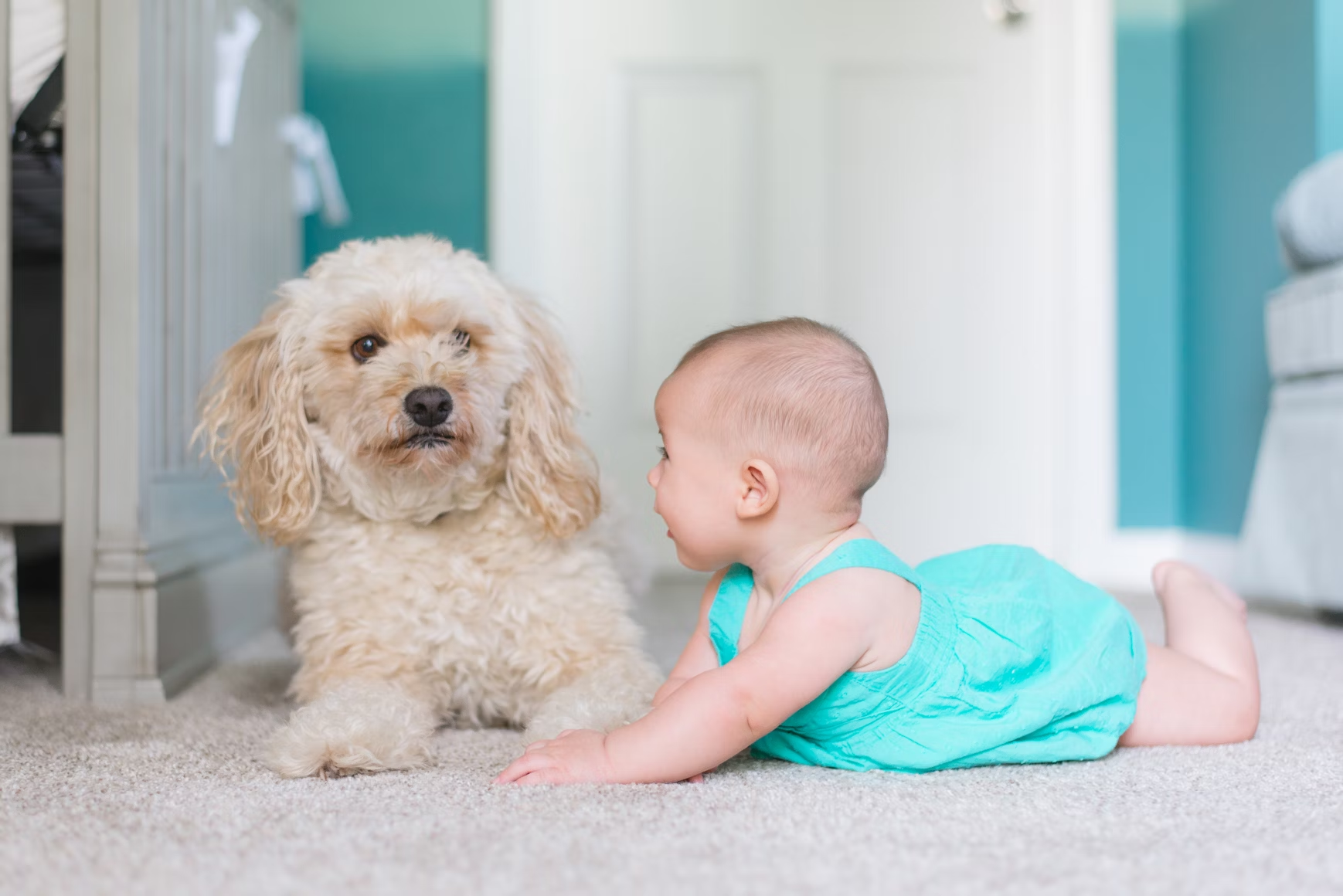
Baby and fluffy dog lying face-to-face on a carpeted floor.
Image Source: Unsplash

Welcoming a newborn is exhilarating, exhausting, and—when pets enter the picture—downright complicated. Most dogs are wonderful companions, yet some breeds bring size, strength, or instincts that clash with a household still navigating 2 a.m. feedings.

Babies cry unpredictably, flail tiny arms, and emit new scents, all of which can confuse or overstimulate certain canines. While early socialization and solid training help, genetics and breed tendencies still matter. If your family is eyeing a new furry friend, the following breeds demand extra caution around infants.

Pit Bulls

Pit Bulls often adore their people, but their bite strength and reactive history raise serious concerns in baby-filled homes. Studies attribute a large number of severe dog-related injuries to Pit Bull–type dogs. Even well-loved Pitties can misread a baby’s squeal as prey-like distress or become protective in a flash. Managing that power requires constant supervision and expert training most new parents can’t juggle. Until your child is older, consider a breed with a gentler track record. Your peace of mind is worth it.

Siberian Huskies

With striking eyes and sled-dog stamina, Huskies captivate families—yet their high energy and strong prey drive complicate infant safety. These dogs love rough play and can bowl over a sitting parent or bassinet without realizing their force. Their independent streak sometimes overrides obedience cues. This is especially true when startled by a baby’s sudden movements. Training a Husky is doable but time-intensive, and new parents are already running on minimal sleep. Waiting until kids are sturdier walkers—and you have more bandwidth—may be the wiser route.

Mastiffs

Mastiffs are affectionate “gentle giants,” but that bulk can quickly become hazardous in tight nurseries. A casual tail wag can smack a baby’s head. A simple lean could topple a toddler. Though typically calm, Mastiffs need early socialization to prevent protective guarding around their favorite humans. Combine their drool, size, and space requirements with a newborn’s gear and you may feel overwhelmed. Postponing a Mastiff adoption until your child has better balance keeps everyone safer.

Dogs with High Predatory Aggression

Regardless of breed label, some individual dogs possess intense prey instincts. These are triggered by squeaks, quick motions, or high-pitched cries. A wiggling infant can inadvertently activate those instincts, leading to dangerous snapping or chasing behavior. Training can manage but rarely erase deeply ingrained drives. Signs include fixating on small pets or lunging at joggers and bikes. If you already see these red flags, consult a professional trainer before blending baby and dog under one roof.

Shih Tzus

Their small size fools many parents into assuming safety, yet Shih Tzus can be zippy, territorial, and intolerant of sudden grabs. They often weave underfoot. This creates tripping hazards for sleep-deprived adults carrying newborns. A curious baby tugging fur can provoke defensive nips from this sensitive breed. Shih Tzus thrive when children are old enough to respect canine boundaries. For households with infants, a mellower lap-dog breed may fit better.

Close-up of a happy Pekingese dog with tongue out.
Image Source: Unsplash

Pekingese

Bred as royal companions, Pekingese frequently consider themselves household monarchs. They guard favored humans, toys, or spots on the couch. However, these behaviors spell trouble when a baby “invades” their space. Their short muzzles also make them more prone to respiratory stress, increasing irritability. Because they dislike rough handling, unpredictable baby hands can spark growls or bites. Parents often find it simpler to welcome a Peke once kids understand gentler interactions.

Any Dog Lacking Proper Socialization

Even typically child-friendly breeds can become risky if they’ve never encountered babies, strollers, or nursery noises. Dogs unfamiliar with infant smells or sounds may react with anxiety, barking, or snapping. Consistent exposure, positive reinforcement, and professional guidance are essential prerequisites before mixing dogs and newborns.

If your current pet hasn’t undergone this training, start months ahead of the due date or arrange safe separations. Socialization isn’t optional. It’s foundational for harmonious pet-baby cohabitation.

A Safer Home Comes First

Choosing a dog while caring for a newborn isn’t just about breed popularity or cuteness. It’s about minimizing preventable risks. Powerful jaws, high energy, territorial streaks, or missing socialization can turn ordinary moments into emergencies. Patience—waiting until children are older or selecting calmer breeds—protects both baby and dog from stressful situations.

Are you weighing a pet adoption with an infant at home, or have you navigated this decision already? Share your questions, tips, and experiences below so other parents can learn from your journey!

Read More

  • Dogs and Children: 6 Tips for Teaching Them to Be Gentle With Each Other
  • What Is Dog Anxiety?

Samantha Warren
Samantha

Samantha Warren is a holistic marketing strategist with 8+ years of experience partnering with startups, Fortune 500 companies, and everything in between. With an entrepreneurial mindset, she excels at shaping brand narratives through data-driven, creative content. When she’s not working, Samantha loves to travel and draws inspiration from her trips to Thailand, Spain, Costa Rica, and beyond.

Filed Under: Parenting Tagged With: baby and dog, childproofing, dog breeds not safe for babies, Family Pets, infant safety, parenting tips, pet safety

Keeping Kids Safe From Household Poisons and Chemicals

April 8, 2025 | Leave a Comment

The image highlights childproofing measures to prevent accidental poisoning in the home.
Image Source: Unsplash

It’s easy to overlook the everyday products sitting in plain view—cleaning sprays under the sink, pain relievers on the counter, colorful dishwasher pods. But for a curious child, these ordinary items can pose a very real danger. According to a caregiver safety plan, thousands of kids each year are accidentally exposed to toxic substances found at home. Small hands move fast, and in the blink of an eye, a typical routine can turn into an emergency. The good news? With a few simple steps, you can make your home significantly safer without overhauling your entire routine.

1. Store Poisons Where Little Hands Can’t Reach

One of the most effective ways to protect kids from dangerous substances is to keep them locked away in high cabinets. Recommendations from various poison prevention resources, including an Australian child safety guide, suggest placing products at least 1.5 meters above ground level. Medications, cleaning solutions, and garden chemicals should be completely out of reach—this includes less obvious items like nail polish remover and laundry pods. As a rule of thumb: if it’s potentially harmful, lock it up.

2. Keep Medications Out of Sight and Out of Reach

From gummy vitamins to prescription pills, medications are among the top causes of accidental poisoning in children. Cook Children’s Health Resources warns that medications often look like candy, making them extra tempting. Always store them in child-resistant containers, well above your child’s eye level. Avoid leaving pills in purses, drawers, or countertops. If you’re visiting friends or family, don’t hesitate to ask how they store their medicines—one brief conversation can prevent a trip to the ER.

3. Talk to Your Kids About What’s Off-Limits

You don’t have to frighten your child to keep them safe, but regular conversations about what’s off-limits can be life-saving. Poison prevention experts emphasize teaching kids that “we only eat or drink things given by a trusted adult.” Even toddlers can grasp the idea that certain items around the house aren’t for touching or tasting. Reinforce this rule casually and consistently, much like you’d remind them not to cross the street without looking. The earlier and more often you have these talks, the better they’ll absorb the message.

Image Source: Unsplash

4. Declutter and Dispose Responsibly

Old cleaning supplies, half-finished paint cans, and expired medicines not only take up space but also increase the risk of accidental poisoning. A child safety overview suggests doing a regular clear-out of potentially dangerous products. Dispose of them properly—rinsing containers before recycling and following local guidelines for chemicals or prescription drugs. This small step reduces confusion about which substances are still active or hazardous, making your home environment less prone to accidents.

5. Be Ready for Emergencies

Despite best efforts, accidents happen. Having emergency numbers handy can make all the difference if your child is exposed to something toxic. In the U.S., the Poison Help line (1-800-222-1222) is accessible 24/7—save it on your phone and post it visibly in your home. According to a poison safety document, quick response is crucial in minimizing harm. When minutes count, you don’t want to waste time hunting for contact info.

A Safer Home Starts with Simple Steps

You don’t need fancy gadgets or a complete home makeover to keep your child safe from everyday toxins. Household poison safety hinges on awareness, secure storage, and open communication. Simple actions—like locking up medications and consistently reminding kids about off-limits items—build a powerful safety net. Parenting already comes with enough unpredictable moments; avoiding preventable poison risks gives you one less worry.

What’s one small change you’ve made to create a safer space for your family? Share it in the comments—we’d love to learn from your experience.

Read More

  • Paying for Extracurriculars Without Breaking the Bank
  • 10 Unexpected Ways to Upgrade Your Wardrobe Without Breaking the Bank
Samantha Warren
Samantha

Samantha Warren is a holistic marketing strategist with 8+ years of experience partnering with startups, Fortune 500 companies, and everything in between. With an entrepreneurial mindset, she excels at shaping brand narratives through data-driven, creative content. When she’s not working, Samantha loves to travel and draws inspiration from her trips to Thailand, Spain, Costa Rica, and beyond.

Filed Under: Parenting Tagged With: childproofing, home safety for children, household poison safety, kids and chemicals, parenting safety tips, poison prevention

8 Safety Measures Parents Often Overlook at Home

April 3, 2025 | Leave a Comment

real estate and family home security concept - closeup picture of male and female hands holding white paper house with blue lock
Image Source: 123rf.com

Creating a safe home environment for children requires more than just baby-proofing the basics. Many parents, despite their best intentions, unknowingly overlook crucial safety measures that could prevent injuries or accidents. From hidden hazards to simple preventative steps, ensuring a secure household demands regular attention to detail. With these often-overlooked tips, you can safeguard your family and foster peace of mind.

1. Secure Heavy Furniture and Appliances

Large items such as bookshelves, dressers, and televisions pose a serious risk if not anchored securely to walls. A curious child climbing or pulling on furniture can cause it to tip over, resulting in injury. Use furniture straps or anchors to keep heavy items firmly in place. Make it a habit to check the stability of furniture and appliances regularly. Preventing accidents starts with proactive measures to secure your surroundings.

2. Address Hidden Electrical Risks

While outlet covers are essential, exposed cords and power strips are equally dangerous. Toddlers can chew on cords or pull on them, leading to shocks or burns. Use cord concealers or organizers to keep wires tucked away safely. For power strips, invest in models with built-in childproof covers. Eliminating these hazards ensures a safer exploration zone for your children.

3. Install Window Safety Locks

Windows are often overlooked as potential risks, especially on upper floors. Simple safety locks or restrictors can prevent accidental falls and ensure children stay safe. Window screens should not be relied upon as barriers—they’re designed to keep bugs out, not kids in. Regularly check locks and latches to ensure they remain functional. Providing this added layer of security can prevent life-threatening situations.

4. Test Smoke and Carbon Monoxide Detectors

Smoke and carbon monoxide detectors are lifesaving devices but are ineffective if not properly maintained. Make it a monthly habit to test alarms and replace batteries as needed. Ensure detectors are placed in key areas like bedrooms, hallways, and near kitchens. If your detector is more than 10 years old, it’s time for a replacement. Consistent maintenance keeps your family protected in case of emergencies.

5. Lock Away Hazardous Items

Cleaning supplies, medications, and even everyday household items like detergents should be stored in cabinets with locks or placed out of reach. Curious children can easily access these harmful substances if left unsecured. Review your storage areas regularly to ensure hazardous items are properly organized. Preventing accidental ingestion starts with controlled access.

6. Prevent Drowning Risks

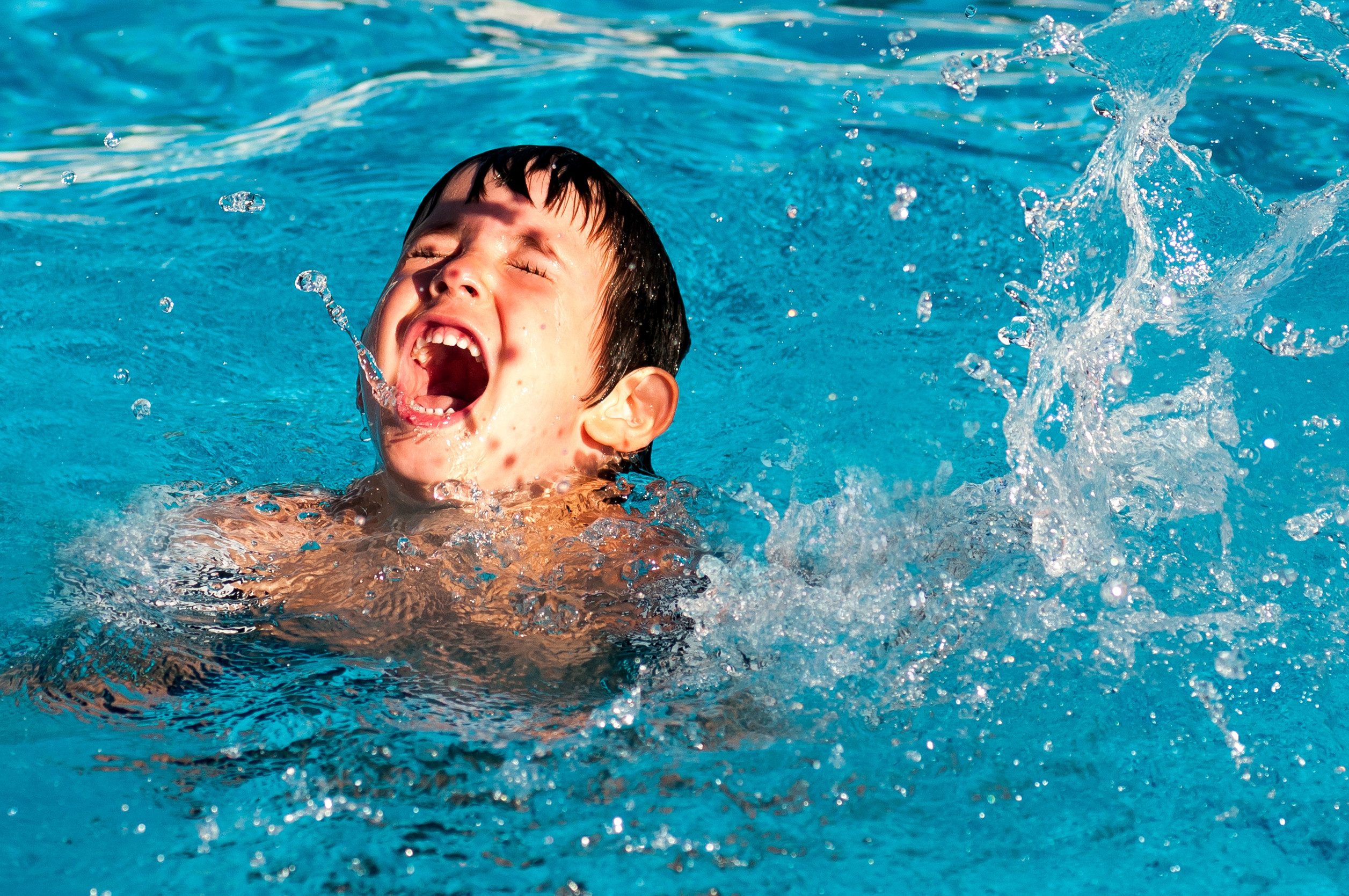
Young boy playing in the pool
Image Source: 123rf.com

Bathtubs, toilets, and even buckets of water can pose drowning risks to young children. Always keep bathroom doors closed and consider investing in toilet locks. Empty and store buckets immediately after use, and supervise bathtime closely. Taking these precautions reduces the risk of silent and sudden accidents involving water.

7. Mind Kitchen Safety

The kitchen is filled with hidden dangers like sharp utensils, hot stovetops, and cleaning agents. Secure cabinets with childproof locks, and always turn pot handles inward on the stove. Ensure knives and other sharp objects are stored far from reach. A few simple adjustments to your kitchen routine can drastically improve household safety.

8. Create Emergency Plans

Parents often neglect having clear emergency plans, such as evacuation routes for fires or earthquakes. Teach your children basic steps to follow in case of danger, and practice drills regularly. Clearly label emergency contacts and keep first-aid supplies easily accessible. Preparation makes all the difference when unexpected situations arise.

Proactive Safety Pays Off

Your home should be a sanctuary, and these eight measures ensure a safer environment for your family. By addressing overlooked risks, you enhance your ability to protect your children from harm.

What additional safety tips have worked well for your household? Share your insights in the comments below!

Read More:

10 Things Child Predators Look for When Targeting a Victim

7 Reasons You Shouldn’t Post Pictures of Your Young Children Online

Tamila McDonald
Tamila McDonald

Tamila McDonald is a U.S. Army veteran with 20 years of service, including five years as a military financial advisor. After retiring from the Army, she spent eight years as an AFCPE-certified personal financial advisor for wounded warriors and their families. Now she writes about personal finance and benefits programs for numerous financial websites.

Filed Under: Parenting Tagged With: childproofing, emergency planning, family security, home safety tips, household hazards, parenting advice

7 Terrifying Things Parents Forget That Can Have Devastating Consequences

March 22, 2025 | Leave a Comment

Happy father and mother holding children playing together in park with sunset view, Cheerful family father mother and children enjoying picnic at park, Family with healthy lifestyle, Life insurance
Image Source: 123rf.com

Parents have an endless list of responsibilities, and with so much going on, it’s easy to forget things. While most oversights are harmless, some can have terrifying consequences. A moment of forgetfulness can put a child in danger, sometimes with life-altering results. These mistakes don’t always happen due to negligence—often, they occur simply because parents are overwhelmed, distracted, or running on autopilot.

Here are seven terrifying things parents forget that can lead to serious consequences.

Forgetting a Baby in the Car

Every summer, heartbreaking headlines remind us of the dangers of leaving a baby in a hot car. Many parents assume they could never make this mistake, yet it happens every year, often to loving and responsible caregivers.

Heatstroke can occur within minutes, as temperatures inside a parked car can rise rapidly. Babies and young children are particularly vulnerable because their bodies overheat faster than adults. Some parents forget because of a break in routine—such as a different parent dropping the baby off at daycare—or simply because they are exhausted and distracted.

To prevent this, some experts recommend leaving a purse, phone, or even a shoe in the backseat as a reminder to check before locking the car. Apps and car seat alarms are also available to alert parents if they accidentally leave their child behind.

Forgetting to Secure Furniture and TVs

Many parents take precautions to baby-proof electrical outlets and sharp corners, but one of the most overlooked dangers in a home is unsecured furniture. Dressers, bookshelves, and TVs can become deadly if a child tries to climb on them and they tip over.

Each year, children are seriously injured or killed in furniture-related accidents. It only takes a moment for a child to pull out a drawer, use it as a step, and cause a heavy piece of furniture to fall. Anchoring furniture to the wall with anti-tip straps can prevent these tragedies. Parents often assume it won’t happen to their child—until it does.

Forgetting About Medication and Cleaning Supplies

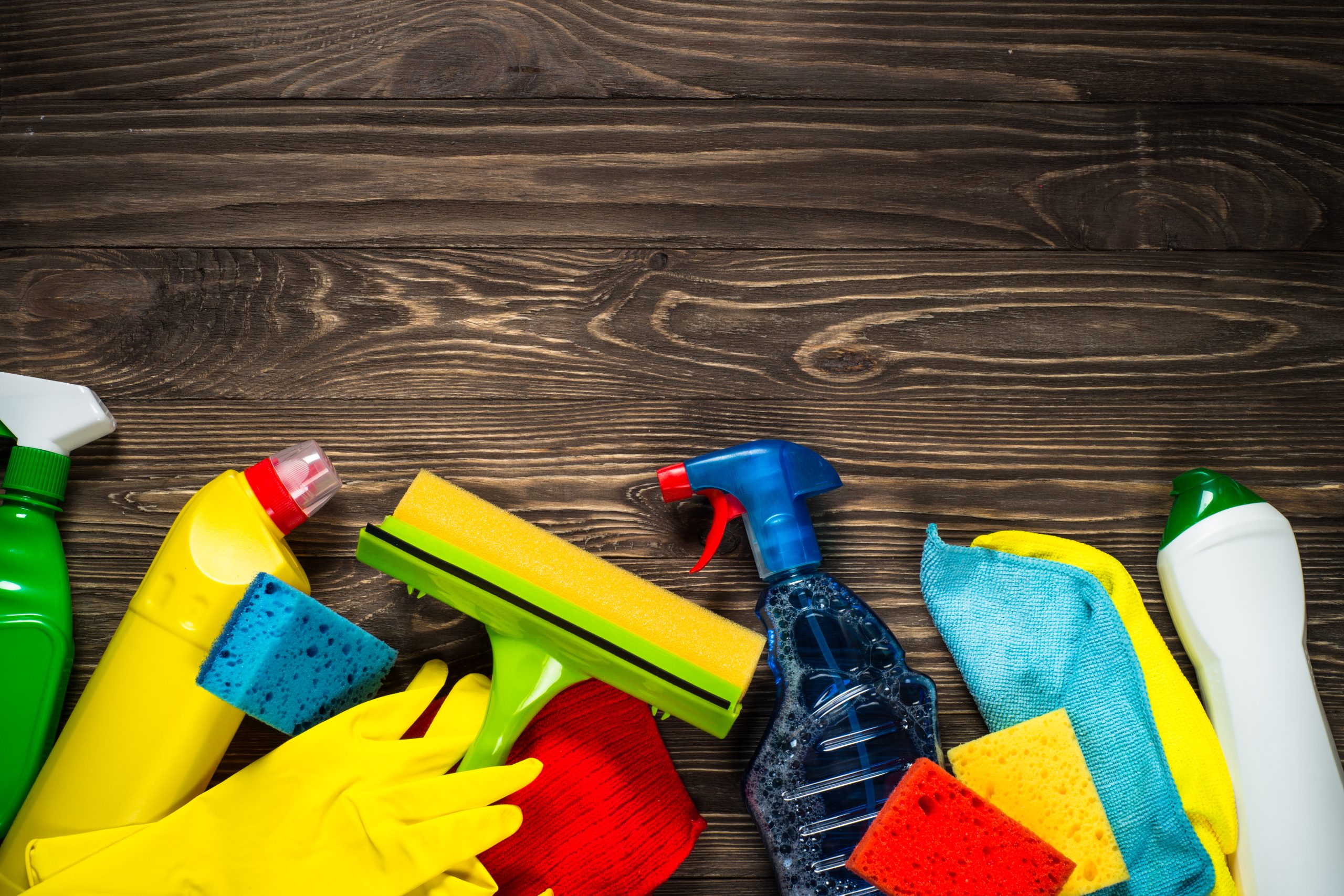
Cleaning product, household, sanitary supplies on wooden table. Top view with copy space.
Image Source: 123rf.com

Most parents keep medication and cleaning products out of reach, but accidents happen when items are left out just for a moment. A bottle of pain relievers on the counter, an open purse with prescription medication inside, or a cleaning spray left near a sink can quickly become accessible to a curious child.

Small children explore with their hands and mouths, and many everyday items can be extremely toxic. Child-resistant packaging helps, but it’s not foolproof. Keeping all medications and household cleaners locked away, even when in use, can prevent life-threatening poisoning incidents.

Forgetting to Check the Bathwater Temperature

A hot bath may seem harmless, but scalding water can cause severe burns in seconds. Young children’s skin is much more sensitive than an adult’s, and they can suffer third-degree burns at temperatures above 120°F (49°C).

Parents sometimes forget to test the water before placing their child in the tub or assume that adjusting the faucet mid-bath will cool things down quickly. A sudden burst of hot water or a slight mistake in temperature control can result in painful injuries. Installing anti-scald devices on faucets and always checking the water with a thermometer or wrist can prevent unnecessary burns.

Forgetting to Lock or Secure Pools and Water Sources

Drowning is one of the leading causes of death for young children, and it happens faster and more silently than most parents realize. Many accidents occur not because parents are unaware of the dangers of water but because they forget to secure it properly.

A backyard pool, an inflatable kiddie pool, or even a bucket of water can pose a serious risk. Children can drown in as little as two inches of water, and it takes just a moment of distraction for an accident to occur. Pool fences with self-latching gates, door alarms, and strict water safety rules can help prevent devastating tragedies.

Forgetting to Check Car Seat Straps and Installations

Car seats are one of the most important safety tools for children, but they only work if used correctly. Many parents make small but dangerous mistakes, such as forgetting to buckle the chest clip at the right level, leaving straps too loose, or not realizing the car seat is improperly installed.

Even in minor car accidents, an improperly secured child can suffer severe injuries. Studies show that a large percentage of car seats are used incorrectly. Double-checking that straps are snug, the chest clip is positioned correctly, and the seat is properly anchored can mean the difference between life and death in a crash.

Forgetting About Small Objects That Can Be Choking Hazards

Young children will put almost anything in their mouths, and small objects can quickly become deadly choking hazards. Parents often baby-proof their homes when their child first starts crawling, but as kids grow, new risks appear.

Coins, small toy parts, batteries, pen caps, and even food that is too large or the wrong shape can cause a choking emergency. Parents sometimes forget to scan the floor or check for small, overlooked items that could be within reach. Learning CPR and keeping a close eye on small objects can help prevent a life-threatening situation.

Awareness Can Prevent Tragedy

No parent is perfect, and forgetting things happens to everyone. But when it comes to child safety, even small mistakes can lead to serious consequences. The best way to prevent these terrifying accidents is to stay aware, build habits that reinforce safety, and use reminders when necessary.

Parenting is exhausting, and distractions are everywhere. A little extra caution and a few simple precautions can go a long way in keeping children safe.

Have you ever caught yourself forgetting something potentially dangerous? Share your thoughts in the comments below.

Read more: 7 Terrifying Things Parents Forget That Can Have Devastating Consequences

Latrice Perez

Latrice is a dedicated professional with a rich background in social work, complemented by an Associate Degree in the field. Her journey has been uniquely shaped by the rewarding experience of being a stay-at-home mom to her two children, aged 13 and 5. This role has not only been a testament to her commitment to family but has also provided her with invaluable life lessons and insights.  As a mother, Latrice has embraced the opportunity to educate her children on essential life skills, with a special focus on financial literacy.

Filed Under: Parenting Tagged With: baby safety, car seat safety, child accidents, childproofing, childproofing tips, drowning prevention, home safety, parenting mistakes, parenting safety

  • Facebook
  • Pinterest
  • RSS
  • Twitter

Basic Principles Of Good Parenting

Here some basic principles for good parenting:

  1. What You Do Matters: Your kids are watching you. So, be purposeful about what you want to accomplish.
  2. You Can’t be Too Loving: Don’t replace love with material possessions, lowered expectations or leniency.
  3. Be Involved Your Kids Life: Arrange your priorities to focus on what your kid’s needs. Be there mentally and physically.
  4. Adapt Your Parenting: Children grow quickly, so keep pace with your child’s development.
  5. Establish and Set Rules: The rules you set for children will establish the rules they set for themselves later.  Avoid harsh discipline and be consistent.
  6. Explain Your Decisions: What is obvious to you may not be evident to your child. They don’t have the experience you do.
  7. Be Respectful To Your Child: How you treat your child is how they will treat others.  Be polite, respectful and make an effort to pay attention.
Best Parenting Blogs

Most Popular

Baby

9 Unusual Baby Names That Sound Like They Belong to Future CEOs

Evan Morgan
Baby

10 Baby Names That Were Once Considered “Grandparent Names” but Feel Cool Again

Evan Morgan
Target Store

Choking Incident Prompts Recall of 49,000 Target Gigglescape “Under the Sea” Popping Toys

Evan Morgan
Frustrated Girl

Why Some Students on the Spectrum Are Labeled With ODD

Evan Morgan
Coke Bottles

12 Things Kids Took to School in the ’70s That Would Never Be Allowed Today

Evan Morgan

All content on Kids Ain’t Cheap is for entertainment purposes only. By reading this blog, you agree that Kids Ain’t Cheap is not responsible for any actions taken after reading this blog. For the full disclaimer, see our privacy policy.

Please note that Kids Ain’t Cheap has financial relationships with some of the merchants mentioned here. Kids Ain’t Cheap is funded by banner advertising, commission sales and search optimization consulting.

Copyright © 2006–2026 | District Media | All Rights Reserved | Privacy Policy

Copyright © 2026 Runway Pro Theme by Viva la Violette