• Home
  • About Us
  • Toolkit
  • Archives
  • Advertise
  • Privacy Policy

Kids Ain't Cheap

But They Sure Are Worth It

  • Parenting
    • Baby Stuff
    • Books and Reading
      • Aesops Fables
      • Comic Books
    • Education
    • Family Time
    • Green Living
    • Growing Up
    • Healthy Living & Eating
    • Holidays
    • Parenting
    • Random Musings
    • Shopping
    • Stuff to Do
  • Money
  • Product Reviews
    • Books and Magazines
    • Discount Sites
    • Furniture
    • House Keeping
    • Reviews News
    • Toys and Games
  • Contact Us
  • Our Editorial Commitment
  • Search

5 Ways to Keep Your Kids Safe Around Water This Summer

May 7, 2025 | Leave a Comment

Image source: Unsplash

Sunshine. Sprinklers. Pool floats. For kids, water is the ultimate summer invitation—and for parents, it’s often a cocktail of fun and fear. The truth is that drowning remains one of the leading causes of accidental death in young children, and it happens fast. Silently. In seconds.

But here’s the good news: most water-related accidents are entirely preventable. Keeping kids safe doesn’t mean canceling pool parties or skipping beach days. It means showing up prepared, present, and proactive.

Here are five crucial steps you can take to keep your children safe around water this summer without stealing the joy.

1. Always Stay Within Arm’s Reach

Forget the phrase “keep an eye on them”—what water safety experts recommend is being within arm’s reach, especially for kids under five or those who can’t swim confidently. Even if there’s a lifeguard on duty. Even if the pool has shallow edges. Even if your child “knows the rules.”

Young children can slip underwater quietly, without a splash or cry for help. You won’t always hear danger coming. That’s why supervision isn’t enough. It needs to be active supervision.

This means no scrolling through your phone, chatting across the pool, or assuming another adult is watching. If you’re near water, your full attention matters more than ever.

2. Use Life Jackets (Not Floaties)

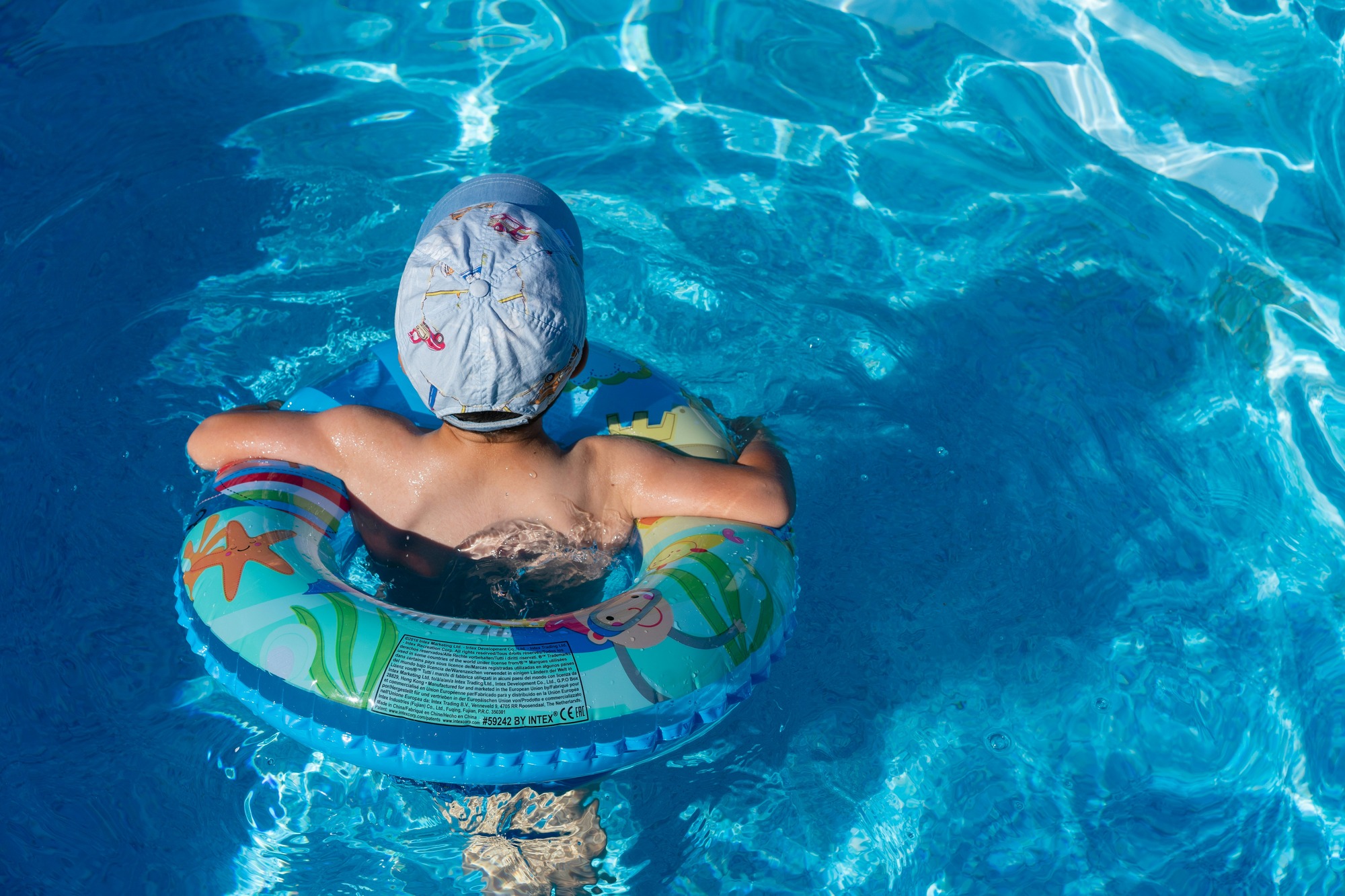
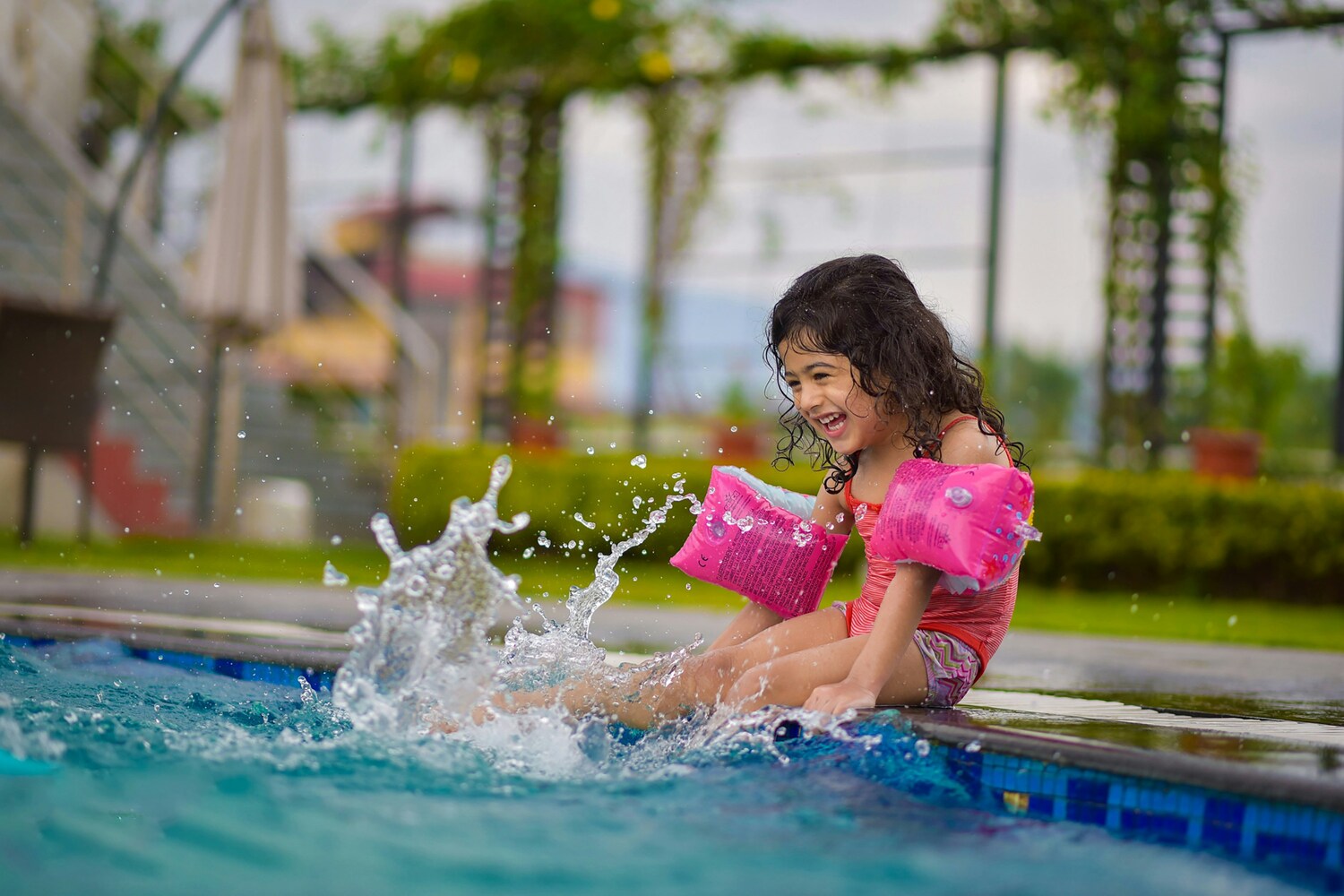
Those colorful arm floaties and pool noodles? They give a false sense of security. They’re toys. Not safety gear. If your child isn’t a strong swimmer or is near open water, a U.S. Coast Guard-approved life jacket is the safest bet. Not just when boating or kayaking but at lakes, beaches, or unfamiliar swimming spots.

Life jackets are especially crucial in situations where rescue might take longer. Don’t wait for a near-miss to realize their value. Make wearing one a habit, not a punishment. When your child sees it as part of the fun, it becomes second nature.

3. Talk Openly About Water Rules (Over and Over Again)

Kids learn best with repetition, and they need to know that water comes with non-negotiable rules. Start simple:

  • “Never go near water without an adult.”
  • “If a friend goes too far in, get help—don’t follow them.”
  • “No running near the pool.”

But don’t stop at just stating the rules. Explain why. Give examples. Rehearse what they should do if they feel scared if someone else is struggling, or if they fall in.

Even toddlers can understand basic cause and effect. Framing the conversation in a calm, serious (not scary) way helps your child build a healthy respect for water—not fear, but awareness.

Image source: Unsplash

4. Learn CPR And Make Sure Other Adults Know It, Too

In a water emergency, minutes matter. Actually, seconds matter. And waiting for paramedics might be too late. Every parent, caregiver, babysitter, and grandparent should know how to perform infant and child CPR. Thankfully, many local hospitals, YMCAs, and fire departments offer quick certification courses. Some are even online.

Imagine this: You’re at a neighbor’s barbecue, and a child goes under. Who in that moment knows what to do really knows? Be the one who does.

5. Don’t Let Your Guard Down Just Because It’s Familiar

Most drowning accidents don’t happen during big events or on vacations. They happen at home. In backyard pools. At the cousin’s house. During a quick run inside to grab a towel. Familiarity breeds relaxation, and relaxation around water can be dangerous.

Whether it’s a kiddie pool, bathtub, or even a bucket of water, never assume “they’ll be fine.” It only takes an inch of water and a lapse of attention.

Set hard limits: no unsupervised water play, no exceptions. And empty all portable pools or containers right after use—yes, even if you think you’ll use it again tomorrow. Your child’s safety is always worth the extra step.

One Final Reminder

This isn’t about fear. It’s about confidence. When you take water safety seriously, your child gets to enjoy summer fully. Splashing. Swimming. Laughing. All with the quiet assurance that the adults around them know how to keep it safe.

So go ahead and say yes to the pool party. Build the sandcastle. Let them run through the sprinkler with joy. Just make sure safety is already baked into the fun.

Which of these tips will you put into action first this summer?

Read More:
Why Sunscreen Isn’t Enough: Total Summer Protection Tips

The Beach Safety Tips Lifeguards Wish You Knew

Filed Under: Parenting Tagged With: beach safety for families, drowning prevention, kids and pools, summer parenting, water safety tips

Drowning Prevention Tips For Parents With Young Children

May 2, 2025 | Leave a Comment

Image by Enis Yavuz 

Water can bring so much joy to kids—splashing in pools, playing with water toys, or visiting the beach. But for parents, those carefree moments can come with a lot of worry, and rightfully so. Drowning remains one of the leading causes of death for children ages 1 to 4, and most incidents happen when adults are nearby.

Drowning is often silent and quick. There’s no flailing, no loud cries for help, and no dramatic scene like you see in the movies. In reality, it takes as little as 20 to 60 seconds for a child to slip under the water, and they can drown in as little as an inch of it.

The good news? With a few proactive habits and safety strategies, you can dramatically reduce the risk and help keep your little ones safe. Here are essential drowning prevention tips every parent and caregiver should know.

Understand How Drowning Really Happens

It’s easy to assume drowning only happens in deep pools or at the beach, but the danger exists anywhere there’s standing water—bathtubs, buckets, kiddie pools, even toilets. And it doesn’t just occur during swim time. Many incidents happen when a child finds their way to water unsupervised.

A key misconception is that you’ll hear it happening. In truth, children often slip under silently, with no splashing or struggle. That’s why constant supervision and safety barriers are so important.

Never Rely Solely on Floaties or Lifeguards

While flotation devices can add a layer of protection, they’re no substitute for active adult supervision. Inflatable arm bands or inner tubes can slip off or give a false sense of security. And while lifeguards are trained to respond to emergencies, they can’t watch every child individually, especially in crowded places.

Your eyes and your undivided attention are your child’s best defense.

Practice “Touch Supervision”

For toddlers and young children, experts recommend something called “touch supervision.” This means always being within arm’s reach of your child when they’re near or in water. Whether you’re at a public pool or a family member’s backyard, stay close enough to grab them quickly if needed.

Resist the urge to check your phone or turn your back, even for a second. Most drownings occur during short lapses in attention.

Install Layers of Protection Around Water

If you have a pool or hot tub at home or live somewhere with access to water, install physical barriers like fences, gates with child-proof locks, and pool covers. Alarms on doors that lead to the backyard can also help alert you if your child wanders near water unsupervised.

Inside the home, keep toilet lids down, empty buckets or tubs immediately after use, and secure bathroom doors if your child is very young.

Image by Alexandr Podvalny

Start Water Safety Education Early

You don’t have to wait until your child is older to start teaching them about water safety. Simple lessons, like asking permission to go near water or understanding what to do if they fall in, can start as early as age two.

Consider enrolling your child in age-appropriate swim lessons. Many programs now offer water survival skills for infants and toddlers, which can help teach them how to roll onto their back, float, and call for help.

Know CPR—And Practice It

Every parent should know how to perform CPR, especially if you have young children around water. In an emergency, those first few minutes are critical, and waiting for professional help may be too late. Taking a class through the Red Cross, American Heart Association, or your local community center can empower you to act confidently and quickly if needed.

Keep emergency numbers posted near the pool or in your phone, and always have a phone nearby when kids are swimming.

Set Clear Water Rules for Everyone

Make sure that older children and other adults in the home understand and follow the same safety expectations. No running near the pool, no swimming alone, and no holding others underwater—these rules should be consistent, enforced, and explained in age-appropriate ways.

Even if your child is a strong swimmer, reinforce that water safety is a non-negotiable every time.

Drowning Is Preventable. Stay Alert, Stay Ready

There’s no way to eliminate every risk in parenting, but drowning is one area where vigilance truly saves lives. From supervision to swim skills to environmental safeguards, small choices add up to major protection. Water can still be fun. It can still be magical. But with the right preparation, it doesn’t have to come with fear.

What water safety habits have you found most effective with your young children?

Read More:

5 Swimming Pool Tips to Keep Your Kids Safe

8 Safety Measures Parents Often Overlook at Home

Filed Under: Parenting Tagged With: child drowning prevention, childproofing, CPR for parents, drowning prevention, kids and water, parenting tips, pool safety, toddler safety, toddler swim lessons, water safety tips

  • Facebook
  • Pinterest
  • RSS
  • Twitter

Basic Principles Of Good Parenting

Here some basic principles for good parenting:

  1. What You Do Matters: Your kids are watching you. So, be purposeful about what you want to accomplish.
  2. You Can’t be Too Loving: Don’t replace love with material possessions, lowered expectations or leniency.
  3. Be Involved Your Kids Life: Arrange your priorities to focus on what your kid’s needs. Be there mentally and physically.
  4. Adapt Your Parenting: Children grow quickly, so keep pace with your child’s development.
  5. Establish and Set Rules: The rules you set for children will establish the rules they set for themselves later.  Avoid harsh discipline and be consistent.
  6. Explain Your Decisions: What is obvious to you may not be evident to your child. They don’t have the experience you do.
  7. Be Respectful To Your Child: How you treat your child is how they will treat others.  Be polite, respectful and make an effort to pay attention.
Best Parenting Blogs

Most Popular

Baby

9 Baby Names That Sound Rare Without Being Hard to Spell

Evan Morgan
Baby

9 Unusual Baby Names That Sound Like They Belong to Future CEOs

Evan Morgan
Target Store

Choking Incident Prompts Recall of 49,000 Target Gigglescape “Under the Sea” Popping Toys

Evan Morgan
Frustrated Girl

Why Some Students on the Spectrum Are Labeled With ODD

Evan Morgan
Coke Bottles

12 Things Kids Took to School in the ’70s That Would Never Be Allowed Today

Evan Morgan

All content on Kids Ain’t Cheap is for entertainment purposes only. By reading this blog, you agree that Kids Ain’t Cheap is not responsible for any actions taken after reading this blog. For the full disclaimer, see our privacy policy.

Please note that Kids Ain’t Cheap has financial relationships with some of the merchants mentioned here. Kids Ain’t Cheap is funded by banner advertising, commission sales and search optimization consulting.

Copyright © 2006–2026 | District Media | All Rights Reserved | Privacy Policy

Copyright © 2026 Runway Pro Theme by Viva la Violette