
Water can bring so much joy to kids—splashing in pools, playing with water toys, or visiting the beach. But for parents, those carefree moments can come with a lot of worry, and rightfully so. Drowning remains one of the leading causes of death for children ages 1 to 4, and most incidents happen when adults are nearby.
Drowning is often silent and quick. There’s no flailing, no loud cries for help, and no dramatic scene like you see in the movies. In reality, it takes as little as 20 to 60 seconds for a child to slip under the water, and they can drown in as little as an inch of it.
The good news? With a few proactive habits and safety strategies, you can dramatically reduce the risk and help keep your little ones safe. Here are essential drowning prevention tips every parent and caregiver should know.
Understand How Drowning Really Happens
It’s easy to assume drowning only happens in deep pools or at the beach, but the danger exists anywhere there’s standing water—bathtubs, buckets, kiddie pools, even toilets. And it doesn’t just occur during swim time. Many incidents happen when a child finds their way to water unsupervised.
A key misconception is that you’ll hear it happening. In truth, children often slip under silently, with no splashing or struggle. That’s why constant supervision and safety barriers are so important.
Never Rely Solely on Floaties or Lifeguards
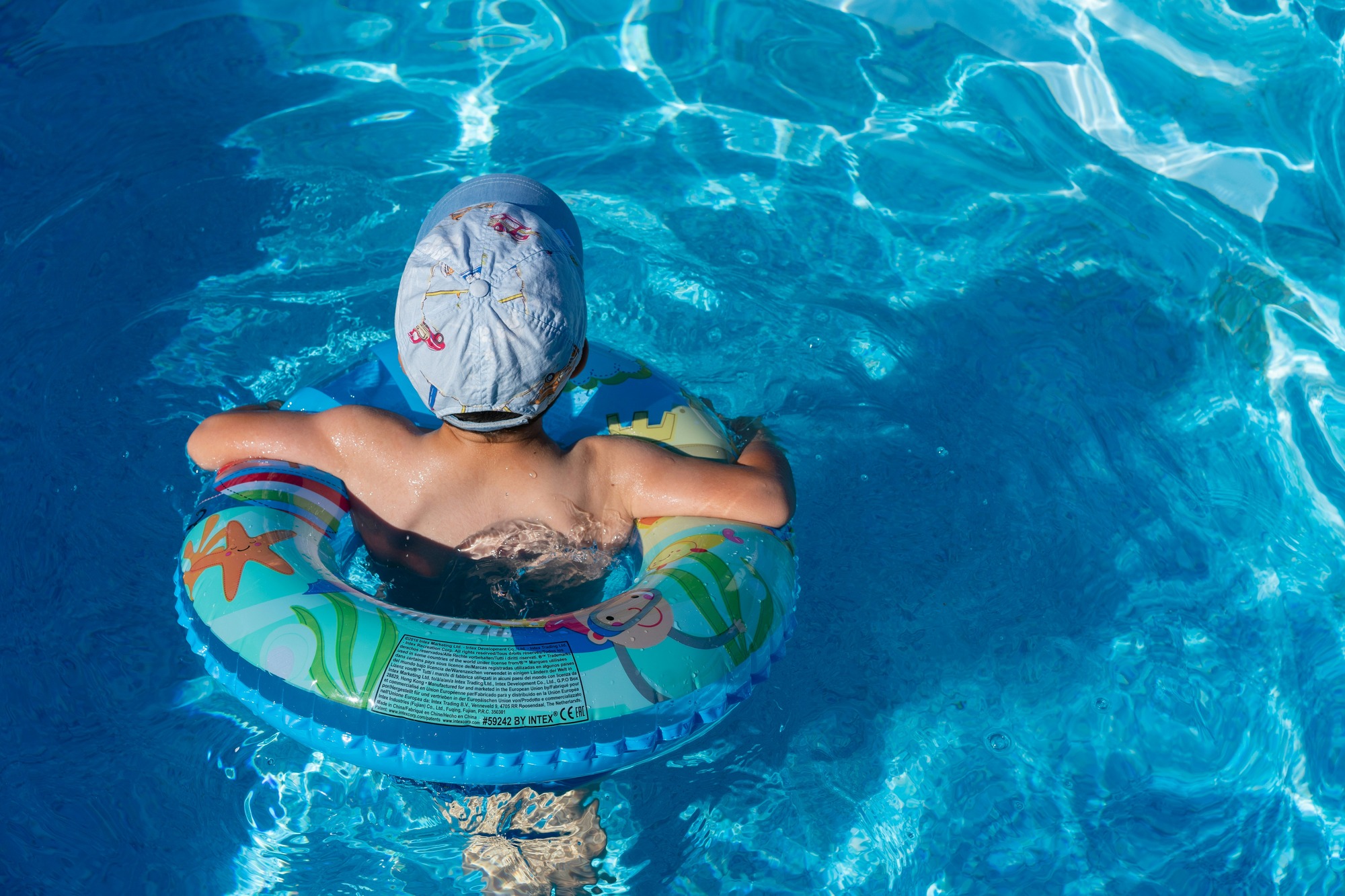
While flotation devices can add a layer of protection, they’re no substitute for active adult supervision. Inflatable arm bands or inner tubes can slip off or give a false sense of security. And while lifeguards are trained to respond to emergencies, they can’t watch every child individually, especially in crowded places.
Your eyes and your undivided attention are your child’s best defense.
Practice “Touch Supervision”
For toddlers and young children, experts recommend something called “touch supervision.” This means always being within arm’s reach of your child when they’re near or in water. Whether you’re at a public pool or a family member’s backyard, stay close enough to grab them quickly if needed.
Resist the urge to check your phone or turn your back, even for a second. Most drownings occur during short lapses in attention.
Install Layers of Protection Around Water
If you have a pool or hot tub at home or live somewhere with access to water, install physical barriers like fences, gates with child-proof locks, and pool covers. Alarms on doors that lead to the backyard can also help alert you if your child wanders near water unsupervised.
Inside the home, keep toilet lids down, empty buckets or tubs immediately after use, and secure bathroom doors if your child is very young.
Start Water Safety Education Early
You don’t have to wait until your child is older to start teaching them about water safety. Simple lessons, like asking permission to go near water or understanding what to do if they fall in, can start as early as age two.
Consider enrolling your child in age-appropriate swim lessons. Many programs now offer water survival skills for infants and toddlers, which can help teach them how to roll onto their back, float, and call for help.
Know CPR—And Practice It
Every parent should know how to perform CPR, especially if you have young children around water. In an emergency, those first few minutes are critical, and waiting for professional help may be too late. Taking a class through the Red Cross, American Heart Association, or your local community center can empower you to act confidently and quickly if needed.
Keep emergency numbers posted near the pool or in your phone, and always have a phone nearby when kids are swimming.
Set Clear Water Rules for Everyone
Make sure that older children and other adults in the home understand and follow the same safety expectations. No running near the pool, no swimming alone, and no holding others underwater—these rules should be consistent, enforced, and explained in age-appropriate ways.
Even if your child is a strong swimmer, reinforce that water safety is a non-negotiable every time.
Drowning Is Preventable. Stay Alert, Stay Ready
There’s no way to eliminate every risk in parenting, but drowning is one area where vigilance truly saves lives. From supervision to swim skills to environmental safeguards, small choices add up to major protection. Water can still be fun. It can still be magical. But with the right preparation, it doesn’t have to come with fear.
What water safety habits have you found most effective with your young children?
Read More:
