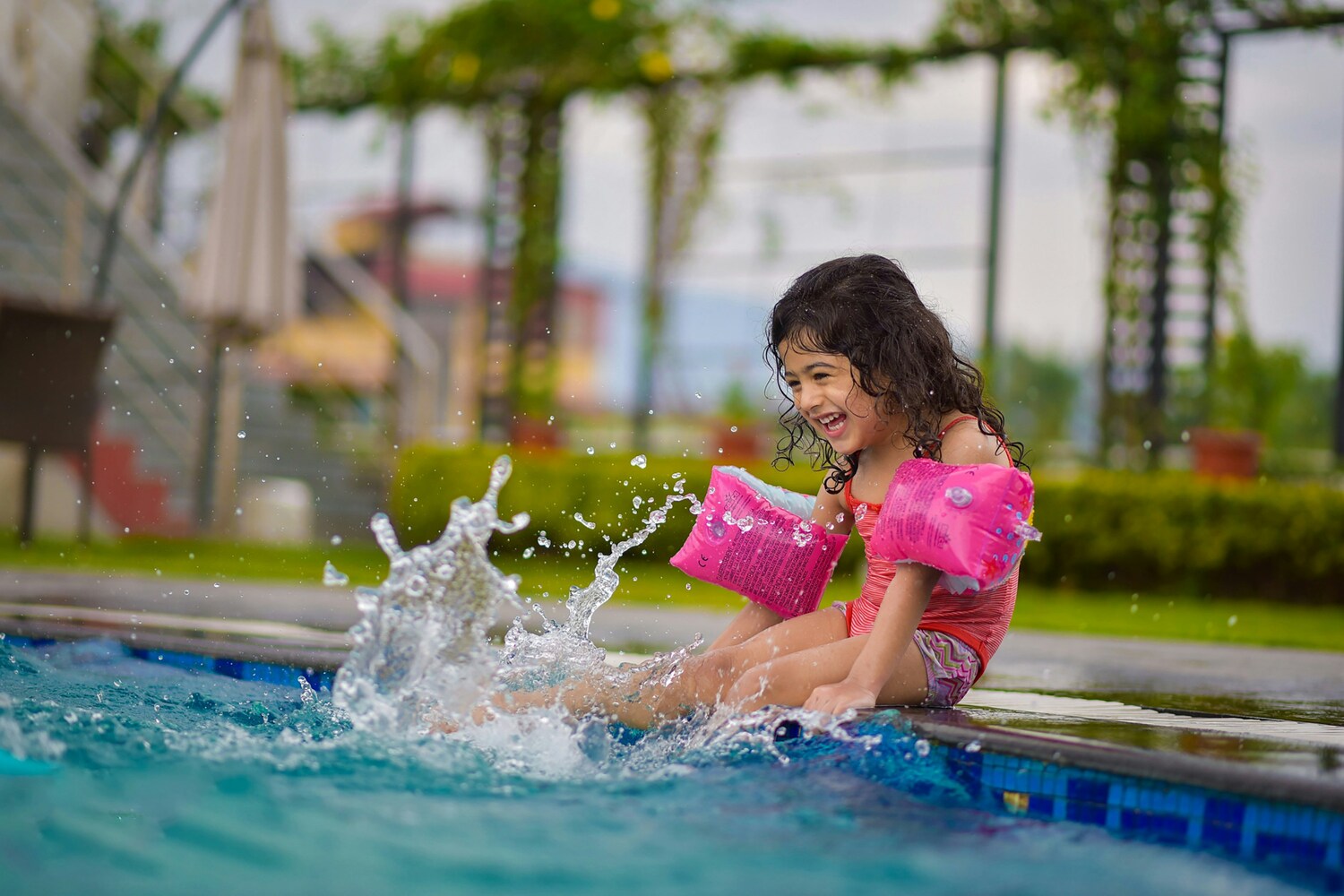
Sunshine. Sprinklers. Pool floats. For kids, water is the ultimate summer invitation—and for parents, it’s often a cocktail of fun and fear. The truth is that drowning remains one of the leading causes of accidental death in young children, and it happens fast. Silently. In seconds.
But here’s the good news: most water-related accidents are entirely preventable. Keeping kids safe doesn’t mean canceling pool parties or skipping beach days. It means showing up prepared, present, and proactive.
Here are five crucial steps you can take to keep your children safe around water this summer without stealing the joy.
1. Always Stay Within Arm’s Reach
Forget the phrase “keep an eye on them”—what water safety experts recommend is being within arm’s reach, especially for kids under five or those who can’t swim confidently. Even if there’s a lifeguard on duty. Even if the pool has shallow edges. Even if your child “knows the rules.”
Young children can slip underwater quietly, without a splash or cry for help. You won’t always hear danger coming. That’s why supervision isn’t enough. It needs to be active supervision.
This means no scrolling through your phone, chatting across the pool, or assuming another adult is watching. If you’re near water, your full attention matters more than ever.
2. Use Life Jackets (Not Floaties)
Those colorful arm floaties and pool noodles? They give a false sense of security. They’re toys. Not safety gear. If your child isn’t a strong swimmer or is near open water, a U.S. Coast Guard-approved life jacket is the safest bet. Not just when boating or kayaking but at lakes, beaches, or unfamiliar swimming spots.
Life jackets are especially crucial in situations where rescue might take longer. Don’t wait for a near-miss to realize their value. Make wearing one a habit, not a punishment. When your child sees it as part of the fun, it becomes second nature.
3. Talk Openly About Water Rules (Over and Over Again)
Kids learn best with repetition, and they need to know that water comes with non-negotiable rules. Start simple:
- “Never go near water without an adult.”
- “If a friend goes too far in, get help—don’t follow them.”
- “No running near the pool.”
But don’t stop at just stating the rules. Explain why. Give examples. Rehearse what they should do if they feel scared if someone else is struggling, or if they fall in.
Even toddlers can understand basic cause and effect. Framing the conversation in a calm, serious (not scary) way helps your child build a healthy respect for water—not fear, but awareness.

4. Learn CPR And Make Sure Other Adults Know It, Too
In a water emergency, minutes matter. Actually, seconds matter. And waiting for paramedics might be too late. Every parent, caregiver, babysitter, and grandparent should know how to perform infant and child CPR. Thankfully, many local hospitals, YMCAs, and fire departments offer quick certification courses. Some are even online.
Imagine this: You’re at a neighbor’s barbecue, and a child goes under. Who in that moment knows what to do really knows? Be the one who does.
5. Don’t Let Your Guard Down Just Because It’s Familiar
Most drowning accidents don’t happen during big events or on vacations. They happen at home. In backyard pools. At the cousin’s house. During a quick run inside to grab a towel. Familiarity breeds relaxation, and relaxation around water can be dangerous.
Whether it’s a kiddie pool, bathtub, or even a bucket of water, never assume “they’ll be fine.” It only takes an inch of water and a lapse of attention.
Set hard limits: no unsupervised water play, no exceptions. And empty all portable pools or containers right after use—yes, even if you think you’ll use it again tomorrow. Your child’s safety is always worth the extra step.
One Final Reminder
This isn’t about fear. It’s about confidence. When you take water safety seriously, your child gets to enjoy summer fully. Splashing. Swimming. Laughing. All with the quiet assurance that the adults around them know how to keep it safe.
So go ahead and say yes to the pool party. Build the sandcastle. Let them run through the sprinkler with joy. Just make sure safety is already baked into the fun.
Which of these tips will you put into action first this summer?
Read More:
