• Home
  • About Us
  • Toolkit
  • Archives
  • Advertise
  • Privacy Policy

Kids Ain't Cheap

But They Sure Are Worth It

  • Parenting
    • Baby Stuff
    • Books and Reading
      • Aesops Fables
      • Comic Books
    • Education
    • Family Time
    • Green Living
    • Growing Up
    • Healthy Living & Eating
    • Holidays
    • Parenting
    • Random Musings
    • Shopping
    • Stuff to Do
  • Money
  • Product Reviews
    • Books and Magazines
    • Discount Sites
    • Furniture
    • House Keeping
    • Reviews News
    • Toys and Games
  • Contact Us
  • Our Editorial Commitment
  • Search

Beyond The Recall: 6 Baby Gear Recalls You Missed Putting Your Child At Risk

July 22, 2025 | Leave a Comment

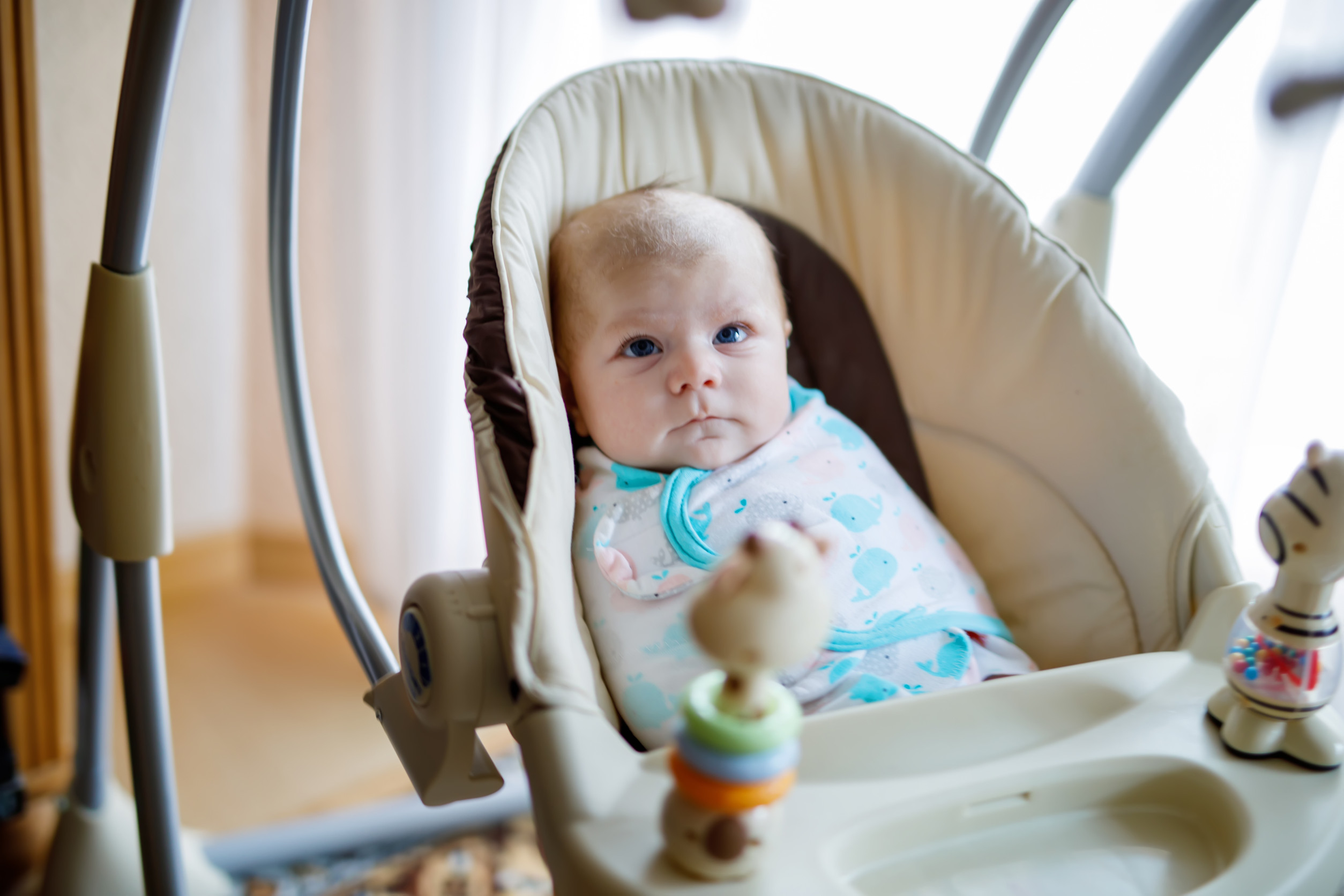
Beyond The Recall 6 Baby Gear Recalls You Missed Putting Your Child At Risk
Image source: 123rf.com

You researched the safest stroller, read hundreds of reviews, and followed all the setup instructions—so your baby gear must be secure, right? Unfortunately, even the most trusted brands sometimes issue recalls that fly under the radar. Busy parents can easily miss announcements, leaving potentially dangerous items still in daily use. And while some baby gear recalls get national attention, many slip by unnoticed, putting your child at risk without you even knowing it. Here are six recent baby gear recalls that may have escaped your attention and what you can do to protect your little one right now.

1. Inclined Sleepers Still Hiding in Homes

Inclined sleepers like the popular Fisher-Price Rock ‘n Play were pulled from shelves years ago, but many are still in circulation. The recall was issued after dozens of infant deaths were linked to babies rolling over in these products. Despite the warning, some parents still use them for naps or overnight sleep, unaware of the risk. These recalled items are often passed down or found secondhand without any warning label. If you’re still using an inclined sleeper, stop immediately and contact the manufacturer for a refund or guidance—this is one of the most critical baby gear recalls you can’t ignore.

2. Baby Swings With Faulty Straps

A recent wave of baby gear recalls includes infant swings with defective harnesses that may come loose during use. Brands like 4moms and other popular swing makers have issued alerts about safety straps detaching or failing under pressure. If your baby’s swing was manufactured before 2022, double-check the model number against recall databases. Even if the swing appears stable, faulty straps are a silent risk, especially when used unsupervised. Registering your gear with the brand ensures you’ll be notified in case of future safety concerns.

3. Strollers With Frame Collapse Risks

Several major stroller brands, including jogging strollers and travel systems, have issued baby gear recalls due to frame collapse or detachment during use. These defects can cause serious injury if the stroller folds unexpectedly while the child is inside. The problem often arises with repeated folding over time, making it hard to detect before failure. Some models sold at big box stores and online marketplaces are affected, so it’s important to verify yours even if you bought it recently. Regular inspections and checking for manufacturer notices can prevent a simple outing from becoming an emergency.

4. Highchairs With Unstable Legs

Another overlooked recall involves highchairs with weak or unstable legs that may buckle or tip over when in use. Affected models may look fine at first glance but can become hazardous when a child shifts their weight suddenly. This type of failure is especially dangerous because it often occurs while parents are standing nearby but not directly supervising. Several brands, including both budget and premium models, have made voluntary recalls after reports of injuries. Always test your highchair’s stability and check the Consumer Product Safety Commission (CPSC) site for updates on known issues.

5. Baby Carriers with Faulty Buckles

Soft-structured baby carriers have become parenting essentials, but not all of them are built with long-term safety in mind. A number of baby gear recalls involve carriers with defective buckles or stitching that can break under the weight of a growing infant. Some off-brand carriers sold online without proper testing are especially risky, and many parents don’t think to inspect these parts regularly. If you notice fraying, loose stitching, or slipping buckles, stop using the carrier immediately. It’s worth contacting the manufacturer or checking recall databases to confirm your model is safe.

6. Play Yards With Collapsing Walls

Portable play yards are a favorite for naps, travel, and quick containment, but they’ve also been part of serious baby gear recalls for collapsing sides. If the walls or locking mechanisms fail, a baby could be trapped, fall, or become injured in the unstable structure. Some recalled models don’t meet the updated safety standards now required by law, especially older or hand-me-down play yards. Check for gaps, loose mesh, and faulty corners before each use. The safest bet is a play yard purchased within the last two years from a reputable retailer that lists compliance with federal safety standards.

Staying Ahead of Safety Without the Panic

Keeping track of baby gear recalls can feel overwhelming, but it doesn’t have to be. Most manufacturers offer registration cards or online sign-ups for recall alerts, and websites like cpsc.gov make it easy to search for product notices by brand or model. The real danger lies in not knowing these recalls exist, especially when items seem fine on the surface. Take five minutes to check your most-used gear—it’s a small step with huge peace-of-mind potential. Safety doesn’t stop at purchase, and staying informed is one of the best ways to protect your child.

Have you ever discovered you were still using recalled baby gear? Share your experience or tips for staying updated in the comments below.

Read More:

6 Urgent Safety Checks for Baby Gear

Are You Wasting Money? 6 Baby Items New Parents Regret Buying

Catherine Reed
Catherine Reed

Catherine is a tech-savvy writer who has focused on the personal finance space for more than eight years. She has a Bachelor’s in Information Technology and enjoys showcasing how tech can simplify everyday personal finance tasks like budgeting, spending tracking, and planning for the future. Additionally, she’s explored the ins and outs of the world of side hustles and loves to share what she’s learned along the way. When she’s not working, you can find her relaxing at home in the Pacific Northwest with her two cats or enjoying a cup of coffee at her neighborhood cafe.

Filed Under: Parenting Tagged With: baby gear alerts, baby gear checklist, baby gear recalls, baby product safety, child safety, CPSC alerts, infant safety, nursery safety, parenting tips

5 Popular Car Seat Features Could Actually Be Putting Your Child in Danger

June 5, 2025 | Leave a Comment

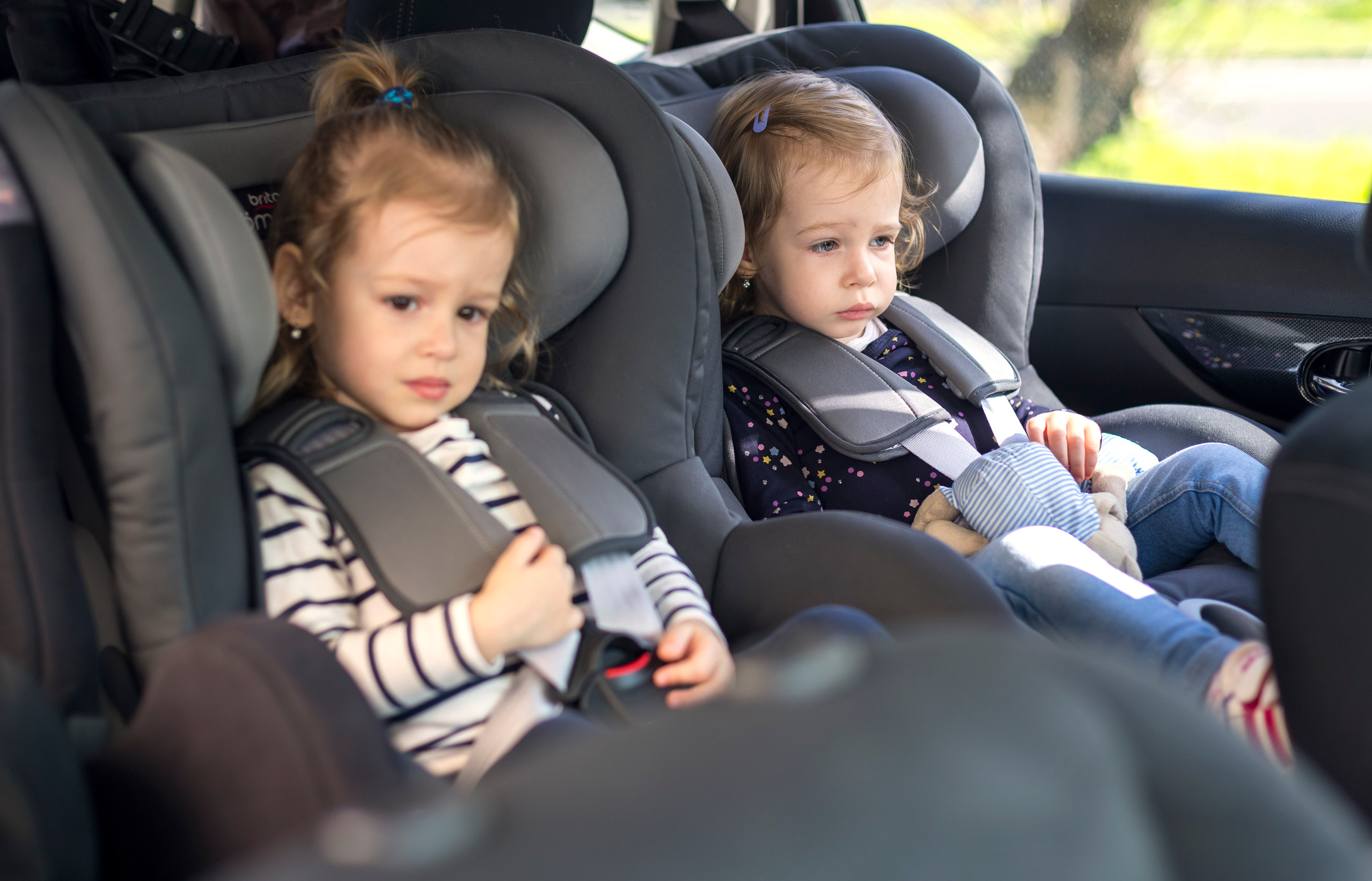
5 Popular Car Seat Features Could Actually Be Putting Your Child in Danger

When choosing a car seat, most parents focus on features that promise added comfort, convenience, or advanced technology. It’s easy to assume that the more a seat offers, the safer it must be. But not all features are as beneficial as they seem—in fact, some of the most popular car seat features could actually increase the risk to your child in a crash or lead to dangerous misuse. As safety standards evolve, it’s more important than ever to look past the marketing and focus on what really protects your child. Here are five widely used features that may do more harm than good if you’re not careful.

1. Extra Padding and Plush Inserts

Many car seats are sold with thick, cushioned inserts that look luxurious and promise comfort. While a soft ride may feel like a plus, excessive padding (including plush inserts or even winter jackets) can alter how snugly a harness fits, making it less effective in a crash. These plush accessories often aren’t crash-tested with the seat and may not meet safety standards. Parents might also over-rely on them, assuming their child is better protected just because the seat looks more padded. If you’re using anything not included and approved by the manufacturer, it’s best to remove it.

2. Built-in Cup Holders and Armrests

Convenient for snacks and drinks, built-in cup holders are a wildly popular car seat feature—but they can pose unexpected risks. In a collision, hard plastic components like cup holders or armrests may become impact points or even break loose. If a child leans against them during a crash, it could increase the chance of injury to their arms or torso. Even worse, these features can make car seats bulkier, leading to poor installation or tight fits next to other seats. Safety experts recommend avoiding distractions and accessories that don’t contribute to restraint function.

3. Recline Options That Aren’t Properly Used

Some car seats offer adjustable recline positions to make long rides more comfortable for sleeping children. While that sounds great, incorrect recline angles can compromise safety—especially for infants. A seat that’s reclined too far back or too far forward can lead to positional asphyxia or reduce the effectiveness of the harness in a crash. Parents often trust the “clicks” without checking the angle indicators or referring to the manual. Always double-check the recline angle based on your child’s age and weight, and never guess based on what “looks” comfortable.

4. No-Rethread Harnesses Misused

No-rethread harnesses make adjusting shoulder straps easier by allowing you to slide them up or down without removing the seat or straps. But this popular car seat feature can lead to serious misuse if not done correctly. If the harness height doesn’t match the child’s shoulder level—at or below for rear-facing, at or above for forward-facing—the protection it offers drops significantly. Because it’s so easy to adjust, many parents skip re-checking regularly, especially during growth spurts. Simplicity doesn’t replace the need for precision when it comes to fit.

5. Touchscreen or App-Based Install Features

Modern car seats are starting to include app integration, Bluetooth sensors, or touchscreens for installation support and reminders. While tech can be helpful, overreliance on it can backfire. If parents skip manual checks or assume an app will alert them to every issue, they may miss common problems like loose installations, twisted straps, or incorrect anchor use. These digital additions are tools—not replacements—for learning how to install a seat correctly. Always refer to the printed manual and verify everything with a hands-on inspection.

Safety First Means Scrutinizing the Extras

When shopping for a car seat, it’s tempting to reach for the one with the most bells and whistles. But just because a popular car seat feature is trending doesn’t mean it’s the safest choice for your child. Stick with seats that prioritize crash-tested safety, clear instructions, and proper fit. And don’t hesitate to reach out to a certified Child Passenger Safety Technician (CPST) if you ever feel unsure—your child’s safety is worth it.

Have you ever second-guessed a car seat feature after using it? What made you reconsider? Share your experience in the comments to help other parents make informed choices.

Read More:

6 Seemingly Safe Places That Could Actually Be Dangerous for Kids

Food Choking Hazards: What Parents Should Watch Out For

Catherine Reed
Catherine Reed

Catherine is a tech-savvy writer who has focused on the personal finance space for more than eight years. She has a Bachelor’s in Information Technology and enjoys showcasing how tech can simplify everyday personal finance tasks like budgeting, spending tracking, and planning for the future. Additionally, she’s explored the ins and outs of the world of side hustles and loves to share what she’s learned along the way. When she’s not working, you can find her relaxing at home in the Pacific Northwest with her two cats or enjoying a cup of coffee at her neighborhood cafe.

Filed Under: Safety Tagged With: Baby Gear, car seat installation, car seat safety, child car seats, child passenger safety, infant safety, parenting tips, travel safety

7 Dog Breeds That No One Should Own If They Have Infants At Home

April 29, 2025 | Leave a Comment

Baby and fluffy dog lying face-to-face on a carpeted floor.
Image Source: Unsplash

Welcoming a newborn is exhilarating, exhausting, and—when pets enter the picture—downright complicated. Most dogs are wonderful companions, yet some breeds bring size, strength, or instincts that clash with a household still navigating 2 a.m. feedings.

Babies cry unpredictably, flail tiny arms, and emit new scents, all of which can confuse or overstimulate certain canines. While early socialization and solid training help, genetics and breed tendencies still matter. If your family is eyeing a new furry friend, the following breeds demand extra caution around infants.

Pit Bulls

Pit Bulls often adore their people, but their bite strength and reactive history raise serious concerns in baby-filled homes. Studies attribute a large number of severe dog-related injuries to Pit Bull–type dogs. Even well-loved Pitties can misread a baby’s squeal as prey-like distress or become protective in a flash. Managing that power requires constant supervision and expert training most new parents can’t juggle. Until your child is older, consider a breed with a gentler track record. Your peace of mind is worth it.

Siberian Huskies

With striking eyes and sled-dog stamina, Huskies captivate families—yet their high energy and strong prey drive complicate infant safety. These dogs love rough play and can bowl over a sitting parent or bassinet without realizing their force. Their independent streak sometimes overrides obedience cues. This is especially true when startled by a baby’s sudden movements. Training a Husky is doable but time-intensive, and new parents are already running on minimal sleep. Waiting until kids are sturdier walkers—and you have more bandwidth—may be the wiser route.

Mastiffs

Mastiffs are affectionate “gentle giants,” but that bulk can quickly become hazardous in tight nurseries. A casual tail wag can smack a baby’s head. A simple lean could topple a toddler. Though typically calm, Mastiffs need early socialization to prevent protective guarding around their favorite humans. Combine their drool, size, and space requirements with a newborn’s gear and you may feel overwhelmed. Postponing a Mastiff adoption until your child has better balance keeps everyone safer.

Dogs with High Predatory Aggression

Regardless of breed label, some individual dogs possess intense prey instincts. These are triggered by squeaks, quick motions, or high-pitched cries. A wiggling infant can inadvertently activate those instincts, leading to dangerous snapping or chasing behavior. Training can manage but rarely erase deeply ingrained drives. Signs include fixating on small pets or lunging at joggers and bikes. If you already see these red flags, consult a professional trainer before blending baby and dog under one roof.

Shih Tzus

Their small size fools many parents into assuming safety, yet Shih Tzus can be zippy, territorial, and intolerant of sudden grabs. They often weave underfoot. This creates tripping hazards for sleep-deprived adults carrying newborns. A curious baby tugging fur can provoke defensive nips from this sensitive breed. Shih Tzus thrive when children are old enough to respect canine boundaries. For households with infants, a mellower lap-dog breed may fit better.

Close-up of a happy Pekingese dog with tongue out.
Image Source: Unsplash

Pekingese

Bred as royal companions, Pekingese frequently consider themselves household monarchs. They guard favored humans, toys, or spots on the couch. However, these behaviors spell trouble when a baby “invades” their space. Their short muzzles also make them more prone to respiratory stress, increasing irritability. Because they dislike rough handling, unpredictable baby hands can spark growls or bites. Parents often find it simpler to welcome a Peke once kids understand gentler interactions.

Any Dog Lacking Proper Socialization

Even typically child-friendly breeds can become risky if they’ve never encountered babies, strollers, or nursery noises. Dogs unfamiliar with infant smells or sounds may react with anxiety, barking, or snapping. Consistent exposure, positive reinforcement, and professional guidance are essential prerequisites before mixing dogs and newborns.

If your current pet hasn’t undergone this training, start months ahead of the due date or arrange safe separations. Socialization isn’t optional. It’s foundational for harmonious pet-baby cohabitation.

A Safer Home Comes First

Choosing a dog while caring for a newborn isn’t just about breed popularity or cuteness. It’s about minimizing preventable risks. Powerful jaws, high energy, territorial streaks, or missing socialization can turn ordinary moments into emergencies. Patience—waiting until children are older or selecting calmer breeds—protects both baby and dog from stressful situations.

Are you weighing a pet adoption with an infant at home, or have you navigated this decision already? Share your questions, tips, and experiences below so other parents can learn from your journey!

Read More

  • Dogs and Children: 6 Tips for Teaching Them to Be Gentle With Each Other
  • What Is Dog Anxiety?

Samantha Warren
Samantha

Samantha Warren is a holistic marketing strategist with 8+ years of experience partnering with startups, Fortune 500 companies, and everything in between. With an entrepreneurial mindset, she excels at shaping brand narratives through data-driven, creative content. When she’s not working, Samantha loves to travel and draws inspiration from her trips to Thailand, Spain, Costa Rica, and beyond.

Filed Under: Parenting Tagged With: baby and dog, childproofing, dog breeds not safe for babies, Family Pets, infant safety, parenting tips, pet safety

  • Facebook
  • Pinterest
  • RSS
  • Twitter

Basic Principles Of Good Parenting

Here some basic principles for good parenting:

  1. What You Do Matters: Your kids are watching you. So, be purposeful about what you want to accomplish.
  2. You Can’t be Too Loving: Don’t replace love with material possessions, lowered expectations or leniency.
  3. Be Involved Your Kids Life: Arrange your priorities to focus on what your kid’s needs. Be there mentally and physically.
  4. Adapt Your Parenting: Children grow quickly, so keep pace with your child’s development.
  5. Establish and Set Rules: The rules you set for children will establish the rules they set for themselves later.  Avoid harsh discipline and be consistent.
  6. Explain Your Decisions: What is obvious to you may not be evident to your child. They don’t have the experience you do.
  7. Be Respectful To Your Child: How you treat your child is how they will treat others.  Be polite, respectful and make an effort to pay attention.
Best Parenting Blogs

Most Popular

Baby names

Teachers Admit: These 6 Baby Names Create Instant Bias in the Classroom

Latrice Perez
6 Baby Names That Sound Cute Now but Cause Problems Later

6 Baby Names That Sound Cute Now but Cause Problems Later

Brandon Marcus
11 Ways Kids Are Outsmarting Parental Controls 1. Using Alternate Devices One common trick is simply turning to another device. If a child’s main phone or tablet is restricted, they may borrow a sibling’s, friend’s, or even a school laptop. This instantly gives them access to content outside of parental oversight. Parents often focus on one device, forgetting that others in the household can serve as loopholes. Knowing this tactic helps families tighten controls across all electronics. 2. Clearing Browsing Histories Many kids quickly learn that clearing browsing history hides evidence of restricted activity. With just a few clicks, they can erase any trace of websites visited. This makes it harder for parents to notice when rules are being broken. Parents may assume no history means no browsing, but the reality is often the opposite. Kids are outsmarting parental controls by making it seem like nothing happened at all. 3. Using Private Browsing Modes Most browsers offer “incognito” or private browsing features. Kids use this mode to access websites without leaving a record in the history. To parents checking later, everything looks clean and safe. This simple trick is often one of the first ways kids discover how to bypass restrictions. Conversations about private browsing can help close this gap. 4. Guessing or Resetting Passwords Children who are persistent may try to guess passwords to parental control apps or accounts. Others may find ways to reset them through email prompts or security questions. Once inside, they can disable restrictions entirely. Parents may not even realize controls have been altered until much later. Stronger, less predictable passwords can make this more difficult. 5. Using VPNs to Hide Activity Virtual private networks, or VPNs, let kids disguise their online locations. With one downloaded app, they can bypass geographic or parental restrictions. Some children learn about VPNs through friends or even social media. This makes it easy for them to reach content that should be blocked. Parents often underestimate just how simple it is for kids to use these tools. 6. Creating Fake Accounts When parents monitor social media, kids may create hidden accounts. These “finstas” or fake profiles allow them to interact freely without parental oversight. While their main account appears harmless, the secondary one tells a different story. Kids are outsmarting parental controls by playing both sides at once. Checking for duplicate accounts can help parents stay more aware. 7. Exploiting Time Zone Settings Some kids change the time zone on their devices to bypass screen time limits. This trick allows them to gain extra hours of usage undetected. Parents may assume controls are working, but in reality, the child is bending the clock. It’s a clever loophole that highlights just how resourceful kids can be. Monitoring device settings regularly can catch this tactic. 8. Disabling or Uninstalling Apps Parental control apps can be deleted or disabled with surprising ease. Some kids even reinstall them before a parent checks, making it seem like nothing changed. Others may simply restrict permissions to prevent apps from functioning properly. When apps aren’t monitored closely, parents may not notice they’ve been tampered with. This shows the importance of consistent follow-up. 9. Turning to Friends for Access If a child can’t get past restrictions on their own, they may rely on friends. Visiting a friend’s house or borrowing their phone can give them a free pass. Parents often forget that peer environments can override restrictions set at home. This kind of social workaround is especially common with gaming or social media. Open conversations about trust and responsibility are essential. 10. Hiding Apps in Plain Sight Kids sometimes download apps that look innocent but serve as gateways to hidden activity. These apps may disguise themselves as calculators or utilities. In reality, they allow file storage, private messaging, or browser access. Parents glancing at a home screen may overlook them entirely. Learning to recognize these disguised apps can help parents stay informed. 11. Outpacing Parents’ Tech Knowledge Finally, kids often know more about devices than their parents do. Whether through YouTube tutorials, TikTok hacks, or peer groups, they quickly learn advanced workarounds. This knowledge gap means controls can be bypassed before parents even realize the loophole exists. Staying informed and continually learning about new technology is the best defense. Kids are outsmarting parental controls because they adapt faster than most adults. The Real Solution Lies Beyond Restrictions While controls and filters are important, no system is perfect. Kids will always find creative ways around barriers, making communication the strongest safeguard. Setting clear expectations, building trust, and having ongoing conversations about online behavior matter more than apps alone. Parents who combine technology with open dialogue create a safer digital environment. The goal isn’t to win a battle of wits but to build a relationship that keeps kids both safe and honest. Do you think kids are outsmarting parental controls faster than parents can keep up? Share your experiences in the comments below. What to Read Next... 6 Parenting Tech Shortcuts That Can Expose Your Child to Strangers How Much Screen Time Is Too Much—Legally Speaking? Is Your Child’s School Quietly Tracking Their Location Without Your Consent? How Much Screen Time Is Quietly Reshaping Childhood Behavior? Why Some Parents Are Being Investigated Over Homeschooling Records

11 Ways Kids Are Outsmarting Parental Controls

Catherine Reed
Smiling grandfather holding a happy baby indoors.

Why Grandparents Shouldn’t Babysit Their Grandkids Every Week – The Unspoken Issue

Samantha
birthday gifts

7 Birthday Gifts Your Child Should Never Bring to a Party

Latrice Perez

All content on Kids Ain’t Cheap is for entertainment purposes only. By reading this blog, you agree that Kids Ain’t Cheap is not responsible for any actions taken after reading this blog. For the full disclaimer, see our privacy policy.

Please note that Kids Ain’t Cheap has financial relationships with some of the merchants mentioned here. Kids Ain’t Cheap is funded by banner advertising, commission sales and search optimization consulting.

Copyright © 2006–2026 | District Media | All Rights Reserved | Privacy Policy

Copyright © 2026 Runway Pro Theme by Viva la Violette