• Home
  • About Us
  • Toolkit
  • Archives
  • Advertise
  • Privacy Policy

Kids Ain't Cheap

But They Sure Are Worth It

  • Parenting
    • Baby Stuff
    • Books and Reading
      • Aesops Fables
      • Comic Books
    • Education
    • Family Time
    • Green Living
    • Growing Up
    • Healthy Living & Eating
    • Holidays
    • Parenting
    • Random Musings
    • Shopping
    • Stuff to Do
  • Money
  • Product Reviews
    • Books and Magazines
    • Discount Sites
    • Furniture
    • House Keeping
    • Reviews News
    • Toys and Games
  • Contact Us
  • Our Editorial Commitment
  • Search

6 Baby Products Pulled from Shelves But Still in Homes

August 10, 2025 | Leave a Comment

6 Baby Products Pulled from Shelves But Still in Homes
Image source: 123rf.com

You trust baby gear to keep your little one safe—but what happens when those same items are pulled from store shelves for being too dangerous? Many parents don’t realize that recalled products can remain in circulation long after being banned, handed down through families, or sold secondhand. Just because something isn’t on store shelves doesn’t mean it isn’t lurking in a closet, garage, or even your child’s nursery. If you’ve inherited, borrowed, or bought baby gear used, you could unknowingly be using an item deemed unsafe. Here are six baby products pulled from shelves that may still be in homes across the country, and what you need to know about each one.

1. Fisher-Price Rock ‘n Play Sleeper

The Fisher-Price Rock ‘n Play Sleeper was wildly popular for its ability to help babies sleep at an incline, but it was pulled from shelves after dozens of infant deaths were linked to its use. The product was officially recalled in 2019, yet many parents still have them stored in closets or received them secondhand. Pediatricians now warn against any sleep product that isn’t flat and firm, making the Rock ‘n Play particularly dangerous. Despite the warnings, its reputation as a “miracle sleeper” means it’s still circulating. If you spot one in your home or someone offers you one, it’s best to safely dispose of it.

2. Bumbo Baby Seats

Bumbo seats were once a must-have item for helping babies sit upright before they could do so on their own. But several injuries and even skull fractures led to recalls and a major redesign that included the addition of safety straps. The original Bumbo models without straps were pulled from shelves, yet many are still in homes today. Parents may not realize they have an older version or may not see the danger in using it for short periods. If yours doesn’t include a safety harness or you use it on an elevated surface, it’s time to retire it.

3. Drop-Side Cribs

Drop-side cribs were banned over a decade ago, yet they’re still found in many households due to their once-popular design and hand-me-down convenience. These cribs pose serious safety risks, including entrapment and suffocation, due to the movable side that can detach or collapse. The Consumer Product Safety Commission (CPSC) now prohibits their manufacture and sale. However, that doesn’t stop people from using them unknowingly. Families often hang on to them for sentimental reasons or reuse them without understanding the dangers. If you have a drop-side crib, the safest choice is to replace it with a newer, fixed-side model.

4. Nap Nanny Infant Recliners

The Nap Nanny was pulled from shelves after multiple infant deaths and dozens of reports of babies falling or suffocating while using it. Although the product was never meant for unsupervised sleep, many parents used it that way due to its soft, reclined design. Once sold in major retailers like Amazon and Toys R Us, it’s now banned and illegal to sell—even in secondhand marketplaces. However, many still turn up in local swap groups or storage bins. If you see one in a garage sale or baby gear exchange, avoid it completely.

5. Inclined Sleepers (All Brands)

Beyond the Rock ‘n Play, dozens of other inclined sleepers from various brands were also classified as unsafe and subsequently recalled. These products share a common design flaw: babies can roll into positions that restrict airflow, leading to suffocation. Brands like Graco, Summer Infant, and Evenflo also had models pulled from shelves. Despite the widespread recall, many inclined sleepers continue to be sold secondhand or used unknowingly by parents who missed the recall announcements. Always check the angle of any sleep surface—safe sleep means flat, firm, and on the back.

6. Portable Swings with Faulty Harnesses

Some older portable baby swings, especially models from the early 2000s, were recalled due to faulty harness systems that failed to secure infants properly. These swings could tip or allow babies to slip into dangerous positions. Many families still have these stored away, ready to be used for younger siblings or passed to a friend. While modern swings are built with enhanced safety standards, the older versions can pose a serious hazard. Double-check any older swing’s model number to see if it was one of the baby products pulled from shelves.

Don’t Let Outdated Gear Put Your Baby at Risk

Even with the best intentions, using baby products pulled from shelves can put your child in danger. These items often continue to circulate through families and secondhand markets, long after safety agencies have banned them. Take a few minutes to review the gear in your home and verify each item’s recall status through the CPSC or manufacturer’s website. It’s not just about avoiding accidents—it’s about creating the safest space possible for your little one. When in doubt, leave it out and look for safer alternatives.

Have you come across any of these recalled baby products in your home or community? Share your experience in the comments and help spread awareness to other parents.

Read More:

Are You Wasting Money? 6 Baby Items New Parents Regret Buying

12 Classic Items That Older Generations Wish Were Still Here

Catherine Reed
Catherine Reed

Catherine is a tech-savvy writer who has focused on the personal finance space for more than eight years. She has a Bachelor’s in Information Technology and enjoys showcasing how tech can simplify everyday personal finance tasks like budgeting, spending tracking, and planning for the future. Additionally, she’s explored the ins and outs of the world of side hustles and loves to share what she’s learned along the way. When she’s not working, you can find her relaxing at home in the Pacific Northwest with her two cats or enjoying a cup of coffee at her neighborhood cafe.
Filed Under: Home and Living Tagged With: baby gear recalls, baby gear safety, baby product dangers, baby product recalls, infant sleep safety, nursery gear, parenting tips, secondhand baby items

Beyond The Recall: 6 Baby Gear Recalls You Missed Putting Your Child At Risk

July 22, 2025 | Leave a Comment

Beyond The Recall 6 Baby Gear Recalls You Missed Putting Your Child At Risk
Image source: 123rf.com

You researched the safest stroller, read hundreds of reviews, and followed all the setup instructions—so your baby gear must be secure, right? Unfortunately, even the most trusted brands sometimes issue recalls that fly under the radar. Busy parents can easily miss announcements, leaving potentially dangerous items still in daily use. And while some baby gear recalls get national attention, many slip by unnoticed, putting your child at risk without you even knowing it. Here are six recent baby gear recalls that may have escaped your attention and what you can do to protect your little one right now.

1. Inclined Sleepers Still Hiding in Homes

Inclined sleepers like the popular Fisher-Price Rock ‘n Play were pulled from shelves years ago, but many are still in circulation. The recall was issued after dozens of infant deaths were linked to babies rolling over in these products. Despite the warning, some parents still use them for naps or overnight sleep, unaware of the risk. These recalled items are often passed down or found secondhand without any warning label. If you’re still using an inclined sleeper, stop immediately and contact the manufacturer for a refund or guidance—this is one of the most critical baby gear recalls you can’t ignore.

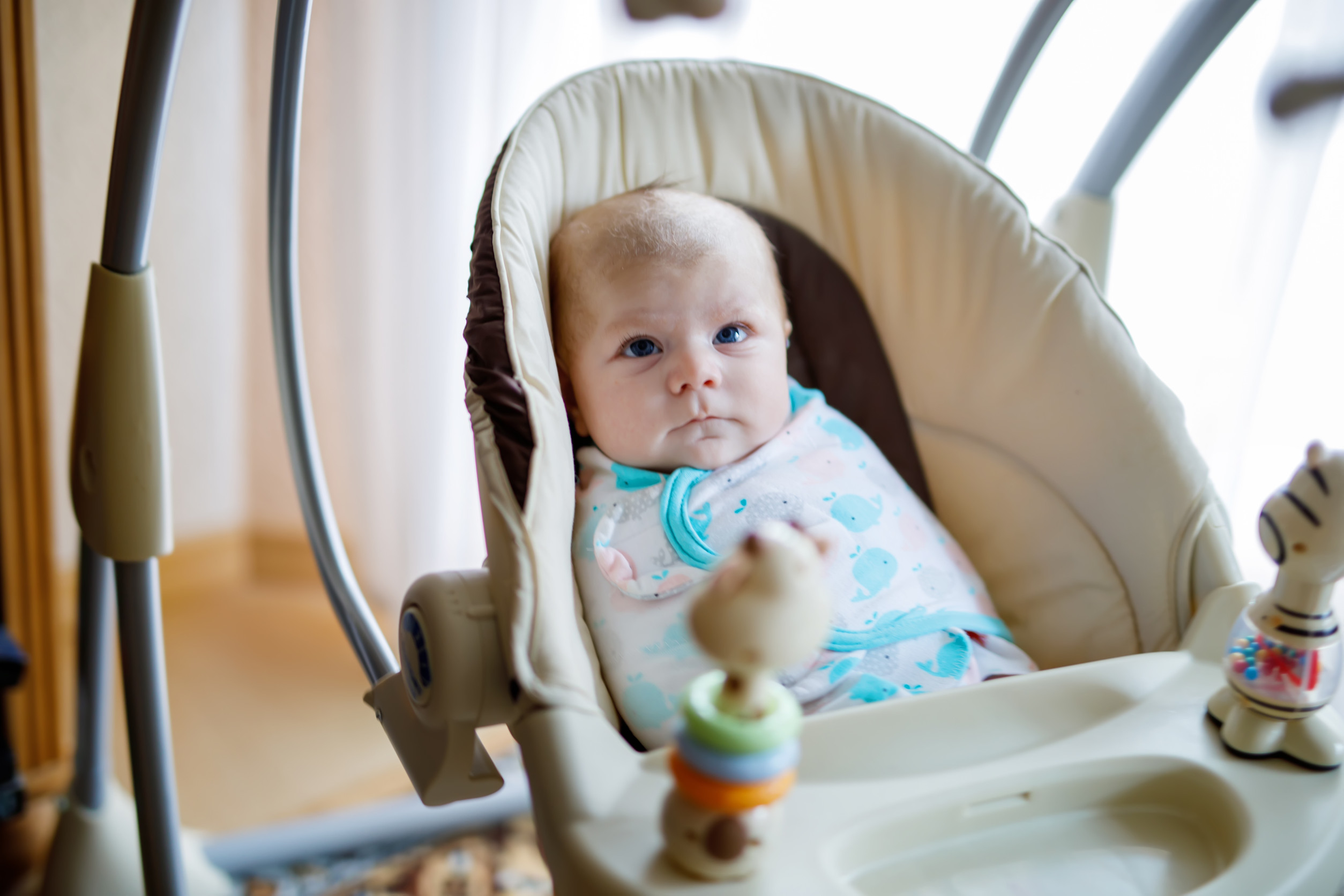
2. Baby Swings With Faulty Straps

A recent wave of baby gear recalls includes infant swings with defective harnesses that may come loose during use. Brands like 4moms and other popular swing makers have issued alerts about safety straps detaching or failing under pressure. If your baby’s swing was manufactured before 2022, double-check the model number against recall databases. Even if the swing appears stable, faulty straps are a silent risk, especially when used unsupervised. Registering your gear with the brand ensures you’ll be notified in case of future safety concerns.

3. Strollers With Frame Collapse Risks

Several major stroller brands, including jogging strollers and travel systems, have issued baby gear recalls due to frame collapse or detachment during use. These defects can cause serious injury if the stroller folds unexpectedly while the child is inside. The problem often arises with repeated folding over time, making it hard to detect before failure. Some models sold at big box stores and online marketplaces are affected, so it’s important to verify yours even if you bought it recently. Regular inspections and checking for manufacturer notices can prevent a simple outing from becoming an emergency.

4. Highchairs With Unstable Legs

Another overlooked recall involves highchairs with weak or unstable legs that may buckle or tip over when in use. Affected models may look fine at first glance but can become hazardous when a child shifts their weight suddenly. This type of failure is especially dangerous because it often occurs while parents are standing nearby but not directly supervising. Several brands, including both budget and premium models, have made voluntary recalls after reports of injuries. Always test your highchair’s stability and check the Consumer Product Safety Commission (CPSC) site for updates on known issues.

5. Baby Carriers with Faulty Buckles

Soft-structured baby carriers have become parenting essentials, but not all of them are built with long-term safety in mind. A number of baby gear recalls involve carriers with defective buckles or stitching that can break under the weight of a growing infant. Some off-brand carriers sold online without proper testing are especially risky, and many parents don’t think to inspect these parts regularly. If you notice fraying, loose stitching, or slipping buckles, stop using the carrier immediately. It’s worth contacting the manufacturer or checking recall databases to confirm your model is safe.

6. Play Yards With Collapsing Walls

Portable play yards are a favorite for naps, travel, and quick containment, but they’ve also been part of serious baby gear recalls for collapsing sides. If the walls or locking mechanisms fail, a baby could be trapped, fall, or become injured in the unstable structure. Some recalled models don’t meet the updated safety standards now required by law, especially older or hand-me-down play yards. Check for gaps, loose mesh, and faulty corners before each use. The safest bet is a play yard purchased within the last two years from a reputable retailer that lists compliance with federal safety standards.

Staying Ahead of Safety Without the Panic

Keeping track of baby gear recalls can feel overwhelming, but it doesn’t have to be. Most manufacturers offer registration cards or online sign-ups for recall alerts, and websites like cpsc.gov make it easy to search for product notices by brand or model. The real danger lies in not knowing these recalls exist, especially when items seem fine on the surface. Take five minutes to check your most-used gear—it’s a small step with huge peace-of-mind potential. Safety doesn’t stop at purchase, and staying informed is one of the best ways to protect your child.

Have you ever discovered you were still using recalled baby gear? Share your experience or tips for staying updated in the comments below.

Read More:

6 Urgent Safety Checks for Baby Gear

Are You Wasting Money? 6 Baby Items New Parents Regret Buying

Catherine Reed
Catherine Reed

Catherine is a tech-savvy writer who has focused on the personal finance space for more than eight years. She has a Bachelor’s in Information Technology and enjoys showcasing how tech can simplify everyday personal finance tasks like budgeting, spending tracking, and planning for the future. Additionally, she’s explored the ins and outs of the world of side hustles and loves to share what she’s learned along the way. When she’s not working, you can find her relaxing at home in the Pacific Northwest with her two cats or enjoying a cup of coffee at her neighborhood cafe.

Filed Under: Parenting Tagged With: baby gear alerts, baby gear checklist, baby gear recalls, baby product safety, child safety, CPSC alerts, infant safety, nursery safety, parenting tips

  • Facebook
  • Pinterest
  • RSS
  • Twitter

Basic Principles Of Good Parenting

Here some basic principles for good parenting:

  1. What You Do Matters: Your kids are watching you. So, be purposeful about what you want to accomplish.
  2. You Can’t be Too Loving: Don’t replace love with material possessions, lowered expectations or leniency.
  3. Be Involved Your Kids Life: Arrange your priorities to focus on what your kid’s needs. Be there mentally and physically.
  4. Adapt Your Parenting: Children grow quickly, so keep pace with your child’s development.
  5. Establish and Set Rules: The rules you set for children will establish the rules they set for themselves later.  Avoid harsh discipline and be consistent.
  6. Explain Your Decisions: What is obvious to you may not be evident to your child. They don’t have the experience you do.
  7. Be Respectful To Your Child: How you treat your child is how they will treat others.  Be polite, respectful and make an effort to pay attention.
Best Parenting Blogs

Most Popular

Baby names

Teachers Admit: These 6 Baby Names Create Instant Bias in the Classroom

Latrice Perez
6 Baby Names That Sound Cute Now but Cause Problems Later

6 Baby Names That Sound Cute Now but Cause Problems Later

Brandon Marcus
11 Ways Kids Are Outsmarting Parental Controls 1. Using Alternate Devices One common trick is simply turning to another device. If a child’s main phone or tablet is restricted, they may borrow a sibling’s, friend’s, or even a school laptop. This instantly gives them access to content outside of parental oversight. Parents often focus on one device, forgetting that others in the household can serve as loopholes. Knowing this tactic helps families tighten controls across all electronics. 2. Clearing Browsing Histories Many kids quickly learn that clearing browsing history hides evidence of restricted activity. With just a few clicks, they can erase any trace of websites visited. This makes it harder for parents to notice when rules are being broken. Parents may assume no history means no browsing, but the reality is often the opposite. Kids are outsmarting parental controls by making it seem like nothing happened at all. 3. Using Private Browsing Modes Most browsers offer “incognito” or private browsing features. Kids use this mode to access websites without leaving a record in the history. To parents checking later, everything looks clean and safe. This simple trick is often one of the first ways kids discover how to bypass restrictions. Conversations about private browsing can help close this gap. 4. Guessing or Resetting Passwords Children who are persistent may try to guess passwords to parental control apps or accounts. Others may find ways to reset them through email prompts or security questions. Once inside, they can disable restrictions entirely. Parents may not even realize controls have been altered until much later. Stronger, less predictable passwords can make this more difficult. 5. Using VPNs to Hide Activity Virtual private networks, or VPNs, let kids disguise their online locations. With one downloaded app, they can bypass geographic or parental restrictions. Some children learn about VPNs through friends or even social media. This makes it easy for them to reach content that should be blocked. Parents often underestimate just how simple it is for kids to use these tools. 6. Creating Fake Accounts When parents monitor social media, kids may create hidden accounts. These “finstas” or fake profiles allow them to interact freely without parental oversight. While their main account appears harmless, the secondary one tells a different story. Kids are outsmarting parental controls by playing both sides at once. Checking for duplicate accounts can help parents stay more aware. 7. Exploiting Time Zone Settings Some kids change the time zone on their devices to bypass screen time limits. This trick allows them to gain extra hours of usage undetected. Parents may assume controls are working, but in reality, the child is bending the clock. It’s a clever loophole that highlights just how resourceful kids can be. Monitoring device settings regularly can catch this tactic. 8. Disabling or Uninstalling Apps Parental control apps can be deleted or disabled with surprising ease. Some kids even reinstall them before a parent checks, making it seem like nothing changed. Others may simply restrict permissions to prevent apps from functioning properly. When apps aren’t monitored closely, parents may not notice they’ve been tampered with. This shows the importance of consistent follow-up. 9. Turning to Friends for Access If a child can’t get past restrictions on their own, they may rely on friends. Visiting a friend’s house or borrowing their phone can give them a free pass. Parents often forget that peer environments can override restrictions set at home. This kind of social workaround is especially common with gaming or social media. Open conversations about trust and responsibility are essential. 10. Hiding Apps in Plain Sight Kids sometimes download apps that look innocent but serve as gateways to hidden activity. These apps may disguise themselves as calculators or utilities. In reality, they allow file storage, private messaging, or browser access. Parents glancing at a home screen may overlook them entirely. Learning to recognize these disguised apps can help parents stay informed. 11. Outpacing Parents’ Tech Knowledge Finally, kids often know more about devices than their parents do. Whether through YouTube tutorials, TikTok hacks, or peer groups, they quickly learn advanced workarounds. This knowledge gap means controls can be bypassed before parents even realize the loophole exists. Staying informed and continually learning about new technology is the best defense. Kids are outsmarting parental controls because they adapt faster than most adults. The Real Solution Lies Beyond Restrictions While controls and filters are important, no system is perfect. Kids will always find creative ways around barriers, making communication the strongest safeguard. Setting clear expectations, building trust, and having ongoing conversations about online behavior matter more than apps alone. Parents who combine technology with open dialogue create a safer digital environment. The goal isn’t to win a battle of wits but to build a relationship that keeps kids both safe and honest. Do you think kids are outsmarting parental controls faster than parents can keep up? Share your experiences in the comments below. What to Read Next... 6 Parenting Tech Shortcuts That Can Expose Your Child to Strangers How Much Screen Time Is Too Much—Legally Speaking? Is Your Child’s School Quietly Tracking Their Location Without Your Consent? How Much Screen Time Is Quietly Reshaping Childhood Behavior? Why Some Parents Are Being Investigated Over Homeschooling Records

11 Ways Kids Are Outsmarting Parental Controls

Catherine Reed
Smiling grandfather holding a happy baby indoors.

Why Grandparents Shouldn’t Babysit Their Grandkids Every Week – The Unspoken Issue

Samantha
birthday gifts

7 Birthday Gifts Your Child Should Never Bring to a Party

Latrice Perez

All content on Kids Ain’t Cheap is for entertainment purposes only. By reading this blog, you agree that Kids Ain’t Cheap is not responsible for any actions taken after reading this blog. For the full disclaimer, see our privacy policy.

Please note that Kids Ain’t Cheap has financial relationships with some of the merchants mentioned here. Kids Ain’t Cheap is funded by banner advertising, commission sales and search optimization consulting.

Copyright © 2006–2026 | District Media | All Rights Reserved | Privacy Policy

Copyright © 2026 Runway Pro Theme by Viva la Violette