• Home
  • About Us
  • Toolkit
  • Archives
  • Advertise
  • Privacy Policy

Kids Ain't Cheap

But They Sure Are Worth It

  • Parenting
    • Baby Stuff
    • Books and Reading
      • Aesops Fables
      • Comic Books
    • Education
    • Family Time
    • Green Living
    • Growing Up
    • Healthy Living & Eating
    • Holidays
    • Parenting
    • Random Musings
    • Shopping
    • Stuff to Do
  • Money
  • Product Reviews
    • Books and Magazines
    • Discount Sites
    • Furniture
    • House Keeping
    • Reviews News
    • Toys and Games
  • Contact Us
  • Our Editorial Commitment
  • Search

Fire Hazard: Why Your Babysense Max View Monitor Unit Needs an Immediate Replacement

March 27, 2026 | Leave a Comment

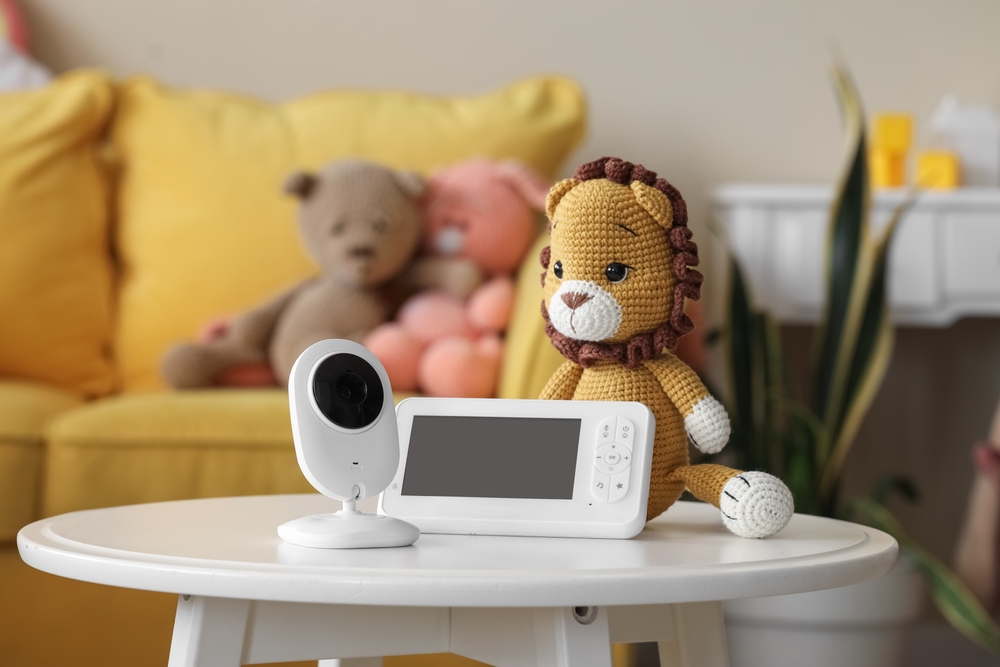
fire hazard
Image source: shutterstock.com

You bought a high-end baby monitor to ensure your child stays safe while you finally catch a few minutes of sleep. Parents trust these devices to act as a digital lifeline in the middle of the night. However, a terrifying flaw in certain hardware is turning these safety tools into a potential fire hazard. Recent reports suggest that specific battery components are prone to overheating during normal charging cycles. This is not a matter of user error or poor placement in the nursery. The system failed you by allowing a defective power unit into your home. Your peace of mind should not come with the risk of a domestic catastrophe. Understanding why your Babysense Max View monitor unit needs an immediate replacement is the only way to protect your family tonight.

Identifying the Fire Hazard

The core of the issue lies in the lithium-ion battery cells used in the parent unit of the Max View series. Surprisingly, these cells can expand and puncture their protective casing under standard electrical loads. This chemical reaction leads to a thermal runaway event where the device emits smoke or sparks. On the other hand, many parents assume a warm device is simply a sign of a hard-working processor. You must check your serial number against the official recall list to see if your home is currently at risk. You can find the specific manufacturing dates and model numbers affected by this flaw through the official CPSC announcement. Ignoring a warm charging port is a gamble you cannot afford to take.

The Manufacturer’s Response and Your Rights

Babysense has acknowledged that certain batches of the Max View were shipped with substandard power management chips. These chips fail to cut power once the battery reaches full capacity which creates a dangerous overcharge situation. Furthermore, the company is now offering a refined replacement unit to all affected customers to mitigate the fire hazard. You are entitled to a device that meets federal safety standards without paying additional shipping or restocking fees. It is vital to stop using the original power adapter immediately to prevent further degradation of the battery cell. Detailed instructions on how to secure your free replacement are available at the Babysense Recall Information page. The system’s failure to catch this during testing should not be your financial burden.

Safe Monitoring Practices for 2026

Moving forward, you should always place baby monitors on hard, flat surfaces that allow for proper heat dissipation. Soft bedding or plush carpets trap thermal energy and accelerate the breakdown of internal electronics. Additionally, you should avoid leaving any lithium-powered device plugged in for twenty-four hours a day. Using a dedicated surge protector can also offer a secondary layer of protection against unexpected electrical spikes. These simple habits reduce the strain on your hardware and extend the life of your safety equipment. Taking these precautions ensures that your technology remains a helper rather than a hazard. You deserve to sleep soundly knowing your nursery is truly a safe zone. Your child’s safety is the one area where you can never settle for “good enough.”

Prioritizing Your Family’s Safety

The discovery of a fire hazard in a nursery product is every parent’s worst nightmare. You are not at fault for trusting a brand that promised to keep watch over your most precious cargo. It is the responsibility of the manufacturer to ensure every component is tested for extreme conditions. By taking immediate action, you are reclaiming control over your home’s safety and demanding better standards. Do not wait for a small flicker of smoke before you decide to act on this warning. Protecting your children starts with removing defective technology from their environment today.

Have you checked the bottom of your monitor for the specific serial number mentioned in the latest safety alert? Please share your thoughts in the comments below so we can keep our community safe together.

What to Read Next…

  • Why Parents Are Ditching the Traditional Baby Shower for Diaper Parties
  • 5 Baby Products Pediatricians Warn Parents to Stop Using Early
  • Pediatricians Say Parents Are Overbuying These 4 Baby Items (And Skipping What Matters)
Latrice Perez

Latrice is a dedicated professional with a rich background in social work, complemented by an Associate Degree in the field. Her journey has been uniquely shaped by the rewarding experience of being a stay-at-home mom to her two children, aged 13 and 5. This role has not only been a testament to her commitment to family but has also provided her with invaluable life lessons and insights.  As a mother, Latrice has embraced the opportunity to educate her children on essential life skills, with a special focus on financial literacy.
Filed Under: Parenting Tagged With: baby monitor safety, Babysense recall, consumer alerts, electronics safety, fire hazard, nursery safety, parenting tips, product recall

Beyond The Recall: 6 Baby Gear Recalls You Missed Putting Your Child At Risk

July 22, 2025 | Leave a Comment

Beyond The Recall 6 Baby Gear Recalls You Missed Putting Your Child At Risk
Image source: 123rf.com

You researched the safest stroller, read hundreds of reviews, and followed all the setup instructions—so your baby gear must be secure, right? Unfortunately, even the most trusted brands sometimes issue recalls that fly under the radar. Busy parents can easily miss announcements, leaving potentially dangerous items still in daily use. And while some baby gear recalls get national attention, many slip by unnoticed, putting your child at risk without you even knowing it. Here are six recent baby gear recalls that may have escaped your attention and what you can do to protect your little one right now.

1. Inclined Sleepers Still Hiding in Homes

Inclined sleepers like the popular Fisher-Price Rock ‘n Play were pulled from shelves years ago, but many are still in circulation. The recall was issued after dozens of infant deaths were linked to babies rolling over in these products. Despite the warning, some parents still use them for naps or overnight sleep, unaware of the risk. These recalled items are often passed down or found secondhand without any warning label. If you’re still using an inclined sleeper, stop immediately and contact the manufacturer for a refund or guidance—this is one of the most critical baby gear recalls you can’t ignore.

2. Baby Swings With Faulty Straps

A recent wave of baby gear recalls includes infant swings with defective harnesses that may come loose during use. Brands like 4moms and other popular swing makers have issued alerts about safety straps detaching or failing under pressure. If your baby’s swing was manufactured before 2022, double-check the model number against recall databases. Even if the swing appears stable, faulty straps are a silent risk, especially when used unsupervised. Registering your gear with the brand ensures you’ll be notified in case of future safety concerns.

3. Strollers With Frame Collapse Risks

Several major stroller brands, including jogging strollers and travel systems, have issued baby gear recalls due to frame collapse or detachment during use. These defects can cause serious injury if the stroller folds unexpectedly while the child is inside. The problem often arises with repeated folding over time, making it hard to detect before failure. Some models sold at big box stores and online marketplaces are affected, so it’s important to verify yours even if you bought it recently. Regular inspections and checking for manufacturer notices can prevent a simple outing from becoming an emergency.

4. Highchairs With Unstable Legs

Another overlooked recall involves highchairs with weak or unstable legs that may buckle or tip over when in use. Affected models may look fine at first glance but can become hazardous when a child shifts their weight suddenly. This type of failure is especially dangerous because it often occurs while parents are standing nearby but not directly supervising. Several brands, including both budget and premium models, have made voluntary recalls after reports of injuries. Always test your highchair’s stability and check the Consumer Product Safety Commission (CPSC) site for updates on known issues.

5. Baby Carriers with Faulty Buckles

Soft-structured baby carriers have become parenting essentials, but not all of them are built with long-term safety in mind. A number of baby gear recalls involve carriers with defective buckles or stitching that can break under the weight of a growing infant. Some off-brand carriers sold online without proper testing are especially risky, and many parents don’t think to inspect these parts regularly. If you notice fraying, loose stitching, or slipping buckles, stop using the carrier immediately. It’s worth contacting the manufacturer or checking recall databases to confirm your model is safe.

6. Play Yards With Collapsing Walls

Portable play yards are a favorite for naps, travel, and quick containment, but they’ve also been part of serious baby gear recalls for collapsing sides. If the walls or locking mechanisms fail, a baby could be trapped, fall, or become injured in the unstable structure. Some recalled models don’t meet the updated safety standards now required by law, especially older or hand-me-down play yards. Check for gaps, loose mesh, and faulty corners before each use. The safest bet is a play yard purchased within the last two years from a reputable retailer that lists compliance with federal safety standards.

Staying Ahead of Safety Without the Panic

Keeping track of baby gear recalls can feel overwhelming, but it doesn’t have to be. Most manufacturers offer registration cards or online sign-ups for recall alerts, and websites like cpsc.gov make it easy to search for product notices by brand or model. The real danger lies in not knowing these recalls exist, especially when items seem fine on the surface. Take five minutes to check your most-used gear—it’s a small step with huge peace-of-mind potential. Safety doesn’t stop at purchase, and staying informed is one of the best ways to protect your child.

Have you ever discovered you were still using recalled baby gear? Share your experience or tips for staying updated in the comments below.

Read More:

6 Urgent Safety Checks for Baby Gear

Are You Wasting Money? 6 Baby Items New Parents Regret Buying

Catherine Reed
Catherine Reed

Catherine is a tech-savvy writer who has focused on the personal finance space for more than eight years. She has a Bachelor’s in Information Technology and enjoys showcasing how tech can simplify everyday personal finance tasks like budgeting, spending tracking, and planning for the future. Additionally, she’s explored the ins and outs of the world of side hustles and loves to share what she’s learned along the way. When she’s not working, you can find her relaxing at home in the Pacific Northwest with her two cats or enjoying a cup of coffee at her neighborhood cafe.

Filed Under: Parenting Tagged With: baby gear alerts, baby gear checklist, baby gear recalls, baby product safety, child safety, CPSC alerts, infant safety, nursery safety, parenting tips

The Quiet Killer: 8 Hidden Hazards In Your Nursery You’re Not Checking

July 21, 2025 | Leave a Comment

The Quiet Killer 8 Hidden Hazards In Your Nursery You’re Not Checking
Image source: 123rf.com

You decorated the nursery with love, picked the safest crib, and triple-checked the baby monitor—but danger can still be lurking where you least expect it. Many well-meaning parents overlook small but serious risks that don’t look threatening on the surface. In fact, some of the most dangerous hidden hazards in your nursery blend right in with everyday items. From air quality concerns to overlooked furniture safety, it’s time to take a closer look at the room meant to keep your baby safe. Here are eight nursery risks that often go unnoticed—but shouldn’t.

1. Loose Window Cords and Blinds

Cords from window blinds may seem harmless, but they are a major strangulation hazard in nurseries. Even short cords can pose a risk if a curious baby pulls or gets tangled in them during play or sleep. These hidden hazards in your nursery can be fatal within seconds and are often overlooked in baby-proofing efforts. Safer alternatives include cordless blinds or window coverings with safety clips to keep cords out of reach. If replacing the blinds isn’t possible, install cord winders or tie cords up high, well above crib height.

2. Unanchored Furniture

Dressers, bookcases, and changing tables that aren’t anchored to the wall can easily tip over if pulled on. Babies who are learning to stand or climb often use furniture for support, which can lead to serious injuries or even death. Tip-overs are one of the most overlooked hidden hazards in your nursery because furniture seems stable—until it’s not. Thankfully, furniture anchors are affordable, easy to install, and make a big difference in safety. Make it a priority to secure every piece of tall or heavy furniture in your baby’s room.

3. Crib Bumpers and Soft Bedding

Though they’re still sold in stores, crib bumpers, loose blankets, and pillows can create a suffocation risk. Babies under 12 months lack the strength to move themselves away from soft materials that may obstruct breathing. These items may look cute, but they’re part of the hidden hazards in your nursery you’re better off skipping altogether. Instead, opt for a fitted crib sheet and dress your baby in a wearable blanket or sleep sack. A bare crib really is the safest crib.

4. Scented Diffusers and Air Fresheners

Everyone wants the nursery to smell clean and calming, but artificial fragrances can introduce harmful chemicals into the air your baby breathes. Many plug-in diffusers, sprays, and air fresheners release volatile organic compounds (VOCs) linked to respiratory irritation and developmental issues. Since babies breathe more rapidly than adults, they are especially sensitive to air quality and fragrance-related hidden hazards in your nursery. Choose natural ventilation, an air purifier with a HEPA filter, or a few drops of essential oils diffused sparingly—without direct exposure. And always consult with your pediatrician before using any aromatherapy products around infants.

5. Overloaded Power Strips and Cords

The nursery monitor, sound machine, night light, and humidifier all need power—but using overloaded outlets or power strips can increase fire risk. Loose or exposed wires also present a choking or strangulation hazard for crawling babies. Electrical safety is one of the hidden hazards in your nursery that’s easy to ignore until something goes wrong. Use outlet covers, hide cords behind furniture when possible, and avoid daisy-chaining extension cords. For extra peace of mind, consider baby-proofing power strips with secure covers.

6. Paint and Furniture Finishes

That freshly painted crib or thrifted rocking chair might contain lead-based paint or chemical finishes, especially if it’s an older piece. Babies often chew on crib rails or furniture edges, which could expose them to toxins. Without testing or proper refinishing, these surfaces become serious hidden hazards in your nursery. Look for furniture with Green guard Gold or similar safety certifications and avoid using secondhand items unless you know they’re lead-free and baby safe. When painting or refinishing, always use non-toxic, VOC-free products approved for nurseries.

7. Stuffed Animals and Toys in the Crib

A pile of plush toys in the crib may look comforting, but it creates a dangerous environment during sleep. Anything loose in the crib can block a baby’s airway or increase the risk of suffocation. While cuddly toys make for adorable photos, they are among the hidden hazards in your nursery that should be kept far from sleep spaces. Keep toys in a separate bin and remove all soft items before naps or bedtime. Remember, when it comes to the crib, simple is safest.

8. Hidden Mold and Humidity Issues

Humidifiers are often used in nurseries to help with dry air or congestion, but when not cleaned regularly, they can breed mold and bacteria. High humidity can also encourage mold growth behind furniture or under rugs, creating respiratory risks. These sneaky hidden hazards in your nursery can impact your baby’s lungs and immune system without showing obvious signs. Clean humidifiers weekly with a vinegar solution and keep indoor humidity between 30% and 50%. If your nursery feels musty or damp, consider using a hygrometer and dehumidifier to maintain a healthy balance.

Safety Starts with What You Can’t See

The truth is many of the most dangerous hidden hazards in your nursery aren’t the flashy or obvious ones. They’re quiet, subtle, and often built into the everyday items we trust. But with a little awareness and a few safety tweaks, you can create a peaceful space that’s as safe as it is sweet. Being proactive now means fewer risks later and a better night’s sleep for everyone in the house. Because nothing should ever come between your baby and their safety—even in the room designed just for them.

Have you discovered any surprising nursery hazards in your own home? Share your story or tips with other parents in the comments!

Read More:

School Fees: 8 Hidden Fees in School Programs That Add Up

Hidden Pests: 5 Home Areas Harboring Pests for Kids

Catherine Reed
Catherine Reed

Catherine is a tech-savvy writer who has focused on the personal finance space for more than eight years. She has a Bachelor’s in Information Technology and enjoys showcasing how tech can simplify everyday personal finance tasks like budgeting, spending tracking, and planning for the future. Additionally, she’s explored the ins and outs of the world of side hustles and loves to share what she’s learned along the way. When she’s not working, you can find her relaxing at home in the Pacific Northwest with her two cats or enjoying a cup of coffee at her neighborhood cafe.

Filed Under: Parenting Tagged With: babyproofing tips, crib safety, hidden hazards in your nursery, infant health, nursery safety, parenting advice, safe nursery checklist, toxic nursery items

  • Facebook
  • Pinterest
  • RSS
  • Twitter

Basic Principles Of Good Parenting

Here some basic principles for good parenting:

  1. What You Do Matters: Your kids are watching you. So, be purposeful about what you want to accomplish.
  2. You Can’t be Too Loving: Don’t replace love with material possessions, lowered expectations or leniency.
  3. Be Involved Your Kids Life: Arrange your priorities to focus on what your kid’s needs. Be there mentally and physically.
  4. Adapt Your Parenting: Children grow quickly, so keep pace with your child’s development.
  5. Establish and Set Rules: The rules you set for children will establish the rules they set for themselves later.  Avoid harsh discipline and be consistent.
  6. Explain Your Decisions: What is obvious to you may not be evident to your child. They don’t have the experience you do.
  7. Be Respectful To Your Child: How you treat your child is how they will treat others.  Be polite, respectful and make an effort to pay attention.
Best Parenting Blogs

Most Popular

Baby names

Teachers Admit: These 6 Baby Names Create Instant Bias in the Classroom

Latrice Perez
6 Baby Names That Sound Cute Now but Cause Problems Later

6 Baby Names That Sound Cute Now but Cause Problems Later

Brandon Marcus
11 Ways Kids Are Outsmarting Parental Controls 1. Using Alternate Devices One common trick is simply turning to another device. If a child’s main phone or tablet is restricted, they may borrow a sibling’s, friend’s, or even a school laptop. This instantly gives them access to content outside of parental oversight. Parents often focus on one device, forgetting that others in the household can serve as loopholes. Knowing this tactic helps families tighten controls across all electronics. 2. Clearing Browsing Histories Many kids quickly learn that clearing browsing history hides evidence of restricted activity. With just a few clicks, they can erase any trace of websites visited. This makes it harder for parents to notice when rules are being broken. Parents may assume no history means no browsing, but the reality is often the opposite. Kids are outsmarting parental controls by making it seem like nothing happened at all. 3. Using Private Browsing Modes Most browsers offer “incognito” or private browsing features. Kids use this mode to access websites without leaving a record in the history. To parents checking later, everything looks clean and safe. This simple trick is often one of the first ways kids discover how to bypass restrictions. Conversations about private browsing can help close this gap. 4. Guessing or Resetting Passwords Children who are persistent may try to guess passwords to parental control apps or accounts. Others may find ways to reset them through email prompts or security questions. Once inside, they can disable restrictions entirely. Parents may not even realize controls have been altered until much later. Stronger, less predictable passwords can make this more difficult. 5. Using VPNs to Hide Activity Virtual private networks, or VPNs, let kids disguise their online locations. With one downloaded app, they can bypass geographic or parental restrictions. Some children learn about VPNs through friends or even social media. This makes it easy for them to reach content that should be blocked. Parents often underestimate just how simple it is for kids to use these tools. 6. Creating Fake Accounts When parents monitor social media, kids may create hidden accounts. These “finstas” or fake profiles allow them to interact freely without parental oversight. While their main account appears harmless, the secondary one tells a different story. Kids are outsmarting parental controls by playing both sides at once. Checking for duplicate accounts can help parents stay more aware. 7. Exploiting Time Zone Settings Some kids change the time zone on their devices to bypass screen time limits. This trick allows them to gain extra hours of usage undetected. Parents may assume controls are working, but in reality, the child is bending the clock. It’s a clever loophole that highlights just how resourceful kids can be. Monitoring device settings regularly can catch this tactic. 8. Disabling or Uninstalling Apps Parental control apps can be deleted or disabled with surprising ease. Some kids even reinstall them before a parent checks, making it seem like nothing changed. Others may simply restrict permissions to prevent apps from functioning properly. When apps aren’t monitored closely, parents may not notice they’ve been tampered with. This shows the importance of consistent follow-up. 9. Turning to Friends for Access If a child can’t get past restrictions on their own, they may rely on friends. Visiting a friend’s house or borrowing their phone can give them a free pass. Parents often forget that peer environments can override restrictions set at home. This kind of social workaround is especially common with gaming or social media. Open conversations about trust and responsibility are essential. 10. Hiding Apps in Plain Sight Kids sometimes download apps that look innocent but serve as gateways to hidden activity. These apps may disguise themselves as calculators or utilities. In reality, they allow file storage, private messaging, or browser access. Parents glancing at a home screen may overlook them entirely. Learning to recognize these disguised apps can help parents stay informed. 11. Outpacing Parents’ Tech Knowledge Finally, kids often know more about devices than their parents do. Whether through YouTube tutorials, TikTok hacks, or peer groups, they quickly learn advanced workarounds. This knowledge gap means controls can be bypassed before parents even realize the loophole exists. Staying informed and continually learning about new technology is the best defense. Kids are outsmarting parental controls because they adapt faster than most adults. The Real Solution Lies Beyond Restrictions While controls and filters are important, no system is perfect. Kids will always find creative ways around barriers, making communication the strongest safeguard. Setting clear expectations, building trust, and having ongoing conversations about online behavior matter more than apps alone. Parents who combine technology with open dialogue create a safer digital environment. The goal isn’t to win a battle of wits but to build a relationship that keeps kids both safe and honest. Do you think kids are outsmarting parental controls faster than parents can keep up? Share your experiences in the comments below. What to Read Next... 6 Parenting Tech Shortcuts That Can Expose Your Child to Strangers How Much Screen Time Is Too Much—Legally Speaking? Is Your Child’s School Quietly Tracking Their Location Without Your Consent? How Much Screen Time Is Quietly Reshaping Childhood Behavior? Why Some Parents Are Being Investigated Over Homeschooling Records

11 Ways Kids Are Outsmarting Parental Controls

Catherine Reed
Smiling grandfather holding a happy baby indoors.

Why Grandparents Shouldn’t Babysit Their Grandkids Every Week – The Unspoken Issue

Samantha
birthday gifts

7 Birthday Gifts Your Child Should Never Bring to a Party

Latrice Perez

All content on Kids Ain’t Cheap is for entertainment purposes only. By reading this blog, you agree that Kids Ain’t Cheap is not responsible for any actions taken after reading this blog. For the full disclaimer, see our privacy policy.

Please note that Kids Ain’t Cheap has financial relationships with some of the merchants mentioned here. Kids Ain’t Cheap is funded by banner advertising, commission sales and search optimization consulting.

Copyright © 2006–2026 | District Media | All Rights Reserved | Privacy Policy

Copyright © 2026 Runway Pro Theme by Viva la Violette