
• Home
  • About Us
  • Toolkit
  • Archives
  • Advertise
  • Privacy Policy

Kids Ain't Cheap

But They Sure Are Worth It

  • Parenting
    • Baby Stuff
    • Books and Reading
      • Aesops Fables
      • Comic Books
    • Education
    • Family Time
    • Green Living
    • Growing Up
    • Healthy Living & Eating
    • Holidays
    • Parenting
    • Random Musings
    • Shopping
    • Stuff to Do
  • Money
  • Product Reviews
    • Books and Magazines
    • Discount Sites
    • Furniture
    • House Keeping
    • Reviews News
    • Toys and Games
  • Contact Us
  • Our Editorial Commitment
  • Search

The Quiet Killer: 8 Hidden Hazards In Your Nursery You’re Not Checking

July 21, 2025 | Leave a Comment

The Quiet Killer 8 Hidden Hazards In Your Nursery You’re Not Checking
Image source: 123rf.com

You decorated the nursery with love, picked the safest crib, and triple-checked the baby monitor—but danger can still be lurking where you least expect it. Many well-meaning parents overlook small but serious risks that don’t look threatening on the surface. In fact, some of the most dangerous hidden hazards in your nursery blend right in with everyday items. From air quality concerns to overlooked furniture safety, it’s time to take a closer look at the room meant to keep your baby safe. Here are eight nursery risks that often go unnoticed—but shouldn’t.

1. Loose Window Cords and Blinds

Cords from window blinds may seem harmless, but they are a major strangulation hazard in nurseries. Even short cords can pose a risk if a curious baby pulls or gets tangled in them during play or sleep. These hidden hazards in your nursery can be fatal within seconds and are often overlooked in baby-proofing efforts. Safer alternatives include cordless blinds or window coverings with safety clips to keep cords out of reach. If replacing the blinds isn’t possible, install cord winders or tie cords up high, well above crib height.

2. Unanchored Furniture

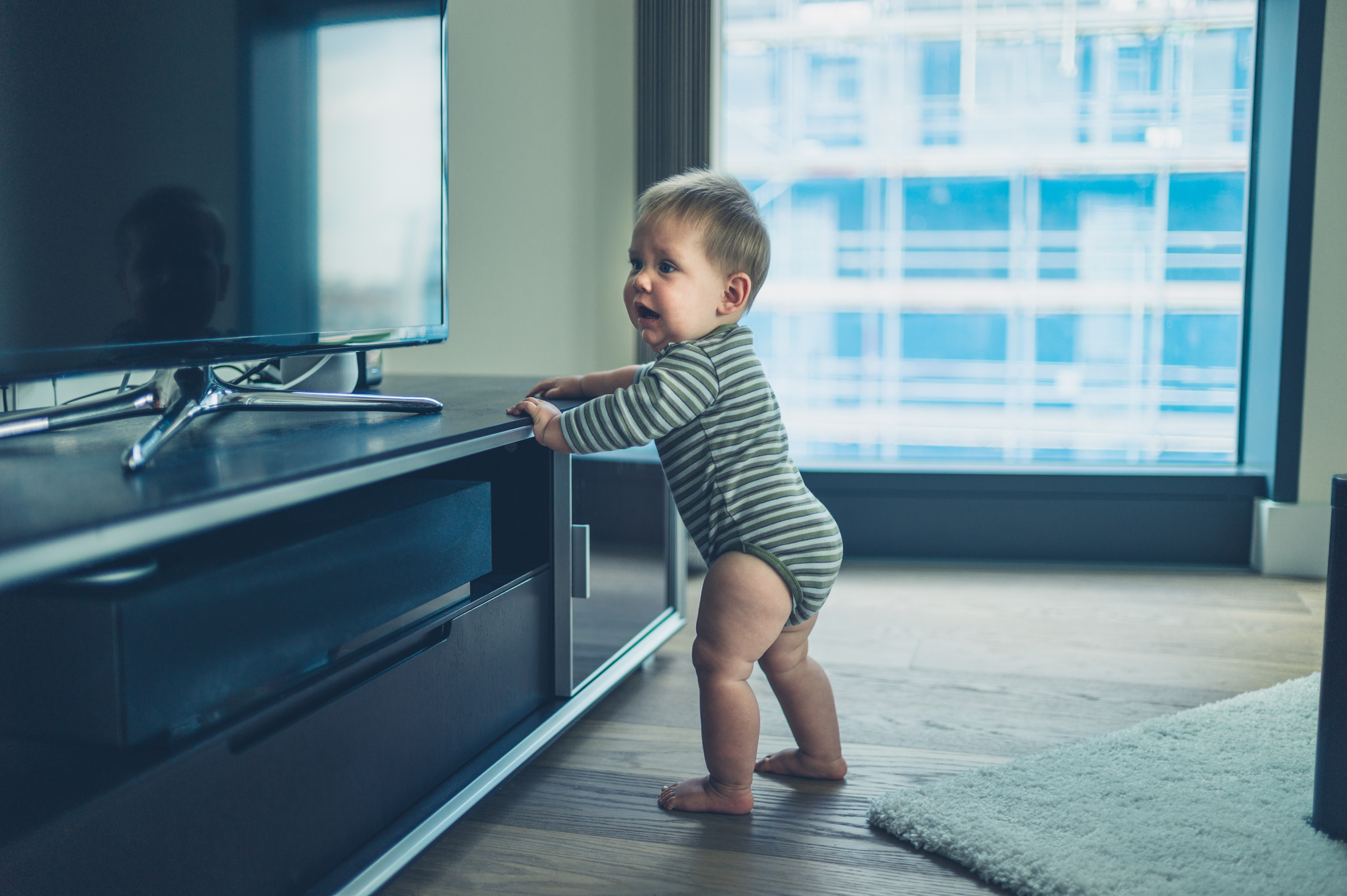
Dressers, bookcases, and changing tables that aren’t anchored to the wall can easily tip over if pulled on. Babies who are learning to stand or climb often use furniture for support, which can lead to serious injuries or even death. Tip-overs are one of the most overlooked hidden hazards in your nursery because furniture seems stable—until it’s not. Thankfully, furniture anchors are affordable, easy to install, and make a big difference in safety. Make it a priority to secure every piece of tall or heavy furniture in your baby’s room.

3. Crib Bumpers and Soft Bedding

Though they’re still sold in stores, crib bumpers, loose blankets, and pillows can create a suffocation risk. Babies under 12 months lack the strength to move themselves away from soft materials that may obstruct breathing. These items may look cute, but they’re part of the hidden hazards in your nursery you’re better off skipping altogether. Instead, opt for a fitted crib sheet and dress your baby in a wearable blanket or sleep sack. A bare crib really is the safest crib.

4. Scented Diffusers and Air Fresheners

Everyone wants the nursery to smell clean and calming, but artificial fragrances can introduce harmful chemicals into the air your baby breathes. Many plug-in diffusers, sprays, and air fresheners release volatile organic compounds (VOCs) linked to respiratory irritation and developmental issues. Since babies breathe more rapidly than adults, they are especially sensitive to air quality and fragrance-related hidden hazards in your nursery. Choose natural ventilation, an air purifier with a HEPA filter, or a few drops of essential oils diffused sparingly—without direct exposure. And always consult with your pediatrician before using any aromatherapy products around infants.

5. Overloaded Power Strips and Cords

The nursery monitor, sound machine, night light, and humidifier all need power—but using overloaded outlets or power strips can increase fire risk. Loose or exposed wires also present a choking or strangulation hazard for crawling babies. Electrical safety is one of the hidden hazards in your nursery that’s easy to ignore until something goes wrong. Use outlet covers, hide cords behind furniture when possible, and avoid daisy-chaining extension cords. For extra peace of mind, consider baby-proofing power strips with secure covers.

6. Paint and Furniture Finishes

That freshly painted crib or thrifted rocking chair might contain lead-based paint or chemical finishes, especially if it’s an older piece. Babies often chew on crib rails or furniture edges, which could expose them to toxins. Without testing or proper refinishing, these surfaces become serious hidden hazards in your nursery. Look for furniture with Green guard Gold or similar safety certifications and avoid using secondhand items unless you know they’re lead-free and baby safe. When painting or refinishing, always use non-toxic, VOC-free products approved for nurseries.

7. Stuffed Animals and Toys in the Crib

A pile of plush toys in the crib may look comforting, but it creates a dangerous environment during sleep. Anything loose in the crib can block a baby’s airway or increase the risk of suffocation. While cuddly toys make for adorable photos, they are among the hidden hazards in your nursery that should be kept far from sleep spaces. Keep toys in a separate bin and remove all soft items before naps or bedtime. Remember, when it comes to the crib, simple is safest.

8. Hidden Mold and Humidity Issues

Humidifiers are often used in nurseries to help with dry air or congestion, but when not cleaned regularly, they can breed mold and bacteria. High humidity can also encourage mold growth behind furniture or under rugs, creating respiratory risks. These sneaky hidden hazards in your nursery can impact your baby’s lungs and immune system without showing obvious signs. Clean humidifiers weekly with a vinegar solution and keep indoor humidity between 30% and 50%. If your nursery feels musty or damp, consider using a hygrometer and dehumidifier to maintain a healthy balance.

Safety Starts with What You Can’t See

The truth is many of the most dangerous hidden hazards in your nursery aren’t the flashy or obvious ones. They’re quiet, subtle, and often built into the everyday items we trust. But with a little awareness and a few safety tweaks, you can create a peaceful space that’s as safe as it is sweet. Being proactive now means fewer risks later and a better night’s sleep for everyone in the house. Because nothing should ever come between your baby and their safety—even in the room designed just for them.

Have you discovered any surprising nursery hazards in your own home? Share your story or tips with other parents in the comments!

Read More:

School Fees: 8 Hidden Fees in School Programs That Add Up

Hidden Pests: 5 Home Areas Harboring Pests for Kids

Catherine Reed
Catherine Reed

Catherine is a tech-savvy writer who has focused on the personal finance space for more than eight years. She has a Bachelor’s in Information Technology and enjoys showcasing how tech can simplify everyday personal finance tasks like budgeting, spending tracking, and planning for the future. Additionally, she’s explored the ins and outs of the world of side hustles and loves to share what she’s learned along the way. When she’s not working, you can find her relaxing at home in the Pacific Northwest with her two cats or enjoying a cup of coffee at her neighborhood cafe.
Filed Under: Parenting Tagged With: babyproofing tips, crib safety, hidden hazards in your nursery, infant health, nursery safety, parenting advice, safe nursery checklist, toxic nursery items

Toddler Falls: 5 Home Areas Where Toddlers Get Hurt Most (Are Yours Safe?)

July 18, 2025 | Leave a Comment

Toddler Falls 5 Home Areas Where Toddlers Get Hurt Most Are Yours Safe
Image source: 123rf.com

When toddlers start walking, the world becomes one big adventure—and one big hazard. Their curiosity, unsteady footing, and fearless exploration can turn everyday spaces into danger zones. While a few bumps and bruises are part of growing up, some toddler falls lead to more serious injuries that could be prevented with a few simple changes. Knowing where those high-risk areas are can help you make smarter, safer choices around the house. Let’s walk through the five spots where toddler falls happen most often and how you can make each one safer starting today.

1. Staircases and Steps

Staircases are a leading cause of toddler falls in the home. Toddlers don’t yet have the balance or coordination to navigate steps safely without help. Even a single missed step can lead to a tumble that causes serious injury. Installing sturdy baby gates at both the top and bottom of the stairs is one of the most effective ways to prevent accidents. Make sure handrails are secure and that older siblings know to keep gates closed behind them.

2. Living Room Furniture

Couches, chairs, and coffee tables are all toddler magnets for climbing and jumping. Unfortunately, what looks like harmless play can quickly result in toddler falls off the furniture or into sharp corners. Use corner protectors on tables and choose padded, low-profile furniture if you can. Supervise climbing closely and teach toddlers that furniture isn’t a jungle gym. Keeping floors clear of toys or blankets also helps reduce tripping hazards in this frequently used space.

3. Bathtubs and Bathroom Floors

Slippery surfaces and wet feet are a dangerous combo for toddlers in the bathroom. Whether it’s climbing in and out of the tub or slipping on tile floors, bathroom areas see a lot of toddler falls. Non-slip mats inside and outside the tub make a big difference. Always stay within arm’s reach during bath time, even if your child is sitting. Storing bath products out of reach and using a spout cover can also prevent other common bathroom injuries.

4. Beds and Changing Tables

Falls from heights, even low ones, can be more dangerous than they seem. Toddlers may roll off beds while playing or even while napping if there are no guardrails. Changing tables are another hot spot for toddler falls, especially when a caregiver turns away for even a second. Always use the safety strap on changing tables and never leave your child unattended, even momentarily. Transitioning to a toddler bed with side rails early can help reduce nighttime accidents.

5. Outdoor Patios and Driveways

You might think of toddler falls as an indoor issue, but outdoor areas like patios and driveways are also risky. Uneven pavement, hard surfaces, and lack of soft-landing spots can all lead to injury. Make sure play areas are fenced in and far from traffic zones. If your child plays on a deck or patio, add railings or safety netting to block gaps and drops. Always supervise outdoor play closely, especially if scooters, trikes, or other wheeled toys are involved.

A Few Smart Changes Go a Long Way

No home will ever be 100% fall-proof, but a few simple updates can greatly reduce the risk of toddler falls. Take a walk through your home at your child’s eye level and look for hazards you might normally miss. Add safety gates, non-slip surfaces, and soft corner covers where needed. Most importantly, keep a close eye and trust your instincts—if something feels risky, it probably is. A little prevention today can mean fewer tears and ER visits tomorrow.

Have you made any toddler fall-proofing upgrades at home? Share what worked best for your little one in the comments!

Read More:

11 Ways You’re Undermining Your Toddler’s Growth

7 Medical Scams Targeting Parents of Toddlers

Catherine Reed
Catherine Reed

Catherine is a tech-savvy writer who has focused on the personal finance space for more than eight years. She has a Bachelor’s in Information Technology and enjoys showcasing how tech can simplify everyday personal finance tasks like budgeting, spending tracking, and planning for the future. Additionally, she’s explored the ins and outs of the world of side hustles and loves to share what she’s learned along the way. When she’s not working, you can find her relaxing at home in the Pacific Northwest with her two cats or enjoying a cup of coffee at her neighborhood cafe.

Filed Under: Parenting Tagged With: babyproofing tips, childproofing your home, fall prevention, home safety for toddlers, parenting toddlers, toddler falls, toddler injury prevention

10 Things Everyone Forgets to Childproof

June 12, 2025 | Leave a Comment

10 Things Everyone Forgets to Childproof
123rf

You’ve installed cabinet locks, padded the coffee table, and covered every outlet in sight—but are you truly done babyproofing? The reality is, even the most thorough parents often miss a few sneaky dangers hiding in plain sight. Curious kids are experts at finding the one thing you didn’t think about, and when it comes to safety, the smallest oversight can lead to big trouble. Knowing the things everyone forgets to childproof can make your home a lot safer without a major overhaul. Let’s take a look at ten commonly overlooked hazards that deserve a spot on your safety checklist.

1. The Dishwasher

Most parents secure kitchen cabinets but often forget the dishwasher. This appliance is full of sharp utensils, breakable dishes, and leftover food residue that toddlers love to explore. If your little one pulls down the door or climbs on it, it could tip forward or cause injury. Use a latch or lock to prevent access and always load knives with blades facing down. The dishwasher is one of those everyday things everyone forgets to childproof—but it definitely shouldn’t be.

2. Toilet Paper and Tissue Boxes

It seems harmless, right? But give a toddler 30 seconds alone with a roll of toilet paper or a tissue box, and you’ll have a shredded mess—or worse, a choking hazard. Some children even try to eat the paper or stuff it into the toilet. Keep toilet paper out of reach or use a covered dispenser to slow them down. These soft paper products are among the silly but serious things everyone forgets to childproof.

3. Floor Vents and Registers

Many homes have loose or removable floor vents that curious fingers can easily pop open. Kids love dropping toys—or snacks—into them, and sharp metal edges can cause cuts. Worse, an open vent might become a place they try to explore. Make sure vents are screwed down or replaced with child-safe covers. It’s one of those hidden-in-plain-sight things everyone forgets to childproof until it’s too late.

4. Remote Controls and Game Controllers

They may not look dangerous, but remotes and controllers often contain small batteries that are extremely hazardous if swallowed. Many battery compartments are easy for little hands to open. Always choose devices with screwed-in battery covers and keep them out of reach when not in use. It’s easy to overlook these household staples, making them one of the top things everyone forgets to childproof.

5. Window Blinds and Curtain Cords

Cords dangling from blinds and curtains pose a serious strangulation risk. Kids may be tempted to tug, twist, or even wrap them around their necks while playing. Install cordless window treatments or use cord wind-ups and cleats to secure loose ends. These decorative details are often overlooked, but they’re one of the most dangerous things everyone forgets to childproof in living rooms and bedrooms.

6. Purses, Diaper Bags, and Backpacks

Bags often hold medications, makeup, coins, or other choking hazards that are never meant for little hands. Whether it’s your own bag or one brought by a guest, it should never be left on the floor or a low surface. Designate a high shelf or hook for all bags as part of your everyday childproofing routine. Portable hazards like these are definitely among the top things everyone forgets to childproof.

7. Pet Food and Water Bowls

To a crawling baby or toddler, a bowl of kibble looks like snack time and a water dish seems like a splash zone. Unfortunately, both can be choking or slipping hazards. Feed pets during child-free times or in an area blocked off with a baby gate. Even the family pet’s corner includes things everyone forgets to childproof, so don’t leave it out of your safety plan.

8. Refrigerator and Freezer Doors

Some kids figure out how to open the fridge long before parents are ready. They may help themselves to food, find glass containers, or even get trapped inside while playing hide-and-seek. Use an appliance lock to keep them out, especially if your model has a bottom freezer. The refrigerator is an everyday item that makes the list of things everyone forgets to childproof until mischief strikes.

9. Dresser Drawers

Drawers can be pulled out and used as ladders, making furniture toppling a real concern. Kids may also trap fingers or get into items like scissors or medicine stored in upper drawers. Use anti-tip brackets for heavy furniture and childproof locks to keep drawers closed. These common storage spots are high on the list of things everyone forgets to childproof but pose serious risks.

10. Bathroom Trash Cans

What’s inside a bathroom trash can? Usually a mix of tissues, razors, cotton swabs, and empty product containers—none of which belong in a child’s hands. Keep bathroom trash out of reach or invest in one with a locking lid. It’s not just unsanitary, it’s unsafe, making it one of the gross-but-overlooked things everyone forgets to childproof.

The Overlooked Details Make a Big Difference

Even the most careful parents can miss a few unexpected hazards, and that’s okay—it’s part of learning as you go. The key is to think like a toddler: What can I reach, pull, eat, or climb? By staying one step ahead and checking for the things everyone forgets to childproof, you can create a safer space that lets your child explore with fewer risks. Sometimes the smallest tweaks make the biggest difference in keeping your little one safe.

What’s one thing you forgot to childproof that totally surprised you? Share your story in the comments to help other parents stay ahead!

Read More:

7 Ways to Teach Kids to Trust Their Instincts About Safety

Playground Safety: How to Ensure Kids Stay Injury-Free

Catherine Reed
Catherine Reed

Catherine is a tech-savvy writer who has focused on the personal finance space for more than eight years. She has a Bachelor’s in Information Technology and enjoys showcasing how tech can simplify everyday personal finance tasks like budgeting, spending tracking, and planning for the future. Additionally, she’s explored the ins and outs of the world of side hustles and loves to share what she’s learned along the way. When she’s not working, you can find her relaxing at home in the Pacific Northwest with her two cats or enjoying a cup of coffee at her neighborhood cafe.

Filed Under: Safety Tagged With: baby safety essentials, babyproofing tips, child safety at home, home safety checklist, overlooked childproofing, parenting advice, things everyone forgets to childproof, toddler hazards

  • Facebook
  • Pinterest
  • RSS
  • Twitter

Basic Principles Of Good Parenting

Here some basic principles for good parenting:

  1. What You Do Matters: Your kids are watching you. So, be purposeful about what you want to accomplish.
  2. You Can’t be Too Loving: Don’t replace love with material possessions, lowered expectations or leniency.
  3. Be Involved Your Kids Life: Arrange your priorities to focus on what your kid’s needs. Be there mentally and physically.
  4. Adapt Your Parenting: Children grow quickly, so keep pace with your child’s development.
  5. Establish and Set Rules: The rules you set for children will establish the rules they set for themselves later.  Avoid harsh discipline and be consistent.
  6. Explain Your Decisions: What is obvious to you may not be evident to your child. They don’t have the experience you do.
  7. Be Respectful To Your Child: How you treat your child is how they will treat others.  Be polite, respectful and make an effort to pay attention.
Best Parenting Blogs

Most Popular

Baby names

Teachers Admit: These 6 Baby Names Create Instant Bias in the Classroom

Latrice Perez
6 Baby Names That Sound Cute Now but Cause Problems Later

6 Baby Names That Sound Cute Now but Cause Problems Later

Brandon Marcus
11 Ways Kids Are Outsmarting Parental Controls 1. Using Alternate Devices One common trick is simply turning to another device. If a child’s main phone or tablet is restricted, they may borrow a sibling’s, friend’s, or even a school laptop. This instantly gives them access to content outside of parental oversight. Parents often focus on one device, forgetting that others in the household can serve as loopholes. Knowing this tactic helps families tighten controls across all electronics. 2. Clearing Browsing Histories Many kids quickly learn that clearing browsing history hides evidence of restricted activity. With just a few clicks, they can erase any trace of websites visited. This makes it harder for parents to notice when rules are being broken. Parents may assume no history means no browsing, but the reality is often the opposite. Kids are outsmarting parental controls by making it seem like nothing happened at all. 3. Using Private Browsing Modes Most browsers offer “incognito” or private browsing features. Kids use this mode to access websites without leaving a record in the history. To parents checking later, everything looks clean and safe. This simple trick is often one of the first ways kids discover how to bypass restrictions. Conversations about private browsing can help close this gap. 4. Guessing or Resetting Passwords Children who are persistent may try to guess passwords to parental control apps or accounts. Others may find ways to reset them through email prompts or security questions. Once inside, they can disable restrictions entirely. Parents may not even realize controls have been altered until much later. Stronger, less predictable passwords can make this more difficult. 5. Using VPNs to Hide Activity Virtual private networks, or VPNs, let kids disguise their online locations. With one downloaded app, they can bypass geographic or parental restrictions. Some children learn about VPNs through friends or even social media. This makes it easy for them to reach content that should be blocked. Parents often underestimate just how simple it is for kids to use these tools. 6. Creating Fake Accounts When parents monitor social media, kids may create hidden accounts. These “finstas” or fake profiles allow them to interact freely without parental oversight. While their main account appears harmless, the secondary one tells a different story. Kids are outsmarting parental controls by playing both sides at once. Checking for duplicate accounts can help parents stay more aware. 7. Exploiting Time Zone Settings Some kids change the time zone on their devices to bypass screen time limits. This trick allows them to gain extra hours of usage undetected. Parents may assume controls are working, but in reality, the child is bending the clock. It’s a clever loophole that highlights just how resourceful kids can be. Monitoring device settings regularly can catch this tactic. 8. Disabling or Uninstalling Apps Parental control apps can be deleted or disabled with surprising ease. Some kids even reinstall them before a parent checks, making it seem like nothing changed. Others may simply restrict permissions to prevent apps from functioning properly. When apps aren’t monitored closely, parents may not notice they’ve been tampered with. This shows the importance of consistent follow-up. 9. Turning to Friends for Access If a child can’t get past restrictions on their own, they may rely on friends. Visiting a friend’s house or borrowing their phone can give them a free pass. Parents often forget that peer environments can override restrictions set at home. This kind of social workaround is especially common with gaming or social media. Open conversations about trust and responsibility are essential. 10. Hiding Apps in Plain Sight Kids sometimes download apps that look innocent but serve as gateways to hidden activity. These apps may disguise themselves as calculators or utilities. In reality, they allow file storage, private messaging, or browser access. Parents glancing at a home screen may overlook them entirely. Learning to recognize these disguised apps can help parents stay informed. 11. Outpacing Parents’ Tech Knowledge Finally, kids often know more about devices than their parents do. Whether through YouTube tutorials, TikTok hacks, or peer groups, they quickly learn advanced workarounds. This knowledge gap means controls can be bypassed before parents even realize the loophole exists. Staying informed and continually learning about new technology is the best defense. Kids are outsmarting parental controls because they adapt faster than most adults. The Real Solution Lies Beyond Restrictions While controls and filters are important, no system is perfect. Kids will always find creative ways around barriers, making communication the strongest safeguard. Setting clear expectations, building trust, and having ongoing conversations about online behavior matter more than apps alone. Parents who combine technology with open dialogue create a safer digital environment. The goal isn’t to win a battle of wits but to build a relationship that keeps kids both safe and honest. Do you think kids are outsmarting parental controls faster than parents can keep up? Share your experiences in the comments below. What to Read Next... 6 Parenting Tech Shortcuts That Can Expose Your Child to Strangers How Much Screen Time Is Too Much—Legally Speaking? Is Your Child’s School Quietly Tracking Their Location Without Your Consent? How Much Screen Time Is Quietly Reshaping Childhood Behavior? Why Some Parents Are Being Investigated Over Homeschooling Records

11 Ways Kids Are Outsmarting Parental Controls

Catherine Reed
Smiling grandfather holding a happy baby indoors.

Why Grandparents Shouldn’t Babysit Their Grandkids Every Week – The Unspoken Issue

Samantha
birthday gifts

7 Birthday Gifts Your Child Should Never Bring to a Party

Latrice Perez

All content on Kids Ain’t Cheap is for entertainment purposes only. By reading this blog, you agree that Kids Ain’t Cheap is not responsible for any actions taken after reading this blog. For the full disclaimer, see our privacy policy.

Please note that Kids Ain’t Cheap has financial relationships with some of the merchants mentioned here. Kids Ain’t Cheap is funded by banner advertising, commission sales and search optimization consulting.

Copyright © 2006–2026 | District Media | All Rights Reserved | Privacy Policy

Copyright © 2026 Runway Pro Theme by Viva la Violette