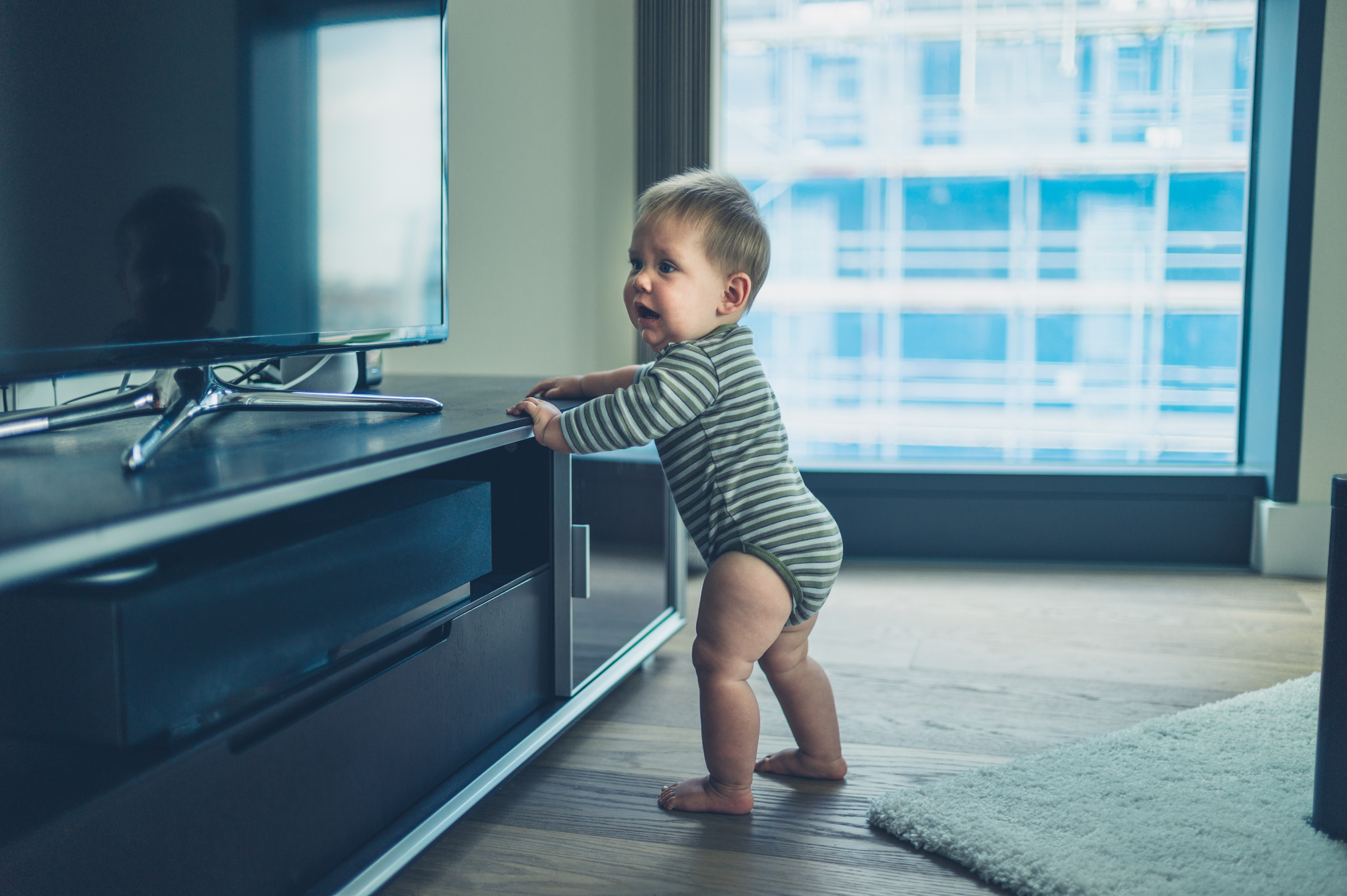
When toddlers start walking, the world becomes one big adventure—and one big hazard. Their curiosity, unsteady footing, and fearless exploration can turn everyday spaces into danger zones. While a few bumps and bruises are part of growing up, some toddler falls lead to more serious injuries that could be prevented with a few simple changes. Knowing where those high-risk areas are can help you make smarter, safer choices around the house. Let’s walk through the five spots where toddler falls happen most often and how you can make each one safer starting today.
1. Staircases and Steps
Staircases are a leading cause of toddler falls in the home. Toddlers don’t yet have the balance or coordination to navigate steps safely without help. Even a single missed step can lead to a tumble that causes serious injury. Installing sturdy baby gates at both the top and bottom of the stairs is one of the most effective ways to prevent accidents. Make sure handrails are secure and that older siblings know to keep gates closed behind them.
2. Living Room Furniture
Couches, chairs, and coffee tables are all toddler magnets for climbing and jumping. Unfortunately, what looks like harmless play can quickly result in toddler falls off the furniture or into sharp corners. Use corner protectors on tables and choose padded, low-profile furniture if you can. Supervise climbing closely and teach toddlers that furniture isn’t a jungle gym. Keeping floors clear of toys or blankets also helps reduce tripping hazards in this frequently used space.
3. Bathtubs and Bathroom Floors
Slippery surfaces and wet feet are a dangerous combo for toddlers in the bathroom. Whether it’s climbing in and out of the tub or slipping on tile floors, bathroom areas see a lot of toddler falls. Non-slip mats inside and outside the tub make a big difference. Always stay within arm’s reach during bath time, even if your child is sitting. Storing bath products out of reach and using a spout cover can also prevent other common bathroom injuries.
4. Beds and Changing Tables
Falls from heights, even low ones, can be more dangerous than they seem. Toddlers may roll off beds while playing or even while napping if there are no guardrails. Changing tables are another hot spot for toddler falls, especially when a caregiver turns away for even a second. Always use the safety strap on changing tables and never leave your child unattended, even momentarily. Transitioning to a toddler bed with side rails early can help reduce nighttime accidents.
5. Outdoor Patios and Driveways
You might think of toddler falls as an indoor issue, but outdoor areas like patios and driveways are also risky. Uneven pavement, hard surfaces, and lack of soft-landing spots can all lead to injury. Make sure play areas are fenced in and far from traffic zones. If your child plays on a deck or patio, add railings or safety netting to block gaps and drops. Always supervise outdoor play closely, especially if scooters, trikes, or other wheeled toys are involved.
A Few Smart Changes Go a Long Way
No home will ever be 100% fall-proof, but a few simple updates can greatly reduce the risk of toddler falls. Take a walk through your home at your child’s eye level and look for hazards you might normally miss. Add safety gates, non-slip surfaces, and soft corner covers where needed. Most importantly, keep a close eye and trust your instincts—if something feels risky, it probably is. A little prevention today can mean fewer tears and ER visits tomorrow.
Have you made any toddler fall-proofing upgrades at home? Share what worked best for your little one in the comments!
Read More:
11 Ways You’re Undermining Your Toddler’s Growth
7 Medical Scams Targeting Parents of Toddlers

Catherine is a tech-savvy writer who has focused on the personal finance space for more than eight years. She has a Bachelor’s in Information Technology and enjoys showcasing how tech can simplify everyday personal finance tasks like budgeting, spending tracking, and planning for the future. Additionally, she’s explored the ins and outs of the world of side hustles and loves to share what she’s learned along the way. When she’s not working, you can find her relaxing at home in the Pacific Northwest with her two cats or enjoying a cup of coffee at her neighborhood cafe.
