• Home
  • About Us
  • Toolkit
  • Archives
  • Advertise
  • Privacy Policy

Kids Ain't Cheap

But They Sure Are Worth It

  • Parenting
    • Baby Stuff
    • Books and Reading
      • Aesops Fables
      • Comic Books
    • Education
    • Family Time
    • Green Living
    • Growing Up
    • Healthy Living & Eating
    • Holidays
    • Parenting
    • Random Musings
    • Shopping
    • Stuff to Do
  • Money
  • Product Reviews
    • Books and Magazines
    • Discount Sites
    • Furniture
    • House Keeping
    • Reviews News
    • Toys and Games
  • Contact Us
  • Our Editorial Commitment
  • Search

Targeted Home: 6 Home Security Gaps Making Kids a Target

July 15, 2025 | Leave a Comment

Targeted Home 6 Home Security Gaps Making Kids a Target
123rf.com

When it comes to protecting your home, most parents think about locking doors, installing cameras, and setting alarms. But child safety requires more than the basics. Hidden home security gaps can quietly leave your kids vulnerable to everything from accidents to online threats and, in worst-case scenarios, targeted harm. Criminals and predators often look for easy entry points—both physical and digital—especially when children are involved. If you haven’t reviewed your home setup lately, now is the time to address these often-overlooked security gaps before they put your family at risk.

1. Outdated or Unmonitored Entry Points

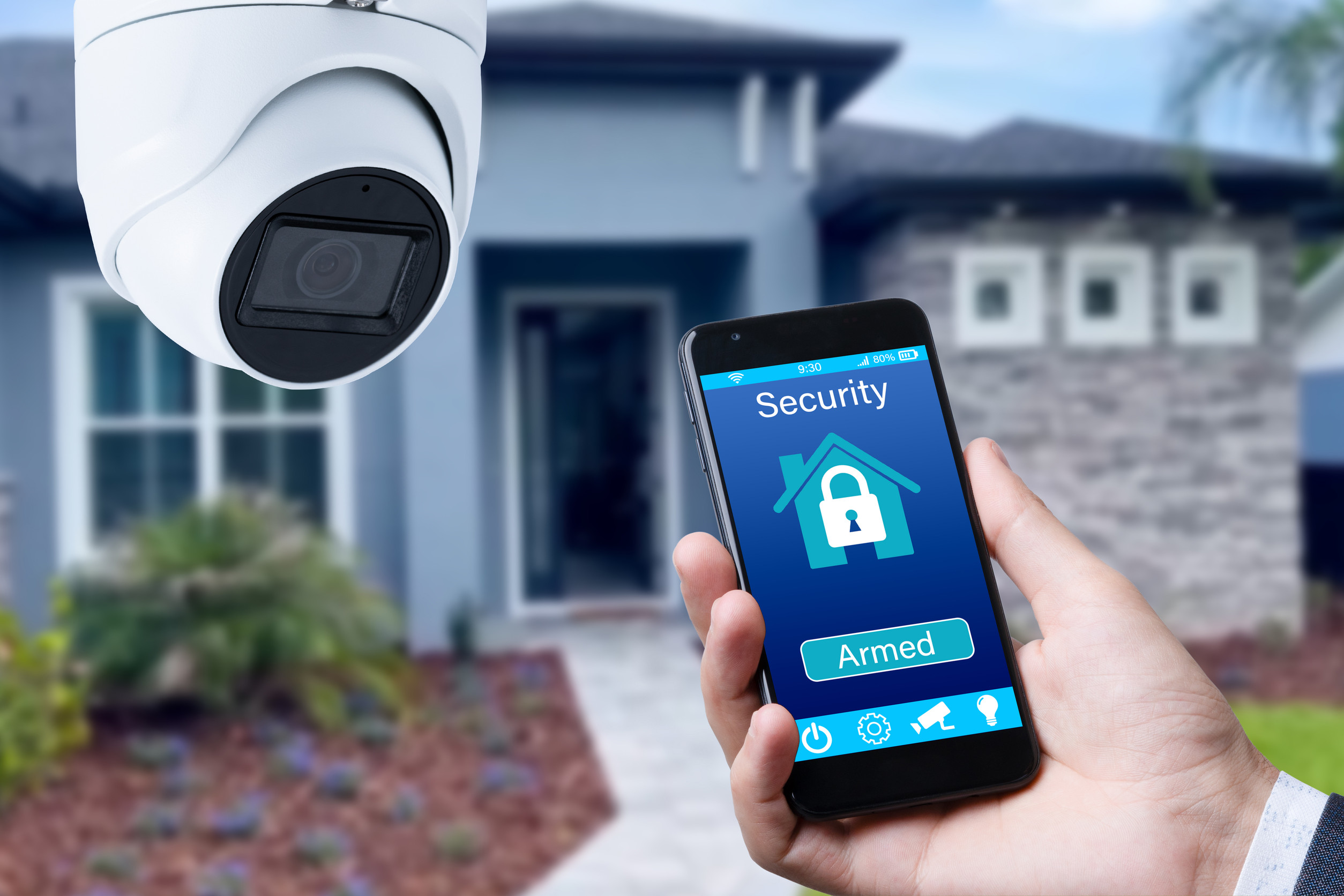
One of the most common home security gaps is relying on locks alone to protect entryways like front doors, back doors, and garages. Kids often forget to lock up behind them, and basic locks can be picked or kicked in with minimal effort. If your doors and windows aren’t reinforced or connected to a monitored alarm system, your home may be an easy target. Smart locks and sensors add an extra layer of protection—and can be checked remotely when your child gets home from school. Reinforcing door frames and using video doorbells can also help identify suspicious activity before it becomes a threat.

2. Easy Visibility of Toys or Children’s Items

Leaving bikes, scooters, backpacks, or even car seats out in plain view can send a message: kids live here. That information may seem harmless, but to someone with bad intentions, it identifies your home as one with young, potentially unprotected residents. This is one of those home security gaps most families never think about, but it matters. Store items in the garage or behind a locked gate when not in use, and avoid putting your child’s name on outdoor gear where strangers can see it. Limiting visual clues makes your home less appealing to the wrong people.

3. Lack of Child-Specific Safety Zones

Your home may be secure overall, but are there designated areas where kids can play safely without exposure to hazards? Many homes have blind spots where kids can wander too close to driveways, busy roads, or unsecured gates. These overlooked home security gaps put kids at risk not just from outsiders, but from preventable accidents. Creating fenced-in play areas, installing childproof locks, and setting boundaries for where kids are allowed to roam helps reduce vulnerability. Consider adding outdoor cameras in common play zones for added oversight.

4. Unsecured Smart Devices

Home security gaps don’t stop at physical entry points—smart devices can also leave kids exposed. If your home’s Wi-Fi network or devices like baby monitors, tablets, or smart speakers aren’t password-protected or encrypted, hackers can gain access. Some predators even use unsecured webcams to spy or communicate with children. Change default passwords, set strong encryption on your router, and regularly update software on all connected devices. Monitoring your child’s screen time is important but so is protecting how they’re accessing it.

5. Poor Exterior Lighting

A well-lit home is a proven deterrent to intruders, yet many families still rely on porch lights alone. Side yards, backyards, and detached garages often remain dark—creating easy access points that aren’t visible to neighbors or passing cars. Motion sensor lighting is a low-cost fix to one of the most common home security gaps. It makes any attempt to sneak onto your property far more difficult. Lights near windows and walkways also help your child feel safer when playing outside or coming home after dark.

6. Over-Sharing on Social Media

This may not involve your locks or alarms, but it’s one of the most dangerous home security gaps today. Sharing your location, your child’s school, routines, or vacation plans online gives strangers a virtual map to your family’s life. Even innocent posts like “First Day at Oakwood Elementary!” can create a digital breadcrumb trail. Set your social accounts to private, be selective about who you accept as friends, and think twice before posting details that could identify where your kids are and when. Teaching older children to do the same is a valuable lesson in self-protection.

Security Starts with Awareness

Keeping kid’s safe starts by recognizing that many threats don’t come with flashing warning signs. The most dangerous home security gaps are often the ones we assume aren’t a big deal—until they are. By taking simple steps to protect entry points, manage visibility, secure devices, and stay cautious online, you dramatically lower the risks your family faces. A little prevention today creates peace of mind for years to come. Your home should be your child’s safest place, and that safety begins with the choices you make right now.

Have you discovered any surprising home security gaps in your own home? What changes made the biggest difference for your family? Share your tips in the comments!

Read More:

What to Do When Your House Is Too Big for You?

Accident Hotspots: 7 Home Areas That Are Accident Hotspots for Kids

Catherine Reed
Catherine Reed

Catherine is a tech-savvy writer who has focused on the personal finance space for more than eight years. She has a Bachelor’s in Information Technology and enjoys showcasing how tech can simplify everyday personal finance tasks like budgeting, spending tracking, and planning for the future. Additionally, she’s explored the ins and outs of the world of side hustles and loves to share what she’s learned along the way. When she’s not working, you can find her relaxing at home in the Pacific Northwest with her two cats or enjoying a cup of coffee at her neighborhood cafe.

Filed Under: Home and Living Tagged With: child safety at home, childproofing advice, family safety planning, family security, home protection, home security gaps, parenting tips, smart home safety

10 Things Everyone Forgets to Childproof

June 12, 2025 | Leave a Comment

10 Things Everyone Forgets to Childproof
123rf

You’ve installed cabinet locks, padded the coffee table, and covered every outlet in sight—but are you truly done babyproofing? The reality is, even the most thorough parents often miss a few sneaky dangers hiding in plain sight. Curious kids are experts at finding the one thing you didn’t think about, and when it comes to safety, the smallest oversight can lead to big trouble. Knowing the things everyone forgets to childproof can make your home a lot safer without a major overhaul. Let’s take a look at ten commonly overlooked hazards that deserve a spot on your safety checklist.

1. The Dishwasher

Most parents secure kitchen cabinets but often forget the dishwasher. This appliance is full of sharp utensils, breakable dishes, and leftover food residue that toddlers love to explore. If your little one pulls down the door or climbs on it, it could tip forward or cause injury. Use a latch or lock to prevent access and always load knives with blades facing down. The dishwasher is one of those everyday things everyone forgets to childproof—but it definitely shouldn’t be.

2. Toilet Paper and Tissue Boxes

It seems harmless, right? But give a toddler 30 seconds alone with a roll of toilet paper or a tissue box, and you’ll have a shredded mess—or worse, a choking hazard. Some children even try to eat the paper or stuff it into the toilet. Keep toilet paper out of reach or use a covered dispenser to slow them down. These soft paper products are among the silly but serious things everyone forgets to childproof.

3. Floor Vents and Registers

Many homes have loose or removable floor vents that curious fingers can easily pop open. Kids love dropping toys—or snacks—into them, and sharp metal edges can cause cuts. Worse, an open vent might become a place they try to explore. Make sure vents are screwed down or replaced with child-safe covers. It’s one of those hidden-in-plain-sight things everyone forgets to childproof until it’s too late.

4. Remote Controls and Game Controllers

They may not look dangerous, but remotes and controllers often contain small batteries that are extremely hazardous if swallowed. Many battery compartments are easy for little hands to open. Always choose devices with screwed-in battery covers and keep them out of reach when not in use. It’s easy to overlook these household staples, making them one of the top things everyone forgets to childproof.

5. Window Blinds and Curtain Cords

Cords dangling from blinds and curtains pose a serious strangulation risk. Kids may be tempted to tug, twist, or even wrap them around their necks while playing. Install cordless window treatments or use cord wind-ups and cleats to secure loose ends. These decorative details are often overlooked, but they’re one of the most dangerous things everyone forgets to childproof in living rooms and bedrooms.

6. Purses, Diaper Bags, and Backpacks

Bags often hold medications, makeup, coins, or other choking hazards that are never meant for little hands. Whether it’s your own bag or one brought by a guest, it should never be left on the floor or a low surface. Designate a high shelf or hook for all bags as part of your everyday childproofing routine. Portable hazards like these are definitely among the top things everyone forgets to childproof.

7. Pet Food and Water Bowls

To a crawling baby or toddler, a bowl of kibble looks like snack time and a water dish seems like a splash zone. Unfortunately, both can be choking or slipping hazards. Feed pets during child-free times or in an area blocked off with a baby gate. Even the family pet’s corner includes things everyone forgets to childproof, so don’t leave it out of your safety plan.

8. Refrigerator and Freezer Doors

Some kids figure out how to open the fridge long before parents are ready. They may help themselves to food, find glass containers, or even get trapped inside while playing hide-and-seek. Use an appliance lock to keep them out, especially if your model has a bottom freezer. The refrigerator is an everyday item that makes the list of things everyone forgets to childproof until mischief strikes.

9. Dresser Drawers

Drawers can be pulled out and used as ladders, making furniture toppling a real concern. Kids may also trap fingers or get into items like scissors or medicine stored in upper drawers. Use anti-tip brackets for heavy furniture and childproof locks to keep drawers closed. These common storage spots are high on the list of things everyone forgets to childproof but pose serious risks.

10. Bathroom Trash Cans

What’s inside a bathroom trash can? Usually a mix of tissues, razors, cotton swabs, and empty product containers—none of which belong in a child’s hands. Keep bathroom trash out of reach or invest in one with a locking lid. It’s not just unsanitary, it’s unsafe, making it one of the gross-but-overlooked things everyone forgets to childproof.

The Overlooked Details Make a Big Difference

Even the most careful parents can miss a few unexpected hazards, and that’s okay—it’s part of learning as you go. The key is to think like a toddler: What can I reach, pull, eat, or climb? By staying one step ahead and checking for the things everyone forgets to childproof, you can create a safer space that lets your child explore with fewer risks. Sometimes the smallest tweaks make the biggest difference in keeping your little one safe.

What’s one thing you forgot to childproof that totally surprised you? Share your story in the comments to help other parents stay ahead!

Read More:

7 Ways to Teach Kids to Trust Their Instincts About Safety

Playground Safety: How to Ensure Kids Stay Injury-Free

Catherine Reed
Catherine Reed

Catherine is a tech-savvy writer who has focused on the personal finance space for more than eight years. She has a Bachelor’s in Information Technology and enjoys showcasing how tech can simplify everyday personal finance tasks like budgeting, spending tracking, and planning for the future. Additionally, she’s explored the ins and outs of the world of side hustles and loves to share what she’s learned along the way. When she’s not working, you can find her relaxing at home in the Pacific Northwest with her two cats or enjoying a cup of coffee at her neighborhood cafe.

Filed Under: Safety Tagged With: baby safety essentials, babyproofing tips, child safety at home, home safety checklist, overlooked childproofing, parenting advice, things everyone forgets to childproof, toddler hazards

  • Facebook
  • Pinterest
  • RSS
  • Twitter

Basic Principles Of Good Parenting

Here some basic principles for good parenting:

  1. What You Do Matters: Your kids are watching you. So, be purposeful about what you want to accomplish.
  2. You Can’t be Too Loving: Don’t replace love with material possessions, lowered expectations or leniency.
  3. Be Involved Your Kids Life: Arrange your priorities to focus on what your kid’s needs. Be there mentally and physically.
  4. Adapt Your Parenting: Children grow quickly, so keep pace with your child’s development.
  5. Establish and Set Rules: The rules you set for children will establish the rules they set for themselves later.  Avoid harsh discipline and be consistent.
  6. Explain Your Decisions: What is obvious to you may not be evident to your child. They don’t have the experience you do.
  7. Be Respectful To Your Child: How you treat your child is how they will treat others.  Be polite, respectful and make an effort to pay attention.
Best Parenting Blogs

Most Popular

Baby Girl

12 “Grandma” Baby Names That Are Suddenly Cool Again

Evan Morgan
Baby

9 Baby Names That Sound Rare Without Being Hard to Spell

Evan Morgan
Target Store

Choking Incident Prompts Recall of 49,000 Target Gigglescape “Under the Sea” Popping Toys

Evan Morgan
Frustrated Girl

Why Some Students on the Spectrum Are Labeled With ODD

Evan Morgan
Coke Bottles

12 Things Kids Took to School in the ’70s That Would Never Be Allowed Today

Evan Morgan

All content on Kids Ain’t Cheap is for entertainment purposes only. By reading this blog, you agree that Kids Ain’t Cheap is not responsible for any actions taken after reading this blog. For the full disclaimer, see our privacy policy.

Please note that Kids Ain’t Cheap has financial relationships with some of the merchants mentioned here. Kids Ain’t Cheap is funded by banner advertising, commission sales and search optimization consulting.

Copyright © 2006–2026 | District Media | All Rights Reserved | Privacy Policy

Copyright © 2026 Runway Pro Theme by Viva la Violette