• Home
  • About Us
  • Toolkit
  • Archives
  • Advertise
  • Privacy Policy

Kids Ain't Cheap

But They Sure Are Worth It

  • Parenting
    • Baby Stuff
    • Books and Reading
      • Aesops Fables
      • Comic Books
    • Education
    • Family Time
    • Green Living
    • Growing Up
    • Healthy Living & Eating
    • Holidays
    • Parenting
    • Random Musings
    • Shopping
    • Stuff to Do
  • Money
  • Product Reviews
    • Books and Magazines
    • Discount Sites
    • Furniture
    • House Keeping
    • Reviews News
    • Toys and Games
  • Contact Us
  • Our Editorial Commitment
  • Search

Home Alone Concerns: 6 Urgent Safety Tips For Kids Home Alone

July 31, 2025 | Leave a Comment

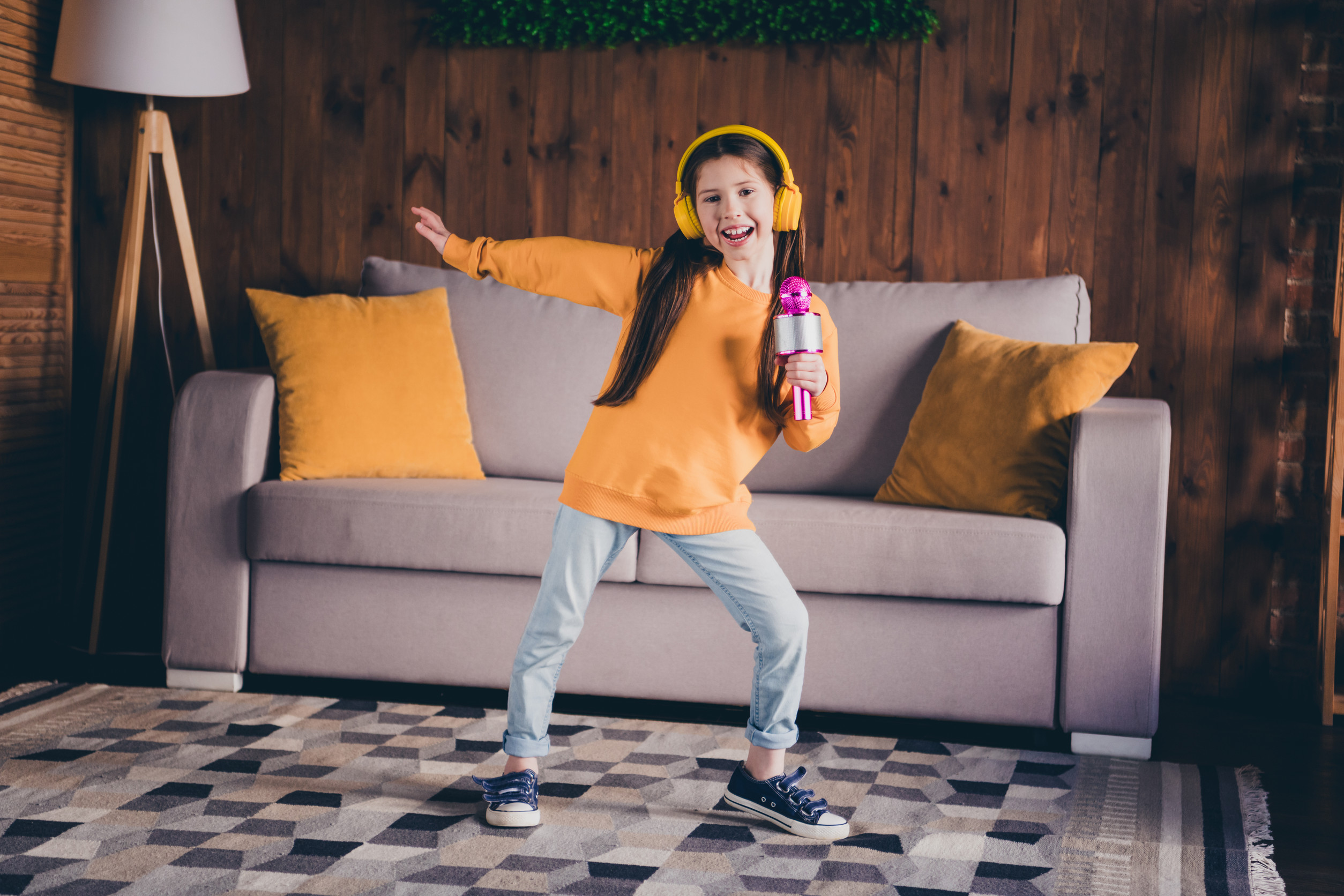
Home Alone Concerns 6 Urgent Safety Tips For Kids Home Alone
Image source: 123rf.com

Leaving your child home for the first time can bring a mix of freedom and fear. Whether it’s just for 30 minutes after school or a few hours while you run errands, knowing your child is safe at home is non-negotiable. But what might seem like a short window of time can come with big risks if you haven’t prepared thoroughly. There’s more to think about than just locking the doors—kids home alone need to be empowered with knowledge, routine, and confidence. Here are six essential safety tips every parent should cover before trusting their child to stay home solo.

1. Establish a Clear Check-In Routine

Before your child is officially left on their own, make a plan for regular check-ins. Have them text or call you as soon as they get home, and again at a specific time later. This provides peace of mind and gives your child a sense of structure during your absence. For kids home alone, knowing someone expects to hear from them can offer emotional comfort and accountability. You can also enlist a neighbor or family member to check in if you’re unreachable.

2. Set Firm Rules About Who Can Enter the Home

One of the biggest safety risks for kids home alone is unexpected visitors. Make it clear that they should never open the door for anyone—not friends, neighbors, or delivery people—no matter how friendly they seem. Teach your child how to use peepholes, doorbell cameras, or intercoms without revealing they’re home alone. If someone does come to the door, they should not engage but instead call you or another trusted adult. Practice scenarios so they feel confident knowing what to do in the moment.

3. Review Kitchen and Appliance Safety

It might seem harmless to let your child microwave a snack, but kitchen mishaps are one of the most common accidents when kids are home alone. Go over what appliances they’re allowed to use and which ones they should avoid entirely. For younger children, it might be best to stick with no-cook options like fruit, crackers, or sandwiches. Keep flammable materials away from stoves and teach how to handle small emergencies like smoke or spills. If you’re okay with microwave use, post step-by-step instructions nearby.

4. Go Over Emergency Procedures

Emergency numbers aren’t just for decoration—they’re essential tools. Make sure your child knows how to call 911 and what to say in an emergency, including your home address and phone number. Post a printed list of contacts in a visible location and include neighbors or relatives who live nearby. Walk through scenarios such as fire, break-ins, or sudden illness so they know what steps to take. Kids home alone should never be left guessing in a crisis.

5. Create a No-Internet Rule or Screen Guidelines

While it might seem easier to let your child veg out in front of a screen until you return, unsupervised internet access can open the door to online predators, risky content, or unsafe behavior. Discuss specific boundaries around devices and apps when kids are home alone. Use parental controls or set up a child-friendly streaming playlist if screen time is allowed. Better yet, prepare offline activities like puzzles, crafts, or books to keep them engaged. Encourage breaks from screens so they stay alert and present.

6. Walk Through “What If” Situations Together

Your child may know the rules but applying them under pressure is a different story. Help prepare them for the unexpected by role-playing “what if” scenarios together. Ask questions like, “What would you do if the power went out?” or “What if someone calls and asks for a parent?” Encourage them to think through answers without fear of being wrong. For kids home alone, confidence comes from preparation and practice. These exercises also give you insight into what areas may need more support or clarification.

Confidence Is the Best Safety Tool

Kids home alone don’t just need a list of rules—they need to believe they can handle themselves. When you prepare your child with clear expectations, practical knowledge, and plenty of practice, you’re giving them more than just independence. You’re showing them that you trust their judgment and believe in their ability to navigate the world responsibly. And when they know you believe in them, they’re far more likely to make safe, smart decisions when it counts.

What safety tip has worked best for your kids home alone? Share your advice or experiences in the comments—we’d love to hear your insight!

Read More:

6 Urgent Safety Checks for Baby Gear

10 Places Your Kids Shouldn’t Be Left Alone (Even If They Beg You To)

Catherine Reed
Catherine Reed

Catherine is a tech-savvy writer who has focused on the personal finance space for more than eight years. She has a Bachelor’s in Information Technology and enjoys showcasing how tech can simplify everyday personal finance tasks like budgeting, spending tracking, and planning for the future. Additionally, she’s explored the ins and outs of the world of side hustles and loves to share what she’s learned along the way. When she’s not working, you can find her relaxing at home in the Pacific Northwest with her two cats or enjoying a cup of coffee at her neighborhood cafe.
Filed Under: Parenting Tagged With: child safety, emergency prep for kids, family safety planning, home alone tips, kids home alone, latchkey kids, parenting safety, staying home alone

Targeted Home: 6 Home Security Gaps Making Kids a Target

July 15, 2025 | Leave a Comment

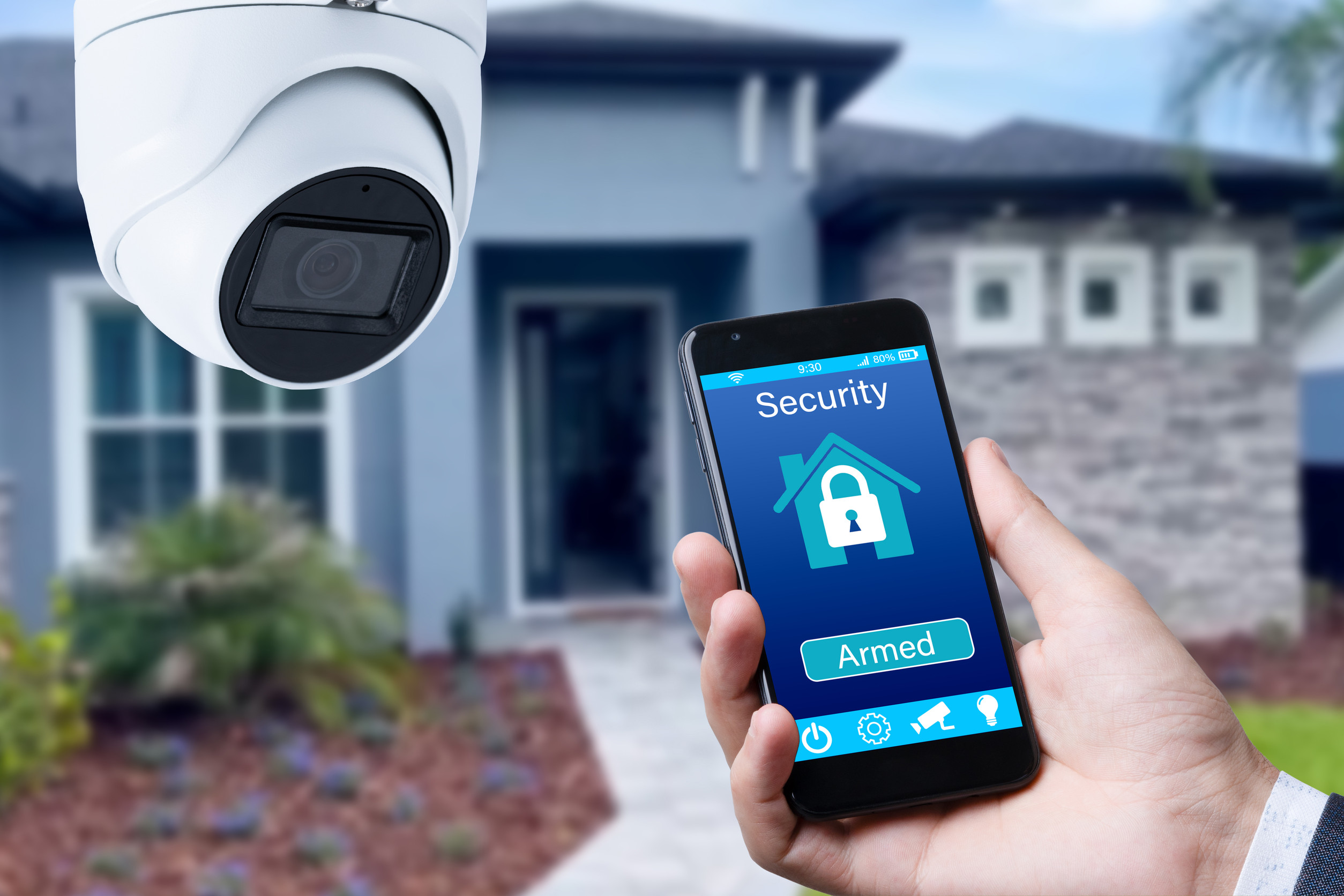
Targeted Home 6 Home Security Gaps Making Kids a Target
123rf.com

When it comes to protecting your home, most parents think about locking doors, installing cameras, and setting alarms. But child safety requires more than the basics. Hidden home security gaps can quietly leave your kids vulnerable to everything from accidents to online threats and, in worst-case scenarios, targeted harm. Criminals and predators often look for easy entry points—both physical and digital—especially when children are involved. If you haven’t reviewed your home setup lately, now is the time to address these often-overlooked security gaps before they put your family at risk.

1. Outdated or Unmonitored Entry Points

One of the most common home security gaps is relying on locks alone to protect entryways like front doors, back doors, and garages. Kids often forget to lock up behind them, and basic locks can be picked or kicked in with minimal effort. If your doors and windows aren’t reinforced or connected to a monitored alarm system, your home may be an easy target. Smart locks and sensors add an extra layer of protection—and can be checked remotely when your child gets home from school. Reinforcing door frames and using video doorbells can also help identify suspicious activity before it becomes a threat.

2. Easy Visibility of Toys or Children’s Items

Leaving bikes, scooters, backpacks, or even car seats out in plain view can send a message: kids live here. That information may seem harmless, but to someone with bad intentions, it identifies your home as one with young, potentially unprotected residents. This is one of those home security gaps most families never think about, but it matters. Store items in the garage or behind a locked gate when not in use, and avoid putting your child’s name on outdoor gear where strangers can see it. Limiting visual clues makes your home less appealing to the wrong people.

3. Lack of Child-Specific Safety Zones

Your home may be secure overall, but are there designated areas where kids can play safely without exposure to hazards? Many homes have blind spots where kids can wander too close to driveways, busy roads, or unsecured gates. These overlooked home security gaps put kids at risk not just from outsiders, but from preventable accidents. Creating fenced-in play areas, installing childproof locks, and setting boundaries for where kids are allowed to roam helps reduce vulnerability. Consider adding outdoor cameras in common play zones for added oversight.

4. Unsecured Smart Devices

Home security gaps don’t stop at physical entry points—smart devices can also leave kids exposed. If your home’s Wi-Fi network or devices like baby monitors, tablets, or smart speakers aren’t password-protected or encrypted, hackers can gain access. Some predators even use unsecured webcams to spy or communicate with children. Change default passwords, set strong encryption on your router, and regularly update software on all connected devices. Monitoring your child’s screen time is important but so is protecting how they’re accessing it.

5. Poor Exterior Lighting

A well-lit home is a proven deterrent to intruders, yet many families still rely on porch lights alone. Side yards, backyards, and detached garages often remain dark—creating easy access points that aren’t visible to neighbors or passing cars. Motion sensor lighting is a low-cost fix to one of the most common home security gaps. It makes any attempt to sneak onto your property far more difficult. Lights near windows and walkways also help your child feel safer when playing outside or coming home after dark.

6. Over-Sharing on Social Media

This may not involve your locks or alarms, but it’s one of the most dangerous home security gaps today. Sharing your location, your child’s school, routines, or vacation plans online gives strangers a virtual map to your family’s life. Even innocent posts like “First Day at Oakwood Elementary!” can create a digital breadcrumb trail. Set your social accounts to private, be selective about who you accept as friends, and think twice before posting details that could identify where your kids are and when. Teaching older children to do the same is a valuable lesson in self-protection.

Security Starts with Awareness

Keeping kid’s safe starts by recognizing that many threats don’t come with flashing warning signs. The most dangerous home security gaps are often the ones we assume aren’t a big deal—until they are. By taking simple steps to protect entry points, manage visibility, secure devices, and stay cautious online, you dramatically lower the risks your family faces. A little prevention today creates peace of mind for years to come. Your home should be your child’s safest place, and that safety begins with the choices you make right now.

Have you discovered any surprising home security gaps in your own home? What changes made the biggest difference for your family? Share your tips in the comments!

Read More:

What to Do When Your House Is Too Big for You?

Accident Hotspots: 7 Home Areas That Are Accident Hotspots for Kids

Catherine Reed
Catherine Reed

Catherine is a tech-savvy writer who has focused on the personal finance space for more than eight years. She has a Bachelor’s in Information Technology and enjoys showcasing how tech can simplify everyday personal finance tasks like budgeting, spending tracking, and planning for the future. Additionally, she’s explored the ins and outs of the world of side hustles and loves to share what she’s learned along the way. When she’s not working, you can find her relaxing at home in the Pacific Northwest with her two cats or enjoying a cup of coffee at her neighborhood cafe.

Filed Under: Home and Living Tagged With: child safety at home, childproofing advice, family safety planning, family security, home protection, home security gaps, parenting tips, smart home safety

  • Facebook
  • Pinterest
  • RSS
  • Twitter

Basic Principles Of Good Parenting

Here some basic principles for good parenting:

  1. What You Do Matters: Your kids are watching you. So, be purposeful about what you want to accomplish.
  2. You Can’t be Too Loving: Don’t replace love with material possessions, lowered expectations or leniency.
  3. Be Involved Your Kids Life: Arrange your priorities to focus on what your kid’s needs. Be there mentally and physically.
  4. Adapt Your Parenting: Children grow quickly, so keep pace with your child’s development.
  5. Establish and Set Rules: The rules you set for children will establish the rules they set for themselves later.  Avoid harsh discipline and be consistent.
  6. Explain Your Decisions: What is obvious to you may not be evident to your child. They don’t have the experience you do.
  7. Be Respectful To Your Child: How you treat your child is how they will treat others.  Be polite, respectful and make an effort to pay attention.
Best Parenting Blogs

Most Popular

Baby Girl

12 “Grandma” Baby Names That Are Suddenly Cool Again

Evan Morgan
Baby

9 Baby Names That Sound Rare Without Being Hard to Spell

Evan Morgan
Target Store

Choking Incident Prompts Recall of 49,000 Target Gigglescape “Under the Sea” Popping Toys

Evan Morgan
Frustrated Girl

Why Some Students on the Spectrum Are Labeled With ODD

Evan Morgan
Coke Bottles

12 Things Kids Took to School in the ’70s That Would Never Be Allowed Today

Evan Morgan

All content on Kids Ain’t Cheap is for entertainment purposes only. By reading this blog, you agree that Kids Ain’t Cheap is not responsible for any actions taken after reading this blog. For the full disclaimer, see our privacy policy.

Please note that Kids Ain’t Cheap has financial relationships with some of the merchants mentioned here. Kids Ain’t Cheap is funded by banner advertising, commission sales and search optimization consulting.

Copyright © 2006–2026 | District Media | All Rights Reserved | Privacy Policy

Copyright © 2026 Runway Pro Theme by Viva la Violette