• Home
  • About Us
  • Toolkit
  • Archives
  • Advertise
  • Privacy Policy

Kids Ain't Cheap

But They Sure Are Worth It

  • Parenting
    • Baby Stuff
    • Books and Reading
      • Aesops Fables
      • Comic Books
    • Education
    • Family Time
    • Green Living
    • Growing Up
    • Healthy Living & Eating
    • Holidays
    • Parenting
    • Random Musings
    • Shopping
    • Stuff to Do
  • Money
  • Product Reviews
    • Books and Magazines
    • Discount Sites
    • Furniture
    • House Keeping
    • Reviews News
    • Toys and Games
  • Contact Us
  • Our Editorial Commitment
  • Search

The Silence Before The Storm: 8 Hidden Dangers In Your Nursery

July 24, 2025 | Leave a Comment

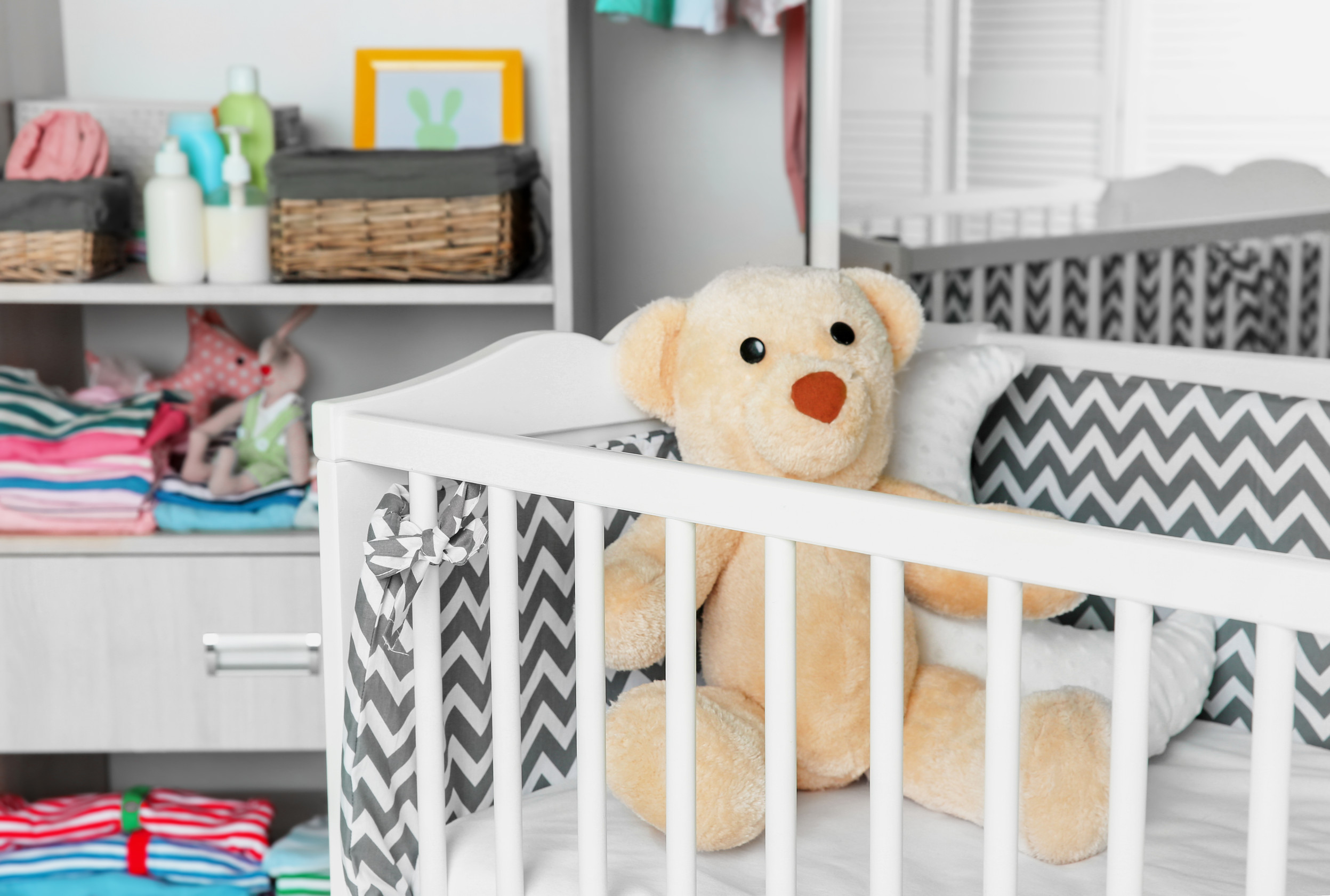
The Silence Before The Storm 8 Hidden Dangers In Your Nursery
Image source: 123rf.com

A baby’s nursery is designed to be peaceful, cozy, and safe—but beneath the adorable decor and soft lullabies, there may be more lurking than meets the eye. Many well-meaning parents unknowingly introduce risks through common products, furniture, and even how the room is set up. The truth is, hidden dangers in your nursery often blend right in, quietly waiting to pose a threat. From furniture that tips too easily to chemicals in crib mattresses, it’s not about fear—it’s about awareness. With a few simple adjustments, you can turn your nursery into a truly safe haven where your baby can grow and thrive.

1. Unsecured Furniture That Can Tip

Dressers, changing tables, and bookshelves might look sturdy, but if they’re not anchored to the wall, they can tip over easily. Once your baby starts pulling up or crawling, curiosity takes over, and climbing becomes a real risk. Even lightweight furniture can cause serious injury if it topples. Anti-tip kits are inexpensive and easy to install but are often overlooked in nursery setup. Securing every tall item in the room is a key step in eliminating one of the most overlooked hidden dangers in your nursery.

2. Crib Bedding and Soft Accessories

It’s tempting to dress your baby’s crib with cute pillows, blankets, and stuffed animals, but these pose significant suffocation hazards. Pediatric guidelines recommend a firm mattress with a tightly fitted sheet only—no extras. Even breathable bumpers, once marketed as a safer alternative, have been linked to infant sleep deaths. While they may look harmless, these cozy additions have no place in a safe sleep environment. Keeping the crib bare is one of the simplest ways to reduce hidden dangers in your nursery.

3. Window Cords Within Reach

Window blinds and their cords are a silent hazard in many nurseries. Dangling cords can quickly become strangulation risks for babies and toddlers who grab everything in reach. Even tucked behind furniture, a long cord is a hidden threat if not properly secured. Cordless blinds or cord wraps designed to keep strings out of reach are much safer alternatives. Always position cribs and other furniture away from windows for added protection.

4. Overlooked Choking Hazards

From loose buttons on plush toys to small parts on décor, nurseries often contain choking hazards you might not notice at first glance. Babies explore the world with their mouths, so anything small enough to swallow becomes risky. Decorations with beads, drawer knobs, or unsecured wall hangings can fall apart and pose a threat. Even baby monitors with detachable antennas or cords can be problematic if left within reach. Make a habit of inspecting toys and décor regularly for wear, especially if they were hand-me-downs.

5. Unsafe Sleep Surfaces Outside the Crib

While it might feel easier to let your baby nap in a swing, lounger, or car seat, these items are not designed for unsupervised sleep. The incline and padding can lead to positional asphyxia or breathing difficulties, especially in infants under four months. Though convenient, these alternatives come with serious risks when used in place of a crib or bassinet. Babies should always sleep on a flat, firm surface approved for sleep. Understanding the purpose and limits of each product helps reduce hidden dangers in your nursery.

6. Chemical Off-Gassing from Furniture and Paint

New furniture, rugs, and paint might smell “fresh,” but that scent can come from volatile organic compounds (VOCs), which are harmful to developing lungs. VOCs can linger in the air for weeks, especially in poorly ventilated rooms. Cribs, changing tables, and dressers made with pressed wood or particleboard are often the biggest culprits. To lower exposure, look for GREENGUARD Gold certified or low-VOC labeled products, and air out new items before use. Babies breathe more rapidly than adults, making clean air even more essential in the nursery.

7. Loose Rugs and Slippery Floors

While they may add warmth and style, rugs that slide or bunch can pose tripping hazards for parents and older siblings. This becomes especially dangerous during late-night feedings or diaper changes when you’re sleep-deprived and walking in the dark. Anti-slip pads underneath rugs can make a huge difference in preventing falls. If your nursery has hardwood or tile, be cautious with socks or smooth-soled slippers. Creating a secure walking path helps avoid preventable accidents during those early months.

8. Electrical Outlets and Cords

With nightlights, humidifiers, monitors, and white noise machines, nurseries are often filled with electronics. That means outlets and cords are everywhere, and without proper covers or cord organizers, they pose shock or strangulation hazards. Babies love to grab, yank, and explore, so anything exposed is fair game. Outlet covers and cord shorteners are inexpensive but essential. Keeping cords out of reach and neatly bundled is one of the easiest ways to eliminate hidden dangers in your nursery.

Creating a Safe Space Isn’t Complicated, Just Intentional

Most hidden dangers in your nursery aren’t obvious at first—and that’s what makes them so risky. But you don’t need a complete overhaul to make a big difference. Small steps like anchoring furniture, checking for VOCs, and minimizing soft bedding can dramatically reduce risk. Creating a truly safe space means staying alert to both the obvious and the sneaky hazards. With a little awareness and effort, you can protect your baby without losing sleep over what’s lurking behind the cuteness.

Did you discover a hidden hazard in your baby’s nursery? Share your experience or safety tips with other parents in the comments.

Read More:

The Quiet Killer: 8 Hidden Hazards In Your Nursery You’re Not Checking

Are You Wasting Money? 6 Baby Items New Parents Regret Buying

Catherine Reed
Catherine Reed

Catherine is a tech-savvy writer who has focused on the personal finance space for more than eight years. She has a Bachelor’s in Information Technology and enjoys showcasing how tech can simplify everyday personal finance tasks like budgeting, spending tracking, and planning for the future. Additionally, she’s explored the ins and outs of the world of side hustles and loves to share what she’s learned along the way. When she’s not working, you can find her relaxing at home in the Pacific Northwest with her two cats or enjoying a cup of coffee at her neighborhood cafe.
Filed Under: Home and Living Tagged With: baby room hazards, baby safety, babyproofing, childproofing nursery, crib safety, hidden dangers in your nursery, new parent tips, nursery setup, safe sleep tips

The Quiet Killer: 8 Hidden Hazards In Your Nursery You’re Not Checking

July 21, 2025 | Leave a Comment

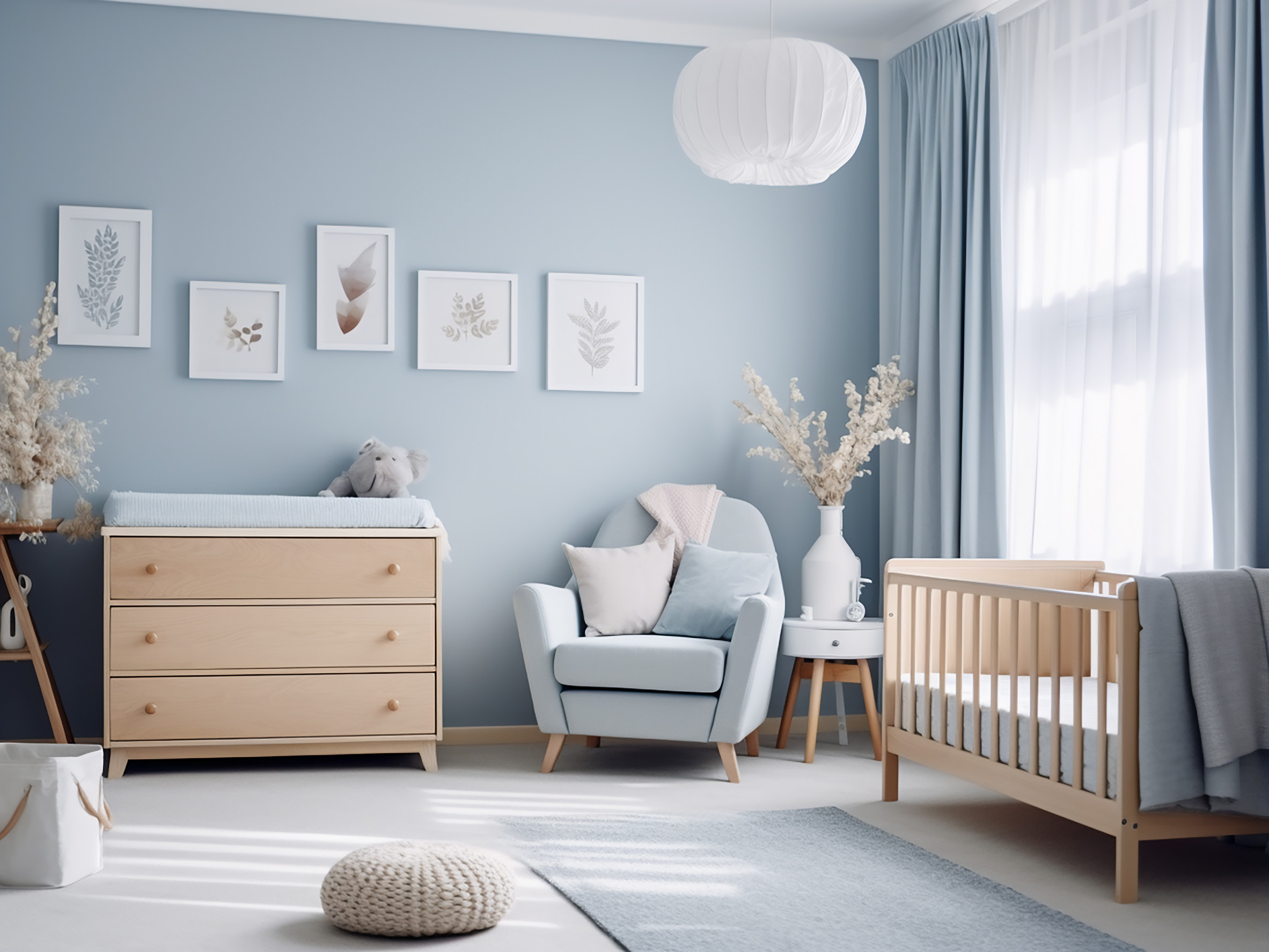
The Quiet Killer 8 Hidden Hazards In Your Nursery You’re Not Checking
Image source: 123rf.com

You decorated the nursery with love, picked the safest crib, and triple-checked the baby monitor—but danger can still be lurking where you least expect it. Many well-meaning parents overlook small but serious risks that don’t look threatening on the surface. In fact, some of the most dangerous hidden hazards in your nursery blend right in with everyday items. From air quality concerns to overlooked furniture safety, it’s time to take a closer look at the room meant to keep your baby safe. Here are eight nursery risks that often go unnoticed—but shouldn’t.

1. Loose Window Cords and Blinds

Cords from window blinds may seem harmless, but they are a major strangulation hazard in nurseries. Even short cords can pose a risk if a curious baby pulls or gets tangled in them during play or sleep. These hidden hazards in your nursery can be fatal within seconds and are often overlooked in baby-proofing efforts. Safer alternatives include cordless blinds or window coverings with safety clips to keep cords out of reach. If replacing the blinds isn’t possible, install cord winders or tie cords up high, well above crib height.

2. Unanchored Furniture

Dressers, bookcases, and changing tables that aren’t anchored to the wall can easily tip over if pulled on. Babies who are learning to stand or climb often use furniture for support, which can lead to serious injuries or even death. Tip-overs are one of the most overlooked hidden hazards in your nursery because furniture seems stable—until it’s not. Thankfully, furniture anchors are affordable, easy to install, and make a big difference in safety. Make it a priority to secure every piece of tall or heavy furniture in your baby’s room.

3. Crib Bumpers and Soft Bedding

Though they’re still sold in stores, crib bumpers, loose blankets, and pillows can create a suffocation risk. Babies under 12 months lack the strength to move themselves away from soft materials that may obstruct breathing. These items may look cute, but they’re part of the hidden hazards in your nursery you’re better off skipping altogether. Instead, opt for a fitted crib sheet and dress your baby in a wearable blanket or sleep sack. A bare crib really is the safest crib.

4. Scented Diffusers and Air Fresheners

Everyone wants the nursery to smell clean and calming, but artificial fragrances can introduce harmful chemicals into the air your baby breathes. Many plug-in diffusers, sprays, and air fresheners release volatile organic compounds (VOCs) linked to respiratory irritation and developmental issues. Since babies breathe more rapidly than adults, they are especially sensitive to air quality and fragrance-related hidden hazards in your nursery. Choose natural ventilation, an air purifier with a HEPA filter, or a few drops of essential oils diffused sparingly—without direct exposure. And always consult with your pediatrician before using any aromatherapy products around infants.

5. Overloaded Power Strips and Cords

The nursery monitor, sound machine, night light, and humidifier all need power—but using overloaded outlets or power strips can increase fire risk. Loose or exposed wires also present a choking or strangulation hazard for crawling babies. Electrical safety is one of the hidden hazards in your nursery that’s easy to ignore until something goes wrong. Use outlet covers, hide cords behind furniture when possible, and avoid daisy-chaining extension cords. For extra peace of mind, consider baby-proofing power strips with secure covers.

6. Paint and Furniture Finishes

That freshly painted crib or thrifted rocking chair might contain lead-based paint or chemical finishes, especially if it’s an older piece. Babies often chew on crib rails or furniture edges, which could expose them to toxins. Without testing or proper refinishing, these surfaces become serious hidden hazards in your nursery. Look for furniture with Green guard Gold or similar safety certifications and avoid using secondhand items unless you know they’re lead-free and baby safe. When painting or refinishing, always use non-toxic, VOC-free products approved for nurseries.

7. Stuffed Animals and Toys in the Crib

A pile of plush toys in the crib may look comforting, but it creates a dangerous environment during sleep. Anything loose in the crib can block a baby’s airway or increase the risk of suffocation. While cuddly toys make for adorable photos, they are among the hidden hazards in your nursery that should be kept far from sleep spaces. Keep toys in a separate bin and remove all soft items before naps or bedtime. Remember, when it comes to the crib, simple is safest.

8. Hidden Mold and Humidity Issues

Humidifiers are often used in nurseries to help with dry air or congestion, but when not cleaned regularly, they can breed mold and bacteria. High humidity can also encourage mold growth behind furniture or under rugs, creating respiratory risks. These sneaky hidden hazards in your nursery can impact your baby’s lungs and immune system without showing obvious signs. Clean humidifiers weekly with a vinegar solution and keep indoor humidity between 30% and 50%. If your nursery feels musty or damp, consider using a hygrometer and dehumidifier to maintain a healthy balance.

Safety Starts with What You Can’t See

The truth is many of the most dangerous hidden hazards in your nursery aren’t the flashy or obvious ones. They’re quiet, subtle, and often built into the everyday items we trust. But with a little awareness and a few safety tweaks, you can create a peaceful space that’s as safe as it is sweet. Being proactive now means fewer risks later and a better night’s sleep for everyone in the house. Because nothing should ever come between your baby and their safety—even in the room designed just for them.

Have you discovered any surprising nursery hazards in your own home? Share your story or tips with other parents in the comments!

Read More:

School Fees: 8 Hidden Fees in School Programs That Add Up

Hidden Pests: 5 Home Areas Harboring Pests for Kids

Catherine Reed
Catherine Reed

Catherine is a tech-savvy writer who has focused on the personal finance space for more than eight years. She has a Bachelor’s in Information Technology and enjoys showcasing how tech can simplify everyday personal finance tasks like budgeting, spending tracking, and planning for the future. Additionally, she’s explored the ins and outs of the world of side hustles and loves to share what she’s learned along the way. When she’s not working, you can find her relaxing at home in the Pacific Northwest with her two cats or enjoying a cup of coffee at her neighborhood cafe.
Filed Under: Parenting Tagged With: babyproofing tips, crib safety, hidden hazards in your nursery, infant health, nursery safety, parenting advice, safe nursery checklist, toxic nursery items

That ‘Perfect’ Nursery Photo? It’s Hiding These 8 Shocking Dangers

July 20, 2025 | Leave a Comment

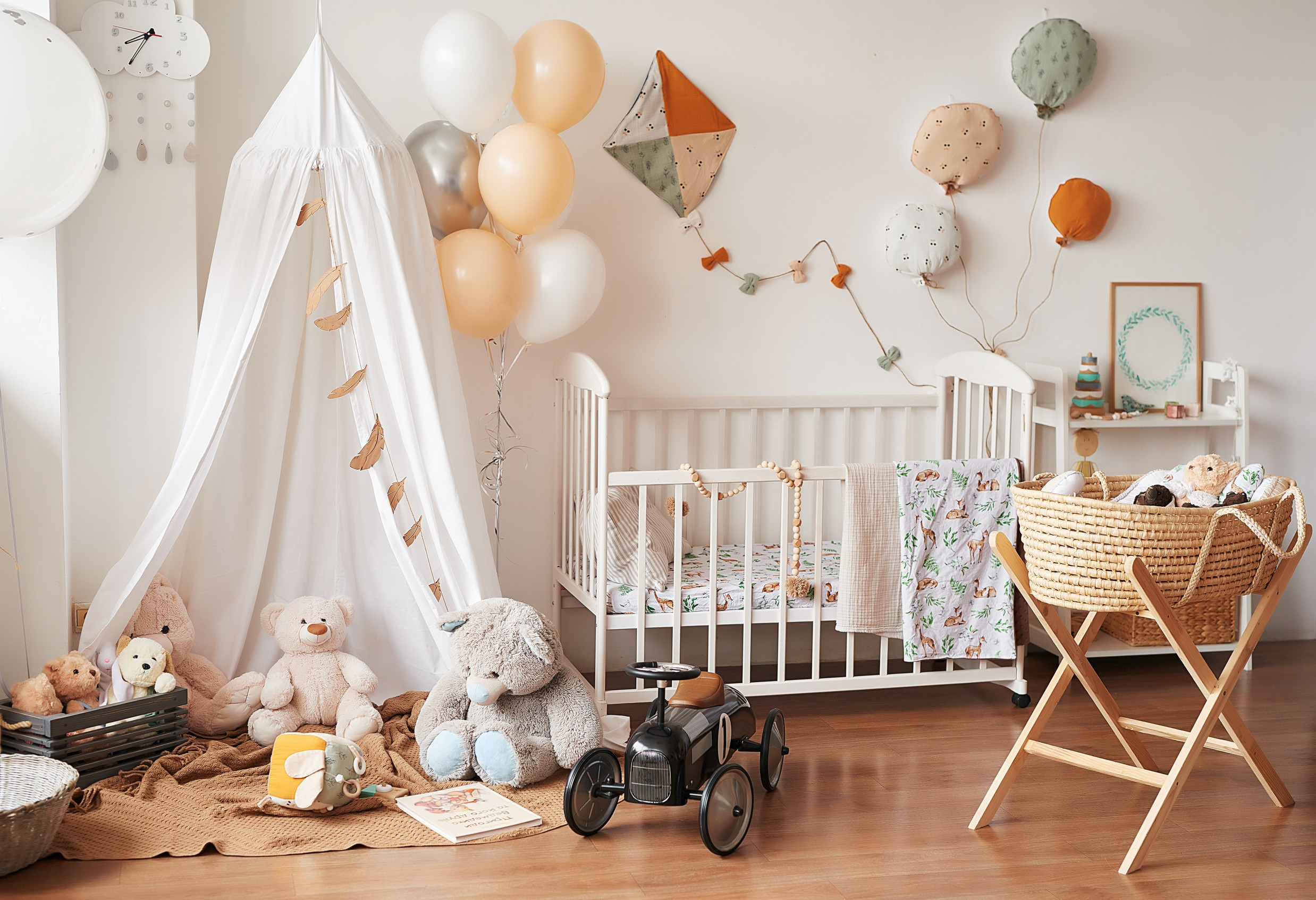
That 'Perfect' Nursery Photo? It's Hiding These 8 Shocking Dangers
Image source: 123rf.com

The soft lighting, coordinated colors, dreamy mobiles, and plush accents make that perfect nursery photo on Instagram or Pinterest look like a peaceful paradise. But beneath the curated aesthetic often lie safety hazards that go unnoticed by new parents caught up in design trends. While it’s natural to want a beautiful space for your baby, it’s even more important to create one that’s safe and functional. Many of the most-shared nursery setups actually include features that pediatricians and child safety experts warn against. Here are eight hidden dangers that could be lurking in that perfect nursery photo—and how to design a space that’s just as safe as it is sweet.

1. Crib Bumpers and Pillow Displays

Crib bumpers, decorative pillows, and stuffed animals may look cozy in a perfect nursery photo, but they can be suffocation hazards. The American Academy of Pediatrics recommends a bare crib with only a fitted sheet. Despite being banned for sale in several states, bumpers still show up in trendy nursery shots. These items can trap a baby’s face or limbs, increasing the risk of Sudden Infant Death Syndrome (SIDS). It’s best to keep cribs simple and avoid adding anything soft or loose.

2. Blankets and Quilts

That heirloom quilt draped over the crib rail or folded at the foot of the bed might be adorable, but it’s not safe for a sleeping infant. Even lightweight blankets pose a suffocation risk to babies under 12 months. In many perfect nursery photo setups, quilts are shown tucked into cribs as a design element. Instead, opt for wearable blankets or sleep sacks that keep babies warm without risk. Display sentimental blankets on the wall or over a chair, not in the crib.

3. Furniture That’s Not Anchored

That chic dresser or bookshelf may look great in a photo, but if it’s not anchored to the wall, it can tip over dangerously. Babies start pulling up sooner than most parents expect, and unsecured furniture can become a serious threat. A perfect nursery photo rarely shows what’s going on behind the scenes, like safety straps or anchors. Be sure to secure all tall or heavy furniture to prevent tip-overs. It’s a small step that can save a life.

4. Curtains or Cords Near the Crib

Long curtains or window blind cords can be serious strangulation hazards if they’re within reach of the crib. In many perfect nursery photo layouts, a crib is placed near a window to make use of natural light or balance the room. But if cords hang down nearby, it’s an accident waiting to happen. Keep all cords far out of reach, and use cordless blinds or safety clips when needed. Your baby’s crib should be placed well away from windows for both light and safety reasons.

5. Wall Décor That Can Fall

Heavy picture frames, shelves, or wall hangings over the crib look charming, but they can fall and injure a sleeping baby. Many perfect nursery photo designs feature gallery walls or mounted decorations right above where a baby rests. If these aren’t secured properly—or if they fall during an earthquake or from vibrations—they become a danger. Instead, choose lightweight decals, fabric banners, or soft canvas prints if you want to decorate near the crib. Safety should always outweigh style.

6. Overfilled Changing Tables

A changing table styled with open baskets, lotions, powders, and décor may be pretty, but it can also be risky. Babies can grab items and put them in their mouths, and even a small reach can lead to a fall if a caregiver gets distracted. In a perfect nursery photo, these surfaces are styled to look neat and curated, not necessarily safe. Keep changing tables organized but minimal, with supplies out of reach or behind childproof drawers. Always keep one hand on your baby during changes.

7. Unsecured Rugs or Slippery Floors

Rugs that aren’t anchored with non-slip pads can be a major tripping hazard for tired parents carrying a baby. Many perfect nursery photo shoots feature layered rugs or high-pile carpets for visual appeal. But in real life, these can slide underfoot or cause you to trip during late-night feedings. Choose rugs with rubber backing or add non-slip mats underneath to reduce the risk. Safety and comfort should work hand-in-hand in any nursery.

8. Plugged-In Devices or Nightlights Too Close to Baby

A soft-glow nightlight or baby monitor might seem harmless, but placing electronics too close to the crib isn’t recommended. Overheating, exposed wires, or entanglement risks can turn that perfect nursery photo setup into a real concern. Always check the placement of cords, outlets, and devices in your child’s sleep space. Keep electronics out of the crib and away from bedding or flammable materials. Battery-operated or wall-mounted options offer a safer alternative.

Picture-Perfect Safety Starts with Awareness

While it’s fun to get inspiration from that perfect nursery photo, your baby’s safety should always be the top priority. The best nursery is one where peace of mind and thoughtful choices replace trends and appearances. With a few small adjustments, you can still create a space that’s both beautiful and secure. Trust your instincts, check the safety guidelines, and don’t let social media pressure shape your parenting decisions. After all, nothing is more picture-perfect than a safe and happy baby.

Have you spotted any common nursery décor choices that might pose hidden risks? Share your thoughts or tips with other parents in the comments!

Read More:

9 Classic Nursery Rhymes Every Toddler Should Know

6 Urgent Safety Checks for Baby Gear

Catherine Reed
Catherine Reed

Catherine is a tech-savvy writer who has focused on the personal finance space for more than eight years. She has a Bachelor’s in Information Technology and enjoys showcasing how tech can simplify everyday personal finance tasks like budgeting, spending tracking, and planning for the future. Additionally, she’s explored the ins and outs of the world of side hustles and loves to share what she’s learned along the way. When she’s not working, you can find her relaxing at home in the Pacific Northwest with her two cats or enjoying a cup of coffee at her neighborhood cafe.
Filed Under: Parenting Tagged With: baby safety, babyproofing, childproof nursery, crib safety, new parent advice, nursery hazards, parenting tips, perfect nursery photo, safe sleep

Sleep Safety: The Best Ways to Prevent SIDS and Sleep-Related Accidents

May 4, 2025 | Leave a Comment

There’s no instinct stronger than a parent’s desire to keep their baby safe, especially during sleep. But despite growing awareness, sudden infant death syndrome (SIDS) and other sleep-related accidents remain a heartbreaking reality for many families. The good news? Many of these tragedies are preventable with the right information and safe sleep practices.

Whether you’re a new parent or a seasoned caregiver, understanding how to create a safe sleep environment can literally be life-saving. This article breaks down the most current, research-backed ways to reduce the risk of SIDS and other sleep-related dangers so you and your baby can rest a little easier.

What Is SIDS?

SIDS, or sudden infant death syndrome, is the unexplained death of a seemingly healthy baby under one year of age, usually during sleep. It’s sometimes referred to as “crib death” because it typically occurs in the crib or bassinet without warning and without a clear cause, even after investigation.

Although the exact cause of SIDS is still not fully understood, medical professionals agree on a combination of risk factors that make certain babies more vulnerable. These include premature birth, exposure to smoke, overheating, and unsafe sleep positions or environments.

Always Put Baby on Their Back to Sleep

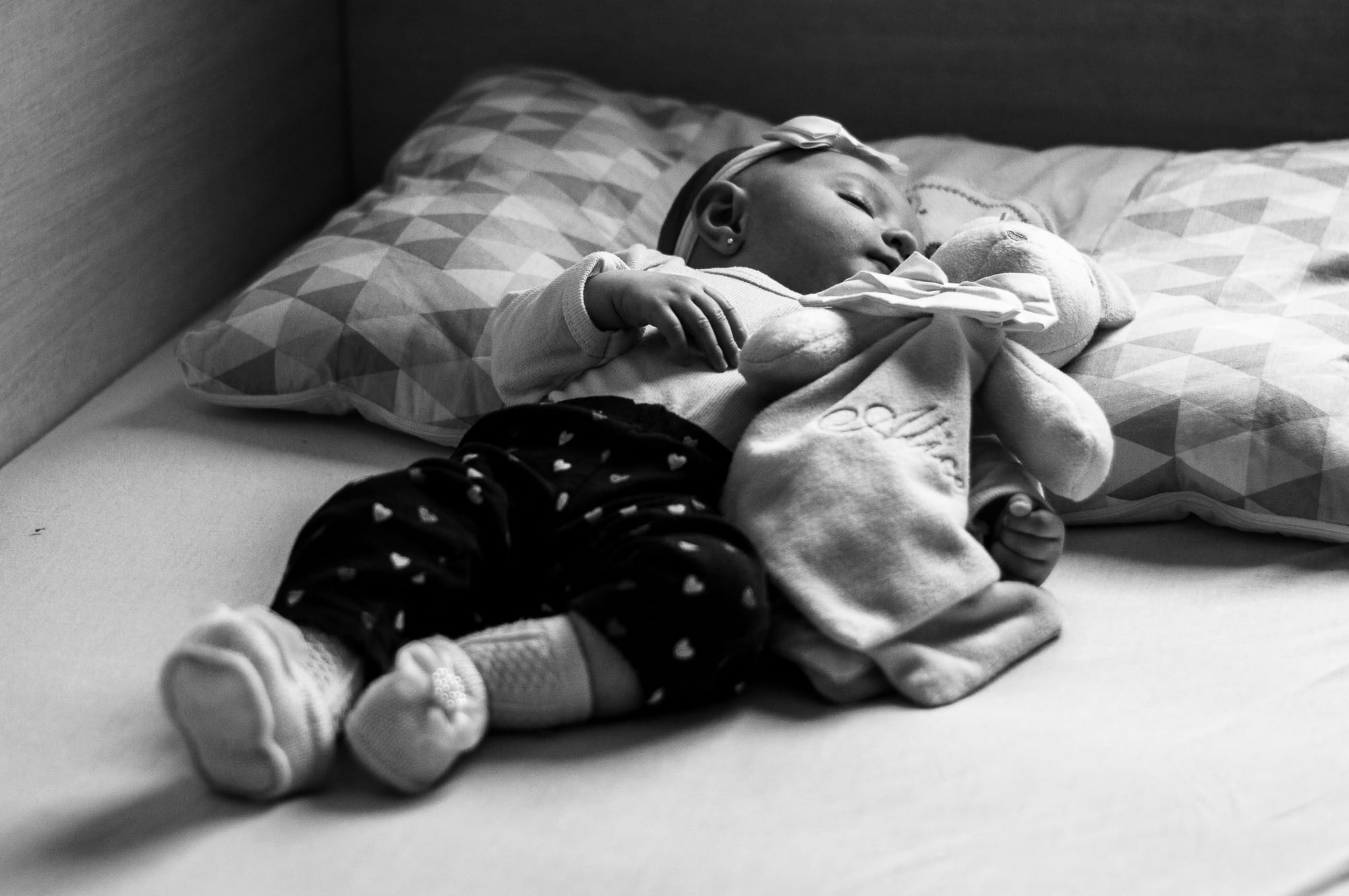
One of the most crucial recommendations is also one of the simplest: always place your baby on their back to sleep for every nap and every bedtime.

Back sleeping keeps the airway open and dramatically reduces the risk of suffocation. Babies who sleep on their stomachs or sides are at a significantly higher risk of SIDS, especially if they are not yet strong enough to roll over on their own.

Use a Firm, Flat Sleep Surface

Your baby should always sleep on a firm, flat surface—never on a couch, adult bed, or armchair. Use a crib, bassinet, or play yard that meets current safety standards, and avoid inclined sleepers, which have been linked to multiple infant deaths.

The mattress should fit snugly inside the crib with no gaps, and the fitted sheet should be tight and smooth. Skip the plush bedding, bumpers, and sleep positioners. They not only don’t help but may pose serious risks.

Keep the Crib Clear

The American Academy of Pediatrics (AAP) recommends that cribs remain completely empty aside from a fitted sheet. That means no blankets, pillows, toys, stuffed animals, or crib bumpers.

While it may feel instinctive to want to surround your baby with soft comforts, these items can easily cover a baby’s nose or mouth and increase the risk of suffocation.

Share a Room, Not a Bed

Room-sharing is encouraged for at least the first 6 months, ideally up to 1 year. Keeping your baby in your room and in their own sleep space has been shown to reduce the risk of SIDS by as much as 50%.

Bed-sharing, on the other hand, is not considered safe, especially in the early months when babies are most vulnerable. If you’re nursing or soothing your baby in bed, return them to their sleep space before you fall asleep.

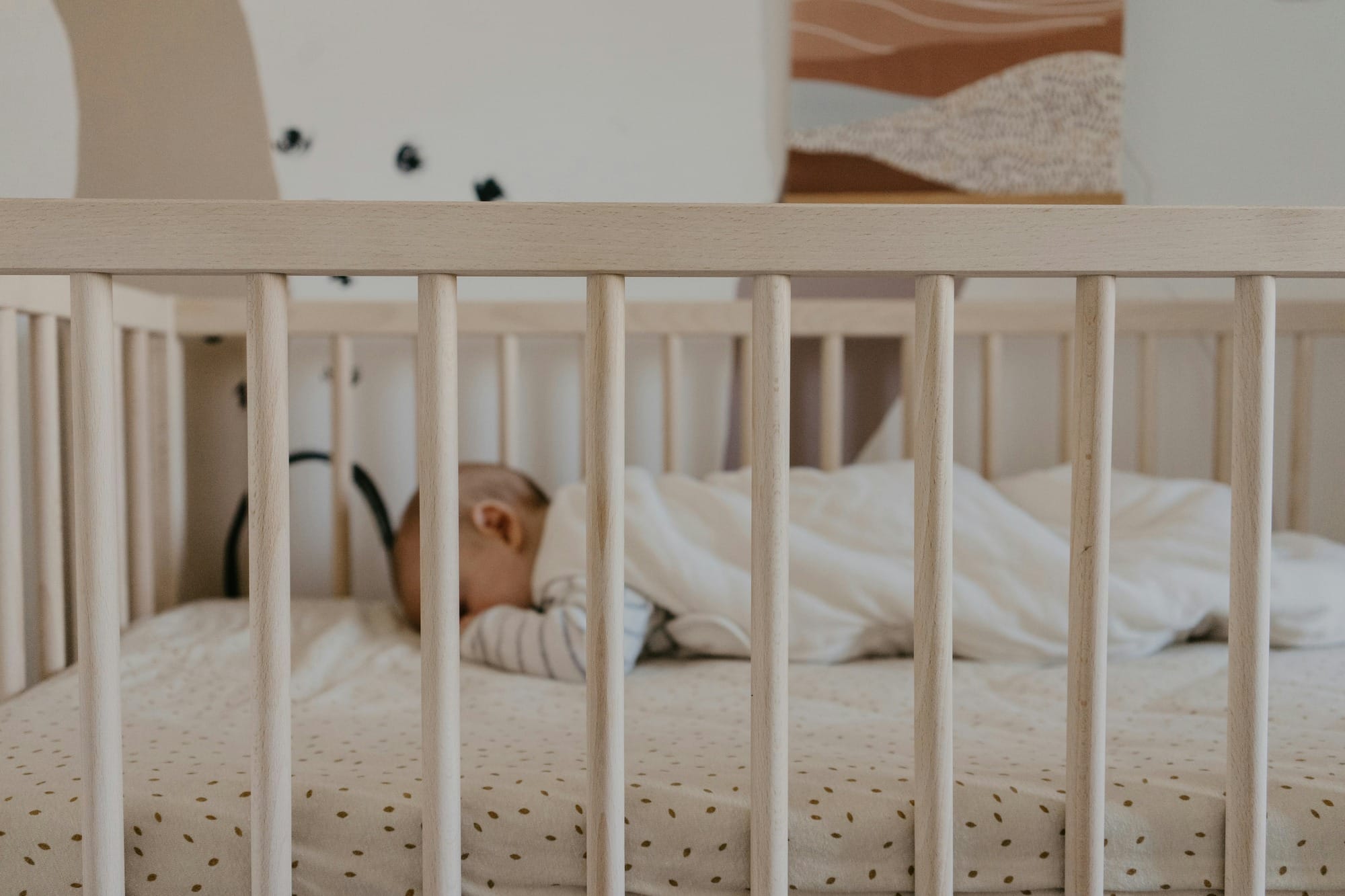
Image by Toa Heftiba

Avoid Overheating and Head Covering

Overheating is a common yet preventable risk factor. Dress your baby in light, breathable sleepwear and keep the room at a comfortable temperature—typically between 68–72°F (20–22°C).

Hats or hooded outfits are not recommended for indoor sleep, as they can slip down and cover your baby’s face. If you’re worried about warmth, a wearable blanket or sleep sack is a much safer option than a loose blanket.

Don’t Rely on Baby Monitors or Devices

While baby monitors and breathing alarms can offer peace of mind, they should never replace safe sleep practices. No consumer device has been proven to prevent SIDS.

Focus on creating a safe environment first. That means following all the guidelines above and staying informed about updates from trusted health sources like the AAP and CDC.

Encourage Tummy Time During the Day

While back sleeping is essential at night, babies still need tummy time during the day to strengthen their neck and shoulder muscles. Daily supervised tummy time helps with physical development and reduces the risk of flat spots on the head.

Make tummy time a part of your routine early on. Just be sure your baby is awake and you’re keeping a close eye on them.

Consider These Additional Precautions

Never smoke around your baby during pregnancy or after birth. Exposure to smoke is a significant risk factor for SIDS. If you or others in your household smoke, do so outside and change clothes before handling your baby.

Also, keep up with your baby’s well visits and vaccinations. Research shows that immunizations can help reduce the risk of SIDS by up to 50%.

Safe Sleep Is an Ongoing Conversation

Preventing SIDS and sleep-related accidents isn’t about paranoia. It’s about preparation. Creating a safe sleep environment doesn’t require expensive gadgets or complicated routines. It just takes consistency, knowledge, and the willingness to prioritize your baby’s safety above all else.

Every safe night is a small step toward peace of mind. And when your baby sleeps safely, you can sleep a little more soundly, too.

What sleep safety tips do you swear by, or what questions still keep you up at night?

Read More:

7 Tools to Use When Your Baby Won’t Sleep Through the Night

Doctors Swear by These 7 Baby Sleep Hacks—And They Actually Work

Filed Under: Parenting Tagged With: baby sleep safety, crib safety, infant sleep environment, newborn sleep tips, parenting safety tips, room sharing safety, safe infant sleep, SIDS prevention, sleep training newborns, sleep-related infant death

  • Facebook
  • Pinterest
  • RSS
  • Twitter

Basic Principles Of Good Parenting

Here some basic principles for good parenting:

  1. What You Do Matters: Your kids are watching you. So, be purposeful about what you want to accomplish.
  2. You Can’t be Too Loving: Don’t replace love with material possessions, lowered expectations or leniency.
  3. Be Involved Your Kids Life: Arrange your priorities to focus on what your kid’s needs. Be there mentally and physically.
  4. Adapt Your Parenting: Children grow quickly, so keep pace with your child’s development.
  5. Establish and Set Rules: The rules you set for children will establish the rules they set for themselves later.  Avoid harsh discipline and be consistent.
  6. Explain Your Decisions: What is obvious to you may not be evident to your child. They don’t have the experience you do.
  7. Be Respectful To Your Child: How you treat your child is how they will treat others.  Be polite, respectful and make an effort to pay attention.
Best Parenting Blogs

Most Popular

Baby

9 Baby Names That Sound Rare Without Being Hard to Spell

Evan Morgan
Baby

9 Unusual Baby Names That Sound Like They Belong to Future CEOs

Evan Morgan
Target Store

Choking Incident Prompts Recall of 49,000 Target Gigglescape “Under the Sea” Popping Toys

Evan Morgan
Frustrated Girl

Why Some Students on the Spectrum Are Labeled With ODD

Evan Morgan
Coke Bottles

12 Things Kids Took to School in the ’70s That Would Never Be Allowed Today

Evan Morgan

All content on Kids Ain’t Cheap is for entertainment purposes only. By reading this blog, you agree that Kids Ain’t Cheap is not responsible for any actions taken after reading this blog. For the full disclaimer, see our privacy policy.

Please note that Kids Ain’t Cheap has financial relationships with some of the merchants mentioned here. Kids Ain’t Cheap is funded by banner advertising, commission sales and search optimization consulting.

Copyright © 2006–2026 | District Media | All Rights Reserved | Privacy Policy

Copyright © 2026 Runway Pro Theme by Viva la Violette