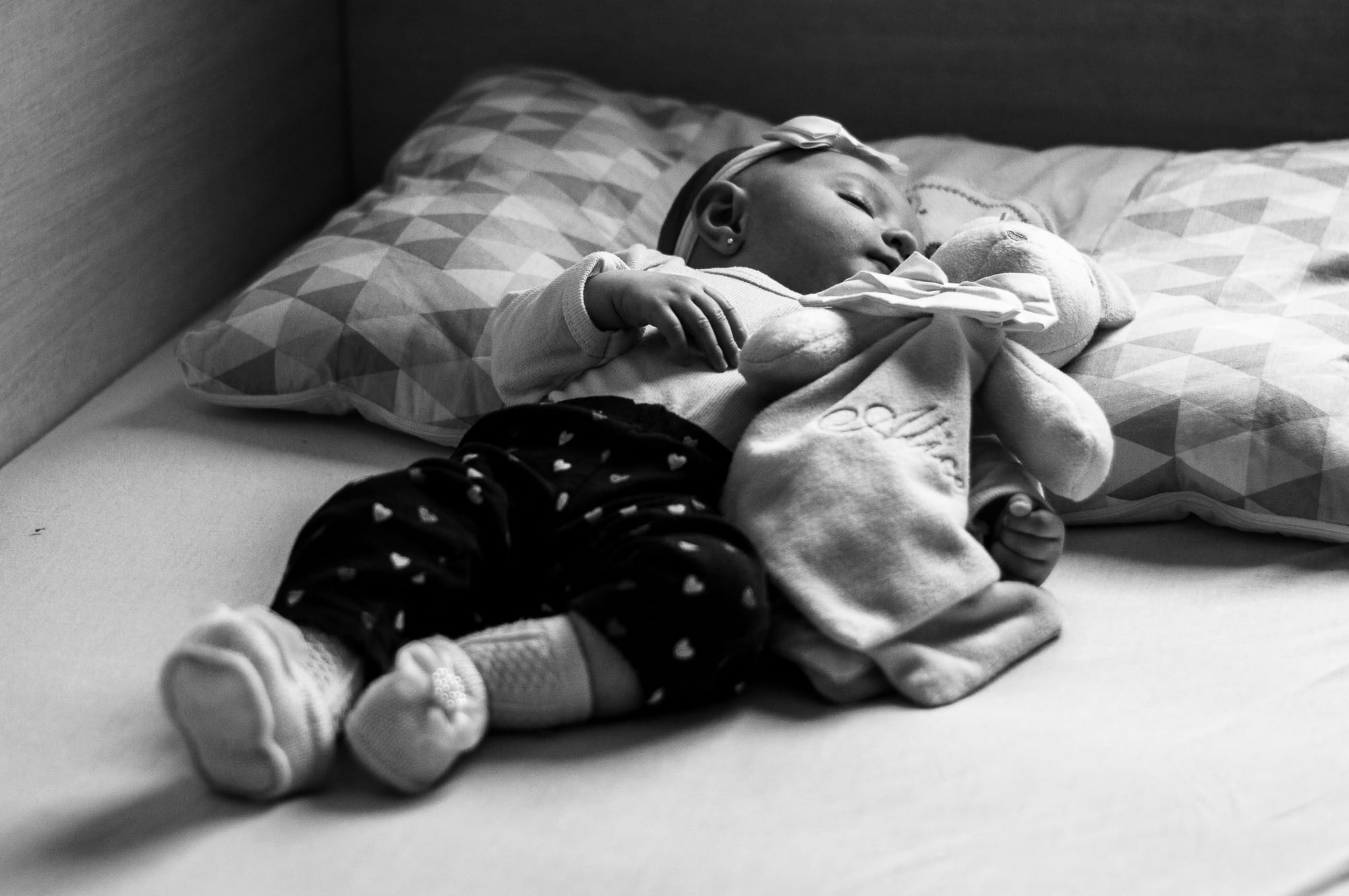
There’s no instinct stronger than a parent’s desire to keep their baby safe, especially during sleep. But despite growing awareness, sudden infant death syndrome (SIDS) and other sleep-related accidents remain a heartbreaking reality for many families. The good news? Many of these tragedies are preventable with the right information and safe sleep practices.
Whether you’re a new parent or a seasoned caregiver, understanding how to create a safe sleep environment can literally be life-saving. This article breaks down the most current, research-backed ways to reduce the risk of SIDS and other sleep-related dangers so you and your baby can rest a little easier.
What Is SIDS?
SIDS, or sudden infant death syndrome, is the unexplained death of a seemingly healthy baby under one year of age, usually during sleep. It’s sometimes referred to as “crib death” because it typically occurs in the crib or bassinet without warning and without a clear cause, even after investigation.
Although the exact cause of SIDS is still not fully understood, medical professionals agree on a combination of risk factors that make certain babies more vulnerable. These include premature birth, exposure to smoke, overheating, and unsafe sleep positions or environments.
Always Put Baby on Their Back to Sleep
One of the most crucial recommendations is also one of the simplest: always place your baby on their back to sleep for every nap and every bedtime.
Back sleeping keeps the airway open and dramatically reduces the risk of suffocation. Babies who sleep on their stomachs or sides are at a significantly higher risk of SIDS, especially if they are not yet strong enough to roll over on their own.
Use a Firm, Flat Sleep Surface
Your baby should always sleep on a firm, flat surface—never on a couch, adult bed, or armchair. Use a crib, bassinet, or play yard that meets current safety standards, and avoid inclined sleepers, which have been linked to multiple infant deaths.
The mattress should fit snugly inside the crib with no gaps, and the fitted sheet should be tight and smooth. Skip the plush bedding, bumpers, and sleep positioners. They not only don’t help but may pose serious risks.
Keep the Crib Clear
The American Academy of Pediatrics (AAP) recommends that cribs remain completely empty aside from a fitted sheet. That means no blankets, pillows, toys, stuffed animals, or crib bumpers.
While it may feel instinctive to want to surround your baby with soft comforts, these items can easily cover a baby’s nose or mouth and increase the risk of suffocation.
Share a Room, Not a Bed
Room-sharing is encouraged for at least the first 6 months, ideally up to 1 year. Keeping your baby in your room and in their own sleep space has been shown to reduce the risk of SIDS by as much as 50%.
Bed-sharing, on the other hand, is not considered safe, especially in the early months when babies are most vulnerable. If you’re nursing or soothing your baby in bed, return them to their sleep space before you fall asleep.
Avoid Overheating and Head Covering
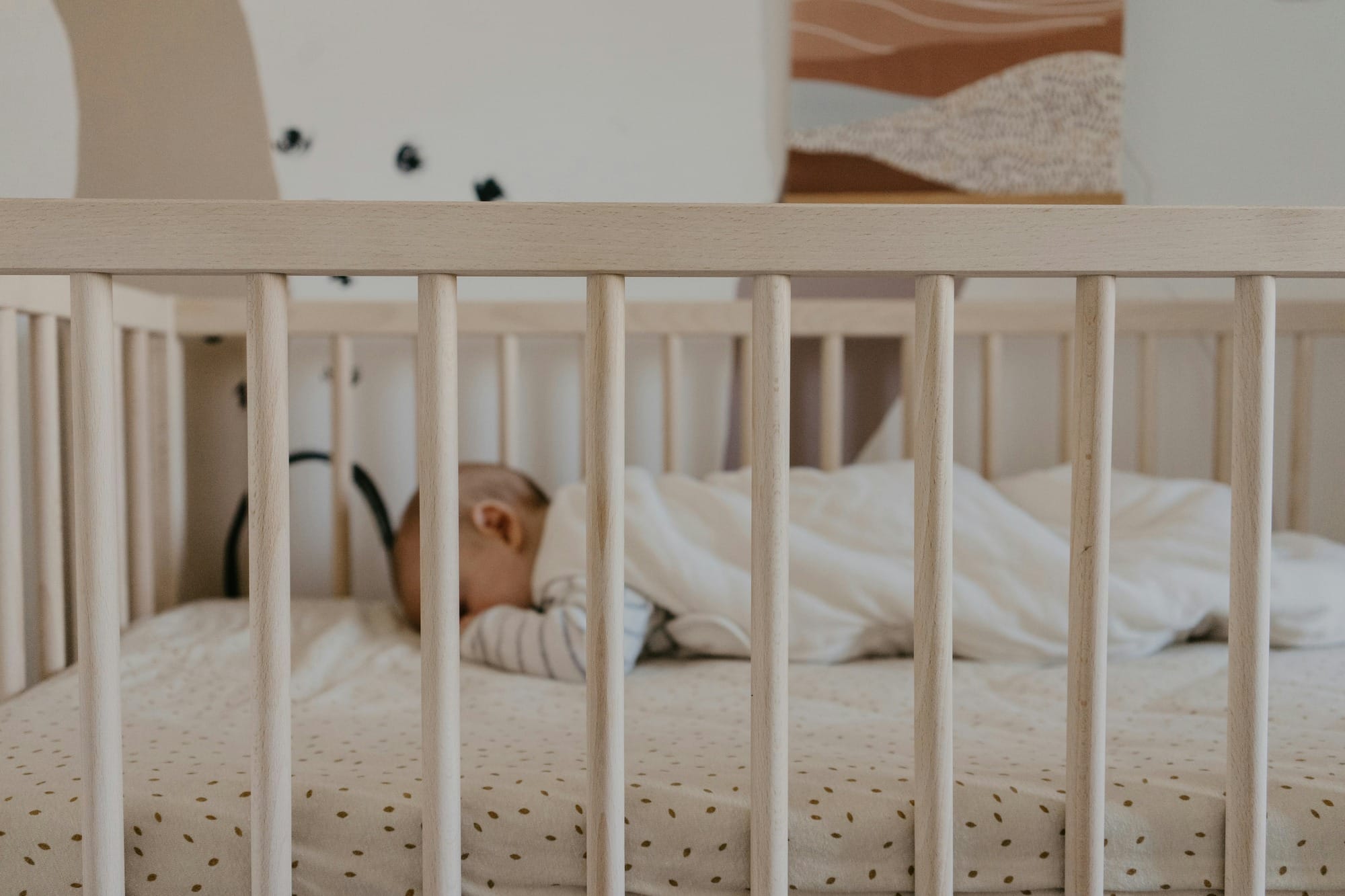
Overheating is a common yet preventable risk factor. Dress your baby in light, breathable sleepwear and keep the room at a comfortable temperature—typically between 68–72°F (20–22°C).
Hats or hooded outfits are not recommended for indoor sleep, as they can slip down and cover your baby’s face. If you’re worried about warmth, a wearable blanket or sleep sack is a much safer option than a loose blanket.
Don’t Rely on Baby Monitors or Devices
While baby monitors and breathing alarms can offer peace of mind, they should never replace safe sleep practices. No consumer device has been proven to prevent SIDS.
Focus on creating a safe environment first. That means following all the guidelines above and staying informed about updates from trusted health sources like the AAP and CDC.
Encourage Tummy Time During the Day
While back sleeping is essential at night, babies still need tummy time during the day to strengthen their neck and shoulder muscles. Daily supervised tummy time helps with physical development and reduces the risk of flat spots on the head.
Make tummy time a part of your routine early on. Just be sure your baby is awake and you’re keeping a close eye on them.
Consider These Additional Precautions
Never smoke around your baby during pregnancy or after birth. Exposure to smoke is a significant risk factor for SIDS. If you or others in your household smoke, do so outside and change clothes before handling your baby.
Also, keep up with your baby’s well visits and vaccinations. Research shows that immunizations can help reduce the risk of SIDS by up to 50%.
Safe Sleep Is an Ongoing Conversation
Preventing SIDS and sleep-related accidents isn’t about paranoia. It’s about preparation. Creating a safe sleep environment doesn’t require expensive gadgets or complicated routines. It just takes consistency, knowledge, and the willingness to prioritize your baby’s safety above all else.
Every safe night is a small step toward peace of mind. And when your baby sleeps safely, you can sleep a little more soundly, too.
What sleep safety tips do you swear by, or what questions still keep you up at night?
Read More:
7 Tools to Use When Your Baby Won’t Sleep Through the Night
Doctors Swear by These 7 Baby Sleep Hacks—And They Actually Work
