• Home
  • About Us
  • Toolkit
  • Archives
  • Advertise
  • Privacy Policy

Kids Ain't Cheap

But They Sure Are Worth It

  • Parenting
    • Baby Stuff
    • Books and Reading
      • Aesops Fables
      • Comic Books
    • Education
    • Family Time
    • Green Living
    • Growing Up
    • Healthy Living & Eating
    • Holidays
    • Parenting
    • Random Musings
    • Shopping
    • Stuff to Do
  • Money
  • Product Reviews
    • Books and Magazines
    • Discount Sites
    • Furniture
    • House Keeping
    • Reviews News
    • Toys and Games
  • Contact Us
  • Our Editorial Commitment
  • Search

The Silence Before The Storm: 8 Hidden Dangers In Your Nursery

July 24, 2025 | Leave a Comment

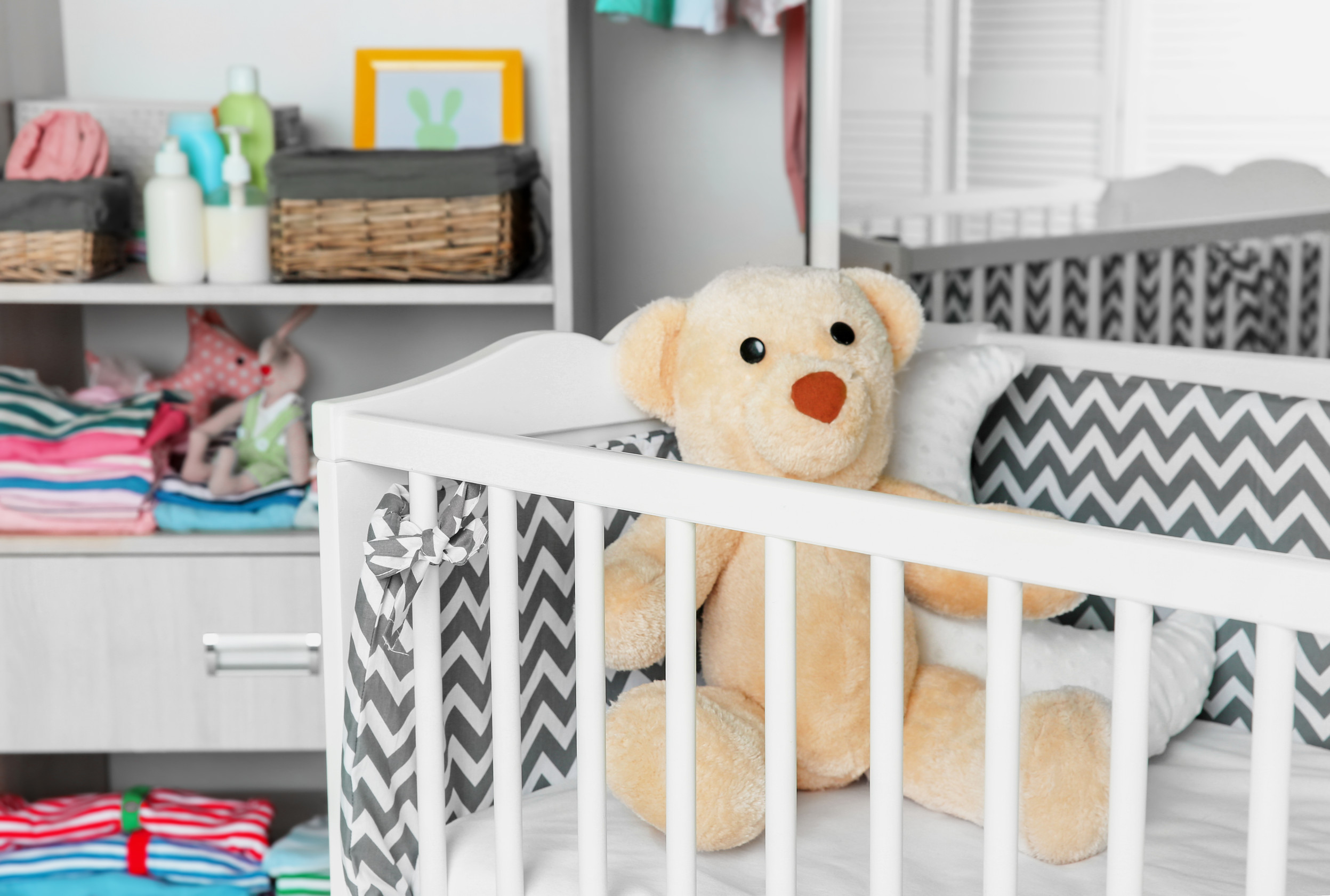
The Silence Before The Storm 8 Hidden Dangers In Your Nursery
Image source: 123rf.com

A baby’s nursery is designed to be peaceful, cozy, and safe—but beneath the adorable decor and soft lullabies, there may be more lurking than meets the eye. Many well-meaning parents unknowingly introduce risks through common products, furniture, and even how the room is set up. The truth is, hidden dangers in your nursery often blend right in, quietly waiting to pose a threat. From furniture that tips too easily to chemicals in crib mattresses, it’s not about fear—it’s about awareness. With a few simple adjustments, you can turn your nursery into a truly safe haven where your baby can grow and thrive.

1. Unsecured Furniture That Can Tip

Dressers, changing tables, and bookshelves might look sturdy, but if they’re not anchored to the wall, they can tip over easily. Once your baby starts pulling up or crawling, curiosity takes over, and climbing becomes a real risk. Even lightweight furniture can cause serious injury if it topples. Anti-tip kits are inexpensive and easy to install but are often overlooked in nursery setup. Securing every tall item in the room is a key step in eliminating one of the most overlooked hidden dangers in your nursery.

2. Crib Bedding and Soft Accessories

It’s tempting to dress your baby’s crib with cute pillows, blankets, and stuffed animals, but these pose significant suffocation hazards. Pediatric guidelines recommend a firm mattress with a tightly fitted sheet only—no extras. Even breathable bumpers, once marketed as a safer alternative, have been linked to infant sleep deaths. While they may look harmless, these cozy additions have no place in a safe sleep environment. Keeping the crib bare is one of the simplest ways to reduce hidden dangers in your nursery.

3. Window Cords Within Reach

Window blinds and their cords are a silent hazard in many nurseries. Dangling cords can quickly become strangulation risks for babies and toddlers who grab everything in reach. Even tucked behind furniture, a long cord is a hidden threat if not properly secured. Cordless blinds or cord wraps designed to keep strings out of reach are much safer alternatives. Always position cribs and other furniture away from windows for added protection.

4. Overlooked Choking Hazards

From loose buttons on plush toys to small parts on décor, nurseries often contain choking hazards you might not notice at first glance. Babies explore the world with their mouths, so anything small enough to swallow becomes risky. Decorations with beads, drawer knobs, or unsecured wall hangings can fall apart and pose a threat. Even baby monitors with detachable antennas or cords can be problematic if left within reach. Make a habit of inspecting toys and décor regularly for wear, especially if they were hand-me-downs.

5. Unsafe Sleep Surfaces Outside the Crib

While it might feel easier to let your baby nap in a swing, lounger, or car seat, these items are not designed for unsupervised sleep. The incline and padding can lead to positional asphyxia or breathing difficulties, especially in infants under four months. Though convenient, these alternatives come with serious risks when used in place of a crib or bassinet. Babies should always sleep on a flat, firm surface approved for sleep. Understanding the purpose and limits of each product helps reduce hidden dangers in your nursery.

6. Chemical Off-Gassing from Furniture and Paint

New furniture, rugs, and paint might smell “fresh,” but that scent can come from volatile organic compounds (VOCs), which are harmful to developing lungs. VOCs can linger in the air for weeks, especially in poorly ventilated rooms. Cribs, changing tables, and dressers made with pressed wood or particleboard are often the biggest culprits. To lower exposure, look for GREENGUARD Gold certified or low-VOC labeled products, and air out new items before use. Babies breathe more rapidly than adults, making clean air even more essential in the nursery.

7. Loose Rugs and Slippery Floors

While they may add warmth and style, rugs that slide or bunch can pose tripping hazards for parents and older siblings. This becomes especially dangerous during late-night feedings or diaper changes when you’re sleep-deprived and walking in the dark. Anti-slip pads underneath rugs can make a huge difference in preventing falls. If your nursery has hardwood or tile, be cautious with socks or smooth-soled slippers. Creating a secure walking path helps avoid preventable accidents during those early months.

8. Electrical Outlets and Cords

With nightlights, humidifiers, monitors, and white noise machines, nurseries are often filled with electronics. That means outlets and cords are everywhere, and without proper covers or cord organizers, they pose shock or strangulation hazards. Babies love to grab, yank, and explore, so anything exposed is fair game. Outlet covers and cord shorteners are inexpensive but essential. Keeping cords out of reach and neatly bundled is one of the easiest ways to eliminate hidden dangers in your nursery.

Creating a Safe Space Isn’t Complicated, Just Intentional

Most hidden dangers in your nursery aren’t obvious at first—and that’s what makes them so risky. But you don’t need a complete overhaul to make a big difference. Small steps like anchoring furniture, checking for VOCs, and minimizing soft bedding can dramatically reduce risk. Creating a truly safe space means staying alert to both the obvious and the sneaky hazards. With a little awareness and effort, you can protect your baby without losing sleep over what’s lurking behind the cuteness.

Did you discover a hidden hazard in your baby’s nursery? Share your experience or safety tips with other parents in the comments.

Read More:

The Quiet Killer: 8 Hidden Hazards In Your Nursery You’re Not Checking

Are You Wasting Money? 6 Baby Items New Parents Regret Buying

Catherine Reed
Catherine Reed

Catherine is a tech-savvy writer who has focused on the personal finance space for more than eight years. She has a Bachelor’s in Information Technology and enjoys showcasing how tech can simplify everyday personal finance tasks like budgeting, spending tracking, and planning for the future. Additionally, she’s explored the ins and outs of the world of side hustles and loves to share what she’s learned along the way. When she’s not working, you can find her relaxing at home in the Pacific Northwest with her two cats or enjoying a cup of coffee at her neighborhood cafe.

Filed Under: Home and Living Tagged With: baby room hazards, baby safety, babyproofing, childproofing nursery, crib safety, hidden dangers in your nursery, new parent tips, nursery setup, safe sleep tips

Overwhelmed? 12 Essential Apps Every New Parent Needs Today

July 1, 2025 | Leave a Comment

Overwhelmed 12 Essential Apps Every New Parent Needs Today
123rf.com

From sleepless nights and endless diaper changes to tracking feeding times and growth charts, new parent life is beautiful—but chaotic. Thankfully, there are tools that can help take the pressure off your already busy brain. Whether you’re managing appointments, soothing a crying baby, or trying to remember which side you last breastfed on, the right apps can make a world of difference. The digital age has its perks, and with just a few taps, you can gain control, clarity, and even a little calm. These are the apps every new parent needs to simplify daily life and bring some sanity back to the journey.

1. Baby Tracker

Baby Tracker is one of the all-in-one apps every new parent needs to log feedings, diaper changes, sleep schedules, and more. It’s especially helpful for tracking patterns in those exhausting early weeks. You can also log pumping sessions, medications, milestones, and even temperature readings. The simple interface allows easy toggling between multiple caregivers. When your pediatrician asks how many wet diapers your baby had yesterday, you won’t be guessing.

2. The Wonder Weeks

Wondering why your usually calm baby is suddenly clingy and cranky? The Wonder Weeks app offers insight into developmental leaps based on your child’s due date. It helps parents understand brain growth patterns and emotional changes. This is one of the apps every new parent needs to help navigate the rollercoaster of early development. Plus, knowing a tough week has a scientific explanation makes it a little easier to handle.

3. Huckleberry

If you’re trying to create a sleep routine, Huckleberry is a game-changer. It combines sleep tracking with expert-backed nap and bedtime recommendations customized for your baby. The SweetSpot feature helps predict the best time to put your little one down without overtired battles. This is one of the sleep-focused apps every new parent needs to feel less like a zombie and more like a human. Better rest for baby means better rest for everyone.

4. Sound Sleeper

White noise works wonders for many babies, and Sound Sleeper offers a variety of calming sounds to choose from. Whether it’s ocean waves, vacuum cleaner hum, or lullabies, this app creates a comforting sound environment for sleep. You can set timers, use live monitoring, or even record your own calming message. It’s one of the soothing apps every new parent needs for naps, bedtime, or car rides. Best of all, it’s portable and free.

5. Baby Connect

If you like data and detailed tracking, Baby Connect is the app for you. It offers extensive customization for everything from weight and growth charts to solid food tracking and doctor appointments. It syncs across multiple devices, so everyone caring for your baby stays updated in real time. This is one of the more comprehensive apps every new parent needs when organization is your love language. It’s particularly great for families with nannies, babysitters, or co-parenting arrangements.

6. Cozi Family Organizer

Juggling pediatrician visits, grocery lists, and work schedules? Cozi helps families stay in sync with shared calendars, to-do lists, and meal plans. Each member of your household can access it to coordinate tasks, appointments, or even dinner plans. This is one of the must-have apps every new parent needs when multitasking becomes your full-time job. It also sends helpful reminders so nothing slips through the cracks.

7. Peanut

Feeling isolated or in need of mom friends who get it? Peanut is a social networking app that connects moms with others in their area who have similar interests or kids the same age. Think of it as Tinder for motherhood—with friendship as the goal. It’s one of the supportive apps every new parent needs when adult conversation is in short supply. You’re not alone, and this app proves it.

8. Pump Log

Exclusively pumping or managing breast milk storage? Pump Log tracks pumping sessions, milk output, and freezer stash over time. You can set goals, monitor your daily averages, and calculate when you might be able to wean the pump. This is one of the essential apps every new parent needs if pumping is part of your daily routine. Data equals motivation, especially on hard days.

9. BabySparks

BabySparks delivers daily age-appropriate activities to help your child hit developmental milestones through play. It includes instructional videos and tracks progress in motor skills, language, and more. This is one of the educational apps every new parent needs to support growth while having fun. It also gives you peace of mind that playtime is productive.

10. Glow Baby

Glow Baby simplifies daily care with beautiful tracking tools for feeding, diapering, growth, and sleep. It also includes expert articles and a supportive community forum. This is one of the visually clean, user-friendly apps every new parent needs for organized record keeping. Bonus: it syncs with partners to keep both parents in the loop.

11. Tinybeans

Want to share baby photos without social media overload? Tinybeans is a private photo-sharing app that lets you create a digital journal of your child’s growth and memories. Only invited friends and family can view your updates. It’s one of the memory-saving apps every new parent needs to preserve those fleeting firsts. No filters or hashtags required.

12. ChatterBaby

ChatterBaby uses AI to analyze your baby’s cries and identify whether they may be hungry, fussy, or in pain. Developed by UCLA, it helps new parents learn what their baby’s cries really mean. This is one of the more high-tech apps every new parent needs in those confusing first months. Even if it’s not perfect, it can give you a confidence boost when interpreting those shrieks.

A Little Tech Goes a Long Way

No app can replace your instincts or your love—but the right tools can ease stress, improve routines, and give you back a bit of control. These are the apps every new parent needs to navigate the early years with a little less chaos and a lot more support. Pick the ones that fit your family best and feel free to delete the rest. Sometimes, peace of mind is just a download away.

Which of these apps made your new-parent life easier? Or do you have a go-to app we missed? Share your must-haves in the comments!

Read More:

5 Free Budgeting Apps For Kids to Learn About Money

17 Innovative Apps Every Modern Parent Should Know About

Catherine Reed
Catherine Reed

Catherine is a tech-savvy writer who has focused on the personal finance space for more than eight years. She has a Bachelor’s in Information Technology and enjoys showcasing how tech can simplify everyday personal finance tasks like budgeting, spending tracking, and planning for the future. Additionally, she’s explored the ins and outs of the world of side hustles and loves to share what she’s learned along the way. When she’s not working, you can find her relaxing at home in the Pacific Northwest with her two cats or enjoying a cup of coffee at her neighborhood cafe.

Filed Under: Parenting Tagged With: apps every new parent needs, baby development, baby sleep, baby tracker, digital parenting, mom life, new parent tips, newborn tools, parenting apps, parenting support

6 Tips for Navigating the First Year of Parenthood

June 11, 2025 | Leave a Comment

6 Tips for Navigating the First Year of Parenthood

No one can fully prepare you for the whirlwind of navigating the first year of parenthood. The moment your baby arrives, everything changes—your schedule, your sleep, your relationships, and even your sense of self. This year is filled with firsts that are both beautiful and exhausting, often happening in the same breath. It’s a season of immense joy and constant adjustment, and while it can feel overwhelming, having a few reliable tips can make a world of difference. Whether you’re running on coffee and cuddles or just trying to remember when you last showered, you’re not alone—and these strategies can help you through.

1. Prioritize Rest Over Perfection

During the early months, sleep deprivation is practically a rite of passage. Trying to keep your home spotless or reply to every message while running on fumes will only increase your stress. Give yourself permission to let some things slide and rest whenever you can. Navigating the first year of parenthood means accepting that your version of “productive” is going to look different. A nap is sometimes more important than folded laundry or a home-cooked dinner.

2. Accept Help Without Guilt

There’s no trophy for doing everything on your own, especially in the first year. If someone offers to cook a meal, fold laundry, or hold the baby so you can shower, say yes. Navigating the first year of parenthood becomes more manageable when you lean into support from family and friends. Asking for help isn’t a sign of weakness—it’s a sign that you’re prioritizing your mental and physical well-being. Parenthood was never meant to be a solo sport.

3. Communicate Openly With Your Partner

When both parents are exhausted and overwhelmed, it’s easy for miscommunication and resentment to sneak in. Make time to check in with each other about how you’re feeling, what you need, and how you can divide responsibilities more evenly. Navigating the first year of parenthood requires teamwork, empathy, and a whole lot of patience. Don’t assume the other person knows how you’re feeling—speak up and listen actively. Keeping your relationship strong creates a more secure and loving environment for your baby.

4. Focus on Your Baby, Not Social Media

Scrolling through perfect baby photos and milestone updates can make any parent feel behind or inadequate. But what you don’t see is the mess behind the scenes or the struggles hidden behind filters. Navigating the first year of parenthood should center on your real-life experience, not online comparisons. Every baby develops at their own pace, and every parent figures things out differently. Celebrate your wins, no matter how small, and remember that what works for others might not work for you—and that’s okay.

5. Don’t Ignore Your Mental Health

Postpartum anxiety and depression are more common than many realize, and they don’t always show up as sadness. You might feel irritated, disconnected, overwhelmed, or unusually worried. Navigating the first year of parenthood means being honest with yourself and seeking help if something feels off. Talking to your doctor, a therapist, or even a trusted friend can make all the difference. Your mental health matters just as much as your baby’s well-being.

6. Celebrate Progress, Not Perfection

It’s easy to fixate on everything you think you’re doing wrong. But if your baby is fed, loved, and safe, you’re doing better than you think. Navigating the first year of parenthood is about survival, growth, and learning—one messy, beautiful day at a time. Keep a journal of the moments that made you smile or the milestones you reached, even if they seem small. Parenthood isn’t a checklist; it’s a journey, and you’re doing your best with what you have.

One Year, A Lifetime of Lessons

The first year of parenthood is a wild ride filled with growth, mistakes, laughter, and learning. It’s okay to stumble, to feel unsure, and to need a break. As you move through the highs and lows, remember that every moment—even the chaotic ones—is part of building a deeper bond with your child. Give yourself the grace to be imperfect and the courage to keep showing up.

What’s been the most surprising or helpful lesson you’ve learned during your baby’s first year? Share your experience in the comments—we’d love to hear your story!

Read More:

The Ultimate First Year Baby Budget Guide: Affordable Must-Haves for New Parents on a Budget

7 Tools to Use When Your Baby Won’t Sleep Through the Night

Catherine Reed
Catherine Reed

Catherine is a tech-savvy writer who has focused on the personal finance space for more than eight years. She has a Bachelor’s in Information Technology and enjoys showcasing how tech can simplify everyday personal finance tasks like budgeting, spending tracking, and planning for the future. Additionally, she’s explored the ins and outs of the world of side hustles and loves to share what she’s learned along the way. When she’s not working, you can find her relaxing at home in the Pacific Northwest with her two cats or enjoying a cup of coffee at her neighborhood cafe.

Filed Under: Parenting Tagged With: baby’s first year, mental health for parents, navigating the first year of parenthood, new parent tips, parenting as a team, parenting support, postpartum advice, realistic parenting tips

  • Facebook
  • Pinterest
  • RSS
  • Twitter

Basic Principles Of Good Parenting

Here some basic principles for good parenting:

  1. What You Do Matters: Your kids are watching you. So, be purposeful about what you want to accomplish.
  2. You Can’t be Too Loving: Don’t replace love with material possessions, lowered expectations or leniency.
  3. Be Involved Your Kids Life: Arrange your priorities to focus on what your kid’s needs. Be there mentally and physically.
  4. Adapt Your Parenting: Children grow quickly, so keep pace with your child’s development.
  5. Establish and Set Rules: The rules you set for children will establish the rules they set for themselves later.  Avoid harsh discipline and be consistent.
  6. Explain Your Decisions: What is obvious to you may not be evident to your child. They don’t have the experience you do.
  7. Be Respectful To Your Child: How you treat your child is how they will treat others.  Be polite, respectful and make an effort to pay attention.
Best Parenting Blogs

Most Popular

Baby

9 Unusual Baby Names That Sound Like They Belong to Future CEOs

Evan Morgan
Baby

10 Baby Names That Were Once Considered “Grandparent Names” but Feel Cool Again

Evan Morgan
Target Store

Choking Incident Prompts Recall of 49,000 Target Gigglescape “Under the Sea” Popping Toys

Evan Morgan
Frustrated Girl

Why Some Students on the Spectrum Are Labeled With ODD

Evan Morgan
Coke Bottles

12 Things Kids Took to School in the ’70s That Would Never Be Allowed Today

Evan Morgan

All content on Kids Ain’t Cheap is for entertainment purposes only. By reading this blog, you agree that Kids Ain’t Cheap is not responsible for any actions taken after reading this blog. For the full disclaimer, see our privacy policy.

Please note that Kids Ain’t Cheap has financial relationships with some of the merchants mentioned here. Kids Ain’t Cheap is funded by banner advertising, commission sales and search optimization consulting.

Copyright © 2006–2026 | District Media | All Rights Reserved | Privacy Policy

Copyright © 2026 Runway Pro Theme by Viva la Violette