• Home
  • About Us
  • Toolkit
  • Archives
  • Advertise
  • Privacy Policy

Kids Ain't Cheap

But They Sure Are Worth It

  • Parenting
    • Baby Stuff
    • Books and Reading
      • Aesops Fables
      • Comic Books
    • Education
    • Family Time
    • Green Living
    • Growing Up
    • Healthy Living & Eating
    • Holidays
    • Parenting
    • Random Musings
    • Shopping
    • Stuff to Do
  • Money
  • Product Reviews
    • Books and Magazines
    • Discount Sites
    • Furniture
    • House Keeping
    • Reviews News
    • Toys and Games
  • Contact Us
  • Our Editorial Commitment
  • Search

8 Must-Have Baby Gadgets That Pediatricians Say Delay Development

February 2, 2026 | Leave a Comment

These Are 8 Must-Have Baby Gadgets That Pediatricians Say Delay Development
Image Source: Shutterstock.com

Walk into any baby store or scroll social media for five minutes, and you’ll feel like you’re one gadget away from being the “perfect” parent. Every product promises smarter babies, calmer nights, faster milestones, and easier parenting.

The problem is that not all convenience equals healthy development, and some popular baby gadgets can actually interfere with natural learning and growth. Pediatricians and child development specialists often emphasize that babies develop best through movement, human interaction, and real-world sensory experiences, not constant assistance from devices.

1. Baby Walkers That Create The Illusion Of Early Walking

Baby walkers look like confidence boosters, but pediatricians have warned for years that they can interfere with natural motor development. Babies in walkers learn to move without using the muscles and balance systems needed for real walking. This can delay crawling, pulling up, and independent standing because core strength and coordination develop differently.

Doctors have consistently advised against their use, citing safety risks like falls and injuries. Babies need floor time, not wheeled shortcuts, to build strength and spatial awareness. A simple play mat and supervised tummy time support far healthier physical development than any walker ever could.

2. Jumpers That Replace Natural Muscle Development

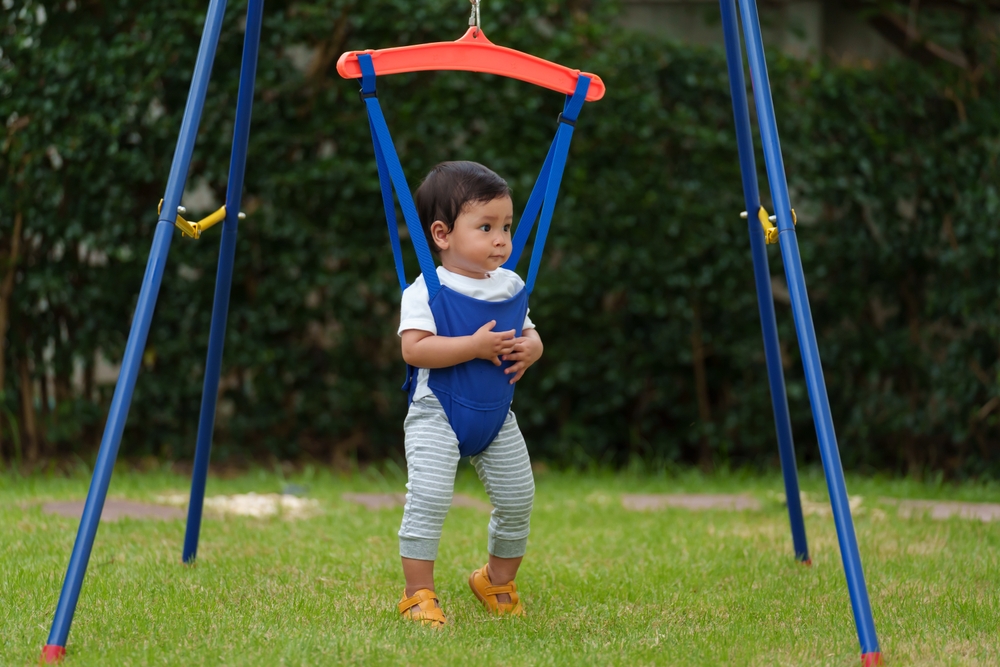
Those doorway jumpers and bouncing activity centers look like harmless fun, but pediatricians often caution against frequent use. Jumpers encourage unnatural movement patterns that don’t match how babies actually learn to walk or balance. They can place stress on hips, spine, and developing joints when used too often or too early. Babies also miss out on crawling, rolling, and floor-based exploration that builds coordination and strength.

Short, supervised use may not cause harm, but relying on jumpers as daily entertainment can delay key motor milestones, according to many doctors. Floor play, crawling space, and climbing-safe environments offer better long-term benefits.

3. Electronic Learning Toys That Replace Human Interaction

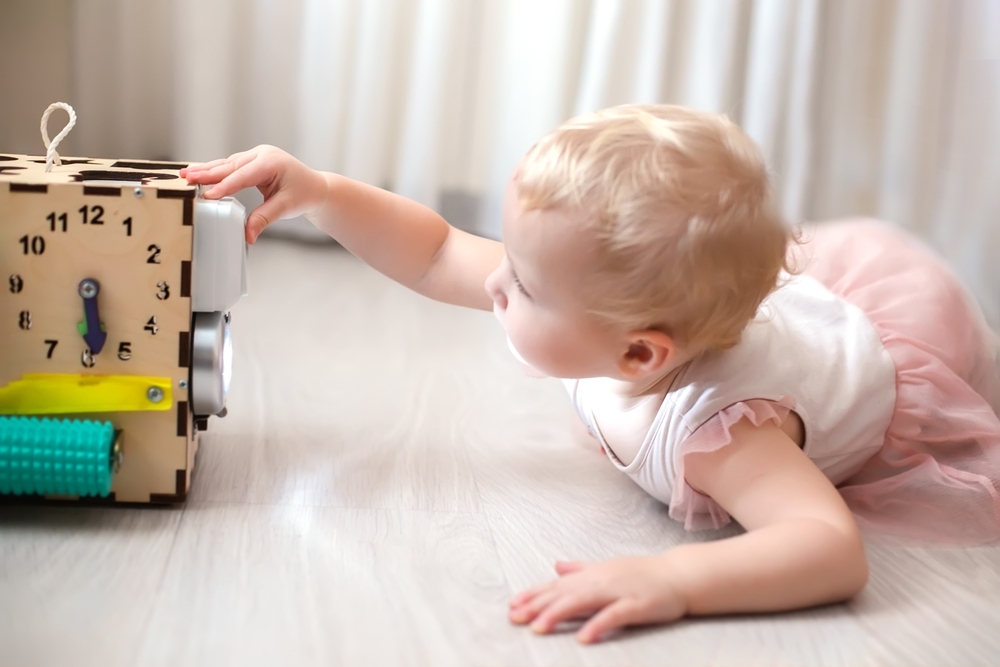
Talking toys, light-up tablets, and “educational” screens promise early learning, but pediatricians consistently stress that real learning comes from human interaction. Babies learn language through face-to-face conversation, tone, expression, and response, not recorded voices and flashing buttons. Passive stimulation does not build communication skills the same way real engagement does.
These Are 8 Must-Have Baby Gadgets That Pediatricians Say Delay Development
Image Source: Shutterstock.com

4. Infant Positioning Seats That Limit Movement

Those molded infant seats that prop babies upright look helpful and adorable, but they limit natural movement. Pediatricians often caution that babies need freedom to move, twist, roll, and shift their bodies naturally. Being placed in fixed positions for long periods can slow muscle development and body awareness. Babies learn balance by falling, adjusting, and trying again, not by being held in perfect posture.

These seats may be useful briefly for feeding or supervision, but they should not replace floor time. Open space, soft mats, and safe play areas give babies the movement they need to develop properly.

5. Overused Swings And Motion Devices

Swings and automated rockers can be lifesavers for exhausted parents, but overuse can create developmental tradeoffs. Babies benefit from being soothed by human touch, voice, and movement, not just mechanical motion. Excessive reliance on swings reduces floor time, which is essential for strength, coordination, and exploration.

Pediatricians and experts emphasize balance, not elimination, when it comes to these devices. They work best as short-term soothing tools, not long-term substitutes for interaction. Holding, carrying, and engaging your baby builds emotional security and physical development simultaneously.

6. Baby Containers That Limit Exploration

The term “container baby syndrome” is used by therapists to describe overuse of devices that restrict movement, like bouncers, seats, loungers, and carriers. Babies need freedom to explore their environment to develop motor skills, problem-solving, and body awareness. Too much time in containers limits rolling, crawling, scooting, and reaching behaviors.

Pediatricians emphasize that development happens through movement, not containment. Convenience devices should support parenting, not replace movement. Rotating free play, tummy time, and open-floor exploration makes a real developmental difference.

7. White Noise And Sleep Machines Used Constantly

White noise machines can help babies sleep, but constant use can reduce exposure to natural sounds and voices. Pediatricians note that babies learn language patterns from hearing real speech, not continuous background noise. Overuse can also make babies dependent on artificial sound environments for sleep.

Moderation matters more than elimination here. Use sound machines when needed, but allow quiet, natural sound spaces during waking hours. Real-world sounds help babies build auditory processing and language skills.

8. Over-Structured Activity Centers

Multi-feature activity centers look stimulating, but they often overwhelm babies with lights, sounds, and limited movement options. Babies benefit more from simple toys that encourage exploration, grasping, and movement.

When everything lights up and responds automatically, babies don’t learn cause-and-effect the same way. Open-ended toys like blocks, balls, and soft books promote deeper learning. Simpler environments often produce stronger developmental outcomes.

Real Growth Happens In Real Life, Not Gadgets

The most powerful developmental tools aren’t sold in boxes or marketed online. They look like floor time, eye contact, conversation, messy play, movement, and human connection. Gadgets may offer convenience, but they should never replace interaction, exploration, and freedom of movement.

If you looked around your home right now, which of these gadgets does your baby spend the most time in—and what would change if you replaced just one of them with more real-world play? Give your parenting insights in the comments below.

You May Also Like…

Listening In: 7 Kid Gadgets That Listen to Your Family

9 Traditional Family Routines That Help Kids Feel Secure

Why Pediatricians are Quietly Flagging These 5 Household Items as Toxic

7 Boomer-Era Family Traditions That Lower Household Stress

6 Toy Store Layout Tricks That Manipulate Your Wallet

Brandon Marcus
Brandon Marcus
Brandon Marcus is a writer who has been sharing the written word since a very young age. His interests include sports, history, pop culture, and so much more. When he isn’t writing, he spends his time jogging, drinking coffee, or attempting to read a long book he may never complete.

Filed Under: Baby Stuff Tagged With: baby development, baby gadgets, Baby Gear, baby safety, child development, early learning, infant growth, modern parenting, Parenting, parenting tips, pediatrician advice

What You’re Missing: 6 Urgent Health Screenings Your Baby Needs

July 23, 2025 | Leave a Comment

What Youre Missing 6 Urgent Health Screenings Your Baby Needs
Image source: 123rf.com

When it comes to your baby’s well-being, timing is everything. Some health issues are hard to spot in infancy, but early detection through the right screenings can change everything. These essential checks help uncover potential problems before they become major concerns, ensuring your baby has the healthiest start possible. If you’re a new parent, it’s easy to get overwhelmed with appointments and milestones, but skipping any of these can mean missing crucial opportunities. Here’s what you need to know about the six most urgent health screenings your baby needs.

1. Newborn Hearing Test: The Quiet Start You Can’t Miss

Within the first 24 to 48 hours after birth, your baby should receive a hearing screening. This painless test checks for hearing issues that may affect speech and language development down the line. Catching hearing loss early makes it easier to take steps that can support your child’s communication skills from the start. If the hospital missed it or results were inconclusive, your pediatrician can refer you to an audiologist for follow-up. Hearing might not seem urgent in a sleeping newborn, but it’s one of the most critical health screenings your baby needs.

2. Metabolic and Genetic Screening: Behind-the-Scenes Lifesavers

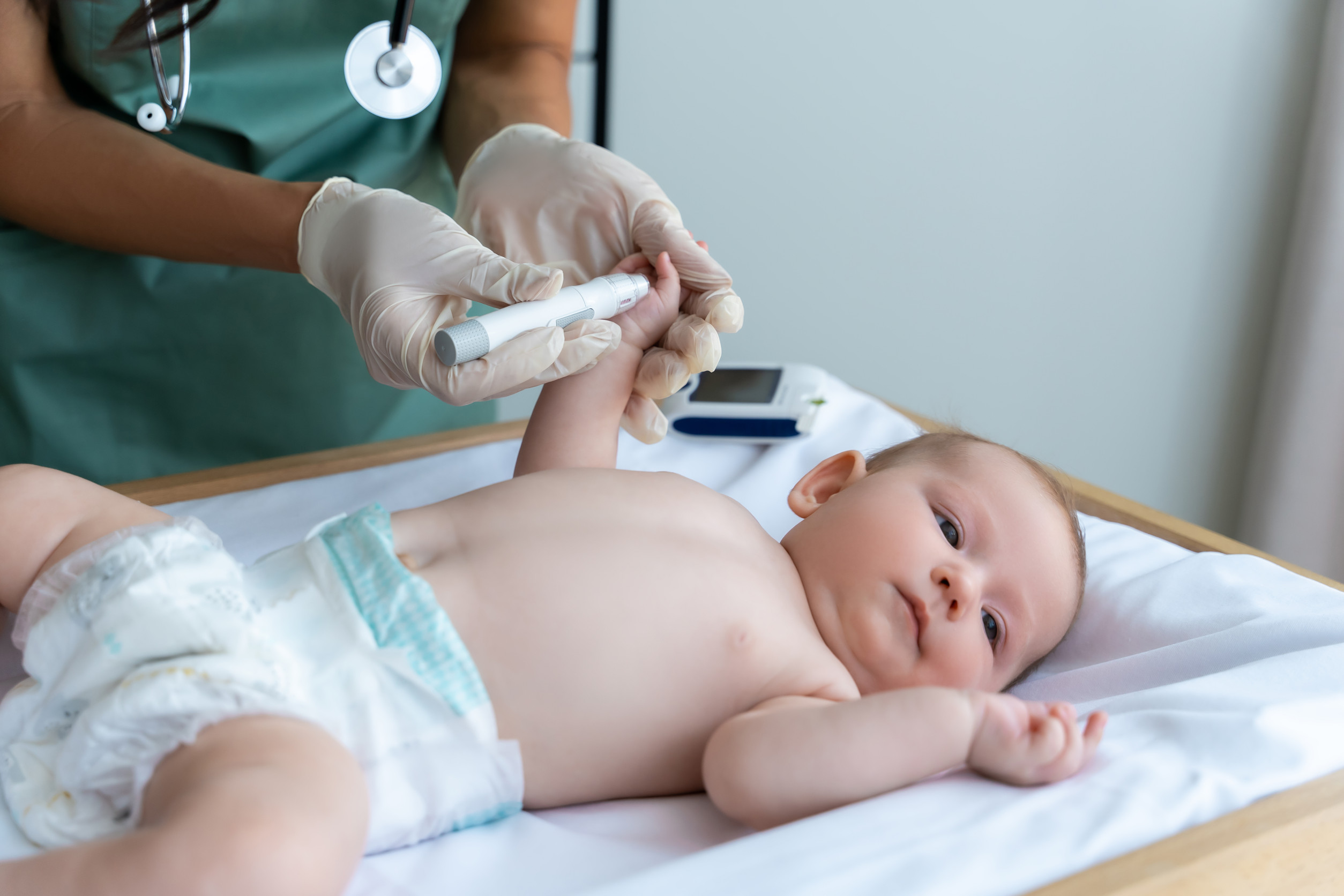
Often called the heel prick test, this screening checks for rare but serious conditions like PKU, congenital hypothyroidism, and sickle cell disease. These disorders aren’t visible at birth, but without early treatment, they can lead to lifelong challenges or even death. Your baby’s heel is pricked to collect a few drops of blood, which are sent to a lab for analysis. Most results come back normal, but catching issues early allows for interventions that can literally save your child’s life. It’s easy to overlook because symptoms may not show up for weeks, but this is one of the most life-saving health screenings your baby needs.

3. Jaundice Screening: More Than a Yellow Tint

Jaundice is common in newborns, but severe cases can lead to brain damage if not treated promptly. A simple skin test or blood sample can detect elevated bilirubin levels in your baby’s system. Treatment is often easy and non-invasive, like phototherapy under special lights, but it works best when started early. Watch for yellowing in the eyes and skin, especially in the first few days after birth. This condition can worsen quickly, which is why jaundice testing remains high on the list of health screenings your baby needs.

4. Vision Screening: Catching Clues Before They’re Obvious

Vision problems can be easy to miss in babies who can’t tell you what they see. During well-baby visits, your pediatrician will examine eye movement, focus, and alignment to spot early red flags. While full vision screening comes later, these early checks help ensure healthy eye development. Issues like congenital cataracts or lazy eye may not show symptoms right away, making early screening crucial. Healthy eyes now can prevent developmental delays later, making this one of the most underappreciated health screenings your baby needs.

5. Developmental Milestone Assessments: Tracking More Than Growth

From smiling to rolling over, developmental milestones offer clues about your baby’s neurological and physical health. During wellness visits, pediatricians ask questions or perform basic evaluations to ensure your baby is on track. These assessments help spot delays early so intervention programs can begin when they’re most effective. Delays in speech, movement, or interaction don’t always mean something is wrong, but missing a pattern can hold your child back. Consider these check-ins essential—not optional—health screenings your baby needs to thrive.

6. Iron and Lead Testing: Silent but Serious Dangers

Iron deficiency and lead exposure can have lasting impacts on your baby’s brain and body development. Around 9 to 12 months, your pediatrician may recommend a blood test to check for both. Babies who are exclusively breastfed or live in older homes are at higher risk and may need earlier screening. These issues often go unnoticed until developmental or behavioral problems appear, so proactive testing matters. When looking at health screenings your baby needs, don’t overlook what’s hiding in their environment or diet.

Early Action Builds Lifelong Health

Your baby depends on you to be their advocate when they can’t speak up for themselves. Staying on top of these urgent screenings ensures that if something is wrong, you’ll catch it early—when solutions are simpler and outcomes are better. While many of these tests happen automatically in hospitals or at well-baby visits, it’s always worth double-checking that none are missed. When in doubt, ask your pediatrician what screenings are next and why matter. Healthy habits start early, and it all begins with being aware of the health screenings your baby needs.

Which of these screenings were you already aware of, and which surprised you the most? Share your experiences or questions in the comments!

Read More:

Toxic Relatives and Kids: How to Protect Their Emotional Health

Mental Health Crisis: 4 Critical Questions About Your Child’s Mental Health

Catherine Reed
Catherine Reed

Catherine is a tech-savvy writer who has focused on the personal finance space for more than eight years. She has a Bachelor’s in Information Technology and enjoys showcasing how tech can simplify everyday personal finance tasks like budgeting, spending tracking, and planning for the future. Additionally, she’s explored the ins and outs of the world of side hustles and loves to share what she’s learned along the way. When she’s not working, you can find her relaxing at home in the Pacific Northwest with her two cats or enjoying a cup of coffee at her neighborhood cafe.

Filed Under: Parenting Tagged With: baby development, baby health, early detection, health screenings, new parent checklist, newborn screenings, parenting tips, pediatric care

Overwhelmed? 12 Essential Apps Every New Parent Needs Today

July 1, 2025 | Leave a Comment

Overwhelmed 12 Essential Apps Every New Parent Needs Today
123rf.com

From sleepless nights and endless diaper changes to tracking feeding times and growth charts, new parent life is beautiful—but chaotic. Thankfully, there are tools that can help take the pressure off your already busy brain. Whether you’re managing appointments, soothing a crying baby, or trying to remember which side you last breastfed on, the right apps can make a world of difference. The digital age has its perks, and with just a few taps, you can gain control, clarity, and even a little calm. These are the apps every new parent needs to simplify daily life and bring some sanity back to the journey.

1. Baby Tracker

Baby Tracker is one of the all-in-one apps every new parent needs to log feedings, diaper changes, sleep schedules, and more. It’s especially helpful for tracking patterns in those exhausting early weeks. You can also log pumping sessions, medications, milestones, and even temperature readings. The simple interface allows easy toggling between multiple caregivers. When your pediatrician asks how many wet diapers your baby had yesterday, you won’t be guessing.

2. The Wonder Weeks

Wondering why your usually calm baby is suddenly clingy and cranky? The Wonder Weeks app offers insight into developmental leaps based on your child’s due date. It helps parents understand brain growth patterns and emotional changes. This is one of the apps every new parent needs to help navigate the rollercoaster of early development. Plus, knowing a tough week has a scientific explanation makes it a little easier to handle.

3. Huckleberry

If you’re trying to create a sleep routine, Huckleberry is a game-changer. It combines sleep tracking with expert-backed nap and bedtime recommendations customized for your baby. The SweetSpot feature helps predict the best time to put your little one down without overtired battles. This is one of the sleep-focused apps every new parent needs to feel less like a zombie and more like a human. Better rest for baby means better rest for everyone.

4. Sound Sleeper

White noise works wonders for many babies, and Sound Sleeper offers a variety of calming sounds to choose from. Whether it’s ocean waves, vacuum cleaner hum, or lullabies, this app creates a comforting sound environment for sleep. You can set timers, use live monitoring, or even record your own calming message. It’s one of the soothing apps every new parent needs for naps, bedtime, or car rides. Best of all, it’s portable and free.

5. Baby Connect

If you like data and detailed tracking, Baby Connect is the app for you. It offers extensive customization for everything from weight and growth charts to solid food tracking and doctor appointments. It syncs across multiple devices, so everyone caring for your baby stays updated in real time. This is one of the more comprehensive apps every new parent needs when organization is your love language. It’s particularly great for families with nannies, babysitters, or co-parenting arrangements.

6. Cozi Family Organizer

Juggling pediatrician visits, grocery lists, and work schedules? Cozi helps families stay in sync with shared calendars, to-do lists, and meal plans. Each member of your household can access it to coordinate tasks, appointments, or even dinner plans. This is one of the must-have apps every new parent needs when multitasking becomes your full-time job. It also sends helpful reminders so nothing slips through the cracks.

7. Peanut

Feeling isolated or in need of mom friends who get it? Peanut is a social networking app that connects moms with others in their area who have similar interests or kids the same age. Think of it as Tinder for motherhood—with friendship as the goal. It’s one of the supportive apps every new parent needs when adult conversation is in short supply. You’re not alone, and this app proves it.

8. Pump Log

Exclusively pumping or managing breast milk storage? Pump Log tracks pumping sessions, milk output, and freezer stash over time. You can set goals, monitor your daily averages, and calculate when you might be able to wean the pump. This is one of the essential apps every new parent needs if pumping is part of your daily routine. Data equals motivation, especially on hard days.

9. BabySparks

BabySparks delivers daily age-appropriate activities to help your child hit developmental milestones through play. It includes instructional videos and tracks progress in motor skills, language, and more. This is one of the educational apps every new parent needs to support growth while having fun. It also gives you peace of mind that playtime is productive.

10. Glow Baby

Glow Baby simplifies daily care with beautiful tracking tools for feeding, diapering, growth, and sleep. It also includes expert articles and a supportive community forum. This is one of the visually clean, user-friendly apps every new parent needs for organized record keeping. Bonus: it syncs with partners to keep both parents in the loop.

11. Tinybeans

Want to share baby photos without social media overload? Tinybeans is a private photo-sharing app that lets you create a digital journal of your child’s growth and memories. Only invited friends and family can view your updates. It’s one of the memory-saving apps every new parent needs to preserve those fleeting firsts. No filters or hashtags required.

12. ChatterBaby

ChatterBaby uses AI to analyze your baby’s cries and identify whether they may be hungry, fussy, or in pain. Developed by UCLA, it helps new parents learn what their baby’s cries really mean. This is one of the more high-tech apps every new parent needs in those confusing first months. Even if it’s not perfect, it can give you a confidence boost when interpreting those shrieks.

A Little Tech Goes a Long Way

No app can replace your instincts or your love—but the right tools can ease stress, improve routines, and give you back a bit of control. These are the apps every new parent needs to navigate the early years with a little less chaos and a lot more support. Pick the ones that fit your family best and feel free to delete the rest. Sometimes, peace of mind is just a download away.

Which of these apps made your new-parent life easier? Or do you have a go-to app we missed? Share your must-haves in the comments!

Read More:

5 Free Budgeting Apps For Kids to Learn About Money

17 Innovative Apps Every Modern Parent Should Know About

Catherine Reed
Catherine Reed

Catherine is a tech-savvy writer who has focused on the personal finance space for more than eight years. She has a Bachelor’s in Information Technology and enjoys showcasing how tech can simplify everyday personal finance tasks like budgeting, spending tracking, and planning for the future. Additionally, she’s explored the ins and outs of the world of side hustles and loves to share what she’s learned along the way. When she’s not working, you can find her relaxing at home in the Pacific Northwest with her two cats or enjoying a cup of coffee at her neighborhood cafe.

Filed Under: Parenting Tagged With: apps every new parent needs, baby development, baby sleep, baby tracker, digital parenting, mom life, new parent tips, newborn tools, parenting apps, parenting support

  • Facebook
  • Pinterest
  • RSS
  • Twitter

Basic Principles Of Good Parenting

Here some basic principles for good parenting:

  1. What You Do Matters: Your kids are watching you. So, be purposeful about what you want to accomplish.
  2. You Can’t be Too Loving: Don’t replace love with material possessions, lowered expectations or leniency.
  3. Be Involved Your Kids Life: Arrange your priorities to focus on what your kid’s needs. Be there mentally and physically.
  4. Adapt Your Parenting: Children grow quickly, so keep pace with your child’s development.
  5. Establish and Set Rules: The rules you set for children will establish the rules they set for themselves later.  Avoid harsh discipline and be consistent.
  6. Explain Your Decisions: What is obvious to you may not be evident to your child. They don’t have the experience you do.
  7. Be Respectful To Your Child: How you treat your child is how they will treat others.  Be polite, respectful and make an effort to pay attention.
Best Parenting Blogs

Most Popular

Baby

9 Unusual Baby Names That Sound Like They Belong to Future CEOs

Evan Morgan
Baby

10 Baby Names That Were Once Considered “Grandparent Names” but Feel Cool Again

Evan Morgan
Target Store

Choking Incident Prompts Recall of 49,000 Target Gigglescape “Under the Sea” Popping Toys

Evan Morgan
Frustrated Girl

Why Some Students on the Spectrum Are Labeled With ODD

Evan Morgan
Coke Bottles

12 Things Kids Took to School in the ’70s That Would Never Be Allowed Today

Evan Morgan

All content on Kids Ain’t Cheap is for entertainment purposes only. By reading this blog, you agree that Kids Ain’t Cheap is not responsible for any actions taken after reading this blog. For the full disclaimer, see our privacy policy.

Please note that Kids Ain’t Cheap has financial relationships with some of the merchants mentioned here. Kids Ain’t Cheap is funded by banner advertising, commission sales and search optimization consulting.

Copyright © 2006–2026 | District Media | All Rights Reserved | Privacy Policy

Copyright © 2026 Runway Pro Theme by Viva la Violette