• Home
  • About Us
  • Toolkit
  • Archives
  • Advertise
  • Privacy Policy

Kids Ain't Cheap

But They Sure Are Worth It

  • Parenting
    • Baby Stuff
    • Books and Reading
      • Aesops Fables
      • Comic Books
    • Education
    • Family Time
    • Green Living
    • Growing Up
    • Healthy Living & Eating
    • Holidays
    • Parenting
    • Random Musings
    • Shopping
    • Stuff to Do
  • Money
  • Product Reviews
    • Books and Magazines
    • Discount Sites
    • Furniture
    • House Keeping
    • Reviews News
    • Toys and Games
  • Contact Us
  • Our Editorial Commitment
  • Search

Virginia Baby Food Ban: 5 Specific Brands Just Prohibited Under New Safety Laws

January 30, 2026 | Leave a Comment

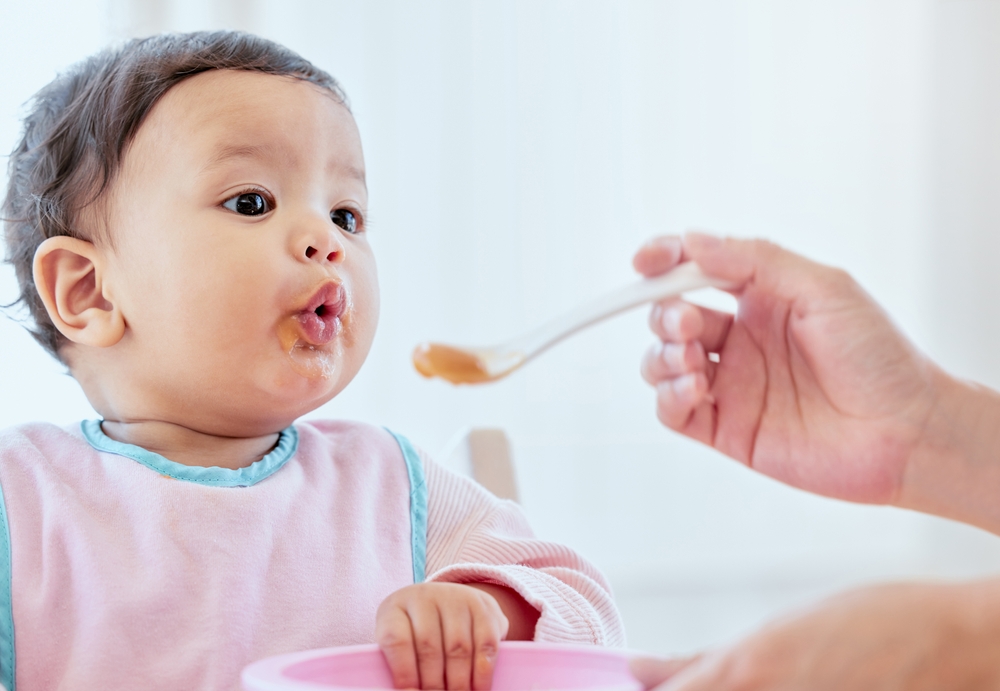
Virginia Baby Food Ban: 5 Specific Brands Just Prohibited Under New Safety Laws
Image Source: Shutterstock.com

When was the last time a grocery aisle felt like a life-changing pivot point for parents everywhere? If you feed babies — or know someone who does — Virginia’s bold new baby-food safety law is exactly that kind of seismic shift. Starting January 1, 2026, the Commonwealth of Virginia enacted the Baby Food Protection Act, a state law that makes it illegal to sell, offer, distribute, or manufacture baby foods containing toxic heavy metals. That’s huge — not only in Richmond but as a bellwether for consumer safety trends nationwide.

We’ve got the scoop on how this law works, why it matters, and a spotlight on five well-known baby-food brands that have faced scrutiny for heavy metal concerns in the past and are squarely in the safety conversation now that the law is live.

What Virginia’s Baby Food Law Actually Does (And Doesn’t)

To start with the truth that matters: this law doesn’t say “Brand X is banned forever.” What it does say, in plain English, is that any baby food on the market in Virginia must meet strict heavy-metal limits — and manufacturers have to prove it. If a product contains lead, arsenic, cadmium, or mercury above the FDA’s established action levels, it simply cannot be sold in the state. That applies whether it’s in a jar, pouch, or squeezable pack.

The law also requires companies to post test results online and attach QR codes on packages so curious shoppers can scan and see what’s inside — a move that feels more high-tech than you might expect for a jar of peas.

Heavy Metals and Why They Matter to Your Baby’s Brain

“Why all the fuss about lead or arsenic?” you might ask. The short answer: even at low levels, toxic heavy metals can negatively affect brain development in infants and toddlers, whose nervous systems are still forming. Health experts warn that chronic exposure — even through food — may contribute to developmental issues later in life.

It’s not that every baby food ever made has dangerous amounts. But decades of independent testing have found that many popular baby food products had detectable levels of heavy metals, including arsenic and lead — sometimes above what experts now consider safe for ingestion by infants.

1. Gerber (Nestlé) – Once America’s Baby Food Standard

Gerber is arguably the most iconic baby food brand in the U.S. yet has repeatedly appeared in independent testing reports showing elevated levels of heavy metals like arsenic and lead in some products. While not legally banned nationwide, those products could fall afoul of Virginia’s standards if they don’t meet FDA action levels under the new law.

2. Beech-Nut Nutrition Co. – A Legacy Brand Under Pressure

Beech-Nut has also been flagged in heavy-metal testing analyses in the past decade. That doesn’t mean all of its products will be prohibited, but specific batches or items exceeding toxic metal limits won’t be legal in Virginia after the new law takes effect.

3. Happy Family / Nurture, Inc. – Organic Isn’t Always Enough

Happy Family’s products, including those marketed as organic, have appeared in testing with measurable amounts of arsenic or cadmium. Under Virginia’s law, organic status alone won’t protect a product that doesn’t meet safety limits — so look for updated testing disclosures.

4. Earth’s Best Organic (Hain Celestial Group) – Organic Flag, Metals Questioned

Earth’s Best has also been cited in heavy metal test results in the past. Again, that doesn’t mean every item from the brand is illegal — but it could be banned from sale in Virginia if any products exceed limits when they were made or tested after Jan. 1, 2026.

5. Plum Organics – Popular With Parents, But Under Watch

Plum Organics products have surfaced in investigations for arsenic and lead in some products. Like the other brands above, specific non-compliant items could be barred from Virginia store shelves under the new law’s strict testing regime.
Virginia Baby Food Ban: 5 Specific Brands Just Prohibited Under New Safety Laws
Image Source: Shutterstock.com


What This Means for the Future of Baby Food

The Baby Food Protection Act is more than a law — it’s a signal. States across the country are watching. If transparency and safety standards like Virginia’s spread, you may soon see similar shifts nationwide. For consumers, that means more data and more power. For manufacturers, it means innovation and stricter testing.

In a world where the safety of even the smallest bites matters, Virginia is raising the bar for everyone.

And now it’s your turn. Do you support the new law? Are you changing how you shop for baby food because of it? Sound off in the comments below.

You May Also Like…

Beyond The Label: 8 Everyday Products Dangerous For Babies

9 Traditional Family Routines That Help Kids Feel Secure

6 Kid-Friendly Foods That Were Recalled This Month

7 Lunch Foods That Make Kids a Target for Teasing

Virginia Law: The “Baby Food Protection Act” Just Banned These Brands from Shelves

Brandon Marcus
Brandon Marcus
Brandon Marcus is a writer who has been sharing the written word since a very young age. His interests include sports, history, pop culture, and so much more. When he isn’t writing, he spends his time jogging, drinking coffee, or attempting to read a long book he may never complete.

Filed Under: Family Tagged With: baby food safety, baby health, Beech-Nut, child nutrition, consumer protection, Earth’s Best, FDA action levels, Gerber heavy metals, Happy Family, heavy metals, parenting advice, Plum Organics, Virginia law

10 Common Baby Products Now Under FDA Scrutiny

November 18, 2025 | Leave a Comment

10 Common Baby Products Now Under FDA Scrutiny
Image source: shutterstock.com

Parents trust that the items they buy for their babies are safe, gentle, and thoroughly tested. However, recent attention from the U.S. Food and Drug Administration (FDA) shows that even trusted baby products can raise red flags. From teething gels to sleep aids, regulators are taking a closer look at how certain items are marketed and manufactured. Understanding which products are now under review can help you make smarter, safer choices for your family.

1. Teething Gels and Tablets

Teething gels have long been a staple for soothing sore gums, but several brands are now under FDA scrutiny for containing harmful ingredients. Some formulas once included benzocaine or belladonna, which can cause serious side effects in infants. The FDA has advised parents to avoid products that promise “instant relief” without medical oversight. Natural alternatives like chilled teethers or gum massages are safer options. Always check labels carefully before applying anything to your baby’s gums.

2. Baby Powders

For decades, baby powder symbolized freshness and comfort, but concerns about talc-based formulas have changed that perception. Some talc products may contain trace amounts of asbestos, leading to multiple lawsuits and increased FDA testing. Many parents are now choosing cornstarch-based versions to reduce risk. Still, it’s smart to avoid using powders near your baby’s face to prevent inhalation. This simple switch can protect your child’s respiratory health while maintaining dryness.

3. Infant Sleep Positioners

Sleep positioners were once promoted as solutions to prevent rolling or improve comfort, but they’ve become one of the most controversial baby products in recent years. The FDA has linked these items to suffocation risks and strongly discourages their use. Parents are advised to follow safe sleep guidelines—placing babies on their backs on a firm, flat surface with no soft bedding or padding. Simplicity is best when it comes to sleep safety. The ongoing review highlights the importance of avoiding unnecessary sleep accessories.

4. Baby Lotions and Creams

Even gentle-sounding lotions marketed for sensitive skin can sometimes contain allergens or endocrine-disrupting chemicals. The FDA is investigating several formulations for hidden irritants such as parabens, formaldehyde releasers, and synthetic fragrances. Parents are encouraged to choose fragrance-free, dermatologist-tested products instead. Reading ingredient lists can make a big difference in protecting delicate skin. Simple, plant-based moisturizers often work just as well without unnecessary additives.

5. Infant Formula Additives

Many parents rely on formula to nourish their babies, but some additives have drawn the FDA’s attention. Probiotic and prebiotic blends, once marketed as immune boosters, are under review for safety and efficacy. The concern isn’t with formula itself but with unregulated claims and inconsistent quality controls among manufacturers. It’s crucial to stick with well-established brands and consult your pediatrician before switching types. This ensures your baby receives proper nutrition without unnecessary risks.

6. Baby Wipes

Baby wipes may seem harmless, yet some contain preservatives that can irritate skin or cause allergic reactions. The FDA is examining certain chemical preservatives linked to dermatitis in infants. Using fragrance-free, hypoallergenic wipes—or even warm water and soft cloths—can minimize exposure. When possible, look for wipes labeled “formaldehyde-free” and “no alcohol.” Small daily choices like these can have long-term benefits for your baby’s skin health.

7. Infant Cough and Cold Remedies

Many over-the-counter cough and cold medicines claim to be safe for babies but are now under FDA scrutiny for potential side effects. These products often include ingredients that are not clinically proven for infants and can cause drowsiness or breathing problems. The FDA recommends avoiding any cough or cold medications for children under two years old unless prescribed. Instead, try natural remedies like humidifiers or saline drops. Parental caution can help prevent unnecessary health complications.

8. Baby Sunscreens

Baby sunscreens sound protective, but not all are created equal. Some formulas contain chemical UV filters that can irritate sensitive skin or absorb into the bloodstream. The FDA is re-evaluating several common sunscreen ingredients, including oxybenzone and octinoxate. Mineral-based sunscreens with zinc oxide or titanium dioxide are considered safer alternatives. Be sure to apply them generously and reapply during sun exposure for consistent protection.

9. Pacifiers with Built-In Thermometers or Lights

High-tech pacifiers are marketed as convenient tools for monitoring temperature or soothing babies with gentle lights. However, the FDA has raised questions about their accuracy and potential choking hazards. Electrical components and small batteries can pose serious risks if damaged. Traditional, single-piece pacifiers without added features remain the safest option. Always inspect pacifiers regularly for wear or damage before giving them to your baby.

10. Herbal Teas and Drops for Colic

Herbal supplements marketed to calm colicky babies are also under review. The FDA is investigating several blends containing ingredients not proven safe for infants, such as fennel or chamomile extracts. Even natural ingredients can interfere with digestion or cause allergic reactions. Parents should discuss any herbal remedies with their pediatrician before use. Staying cautious about unregulated products can prevent unexpected health issues.

Staying Informed Protects Your Baby

Parents want to believe that every baby product on store shelves has been rigorously vetted, but that isn’t always the case. By staying aware of items under FDA scrutiny, you can make proactive choices and avoid potential risks. Look for safety certifications, read ingredients closely, and follow trusted pediatric advice when selecting products. Awareness, not fear, is the key to smarter parenting.

Which of these baby products surprised you the most? Share your thoughts and experiences in the comments below!

What to Read Next…

The Hidden Truth: 8 Common Cleaning Products Toxic For Kids

Toddler Danger: 8 Everyday Products Dangerous for Toddlers

Experts Are Worried: 10 “Eco-Friendly” Baby Products With Harmful Chemicals

10 Children’s Medications That Were Recently Recalled

7 Popular Lunch Snacks That Were Quietly Recalled

Catherine Reed
Catherine Reed

Catherine is a tech-savvy writer who has focused on the personal finance space for more than eight years. She has a Bachelor’s in Information Technology and enjoys showcasing how tech can simplify everyday personal finance tasks like budgeting, spending tracking, and planning for the future. Additionally, she’s explored the ins and outs of the world of side hustles and loves to share what she’s learned along the way. When she’s not working, you can find her relaxing at home in the Pacific Northwest with her two cats or enjoying a cup of coffee at her neighborhood cafe.

Filed Under: Safety Tagged With: baby health, baby products, baby safety, FDA updates, infant care, newborn essentials, parenting tips, product recalls

10 Popular Diaper Brands That Have Faced Consumer Complaints

August 8, 2025 | Leave a Comment

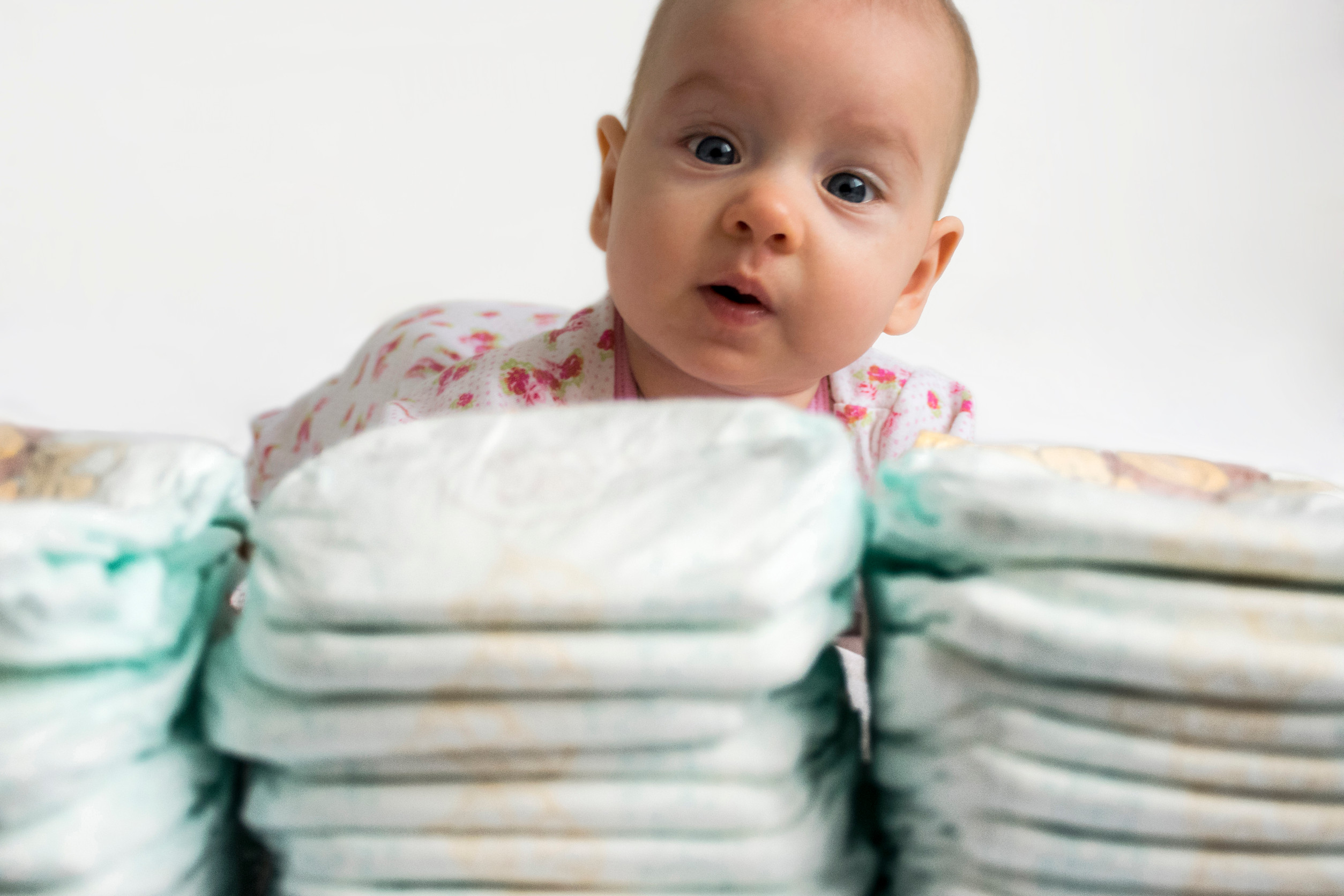
10 Popular Diaper Brands That Have Faced Consumer Complaints
Image source: 123rf.com

Diapers are one of the most essential purchases parents make, but not all brands deliver the quality families expect. Some popular diaper brands have sparked frustration, and even outrage, among consumers due to issues like leaks, chemical odors, allergic reactions, or poor absorbency. While every brand has occasional hiccups, repeated consumer complaints can signal patterns parents should know about. Understanding which diaper brands have faced consumer complaints can help you make more informed choices and protect your little one from discomfort or harm. Here are ten well-known names that have made headlines or reviews for the wrong reasons.

1. Huggies

Despite being one of the most recognizable diaper brands in the world, Huggies has received a fair share of consumer backlash. Parents have reported chemical-like odors, unexplained rashes, and inconsistent absorbency in certain batches. Some complaints even point to gel beads leaking from the diaper and clinging to babies’ skin. While many families still swear by Huggies, others say quality has declined over time. If you’re using Huggies, it may be wise to monitor your baby closely for signs of irritation.

2. Pampers

Another big name on the list of diaper brands that have faced consumer complaints is Pampers. In particular, their “Dry Max” line caused a stir years ago when parents linked it to severe diaper rash. Although investigations found no direct link, the public outcry led to numerous changes in the product line. More recent concerns include sizing inconsistencies and reduced absorbency. With so many competing options, some parents have switched to alternatives that seem gentler on sensitive skin.

3. Luvs

Luvs is often praised for being budget-friendly, but that lower price comes with mixed reviews. Numerous parents have complained about frequent leaks, especially overnight. Others say the material feels thinner and less secure than other brands. While some find them perfectly fine for daytime use, others say the cost savings aren’t worth the laundry load. These ongoing complaints have pushed some families to stick with higher-end options.

4. Honest Company

Honest Company built its reputation on clean, eco-friendly baby products, but even this brand has not escaped criticism. Several parents have filed complaints regarding poor absorption and leaking, particularly during the night. Others claim the diapers caused redness and discomfort in babies with sensitive skin. While the brand emphasizes natural ingredients, not all babies respond well to them. As with all products, performance can vary widely by child.

5. Up & Up (Target Brand)

Target’s house brand, Up & Up, is a go-to for many cost-conscious parents, but it also makes the list of diaper brands that have faced consumer complaints. Common concerns include weak tabs that break during application and poor fit that leads to blowouts. Others have noted strong chemical smells or dye transfer from patterned designs. While many families have good experiences, the inconsistency in quality has caused frustration. It’s a brand that may require a bit of trial and error to find the right fit.

6. Kirkland Signature (Costco Brand)

Costco’s Kirkland Signature diapers are often praised for their value, but not everyone is satisfied. Several reviews mention leakage issues during overnight use or for heavier wetters. Some parents say the fit is bulkier and less comfortable than competing brands. Others have reported allergic reactions or rashes after switching from a different diaper. Despite the price advantage, some families end up returning to more premium options.

7. Parent’s Choice (Walmart Brand)

Parent’s Choice has been a top seller thanks to its affordability, but it’s also one of the diaper brands that have faced consumer complaints. Many parents cite issues with excessive leaks and unreliable side tabs. Reports of strong odors and thin material have also surfaced in customer feedback. Some babies experience redness or irritation after wearing these diapers. For parents on a budget, the tradeoff may come down to whether the savings outweigh the cleanup.

8. Earth + Eden

Marketed as a more natural diaper option, Earth + Eden has still received some negative attention. Parents have reported issues with sizing and gaps that lead to blowouts. There have also been occasional complaints about skin irritation despite the brand’s claim of hypoallergenic materials. Some say the diapers don’t hold up well overnight, especially for active sleepers. While many families love the sustainable angle, others are left disappointed.

9. Seventh Generation

Seventh Generation is another brand known for being eco-friendly, but not immune to performance issues. Several parents have said the diapers are too stiff or rough for newborns’ sensitive skin. Others note a lack of stretch in the waistband and tabs that make changes more difficult. Leaking issues, particularly at night, have also been noted in reviews. Even among natural brands, comfort and reliability can vary greatly.

10. Bambo Nature

Though often praised for its green manufacturing and skin-safe materials, Bambo Nature has still drawn criticism. Some parents feel the absorbency is too light for heavy wetters or overnight use. There have been isolated reports of rashes and discomfort, possibly due to the unique materials used. Others mention a higher price point without noticeably better performance. Like many natural brands, results can be highly individual depending on your child’s needs.

Don’t Just Trust the Label—Trust Your Baby’s Experience

Just because a diaper brand is popular doesn’t mean it’s the best choice for your child. The truth is, many diaper brands that have faced consumer complaints are still widely used because experiences vary from baby to baby. What causes irritation or leaks for one child might work perfectly for another. That’s why it’s important to pay attention to your baby’s comfort, fit, and skin reaction rather than relying solely on reviews or marketing claims. Try sample packs when possible, and don’t hesitate to switch brands if something doesn’t feel right.

Have you had a surprising experience with one of these diaper brands? Which one worked—or didn’t—for your baby? Share your story in the comments!

Read More:

How Much You’re Really Spending on Kids’ Clothes Each Year

Are You Wasting Money? 6 Baby Items New Parents Regret Buying

Catherine Reed
Catherine Reed

Catherine is a tech-savvy writer who has focused on the personal finance space for more than eight years. She has a Bachelor’s in Information Technology and enjoys showcasing how tech can simplify everyday personal finance tasks like budgeting, spending tracking, and planning for the future. Additionally, she’s explored the ins and outs of the world of side hustles and loves to share what she’s learned along the way. When she’s not working, you can find her relaxing at home in the Pacific Northwest with her two cats or enjoying a cup of coffee at her neighborhood cafe.

Filed Under: Shopping Tagged With: baby care, baby health, baby products, baby shopping, diaper brands, diaper rash, diaper reviews, eco-friendly diapers, new parents, parenting tips

Shocking Reality: 10 Popular Baby Items With Carcinogens

July 24, 2025 | Leave a Comment

Shocking Reality 10 Popular Baby Items With Carcinogens
Image source: 123rf.com

When it comes to your baby, safety is always the top priority. So it’s unsettling to discover that some of the most common baby items with carcinogens are sitting right in your nursery or diaper bag. Parents trust that products designed for infants have been thoroughly vetted, but loopholes in regulations and lax labeling laws mean many toxins still sneak through. From crib sheets to shampoos, the threat is real—but so is the power of awareness. Knowing what to look for can help you make smarter choices and reduce your child’s long-term exposure to harmful chemicals.

1. Baby Shampoos That Contain Formaldehyde

Many popular baby shampoos once contained formaldehyde-releasing preservatives, and shockingly, some still do. Even though formaldehyde is a known human carcinogen, it’s sometimes added as a byproduct of preservatives like DMDM hydantoin. While some companies have phased it out, not all have, and the labels don’t always make it obvious. Parents may be unknowingly exposing their babies to a toxic chemical every bath night. Look for shampoos labeled “formaldehyde-free” and opt for brands that fully disclose their ingredients.

2. Foam Crib Mattresses with Flame Retardants

Foam crib mattresses are a staple in many nurseries, but they often contain flame retardants linked to cancer. These chemicals can off-gas over time, exposing your baby to harmful particles while they sleep. Even organic-looking products may have these substances unless they’re clearly certified. Babies spend up to 16 hours a day sleeping, making the mattress one of the most critical exposure points. Choose a mattress that is GREENGUARD Gold certified or labeled as free from polyurethane foam and flame retardants.

3. Plastic Baby Bottles Made With BPA

Despite increased awareness, baby items with carcinogens like BPA still appear on shelves. Bisphenol A (BPA) is a chemical that disrupts hormones and has been linked to several cancers. While BPA is banned in baby bottles in many countries, some older or off-brand products still contain it. Heat can cause BPA to leach into liquids, especially during warming or washing. Stick with bottles clearly marked BPA-free and avoid heating milk or formula in plastic altogether.

4. Vinyl Changing Pads and Covers

Vinyl, or PVC, is commonly used in changing pads and covers because it’s easy to wipe clean. However, PVC contains phthalates, chemicals used to make plastic soft and flexible—many of which are carcinogenic. Over time, these chemicals can off-gas or flake into the air, where babies may inhale or absorb them through skin contact. Phthalate exposure has been linked to developmental problems and certain cancers. Safer alternatives include organic cotton pads with waterproof covers made from food-grade polyethylene.

5. Baby Lotions with Parabens

Many commercial baby lotions contain parabens, which act as preservatives but may also act like estrogen in the body. This hormone disruption has been associated with breast cancer and reproductive toxicity. Babies have more permeable skin, which means these substances can enter their systems more easily. Fragrances, another concern, are often labeled vaguely and can hide even more harmful ingredients. Stick with lotions that are paraben-free, fragrance-free, and made from simple, plant-based ingredients.

6. Stroller Padding Treated With PFAS

PFAS, also known as “forever chemicals,” are used to make fabrics stain and water resistant. Unfortunately, these same chemicals are also linked to a variety of cancers, including kidney and testicular cancer. Stroller padding, car seat linings, and highchair cushions are common sources. Because babies often chew on or touch these surfaces, the risk of ingestion is high. Seek out baby gear that is PFAS-free and instead uses untreated, washable fabrics.

7. Teething Toys Made from Unsafe Plastics

Chewing is a developmental milestone, but some teething toys are made from plastics that contain known toxins. PVC, phthalates, and even heavy metals have been found in unregulated toys. Since these items go directly in a baby’s mouth, any exposure to carcinogens is concerning. Just because a product is labeled “non-toxic” doesn’t mean it’s free of all risks. Choose teethers made from medical-grade silicone or natural rubber and look for reputable third-party safety certifications.

8. Laundry Detergents with Optical Brighteners

Your baby’s freshly washed clothes may come with an invisible risk if you’re using detergents with optical brighteners. These compounds give fabrics a “whiter” look but can also leave behind residue that irritates sensitive skin and may contain carcinogenic ingredients. Detergents made for adults often sneak into baby laundry routines, especially for busy families. Look for baby-safe detergents that are fragrance-free, dye-free, and clearly marked for sensitive skin. What touches your baby’s skin daily matters more than you think.

9. Baby Food Jar Linings Containing BPA

While most focus has been on baby bottles, fewer parents realize that some baby food jar lids are lined with BPA-containing resins. Heating these jars or even prolonged storage can cause leaching of BPA into the food. Since babies have developing systems, their bodies are more vulnerable to hormone disruptors and carcinogens. Check for brands that use BPA-free packaging and prioritize fresh or homemade baby food when possible. It’s not just what they eat, but how it’s packaged.

10. Nursery Paints That Emit VOCs

Paint might seem harmless once dry, but many nursery walls are coated with paints that release volatile organic compounds (VOCs) for months after application. VOCs include carcinogens like benzene and formaldehyde and can affect indoor air quality. Babies are especially sensitive to these airborne chemicals due to their small size and immature lungs. Even low-VOC paints can emit harmful substances if not applied properly. Look for zero-VOC, third-party certified paints and ventilate the room thoroughly before baby sleeps in it.

Empowerment Through Awareness Starts with You

Discovering that baby items with carcinogens are more common than expected can feel overwhelming. But you don’t need to toss everything and start from scratch. Awareness allows you to make informed swaps one item at a time, improving your child’s safety with each choice. Whether it’s changing your detergent or choosing a different teether, small actions can lead to a healthier environment. Your vigilance today helps build a safer tomorrow for your baby.

Have you found a surprising ingredient or material in your baby’s products? Share your discoveries and tips in the comments below.

Read More:

The Quiet Killer: 8 Hidden Hazards In Your Nursery You’re Not Checking

9 Privacy Settings You Didn’t Know Existed for Kids’ Devices

Catherine Reed
Catherine Reed

Catherine is a tech-savvy writer who has focused on the personal finance space for more than eight years. She has a Bachelor’s in Information Technology and enjoys showcasing how tech can simplify everyday personal finance tasks like budgeting, spending tracking, and planning for the future. Additionally, she’s explored the ins and outs of the world of side hustles and loves to share what she’s learned along the way. When she’s not working, you can find her relaxing at home in the Pacific Northwest with her two cats or enjoying a cup of coffee at her neighborhood cafe.

Filed Under: Parenting Tagged With: baby health, baby items with carcinogens, baby product warnings, baby safety, carcinogens, chemical-free nursery, eco-friendly parenting, safe baby gear, toxic baby products

What You’re Missing: 6 Urgent Health Screenings Your Baby Needs

July 23, 2025 | Leave a Comment

What Youre Missing 6 Urgent Health Screenings Your Baby Needs
Image source: 123rf.com

When it comes to your baby’s well-being, timing is everything. Some health issues are hard to spot in infancy, but early detection through the right screenings can change everything. These essential checks help uncover potential problems before they become major concerns, ensuring your baby has the healthiest start possible. If you’re a new parent, it’s easy to get overwhelmed with appointments and milestones, but skipping any of these can mean missing crucial opportunities. Here’s what you need to know about the six most urgent health screenings your baby needs.

1. Newborn Hearing Test: The Quiet Start You Can’t Miss

Within the first 24 to 48 hours after birth, your baby should receive a hearing screening. This painless test checks for hearing issues that may affect speech and language development down the line. Catching hearing loss early makes it easier to take steps that can support your child’s communication skills from the start. If the hospital missed it or results were inconclusive, your pediatrician can refer you to an audiologist for follow-up. Hearing might not seem urgent in a sleeping newborn, but it’s one of the most critical health screenings your baby needs.

2. Metabolic and Genetic Screening: Behind-the-Scenes Lifesavers

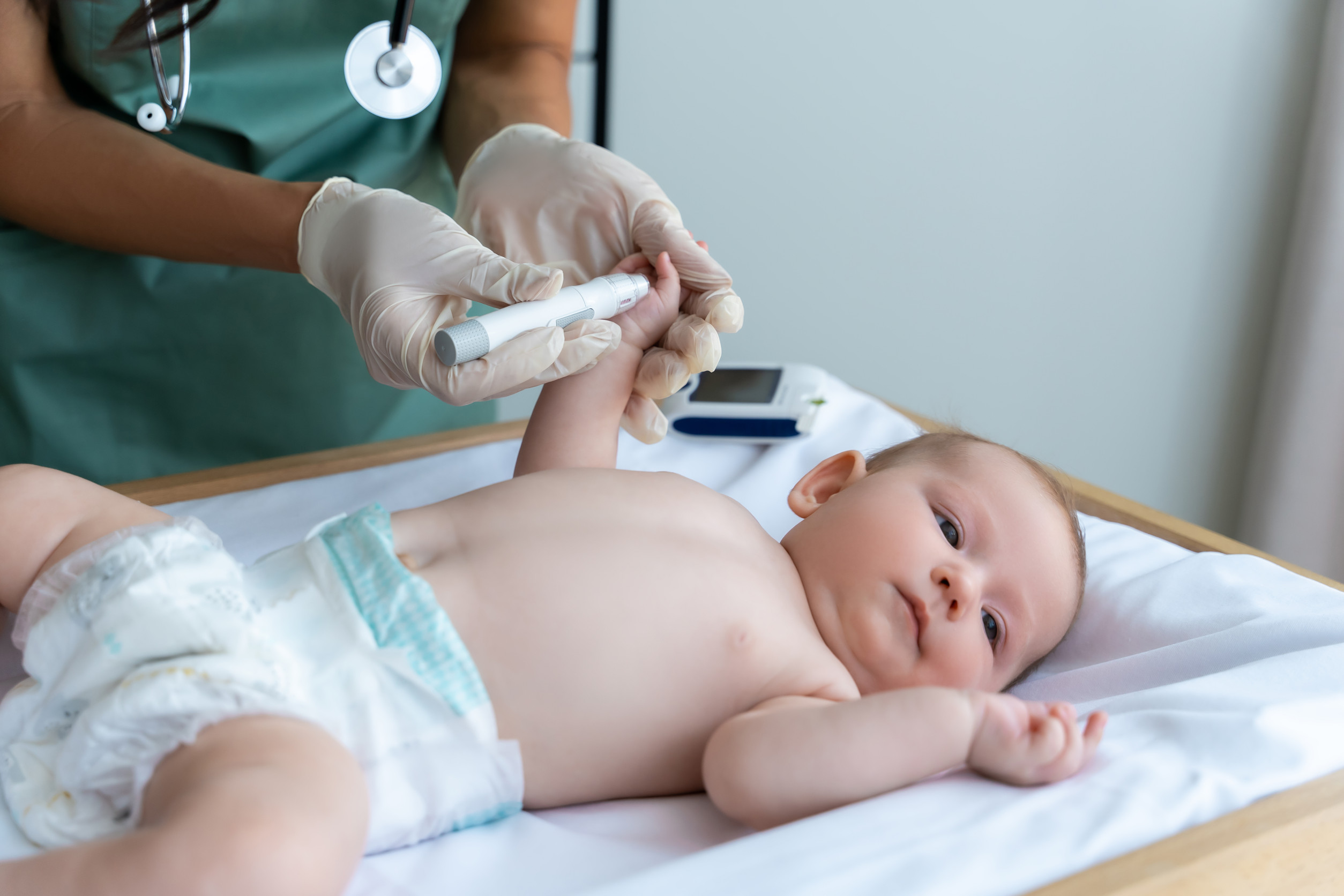
Often called the heel prick test, this screening checks for rare but serious conditions like PKU, congenital hypothyroidism, and sickle cell disease. These disorders aren’t visible at birth, but without early treatment, they can lead to lifelong challenges or even death. Your baby’s heel is pricked to collect a few drops of blood, which are sent to a lab for analysis. Most results come back normal, but catching issues early allows for interventions that can literally save your child’s life. It’s easy to overlook because symptoms may not show up for weeks, but this is one of the most life-saving health screenings your baby needs.

3. Jaundice Screening: More Than a Yellow Tint

Jaundice is common in newborns, but severe cases can lead to brain damage if not treated promptly. A simple skin test or blood sample can detect elevated bilirubin levels in your baby’s system. Treatment is often easy and non-invasive, like phototherapy under special lights, but it works best when started early. Watch for yellowing in the eyes and skin, especially in the first few days after birth. This condition can worsen quickly, which is why jaundice testing remains high on the list of health screenings your baby needs.

4. Vision Screening: Catching Clues Before They’re Obvious

Vision problems can be easy to miss in babies who can’t tell you what they see. During well-baby visits, your pediatrician will examine eye movement, focus, and alignment to spot early red flags. While full vision screening comes later, these early checks help ensure healthy eye development. Issues like congenital cataracts or lazy eye may not show symptoms right away, making early screening crucial. Healthy eyes now can prevent developmental delays later, making this one of the most underappreciated health screenings your baby needs.

5. Developmental Milestone Assessments: Tracking More Than Growth

From smiling to rolling over, developmental milestones offer clues about your baby’s neurological and physical health. During wellness visits, pediatricians ask questions or perform basic evaluations to ensure your baby is on track. These assessments help spot delays early so intervention programs can begin when they’re most effective. Delays in speech, movement, or interaction don’t always mean something is wrong, but missing a pattern can hold your child back. Consider these check-ins essential—not optional—health screenings your baby needs to thrive.

6. Iron and Lead Testing: Silent but Serious Dangers

Iron deficiency and lead exposure can have lasting impacts on your baby’s brain and body development. Around 9 to 12 months, your pediatrician may recommend a blood test to check for both. Babies who are exclusively breastfed or live in older homes are at higher risk and may need earlier screening. These issues often go unnoticed until developmental or behavioral problems appear, so proactive testing matters. When looking at health screenings your baby needs, don’t overlook what’s hiding in their environment or diet.

Early Action Builds Lifelong Health

Your baby depends on you to be their advocate when they can’t speak up for themselves. Staying on top of these urgent screenings ensures that if something is wrong, you’ll catch it early—when solutions are simpler and outcomes are better. While many of these tests happen automatically in hospitals or at well-baby visits, it’s always worth double-checking that none are missed. When in doubt, ask your pediatrician what screenings are next and why matter. Healthy habits start early, and it all begins with being aware of the health screenings your baby needs.

Which of these screenings were you already aware of, and which surprised you the most? Share your experiences or questions in the comments!

Read More:

Toxic Relatives and Kids: How to Protect Their Emotional Health

Mental Health Crisis: 4 Critical Questions About Your Child’s Mental Health

Catherine Reed
Catherine Reed

Catherine is a tech-savvy writer who has focused on the personal finance space for more than eight years. She has a Bachelor’s in Information Technology and enjoys showcasing how tech can simplify everyday personal finance tasks like budgeting, spending tracking, and planning for the future. Additionally, she’s explored the ins and outs of the world of side hustles and loves to share what she’s learned along the way. When she’s not working, you can find her relaxing at home in the Pacific Northwest with her two cats or enjoying a cup of coffee at her neighborhood cafe.

Filed Under: Parenting Tagged With: baby development, baby health, early detection, health screenings, new parent checklist, newborn screenings, parenting tips, pediatric care

  • Facebook
  • Pinterest
  • RSS
  • Twitter

Basic Principles Of Good Parenting

Here some basic principles for good parenting:

  1. What You Do Matters: Your kids are watching you. So, be purposeful about what you want to accomplish.
  2. You Can’t be Too Loving: Don’t replace love with material possessions, lowered expectations or leniency.
  3. Be Involved Your Kids Life: Arrange your priorities to focus on what your kid’s needs. Be there mentally and physically.
  4. Adapt Your Parenting: Children grow quickly, so keep pace with your child’s development.
  5. Establish and Set Rules: The rules you set for children will establish the rules they set for themselves later.  Avoid harsh discipline and be consistent.
  6. Explain Your Decisions: What is obvious to you may not be evident to your child. They don’t have the experience you do.
  7. Be Respectful To Your Child: How you treat your child is how they will treat others.  Be polite, respectful and make an effort to pay attention.
Best Parenting Blogs

Most Popular

11 Ways Kids Are Outsmarting Parental Controls 1. Using Alternate Devices One common trick is simply turning to another device. If a child’s main phone or tablet is restricted, they may borrow a sibling’s, friend’s, or even a school laptop. This instantly gives them access to content outside of parental oversight. Parents often focus on one device, forgetting that others in the household can serve as loopholes. Knowing this tactic helps families tighten controls across all electronics. 2. Clearing Browsing Histories Many kids quickly learn that clearing browsing history hides evidence of restricted activity. With just a few clicks, they can erase any trace of websites visited. This makes it harder for parents to notice when rules are being broken. Parents may assume no history means no browsing, but the reality is often the opposite. Kids are outsmarting parental controls by making it seem like nothing happened at all. 3. Using Private Browsing Modes Most browsers offer “incognito” or private browsing features. Kids use this mode to access websites without leaving a record in the history. To parents checking later, everything looks clean and safe. This simple trick is often one of the first ways kids discover how to bypass restrictions. Conversations about private browsing can help close this gap. 4. Guessing or Resetting Passwords Children who are persistent may try to guess passwords to parental control apps or accounts. Others may find ways to reset them through email prompts or security questions. Once inside, they can disable restrictions entirely. Parents may not even realize controls have been altered until much later. Stronger, less predictable passwords can make this more difficult. 5. Using VPNs to Hide Activity Virtual private networks, or VPNs, let kids disguise their online locations. With one downloaded app, they can bypass geographic or parental restrictions. Some children learn about VPNs through friends or even social media. This makes it easy for them to reach content that should be blocked. Parents often underestimate just how simple it is for kids to use these tools. 6. Creating Fake Accounts When parents monitor social media, kids may create hidden accounts. These “finstas” or fake profiles allow them to interact freely without parental oversight. While their main account appears harmless, the secondary one tells a different story. Kids are outsmarting parental controls by playing both sides at once. Checking for duplicate accounts can help parents stay more aware. 7. Exploiting Time Zone Settings Some kids change the time zone on their devices to bypass screen time limits. This trick allows them to gain extra hours of usage undetected. Parents may assume controls are working, but in reality, the child is bending the clock. It’s a clever loophole that highlights just how resourceful kids can be. Monitoring device settings regularly can catch this tactic. 8. Disabling or Uninstalling Apps Parental control apps can be deleted or disabled with surprising ease. Some kids even reinstall them before a parent checks, making it seem like nothing changed. Others may simply restrict permissions to prevent apps from functioning properly. When apps aren’t monitored closely, parents may not notice they’ve been tampered with. This shows the importance of consistent follow-up. 9. Turning to Friends for Access If a child can’t get past restrictions on their own, they may rely on friends. Visiting a friend’s house or borrowing their phone can give them a free pass. Parents often forget that peer environments can override restrictions set at home. This kind of social workaround is especially common with gaming or social media. Open conversations about trust and responsibility are essential. 10. Hiding Apps in Plain Sight Kids sometimes download apps that look innocent but serve as gateways to hidden activity. These apps may disguise themselves as calculators or utilities. In reality, they allow file storage, private messaging, or browser access. Parents glancing at a home screen may overlook them entirely. Learning to recognize these disguised apps can help parents stay informed. 11. Outpacing Parents’ Tech Knowledge Finally, kids often know more about devices than their parents do. Whether through YouTube tutorials, TikTok hacks, or peer groups, they quickly learn advanced workarounds. This knowledge gap means controls can be bypassed before parents even realize the loophole exists. Staying informed and continually learning about new technology is the best defense. Kids are outsmarting parental controls because they adapt faster than most adults. The Real Solution Lies Beyond Restrictions While controls and filters are important, no system is perfect. Kids will always find creative ways around barriers, making communication the strongest safeguard. Setting clear expectations, building trust, and having ongoing conversations about online behavior matter more than apps alone. Parents who combine technology with open dialogue create a safer digital environment. The goal isn’t to win a battle of wits but to build a relationship that keeps kids both safe and honest. Do you think kids are outsmarting parental controls faster than parents can keep up? Share your experiences in the comments below. What to Read Next... 6 Parenting Tech Shortcuts That Can Expose Your Child to Strangers How Much Screen Time Is Too Much—Legally Speaking? Is Your Child’s School Quietly Tracking Their Location Without Your Consent? How Much Screen Time Is Quietly Reshaping Childhood Behavior? Why Some Parents Are Being Investigated Over Homeschooling Records

11 Ways Kids Are Outsmarting Parental Controls

Catherine Reed
Smiling grandfather holding a happy baby indoors.

Why Grandparents Shouldn’t Babysit Their Grandkids Every Week – The Unspoken Issue

Samantha
Girl getting makeup done, referencing psychologist-approved age.

Wearing Makeup: Here Is the Age That Psychologists Agree It’s Okay for Girls to Wear Makeup

Samantha
birthday gifts

7 Birthday Gifts Your Child Should Never Bring to a Party

Latrice Perez

Babysitting Without Cash: 10 Ways to Barter Your Way Out of Childcare Costs

Ashleigh Clyde

All content on Kids Ain’t Cheap is for entertainment purposes only. By reading this blog, you agree that Kids Ain’t Cheap is not responsible for any actions taken after reading this blog. For the full disclaimer, see our privacy policy.

Please note that Kids Ain’t Cheap has financial relationships with some of the merchants mentioned here. Kids Ain’t Cheap is funded by banner advertising, commission sales and search optimization consulting.

Copyright © 2006–2026 | District Media | All Rights Reserved | Privacy Policy

Copyright © 2026 Runway Pro Theme by Viva la Violette