• Home
  • About Us
  • Toolkit
  • Archives
  • Advertise
  • Privacy Policy

Kids Ain't Cheap

But They Sure Are Worth It

  • Parenting
    • Baby Stuff
    • Books and Reading
      • Aesops Fables
      • Comic Books
    • Education
    • Family Time
    • Green Living
    • Growing Up
    • Healthy Living & Eating
    • Holidays
    • Parenting
    • Random Musings
    • Shopping
    • Stuff to Do
  • Money
  • Product Reviews
    • Books and Magazines
    • Discount Sites
    • Furniture
    • House Keeping
    • Reviews News
    • Toys and Games
  • Contact Us
  • Our Editorial Commitment
  • Search

That Cute Squishy Toy Contains Water Beads — CPSC Says Stop Using It

October 7, 2026 | Leave a Comment

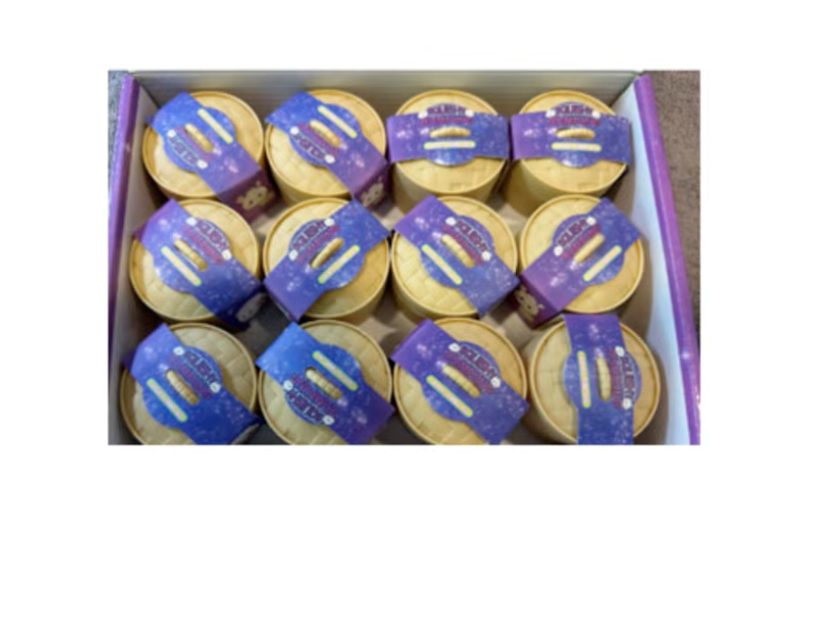
Box of round squishy toys in yellow and purple packaging
Some colorful squishy toys contain expandable water beads that can become dangerous if the outer covering breaks and a child swallows the contents. About 37,000 Squishy Dumpling and Crazy Squib Ball toys are included in the latest recall. (Schiffman Firm/YouTube).

A colorful squishy toy that looks like an innocent stress reliever may hide something parents cannot see: expandable water beads. About 37,000 Squishy Dumpling and Crazy Squib Ball toys were recalled on October 1 after regulators determined that their water beads could expand beyond federal limits and create a potentially deadly ingestion hazard. The latest water bead toy recall covers products sold nationwide, although no injuries have been reported in connection with these particular toys. For families, the bigger lesson is that a soft exterior does not necessarily mean the material inside is harmless. Here is what parents should know before another squishy toy lands in the playroom.

Why These Squishy Toys Are Being Recalled

The latest water bead toy recall involves ABC Trading Squishy Dumpling Toys, model 3655, and Crazy Squib Ball Toys, model 3984, according to PEOPLE. The dumplings are translucent and feature cartoon faces, glitter and water beads inside, while the Crazy Squib Balls are translucent squishies covered with white netting. About 37,000 units are affected, and the toys were sold between April and June 2026 for prices ranging from about 41 cents to $1.25. Owners are being told to stop using the toys and contact ABC Trading for a refund rather than handing them to another child or donating them. That low price can make throwing away a toy seem trivial, but the potential consequences of keeping it are considerably more serious.

The Danger Is Hidden Inside The Toy

Water beads are made from superabsorbent polymers, meaning they can become dramatically larger after contacting liquid, including fluids inside the body. The American Academy of Pediatrics’ HealthyChildren.org explains that water beads can continue growing after being swallowed, potentially causing an intestinal blockage and life-threatening damage. Another complication is that the beads may not be visible on X-rays, so parents should specifically mention a suspected exposure to medical professionals rather than assuming normal imaging settles the question. Warning signs can include vomiting, abdominal pain or swelling, constipation, drooling, lethargy, wheezing and refusing to eat. That makes the water bead toy recall more than a conventional choking warning because serious problems may develop after the bead has disappeared from sight.

The Numbers Show Why Parents Should Pay Attention

Researchers at Nationwide Children’s Hospital estimated 8,159 U.S. emergency department visits involving water beads among people younger than 20 from 2007 through 2022. More than half of those cases, 55%, involved children younger than 5, while swallowing accounted for 46% of the emergency visits studied. Researchers also found that water bead-related emergency department visits increased by more than 130% from 2021 to 2022, showing how quickly exposure became a pediatric safety concern. The current water bead toy recall comes amid a wider crackdown on questionable squishies, with Consumer Reports reporting in August that 355,683 dangerous squishy toys had been stopped from entering the United States at ports. For families, those numbers are a reminder that an inexpensive toy being available online or in a store does not automatically guarantee that it meets every federal safety requirement.

Check The Toy Box Before Assuming You Are Safe

Parents should look beyond the newest water bead toy recall and inspect other squishy toys already scattered through bedrooms, backpacks, cars and playrooms. Pay particular attention to toys with an unknown manufacturer, missing safety information, leaking contents, unusual stickiness, strong odors or outer skins that tear easily. If a squishy breaks open and you discover small gel-like beads, keep children and pets away while carefully collecting the material rather than leaving stray pieces where a toddler could find them later. Families should also avoid experiments involving microwaving squishies because Consumer Reports found during testing that some squishy toys exploded after about 15 seconds in a microwave and reached temperatures around 200 degrees Fahrenheit. If a child may have swallowed a water bead, seek expert medical guidance promptly, and call 911 immediately if the child is choking or having difficulty breathing.

A Cute Toy Is Not Worth An Avoidable Risk

The water bead toy recall deserves attention precisely because the hazard can remain invisible until the outer covering breaks or a bead reaches a child. Parents do not need to panic about every squeeze toy, but they should identify manufacturers, examine packaging and take recalls seriously instead of assuming a cheap novelty item is too insignificant to pose a risk. If you own one of the recalled ABC Trading toys, remove it from use immediately and follow the refund instructions rather than selling, donating or passing it along. Families with babies and toddlers should be particularly cautious about expandable beads, including products purchased for older siblings who may leave them within reach.

Have you ever checked what is actually inside your child’s favorite squishy toy, and will this recall make you look more closely at the toys already in your home? Share your thoughts and experiences in the comments.

What to Read Next

Bought Kids’ Toys From SHEIN or Amazon? Check These New Recalls Before Playtime

Choking Incident Prompts Recall of 49,000 Target Gigglescape “Under the Sea” Popping Toys

CVS Medicated Wipes Recalled Over Child-Poisoning Risk

Evan Morgan

Evan Morgan has been a full-time freelance writer and editor for 10+ years. When not working, he enjoys catching the latest true crime documentary or getting lost in a good book.
Filed Under: Safety Tagged With: child safety, CPSC, kids toys, Parenting, product recalls, squishy toys, toy recall, toy safety, water bead toy recall, water beads

Bought Kids’ Toys From SHEIN or Amazon? Check These New Recalls Before Playtime

September 26, 2026 | Leave a Comment

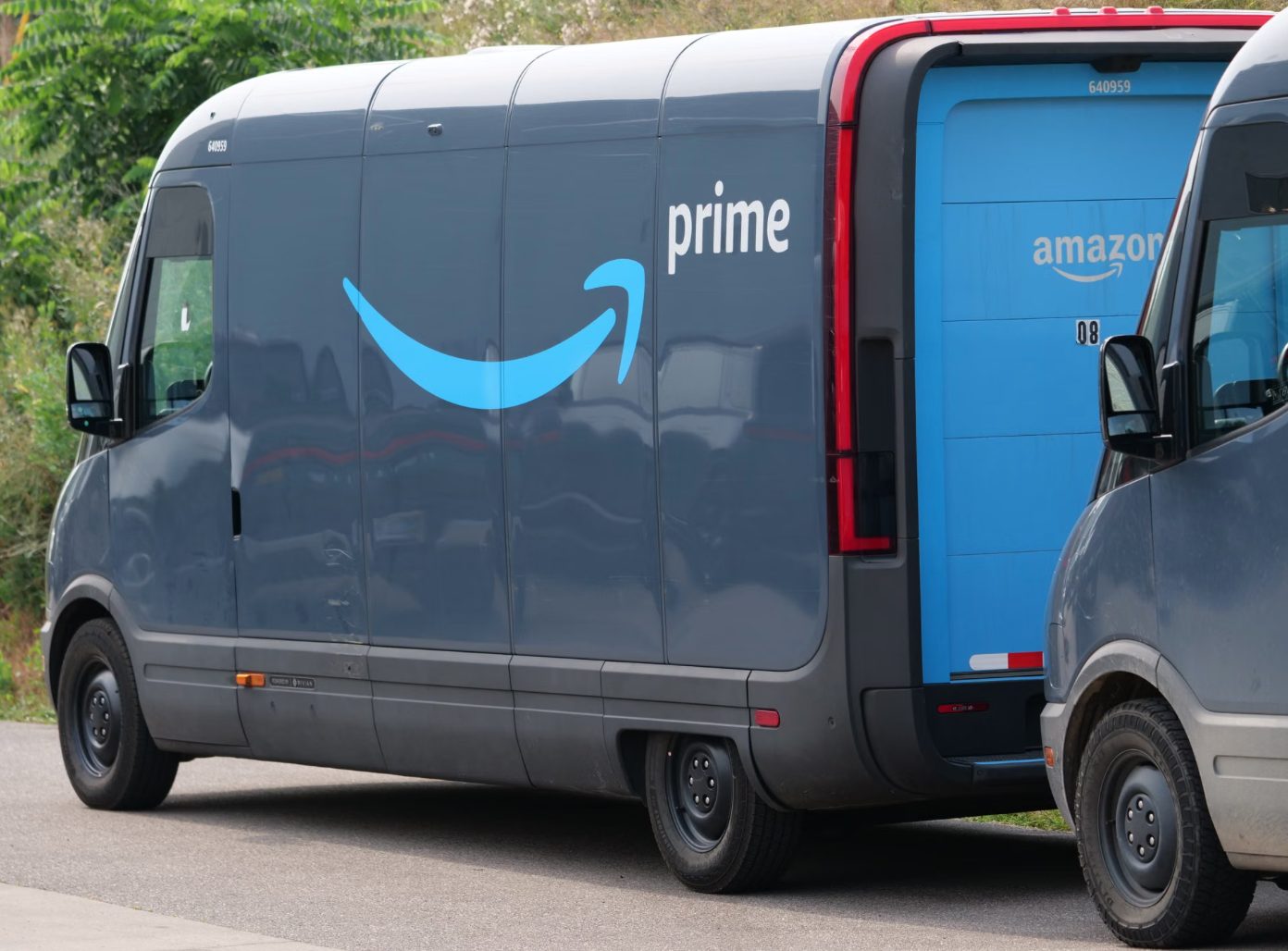
Amazon Prime delivery vans parked on a street
Several September 2026 toy recalls involve products sold through Amazon and SHEIN, including magnetic figures, busy boards and teething toys. Parents should check product names, SKUs and past online orders before letting children continue playing with potentially affected items. (Pexels).

A toy that looked harmless when it arrived on your doorstep may deserve another look before your child plays with it. Several new toy recalls announced in September involve products sold through SHEIN, Amazon and other retailers, with hazards ranging from detachable magnets to choking risks and expanding water beads. Some affected products were inexpensive impulse buys, while others were sold for years before being recalled. That makes checking old order histories just as important as inspecting something purchased last week. Parents should pay particular attention to the following toy recalls, especially if younger children or siblings have access to the products.

Amazon-Sold Magnetic Figures Led To Two Hospitalizations

One of the most serious recent toy recalls involves approximately 38,507 Jerify Magnetic Humanoid Toy Sets sold on Amazon from October 2022 through May 2026 for about $21. According to PEOPLE, two children removed and swallowed magnets from the figures, and both were hospitalized. The 30-piece sets contain colorful human-shaped figures with magnets in their hands and feet, and the recalled package carries the Jerify name and number X003ADA3TD. High-powered magnets are especially dangerous when more than one is swallowed because they can attract across intestinal tissue, potentially causing blockage, perforation or other life-threatening injuries. Families with this set should stop using it immediately and follow the recall instructions for obtaining a full refund rather than simply putting it on a higher shelf.

A Popular Amazon Busy Board Has A Choking Hazard

Another major Amazon-related recall covers about 276,000 Esjay Toddler Busy Board Montessori Toys, making it one of the largest of these recent toy recalls. The blue felt boards, sold from March 2023 through July 2026 for $18 to $30, have five pages, and red knobs on the second page can detach and become a choking hazard for children under 3, according to Total Preschool. The good news is that no injuries were reported when the September 17 recall was announced, and owners do not necessarily have to discard the entire board. Esjay instructs consumers to remove the affected page, mark it “RECALLED,” dispose of it and submit a photo to receive a replacement page. A parent who paid $30 for the board therefore should not automatically spend another $30 on a replacement toy before checking whether the free repair remedy applies.

SHEIN Teething And Spiral Toys Are Also Recalled

SHEIN shoppers have multiple toy recalls to check, including roughly 644 Pull & Chew Montessori Teething Toys recalled September 17 because their silicone strings can extend far enough into a child’s mouth to create a choking risk. The affected teethers were sold for about $10 from December 2025 through April 2026, and the recall is also documented by the nonprofit toy-safety organization W.A.T.C.H. Earlier in September, SHEIN recalled approximately 963 Spiral Toys sold for $6 to $16 because small yellow balls included with the toys violate requirements intended to protect children under 3 from choking. Neither SHEIN recall had reported injuries when announced, but the absence of reported injuries does not make continued use advisable. Parents should compare the product name, packaging and SKU with recall information rather than assuming a similar-looking toy is automatically included.

Small Decorative Magnets Deserve Attention Too

Not every child safety risk comes from something explicitly marketed as a toy, which is an important limitation parents should remember when checking toy recalls. On September 10, SHEIN recalled about 4,640 bear-shaped decorative refrigerator magnets sold between May 2025 and February 2026 for just $3 to $4 because the loose magnets can create an ingestion hazard. The colorful magnets were available in packages of 10, 20 or 30 and carry SKU sh2403211731230106, making that number more reliable than appearance alone when identifying them. The danger is easy to overlook because parents may place refrigerator decorations within reach without thinking of them as playthings, while young children may see the bear shapes differently. This is why families should include novelty items, decorations and older online purchases when conducting a quick safety sweep.

Squishy Toys With Water Beads Are Another Warning Sign

Parents should also inspect squishy toys containing water beads, particularly dumpling- or bun-shaped products that have become popular online. NBC Chicago reported on a September 17 recall of 276 green Rainbow Mystery Squishy Bun Toys because their internal water beads can expand beyond permitted limits and create ingestion, choking and intestinal-obstruction hazards. That followed September 3 recalls involving about 7,200 pink Rainbow Mystery Squishy Bun Toys and about 8,000 GIHNJSI Squeezy Dumplings, the latter sold on Amazon for roughly $20. As the Houston Chronicle reported, the two earlier recalls alone covered more than 15,000 squeeze toys containing water beads. If a squishy toy breaks or leaks, parents should keep its contents away from children rather than assuming the tiny beads are harmless stuffing.

Check The Order History Before The Toy Box

The bigger lesson from these toy recalls is that price, popularity and an online marketplace listing are not substitutes for checking current safety information. Search your Amazon and SHEIN purchase histories for product names, then compare model numbers, SKUs, packaging and purchase dates with the recall notice before throwing anything away. Follow the stated remedy carefully because some companies require a photo showing that a product or component was marked or destroyed before issuing a refund or replacement. It is also worth checking toys handed down by relatives, stored for younger siblings or purchased months ago, since several newly recalled products were sold long before September 2026.

Have you ever discovered that a toy in your home had been recalled months after you bought it, and do you regularly check your online purchase history for recalls? Share your experience and safety tips in the comments.

What to Read Next

Choking Incident Prompts Recall of 49,000 Target Gigglescape “Under the Sea” Popping Toys

CVS Medicated Wipes Recalled Over Child-Poisoning Risk

Online Safety Experts Urge Parents to Check These Apps Before Summer Begins

Evan Morgan

Evan Morgan has been a full-time freelance writer and editor for 10+ years. When not working, he enjoys catching the latest true crime documentary or getting lost in a good book.

Filed Under: Parenting Tagged With: Amazon recalls, Amazon toys, child safety, Parenting, product recalls, recalled toys, SHEIN recalls, SHEIN toys, toy recalls, toy safety

10 Common Baby Products Now Under FDA Scrutiny

November 18, 2025 | Leave a Comment

10 Common Baby Products Now Under FDA Scrutiny
Image source: shutterstock.com

Parents trust that the items they buy for their babies are safe, gentle, and thoroughly tested. However, recent attention from the U.S. Food and Drug Administration (FDA) shows that even trusted baby products can raise red flags. From teething gels to sleep aids, regulators are taking a closer look at how certain items are marketed and manufactured. Understanding which products are now under review can help you make smarter, safer choices for your family.

1. Teething Gels and Tablets

Teething gels have long been a staple for soothing sore gums, but several brands are now under FDA scrutiny for containing harmful ingredients. Some formulas once included benzocaine or belladonna, which can cause serious side effects in infants. The FDA has advised parents to avoid products that promise “instant relief” without medical oversight. Natural alternatives like chilled teethers or gum massages are safer options. Always check labels carefully before applying anything to your baby’s gums.

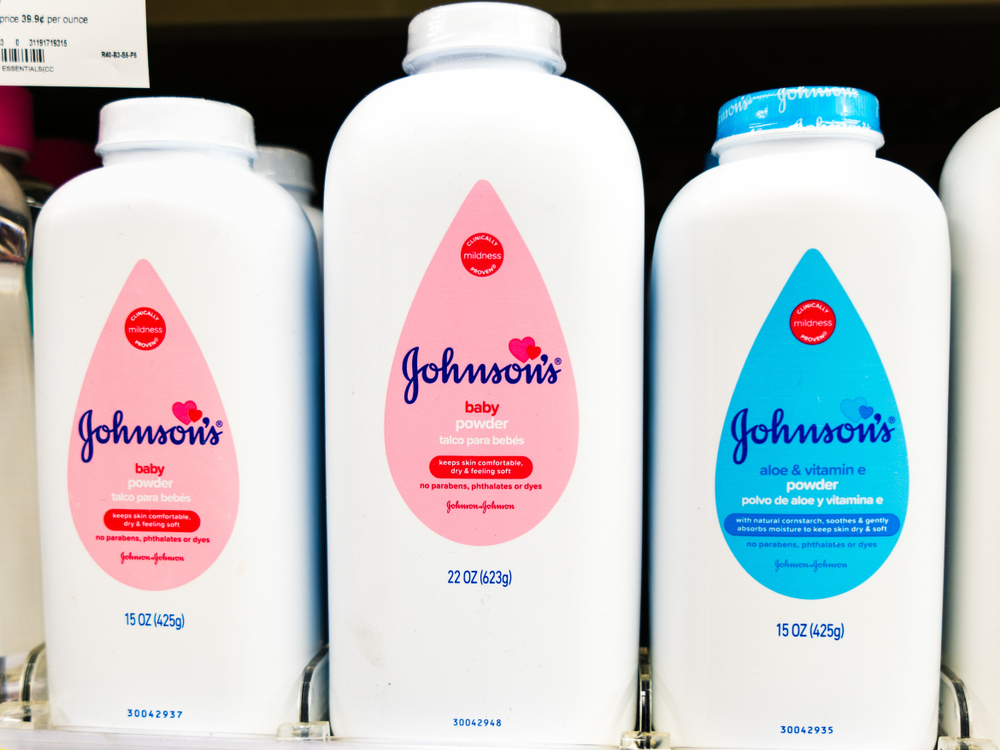
2. Baby Powders

For decades, baby powder symbolized freshness and comfort, but concerns about talc-based formulas have changed that perception. Some talc products may contain trace amounts of asbestos, leading to multiple lawsuits and increased FDA testing. Many parents are now choosing cornstarch-based versions to reduce risk. Still, it’s smart to avoid using powders near your baby’s face to prevent inhalation. This simple switch can protect your child’s respiratory health while maintaining dryness.

3. Infant Sleep Positioners

Sleep positioners were once promoted as solutions to prevent rolling or improve comfort, but they’ve become one of the most controversial baby products in recent years. The FDA has linked these items to suffocation risks and strongly discourages their use. Parents are advised to follow safe sleep guidelines—placing babies on their backs on a firm, flat surface with no soft bedding or padding. Simplicity is best when it comes to sleep safety. The ongoing review highlights the importance of avoiding unnecessary sleep accessories.

4. Baby Lotions and Creams

Even gentle-sounding lotions marketed for sensitive skin can sometimes contain allergens or endocrine-disrupting chemicals. The FDA is investigating several formulations for hidden irritants such as parabens, formaldehyde releasers, and synthetic fragrances. Parents are encouraged to choose fragrance-free, dermatologist-tested products instead. Reading ingredient lists can make a big difference in protecting delicate skin. Simple, plant-based moisturizers often work just as well without unnecessary additives.

5. Infant Formula Additives

Many parents rely on formula to nourish their babies, but some additives have drawn the FDA’s attention. Probiotic and prebiotic blends, once marketed as immune boosters, are under review for safety and efficacy. The concern isn’t with formula itself but with unregulated claims and inconsistent quality controls among manufacturers. It’s crucial to stick with well-established brands and consult your pediatrician before switching types. This ensures your baby receives proper nutrition without unnecessary risks.

6. Baby Wipes

Baby wipes may seem harmless, yet some contain preservatives that can irritate skin or cause allergic reactions. The FDA is examining certain chemical preservatives linked to dermatitis in infants. Using fragrance-free, hypoallergenic wipes—or even warm water and soft cloths—can minimize exposure. When possible, look for wipes labeled “formaldehyde-free” and “no alcohol.” Small daily choices like these can have long-term benefits for your baby’s skin health.

7. Infant Cough and Cold Remedies

Many over-the-counter cough and cold medicines claim to be safe for babies but are now under FDA scrutiny for potential side effects. These products often include ingredients that are not clinically proven for infants and can cause drowsiness or breathing problems. The FDA recommends avoiding any cough or cold medications for children under two years old unless prescribed. Instead, try natural remedies like humidifiers or saline drops. Parental caution can help prevent unnecessary health complications.

8. Baby Sunscreens

Baby sunscreens sound protective, but not all are created equal. Some formulas contain chemical UV filters that can irritate sensitive skin or absorb into the bloodstream. The FDA is re-evaluating several common sunscreen ingredients, including oxybenzone and octinoxate. Mineral-based sunscreens with zinc oxide or titanium dioxide are considered safer alternatives. Be sure to apply them generously and reapply during sun exposure for consistent protection.

9. Pacifiers with Built-In Thermometers or Lights

High-tech pacifiers are marketed as convenient tools for monitoring temperature or soothing babies with gentle lights. However, the FDA has raised questions about their accuracy and potential choking hazards. Electrical components and small batteries can pose serious risks if damaged. Traditional, single-piece pacifiers without added features remain the safest option. Always inspect pacifiers regularly for wear or damage before giving them to your baby.

10. Herbal Teas and Drops for Colic

Herbal supplements marketed to calm colicky babies are also under review. The FDA is investigating several blends containing ingredients not proven safe for infants, such as fennel or chamomile extracts. Even natural ingredients can interfere with digestion or cause allergic reactions. Parents should discuss any herbal remedies with their pediatrician before use. Staying cautious about unregulated products can prevent unexpected health issues.

Staying Informed Protects Your Baby

Parents want to believe that every baby product on store shelves has been rigorously vetted, but that isn’t always the case. By staying aware of items under FDA scrutiny, you can make proactive choices and avoid potential risks. Look for safety certifications, read ingredients closely, and follow trusted pediatric advice when selecting products. Awareness, not fear, is the key to smarter parenting.

Which of these baby products surprised you the most? Share your thoughts and experiences in the comments below!

What to Read Next…

The Hidden Truth: 8 Common Cleaning Products Toxic For Kids

Toddler Danger: 8 Everyday Products Dangerous for Toddlers

Experts Are Worried: 10 “Eco-Friendly” Baby Products With Harmful Chemicals

10 Children’s Medications That Were Recently Recalled

7 Popular Lunch Snacks That Were Quietly Recalled

Catherine Reed
Catherine Reed

Catherine is a tech-savvy writer who has focused on the personal finance space for more than eight years. She has a Bachelor’s in Information Technology and enjoys showcasing how tech can simplify everyday personal finance tasks like budgeting, spending tracking, and planning for the future. Additionally, she’s explored the ins and outs of the world of side hustles and loves to share what she’s learned along the way. When she’s not working, you can find her relaxing at home in the Pacific Northwest with her two cats or enjoying a cup of coffee at her neighborhood cafe.

Filed Under: Safety Tagged With: baby health, baby products, baby safety, FDA updates, infant care, newborn essentials, parenting tips, product recalls

9 Baby Brands That Parents Are Quietly Boycotting

October 21, 2025 | Leave a Comment

9 Baby Brands That Parents Are Quietly Boycotting
Image source: shutterstock.com

Parents are paying closer attention than ever to what they buy for their babies. Whether it’s over product recalls, ingredient transparency, or corporate controversies, many families are voting with their wallets and walking away from certain brands. Some of these companies once enjoyed unwavering loyalty, but changing values and rising awareness around safety, sustainability, and ethics have shifted the landscape. As more parents discuss their experiences online, the list of baby brands that parents are quietly boycotting continues to grow—and it’s changing how companies earn trust.

1. Johnson & Johnson

Johnson & Johnson has long been a household name, but in recent years, parents have begun distancing themselves from it. Much of this comes from lingering concerns over past lawsuits involving talcum powder and claims of asbestos contamination. Even though the company has reformulated and defended its products, some families remain skeptical about the brand’s transparency. When discussing baby brands that parents are quietly boycotting, Johnson & Johnson often tops the list because of trust issues rather than performance. Parents are now seeking cleaner, more transparent baby care alternatives.

2. Gerber

For generations, Gerber was synonymous with baby food, but today’s parents are more cautious. Several reports have highlighted heavy metal levels in baby food across multiple brands, and Gerber was among those scrutinized. Although the company has taken steps to improve testing, many families have switched to smaller, organic brands. In conversations about baby brands that parents are quietly boycotting, Gerber often surfaces as a symbol of outdated manufacturing practices. Parents increasingly prefer baby food companies that clearly label sourcing and safety standards.

3. Pampers

Pampers remains a top diaper brand, but its reputation has taken some hits among parents advocating for eco-friendly alternatives. Concerns over fragrance ingredients, landfill waste, and skin sensitivity have pushed many families toward biodegradable or cloth options. Online discussions frequently point out the high cost and environmental impact of traditional disposable diapers. As awareness of sustainable parenting grows, Pampers finds itself among the baby brands that parents are quietly boycotting for greener options. Modern parents want performance without guilt.

4. Similac

The infant formula industry has faced growing scrutiny, and Similac has been at the center of several controversies. Recalls tied to contamination and bacterial concerns have made many parents uneasy. Even though such incidents are rare, they leave lasting impressions when it comes to infant safety. In lists of baby brands that parents are quietly boycotting, Similac appears due to both health fears and frustration over supply chain issues during shortages. Parents now seek brands with transparent sourcing and more reliable availability.

5. Fisher-Price

Once a staple of childhood play, Fisher-Price has dealt with multiple recalls over the past few years. The most concerning involved the Rock ’n Play Sleeper, which was linked to infant fatalities and later removed from the market. Even after the recall, trust hasn’t fully recovered among many parents. As a result, Fisher-Price often lands on lists of baby brands that parents are quietly boycotting because safety should never be an afterthought. Parents are opting for newer, safety-first toy and gear companies instead.

6. Enfamil

Enfamil, another major baby formula brand, has faced its share of controversy as well. Lawsuits have emerged alleging potential links between certain formula products and health issues in premature infants. While scientific consensus remains complex, the public relations damage has been significant. For many families, the uncertainty is enough to explore smaller or European formula alternatives. Enfamil’s inclusion among baby brands that parents are quietly boycotting reflects a growing desire for cleaner labels and rigorous testing.

7. Huggies

Huggies has a loyal following, but even that loyalty is starting to waver. Environmental concerns and chemical sensitivity reports have made parents rethink disposable diaper brands altogether. Critics point out that while Huggies markets itself as gentle, it still uses materials that don’t align with eco-conscious values. As sustainability takes center stage, many families now prefer plant-based or reusable diapers. That trend has quietly placed Huggies among the baby brands that parents are quietly boycotting in favor of greener solutions.

8. Baby Einstein

Baby Einstein was once a go-to name for educational toys and videos, but research later found little evidence that the products enhanced cognitive development. Some parents even felt misled by earlier marketing claims suggesting the toys could accelerate learning. Today, many families prefer interactive play, real-world exploration, and screen-free activities instead. Among baby brands that parents are quietly boycotting, Baby Einstein stands out for shifting perceptions about early education. Parents have learned that meaningful learning doesn’t come in a box or video.

9. Nestlé

Nestlé’s reputation in the baby market remains controversial after decades of criticism over its formula marketing practices, particularly in developing countries. Although the company continues to operate globally, ethical concerns have driven many parents to boycott its baby products entirely. Critics argue that Nestlé’s focus on profits sometimes overshadows public health interests. This history continues to influence modern consumer behavior, with Nestlé frequently included among baby brands that parents are quietly boycotting. Trust, once lost, is difficult to regain in such a sensitive market.

Parents Are Demanding Accountability, Not Perfection

Parents today are more informed, connected, and outspoken than ever before. When they stop supporting certain baby brands that parents are quietly boycotting, it’s not just about one bad experience—it’s about broader patterns of accountability, transparency, and values. Modern parents want companies to take responsibility for safety, sustainability, and ethics without waiting for public backlash. The shift isn’t about cancel culture; it’s about conscious consumerism. In the end, brands that listen, evolve, and earn back trust will be the ones parents truly stand behind.

Have you stopped buying from any of these baby brands? What drives your purchasing decisions most—safety, ethics, or sustainability? Share your thoughts in the comments.

What to Read Next…

10 Popular Diaper Brands That Have Faced Consumer Complaints

Beyond The Brand: 8 Common Kid Snacks With Dangerous Allergens

Are the Brands You’re Buying for Your Child Worth the Money?

7 Luxury Brands That Parents Won’t Stop Buying Their Kids Even When It’s Out of Their Budget

4 Diaper Brands That Are Nothing More Than Elevated Paper Towels

Catherine Reed
Catherine Reed

Catherine is a tech-savvy writer who has focused on the personal finance space for more than eight years. She has a Bachelor’s in Information Technology and enjoys showcasing how tech can simplify everyday personal finance tasks like budgeting, spending tracking, and planning for the future. Additionally, she’s explored the ins and outs of the world of side hustles and loves to share what she’s learned along the way. When she’s not working, you can find her relaxing at home in the Pacific Northwest with her two cats or enjoying a cup of coffee at her neighborhood cafe.

Filed Under: Shopping Tagged With: baby products, baby safety, brand trust, consumer trends, ethical shopping, Family Finance, Parenting, product recalls, sustainability

7 Popular Lunch Snacks That Were Quietly Recalled

August 11, 2025 | Leave a Comment

7 Popular Lunch Snacks That Were Quietly Recalled
Image source: 123rf.com

It’s easy to assume that if a snack is on store shelves, it must be safe. But in recent months, several widely loved lunch snacks have been quietly pulled from distribution due to contamination risks and labeling issues. If you regularly pack your child’s lunch, knowing which products were recalled could protect your family from serious health concerns. The problem? Many of these recalls didn’t make national headlines. Here’s what every parent should know about recently recalled lunch snacks that might still be lurking in pantries or lunchboxes.

1. Cheese Crackers With Hidden Salmonella Risk

Cheese crackers are a staple in many lunchboxes, but one popular brand faced a recall due to potential salmonella contamination. The recall affected certain batches that were distributed to multiple major retailers, making it easy for parents to miss the warning. While no illnesses were reported at the time of recall, the manufacturer acted out of caution. The concern stemmed from a dairy supplier that flagged possible contamination during routine safety checks. If you bought cheese crackers in bulk, it’s worth double-checking expiration dates and lot numbers.

2. Fruit Pouches Found with Mold Inside

Fruit puree pouches are a go-to snack for younger kids, but several lots from a recognizable organic brand were recently pulled due to mold growth. The company received complaints about discoloration, and internal testing confirmed microbial contamination. Even though the mold posed a minimal health risk, it still triggered upset stomachs in a handful of children. These pouches are often tossed into lunchboxes without a second thought, making it vital to inspect any remaining stock at home. The affected products had expiration dates within a specific three-month window.

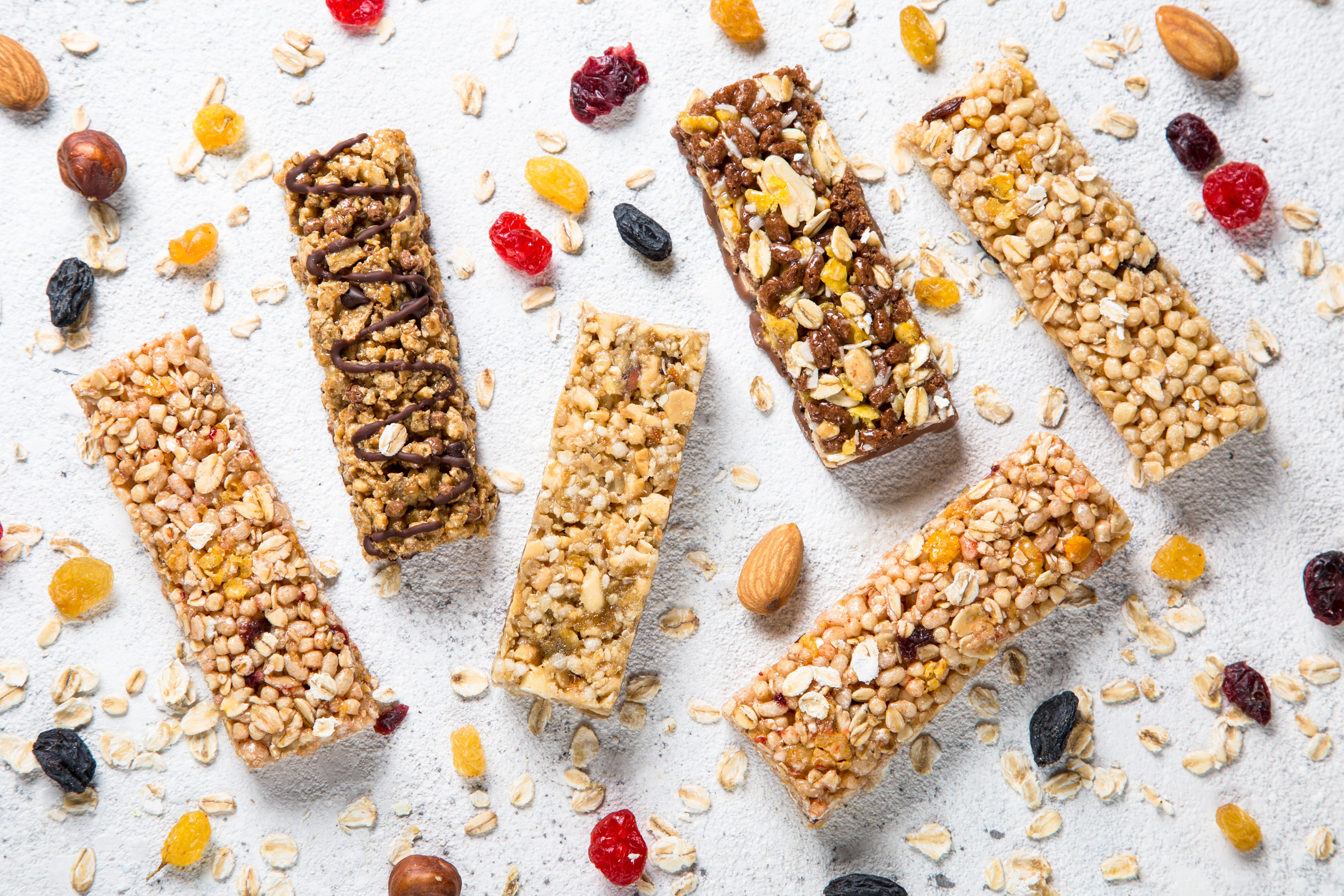
3. Granola Bars with Undeclared Allergens

Granola bars are marketed as a healthy lunch snack, but a popular variety had to be recalled when it was discovered that some batches contained peanuts, which weren’t listed on the label. This posed a significant danger to kids with severe peanut allergies. The error was blamed on cross-contamination during manufacturing, and the company swiftly notified the FDA. Parents were advised to discard the bars immediately or return them for a full refund. If your child has food allergies, it’s a good reminder to always scan packaging closely—even on trusted brands.

4. Yogurt Tubes Recalled for Plastic Fragments

Several families were shocked to learn that a beloved kid-friendly yogurt tube was pulled after customers reported finding small plastic fragments inside. Though no injuries were reported, the company voluntarily issued the recall due to the risk of choking or internal injury. These tubes are often frozen and packed as part of school lunches, making the risk even harder to detect before consumption. The issue was traced back to a malfunction in a packaging machine at one production facility. Always inspect prepackaged lunch snacks for any odd textures or shapes before serving.

5. Mini Muffins with Possible Listeria Contamination

Mini muffins often feel like a harmless treat, but a recall linked to listeria fears made waves among parents earlier this year. The baked goods were produced at a facility that later tested positive for listeria monocytogenes, a bacteria that can cause serious illness. Although no confirmed cases were tied to the muffins, they were widely distributed across the U.S. Many parents stock these muffins in bulk for school lunches and after-school snacks, meaning they could still be sitting in pantries or freezers. If you’ve kept unopened packs, check the lot codes and dispose of them if they match the recalled list.

6. Meat Sticks Pulled Over Mislabeling

Meat sticks are a protein-packed option for lunch, but one high-profile brand issued a recall after discovering that their packaging listed incorrect ingredients. In some cases, the meat sticks contained milk or soy—common allergens not mentioned on the label. This mistake raised serious health concerns for kids with dietary restrictions or allergies. The USDA quickly flagged the issue and urged customers to return the affected products. Parents who rely on these for school lunches should verify labels before serving and sign up for allergen-related recall alerts when available.

7. Trail Mix Recalled for Foreign Material

One brand of kid-friendly trail mix faced a recall after consumers found small metal shavings in the mix. This posed obvious dangers, including potential mouth injuries or worse if swallowed. The issue reportedly stemmed from a faulty machine used during the nut processing stage. The affected batches were sold in resealable lunch-sized pouches, making them a common choice for busy families on the go. If you’ve purchased trail mix recently, especially in multi-packs, take a moment to inspect each pouch before adding them to your child’s lunch rotation.

Stay Informed and Snack Safely

Recalls involving lunch snacks can be easy to miss, especially when announcements fly under the radar. But with so many kids relying on packaged snacks every day, it’s essential to stay alert. Take a few minutes each month to check the FDA and USDA recall lists—or sign up for alerts to stay informed automatically. Consider rotating snacks with fresher, homemade options when possible to reduce reliance on processed products. Most importantly, teach your children to speak up if something tastes or smells off in their food.

Have you ever discovered a recalled item in your pantry? Share your experience in the comments—we’d love to hear from you.

Read More:

10 Snacks That Are Making Your Kids Overweight and Unhealthy

6 Lunchbox Ingredients That Can Trigger Allergies Without Warning

Catherine Reed
Catherine Reed

Catherine is a tech-savvy writer who has focused on the personal finance space for more than eight years. She has a Bachelor’s in Information Technology and enjoys showcasing how tech can simplify everyday personal finance tasks like budgeting, spending tracking, and planning for the future. Additionally, she’s explored the ins and outs of the world of side hustles and loves to share what she’s learned along the way. When she’s not working, you can find her relaxing at home in the Pacific Northwest with her two cats or enjoying a cup of coffee at her neighborhood cafe.

Filed Under: Healthy Living & Eating Tagged With: child health, food recalls, kids nutrition, lunch snacks, parenting tips, product recalls, school lunch safety

5 Toys That Were Never Designed to Be Used by Children

March 31, 2025 | Leave a Comment

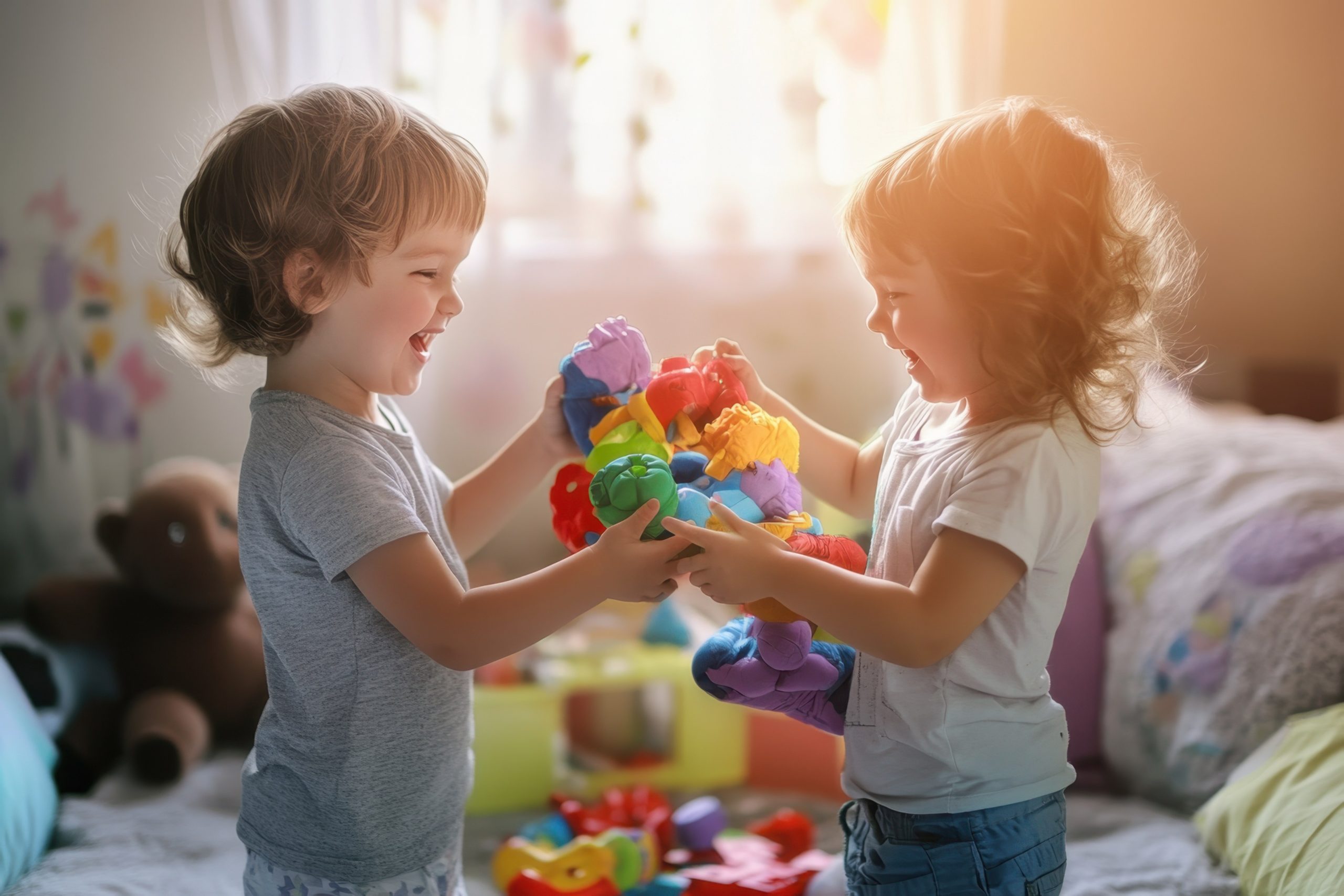
Two young children are happily sharing and playing with vibrant toys in a well-lit bedroom.
Image Source: 123rf.com

When choosing toys for children, safety and age-appropriateness are paramount. However, some items that appear fun and engaging were never designed for young hands, posing unexpected dangers. This article examines five such items that have, at times, been mistaken as suitable for children. By understanding the origins and intended use of these products, parents can avoid potential hazards. Read on to learn about these toys and why they should be kept out of reach of little ones.

1. Magnetic Building Sets

Magnetic building sets, like Magnetix, were marketed as creative construction toys but contain small, powerful magnets. These magnets can detach and, if swallowed, may attract each other inside the body, causing serious injuries. The risks associated with these detachable parts have led to recalls and warnings in the past. Ensuring that toys with small components are age-appropriate is crucial for safety. Parents must be vigilant about checking toy recalls and product safety ratings.

2. Yo-Yo Water Balls

Yo-Yo water balls are stretchy, liquid-filled toys designed for bouncing and swinging. Despite their playful appearance, they pose significant hazards due to long elastic cords. If a cord gets entangled around a child’s neck, it can lead to strangulation. Safety concerns have prompted warnings and recalls in several markets. This example highlights the need to scrutinize the design of seemingly innocent toys.

3. Bindeez/Beados Bead Sets

Bindeez, also known as Beados, are bead sets that allow children to create colorful designs. Unfortunately, certain batches contained a chemical that, when ingested, metabolized into a harmful substance. This serious safety issue led to widespread recalls and heightened awareness about chemical safety in toys. The incident serves as a reminder to check the safety certifications of toys before purchase. Parents should always prioritize products with verified, non-toxic materials.

4. Cabbage Patch Snacktime Kids Dolls

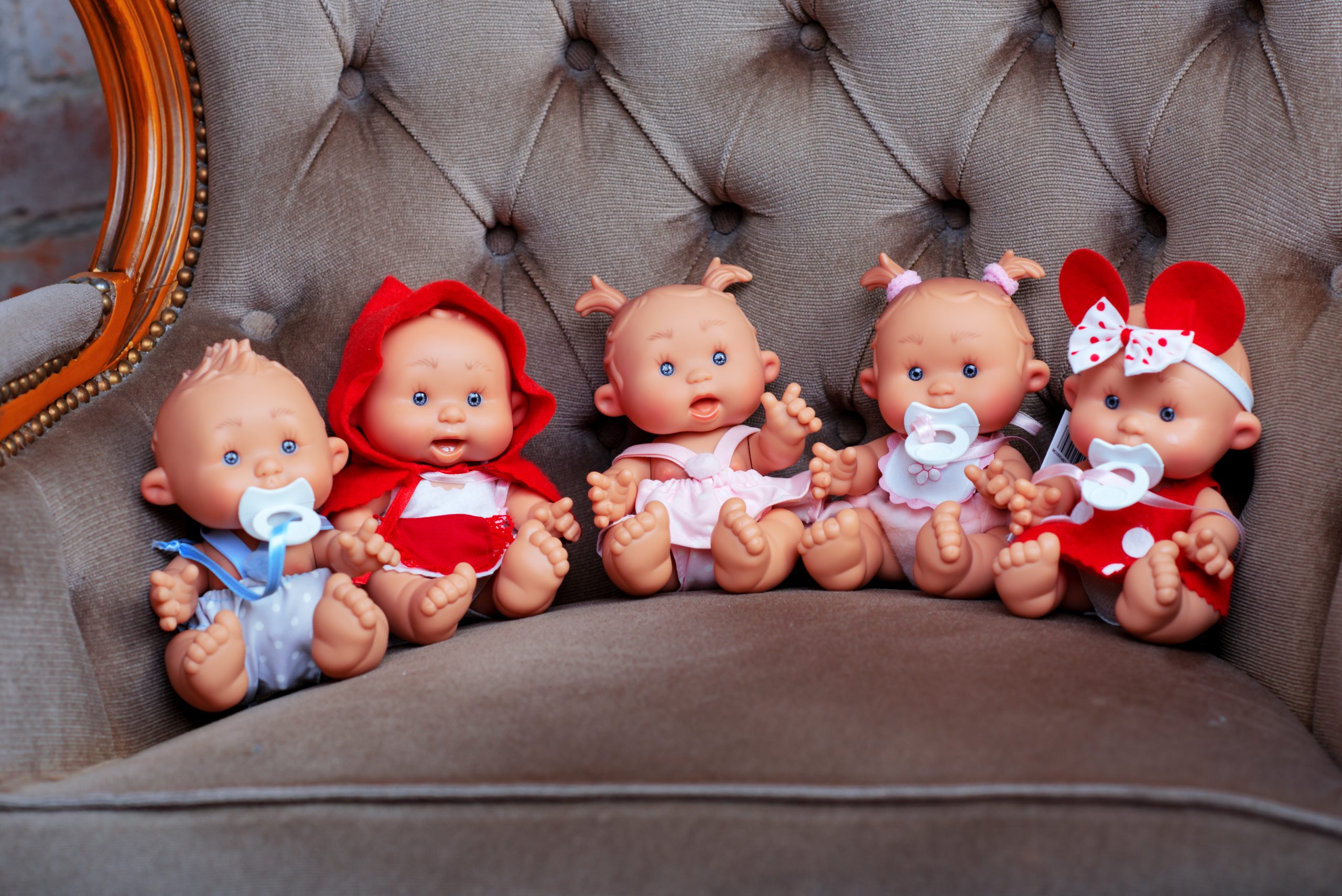
cute doll on a light textile clothing natural
Image Source: 123rf.com

The Cabbage Patch Snacktime Kids dolls were designed with a mechanism to mimic eating, but this feature proved hazardous. The doll’s mechanism sometimes caught children’s fingers or hair, resulting in injuries. Due to numerous incidents, these dolls were eventually withdrawn from the market. This case illustrates the potential dangers of mechanical components in toys not designed with young children in mind. It underscores the importance of reviewing product safety records before allowing play.

5. Lawn Darts

Lawn darts, also known as Jarts, are outdoor games featuring large, weighted darts intended to be thrown at targets. Their sharp metal tips and heavy design make them extremely dangerous in the wrong hands. Multiple reports of injuries and fatalities led to their ban in the United States in 1988. These items are a stark reminder that not all recreational products are suitable for children. Ensuring age-appropriate play is essential to prevent unnecessary accidents.

Why Knowing What’s Safe (and What’s Not) Matters for Your Child’s Well-Being

While some toys may appear enticing, it’s crucial to understand their intended use and associated risks. Many items that seem child-friendly were never designed with safety in mind and can pose serious hazards. Being informed about product recalls and safety standards is essential for protecting your child.

Have you encountered any toys that surprised you with their hidden dangers? Share your stories and insights in the comments below!

Read More:

8 Things You Should Never Allow Your Kids To Say To Their Grandparents

The Stranger Danger Myth: Teaching Kids About Real Safety Risks

Tamila McDonald
Tamila McDonald

Tamila McDonald is a U.S. Army veteran with 20 years of service, including five years as a military financial advisor. After retiring from the Army, she spent eight years as an AFCPE-certified personal financial advisor for wounded warriors and their families. Now she writes about personal finance and benefits programs for numerous financial websites.

Filed Under: Parenting Tagged With: child safety, non-child-friendly toys, Parenting, product recalls, toy safety

  • Facebook
  • Pinterest
  • RSS
  • Twitter

Basic Principles Of Good Parenting

Here some basic principles for good parenting:

  1. What You Do Matters: Your kids are watching you. So, be purposeful about what you want to accomplish.
  2. You Can’t be Too Loving: Don’t replace love with material possessions, lowered expectations or leniency.
  3. Be Involved Your Kids Life: Arrange your priorities to focus on what your kid’s needs. Be there mentally and physically.
  4. Adapt Your Parenting: Children grow quickly, so keep pace with your child’s development.
  5. Establish and Set Rules: The rules you set for children will establish the rules they set for themselves later.  Avoid harsh discipline and be consistent.
  6. Explain Your Decisions: What is obvious to you may not be evident to your child. They don’t have the experience you do.
  7. Be Respectful To Your Child: How you treat your child is how they will treat others.  Be polite, respectful and make an effort to pay attention.
Best Parenting Blogs

Most Popular

Baby

9 Baby Names That Sound Rare Without Being Hard to Spell

Evan Morgan
Baby

9 Unusual Baby Names That Sound Like They Belong to Future CEOs

Evan Morgan
Target Store

Choking Incident Prompts Recall of 49,000 Target Gigglescape “Under the Sea” Popping Toys

Evan Morgan
Frustrated Girl

Why Some Students on the Spectrum Are Labeled With ODD

Evan Morgan
Coke Bottles

12 Things Kids Took to School in the ’70s That Would Never Be Allowed Today

Evan Morgan

All content on Kids Ain’t Cheap is for entertainment purposes only. By reading this blog, you agree that Kids Ain’t Cheap is not responsible for any actions taken after reading this blog. For the full disclaimer, see our privacy policy.

Please note that Kids Ain’t Cheap has financial relationships with some of the merchants mentioned here. Kids Ain’t Cheap is funded by banner advertising, commission sales and search optimization consulting.

Copyright © 2006–2026 | District Media | All Rights Reserved | Privacy Policy

Copyright © 2026 Runway Pro Theme by Viva la Violette