• Home
  • About Us
  • Toolkit
  • Archives
  • Advertise
  • Privacy Policy

Kids Ain't Cheap

But They Sure Are Worth It

  • Parenting
    • Baby Stuff
    • Books and Reading
      • Aesops Fables
      • Comic Books
    • Education
    • Family Time
    • Green Living
    • Growing Up
    • Healthy Living & Eating
    • Holidays
    • Parenting
    • Random Musings
    • Shopping
    • Stuff to Do
  • Money
  • Product Reviews
    • Books and Magazines
    • Discount Sites
    • Furniture
    • House Keeping
    • Reviews News
    • Toys and Games
  • Contact Us
  • Our Editorial Commitment
  • Search

That Cute Squishy Toy Contains Water Beads — CPSC Says Stop Using It

October 7, 2026 | Leave a Comment

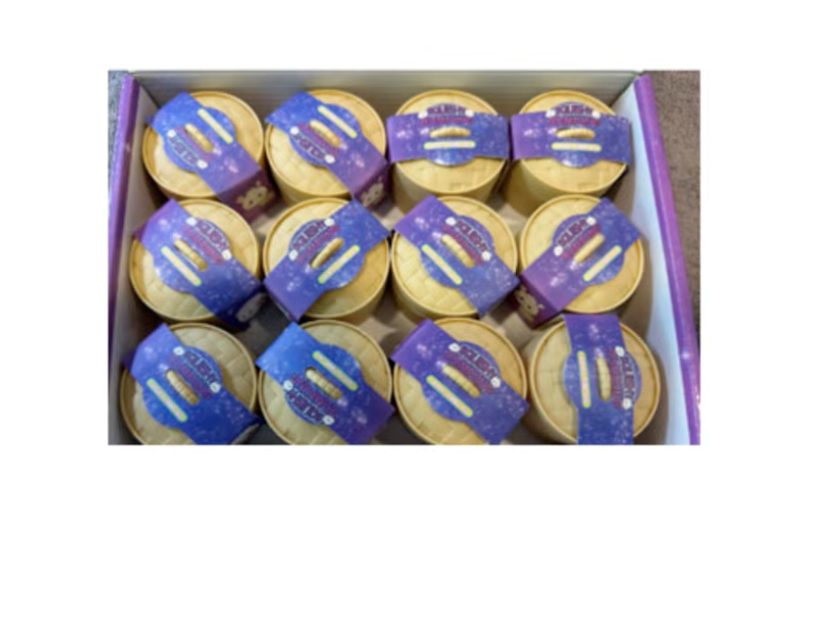
Squishy Toy Recall
Some colorful squishy toys contain expandable water beads that can become dangerous if the outer covering breaks and a child swallows the contents. About 37,000 Squishy Dumpling and Crazy Squib Ball toys are included in the latest recall. (Schiffman Firm/YouTube).

A colorful squishy toy that looks like an innocent stress reliever may hide something parents cannot see: expandable water beads. About 37,000 Squishy Dumpling and Crazy Squib Ball toys were recalled on October 1 after regulators determined that their water beads could expand beyond federal limits and create a potentially deadly ingestion hazard. The latest water bead toy recall covers products sold nationwide, although no injuries have been reported in connection with these particular toys. For families, the bigger lesson is that a soft exterior does not necessarily mean the material inside is harmless. Here is what parents should know before another squishy toy lands in the playroom.

Why These Squishy Toys Are Being Recalled

The latest water bead toy recall involves ABC Trading Squishy Dumpling Toys, model 3655, and Crazy Squib Ball Toys, model 3984, according to PEOPLE. The dumplings are translucent and feature cartoon faces, glitter and water beads inside, while the Crazy Squib Balls are translucent squishies covered with white netting. About 37,000 units are affected, and the toys were sold between April and June 2026 for prices ranging from about 41 cents to $1.25. Owners are being told to stop using the toys and contact ABC Trading for a refund rather than handing them to another child or donating them. That low price can make throwing away a toy seem trivial, but the potential consequences of keeping it are considerably more serious.

The Danger Is Hidden Inside The Toy

Water beads are made from superabsorbent polymers, meaning they can become dramatically larger after contacting liquid, including fluids inside the body. The American Academy of Pediatrics’ HealthyChildren.org explains that water beads can continue growing after being swallowed, potentially causing an intestinal blockage and life-threatening damage. Another complication is that the beads may not be visible on X-rays, so parents should specifically mention a suspected exposure to medical professionals rather than assuming normal imaging settles the question. Warning signs can include vomiting, abdominal pain or swelling, constipation, drooling, lethargy, wheezing and refusing to eat. That makes the water bead toy recall more than a conventional choking warning because serious problems may develop after the bead has disappeared from sight.

The Numbers Show Why Parents Should Pay Attention

Researchers at Nationwide Children’s Hospital estimated 8,159 U.S. emergency department visits involving water beads among people younger than 20 from 2007 through 2022. More than half of those cases, 55%, involved children younger than 5, while swallowing accounted for 46% of the emergency visits studied. Researchers also found that water bead-related emergency department visits increased by more than 130% from 2021 to 2022, showing how quickly exposure became a pediatric safety concern. The current water bead toy recall comes amid a wider crackdown on questionable squishies, with Consumer Reports reporting in August that 355,683 dangerous squishy toys had been stopped from entering the United States at ports. For families, those numbers are a reminder that an inexpensive toy being available online or in a store does not automatically guarantee that it meets every federal safety requirement.

Check The Toy Box Before Assuming You Are Safe

Parents should look beyond the newest water bead toy recall and inspect other squishy toys already scattered through bedrooms, backpacks, cars and playrooms. Pay particular attention to toys with an unknown manufacturer, missing safety information, leaking contents, unusual stickiness, strong odors or outer skins that tear easily. If a squishy breaks open and you discover small gel-like beads, keep children and pets away while carefully collecting the material rather than leaving stray pieces where a toddler could find them later. Families should also avoid experiments involving microwaving squishies because Consumer Reports found during testing that some squishy toys exploded after about 15 seconds in a microwave and reached temperatures around 200 degrees Fahrenheit. If a child may have swallowed a water bead, seek expert medical guidance promptly, and call 911 immediately if the child is choking or having difficulty breathing.

A Cute Toy Is Not Worth An Avoidable Risk

The water bead toy recall deserves attention precisely because the hazard can remain invisible until the outer covering breaks or a bead reaches a child. Parents do not need to panic about every squeeze toy, but they should identify manufacturers, examine packaging and take recalls seriously instead of assuming a cheap novelty item is too insignificant to pose a risk. If you own one of the recalled ABC Trading toys, remove it from use immediately and follow the refund instructions rather than selling, donating or passing it along. Families with babies and toddlers should be particularly cautious about expandable beads, including products purchased for older siblings who may leave them within reach.

Have you ever checked what is actually inside your child’s favorite squishy toy, and will this recall make you look more closely at the toys already in your home? Share your thoughts and experiences in the comments.

What to Read Next

Bought Kids’ Toys From SHEIN or Amazon? Check These New Recalls Before Playtime

Choking Incident Prompts Recall of 49,000 Target Gigglescape “Under the Sea” Popping Toys

CVS Medicated Wipes Recalled Over Child-Poisoning Risk

Evan Morgan

Evan Morgan has been a full-time freelance writer and editor for 10+ years. When not working, he enjoys catching the latest true crime documentary or getting lost in a good book.


Filed Under: Safety Tagged With: child safety, CPSC, kids toys, Parenting, product recalls, squishy toys, toy recall, toy safety, water bead toy recall, water beads

The Viral “Free Summer Camp” Link That’s Actually a Phishing Trap

April 9, 2026 | Leave a Comment

Kids Playing
Image Source: Pexels

Scrolling through social media, it’s easy to get swept up in feel-good posts—especially ones offering something as valuable as a free summer camp for kids. Parents, caregivers, and even teachers are quick to share these opportunities, hoping to help others. But what if that seemingly generous link is actually a trap? In recent months, cybersecurity experts have warned about a surge in phishing scams disguised as “free summer camp” offers. These scams are not only convincing but also emotionally targeted, making them particularly dangerous.

Why These Scams Spread So Quickly

The “free summer camp” scam thrives on urgency and emotional appeal, which are two powerful motivators for sharing content online. Parents often feel pressure to secure enriching activities for their children, especially during long summer breaks. When a post promises a limited-time opportunity, it creates a sense of scarcity that encourages quick action. Social media algorithms also amplify these posts as they gain traction, making them appear more trustworthy. Unfortunately, by the time users realize it’s a scam, the link may have already reached thousands.

How the Phishing Link Actually Works

At first glance, the link looks legitimate, often mimicking real organizations or well-known camp providers. Once clicked, users are directed to a professional-looking website that asks for personal information such as names, addresses, and even payment details. Some versions may request a small “registration fee,” which adds another layer of deception. Behind the scenes, scammers collect this data to commit identity theft or financial fraud. In more advanced cases, the link may even install malware on your device without your knowledge.

Red Flags You Should Never Ignore

There are several warning signs that can help you identify a phishing scam before it’s too late. First, check the URL carefully—many fake sites use slight misspellings or unusual domain endings. Second, be wary of posts that lack verifiable details or official contact information. Third, if the offer seems too good to be true, it probably is, especially when it involves something as costly as summer camp. Another red flag is pressure to act immediately, often paired with countdown timers or limited slots. Lastly, always question posts that are widely shared but lack credible sources.

The Real Consequences of Falling for It

Falling for a phishing scam can have serious and long-lasting consequences. Beyond losing money, victims may face identity theft, which can take months or even years to resolve. Personal information can be sold on the dark web, leading to unauthorized accounts or fraudulent transactions. In some cases, compromised devices can be used to spread additional scams to friends and family. The emotional toll is also significant, as victims often feel embarrassed or violated. This is why awareness and prevention are so critical.

How to Protect Yourself and Your Family

Protecting yourself starts with a healthy dose of skepticism and a few simple habits. Always verify offers through official websites or trusted organizations before clicking any link. Use strong, unique passwords and enable two-factor authentication wherever possible. Installing reputable antivirus software can also help detect and block malicious activity. Educating your family, especially children and older relatives, about online safety is equally important. By staying informed and cautious, you can significantly reduce your risk of falling victim to these scams.

Stay Smart, Stay Safe Online

The promise of a free summer camp is undeniably appealing, but it’s essential to approach such offers with caution. Scammers are becoming increasingly sophisticated, using emotional triggers and polished websites to deceive even the most vigilant users. By recognizing the warning signs and taking proactive steps, you can protect both your personal information and your peace of mind. Remember, a moment of skepticism can save you from a world of trouble. Staying informed is your best defense in today’s digital landscape.

Have you ever come across a suspicious “too good to be true” offer online? Share your experience in the comments below—your story could help someone else avoid falling into the same trap.

What to Read Next

7 School Fundraising Scams That Parents Are Tired Of

The Hidden Risk: 9 Financial Scams That Target Your Child’s Bank Account

Don’t Fall For This: 7 Social Media Challenges Kids Are Doing That Are Scams

Evan Morgan

Evan Morgan has been a full-time freelance writer and editor for 10+ years. When not working, he enjoys catching the latest true crime documentary or getting lost in a good book.

Filed Under: Safety Tagged With: cybersecurity tips, identity theft prevention, internet security, Online Safety, phishing scams, social media scams

Stop Posting Your Kids Online: The 2026 Safety Warning Every Parent Needs to Hear

April 1, 2026 | Leave a Comment

stop posting your kids online
Image source: shutterstock.com

Your social media feed probably looks like a digital scrapbook of your child’s most private moments. Every milestone and messy face is broadcast to a network of followers you barely know. It is easy to feel like this is a normal part of modern parenting. However, the system behind these platforms is designed to exploit your family’s data for profit and surveillance. You are not just sharing a photo; you are creating a permanent digital footprint without your child’s consent. You must stop posting your kids online to protect their future autonomy and physical safety in an increasingly digital world.

The Erosion of Digital Privacy

Tech giants rely on the constant stream of personal content to build sophisticated consumer profiles. When you upload a video, facial recognition software catalogs your child’s features instantly. This data persists long after you delete the original post or deactivate your account. Consequently, your child enters adulthood with a pre-defined identity shaped by algorithms. Surprisingly, even private accounts offer little protection against data scraping tools used by third-party brokers. On the other hand, a total blackout of personal imagery ensures that your child owns their own likeness.

The Rise of AI Exploitation

Artificial intelligence has fundamentally changed the risks associated with public imagery. Sophisticated bad actors now use simple family photos to create deepfake content or voice clones. By providing high-quality source material, you inadvertently assist those who wish to harm or impersonate your family. These tools require very little data to generate convincing and dangerous fabrications. Furthermore, the speed of AI development outpaces current legal protections for minors. Protecting your children now requires a proactive stance against any public data entry.

The Long-Term Consent Crisis

Children deserve the right to decide how they are presented to the world. Posting their tantrums or bathing photos takes away a choice they cannot yet understand. Many teenagers now report feeling betrayed by the extensive digital archives their parents created. This breach of trust can damage the parent-child relationship during the most sensitive developmental years. Therefore, prioritizing your child’s future comfort over your current social validation is an act of deep respect. Establishing boundaries today prevents a lifetime of digital regret for the next generation.

Reclaiming the Private Moment

Meaningful memories do not require a like count to be valid or important. Shifting back to physical photo albums and private messaging groups restores the sanctity of family life. You can still share updates with close relatives without exposing your life to the global internet. This transition reduces the pressure to perform for a digital audience during every family outing. Kids benefit from seeing their parents present and engaged rather than looking through a camera lens. Explore digital rights and read about privacy laws to understand the landscape of online protection.

How will you change your sharing habits to better protect your child’s digital future? Please think about your current posting frequency and leave a comment with your thoughts.

What to Read Next…

  • Why Schools Are Quietly Replacing Librarians with ‘Digital Media Specialists’
  • 6 Things That Can Happen When Parents Overshare About Their Kids Online
  • Think Before You Post: 7 Types of Photos You Should Never Post of Your Kids Online
Latrice Perez

Latrice is a dedicated professional with a rich background in social work, complemented by an Associate Degree in the field. Her journey has been uniquely shaped by the rewarding experience of being a stay-at-home mom to her two children, aged 13 and 5. This role has not only been a testament to her commitment to family but has also provided her with invaluable life lessons and insights.  As a mother, Latrice has embraced the opportunity to educate her children on essential life skills, with a special focus on financial literacy.

Filed Under: Safety Tagged With: AI risks, child safety, data privacy, digital privacy, Internet Safety, sharenting, stop posting your kids online

  • Facebook
  • Pinterest
  • RSS
  • Twitter
Best Parenting Blogs

Most Popular

Baby

9 Unusual Baby Names That Sound Like They Belong to Future CEOs

Evan Morgan
Baby

10 Baby Names That Were Once Considered “Grandparent Names” but Feel Cool Again

Evan Morgan
Target Store

Choking Incident Prompts Recall of 49,000 Target Gigglescape “Under the Sea” Popping Toys

Evan Morgan
Frustrated Girl

Why Some Students on the Spectrum Are Labeled With ODD

Evan Morgan
Coke Bottles

12 Things Kids Took to School in the ’70s That Would Never Be Allowed Today

Evan Morgan

All content on Kids Ain’t Cheap is for entertainment purposes only. By reading this blog, you agree that Kids Ain’t Cheap is not responsible for any actions taken after reading this blog. For the full disclaimer, see our privacy policy.

Please note that Kids Ain’t Cheap has financial relationships with some of the merchants mentioned here. Kids Ain’t Cheap is funded by banner advertising, commission sales and search optimization consulting.

Copyright © 2006–2026 | District Media | All Rights Reserved | Privacy Policy

Copyright © 2026 Runway Pro Theme by Viva la Violette