• Home
  • About Us
  • Toolkit
  • Archives
  • Advertise
  • Privacy Policy

Kids Ain't Cheap

But They Sure Are Worth It

  • Parenting
    • Baby Stuff
    • Books and Reading
      • Aesops Fables
      • Comic Books
    • Education
    • Family Time
    • Green Living
    • Growing Up
    • Healthy Living & Eating
    • Holidays
    • Parenting
    • Random Musings
    • Shopping
    • Stuff to Do
  • Money
  • Product Reviews
    • Books and Magazines
    • Discount Sites
    • Furniture
    • House Keeping
    • Reviews News
    • Toys and Games
  • Contact Us
  • Our Editorial Commitment
  • Search

Choking Incident Prompts Recall of 49,000 Target Gigglescape “Under the Sea” Popping Toys

July 17, 2026 | Leave a Comment

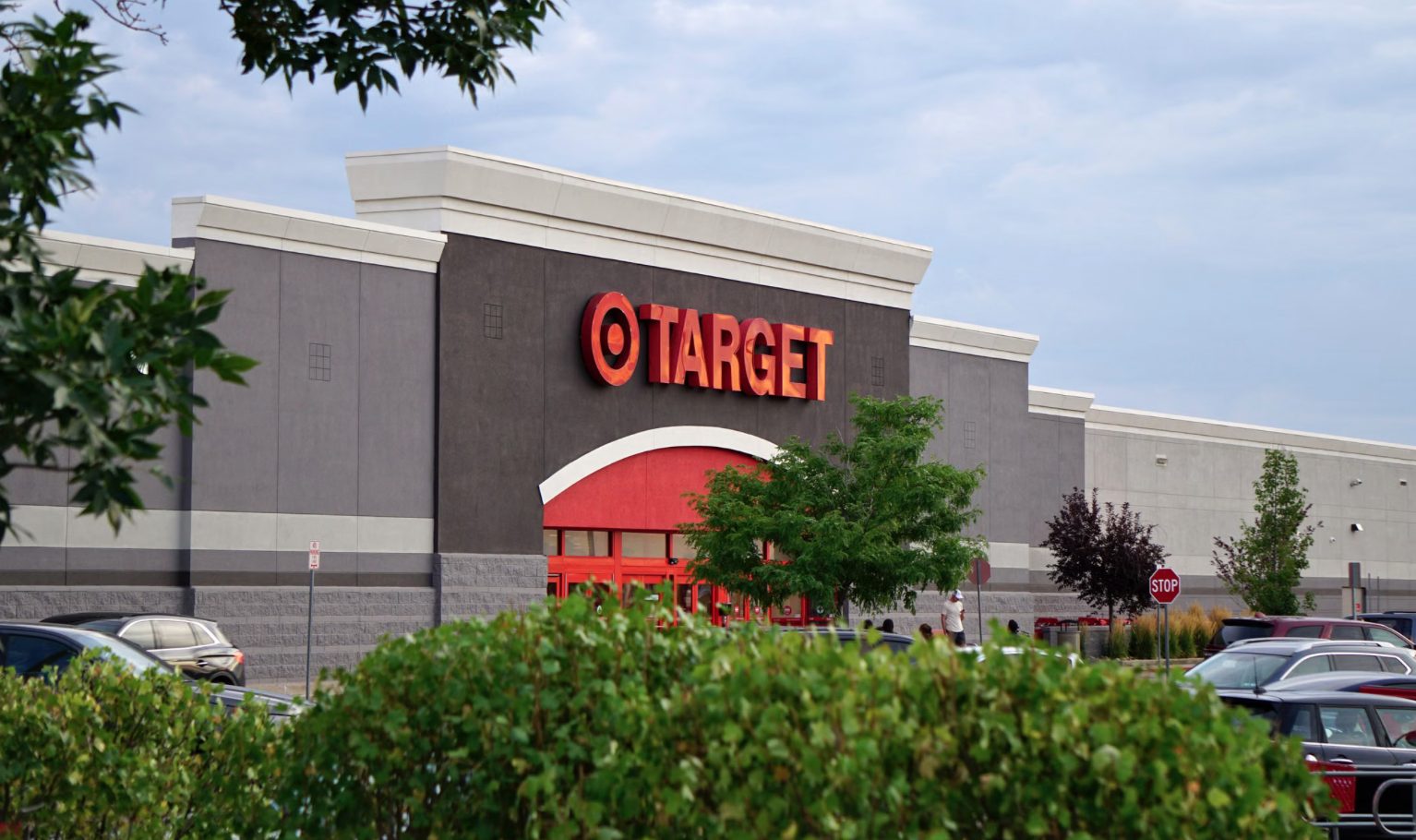
Target Store
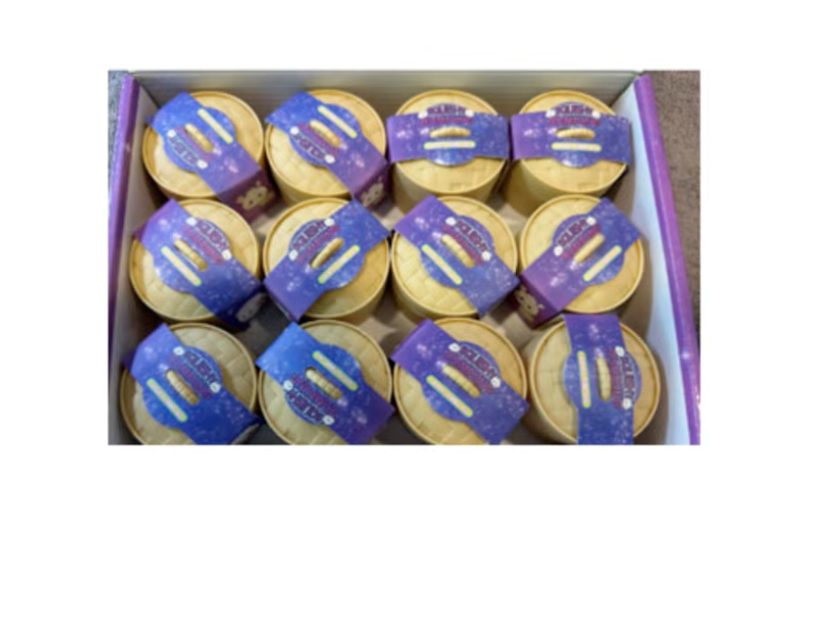
The recalled Gigglescape “Under the Sea” Popping Toy can separate and expose small plastic balls that pose a choking hazard. Parents should stop using the affected toy immediately and return it for a refund. (Pexels).

Parents often trust familiar retailers when shopping for toys, making product recalls especially concerning when they involve children’s safety. A recent recall affecting about 49,000 Gigglescape “Under the Sea” Popping Toys sold exclusively at Target highlights why checking recall notices should be part of every family’s routine. The recall follows multiple reports that the toy can come apart, creating a potential choking hazard for young children. If this toy is in your home, knowing what to look for and what steps to take could help prevent a dangerous situation.

What Prompted the Target Toy Recall?

Target issued the recall on July 2, 2026, after discovering that the clear plastic dome on the Gigglescape “Under the Sea” Popping Toy can detach from its blue whale-shaped base. When the dome separates, the small colorful plastic balls inside become accessible, creating a choking hazard for children. According to the recall, Target received nine reports of the dome detaching, including one incident in which a child began choking. About 49,000 toys are included in the recall, and they were sold nationwide between August 2025 and January 2026 for approximately $10. The recall applies specifically to the Gigglescape “Under the Sea” Popping Toy and should not be interpreted as a safety concern involving other Target toys.

How to Tell if Your Toy Is Included

The recalled Gigglescape “Under the Sea” Popping Toy features a clear plastic dome mounted on a blue whale-shaped base with colorful balls inside. A penguin-shaped plunger on top makes the balls pop when pressed, making the toy easy to recognize. The Gigglescape branding appears on the packaging and is also imprinted on the bottom of the blue base. Parents who purchased sensory or developmental toys during the 2025 holiday season may want to double-check toy bins and playrooms. Even if the toy appears undamaged, consumers are advised to stop using it immediately because the defect can develop over time.

What Parents Should Do Next

If your child has the recalled Gigglescape “Under the Sea” Popping Toy, remove it from use immediately and place it out of children’s reach. Target is offering a full refund, either by returning the toy to any Target store or by providing a prepaid shipping label for mail-in returns. Families should avoid attempting to repair or glue the dome back into place because that does not eliminate the safety risk. It’s also a good idea to inspect toys that may have been passed down, donated, or received as gifts since recalled products often remain in circulation long after they’re sold. Taking a few minutes to verify whether a toy is subject to a recall can significantly reduce the risk of preventable injuries.

Why Toy Recalls Matter More Than Ever

Many recalled toys remain in homes because parents never receive direct notification or may not realize a product has become unsafe. Young children naturally explore objects with their mouths, making loose small parts especially dangerous for infants and toddlers. Safety experts recommend periodically checking toys for cracks, loose pieces, or broken components in addition to monitoring recall announcements. Registering products when possible and paying attention to retailer recall notices can help families respond more quickly when safety concerns arise. Staying informed is one of the simplest ways to reduce household risks without changing everyday play routines.

The recall of the Gigglescape “Under the Sea” Popping Toy serves as an important reminder that even popular children’s products can develop unexpected safety issues. Acting quickly by removing the recalled toy and requesting a refund is the safest course of action for affected families. Parents should remember that this recall is limited to the specific Gigglescape “Under the Sea” Popping Toy identified in the notice and does not apply to all toys sold by Target. Making recall checks a regular habit can provide added peace of mind while helping keep children safe during playtime.

Have you ever discovered a recalled product in your home, and what steps do you take to stay informed about product safety? Share your experience in the comments—we’d love to hear your thoughts.

What to Read Next

Michigan Schools: New Programs Target Learning Disabilities

CVS Medicated Wipes Recalled Over Child-Poisoning Risk

Check Your Doorways: 150,000 Retractable Baby Gates Recalled for Torso Entrapment

Evan Morgan

Evan Morgan has been a full-time freelance writer and editor for 10+ years. When not working, he enjoys catching the latest true crime documentary or getting lost in a good book.

Filed Under: Parenting Tagged With: child safety, choking hazard, Gigglescape, Gigglescape Under the Sea Popping Toy recall, Parenting, product recall, Target recall, Target toys, toy recall, toy safety

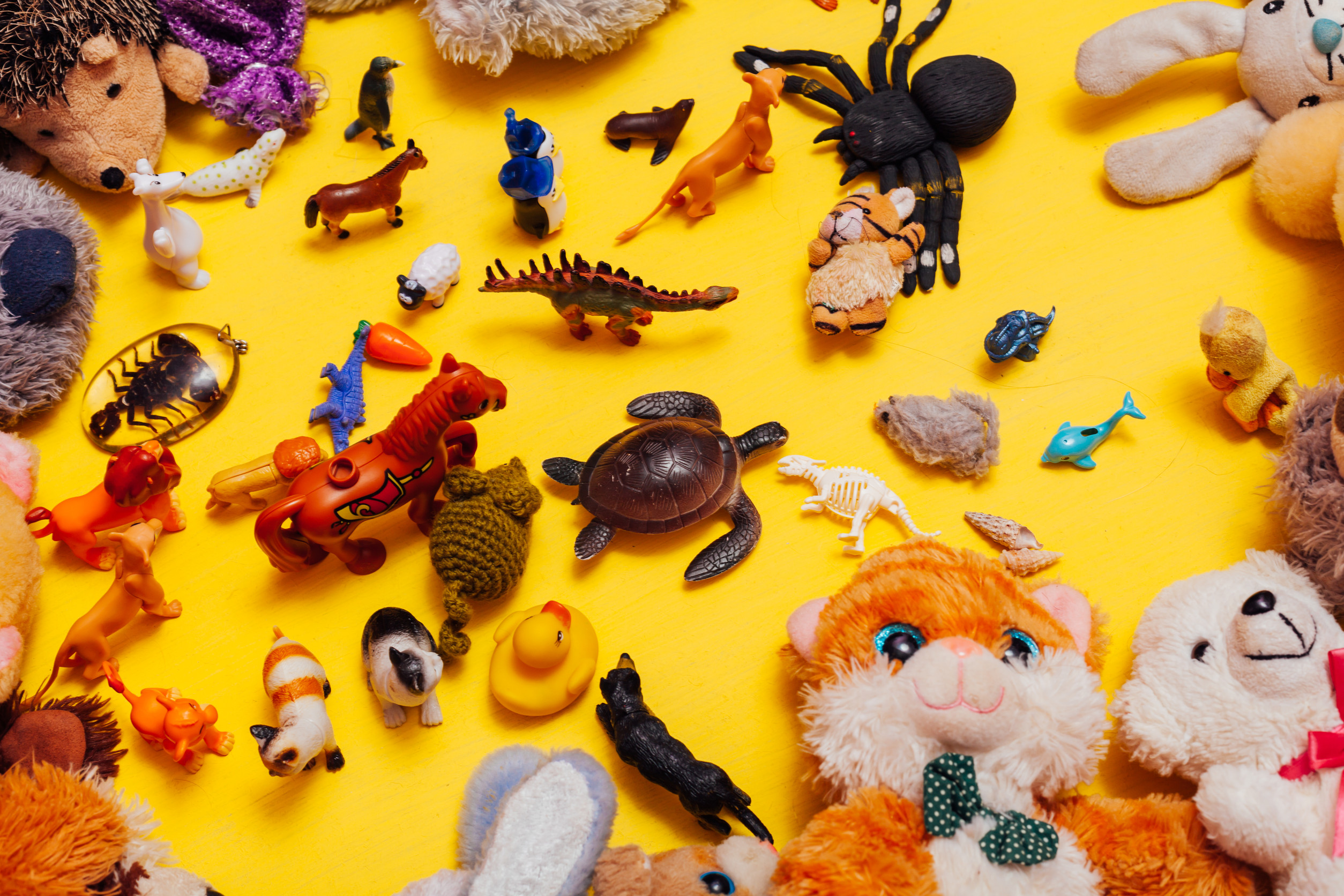
Beyond The Toys: 8 Hidden Dangers In Your Child’s Toys

July 30, 2025 | Leave a Comment

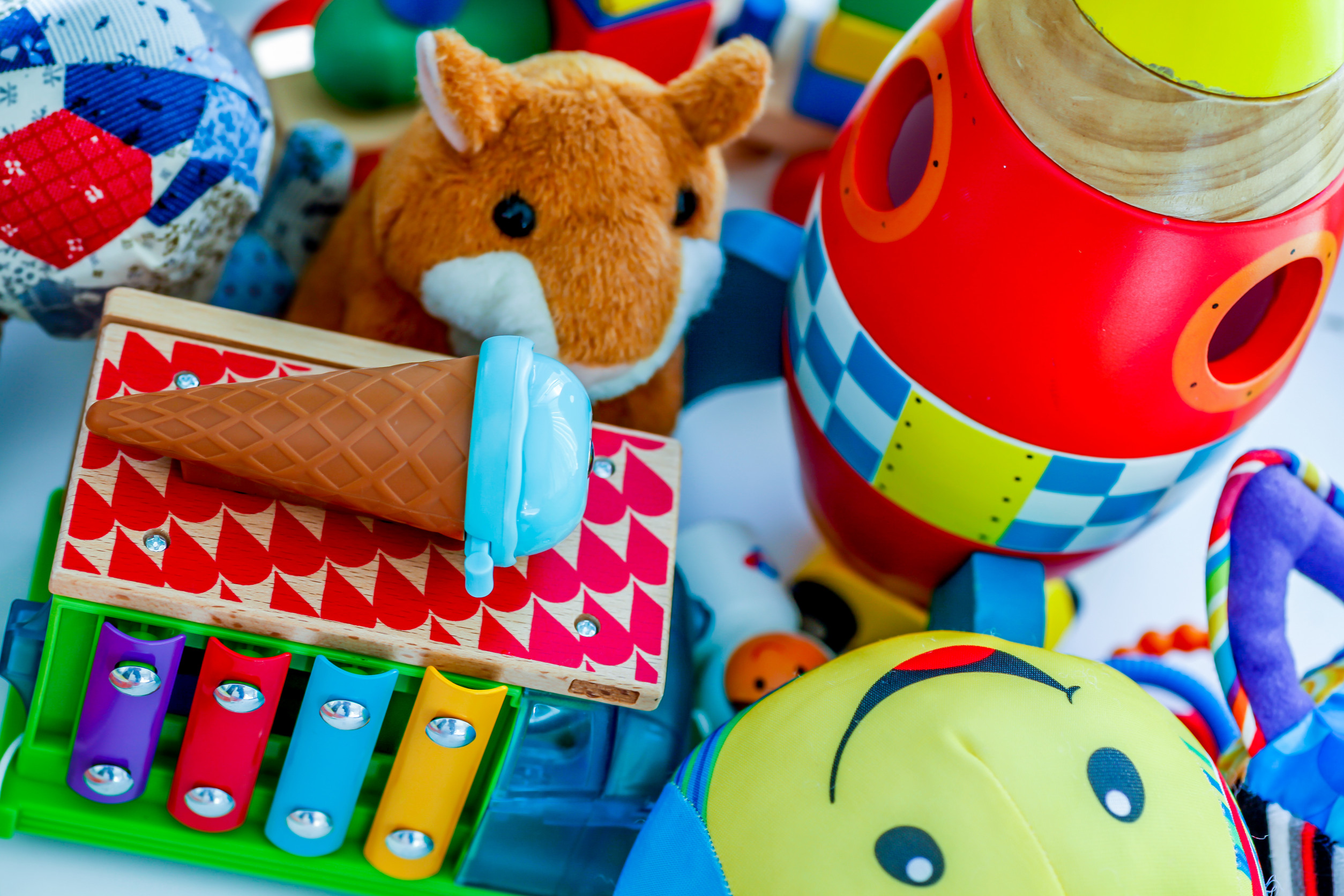
Beyond The Toys 8 Hidden Dangers In Your Childs Toys
Image source: 123rf.com

That bright, colorful toy sitting in your child’s room might seem harmless, but what if it isn’t? Many parents assume that if a toy is sold in a store, it must be safe. Unfortunately, that’s not always the case. From toxic materials to small parts that pose serious hazards, hidden dangers can lurk where you least expect them. Knowing what to look for can help you make better decisions and keep your little one safe while still letting them enjoy playtime.

1. Toxic Chemicals in Plastic

Some toys are made with plastics that contain harmful chemicals like phthalates and BPA. These hidden dangers can affect your child’s hormonal development and have been linked to serious health issues. While many toy companies have phased them out, they’re still found in cheaper or imported toys. Always check labels and opt for toys labeled BPA-free and phthalate-free when possible. Choosing toys made from natural materials can also be a safer alternative.

2. Lead Paint in Imported Toys

Despite strict regulations in the U.S., some imported toys still contain lead-based paint. Lead exposure, especially in young children, can cause irreversible damage to their nervous system. These hidden dangers often go unnoticed because the toy appears new and vibrant. Always be cautious with toys that don’t come from reputable brands or that lack proper safety labeling. When in doubt, research the manufacturer and product history online before buying.

3. Small Parts That Pose a Choking Hazard

Small removable parts are one of the most common hidden dangers in children’s toys. Items like buttons, beads, or detachable eyes can easily come loose and be swallowed. For toddlers and babies, these pose a major choking risk. Always follow the age recommendations on toy packaging and do regular inspections for wear and tear. If a toy seems even slightly risky, it’s best to keep it out of reach.

4. Magnetic Pieces That Can Be Swallowed

Magnets may seem like a fun addition to a toy, but they can be incredibly dangerous if swallowed. When more than one magnet is ingested, they can attract inside the body and cause internal damage. These hidden dangers often appear in building sets, fake piercings, or small figurines. If you choose toys with magnets, supervise playtime and check that the magnets are securely enclosed. Better yet, avoid them entirely for younger children.

5. Button Batteries in Interactive Toys

Many electronic toys include button batteries, which are especially hazardous if swallowed. These batteries can cause severe internal burns within hours of ingestion. What makes them even more dangerous is how easily they can fall out of loose compartments. Check for secure battery cases that require a screwdriver to open. If a toy has easy battery access, it’s worth skipping in favor of something safer.

6. Strings and Cords That Can Strangle

Long strings or cords on toys may seem harmless, but they pose a serious strangulation risk. This is especially true for young children who may wrap cords around their necks while playing. These hidden dangers can be found in pull toys, crib mobiles, and dress-up costumes. The general rule is to avoid any strings longer than 7 inches for kids under 3. When in doubt, snip or remove long cords or simply choose another toy.

7. Loud Noises That Can Damage Hearing

Some toys, especially electronic ones, emit sounds at dangerously high decibel levels. Prolonged exposure to loud noises can damage a child’s hearing over time. The hidden dangers here often go unnoticed because the sound is meant to entertain. Test toys yourself by holding them up to your ear—if it’s too loud for you, it’s definitely too loud for your child. Look for volume control options or sound-free alternatives to be safe.

8. Flammable Materials in Dress-Up Clothes

Costume play is a favorite for many kids, but flammable fabrics can be a serious concern. Some dress-up clothes are made from synthetic materials that ignite easily. These hidden dangers can escalate quickly in a household with candles or a gas stove nearby. Always check that costumes are labeled “flame-resistant” and made from safer fabrics like cotton. When shopping secondhand, verify the label or avoid if it’s missing altogether.

Safe Play Starts with Awareness

The hidden dangers in children’s toys often hide behind bright colors and fun packaging, making them hard to spot at first glance. But with a little extra vigilance and awareness, you can dramatically reduce the risks they pose. Choose quality over quantity, inspect toys regularly, and don’t ignore age recommendations on the box. Trust your instincts—if something feels unsafe, it probably is. A few thoughtful choices today can go a long way toward ensuring safer, happier play for your child.

Have you ever discovered a hidden danger in your child’s toys? Share your story and safety tips in the comments below!

Read More:

5 Toys That Were Never Designed to Be Used by Children

The Real Reason: Your Child’s Favorite Toy Is Secretly Spying

Catherine Reed
Catherine Reed

Catherine is a tech-savvy writer who has focused on the personal finance space for more than eight years. She has a Bachelor’s in Information Technology and enjoys showcasing how tech can simplify everyday personal finance tasks like budgeting, spending tracking, and planning for the future. Additionally, she’s explored the ins and outs of the world of side hustles and loves to share what she’s learned along the way. When she’s not working, you can find her relaxing at home in the Pacific Northwest with her two cats or enjoying a cup of coffee at her neighborhood cafe.

Filed Under: Parenting Tagged With: child safety, choking hazards, hidden dangers, kids' health, parenting tips, safe toys, toy recalls, toy safety

The Unseen Risk: 8 Smart Toys With Privacy Risks

July 28, 2025 | Leave a Comment

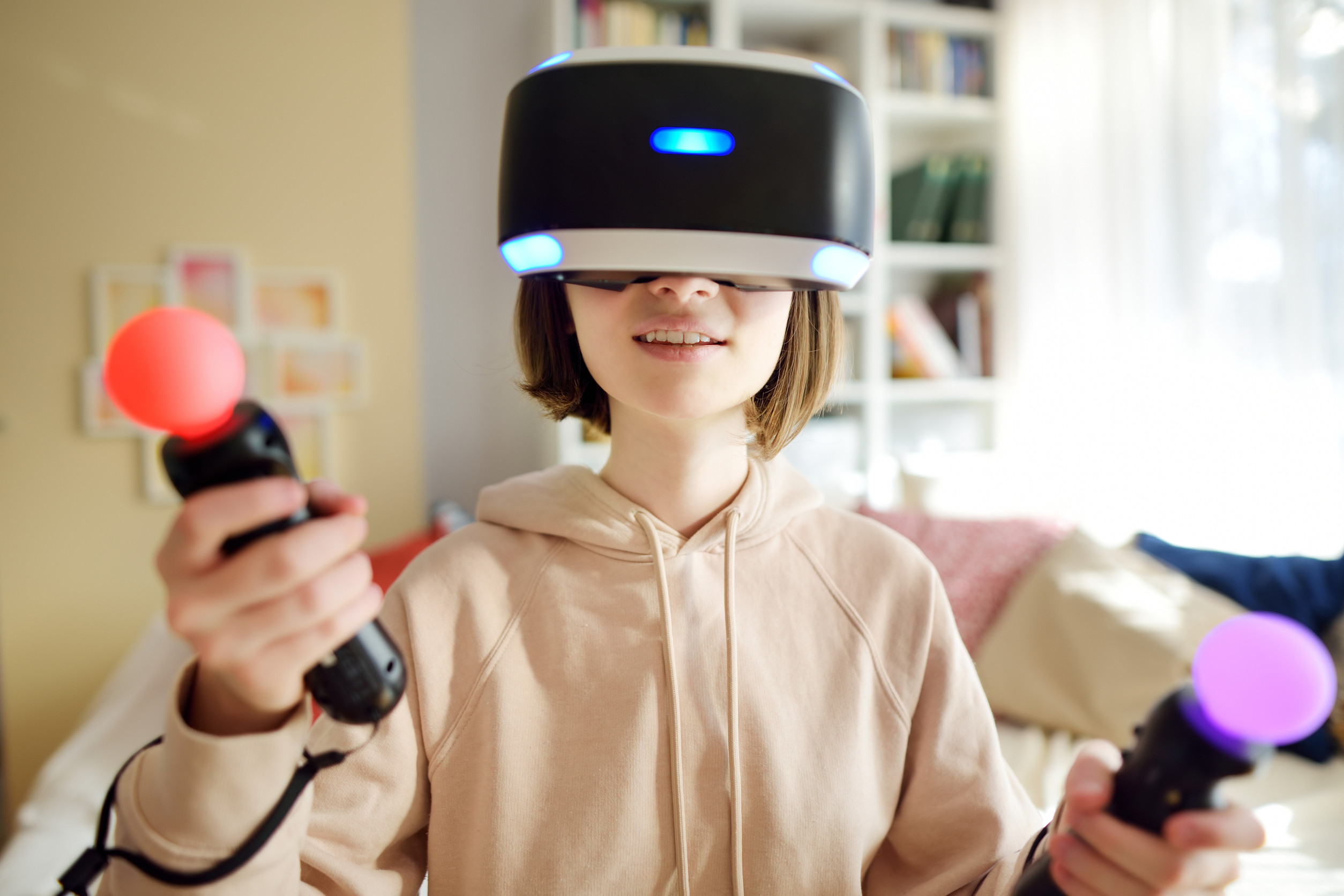
The Unseen Risk 8 Smart Toys With Privacy Risks
Image source: 123rf.com

They talk, they learn, they connect to the internet—and they’re in your child’s toy bin right now. Smart toys have become some of the most popular gifts for kids, promising entertainment, education, and even companionship. But behind the blinking lights and friendly voices lie serious concerns many parents don’t realize. Some smart toys collect data, record conversations, or connect to networks with weak security protections. If you’re not careful, you might be inviting more than fun into your home—so here are eight smart toys with privacy risks every parent should know about.

1. Smart Speakers with Voice Assistants

Devices like Amazon Echo Dot Kids and Google Nest Mini seem harmless and even helpful, but they’re always listening. Even when not actively being used, smart speakers often record snippets of background conversation that may include sensitive information. While companies claim this data improves their service, it can also be stored, analyzed, or shared. These smart toys with privacy risks can accidentally pick up voices of your child, guests, or other family members without consent. Always review privacy settings and disable unnecessary voice recording features.

2. Wi-Fi Connected Baby Monitors

Baby monitors have come a long way—but the newer ones with camera access, two-way talk, and smartphone apps can be vulnerable to hacking. Some have been reported to allow outsiders to view live feeds or speak to children through the monitor. If the monitor’s app or firmware isn’t regularly updated or password protected, it becomes an easy entry point for digital intruders. Many of these devices also collect data on sleep patterns and audio, storing it in the cloud. For privacy peace of mind, choose baby monitors with strong encryption and turn off cloud features when not needed.

3. Internet-Connected Dolls

Some dolls, like earlier versions of “My Friend Cayla,” connect to Bluetooth and use AI to have real conversations with kids. While engaging, these toys can also record what your child says and transmit that data to external servers. Security researchers have flagged multiple smart dolls with privacy risks for exposing personal information, including location data. In some cases, anyone within Bluetooth range can access the device without authorization. That’s a major concern for families who value security over novelty.

4. Educational Tablets and Apps

Devices like Leapfrog and VTech tablets are designed to teach kids math, reading, and more—but they also collect a surprising amount of user data. These tablets often store information such as name, age, usage history, and even keystrokes. Without strong password settings and careful monitoring of permissions, this data can be vulnerable to leaks or misuse. Additionally, some educational apps include ads or links that open browsers, exposing children to online tracking. These are among the more common smart toys with privacy risks found in homes and classrooms.

5. Smartwatches for Kids

Kids’ smartwatches with GPS tracking, calling, and texting functions sound like a great way to stay in touch. However, many of these devices have had serious security flaws—including the ability for strangers to track, listen to, or contact children. In several studies, researchers found that some models transmitted data without encryption or stored it on servers with poor protection. That means a seemingly helpful gadget could become a privacy nightmare. When buying a smartwatch, research the manufacturer’s reputation and look for devices with end-to-end encryption.

6. Interactive Plush Toys

Plush toys that respond to touch, talk back, or interact with mobile apps are often marketed as safe and cuddly companions. But many of these toys contain microphones and Bluetooth connections that can collect data or be remotely accessed. If the toy connects to a smartphone without a PIN or code, nearby devices can potentially pair with it without permission. In 2017, a data breach exposed the personal data of over 800,000 users from a popular smart plush toy app. That’s proof that even the softest toys can come with hard risks.

7. Augmented Reality (AR) Games and Headsets

AR games that use smartphone cameras to blend digital play with the real world are rising in popularity. But these games often collect images of your home, surroundings, and even faces. The concern is that this data can be stored or used for facial recognition training or location mapping. Some AR headsets or toys also include microphones and may not clearly disclose when they’re recording. These immersive experiences often come with hidden trade-offs, making them smart toys with privacy risks worth reviewing carefully.

8. Drone Toys with Cameras

Mini drones are popular among tweens and teens for their fun flying features and built-in cameras. But when connected to Wi-Fi or Bluetooth, they can collect video footage and transmit it through unsecured apps. Some models automatically upload footage to cloud servers, and others come with poorly protected companion apps. Kids might not realize they’re recording people or places without consent, raising privacy and legal concerns. Always monitor how these devices are used and ensure footage isn’t shared unintentionally.

Toy Time Shouldn’t Come with a Surveillance Side Effect

Smart toys bring joy, learning, and convenience—but they also open digital doors that many families didn’t know existed. As technology becomes more embedded in our children’s play, it’s essential to stay ahead of potential risks. The smart toys with privacy risks listed here aren’t meant to scare you away from innovation—they’re meant to help you ask the right questions. Is this device secure? What data does it collect? And who else can access it? The more you know, the better you can protect your child while still letting them enjoy the magic of play.

Have you come across a smart toy with unexpected privacy settings or risks? What steps do you take to keep your child’s data safe? Share in the comments below!

Read More:

Before You Buy: 10 Popular Kids’ Toys With Cancer-Causing Materials

8 Hidden Dangers Lurking in Your Child’s Toys

Catherine Reed
Catherine Reed

Catherine is a tech-savvy writer who has focused on the personal finance space for more than eight years. She has a Bachelor’s in Information Technology and enjoys showcasing how tech can simplify everyday personal finance tasks like budgeting, spending tracking, and planning for the future. Additionally, she’s explored the ins and outs of the world of side hustles and loves to share what she’s learned along the way. When she’s not working, you can find her relaxing at home in the Pacific Northwest with her two cats or enjoying a cup of coffee at her neighborhood cafe.

Filed Under: Parenting Tagged With: child privacy, data protection for families, Internet Safety, kids and technology, parenting tips, smart toys with privacy risks, tech toys, toy safety

Toxic Playtime: 10 Popular Kids’ Toys With Harmful Chemicals

July 24, 2025 | Leave a Comment

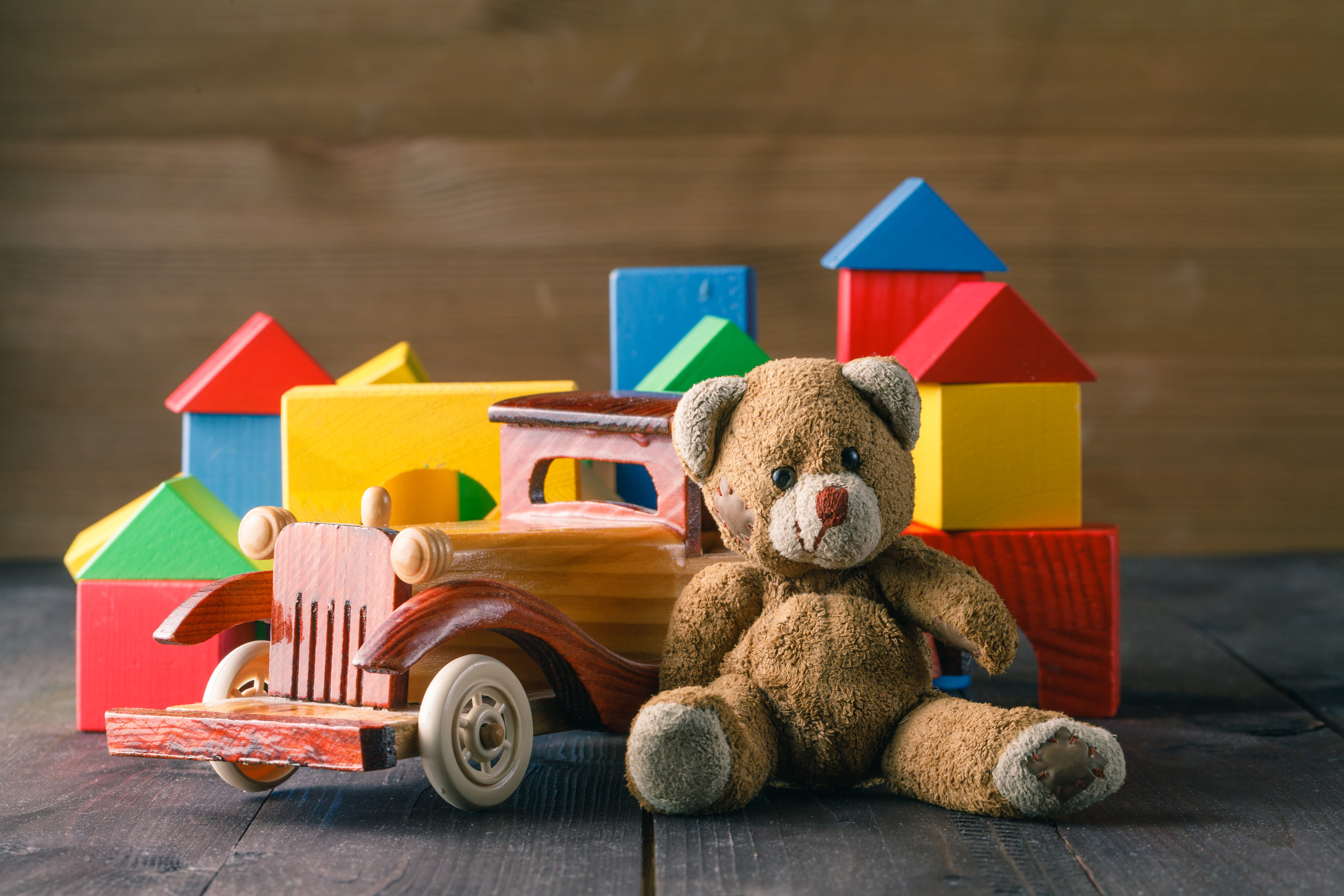
Toxic Playtime 10 Popular Kids Toys With Harmful Chemicals
Image source: 123rf.com

Toys are supposed to bring joy, spark imagination, and support your child’s development—not put their health at risk. Yet many kids’ toys with harmful chemicals still end up on store shelves and in playrooms across the country. From colorful plastics to squishy textures, some of the most loved items may quietly expose your child to toxins like lead, phthalates, BPA, and formaldehyde. These chemicals can disrupt hormones, irritate skin, or even contribute to long-term health problems. Knowing which toys to avoid (or replace) gives you the power to protect your little one during playtime.

1. Plastic Bath Toys with Phthalates

That cheerful yellow rubber duck might look harmless, but many bath toys are made with soft PVC plastic that contains phthalates. These chemicals are used to soften plastic but have been linked to hormonal disruptions in young children. Since bath toys are often chewed or squeezed in warm water, they can leach chemicals more easily. Unfortunately, many aren’t labeled with clear ingredient information. When shopping, look for toys made from phthalate-free materials like silicone or hard plastic certified as non-toxic.

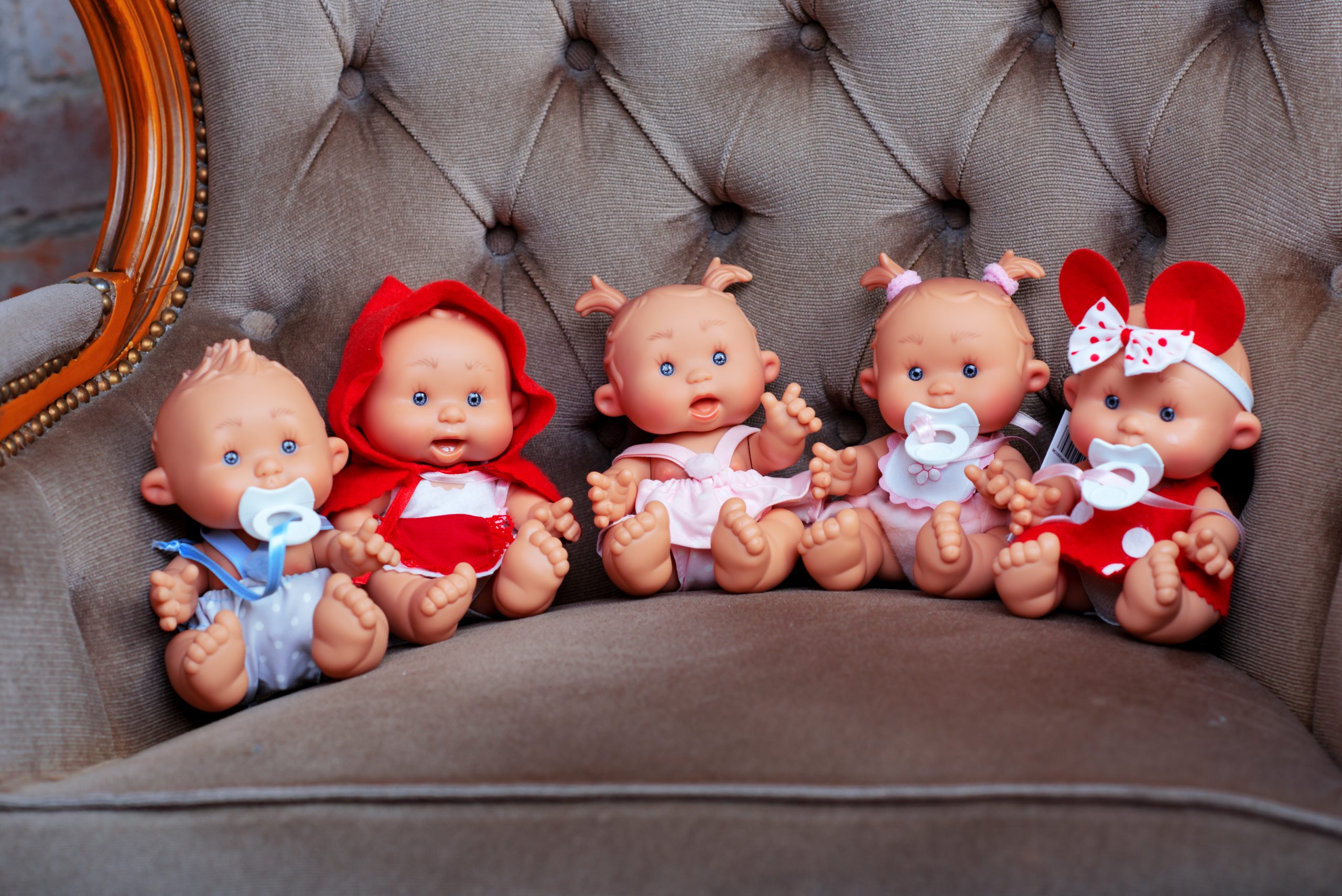
2. Cheap Plastic Dolls with PVC

Many mass-market dolls are made from PVC, which is often softened with harmful plasticizers. Even when dressed in cute clothes and sold by well-known brands, these dolls can emit a strong chemical smell—a red flag for toxic ingredients. If your child regularly hugs, sleeps with, or mouths these dolls, that chemical exposure can build up. Opt for dolls labeled BPA- and phthalate-free, or switch to fabric dolls with natural fillings. When it comes to kids’ toys with harmful chemicals, soft vinyl dolls are one of the most commonly overlooked sources.

3. Jewelry Kits with Lead and Cadmium

DIY jewelry kits may seem like creative fun, but some include beads and charms that contain lead or cadmium. These heavy metals are dangerous, especially for young children who may put finished pieces in their mouths. Lead exposure has been linked to developmental delays and learning disabilities. Even low levels of cadmium can affect the kidneys and bones over time. To be safe, choose kits made in countries with stricter safety standards and always supervise jewelry play closely.

4. Slime Kits with Borax

Slime is a favorite among kids, but some kits use borax as a main ingredient. In high quantities or with frequent contact, borax can cause skin irritation or even hormonal disruption. Homemade slime recipes often call for it too, increasing risk through repeated exposure. While a little slime now and then isn’t likely to cause major harm, frequent use without gloves can be concerning. Look for borax-free options or buy pre-made slime from brands that test for chemical safety.

5. Foam Puzzle Mats Containing Formamide

Foam puzzle mats are often used in playrooms for comfort and safety, but many contain formamide, a chemical used in the manufacturing process. Formamide has been linked to respiratory and reproductive issues, especially when mats off-gas in enclosed spaces. Even worse, young children crawl, roll, and play directly on these mats every day. Choose mats made without formamide or certified as low-VOC. Let new mats air out for several days before use, especially in small rooms.

6. Imported Toys with Poor Safety Oversight

Toys made in countries with lax safety regulations are more likely to contain harmful materials. Items bought from unknown online sellers or discount import stores often lack proper testing. These toys may include lead-based paints, unsafe plastics, or small parts not approved under U.S. guidelines. Always look for safety certifications like ASTM or CE on packaging. Being cautious about where toys are made is one of the best defenses against kids’ toys with harmful chemicals.

7. Art Supplies with Toxic Additives

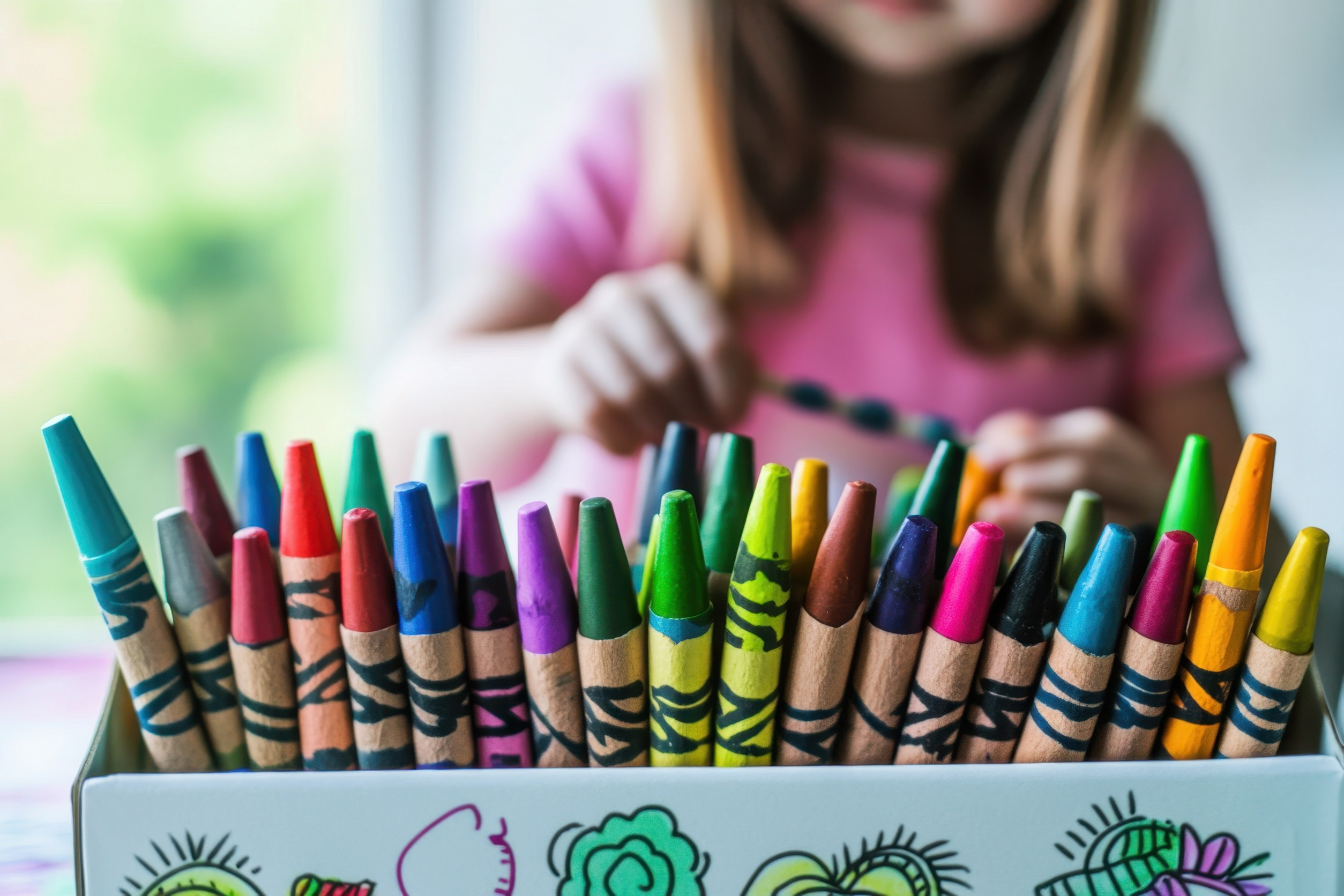
Not all crayons, markers, and paints are created equal. Some inexpensive art supplies contain heavy metals, petroleum-based solvents, or other dangerous ingredients. Since kids often get paint on their hands (and sometimes their mouths), the risk is more than theoretical. Look for products labeled “non-toxic” and certified by the ACMI (Art and Creative Materials Institute). Avoid items with strong chemical smells, which often signal harmful additives.

8. Glow-in-the-Dark and Light-Up Toys with Unsafe Batteries

Toys that light up or glow are exciting but can also be dangerous if they use button batteries. If swallowed, button batteries can cause serious internal injuries in minutes. In addition, some of the glowing materials used in cheap toys may contain phosphors or other toxic elements. Always make sure battery compartments are screwed shut and avoid glow toys unless the materials are clearly labeled as safe. Light-up fun should never come with hidden risks.

9. Teething Toys Made from Unsafe Plastics

Teething toys are meant to go straight into your baby’s mouth, so the materials they’re made from matter a lot. Some older or off-brand teethers contain BPA, PVC, or phthalates, which can leach under pressure and warmth. Even newer teethers might not meet modern safety guidelines if they come from questionable sources. Choose teething products made from medical-grade silicone or natural rubber, and stick with reputable brands. This is one area where cutting corners isn’t worth the risk.

10. Plush Toys Treated with Flame Retardants

Stuffed animals might seem cozy and safe, but many are treated with flame retardants that contain toxic chemicals. These additives can release particles over time, especially when toys are hugged, chewed, or washed repeatedly. Some flame retardants have been linked to cancer and developmental delays. Look for plush toys labeled as untreated or made from organic materials. Keeping your child’s sleep and cuddle buddies chemical-free is a great step toward a safer home.

Safer Play Starts with Smarter Picks

Protecting your child doesn’t mean banning fun—it means being informed about what’s in their favorite toys. Kids’ toys with harmful chemicals are still too common, but parents can take control by choosing safer materials, reading labels, and supporting transparent brands. A little extra attention during the buying process goes a long way in creating a healthier play environment. When playtime is safe, everyone has more fun—without the toxic side effects.

Have you discovered a toy with hidden chemicals in your home? Share your experience and favorite safe brands in the comments to help other parents shop smart.

Read More:

5 Toys That Were Never Designed to Be Used by Children

Before You Buy: 10 Popular Kids’ Toys With Cancer-Causing Materials

Catherine Reed
Catherine Reed

Catherine is a tech-savvy writer who has focused on the personal finance space for more than eight years. She has a Bachelor’s in Information Technology and enjoys showcasing how tech can simplify everyday personal finance tasks like budgeting, spending tracking, and planning for the future. Additionally, she’s explored the ins and outs of the world of side hustles and loves to share what she’s learned along the way. When she’s not working, you can find her relaxing at home in the Pacific Northwest with her two cats or enjoying a cup of coffee at her neighborhood cafe.

Filed Under: Parenting Tagged With: baby toy safety, chemical-free toys, child health, eco-friendly toys, kids' toys with harmful chemicals, parenting tips, safe playtime, toxic toys, toy safety

Before You Buy: 10 Popular Kids’ Toys With Cancer-Causing Materials

July 21, 2025 | Leave a Comment

Before You Buy 10 Popular Kids Toys With Cancer Causing Materials
Image source: 123rf.com

Shopping for toys should be fun and safe, not a game of chemical roulette. But many popular children’s toys are made with ingredients linked to serious health concerns—including cancer. From plastic dolls to bath toys and even art kits, some products contain cancer-causing materials that parents rarely know to watch for. These toxins might not be visible to the naked eye, but over time, exposure through touch, inhalation, or even mouthing can add up. Before you fill the toy box, check out these ten common culprits that could be putting your child at risk.

1. Cheap Plastic Dolls With PVC

Many budget-friendly dolls and action figures are made from polyvinyl chloride (PVC), a plastic that often contains harmful additives. During manufacturing, PVC is softened with phthalates, which are chemicals linked to hormone disruption and cancer. Over time, these toxins can leach out, especially when the toy is chewed or heated. While the doll may look harmless, the long-term health risks are anything but. Avoiding toys made with PVC is one way to limit your child’s exposure to cancer-causing materials.

2. Bath Toys With Mold and Chemical Additives

Rubber duckies and other bath toys may seem like classics, but many are made from synthetic rubber or vinyl that includes toxic plasticizers. These materials can break down over time in warm, moist environments, leaching chemicals like phthalates or forming mold inside. Children often squeeze or mouth these toys, increasing their risk of ingesting harmful substances. Some studies have even found carcinogenic compounds in the water that leaks out of used bath toys. Safer options include toys made from food-grade silicone or sealed designs that don’t trap moisture.

3. Slime Kits Containing Borax

DIY slime kits have exploded in popularity, but many contain borax or boric acid—ingredients flagged for reproductive toxicity and potential carcinogenic properties in high doses. The concern grows when children mix slime by hand or play with it for extended periods without washing afterward. Skin contact can lead to rashes, and accidental ingestion (especially with younger kids) can be even more dangerous. While borax isn’t banned, its use in toys is controversial in several countries. Look for borax-free slimes or make your own with safe, non-toxic ingredients.

4. Costume Jewelry with Lead and Cadmium

Children’s play jewelry, especially inexpensive pieces sold in bulk or from discount stores, often contains heavy metals like lead or cadmium. These are two well-known cancer-causing materials that have also been linked to developmental and neurological damage. Since kids tend to put items in their mouths, even brief contact can be harmful over time. Some pieces tested have shown shockingly high levels of toxic metals, especially in paint and metal coatings. Always opt for jewelry labeled lead-free and avoid anything without safety certifications.

5. Painted Toys Without Safety Certifications

Brightly colored wooden toys might appear eco-friendly, but unless the paint is labeled non-toxic and lead-free, it can still pose a risk. Older or imported toys may use paint that contains lead or other carcinogenic compounds. Even small chips or flakes can become dangerous if inhaled or ingested. When shopping for wooden toys, look for certifications like ASTM or EN71 to confirm that they meet child safety standards. Choosing trusted brands helps reduce the risk of exposure to hidden cancer-causing materials.

6. Vinyl Lunchboxes and Backpacks

Many kids’ accessories like lunchboxes and backpacks are made from vinyl or plastic-coated fabrics. These often contain phthalates and other cancer-causing materials used to make the product flexible and durable. Over time, these chemicals can rub off onto food containers, hands, or other belongings inside the bag. Some manufacturers have begun using safer materials, but not all labels clearly list what’s inside. When in doubt, choose fabric-based options or bags labeled phthalate-free and BPA-free.

7. Crayons and Art Supplies with Talc or Asbestos Contamination

You might be shocked to learn that some crayons and colored powders have tested positive for asbestos contamination due to talc. Talc is a mineral that can naturally occur near asbestos in the earth, and when not properly refined, both can end up in finished products. Asbestos is a well-known carcinogen, and the idea that it could be in your child’s craft box is deeply concerning. Always buy from reputable brands and check for third-party testing on crayons, chalk, and powders. Steers clear of novelty or off-brand supplies that don’t disclose their ingredient sources.

8. Inflatable Toys Made with Toxic Plasticizers

Inflatable balls, beach toys, and bouncy castles are often made from PVC and include plasticizers to maintain flexibility. These plasticizers can include phthalates and other compounds tied to cancer and hormonal disruption. Since these toys are often used outdoors and in warm conditions, they’re more likely to break down and release harmful chemicals. Look for inflatable toys labeled phthalate-free or made with alternative materials like TPU (thermoplastic polyurethane). These provide the same fun without the hidden risk.

9. Glow Sticks and Glow-in-the-Dark Toys

Glow products are a hit with kids at parties and nighttime events, but many contain dibutyl phthalate or similar chemicals inside. While they’re generally safe when intact, cracks or leaks can expose your child to these toxic substances. Contact with the skin or eyes can be irritating, and ingestion may require medical attention. These additives are not just unpleasant—they are flagged as potential cancer-causing materials in high exposure scenarios. If you love glow products, opt for LED-based alternatives instead.

10. Soft Plastic Toys from Unknown Brands

Those squishy, squeezable plastic toys are fun and affordable, but many are manufactured with minimal regulation. When they come from unknown brands or lack safety labeling, the risk of cancer-causing materials increases. Without proper oversight, they may contain banned substances or dangerously high levels of toxins. Kids often play with these for extended periods or even nap with them, increasing daily exposure. Choose toys from verified brands that submit to strict third-party chemical testing and provide full transparency.

Choosing Safe Doesn’t Mean Choosing Less Fun

Protecting your child from cancer-causing materials doesn’t mean emptying the toy box or never buying new things again. It’s about staying informed, reading labels, and opting for quality over quantity. Even small shifts—like choosing wooden toys with non-toxic paint or ditching vinyl backpacks—can make a meaningful difference. Safe toys still bring plenty of fun, just without the hidden risks. With a little research and care, you can shop smarter and help your child play safer.

Have you ever discovered a hidden danger in one of your child’s toys? Share your story or tips for safer toy shopping in the comments below!

Read More:

8 Everyday Products Dangerous for Toddlers

5 Toys That Were Never Designed to Be Used by Children

Catherine Reed
Catherine Reed

Catherine is a tech-savvy writer who has focused on the personal finance space for more than eight years. She has a Bachelor’s in Information Technology and enjoys showcasing how tech can simplify everyday personal finance tasks like budgeting, spending tracking, and planning for the future. Additionally, she’s explored the ins and outs of the world of side hustles and loves to share what she’s learned along the way. When she’s not working, you can find her relaxing at home in the Pacific Northwest with her two cats or enjoying a cup of coffee at her neighborhood cafe.

Filed Under: Parenting Tagged With: cancer-causing materials, child safety products, eco-friendly toys, kids' health, non-toxic toys, parenting tips, safe toy shopping, toxic toys, toy safety

Toy Danger: 8 Hidden Dangers Lurking in Your Child’s Toys

July 20, 2025 | Leave a Comment

Toy Danger 8 Hidden Dangers Lurking in Your Childs Toys
Image source: 123rf.com

When your child is gleefully playing with a new toy, the last thing you’re thinking about is whether it might pose a hidden risk. But beneath the bright packaging and playful designs, some toys can present unexpected hazards that put your little one’s safety at risk. From toxic materials to small parts you didn’t even notice, toy danger is more common than many parents realize. Staying informed about what to look out for can help you make smarter, safer choices without taking away the fun. Here are eight hidden dangers you should know about before handing over that next toy.

1. Choking Hazards in Disguise

Even toys marked for older children can end up in the hands of toddlers who love to explore with their mouths. Detachable parts, loose buttons, and even plush eyes on stuffed animals can become serious choking risks. The toy danger becomes greater when the packaging doesn’t clearly warn about age suitability. Always do a physical inspection, especially for hand-me-downs, to check for wear and loose elements. If something can fit through a toilet paper roll, it’s too small for kids under three.

2. Toxic Materials and Paints

Some toys, especially those produced overseas or from lesser-known brands, may contain harmful chemicals. Lead-based paints and phthalates are still found in some products despite regulations. Toy danger spikes when toxic materials are used in items that kids frequently chew, suck, or cuddle. Look for labels that say “non-toxic” and check for recalls regularly through the Consumer Product Safety Commission (CPSC). It’s also a smart move to stick with trusted brands that meet U.S. safety standards.

3. Magnets That Can Be Swallowed

Magnetic toys can seem like harmless fun until one or more magnets get loose. If swallowed, they can attract each other inside the body and cause serious internal injuries. The toy danger here is often hidden, especially when magnets are embedded in parts that break or pop open. Supervise play with magnetic toys and avoid them entirely for younger kids. Always discard any toys with exposed or missing magnets immediately.

4. Battery-Operated Hazards

Button batteries are tiny, shiny, and extremely dangerous if swallowed. They’re often found in musical books, light-up toys, and small gadgets marketed to children. A swallowed battery can burn through tissue and cause severe damage within hours. Toy danger increases when battery compartments don’t have secure screws to keep little fingers out. Make it a habit to check battery covers and avoid any product with a flimsy or missing compartment.

5. Strangulation Risks from Strings and Cords

Toys with pull cords, necklaces, or long strings can become strangulation hazards, especially in cribs or playpens. Even dress-up items marketed for kids can include pieces that pose a real threat. Toy danger can sneak into your home when items are reused or repurposed in ways manufacturers didn’t intend. Keep strings shorter than 7 inches and avoid letting your child sleep or nap with toys around their neck. Supervise closely during any kind of pretend play involving cords or leashes.

6. Inappropriate Age Ratings

Sometimes a toy may seem simple enough, but its construction or features are meant for older kids. Age ratings aren’t just about development—they’re also about safety. A toy rated 6+ might have parts or mechanisms that are hazardous to a younger child. The toy danger here is assuming “my child is advanced for their age” means they’re ready for anything. Stick to the recommended age range and save more complex toys for when they’re ready.

7. Poorly Made Plush Toys

Soft toys may seem like the safest bet, but low-quality materials and stitching can make them risky. Seams can split, exposing stuffing or small pellets that become choking hazards. Toy danger can also come from wires inside the limbs that poke through as the toy ages. Choose plush toys that meet safety standards, and regularly inspect them for wear and tear. If it’s falling apart, it’s time to toss it.

8. Noise Levels That Can Damage Hearing

Toys that sing, beep, or roar might be fun for a few minutes, but many are louder than you’d expect. Some toys emit sounds above 85 decibels—enough to cause hearing damage over time. The toy danger here is especially high when sounds are emitted close to a child’s ear. Always test noise-making toys yourself before handing them over. Look for toys with volume control or mute options, and teach your child not to hold them directly against their head.

Don’t Let the Fun Turn Risky

Playtime should be joyful, not dangerous. While it’s impossible to eliminate every toy danger, being a little more alert can go a long way in protecting your child. Check toys regularly, research brands, and trust your gut when something feels off. Remember, safety doesn’t mean less fun—it means more peace of mind while they explore and play. And that’s worth every extra minute spent making sure the toys they love are truly safe.

Have you ever discovered a hidden hazard in one of your child’s toys? Share your story in the comments—we’d love to hear from you!

Read More:

5 Toys That Were Never Designed to Be Used by Children

10 Cool Toys in the 60’s

Catherine Reed
Catherine Reed

Catherine is a tech-savvy writer who has focused on the personal finance space for more than eight years. She has a Bachelor’s in Information Technology and enjoys showcasing how tech can simplify everyday personal finance tasks like budgeting, spending tracking, and planning for the future. Additionally, she’s explored the ins and outs of the world of side hustles and loves to share what she’s learned along the way. When she’s not working, you can find her relaxing at home in the Pacific Northwest with her two cats or enjoying a cup of coffee at her neighborhood cafe.

Filed Under: Parenting Tagged With: child safety, kids and toys, parenting advice, parenting tips, safe playtime, toy danger, toy hazards, toy safety

Hidden Hazards: 10 Things Never to Keep in Your Child’s Room

July 11, 2025 | Leave a Comment

Hidden Hazards 10 Things Never to Keep in Your Childs Room
123rf.com

Your child’s bedroom should be a place of rest, safety, and creativity—but certain everyday items might be quietly putting them at risk. From fire hazards to health concerns, there are some things never to keep in your child’s room if you want to maintain a secure, peaceful environment. While some objects may seem harmless on the surface, they can cause issues with sleep, breathing, focus, or physical safety. Being mindful of what stays in their space is one simple way to protect their well-being. Let’s walk through 10 things that are better off stored elsewhere.

1. Plug-In Air Fresheners and Scented Candles

Fragrance products may make a room smell nice, but they often release chemicals that can irritate sensitive lungs or trigger allergies. Some plug-in air fresheners and candles contain volatile organic compounds (VOCs), which aren’t ideal for enclosed spaces. Children breathe more rapidly than adults, which increases their exposure. Even unscented candles pose a fire risk, especially in rooms with curtains or stuffed animals nearby. Fresh air and a clean room are safer ways to keep things smelling sweet.

2. Charging Devices Overnight

Phones, tablets, and even toy chargers may seem fine to leave plugged in overnight, but they can overheat and pose a fire hazard. Beyond that, the blue light from screens can disrupt your child’s sleep, even if the devices aren’t actively being used. Kids may also be tempted to sneak screen time after lights-out. Charging devices in another room encourages better sleep habits and cuts the risk of overloading outlets. It’s a small change that makes a big impact.

3. Heavy Wall Decor Over the Bed

A framed poster or shelf might look cute above the bed, but it’s one of those things never to keep in your child’s room—especially in earthquake zones or homes with bunk beds. These items can fall during the night or when bumped by rowdy play, causing injury. Lightweight fabric wall hangings are a safer decorative option. If you do hang anything, ensure it’s securely mounted and not directly over the sleeping area. When it comes to safety, lighter is better.

4. Small Toys for Young Kids

If you have more than one child sharing a room, it’s easy for choking hazards to make their way into a younger sibling’s space. Small building blocks, marbles, or pieces from older kids’ games can endanger toddlers or preschoolers. Keep a separate storage area for age-appropriate toys and teach older children to clean up after play. Accidents can happen quickly, especially when a baby or toddler finds something shiny or chewable. Rotating toys regularly can help reduce clutter and improve safety.

5. Space Heaters Without Auto Shut Off

Portable heaters seem like a cozy winter solution, but without built-in safety features, they can overheat or start fires. Kids may also place toys, blankets, or clothes too close, blocking airflow or creating a fire risk. If you must use one, choose a model with tip-over protection and a timer or auto shut-off. Place it far from beds and curtains and never leave it running overnight. Room temperature can be managed more safely with central heat and layered pajamas.

6. Excess Pillows and Plush Toys

Too many stuffed animals or pillows can clutter a child’s sleep space and become a suffocation hazard for infants and toddlers. Even for older kids, excess clutter on the bed can interfere with posture and sleep quality. Limit plush toys to a few favorites and store the rest in a bin or on a shelf. Clean them regularly to avoid dust buildup and allergens. A clear bed makes it easier for kids to fall asleep and wake up feeling refreshed.

7. Cleaning Supplies or Scented Detergents

It might be tempting to keep a bottle of spray cleaner or laundry detergent in the closet for quick touch-ups, but these should always be stored out of reach. Many cleaners contain toxic ingredients and are dangerous if ingested or spilled. Even laundry products labeled as “gentle” can trigger allergies or skin issues when used in confined spaces. Stick to non-toxic, fragrance-free options and keep all chemicals in a secured cabinet outside the bedroom. Safety beats convenience every time.

8. Breakable Lamps and Glass Items

That cute glass lamp or decorative jar might seem fine until it gets knocked over during playtime or a late-night trip to the bathroom. Broken glass in a carpeted room is hard to spot and dangerous for little feet. Choose shatterproof lighting options, especially for nightstands or desks. Soft lighting options like silicone LED lamps are safer and often more fun for kids anyway. When in doubt, go with materials that can take a tumble.

9. Pet Beds or Litter Boxes

If your child shares their room with a pet, it’s important to set boundaries. Litter boxes and dog beds bring in odors, allergens, and bacteria that can impact your child’s health and sleep. Pet dander can also aggravate asthma or allergies, especially in tight spaces. Keep pets close, but their messes and bedding in a different room. Your child’s room should be a place for clean sleep—not constant sniffles.

10. Old or Recalled Furniture

Hand-me-down furniture may save money, but it can hide risks like loose screws, lead paint, or tip-over hazards. Always check for recalls before using cribs, dressers, or beds from previous generations. Furniture without anchors or safety straps can topple when climbed or bumped. A quick inspection and minor upgrades can make a big difference in safety. Outdated furniture is one of those quiet things never to keep in your child’s room if it’s not up to today’s standards.

A Safe Room Starts with Smart Choices

Creating a safe sleep and play space doesn’t mean sacrificing comfort or personality—it just means being intentional with what stays and what goes. Many of the things never to keep in your child’s room are small changes that make a big difference in their health and safety. A clutter-free, toxin-free, and hazard-free room supports better sleep, fewer accidents, and peace of mind for you. Keep it simple, keep it safe, and your child’s room will truly be their sanctuary.

What’s one item you removed from your child’s room for safety’s sake? Share your experience and tips with other parents in the comments below.

Read More:

Think Before You Speak: 10 Things Never to Say to Your Kids

7 Things You Should Never Buy for Your Kids – But Everyone Does

Catherine Reed
Catherine Reed

Catherine is a tech-savvy writer who has focused on the personal finance space for more than eight years. She has a Bachelor’s in Information Technology and enjoys showcasing how tech can simplify everyday personal finance tasks like budgeting, spending tracking, and planning for the future. Additionally, she’s explored the ins and outs of the world of side hustles and loves to share what she’s learned along the way. When she’s not working, you can find her relaxing at home in the Pacific Northwest with her two cats or enjoying a cup of coffee at her neighborhood cafe.

Filed Under: Parenting Tagged With: bedroom hazards, child safety tips, fire prevention, household safety, kids room safety, parenting advice, safe sleep environment, toy safety

5 Toys That Were Never Designed to Be Used by Children

March 31, 2025 | Leave a Comment

Two young children are happily sharing and playing with vibrant toys in a well-lit bedroom.
Image Source: 123rf.com

When choosing toys for children, safety and age-appropriateness are paramount. However, some items that appear fun and engaging were never designed for young hands, posing unexpected dangers. This article examines five such items that have, at times, been mistaken as suitable for children. By understanding the origins and intended use of these products, parents can avoid potential hazards. Read on to learn about these toys and why they should be kept out of reach of little ones.

1. Magnetic Building Sets

Magnetic building sets, like Magnetix, were marketed as creative construction toys but contain small, powerful magnets. These magnets can detach and, if swallowed, may attract each other inside the body, causing serious injuries. The risks associated with these detachable parts have led to recalls and warnings in the past. Ensuring that toys with small components are age-appropriate is crucial for safety. Parents must be vigilant about checking toy recalls and product safety ratings.

2. Yo-Yo Water Balls

Yo-Yo water balls are stretchy, liquid-filled toys designed for bouncing and swinging. Despite their playful appearance, they pose significant hazards due to long elastic cords. If a cord gets entangled around a child’s neck, it can lead to strangulation. Safety concerns have prompted warnings and recalls in several markets. This example highlights the need to scrutinize the design of seemingly innocent toys.

3. Bindeez/Beados Bead Sets

Bindeez, also known as Beados, are bead sets that allow children to create colorful designs. Unfortunately, certain batches contained a chemical that, when ingested, metabolized into a harmful substance. This serious safety issue led to widespread recalls and heightened awareness about chemical safety in toys. The incident serves as a reminder to check the safety certifications of toys before purchase. Parents should always prioritize products with verified, non-toxic materials.

4. Cabbage Patch Snacktime Kids Dolls

cute doll on a light textile clothing natural
Image Source: 123rf.com

The Cabbage Patch Snacktime Kids dolls were designed with a mechanism to mimic eating, but this feature proved hazardous. The doll’s mechanism sometimes caught children’s fingers or hair, resulting in injuries. Due to numerous incidents, these dolls were eventually withdrawn from the market. This case illustrates the potential dangers of mechanical components in toys not designed with young children in mind. It underscores the importance of reviewing product safety records before allowing play.

5. Lawn Darts

Lawn darts, also known as Jarts, are outdoor games featuring large, weighted darts intended to be thrown at targets. Their sharp metal tips and heavy design make them extremely dangerous in the wrong hands. Multiple reports of injuries and fatalities led to their ban in the United States in 1988. These items are a stark reminder that not all recreational products are suitable for children. Ensuring age-appropriate play is essential to prevent unnecessary accidents.

Why Knowing What’s Safe (and What’s Not) Matters for Your Child’s Well-Being

While some toys may appear enticing, it’s crucial to understand their intended use and associated risks. Many items that seem child-friendly were never designed with safety in mind and can pose serious hazards. Being informed about product recalls and safety standards is essential for protecting your child.

Have you encountered any toys that surprised you with their hidden dangers? Share your stories and insights in the comments below!

Read More:

8 Things You Should Never Allow Your Kids To Say To Their Grandparents

The Stranger Danger Myth: Teaching Kids About Real Safety Risks

Tamila McDonald
Tamila McDonald

Tamila McDonald is a U.S. Army veteran with 20 years of service, including five years as a military financial advisor. After retiring from the Army, she spent eight years as an AFCPE-certified personal financial advisor for wounded warriors and their families. Now she writes about personal finance and benefits programs for numerous financial websites.

Filed Under: Parenting Tagged With: child safety, non-child-friendly toys, Parenting, product recalls, toy safety

  • Facebook
  • Pinterest
  • RSS
  • Twitter

Basic Principles Of Good Parenting

Here some basic principles for good parenting:

  1. What You Do Matters: Your kids are watching you. So, be purposeful about what you want to accomplish.
  2. You Can’t be Too Loving: Don’t replace love with material possessions, lowered expectations or leniency.
  3. Be Involved Your Kids Life: Arrange your priorities to focus on what your kid’s needs. Be there mentally and physically.
  4. Adapt Your Parenting: Children grow quickly, so keep pace with your child’s development.
  5. Establish and Set Rules: The rules you set for children will establish the rules they set for themselves later.  Avoid harsh discipline and be consistent.
  6. Explain Your Decisions: What is obvious to you may not be evident to your child. They don’t have the experience you do.
  7. Be Respectful To Your Child: How you treat your child is how they will treat others.  Be polite, respectful and make an effort to pay attention.
Best Parenting Blogs

Most Popular

Baby names

Teachers Admit: These 6 Baby Names Create Instant Bias in the Classroom

Latrice Perez
11 Ways Kids Are Outsmarting Parental Controls 1. Using Alternate Devices One common trick is simply turning to another device. If a child’s main phone or tablet is restricted, they may borrow a sibling’s, friend’s, or even a school laptop. This instantly gives them access to content outside of parental oversight. Parents often focus on one device, forgetting that others in the household can serve as loopholes. Knowing this tactic helps families tighten controls across all electronics. 2. Clearing Browsing Histories Many kids quickly learn that clearing browsing history hides evidence of restricted activity. With just a few clicks, they can erase any trace of websites visited. This makes it harder for parents to notice when rules are being broken. Parents may assume no history means no browsing, but the reality is often the opposite. Kids are outsmarting parental controls by making it seem like nothing happened at all. 3. Using Private Browsing Modes Most browsers offer “incognito” or private browsing features. Kids use this mode to access websites without leaving a record in the history. To parents checking later, everything looks clean and safe. This simple trick is often one of the first ways kids discover how to bypass restrictions. Conversations about private browsing can help close this gap. 4. Guessing or Resetting Passwords Children who are persistent may try to guess passwords to parental control apps or accounts. Others may find ways to reset them through email prompts or security questions. Once inside, they can disable restrictions entirely. Parents may not even realize controls have been altered until much later. Stronger, less predictable passwords can make this more difficult. 5. Using VPNs to Hide Activity Virtual private networks, or VPNs, let kids disguise their online locations. With one downloaded app, they can bypass geographic or parental restrictions. Some children learn about VPNs through friends or even social media. This makes it easy for them to reach content that should be blocked. Parents often underestimate just how simple it is for kids to use these tools. 6. Creating Fake Accounts When parents monitor social media, kids may create hidden accounts. These “finstas” or fake profiles allow them to interact freely without parental oversight. While their main account appears harmless, the secondary one tells a different story. Kids are outsmarting parental controls by playing both sides at once. Checking for duplicate accounts can help parents stay more aware. 7. Exploiting Time Zone Settings Some kids change the time zone on their devices to bypass screen time limits. This trick allows them to gain extra hours of usage undetected. Parents may assume controls are working, but in reality, the child is bending the clock. It’s a clever loophole that highlights just how resourceful kids can be. Monitoring device settings regularly can catch this tactic. 8. Disabling or Uninstalling Apps Parental control apps can be deleted or disabled with surprising ease. Some kids even reinstall them before a parent checks, making it seem like nothing changed. Others may simply restrict permissions to prevent apps from functioning properly. When apps aren’t monitored closely, parents may not notice they’ve been tampered with. This shows the importance of consistent follow-up. 9. Turning to Friends for Access If a child can’t get past restrictions on their own, they may rely on friends. Visiting a friend’s house or borrowing their phone can give them a free pass. Parents often forget that peer environments can override restrictions set at home. This kind of social workaround is especially common with gaming or social media. Open conversations about trust and responsibility are essential. 10. Hiding Apps in Plain Sight Kids sometimes download apps that look innocent but serve as gateways to hidden activity. These apps may disguise themselves as calculators or utilities. In reality, they allow file storage, private messaging, or browser access. Parents glancing at a home screen may overlook them entirely. Learning to recognize these disguised apps can help parents stay informed. 11. Outpacing Parents’ Tech Knowledge Finally, kids often know more about devices than their parents do. Whether through YouTube tutorials, TikTok hacks, or peer groups, they quickly learn advanced workarounds. This knowledge gap means controls can be bypassed before parents even realize the loophole exists. Staying informed and continually learning about new technology is the best defense. Kids are outsmarting parental controls because they adapt faster than most adults. The Real Solution Lies Beyond Restrictions While controls and filters are important, no system is perfect. Kids will always find creative ways around barriers, making communication the strongest safeguard. Setting clear expectations, building trust, and having ongoing conversations about online behavior matter more than apps alone. Parents who combine technology with open dialogue create a safer digital environment. The goal isn’t to win a battle of wits but to build a relationship that keeps kids both safe and honest. Do you think kids are outsmarting parental controls faster than parents can keep up? Share your experiences in the comments below. What to Read Next... 6 Parenting Tech Shortcuts That Can Expose Your Child to Strangers How Much Screen Time Is Too Much—Legally Speaking? Is Your Child’s School Quietly Tracking Their Location Without Your Consent? How Much Screen Time Is Quietly Reshaping Childhood Behavior? Why Some Parents Are Being Investigated Over Homeschooling Records

11 Ways Kids Are Outsmarting Parental Controls

Catherine Reed
Smiling grandfather holding a happy baby indoors.

Why Grandparents Shouldn’t Babysit Their Grandkids Every Week – The Unspoken Issue

Samantha
birthday gifts

7 Birthday Gifts Your Child Should Never Bring to a Party

Latrice Perez

Babysitting Without Cash: 10 Ways to Barter Your Way Out of Childcare Costs

Ashleigh Clyde

All content on Kids Ain’t Cheap is for entertainment purposes only. By reading this blog, you agree that Kids Ain’t Cheap is not responsible for any actions taken after reading this blog. For the full disclaimer, see our privacy policy.

Please note that Kids Ain’t Cheap has financial relationships with some of the merchants mentioned here. Kids Ain’t Cheap is funded by banner advertising, commission sales and search optimization consulting.

Copyright © 2006–2026 | District Media | All Rights Reserved | Privacy Policy

Copyright © 2026 Runway Pro Theme by Viva la Violette