• Home
  • About Us
  • Toolkit
  • Archives
  • Advertise
  • Privacy Policy

Kids Ain't Cheap

But They Sure Are Worth It

  • Parenting
    • Baby Stuff
    • Books and Reading
      • Aesops Fables
      • Comic Books
    • Education
    • Family Time
    • Green Living
    • Growing Up
    • Healthy Living & Eating
    • Holidays
    • Parenting
    • Random Musings
    • Shopping
    • Stuff to Do
  • Money
  • Product Reviews
    • Books and Magazines
    • Discount Sites
    • Furniture
    • House Keeping
    • Reviews News
    • Toys and Games
  • Contact Us
  • Our Editorial Commitment
  • Search

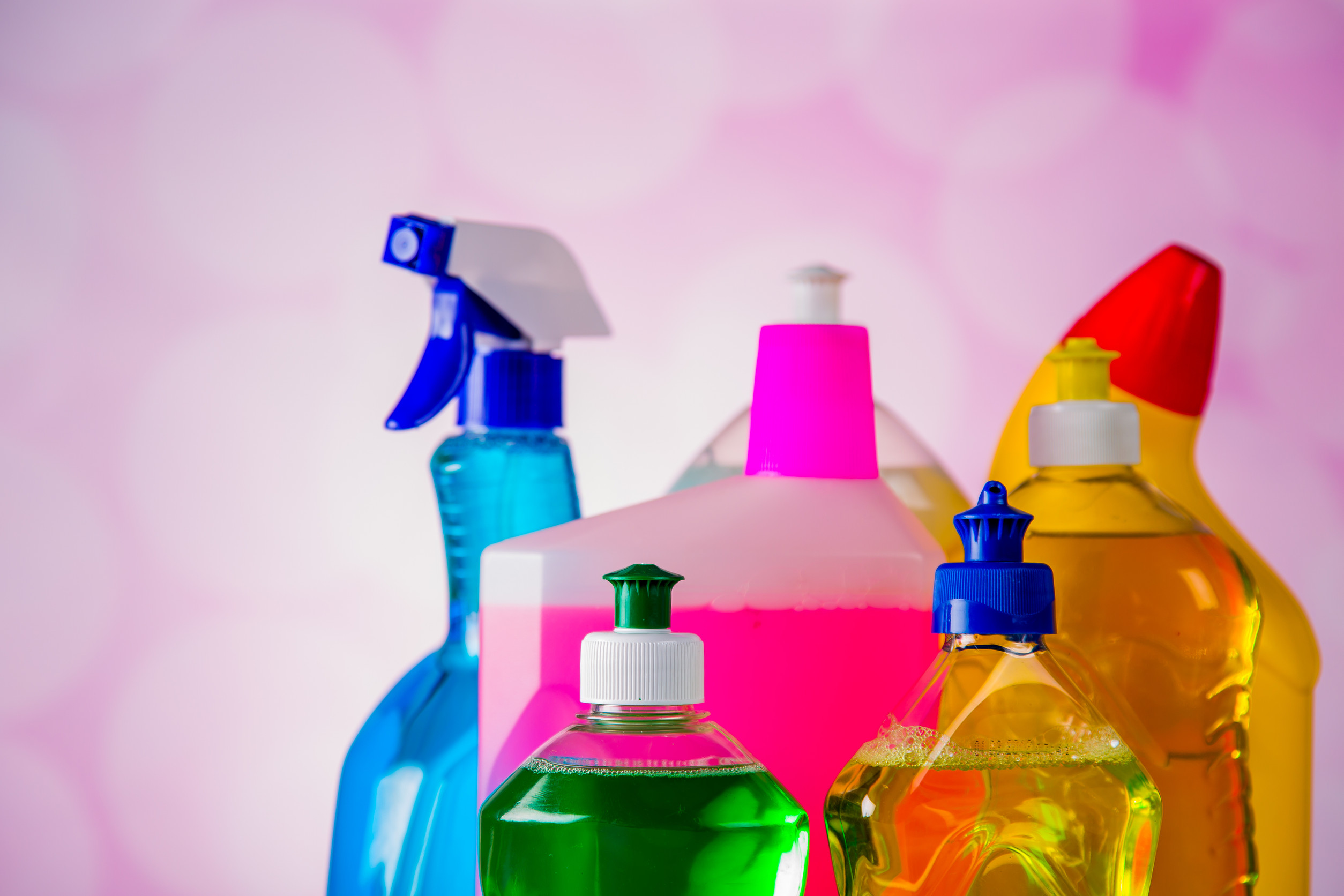
The Hidden Truth: 8 Common Cleaning Products Toxic For Kids

July 29, 2025 | Leave a Comment

The Hidden Truth 8 Common Cleaning Products Toxic For Kids
Image source: 123rf.com

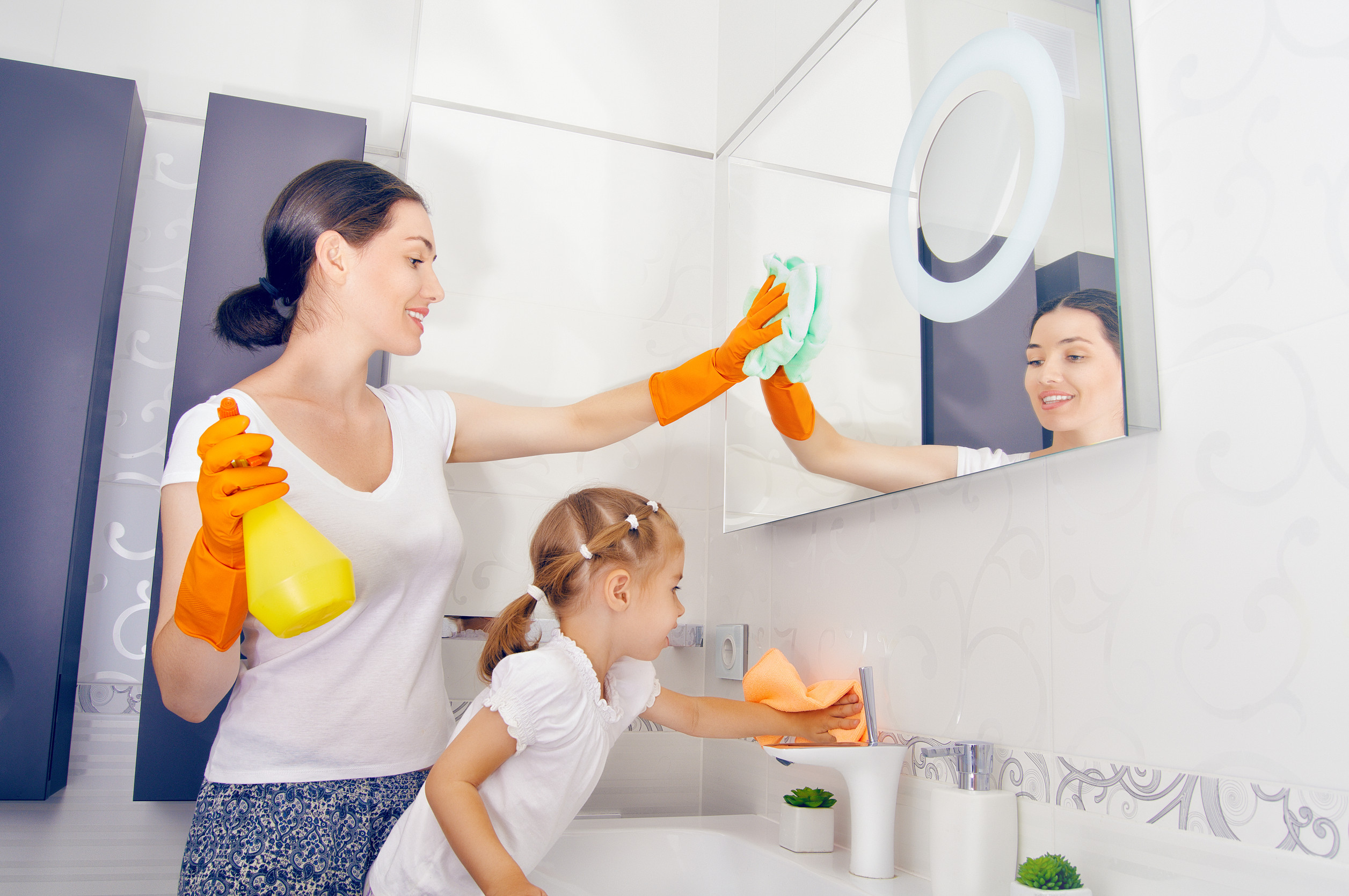
Keeping your home clean and germ-free is a top priority for many families, especially with kids in the house. But what if some of the very products you rely on to protect your children are actually putting them at risk? Many common household cleaners contain ingredients that can be harmful to young children through inhalation, skin contact, or accidental ingestion. Babies and toddlers are especially vulnerable due to their developing immune systems and frequent hand-to-mouth behaviors. Let’s take a closer look at some cleaning products toxic for kids that you might already have under your sink.

1. All-Purpose Cleaners with Ammonia

Ammonia is a powerful degreaser found in many all-purpose and glass cleaners. While it’s effective on surfaces, it can be dangerous for kids who breathe in its fumes or accidentally touch treated areas. Exposure can lead to coughing, eye irritation, and even burns on the skin. If mixed with bleach, ammonia creates a highly toxic gas that poses serious risks to both children and adults. Switching to vinegar-based or ammonia-free options is a safer bet for households with little ones.

2. Bleach-Based Disinfectants

Bleach is often marketed as a must-have for sanitizing surfaces, but it’s also one of the top cleaning products toxic for kids. Even diluted, bleach can cause respiratory distress, skin burns, and nausea when inhaled or touched. If ingested—even in small amounts—it can be life-threatening. Many parents use bleach wipes or sprays without realizing how long residue can linger on surfaces. Consider using hydrogen peroxide-based disinfectants or plant-based alternatives that are safer around children.

3. Drain Cleaners

Drain cleaners are among the most dangerous items in a home with kids due to their highly corrosive ingredients. These products can cause immediate and severe damage if swallowed or splashed onto skin. They can also emit fumes that are harmful to young lungs even during short exposure times. Because they’re often stored under sinks, kids may access them more easily than expected. Opt for mechanical drain solutions or natural methods like baking soda and vinegar to reduce risk.

4. Oven Cleaners

Oven cleaners are formulated to break down baked-on grease, but they often contain lye and other caustic agents. These ingredients can severely burn the skin, irritate the eyes, and produce strong fumes that are especially harmful in enclosed spaces. Children nearby during or after cleaning may inhale lingering chemicals or touch treated areas. This makes oven cleaners one of the more overlooked cleaning products toxic for kids. Look for enzyme-based or fume-free versions if oven cleaning is a must.

5. Air Fresheners and Scented Sprays

They may make your home smell clean, but many air fresheners contain phthalates, formaldehyde, and other harmful chemicals. These substances can trigger asthma, allergies, or headaches in children, and long-term exposure may impact hormone development. Sprays and plug-ins often linger in the air for hours, affecting the air quality your child breathes. Even “natural” or “green” labeled products may include undisclosed ingredients under “fragrance.” Ventilating your home and using essential oils in moderation is a safer choice.

6. Antibacterial Soaps and Wipes

While these products promise germ-free surfaces and hands, they often contain triclosan and other antimicrobial agents that can be toxic with frequent use. These chemicals can disrupt hormone function and contribute to antibiotic resistance. Young children are at a higher risk of absorbing them through skin contact or hand-to-mouth behavior. In many cases, regular soap and warm water are just as effective for cleaning. Avoid overuse and always check ingredient labels for unnecessary additives.

7. Furniture Polishes and Sprays

Furniture polish might give your table a nice shine, but it also often includes petroleum distillates and other volatile organic compounds. These can cause dizziness, headaches, or breathing trouble in children—especially if used in enclosed spaces or sprayed near where kids play. Some polishes leave behind a residue that kids can touch and accidentally ingest. Switching to natural alternatives like olive oil and lemon juice is a safer way to keep furniture looking good. Always polish surfaces when kids aren’t nearby and ensure good ventilation.

8. Toilet Bowl Cleaners

Toilet cleaners are usually kept within reach in bathrooms, making them especially risky for curious toddlers. Many contain hydrochloric acid or bleach, both of which are toxic when inhaled or touched. If swallowed, these products can cause internal burns and other life-threatening issues. Even the fumes left after cleaning can linger in the bathroom air for hours. Use caution when applying these products and consider switching to milder, plant-based toilet cleaners for everyday use.

Safety Begins with Awareness

It’s easy to assume that if a product is sold in stores, it must be safe. But when it comes to cleaning products toxic for kids, the real risks often come from regular use and lack of knowledge. Reading labels, storing cleaners securely, and choosing safer alternatives can dramatically lower your child’s exposure to harmful chemicals. With a few changes, you can create a home that’s not only clean, but also safe for your entire family. Protecting your kids starts with understanding what they’re exposed to every day.

Have you swapped out any toxic cleaners for safer options at home? Share your favorite child-safe cleaning tips in the comments below!

Read More:

Is Your Home Toxic? 8 Everyday Items Poisoning Your Toddler

Toxic Playtime: 10 Popular Kids’ Toys With Harmful Chemicals

Catherine Reed
Catherine Reed

Catherine is a tech-savvy writer who has focused on the personal finance space for more than eight years. She has a Bachelor’s in Information Technology and enjoys showcasing how tech can simplify everyday personal finance tasks like budgeting, spending tracking, and planning for the future. Additionally, she’s explored the ins and outs of the world of side hustles and loves to share what she’s learned along the way. When she’s not working, you can find her relaxing at home in the Pacific Northwest with her two cats or enjoying a cup of coffee at her neighborhood cafe.
Filed Under: Home and Living Tagged With: child safety, cleaning product dangers, household safety, kids and chemicals, non-toxic home, parenting safety, safe cleaning tips, toxic cleaners

The Unseen Risk: 8 Common Cleaning Products Toxic For Kids

July 23, 2025 | Leave a Comment

The Unseen Risk 8 Common Cleaning Products Toxic For Kids
Image source: 123rf.com

Your home may look sparkling clean, but if you’re using the wrong products, that shine could come with hidden dangers. Many popular household cleaners contain chemicals that are perfectly legal for adult use but incredibly harmful if inhaled, touched, or ingested by children. Toddlers and young kids are especially vulnerable because of their developing systems and constant contact with floors, surfaces, and hands that go straight to their mouths. While locking cabinets is a good first step, understanding exactly what’s in your cleaning supplies is even better. Let’s shine a light on eight everyday cleaning products toxic for kids that you might not realize are putting your child at risk.

1. Bleach-Based Disinfectants

Bleach is a go-to for killing germs, but it can be extremely harsh on little lungs and skin. Even diluted, the fumes can irritate a child’s eyes, nose, and throat, especially in poorly ventilated spaces. Accidental ingestion is especially dangerous and can cause vomiting, burns, or worse. Plus, bleach residue on floors or surfaces can transfer easily to toys or hands. Because of its high toxicity, bleach tops the list of cleaning products toxic for kids that should be used with extreme caution.

2. Oven Cleaners

Oven cleaners are packed with caustic chemicals that break down grease but also pose serious health risks. Many contain sodium hydroxide or ammonia, which can cause chemical burns if touched or inhaled. The lingering fumes can stay in the air long after use and are especially harmful in small kitchens where kids may be nearby. If sprayed or spilled, these products can easily reach floors or handles that children touch. Oven cleaners are among the most hazardous cleaning products toxic for kids and should never be used when children are present.

3. Toilet Bowl Cleaners

Bright blue liquid and citrus-scented formulas may make your toilet smell fresh, but many toilet bowl cleaners are highly corrosive. They often contain hydrochloric acid or bleach, which can be life-threatening if swallowed or cause serious eye damage if splashed. Even tablet-style cleaners left inside the tank or bowl can pose a risk if curious hands reach in. Locking the bathroom isn’t always enough if these products are stored within reach. These are some of the easiest cleaning products toxic for kids to forget about, but they pose real risks.

4. Glass and Window Sprays

They might seem harmless, but glass cleaners often contain ammonia or alcohol, both of which are dangerous when inhaled or accidentally sprayed near eyes. When used on low surfaces like coffee tables or glass doors, the mist can linger where kids crawl and play. Even “streak-free” formulas may leave chemical residues that transfer easily onto hands and mouths. Kids may also mimic parents and try to spray them on their own. Glass cleaners are surprisingly common cleaning products toxic for kids because they’re often left out or kept in easy-to-reach places.

5. Air Fresheners and Scented Sprays

A home that smells clean isn’t always a healthy one. Many air fresheners contain phthalates, formaldehyde, or synthetic fragrances that can irritate breathing and trigger asthma symptoms. Continuous-release air fresheners are especially harmful since they pump chemicals into the air all day long. These compounds are easily absorbed by children’s more sensitive systems and can even disrupt hormone function. Air fresheners are sneaky cleaning products toxic for kids because they don’t feel like cleaners, but their effects are just as concerning.

6. Floor Cleaners and Mop Solutions

Children spend a lot of time on the floor, which means whatever you use to mop matters more than you might think. Strong chemical-based floor cleaners often contain solvents and synthetic fragrances that can linger and be absorbed through bare feet or transferred to toys. Even residue from “no-rinse” products can cause skin irritation or be harmful if licked off of fingers or pacifiers. Just because the floor looks clean doesn’t mean it’s safe. Floor cleaners rank high among cleaning products toxic for kids because of how easily they come into contact with children’s skin.

7. Multi-Surface Cleaners

Marketed for convenience, multi-surface cleaners often contain a mix of surfactants, solvents, and artificial scents. While they might work on everything from countertops to doorknobs, their chemical content can be problematic. Children are constantly touching these surfaces and may rub their eyes or put their hands in their mouths right after. These cleaners often leave a residue that builds up with repeated use. Versatility comes at a cost with these cleaning products toxic for kids, especially if used daily without wiping down afterward.

8. Dishwashing Pods and Detergents

Colorful and squishy, dishwashing pods are dangerously tempting for curious kids. Many contain concentrated detergents that can cause chemical burns, respiratory distress, or even unconsciousness if swallowed. Liquid and powder detergents are also hazardous, particularly if stored under the sink where little hands can reach. Even after a wash cycle, residues from overly harsh products can cling to sippy cups or baby spoons. Dishwasher products are some of the most overlooked cleaning products toxic for kids, especially when their danger is hidden behind a child-safe lock.

Smarter Swaps, Safer Spaces

You don’t have to stop cleaning to keep your home safe—you just need to clean smarter. Many child-safe alternatives now exist, from plant-based sprays to baking soda scrubs and vinegar solutions. The key is awareness: read labels, know what you’re using, and store anything questionable out of reach. You can still have a sparkling home without compromising your child’s safety. By avoiding cleaning products toxic for kids, you create a space that’s just as healthy as it is tidy.

Have you found safer alternatives to the products on this list? What changes have helped protect your child from hidden chemical risks? Share your thoughts below!

Read More:

Is Your Home Toxic? 8 Everyday Items Poisoning Your Toddler

8 Hidden Dangers Lurking in Your Child’s Toys

Catherine Reed
Catherine Reed

Catherine is a tech-savvy writer who has focused on the personal finance space for more than eight years. She has a Bachelor’s in Information Technology and enjoys showcasing how tech can simplify everyday personal finance tasks like budgeting, spending tracking, and planning for the future. Additionally, she’s explored the ins and outs of the world of side hustles and loves to share what she’s learned along the way. When she’s not working, you can find her relaxing at home in the Pacific Northwest with her two cats or enjoying a cup of coffee at her neighborhood cafe.

Filed Under: Parenting Tagged With: babyproofing, chemical exposure, child safety, green cleaning, household safety, natural cleaning, parenting tips, safe cleaning for kids, toxic cleaners

Hidden Hazards: 10 Things Never to Keep in Your Child’s Room

July 11, 2025 | Leave a Comment

Hidden Hazards 10 Things Never to Keep in Your Childs Room
123rf.com

Your child’s bedroom should be a place of rest, safety, and creativity—but certain everyday items might be quietly putting them at risk. From fire hazards to health concerns, there are some things never to keep in your child’s room if you want to maintain a secure, peaceful environment. While some objects may seem harmless on the surface, they can cause issues with sleep, breathing, focus, or physical safety. Being mindful of what stays in their space is one simple way to protect their well-being. Let’s walk through 10 things that are better off stored elsewhere.

1. Plug-In Air Fresheners and Scented Candles

Fragrance products may make a room smell nice, but they often release chemicals that can irritate sensitive lungs or trigger allergies. Some plug-in air fresheners and candles contain volatile organic compounds (VOCs), which aren’t ideal for enclosed spaces. Children breathe more rapidly than adults, which increases their exposure. Even unscented candles pose a fire risk, especially in rooms with curtains or stuffed animals nearby. Fresh air and a clean room are safer ways to keep things smelling sweet.

2. Charging Devices Overnight

Phones, tablets, and even toy chargers may seem fine to leave plugged in overnight, but they can overheat and pose a fire hazard. Beyond that, the blue light from screens can disrupt your child’s sleep, even if the devices aren’t actively being used. Kids may also be tempted to sneak screen time after lights-out. Charging devices in another room encourages better sleep habits and cuts the risk of overloading outlets. It’s a small change that makes a big impact.

3. Heavy Wall Decor Over the Bed

A framed poster or shelf might look cute above the bed, but it’s one of those things never to keep in your child’s room—especially in earthquake zones or homes with bunk beds. These items can fall during the night or when bumped by rowdy play, causing injury. Lightweight fabric wall hangings are a safer decorative option. If you do hang anything, ensure it’s securely mounted and not directly over the sleeping area. When it comes to safety, lighter is better.

4. Small Toys for Young Kids

If you have more than one child sharing a room, it’s easy for choking hazards to make their way into a younger sibling’s space. Small building blocks, marbles, or pieces from older kids’ games can endanger toddlers or preschoolers. Keep a separate storage area for age-appropriate toys and teach older children to clean up after play. Accidents can happen quickly, especially when a baby or toddler finds something shiny or chewable. Rotating toys regularly can help reduce clutter and improve safety.

5. Space Heaters Without Auto Shut Off

Portable heaters seem like a cozy winter solution, but without built-in safety features, they can overheat or start fires. Kids may also place toys, blankets, or clothes too close, blocking airflow or creating a fire risk. If you must use one, choose a model with tip-over protection and a timer or auto shut-off. Place it far from beds and curtains and never leave it running overnight. Room temperature can be managed more safely with central heat and layered pajamas.

6. Excess Pillows and Plush Toys

Too many stuffed animals or pillows can clutter a child’s sleep space and become a suffocation hazard for infants and toddlers. Even for older kids, excess clutter on the bed can interfere with posture and sleep quality. Limit plush toys to a few favorites and store the rest in a bin or on a shelf. Clean them regularly to avoid dust buildup and allergens. A clear bed makes it easier for kids to fall asleep and wake up feeling refreshed.

7. Cleaning Supplies or Scented Detergents

It might be tempting to keep a bottle of spray cleaner or laundry detergent in the closet for quick touch-ups, but these should always be stored out of reach. Many cleaners contain toxic ingredients and are dangerous if ingested or spilled. Even laundry products labeled as “gentle” can trigger allergies or skin issues when used in confined spaces. Stick to non-toxic, fragrance-free options and keep all chemicals in a secured cabinet outside the bedroom. Safety beats convenience every time.

8. Breakable Lamps and Glass Items

That cute glass lamp or decorative jar might seem fine until it gets knocked over during playtime or a late-night trip to the bathroom. Broken glass in a carpeted room is hard to spot and dangerous for little feet. Choose shatterproof lighting options, especially for nightstands or desks. Soft lighting options like silicone LED lamps are safer and often more fun for kids anyway. When in doubt, go with materials that can take a tumble.

9. Pet Beds or Litter Boxes

If your child shares their room with a pet, it’s important to set boundaries. Litter boxes and dog beds bring in odors, allergens, and bacteria that can impact your child’s health and sleep. Pet dander can also aggravate asthma or allergies, especially in tight spaces. Keep pets close, but their messes and bedding in a different room. Your child’s room should be a place for clean sleep—not constant sniffles.

10. Old or Recalled Furniture

Hand-me-down furniture may save money, but it can hide risks like loose screws, lead paint, or tip-over hazards. Always check for recalls before using cribs, dressers, or beds from previous generations. Furniture without anchors or safety straps can topple when climbed or bumped. A quick inspection and minor upgrades can make a big difference in safety. Outdated furniture is one of those quiet things never to keep in your child’s room if it’s not up to today’s standards.

A Safe Room Starts with Smart Choices

Creating a safe sleep and play space doesn’t mean sacrificing comfort or personality—it just means being intentional with what stays and what goes. Many of the things never to keep in your child’s room are small changes that make a big difference in their health and safety. A clutter-free, toxin-free, and hazard-free room supports better sleep, fewer accidents, and peace of mind for you. Keep it simple, keep it safe, and your child’s room will truly be their sanctuary.

What’s one item you removed from your child’s room for safety’s sake? Share your experience and tips with other parents in the comments below.

Read More:

Think Before You Speak: 10 Things Never to Say to Your Kids

7 Things You Should Never Buy for Your Kids – But Everyone Does

Catherine Reed
Catherine Reed

Catherine is a tech-savvy writer who has focused on the personal finance space for more than eight years. She has a Bachelor’s in Information Technology and enjoys showcasing how tech can simplify everyday personal finance tasks like budgeting, spending tracking, and planning for the future. Additionally, she’s explored the ins and outs of the world of side hustles and loves to share what she’s learned along the way. When she’s not working, you can find her relaxing at home in the Pacific Northwest with her two cats or enjoying a cup of coffee at her neighborhood cafe.

Filed Under: Parenting Tagged With: bedroom hazards, child safety tips, fire prevention, household safety, kids room safety, parenting advice, safe sleep environment, toy safety

  • Facebook
  • Pinterest
  • RSS
  • Twitter

Basic Principles Of Good Parenting

Here some basic principles for good parenting:

  1. What You Do Matters: Your kids are watching you. So, be purposeful about what you want to accomplish.
  2. You Can’t be Too Loving: Don’t replace love with material possessions, lowered expectations or leniency.
  3. Be Involved Your Kids Life: Arrange your priorities to focus on what your kid’s needs. Be there mentally and physically.
  4. Adapt Your Parenting: Children grow quickly, so keep pace with your child’s development.
  5. Establish and Set Rules: The rules you set for children will establish the rules they set for themselves later.  Avoid harsh discipline and be consistent.
  6. Explain Your Decisions: What is obvious to you may not be evident to your child. They don’t have the experience you do.
  7. Be Respectful To Your Child: How you treat your child is how they will treat others.  Be polite, respectful and make an effort to pay attention.
Best Parenting Blogs

Most Popular

Baby

9 Baby Names That Sound Rare Without Being Hard to Spell

Evan Morgan
Baby

9 Unusual Baby Names That Sound Like They Belong to Future CEOs

Evan Morgan
Target Store

Choking Incident Prompts Recall of 49,000 Target Gigglescape “Under the Sea” Popping Toys

Evan Morgan
Frustrated Girl

Why Some Students on the Spectrum Are Labeled With ODD

Evan Morgan
Coke Bottles

12 Things Kids Took to School in the ’70s That Would Never Be Allowed Today

Evan Morgan

All content on Kids Ain’t Cheap is for entertainment purposes only. By reading this blog, you agree that Kids Ain’t Cheap is not responsible for any actions taken after reading this blog. For the full disclaimer, see our privacy policy.

Please note that Kids Ain’t Cheap has financial relationships with some of the merchants mentioned here. Kids Ain’t Cheap is funded by banner advertising, commission sales and search optimization consulting.

Copyright © 2006–2026 | District Media | All Rights Reserved | Privacy Policy

Copyright © 2026 Runway Pro Theme by Viva la Violette