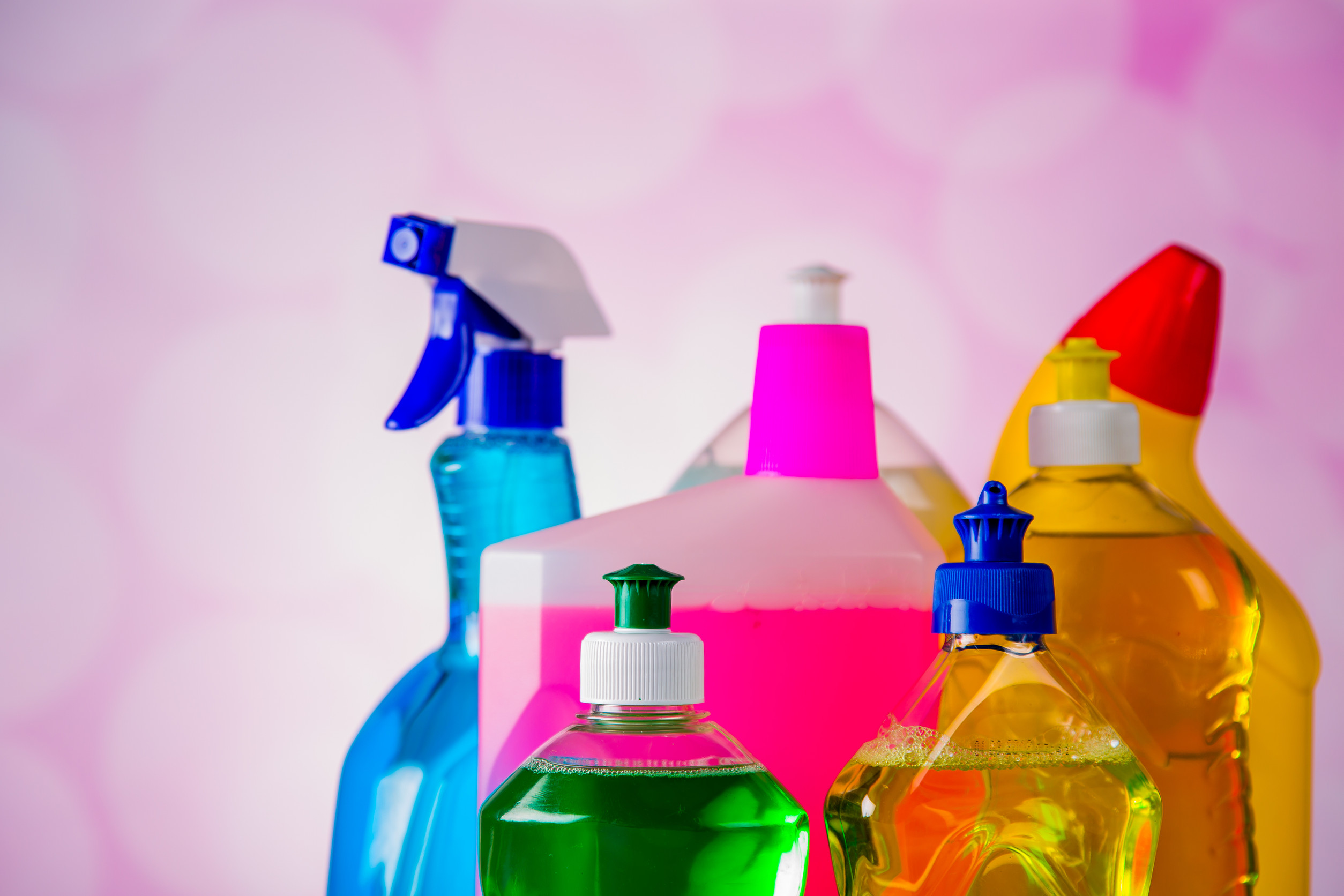
Keeping your home clean and germ-free is a top priority for many families, especially with kids in the house. But what if some of the very products you rely on to protect your children are actually putting them at risk? Many common household cleaners contain ingredients that can be harmful to young children through inhalation, skin contact, or accidental ingestion. Babies and toddlers are especially vulnerable due to their developing immune systems and frequent hand-to-mouth behaviors. Let’s take a closer look at some cleaning products toxic for kids that you might already have under your sink.
1. All-Purpose Cleaners with Ammonia
Ammonia is a powerful degreaser found in many all-purpose and glass cleaners. While it’s effective on surfaces, it can be dangerous for kids who breathe in its fumes or accidentally touch treated areas. Exposure can lead to coughing, eye irritation, and even burns on the skin. If mixed with bleach, ammonia creates a highly toxic gas that poses serious risks to both children and adults. Switching to vinegar-based or ammonia-free options is a safer bet for households with little ones.
2. Bleach-Based Disinfectants
Bleach is often marketed as a must-have for sanitizing surfaces, but it’s also one of the top cleaning products toxic for kids. Even diluted, bleach can cause respiratory distress, skin burns, and nausea when inhaled or touched. If ingested—even in small amounts—it can be life-threatening. Many parents use bleach wipes or sprays without realizing how long residue can linger on surfaces. Consider using hydrogen peroxide-based disinfectants or plant-based alternatives that are safer around children.
3. Drain Cleaners
Drain cleaners are among the most dangerous items in a home with kids due to their highly corrosive ingredients. These products can cause immediate and severe damage if swallowed or splashed onto skin. They can also emit fumes that are harmful to young lungs even during short exposure times. Because they’re often stored under sinks, kids may access them more easily than expected. Opt for mechanical drain solutions or natural methods like baking soda and vinegar to reduce risk.
4. Oven Cleaners
Oven cleaners are formulated to break down baked-on grease, but they often contain lye and other caustic agents. These ingredients can severely burn the skin, irritate the eyes, and produce strong fumes that are especially harmful in enclosed spaces. Children nearby during or after cleaning may inhale lingering chemicals or touch treated areas. This makes oven cleaners one of the more overlooked cleaning products toxic for kids. Look for enzyme-based or fume-free versions if oven cleaning is a must.
5. Air Fresheners and Scented Sprays
They may make your home smell clean, but many air fresheners contain phthalates, formaldehyde, and other harmful chemicals. These substances can trigger asthma, allergies, or headaches in children, and long-term exposure may impact hormone development. Sprays and plug-ins often linger in the air for hours, affecting the air quality your child breathes. Even “natural” or “green” labeled products may include undisclosed ingredients under “fragrance.” Ventilating your home and using essential oils in moderation is a safer choice.
6. Antibacterial Soaps and Wipes
While these products promise germ-free surfaces and hands, they often contain triclosan and other antimicrobial agents that can be toxic with frequent use. These chemicals can disrupt hormone function and contribute to antibiotic resistance. Young children are at a higher risk of absorbing them through skin contact or hand-to-mouth behavior. In many cases, regular soap and warm water are just as effective for cleaning. Avoid overuse and always check ingredient labels for unnecessary additives.
7. Furniture Polishes and Sprays
Furniture polish might give your table a nice shine, but it also often includes petroleum distillates and other volatile organic compounds. These can cause dizziness, headaches, or breathing trouble in children—especially if used in enclosed spaces or sprayed near where kids play. Some polishes leave behind a residue that kids can touch and accidentally ingest. Switching to natural alternatives like olive oil and lemon juice is a safer way to keep furniture looking good. Always polish surfaces when kids aren’t nearby and ensure good ventilation.
8. Toilet Bowl Cleaners
Toilet cleaners are usually kept within reach in bathrooms, making them especially risky for curious toddlers. Many contain hydrochloric acid or bleach, both of which are toxic when inhaled or touched. If swallowed, these products can cause internal burns and other life-threatening issues. Even the fumes left after cleaning can linger in the bathroom air for hours. Use caution when applying these products and consider switching to milder, plant-based toilet cleaners for everyday use.
Safety Begins with Awareness
It’s easy to assume that if a product is sold in stores, it must be safe. But when it comes to cleaning products toxic for kids, the real risks often come from regular use and lack of knowledge. Reading labels, storing cleaners securely, and choosing safer alternatives can dramatically lower your child’s exposure to harmful chemicals. With a few changes, you can create a home that’s not only clean, but also safe for your entire family. Protecting your kids starts with understanding what they’re exposed to every day.
Have you swapped out any toxic cleaners for safer options at home? Share your favorite child-safe cleaning tips in the comments below!
Read More:
Is Your Home Toxic? 8 Everyday Items Poisoning Your Toddler
Toxic Playtime: 10 Popular Kids’ Toys With Harmful Chemicals

Catherine is a tech-savvy writer who has focused on the personal finance space for more than eight years. She has a Bachelor’s in Information Technology and enjoys showcasing how tech can simplify everyday personal finance tasks like budgeting, spending tracking, and planning for the future. Additionally, she’s explored the ins and outs of the world of side hustles and loves to share what she’s learned along the way. When she’s not working, you can find her relaxing at home in the Pacific Northwest with her two cats or enjoying a cup of coffee at her neighborhood cafe.
