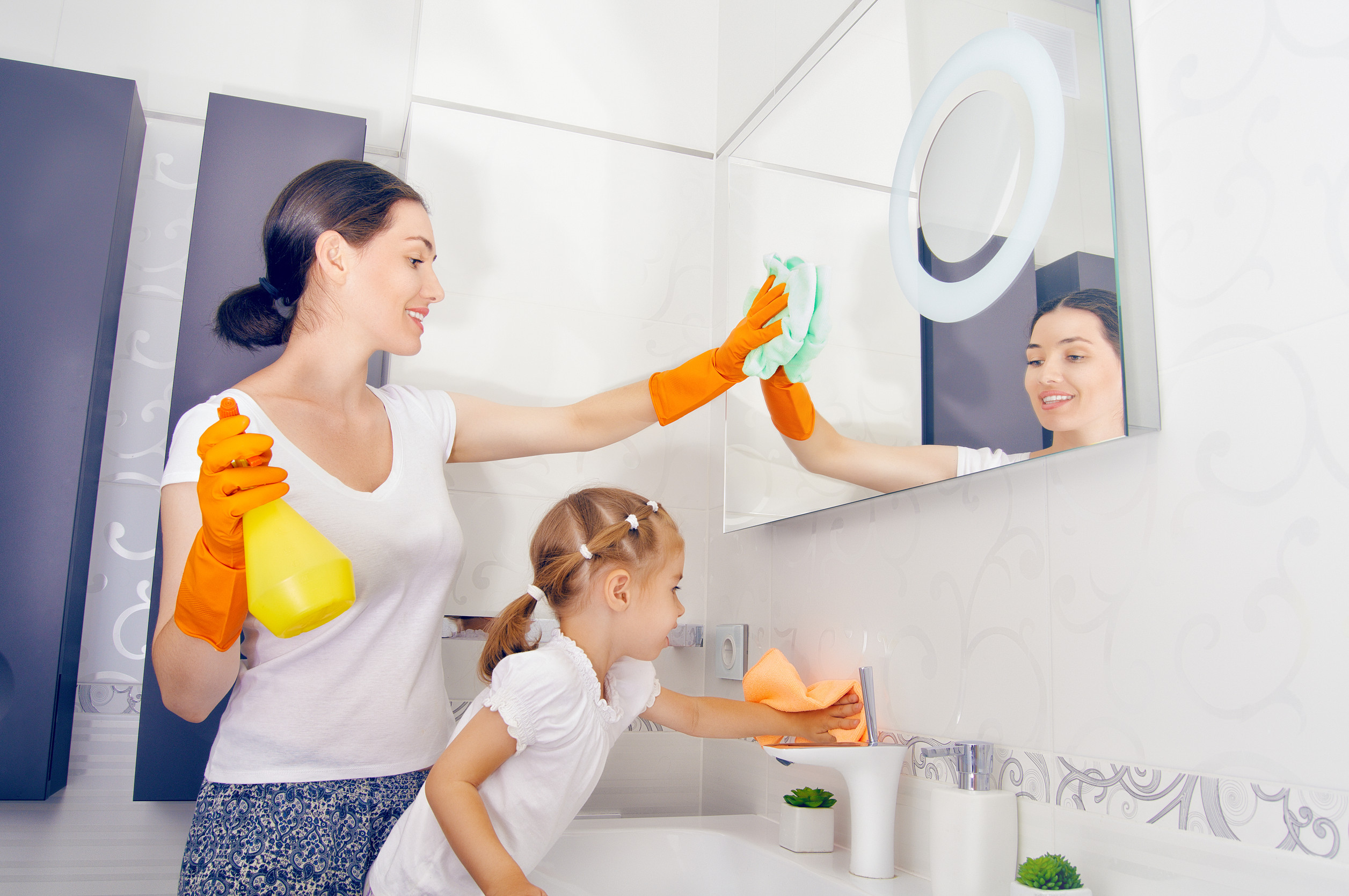
Your home may look sparkling clean, but if you’re using the wrong products, that shine could come with hidden dangers. Many popular household cleaners contain chemicals that are perfectly legal for adult use but incredibly harmful if inhaled, touched, or ingested by children. Toddlers and young kids are especially vulnerable because of their developing systems and constant contact with floors, surfaces, and hands that go straight to their mouths. While locking cabinets is a good first step, understanding exactly what’s in your cleaning supplies is even better. Let’s shine a light on eight everyday cleaning products toxic for kids that you might not realize are putting your child at risk.
1. Bleach-Based Disinfectants
Bleach is a go-to for killing germs, but it can be extremely harsh on little lungs and skin. Even diluted, the fumes can irritate a child’s eyes, nose, and throat, especially in poorly ventilated spaces. Accidental ingestion is especially dangerous and can cause vomiting, burns, or worse. Plus, bleach residue on floors or surfaces can transfer easily to toys or hands. Because of its high toxicity, bleach tops the list of cleaning products toxic for kids that should be used with extreme caution.
2. Oven Cleaners
Oven cleaners are packed with caustic chemicals that break down grease but also pose serious health risks. Many contain sodium hydroxide or ammonia, which can cause chemical burns if touched or inhaled. The lingering fumes can stay in the air long after use and are especially harmful in small kitchens where kids may be nearby. If sprayed or spilled, these products can easily reach floors or handles that children touch. Oven cleaners are among the most hazardous cleaning products toxic for kids and should never be used when children are present.
3. Toilet Bowl Cleaners
Bright blue liquid and citrus-scented formulas may make your toilet smell fresh, but many toilet bowl cleaners are highly corrosive. They often contain hydrochloric acid or bleach, which can be life-threatening if swallowed or cause serious eye damage if splashed. Even tablet-style cleaners left inside the tank or bowl can pose a risk if curious hands reach in. Locking the bathroom isn’t always enough if these products are stored within reach. These are some of the easiest cleaning products toxic for kids to forget about, but they pose real risks.
4. Glass and Window Sprays
They might seem harmless, but glass cleaners often contain ammonia or alcohol, both of which are dangerous when inhaled or accidentally sprayed near eyes. When used on low surfaces like coffee tables or glass doors, the mist can linger where kids crawl and play. Even “streak-free” formulas may leave chemical residues that transfer easily onto hands and mouths. Kids may also mimic parents and try to spray them on their own. Glass cleaners are surprisingly common cleaning products toxic for kids because they’re often left out or kept in easy-to-reach places.
5. Air Fresheners and Scented Sprays
A home that smells clean isn’t always a healthy one. Many air fresheners contain phthalates, formaldehyde, or synthetic fragrances that can irritate breathing and trigger asthma symptoms. Continuous-release air fresheners are especially harmful since they pump chemicals into the air all day long. These compounds are easily absorbed by children’s more sensitive systems and can even disrupt hormone function. Air fresheners are sneaky cleaning products toxic for kids because they don’t feel like cleaners, but their effects are just as concerning.
6. Floor Cleaners and Mop Solutions
Children spend a lot of time on the floor, which means whatever you use to mop matters more than you might think. Strong chemical-based floor cleaners often contain solvents and synthetic fragrances that can linger and be absorbed through bare feet or transferred to toys. Even residue from “no-rinse” products can cause skin irritation or be harmful if licked off of fingers or pacifiers. Just because the floor looks clean doesn’t mean it’s safe. Floor cleaners rank high among cleaning products toxic for kids because of how easily they come into contact with children’s skin.
7. Multi-Surface Cleaners
Marketed for convenience, multi-surface cleaners often contain a mix of surfactants, solvents, and artificial scents. While they might work on everything from countertops to doorknobs, their chemical content can be problematic. Children are constantly touching these surfaces and may rub their eyes or put their hands in their mouths right after. These cleaners often leave a residue that builds up with repeated use. Versatility comes at a cost with these cleaning products toxic for kids, especially if used daily without wiping down afterward.
8. Dishwashing Pods and Detergents
Colorful and squishy, dishwashing pods are dangerously tempting for curious kids. Many contain concentrated detergents that can cause chemical burns, respiratory distress, or even unconsciousness if swallowed. Liquid and powder detergents are also hazardous, particularly if stored under the sink where little hands can reach. Even after a wash cycle, residues from overly harsh products can cling to sippy cups or baby spoons. Dishwasher products are some of the most overlooked cleaning products toxic for kids, especially when their danger is hidden behind a child-safe lock.
Smarter Swaps, Safer Spaces
You don’t have to stop cleaning to keep your home safe—you just need to clean smarter. Many child-safe alternatives now exist, from plant-based sprays to baking soda scrubs and vinegar solutions. The key is awareness: read labels, know what you’re using, and store anything questionable out of reach. You can still have a sparkling home without compromising your child’s safety. By avoiding cleaning products toxic for kids, you create a space that’s just as healthy as it is tidy.
Have you found safer alternatives to the products on this list? What changes have helped protect your child from hidden chemical risks? Share your thoughts below!
Read More:
Is Your Home Toxic? 8 Everyday Items Poisoning Your Toddler
8 Hidden Dangers Lurking in Your Child’s Toys

Catherine is a tech-savvy writer who has focused on the personal finance space for more than eight years. She has a Bachelor’s in Information Technology and enjoys showcasing how tech can simplify everyday personal finance tasks like budgeting, spending tracking, and planning for the future. Additionally, she’s explored the ins and outs of the world of side hustles and loves to share what she’s learned along the way. When she’s not working, you can find her relaxing at home in the Pacific Northwest with her two cats or enjoying a cup of coffee at her neighborhood cafe.
