• Home
  • About Us
  • Toolkit
  • Archives
  • Advertise
  • Privacy Policy

Kids Ain't Cheap

But They Sure Are Worth It

  • Parenting
    • Baby Stuff
    • Books and Reading
      • Aesops Fables
      • Comic Books
    • Education
    • Family Time
    • Green Living
    • Growing Up
    • Healthy Living & Eating
    • Holidays
    • Parenting
    • Random Musings
    • Shopping
    • Stuff to Do
  • Money
  • Product Reviews
    • Books and Magazines
    • Discount Sites
    • Furniture
    • House Keeping
    • Reviews News
    • Toys and Games
  • Contact Us
  • Our Editorial Commitment
  • Search

Toxic Playtime: 10 Popular Kids’ Toys With Harmful Chemicals

July 24, 2025 | Leave a Comment

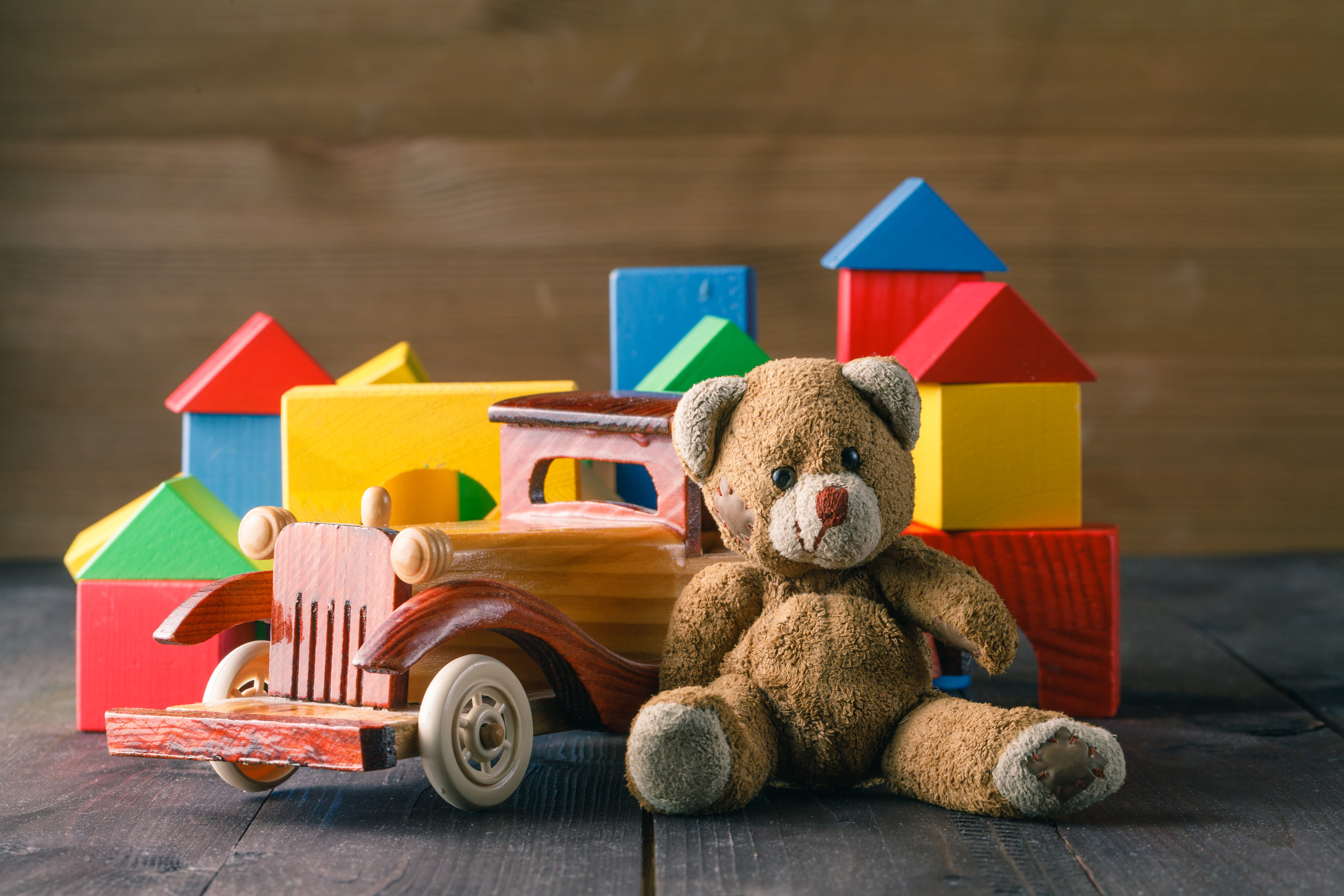
Toxic Playtime 10 Popular Kids Toys With Harmful Chemicals
Image source: 123rf.com

Toys are supposed to bring joy, spark imagination, and support your child’s development—not put their health at risk. Yet many kids’ toys with harmful chemicals still end up on store shelves and in playrooms across the country. From colorful plastics to squishy textures, some of the most loved items may quietly expose your child to toxins like lead, phthalates, BPA, and formaldehyde. These chemicals can disrupt hormones, irritate skin, or even contribute to long-term health problems. Knowing which toys to avoid (or replace) gives you the power to protect your little one during playtime.

1. Plastic Bath Toys with Phthalates

That cheerful yellow rubber duck might look harmless, but many bath toys are made with soft PVC plastic that contains phthalates. These chemicals are used to soften plastic but have been linked to hormonal disruptions in young children. Since bath toys are often chewed or squeezed in warm water, they can leach chemicals more easily. Unfortunately, many aren’t labeled with clear ingredient information. When shopping, look for toys made from phthalate-free materials like silicone or hard plastic certified as non-toxic.

2. Cheap Plastic Dolls with PVC

Many mass-market dolls are made from PVC, which is often softened with harmful plasticizers. Even when dressed in cute clothes and sold by well-known brands, these dolls can emit a strong chemical smell—a red flag for toxic ingredients. If your child regularly hugs, sleeps with, or mouths these dolls, that chemical exposure can build up. Opt for dolls labeled BPA- and phthalate-free, or switch to fabric dolls with natural fillings. When it comes to kids’ toys with harmful chemicals, soft vinyl dolls are one of the most commonly overlooked sources.

3. Jewelry Kits with Lead and Cadmium

DIY jewelry kits may seem like creative fun, but some include beads and charms that contain lead or cadmium. These heavy metals are dangerous, especially for young children who may put finished pieces in their mouths. Lead exposure has been linked to developmental delays and learning disabilities. Even low levels of cadmium can affect the kidneys and bones over time. To be safe, choose kits made in countries with stricter safety standards and always supervise jewelry play closely.

4. Slime Kits with Borax

Slime is a favorite among kids, but some kits use borax as a main ingredient. In high quantities or with frequent contact, borax can cause skin irritation or even hormonal disruption. Homemade slime recipes often call for it too, increasing risk through repeated exposure. While a little slime now and then isn’t likely to cause major harm, frequent use without gloves can be concerning. Look for borax-free options or buy pre-made slime from brands that test for chemical safety.

5. Foam Puzzle Mats Containing Formamide

Foam puzzle mats are often used in playrooms for comfort and safety, but many contain formamide, a chemical used in the manufacturing process. Formamide has been linked to respiratory and reproductive issues, especially when mats off-gas in enclosed spaces. Even worse, young children crawl, roll, and play directly on these mats every day. Choose mats made without formamide or certified as low-VOC. Let new mats air out for several days before use, especially in small rooms.

6. Imported Toys with Poor Safety Oversight

Toys made in countries with lax safety regulations are more likely to contain harmful materials. Items bought from unknown online sellers or discount import stores often lack proper testing. These toys may include lead-based paints, unsafe plastics, or small parts not approved under U.S. guidelines. Always look for safety certifications like ASTM or CE on packaging. Being cautious about where toys are made is one of the best defenses against kids’ toys with harmful chemicals.

7. Art Supplies with Toxic Additives

Not all crayons, markers, and paints are created equal. Some inexpensive art supplies contain heavy metals, petroleum-based solvents, or other dangerous ingredients. Since kids often get paint on their hands (and sometimes their mouths), the risk is more than theoretical. Look for products labeled “non-toxic” and certified by the ACMI (Art and Creative Materials Institute). Avoid items with strong chemical smells, which often signal harmful additives.

8. Glow-in-the-Dark and Light-Up Toys with Unsafe Batteries

Toys that light up or glow are exciting but can also be dangerous if they use button batteries. If swallowed, button batteries can cause serious internal injuries in minutes. In addition, some of the glowing materials used in cheap toys may contain phosphors or other toxic elements. Always make sure battery compartments are screwed shut and avoid glow toys unless the materials are clearly labeled as safe. Light-up fun should never come with hidden risks.

9. Teething Toys Made from Unsafe Plastics

Teething toys are meant to go straight into your baby’s mouth, so the materials they’re made from matter a lot. Some older or off-brand teethers contain BPA, PVC, or phthalates, which can leach under pressure and warmth. Even newer teethers might not meet modern safety guidelines if they come from questionable sources. Choose teething products made from medical-grade silicone or natural rubber, and stick with reputable brands. This is one area where cutting corners isn’t worth the risk.

10. Plush Toys Treated with Flame Retardants

Stuffed animals might seem cozy and safe, but many are treated with flame retardants that contain toxic chemicals. These additives can release particles over time, especially when toys are hugged, chewed, or washed repeatedly. Some flame retardants have been linked to cancer and developmental delays. Look for plush toys labeled as untreated or made from organic materials. Keeping your child’s sleep and cuddle buddies chemical-free is a great step toward a safer home.

Safer Play Starts with Smarter Picks

Protecting your child doesn’t mean banning fun—it means being informed about what’s in their favorite toys. Kids’ toys with harmful chemicals are still too common, but parents can take control by choosing safer materials, reading labels, and supporting transparent brands. A little extra attention during the buying process goes a long way in creating a healthier play environment. When playtime is safe, everyone has more fun—without the toxic side effects.

Have you discovered a toy with hidden chemicals in your home? Share your experience and favorite safe brands in the comments to help other parents shop smart.

Read More:

5 Toys That Were Never Designed to Be Used by Children

Before You Buy: 10 Popular Kids’ Toys With Cancer-Causing Materials

Catherine Reed
Catherine Reed

Catherine is a tech-savvy writer who has focused on the personal finance space for more than eight years. She has a Bachelor’s in Information Technology and enjoys showcasing how tech can simplify everyday personal finance tasks like budgeting, spending tracking, and planning for the future. Additionally, she’s explored the ins and outs of the world of side hustles and loves to share what she’s learned along the way. When she’s not working, you can find her relaxing at home in the Pacific Northwest with her two cats or enjoying a cup of coffee at her neighborhood cafe.
Filed Under: Parenting Tagged With: baby toy safety, chemical-free toys, child health, eco-friendly toys, kids' toys with harmful chemicals, parenting tips, safe playtime, toxic toys, toy safety

Before You Buy: 10 Popular Kids’ Toys With Cancer-Causing Materials

July 21, 2025 | Leave a Comment

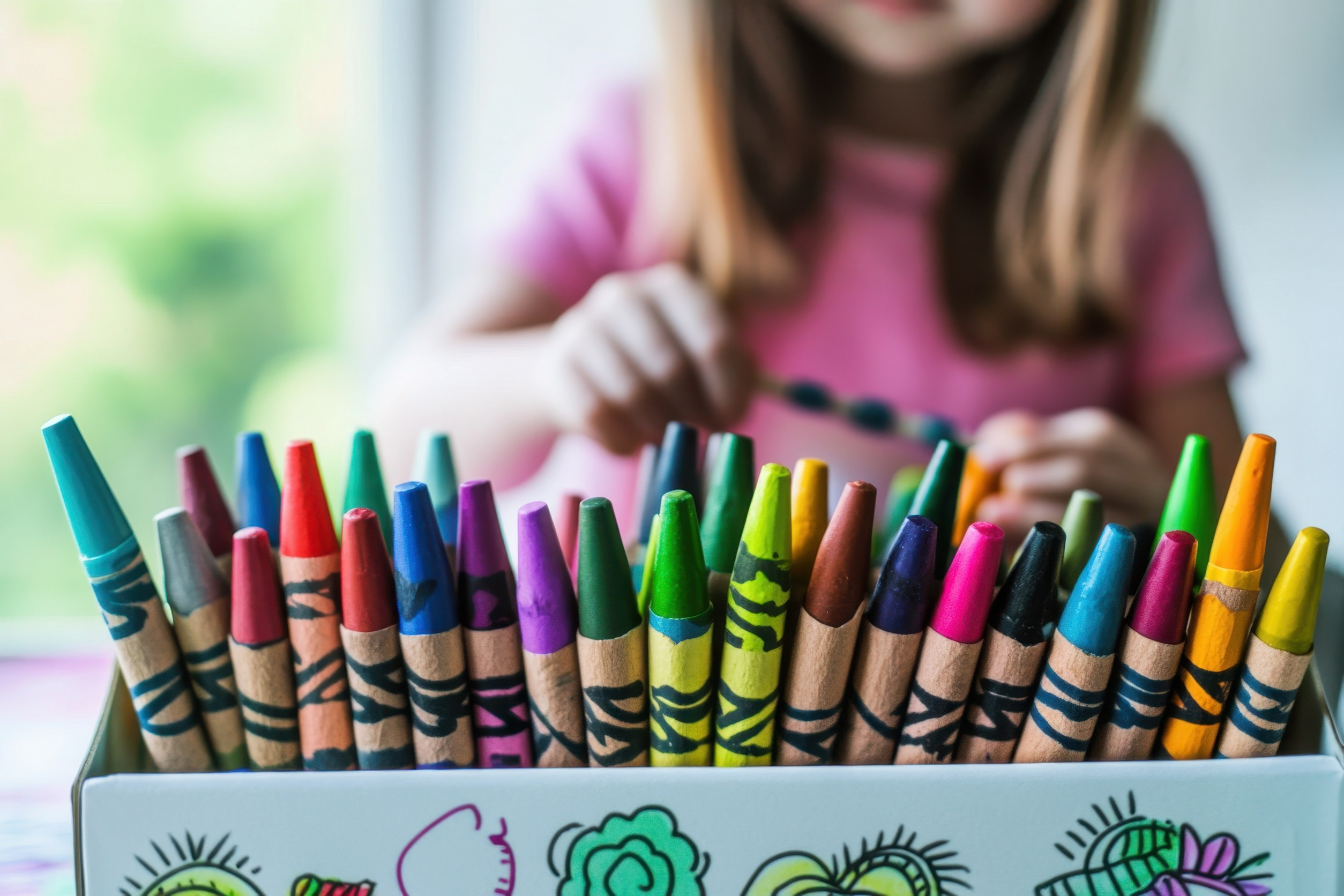
Before You Buy 10 Popular Kids Toys With Cancer Causing Materials
Image source: 123rf.com

Shopping for toys should be fun and safe, not a game of chemical roulette. But many popular children’s toys are made with ingredients linked to serious health concerns—including cancer. From plastic dolls to bath toys and even art kits, some products contain cancer-causing materials that parents rarely know to watch for. These toxins might not be visible to the naked eye, but over time, exposure through touch, inhalation, or even mouthing can add up. Before you fill the toy box, check out these ten common culprits that could be putting your child at risk.

1. Cheap Plastic Dolls With PVC

Many budget-friendly dolls and action figures are made from polyvinyl chloride (PVC), a plastic that often contains harmful additives. During manufacturing, PVC is softened with phthalates, which are chemicals linked to hormone disruption and cancer. Over time, these toxins can leach out, especially when the toy is chewed or heated. While the doll may look harmless, the long-term health risks are anything but. Avoiding toys made with PVC is one way to limit your child’s exposure to cancer-causing materials.

2. Bath Toys With Mold and Chemical Additives

Rubber duckies and other bath toys may seem like classics, but many are made from synthetic rubber or vinyl that includes toxic plasticizers. These materials can break down over time in warm, moist environments, leaching chemicals like phthalates or forming mold inside. Children often squeeze or mouth these toys, increasing their risk of ingesting harmful substances. Some studies have even found carcinogenic compounds in the water that leaks out of used bath toys. Safer options include toys made from food-grade silicone or sealed designs that don’t trap moisture.

3. Slime Kits Containing Borax

DIY slime kits have exploded in popularity, but many contain borax or boric acid—ingredients flagged for reproductive toxicity and potential carcinogenic properties in high doses. The concern grows when children mix slime by hand or play with it for extended periods without washing afterward. Skin contact can lead to rashes, and accidental ingestion (especially with younger kids) can be even more dangerous. While borax isn’t banned, its use in toys is controversial in several countries. Look for borax-free slimes or make your own with safe, non-toxic ingredients.

4. Costume Jewelry with Lead and Cadmium

Children’s play jewelry, especially inexpensive pieces sold in bulk or from discount stores, often contains heavy metals like lead or cadmium. These are two well-known cancer-causing materials that have also been linked to developmental and neurological damage. Since kids tend to put items in their mouths, even brief contact can be harmful over time. Some pieces tested have shown shockingly high levels of toxic metals, especially in paint and metal coatings. Always opt for jewelry labeled lead-free and avoid anything without safety certifications.

5. Painted Toys Without Safety Certifications

Brightly colored wooden toys might appear eco-friendly, but unless the paint is labeled non-toxic and lead-free, it can still pose a risk. Older or imported toys may use paint that contains lead or other carcinogenic compounds. Even small chips or flakes can become dangerous if inhaled or ingested. When shopping for wooden toys, look for certifications like ASTM or EN71 to confirm that they meet child safety standards. Choosing trusted brands helps reduce the risk of exposure to hidden cancer-causing materials.

6. Vinyl Lunchboxes and Backpacks

Many kids’ accessories like lunchboxes and backpacks are made from vinyl or plastic-coated fabrics. These often contain phthalates and other cancer-causing materials used to make the product flexible and durable. Over time, these chemicals can rub off onto food containers, hands, or other belongings inside the bag. Some manufacturers have begun using safer materials, but not all labels clearly list what’s inside. When in doubt, choose fabric-based options or bags labeled phthalate-free and BPA-free.

7. Crayons and Art Supplies with Talc or Asbestos Contamination

You might be shocked to learn that some crayons and colored powders have tested positive for asbestos contamination due to talc. Talc is a mineral that can naturally occur near asbestos in the earth, and when not properly refined, both can end up in finished products. Asbestos is a well-known carcinogen, and the idea that it could be in your child’s craft box is deeply concerning. Always buy from reputable brands and check for third-party testing on crayons, chalk, and powders. Steers clear of novelty or off-brand supplies that don’t disclose their ingredient sources.

8. Inflatable Toys Made with Toxic Plasticizers

Inflatable balls, beach toys, and bouncy castles are often made from PVC and include plasticizers to maintain flexibility. These plasticizers can include phthalates and other compounds tied to cancer and hormonal disruption. Since these toys are often used outdoors and in warm conditions, they’re more likely to break down and release harmful chemicals. Look for inflatable toys labeled phthalate-free or made with alternative materials like TPU (thermoplastic polyurethane). These provide the same fun without the hidden risk.

9. Glow Sticks and Glow-in-the-Dark Toys

Glow products are a hit with kids at parties and nighttime events, but many contain dibutyl phthalate or similar chemicals inside. While they’re generally safe when intact, cracks or leaks can expose your child to these toxic substances. Contact with the skin or eyes can be irritating, and ingestion may require medical attention. These additives are not just unpleasant—they are flagged as potential cancer-causing materials in high exposure scenarios. If you love glow products, opt for LED-based alternatives instead.

10. Soft Plastic Toys from Unknown Brands

Those squishy, squeezable plastic toys are fun and affordable, but many are manufactured with minimal regulation. When they come from unknown brands or lack safety labeling, the risk of cancer-causing materials increases. Without proper oversight, they may contain banned substances or dangerously high levels of toxins. Kids often play with these for extended periods or even nap with them, increasing daily exposure. Choose toys from verified brands that submit to strict third-party chemical testing and provide full transparency.

Choosing Safe Doesn’t Mean Choosing Less Fun

Protecting your child from cancer-causing materials doesn’t mean emptying the toy box or never buying new things again. It’s about staying informed, reading labels, and opting for quality over quantity. Even small shifts—like choosing wooden toys with non-toxic paint or ditching vinyl backpacks—can make a meaningful difference. Safe toys still bring plenty of fun, just without the hidden risks. With a little research and care, you can shop smarter and help your child play safer.

Have you ever discovered a hidden danger in one of your child’s toys? Share your story or tips for safer toy shopping in the comments below!

Read More:

8 Everyday Products Dangerous for Toddlers

5 Toys That Were Never Designed to Be Used by Children

Catherine Reed
Catherine Reed

Catherine is a tech-savvy writer who has focused on the personal finance space for more than eight years. She has a Bachelor’s in Information Technology and enjoys showcasing how tech can simplify everyday personal finance tasks like budgeting, spending tracking, and planning for the future. Additionally, she’s explored the ins and outs of the world of side hustles and loves to share what she’s learned along the way. When she’s not working, you can find her relaxing at home in the Pacific Northwest with her two cats or enjoying a cup of coffee at her neighborhood cafe.

Filed Under: Parenting Tagged With: cancer-causing materials, child safety products, eco-friendly toys, kids' health, non-toxic toys, parenting tips, safe toy shopping, toxic toys, toy safety

  • Facebook
  • Pinterest
  • RSS
  • Twitter

Basic Principles Of Good Parenting

Here some basic principles for good parenting:

  1. What You Do Matters: Your kids are watching you. So, be purposeful about what you want to accomplish.
  2. You Can’t be Too Loving: Don’t replace love with material possessions, lowered expectations or leniency.
  3. Be Involved Your Kids Life: Arrange your priorities to focus on what your kid’s needs. Be there mentally and physically.
  4. Adapt Your Parenting: Children grow quickly, so keep pace with your child’s development.
  5. Establish and Set Rules: The rules you set for children will establish the rules they set for themselves later.  Avoid harsh discipline and be consistent.
  6. Explain Your Decisions: What is obvious to you may not be evident to your child. They don’t have the experience you do.
  7. Be Respectful To Your Child: How you treat your child is how they will treat others.  Be polite, respectful and make an effort to pay attention.
Best Parenting Blogs

Most Popular

Baby

9 Baby Names That Sound Rare Without Being Hard to Spell

Evan Morgan
Baby

9 Unusual Baby Names That Sound Like They Belong to Future CEOs

Evan Morgan
Target Store

Choking Incident Prompts Recall of 49,000 Target Gigglescape “Under the Sea” Popping Toys

Evan Morgan
Frustrated Girl

Why Some Students on the Spectrum Are Labeled With ODD

Evan Morgan
Coke Bottles

12 Things Kids Took to School in the ’70s That Would Never Be Allowed Today

Evan Morgan

All content on Kids Ain’t Cheap is for entertainment purposes only. By reading this blog, you agree that Kids Ain’t Cheap is not responsible for any actions taken after reading this blog. For the full disclaimer, see our privacy policy.

Please note that Kids Ain’t Cheap has financial relationships with some of the merchants mentioned here. Kids Ain’t Cheap is funded by banner advertising, commission sales and search optimization consulting.

Copyright © 2006–2026 | District Media | All Rights Reserved | Privacy Policy

Copyright © 2026 Runway Pro Theme by Viva la Violette