• Home
  • About Us
  • Toolkit
  • Archives
  • Advertise
  • Privacy Policy

Kids Ain't Cheap

But They Sure Are Worth It

  • Parenting
    • Baby Stuff
    • Books and Reading
      • Aesops Fables
      • Comic Books
    • Education
    • Family Time
    • Green Living
    • Growing Up
    • Healthy Living & Eating
    • Holidays
    • Parenting
    • Random Musings
    • Shopping
    • Stuff to Do
  • Money
  • Product Reviews
    • Books and Magazines
    • Discount Sites
    • Furniture
    • House Keeping
    • Reviews News
    • Toys and Games
  • Contact Us
  • Our Editorial Commitment
  • Search

7 After-School Activities That Are Quietly Putting Kids in Danger

September 4, 2025 | Leave a Comment

7 After-School Activities That Are Quietly Putting Kids in Danger
Image source: 123rf.com

Parents often sign their children up for programs believing they’re providing enrichment, growth, and a safe space after school. While many of these programs do offer real benefits, not every activity is as safe as it seems. Hidden risks—from physical injuries to mental health challenges—can lurk behind even the most popular choices. Recognizing after-school activities that are quietly putting kids in danger is an important step in making sure your child stays healthy and protected.

1. Competitive Sports with Overtraining Risks

Sports can build teamwork and discipline, but the pressure to succeed can push kids beyond their limits. Overtraining often leads to injuries like stress fractures, sprains, or concussions that may go unnoticed until they worsen. Coaches sometimes prioritize performance over safety, which adds to the risk. Parents may also underestimate how quickly frequent practice schedules wear children down. For many families, competitive sports rank high among after-school activities that are quietly putting kids in danger.

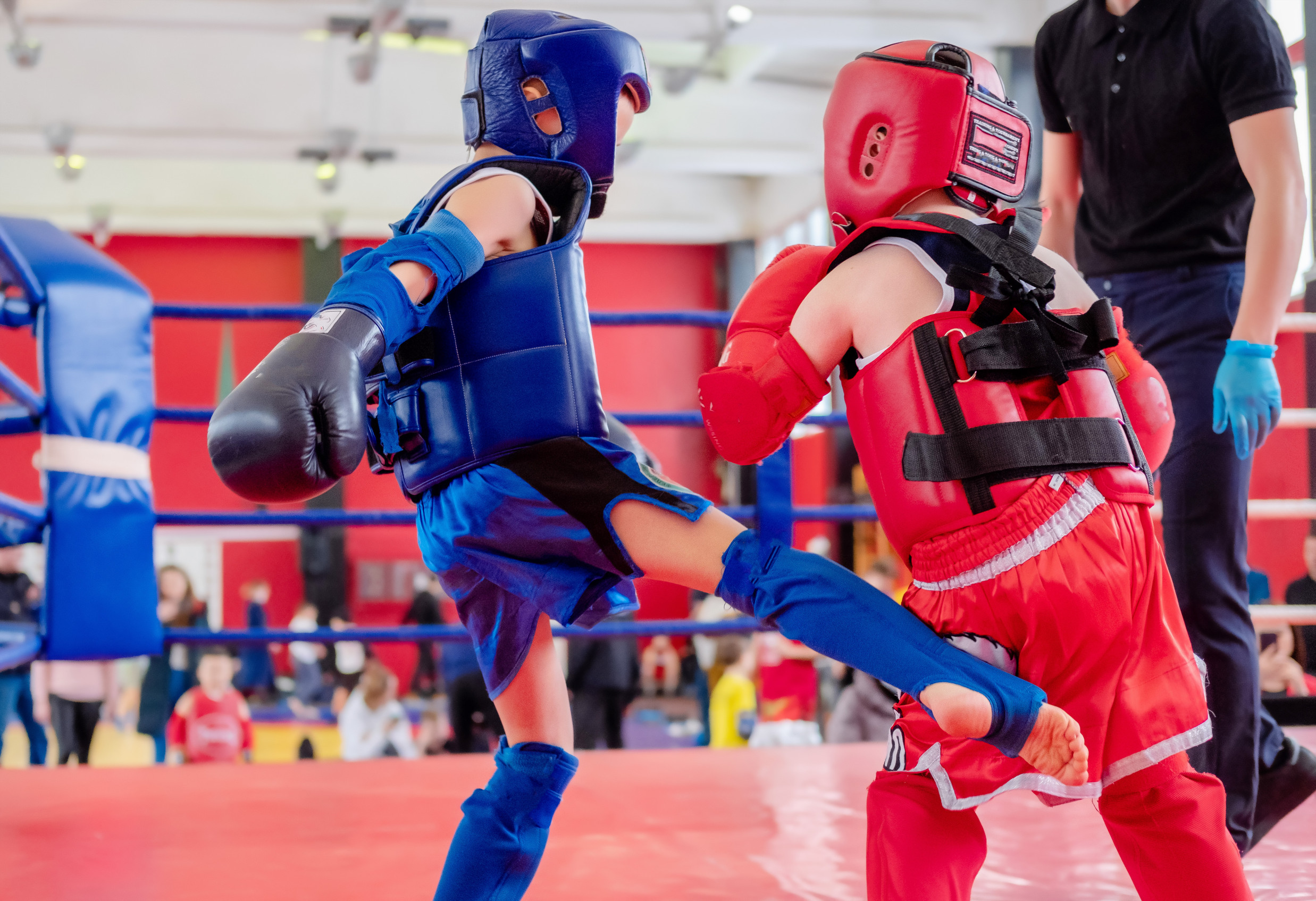
2. Martial Arts Programs with Minimal Oversight

Martial arts are praised for teaching respect and focus, but not all programs are created equal. Some schools have underqualified instructors who fail to emphasize safety or proper technique. Children may be pushed into sparring before they are ready, leading to unnecessary injuries. Facilities with poor supervision can also allow bullying or unsafe practices to go unchecked. Without careful research, martial arts can become one of the after-school activities that are quietly putting kids in danger.

3. Music Lessons That Trigger Performance Anxiety

Learning music can enhance creativity, but high expectations can create intense pressure. Children may feel overwhelmed by constant practice requirements or the stress of public performances. Instructors who focus only on perfection instead of growth can unintentionally harm a child’s self-esteem. This emotional toll often goes unnoticed because parents see music as a “safe” choice compared to physical activities. As a result, music lessons can surprisingly be one of the after-school activities that are quietly putting kids in danger.

4. Academic Tutoring with Excessive Demands

Extra tutoring may help children succeed in school, but pushing too hard can backfire. Sessions that pile on additional hours of work after a long school day may lead to burnout. Students can experience sleep deprivation, anxiety, or even depression when the pressure becomes too much. Parents often mistake this stress for laziness or lack of focus, missing the deeper issue. Academic tutoring can quietly shift into one of the after-school activities that are quietly putting kids in danger when balance is lost.

5. Dance Classes with Body Image Pressures

Dance is often viewed as a healthy form of expression, yet it can expose children to harmful body image messages. Instructors or peers may emphasize appearance over skill, fostering unhealthy comparisons. This environment can lead to disordered eating, low self-worth, or long-term mental health struggles. Injuries are also common when students are encouraged to push their bodies too hard. What seems like a creative outlet can quickly become one of the after-school activities that are quietly putting kids in danger.

6. Technology Clubs with Unmonitored Screen Time

STEM and coding programs can prepare kids for the future, but they often involve extended screen time. Excessive use of computers or tablets may lead to eye strain, posture issues, or disrupted sleep cycles. Without careful monitoring, kids might also stumble into inappropriate online spaces or unsafe interactions. Parents may see these clubs as purely educational and overlook the hidden risks. In reality, technology-based programs can be among the after-school activities that are quietly putting kids in danger.

7. Volunteer Programs That Lack Proper Safeguards

Community service and volunteering can teach responsibility, but not all programs are designed with children’s safety in mind. Some placements may expose kids to unsafe neighborhoods or situations where adult supervision is minimal. Inadequate background checks on staff or mentors further increase risks. Parents who assume nonprofit organizations are always safe may unknowingly overlook warning signs. Without strong oversight, volunteer work can sadly fall into the category of after-school activities that are quietly putting kids in danger.

Awareness Is the Best Form of Protection

Not every program carries equal risks, but parents need to look beyond surface benefits and examine the hidden dangers. Asking questions about supervision, instructor training, and safety policies can prevent problems before they arise. Encouraging open conversations with children about how they feel in these programs also helps parents catch warning signs early. Recognizing the potential for harm does not mean avoiding all activities—it means choosing wisely. By being proactive, parents can make sure after-school activities enrich their kids’ lives without quietly putting them in danger.

Have you ever discovered hidden risks in a program your child attended? Share your experiences and insights in the comments below.

What to Read Next…

8 School Rules That Should’ve Changed Decades Ago

Here’s Why School Supplies Continue to Cost More and More Every Year

Is Your Child’s School Quietly Tracking Their Location Without Your Consent?

12 Reasons Why Your Kids are Behind Academically

7 Reasons You Shouldn’t Waste Money on Private Schools

Catherine Reed
Catherine Reed

Catherine is a tech-savvy writer who has focused on the personal finance space for more than eight years. She has a Bachelor’s in Information Technology and enjoys showcasing how tech can simplify everyday personal finance tasks like budgeting, spending tracking, and planning for the future. Additionally, she’s explored the ins and outs of the world of side hustles and loves to share what she’s learned along the way. When she’s not working, you can find her relaxing at home in the Pacific Northwest with her two cats or enjoying a cup of coffee at her neighborhood cafe.
Filed Under: Education Tagged With: after school activities, child safety, extracurricular activities, family advice, hidden dangers, kids' health, Parenting, parenting tips

Beyond The Toys: 8 Hidden Dangers In Your Child’s Toys

July 30, 2025 | Leave a Comment

Beyond The Toys 8 Hidden Dangers In Your Childs Toys
Image source: 123rf.com

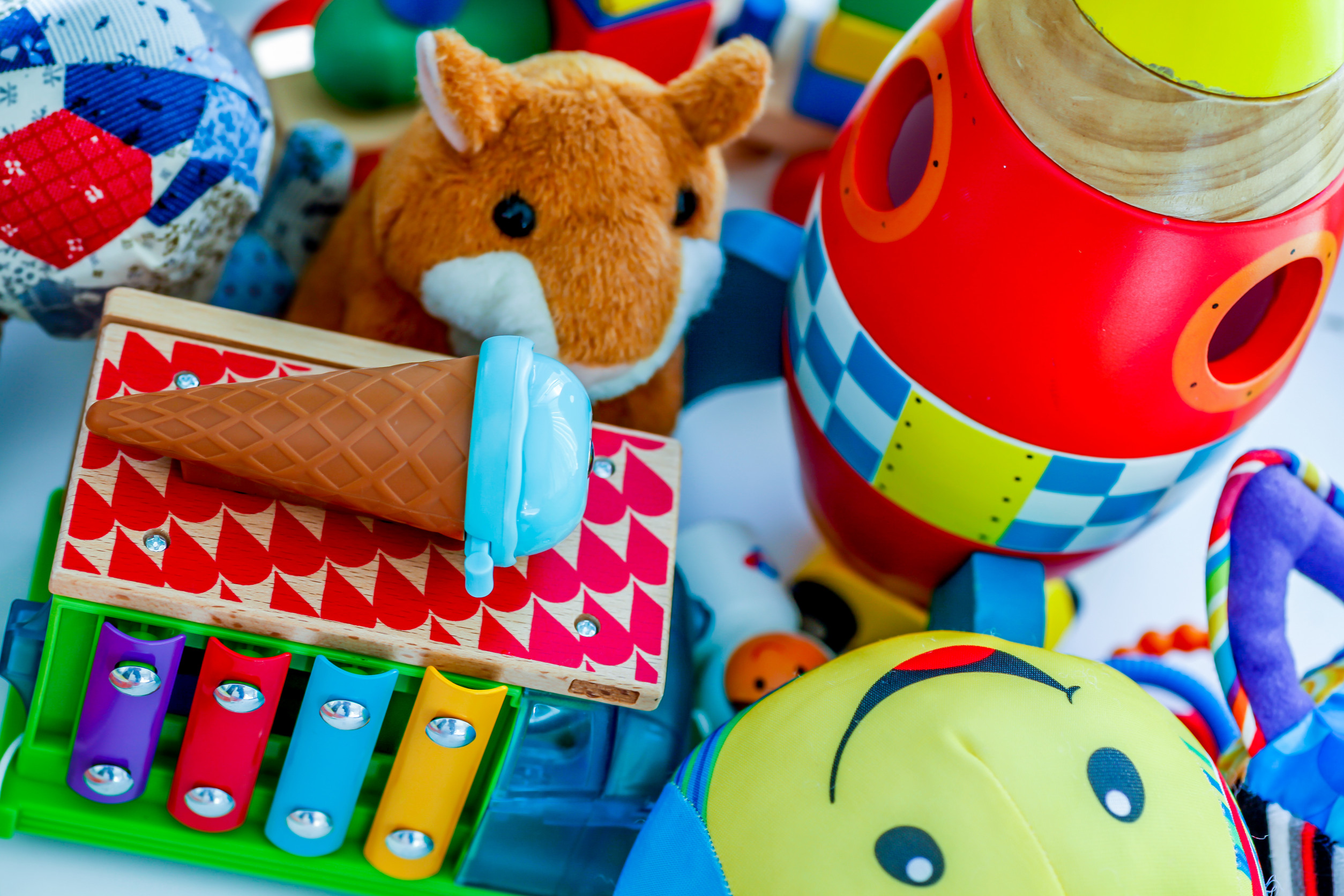
That bright, colorful toy sitting in your child’s room might seem harmless, but what if it isn’t? Many parents assume that if a toy is sold in a store, it must be safe. Unfortunately, that’s not always the case. From toxic materials to small parts that pose serious hazards, hidden dangers can lurk where you least expect them. Knowing what to look for can help you make better decisions and keep your little one safe while still letting them enjoy playtime.

1. Toxic Chemicals in Plastic

Some toys are made with plastics that contain harmful chemicals like phthalates and BPA. These hidden dangers can affect your child’s hormonal development and have been linked to serious health issues. While many toy companies have phased them out, they’re still found in cheaper or imported toys. Always check labels and opt for toys labeled BPA-free and phthalate-free when possible. Choosing toys made from natural materials can also be a safer alternative.

2. Lead Paint in Imported Toys

Despite strict regulations in the U.S., some imported toys still contain lead-based paint. Lead exposure, especially in young children, can cause irreversible damage to their nervous system. These hidden dangers often go unnoticed because the toy appears new and vibrant. Always be cautious with toys that don’t come from reputable brands or that lack proper safety labeling. When in doubt, research the manufacturer and product history online before buying.

3. Small Parts That Pose a Choking Hazard

Small removable parts are one of the most common hidden dangers in children’s toys. Items like buttons, beads, or detachable eyes can easily come loose and be swallowed. For toddlers and babies, these pose a major choking risk. Always follow the age recommendations on toy packaging and do regular inspections for wear and tear. If a toy seems even slightly risky, it’s best to keep it out of reach.

4. Magnetic Pieces That Can Be Swallowed

Magnets may seem like a fun addition to a toy, but they can be incredibly dangerous if swallowed. When more than one magnet is ingested, they can attract inside the body and cause internal damage. These hidden dangers often appear in building sets, fake piercings, or small figurines. If you choose toys with magnets, supervise playtime and check that the magnets are securely enclosed. Better yet, avoid them entirely for younger children.

5. Button Batteries in Interactive Toys

Many electronic toys include button batteries, which are especially hazardous if swallowed. These batteries can cause severe internal burns within hours of ingestion. What makes them even more dangerous is how easily they can fall out of loose compartments. Check for secure battery cases that require a screwdriver to open. If a toy has easy battery access, it’s worth skipping in favor of something safer.

6. Strings and Cords That Can Strangle

Long strings or cords on toys may seem harmless, but they pose a serious strangulation risk. This is especially true for young children who may wrap cords around their necks while playing. These hidden dangers can be found in pull toys, crib mobiles, and dress-up costumes. The general rule is to avoid any strings longer than 7 inches for kids under 3. When in doubt, snip or remove long cords or simply choose another toy.

7. Loud Noises That Can Damage Hearing

Some toys, especially electronic ones, emit sounds at dangerously high decibel levels. Prolonged exposure to loud noises can damage a child’s hearing over time. The hidden dangers here often go unnoticed because the sound is meant to entertain. Test toys yourself by holding them up to your ear—if it’s too loud for you, it’s definitely too loud for your child. Look for volume control options or sound-free alternatives to be safe.

8. Flammable Materials in Dress-Up Clothes

Costume play is a favorite for many kids, but flammable fabrics can be a serious concern. Some dress-up clothes are made from synthetic materials that ignite easily. These hidden dangers can escalate quickly in a household with candles or a gas stove nearby. Always check that costumes are labeled “flame-resistant” and made from safer fabrics like cotton. When shopping secondhand, verify the label or avoid if it’s missing altogether.

Safe Play Starts with Awareness

The hidden dangers in children’s toys often hide behind bright colors and fun packaging, making them hard to spot at first glance. But with a little extra vigilance and awareness, you can dramatically reduce the risks they pose. Choose quality over quantity, inspect toys regularly, and don’t ignore age recommendations on the box. Trust your instincts—if something feels unsafe, it probably is. A few thoughtful choices today can go a long way toward ensuring safer, happier play for your child.

Have you ever discovered a hidden danger in your child’s toys? Share your story and safety tips in the comments below!

Read More:

5 Toys That Were Never Designed to Be Used by Children

The Real Reason: Your Child’s Favorite Toy Is Secretly Spying

Catherine Reed
Catherine Reed

Catherine is a tech-savvy writer who has focused on the personal finance space for more than eight years. She has a Bachelor’s in Information Technology and enjoys showcasing how tech can simplify everyday personal finance tasks like budgeting, spending tracking, and planning for the future. Additionally, she’s explored the ins and outs of the world of side hustles and loves to share what she’s learned along the way. When she’s not working, you can find her relaxing at home in the Pacific Northwest with her two cats or enjoying a cup of coffee at her neighborhood cafe.

Filed Under: Parenting Tagged With: child safety, choking hazards, hidden dangers, kids' health, parenting tips, safe toys, toy recalls, toy safety

6 Silent Dangers That Hide in Plain Sight

May 7, 2025 | Leave a Comment

Image by Alexander Grey

The things that worry us as parents often come with sirens—visible threats, loud noises, and obvious risks. We rush to catch the falling toddler, bolt toward the kid near the pool’s edge, or instinctively reach for the hand running too close to the street.

But the hardest dangers to catch? The ones that don’t scream for your attention. They don’t come with warning labels or flashing lights. They blend into your routine, your home, your everyday rhythm, and that’s what makes them so dangerous.

Here are six of the most overlooked risks that may be quietly threatening your child’s safety. And the worst part? You might walk by them every single day.

1. Furniture That Looks Stable…Until It Isn’t

To adults, a dresser or bookshelf looks like just another piece of furniture. To a toddler, it’s a mountain to climb. And unless that furniture is anchored to the wall, tipping over takes very little force.

Thousands of children are injured—or worse—every year in furniture tip-over accidents. These incidents are silent and quick and often happen when the caregiver is just one room away. Even if the furniture feels sturdy, anchoring it could mean the difference between a close call and a tragedy.

2. “Just a Few Minutes” in the Car

You’re only grabbing one thing. You’ll be in and out. The car isn’t hot yet. Your baby is asleep. It’ll be fine.

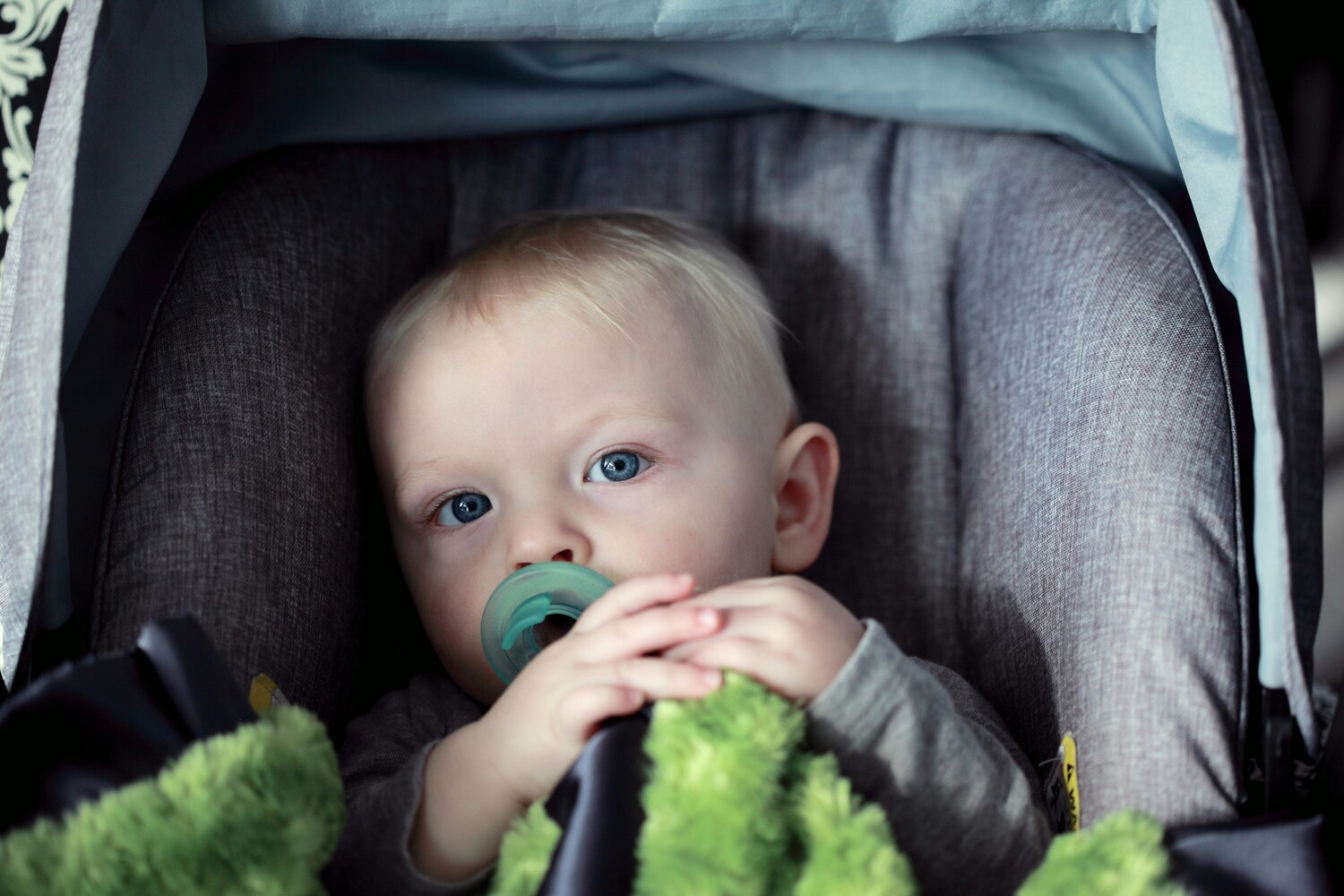
It’s a script every parent runs through at some point. But heatstroke can happen faster than most people realize—even on days that don’t feel hot. The temperature inside a car can spike by 20 degrees in just 10 minutes, and cracking the windows does very little to help.

Even worse, sometimes, children are left behind entirely because a tired brain slipped, or routine changed, or autopilot took over. That’s why experts recommend placing a necessary item (like your shoe, phone, or bag) in the backseat as a reminder.

3. Cords That Lurk Near the Crib

Baby monitors, blinds, sound machines—many of them come with long cords, and they often wind up close to the crib out of convenience. But cords pose one of the most silent risks of all: strangulation.

In a dim nursery at 2 a.m., it’s easy to overlook that charger or dangling string. Children as young as six months can get tangled in cords they find near the edge of a crib, especially once they start standing.

Keep all cords and cables well out of reach, and avoid placing monitors or devices anywhere a baby could potentially reach with a stretch and a curious hand.

Image by Victor G

4. The Friendly Dog You Know “Would Never…”

They’ve been around your child since day one. They’ve never snapped. They’re gentle, loyal, calm. Until they’re not. Even the kindest dog has limits. Toddlers don’t yet understand personal space or warning signs. They tug ears. They climb. They push boundaries. And one bad moment, a startle, a pain response, a food-guarding reflex, can turn into a bite.

Many dog-related injuries in children happen in their own homes with the family pet. Always supervise interactions, especially when your child is under five. Respect the dog’s space, and teach your child to do the same.

5. Slippery Floors + Sock Feet = A Toddler ER Visit

It sounds silly until you’re racing to the ER because your two-year-old slipped on hardwood and hit her head on the corner of a table. Most parents don’t think twice about socks indoors, but when mixed with polished floors, they can turn little feet into skates. It’s a quiet risk until the fall happens.

Non-slip socks, bare feet, or rubber-soled slippers are simple alternatives that give toddlers more grip as they zoom around the house at full speed.

6. Unlocked Cabinets with Grown-Up Products

They’re not technically in reach. They’re under the sink, up on a shelf, or behind a door. But if your cabinet isn’t locked and your child is curious, you’ve got a problem. Cleaning products, medications, vitamins, and even essential oils can be toxic in small amounts. What looks like an everyday item to you might look like a colorful drink or toy to a toddler.

One dad thought the bathroom cleaner was too high for his daughter to reach until she dragged a stool in and climbed. She was rushed to the hospital after swallowing just a few drops. Childproof locks take seconds to install. And in these cases, seconds can save a life.

You Don’t Need to Parent in Fear. Just Awareness

You don’t need to wrap your child in bubble wrap. Or turn your home into a fortress. Or stay up every night imagining worst-case scenarios.

But it is worth taking a second look at the places where danger hides in plain sight. Because it’s often the quiet risks—the ones that blend in, the ones that don’t seem urgent—that cause the most damage.

Parenting is overwhelming enough. You shouldn’t have to guess where the next danger might be hiding. When you know what to look for, you can take steps today that might prevent heartbreak tomorrow.

What’s one silent danger you spotted just in time or wish you had?

Read More:

Tips for Baby Proofing on a Budget

Keeping Kids Safe From Household Poisons and Chemicals

Filed Under: Parenting Tagged With: child safety, hidden dangers, home hazards, parenting safety, real parenting, toddler-proofing

  • Facebook
  • Pinterest
  • RSS
  • Twitter

Basic Principles Of Good Parenting

Here some basic principles for good parenting:

  1. What You Do Matters: Your kids are watching you. So, be purposeful about what you want to accomplish.
  2. You Can’t be Too Loving: Don’t replace love with material possessions, lowered expectations or leniency.
  3. Be Involved Your Kids Life: Arrange your priorities to focus on what your kid’s needs. Be there mentally and physically.
  4. Adapt Your Parenting: Children grow quickly, so keep pace with your child’s development.
  5. Establish and Set Rules: The rules you set for children will establish the rules they set for themselves later.  Avoid harsh discipline and be consistent.
  6. Explain Your Decisions: What is obvious to you may not be evident to your child. They don’t have the experience you do.
  7. Be Respectful To Your Child: How you treat your child is how they will treat others.  Be polite, respectful and make an effort to pay attention.
Best Parenting Blogs

Most Popular

Baby names

Teachers Admit: These 6 Baby Names Create Instant Bias in the Classroom

Latrice Perez
11 Ways Kids Are Outsmarting Parental Controls 1. Using Alternate Devices One common trick is simply turning to another device. If a child’s main phone or tablet is restricted, they may borrow a sibling’s, friend’s, or even a school laptop. This instantly gives them access to content outside of parental oversight. Parents often focus on one device, forgetting that others in the household can serve as loopholes. Knowing this tactic helps families tighten controls across all electronics. 2. Clearing Browsing Histories Many kids quickly learn that clearing browsing history hides evidence of restricted activity. With just a few clicks, they can erase any trace of websites visited. This makes it harder for parents to notice when rules are being broken. Parents may assume no history means no browsing, but the reality is often the opposite. Kids are outsmarting parental controls by making it seem like nothing happened at all. 3. Using Private Browsing Modes Most browsers offer “incognito” or private browsing features. Kids use this mode to access websites without leaving a record in the history. To parents checking later, everything looks clean and safe. This simple trick is often one of the first ways kids discover how to bypass restrictions. Conversations about private browsing can help close this gap. 4. Guessing or Resetting Passwords Children who are persistent may try to guess passwords to parental control apps or accounts. Others may find ways to reset them through email prompts or security questions. Once inside, they can disable restrictions entirely. Parents may not even realize controls have been altered until much later. Stronger, less predictable passwords can make this more difficult. 5. Using VPNs to Hide Activity Virtual private networks, or VPNs, let kids disguise their online locations. With one downloaded app, they can bypass geographic or parental restrictions. Some children learn about VPNs through friends or even social media. This makes it easy for them to reach content that should be blocked. Parents often underestimate just how simple it is for kids to use these tools. 6. Creating Fake Accounts When parents monitor social media, kids may create hidden accounts. These “finstas” or fake profiles allow them to interact freely without parental oversight. While their main account appears harmless, the secondary one tells a different story. Kids are outsmarting parental controls by playing both sides at once. Checking for duplicate accounts can help parents stay more aware. 7. Exploiting Time Zone Settings Some kids change the time zone on their devices to bypass screen time limits. This trick allows them to gain extra hours of usage undetected. Parents may assume controls are working, but in reality, the child is bending the clock. It’s a clever loophole that highlights just how resourceful kids can be. Monitoring device settings regularly can catch this tactic. 8. Disabling or Uninstalling Apps Parental control apps can be deleted or disabled with surprising ease. Some kids even reinstall them before a parent checks, making it seem like nothing changed. Others may simply restrict permissions to prevent apps from functioning properly. When apps aren’t monitored closely, parents may not notice they’ve been tampered with. This shows the importance of consistent follow-up. 9. Turning to Friends for Access If a child can’t get past restrictions on their own, they may rely on friends. Visiting a friend’s house or borrowing their phone can give them a free pass. Parents often forget that peer environments can override restrictions set at home. This kind of social workaround is especially common with gaming or social media. Open conversations about trust and responsibility are essential. 10. Hiding Apps in Plain Sight Kids sometimes download apps that look innocent but serve as gateways to hidden activity. These apps may disguise themselves as calculators or utilities. In reality, they allow file storage, private messaging, or browser access. Parents glancing at a home screen may overlook them entirely. Learning to recognize these disguised apps can help parents stay informed. 11. Outpacing Parents’ Tech Knowledge Finally, kids often know more about devices than their parents do. Whether through YouTube tutorials, TikTok hacks, or peer groups, they quickly learn advanced workarounds. This knowledge gap means controls can be bypassed before parents even realize the loophole exists. Staying informed and continually learning about new technology is the best defense. Kids are outsmarting parental controls because they adapt faster than most adults. The Real Solution Lies Beyond Restrictions While controls and filters are important, no system is perfect. Kids will always find creative ways around barriers, making communication the strongest safeguard. Setting clear expectations, building trust, and having ongoing conversations about online behavior matter more than apps alone. Parents who combine technology with open dialogue create a safer digital environment. The goal isn’t to win a battle of wits but to build a relationship that keeps kids both safe and honest. Do you think kids are outsmarting parental controls faster than parents can keep up? Share your experiences in the comments below. What to Read Next... 6 Parenting Tech Shortcuts That Can Expose Your Child to Strangers How Much Screen Time Is Too Much—Legally Speaking? Is Your Child’s School Quietly Tracking Their Location Without Your Consent? How Much Screen Time Is Quietly Reshaping Childhood Behavior? Why Some Parents Are Being Investigated Over Homeschooling Records

11 Ways Kids Are Outsmarting Parental Controls

Catherine Reed
Smiling grandfather holding a happy baby indoors.

Why Grandparents Shouldn’t Babysit Their Grandkids Every Week – The Unspoken Issue

Samantha
birthday gifts

7 Birthday Gifts Your Child Should Never Bring to a Party

Latrice Perez

Babysitting Without Cash: 10 Ways to Barter Your Way Out of Childcare Costs

Ashleigh Clyde

All content on Kids Ain’t Cheap is for entertainment purposes only. By reading this blog, you agree that Kids Ain’t Cheap is not responsible for any actions taken after reading this blog. For the full disclaimer, see our privacy policy.

Please note that Kids Ain’t Cheap has financial relationships with some of the merchants mentioned here. Kids Ain’t Cheap is funded by banner advertising, commission sales and search optimization consulting.

Copyright © 2006–2026 | District Media | All Rights Reserved | Privacy Policy

Copyright © 2026 Runway Pro Theme by Viva la Violette