
• Home
  • About Us
  • Toolkit
  • Archives
  • Advertise
  • Privacy Policy

Kids Ain't Cheap

But They Sure Are Worth It

  • Parenting
    • Baby Stuff
    • Books and Reading
      • Aesops Fables
      • Comic Books
    • Education
    • Family Time
    • Green Living
    • Growing Up
    • Healthy Living & Eating
    • Holidays
    • Parenting
    • Random Musings
    • Shopping
    • Stuff to Do
  • Money
  • Product Reviews
    • Books and Magazines
    • Discount Sites
    • Furniture
    • House Keeping
    • Reviews News
    • Toys and Games
  • Contact Us
  • Our Editorial Commitment
  • Search

A $10 Toy Can Become a Serious Hazard — 5 Things Parents Should Check Before Buying Online

September 29, 2026 | Leave a Comment

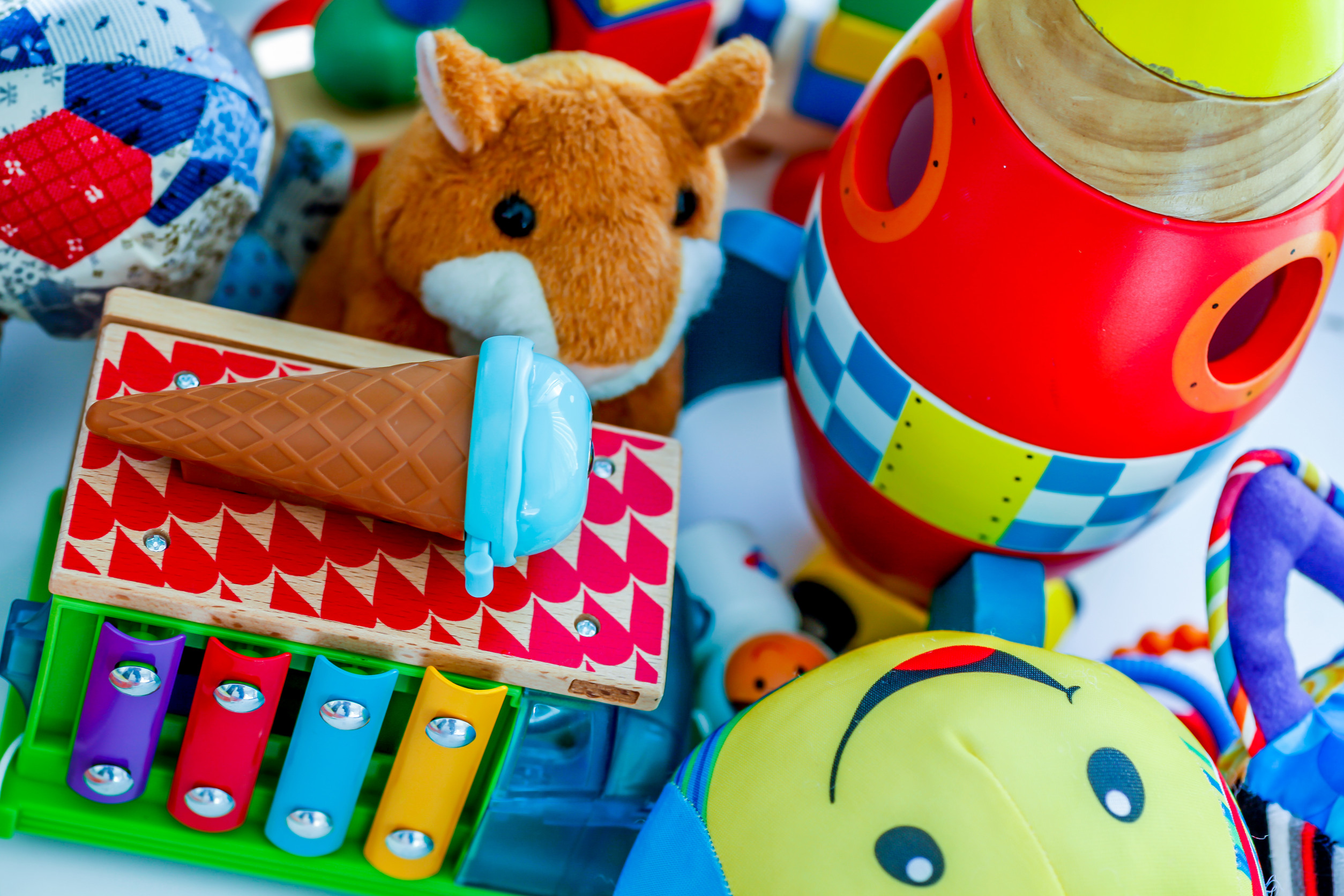
Child Playing With Toys
A low price and positive reviews do not guarantee a toy is safe. Parents should check sellers, small parts, battery compartments, powerful magnets, and safety information before giving an online purchase to a child. (Pexels).

A $10 toy can look like an easy win when you are shopping online, especially when thousands of positive reviews and colorful photos make it seem harmless. But online toy safety deserves more attention than the price tag, star rating, or “bestseller” badge. Recent independent testing has found problems ranging from accessible button batteries and choking hazards to dangerously strong magnets in toys sold through major online marketplaces. In 2025, Toy Industries of Europe tested 70 toys from non-EU sellers and found 86% had serious safety issues, showing why unfamiliar sellers deserve extra scrutiny. A few minutes of checking before clicking “buy” can help parents separate a genuine bargain from a product that may not belong in a child’s hands.

1. Check Who Actually Makes And Sells The Toy

One of the most overlooked online toy safety steps is identifying the company behind the listing, because the marketplace hosting a product may not be its actual seller. The Toy Association recommends researching unfamiliar sellers, looking for an official company website, and treating missing manufacturer information, poor-quality images, and obvious grammatical errors as warning signs. A generic brand name with no meaningful web presence or customer-service information should make you investigate further rather than assume the marketplace has independently vetted the product. Be especially cautious when several sellers offer what appears to be the identical unbranded toy under different names, because tracing the manufacturer or obtaining help after a safety problem may be difficult. Before ordering, ask a simple question: “If this toy breaks tomorrow, can I identify and contact the company responsible for it?”

2. Look Beyond The Recommended Age

An “ages 3+” label should not automatically convince you that a toy is appropriate for your child, particularly when small pieces can detach during normal play. In 2025 testing, CHOICE examined 22 toys purchased through online marketplaces and found six with significant safety failures, including small or unsecured parts that could present choking hazards. Parents should study listing photos for detachable wheels, beads, eyes, caps, balls, or other pieces a younger sibling might put in their mouth. The American Academy of Pediatrics’ HealthyChildren.org also advises parents to read warning labels and watch specifically for small batteries, powerful magnets, and small objects. Good online toy safety therefore means considering how the toy is built and who else can reach it, not simply accepting the age recommendation printed in the listing.

3. Treat Button Batteries As A Major Warning Sign

Light-up toys, talking gadgets, miniature electronics, and inexpensive party favors can hide a particularly serious hazard: button or coin batteries. Consumer Reports evaluated 31 button-battery products purchased online and found 10 had dangerously accessible batteries, while 16 had no warning label at all. Button batteries can damage internal tissue in as little as two hours if swallowed, making a flimsy battery door much more than a minor design flaw. When evaluating online toy safety, zoom in on product photos and look for a battery compartment secured with a screw or another mechanism a young child cannot easily open. If a $10 electronic toy saves you $8 compared with a recognizable alternative but provides no clear battery-compartment photos, manufacturer information, or warnings, that $8 savings is not worth gambling on an unknown design.

4. Be Extremely Careful With Small Powerful Magnets

Tiny high-powered magnets can look harmless, yet swallowing more than one can allow them to attract each other through intestinal tissue and cause devastating injuries. This risk remains current: safety authorities warned in March 2026 about magnetic stick-figure sets containing detachable magnets that had been sold online for about $9, demonstrating how closely a real-world example can match the supposedly harmless $10 impulse purchase. In 2025, Toy Industries of Europe reported that 86% of the 70 toys it tested from non-EU online sellers had serious safety issues, including powerful magnets, accessible batteries, and choking hazards. Parents should avoid assuming that a magnetic desk toy becomes safe simply because a listing describes it as a novelty, sensory product, or item for older children when younger kids live in the home. For better online toy safety, inspect magnetic toys regularly and immediately remove anything with loose, cracked, or detachable magnetic pieces.

5. Search For Safety Problems Before You Pay

Reviews can tell you whether a toy arrived late or broke quickly, but they are not a substitute for checking documented safety concerns. The British Toy & Hobby Association reported in June 2026 that 90% of 89 toys it purchased from third-party sellers across seven online marketplaces failed UK toy safety requirements, illustrating why parents should investigate unfamiliar products rather than rely on ratings alone. Search the exact brand, model number, manufacturer, and words such as “recall,” “warning,” or “safety” before buying, and repeat that check for toys already sitting in your home. Save the order confirmation and photograph the packaging and model information before throwing the box away, since those details can help determine whether a later warning applies to your purchase. Spending two extra minutes on online toy safety is particularly worthwhile for cheap impulse buys, where an unfamiliar seller and limited product information can otherwise disappear from your radar as soon as the package arrives.

The Cheapest Toy Is Not Always The Best Bargain

Parents do not need to assume that every inexpensive toy or every product sold through an online marketplace is dangerous. Instead, the lesson from recent testing is that price, attractive photos, marketplace popularity, and glowing reviews cannot independently establish that a toy is safe. Make online toy safety part of the purchase itself by checking the seller, age suitability, small parts, batteries, magnets, and available safety information before handing over your money. A legitimate bargain still looks like a bargain after those checks, while a questionable $10 toy becomes much easier to leave in the shopping cart.

What safety detail do you check first when buying toys online, and has an online purchase ever arrived looking less safe than its listing suggested? Share your experience in the comments.

What to Read Next

Bought Kids’ Toys From SHEIN or Amazon? Check These New Recalls Before Playtime

Choking Incident Prompts Recall of 49,000 Target Gigglescape “Under the Sea” Popping Toys

6 Toy Store Layout Tricks That Manipulate Your Wallet

Evan Morgan

Evan Morgan has been a full-time freelance writer and editor for 10+ years. When not working, he enjoys catching the latest true crime documentary or getting lost in a good book.
Filed Under: Parenting Tagged With: button batteries, child safety, choking hazards, magnetic toys, online marketplaces, online shopping, online toy safety, Parenting, product safety, toy safety

Beyond The Toys: 8 Hidden Dangers In Your Child’s Toys

July 30, 2025 | Leave a Comment

Beyond The Toys 8 Hidden Dangers In Your Childs Toys
Image source: 123rf.com

That bright, colorful toy sitting in your child’s room might seem harmless, but what if it isn’t? Many parents assume that if a toy is sold in a store, it must be safe. Unfortunately, that’s not always the case. From toxic materials to small parts that pose serious hazards, hidden dangers can lurk where you least expect them. Knowing what to look for can help you make better decisions and keep your little one safe while still letting them enjoy playtime.

1. Toxic Chemicals in Plastic

Some toys are made with plastics that contain harmful chemicals like phthalates and BPA. These hidden dangers can affect your child’s hormonal development and have been linked to serious health issues. While many toy companies have phased them out, they’re still found in cheaper or imported toys. Always check labels and opt for toys labeled BPA-free and phthalate-free when possible. Choosing toys made from natural materials can also be a safer alternative.

2. Lead Paint in Imported Toys

Despite strict regulations in the U.S., some imported toys still contain lead-based paint. Lead exposure, especially in young children, can cause irreversible damage to their nervous system. These hidden dangers often go unnoticed because the toy appears new and vibrant. Always be cautious with toys that don’t come from reputable brands or that lack proper safety labeling. When in doubt, research the manufacturer and product history online before buying.

3. Small Parts That Pose a Choking Hazard

Small removable parts are one of the most common hidden dangers in children’s toys. Items like buttons, beads, or detachable eyes can easily come loose and be swallowed. For toddlers and babies, these pose a major choking risk. Always follow the age recommendations on toy packaging and do regular inspections for wear and tear. If a toy seems even slightly risky, it’s best to keep it out of reach.

4. Magnetic Pieces That Can Be Swallowed

Magnets may seem like a fun addition to a toy, but they can be incredibly dangerous if swallowed. When more than one magnet is ingested, they can attract inside the body and cause internal damage. These hidden dangers often appear in building sets, fake piercings, or small figurines. If you choose toys with magnets, supervise playtime and check that the magnets are securely enclosed. Better yet, avoid them entirely for younger children.

5. Button Batteries in Interactive Toys

Many electronic toys include button batteries, which are especially hazardous if swallowed. These batteries can cause severe internal burns within hours of ingestion. What makes them even more dangerous is how easily they can fall out of loose compartments. Check for secure battery cases that require a screwdriver to open. If a toy has easy battery access, it’s worth skipping in favor of something safer.

6. Strings and Cords That Can Strangle

Long strings or cords on toys may seem harmless, but they pose a serious strangulation risk. This is especially true for young children who may wrap cords around their necks while playing. These hidden dangers can be found in pull toys, crib mobiles, and dress-up costumes. The general rule is to avoid any strings longer than 7 inches for kids under 3. When in doubt, snip or remove long cords or simply choose another toy.

7. Loud Noises That Can Damage Hearing

Some toys, especially electronic ones, emit sounds at dangerously high decibel levels. Prolonged exposure to loud noises can damage a child’s hearing over time. The hidden dangers here often go unnoticed because the sound is meant to entertain. Test toys yourself by holding them up to your ear—if it’s too loud for you, it’s definitely too loud for your child. Look for volume control options or sound-free alternatives to be safe.

8. Flammable Materials in Dress-Up Clothes

Costume play is a favorite for many kids, but flammable fabrics can be a serious concern. Some dress-up clothes are made from synthetic materials that ignite easily. These hidden dangers can escalate quickly in a household with candles or a gas stove nearby. Always check that costumes are labeled “flame-resistant” and made from safer fabrics like cotton. When shopping secondhand, verify the label or avoid if it’s missing altogether.

Safe Play Starts with Awareness

The hidden dangers in children’s toys often hide behind bright colors and fun packaging, making them hard to spot at first glance. But with a little extra vigilance and awareness, you can dramatically reduce the risks they pose. Choose quality over quantity, inspect toys regularly, and don’t ignore age recommendations on the box. Trust your instincts—if something feels unsafe, it probably is. A few thoughtful choices today can go a long way toward ensuring safer, happier play for your child.

Have you ever discovered a hidden danger in your child’s toys? Share your story and safety tips in the comments below!

Read More:

5 Toys That Were Never Designed to Be Used by Children

The Real Reason: Your Child’s Favorite Toy Is Secretly Spying

Catherine Reed
Catherine Reed

Catherine is a tech-savvy writer who has focused on the personal finance space for more than eight years. She has a Bachelor’s in Information Technology and enjoys showcasing how tech can simplify everyday personal finance tasks like budgeting, spending tracking, and planning for the future. Additionally, she’s explored the ins and outs of the world of side hustles and loves to share what she’s learned along the way. When she’s not working, you can find her relaxing at home in the Pacific Northwest with her two cats or enjoying a cup of coffee at her neighborhood cafe.

Filed Under: Parenting Tagged With: child safety, choking hazards, hidden dangers, kids' health, parenting tips, safe toys, toy recalls, toy safety

  • Facebook
  • Pinterest
  • RSS
  • Twitter

Basic Principles Of Good Parenting

Here some basic principles for good parenting:

  1. What You Do Matters: Your kids are watching you. So, be purposeful about what you want to accomplish.
  2. You Can’t be Too Loving: Don’t replace love with material possessions, lowered expectations or leniency.
  3. Be Involved Your Kids Life: Arrange your priorities to focus on what your kid’s needs. Be there mentally and physically.
  4. Adapt Your Parenting: Children grow quickly, so keep pace with your child’s development.
  5. Establish and Set Rules: The rules you set for children will establish the rules they set for themselves later.  Avoid harsh discipline and be consistent.
  6. Explain Your Decisions: What is obvious to you may not be evident to your child. They don’t have the experience you do.
  7. Be Respectful To Your Child: How you treat your child is how they will treat others.  Be polite, respectful and make an effort to pay attention.
Best Parenting Blogs

Most Popular

Baby

9 Unusual Baby Names That Sound Like They Belong to Future CEOs

Evan Morgan
Baby

10 Baby Names That Were Once Considered “Grandparent Names” but Feel Cool Again

Evan Morgan
Target Store

Choking Incident Prompts Recall of 49,000 Target Gigglescape “Under the Sea” Popping Toys

Evan Morgan
Frustrated Girl

Why Some Students on the Spectrum Are Labeled With ODD

Evan Morgan
Coke Bottles

12 Things Kids Took to School in the ’70s That Would Never Be Allowed Today

Evan Morgan

All content on Kids Ain’t Cheap is for entertainment purposes only. By reading this blog, you agree that Kids Ain’t Cheap is not responsible for any actions taken after reading this blog. For the full disclaimer, see our privacy policy.

Please note that Kids Ain’t Cheap has financial relationships with some of the merchants mentioned here. Kids Ain’t Cheap is funded by banner advertising, commission sales and search optimization consulting.

Copyright © 2006–2026 | District Media | All Rights Reserved | Privacy Policy

Copyright © 2026 Runway Pro Theme by Viva la Violette