• Home
  • About Us
  • Toolkit
  • Archives
  • Advertise
  • Privacy Policy

Kids Ain't Cheap

But They Sure Are Worth It

  • Parenting
    • Baby Stuff
    • Books and Reading
      • Aesops Fables
      • Comic Books
    • Education
    • Family Time
    • Green Living
    • Growing Up
    • Healthy Living & Eating
    • Holidays
    • Parenting
    • Random Musings
    • Shopping
    • Stuff to Do
  • Money
  • Product Reviews
    • Books and Magazines
    • Discount Sites
    • Furniture
    • House Keeping
    • Reviews News
    • Toys and Games
  • Contact Us
  • Our Editorial Commitment
  • Search

Why Wealthy Moms Are Turning to Goodwill as Living Costs Quietly Spike

February 12, 2026 | Leave a Comment

Why Wealthy Moms Are Turning to Goodwill as Living Costs Quietly Spike
Image Source: Shutterstock.com

Have you noticed how the aisles of Goodwill and thrift stores seem a bit more curated than they used to be? Like someone with a latte might stroll past you holding a vintage Vuitton and a Rowan & Martin midcentury lamp before Sunday brunch?

It’s not your imagination — there’s a real shift happening in who’s walking through those swivel doors. Once primarily the haunt of bargain hunters and treasure seekers, thrift shopping is steadily drawing in a new crop of customers: financially comfortable moms who, not because they need to pinch every penny, but because they’re suddenly feeling the weight of a quieter squeeze on their wallets. And the reasons go way beyond just saving a buck.

What’s Driving the Trend? It’s Not Just About Tight Budgets

The cost of just about everything — groceries, childcare, gas, school supplies — has been creeping up in recent years. Even households that once felt cushioned by dual incomes and savings are noticing that their PayPal balance doesn’t stretch as far as it used to. That’s not speculation — general inflation and rising living costs have nudged consumers of all stripes toward more mindful spending, and thrift stores are one of the places showing that shift in real time.

Many affluent shoppers — including moms with flexible budgets — are showing up because thrift stores offer value in a way regular retail rarely does these days: unique finds, sustainability, and a thrill that mainstream brands can’t replicate.

More Than a Savings Play: Sustainability and Style

In case you hadn’t heard, sustainability has become a serious fashion driver. What started as a moral whisper in consumer choices is now a full‑on roar. Shoppers are no longer willing to toss fast fashion into landfills without a second thought; they want pieces that have a story, a smaller environmental footprint, and character. Thrifting delivers that on all counts.

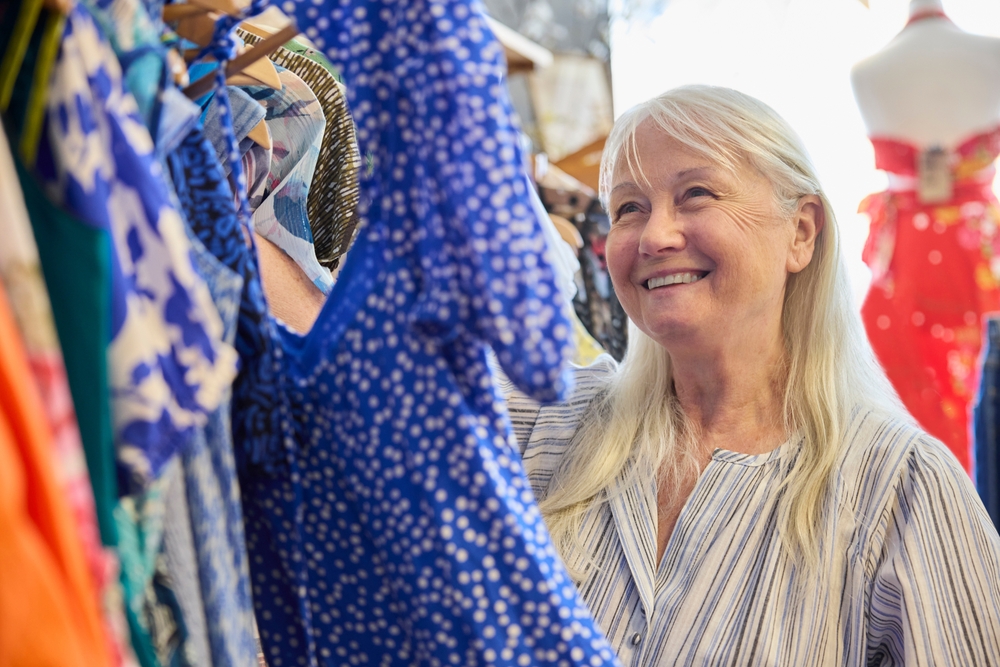
Thrift stores aren’t just cheap anymore — they’re chic. Social media’s obsession with vintage, unique wardrobes, and retro home decor means secondhand has become a badge of creative style rather than a fallback. When a mom who might otherwise shop premium retail spots finds a gorgeous vintage dress for a fraction of the typical price, it feels like both winning and being smart. It’s a style flex with a conscience.

Thrifting as Community and Lifestyle, Not Just Budgeting

Thrift shopping hasn’t lost its roots. Goodwill and similar stores still fund job training, community programs, and support services. But what has changed is who is shopping. Thrift stores are no longer mono‑demographic; they’re multi‑generational, multi‑income, and increasingly mainstream.

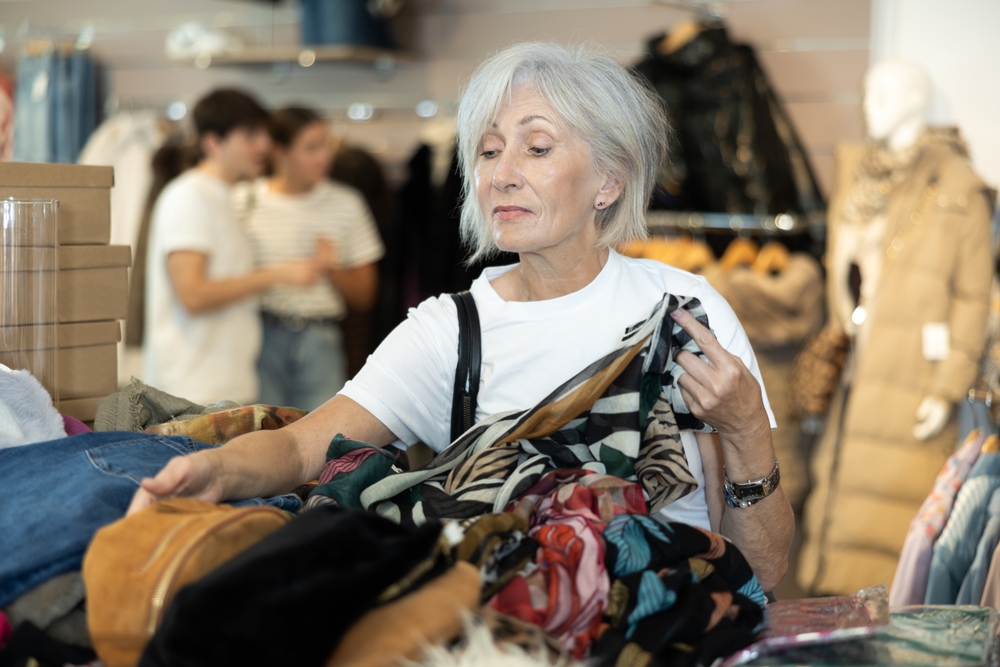
For many moms, thrifting has become a social outing, a way to involve kids in value‑based consumption, or even a weekend ritual that beats another trip to a crowded mall. It’s a place to bond with friends over a communal hunt for the perfect piece of furniture or jacket, and it’s a way to model consumer mindfulness to their children.

How Stores Are Responding

Thrift stores aren’t immune to the economics that shape regular retail. Even though inventory is donated, operational costs like rent, wages, and utilities have risen. That can mean prices at thrift stores are sometimes higher than older generations might remember. A vintage Levi’s jacket that once might have gone for pocket change can now sit at a higher tag simply because donors’ tastes have changed and because stores price merchandise based on brand and condition rather than simply clearing inventory.

The popularity of thrifting itself has shifted supply and demand dynamics. With more shoppers — from Gen Z trendsetters to affluent moms — desiring the same items, certain pieces become more competitive, and that can push prices up organically. But thrift stores also aren’t shy about updating their spaces and presentation to appeal to a broader customer base.
Why Wealthy Moms Are Turning to Goodwill as Living Costs Quietly Spike
Image Source: Shutterstock.com

Tips for Moms (and Other Shoppers) Who Want the Best Deals

If you’re thinking of diving into thrifting yourself, it helps to think like a treasure hunter, not a panicked bargain chaser. First, go to multiple locations — inventory varies wildly from store to store and week to week. Pay attention to when new stock hits the floor; some shoppers swear by certain days as the best times to snag primo finds. Bring a tape measure and plan around what you’re hunting for, whether it’s clothing, furniture, or kitchenware. And don’t forget to look past clothing — home goods, books, lamps, and vintage tech can be gold mines.

Thrifting Is a Lifestyle Shift Worth Celebrating

The rise of thrifting among affluent shoppers isn’t a scandal, and it isn’t exactly proof that wealthier consumers are “taking over” Goodwill. What’s happening is that diverse groups are converging around something that’s fun, value‑driven, and increasingly socially meaningful. As living costs continue their unpredictable dance, thrifting has emerged as a space where savvy meets sustainability, and where value meets style.

Have you ever found something at a thrift store that made you feel like a genius — whether you saved a bunch of cash or scored something truly unique? Share your best find in the comments.

You May Also Like…

Money-Saving Hacks for Parents Shopping Clearance Clothes After the Holidays

How to Build a Family Emergency Fun Jar for Unexpected Winter Activities

Why “Back to School” Shopping Feels Like a Mortgage Payment Now

6 Baby Names Inspired by Vintage TV and Movies

How to Create a Family Savings Jar with Kids That Feels Like a Game

Brandon Marcus
Brandon Marcus
Brandon Marcus is a writer who has been sharing the written word since a very young age. His interests include sports, history, pop culture, and so much more. When he isn’t writing, he spends his time jogging, drinking coffee, or attempting to read a long book he may never complete.

Filed Under: Shopping Tagged With: budget tips, consumer behavior, fashion trends, Goodwill boom, inflation impact, lifestyle shift, secondhand economy, sustainability, thrift shopping trend, thrifting culture, wealthy shoppers

9 Baby Brands That Parents Are Quietly Boycotting

October 21, 2025 | Leave a Comment

9 Baby Brands That Parents Are Quietly Boycotting
Image source: shutterstock.com

Parents are paying closer attention than ever to what they buy for their babies. Whether it’s over product recalls, ingredient transparency, or corporate controversies, many families are voting with their wallets and walking away from certain brands. Some of these companies once enjoyed unwavering loyalty, but changing values and rising awareness around safety, sustainability, and ethics have shifted the landscape. As more parents discuss their experiences online, the list of baby brands that parents are quietly boycotting continues to grow—and it’s changing how companies earn trust.

1. Johnson & Johnson

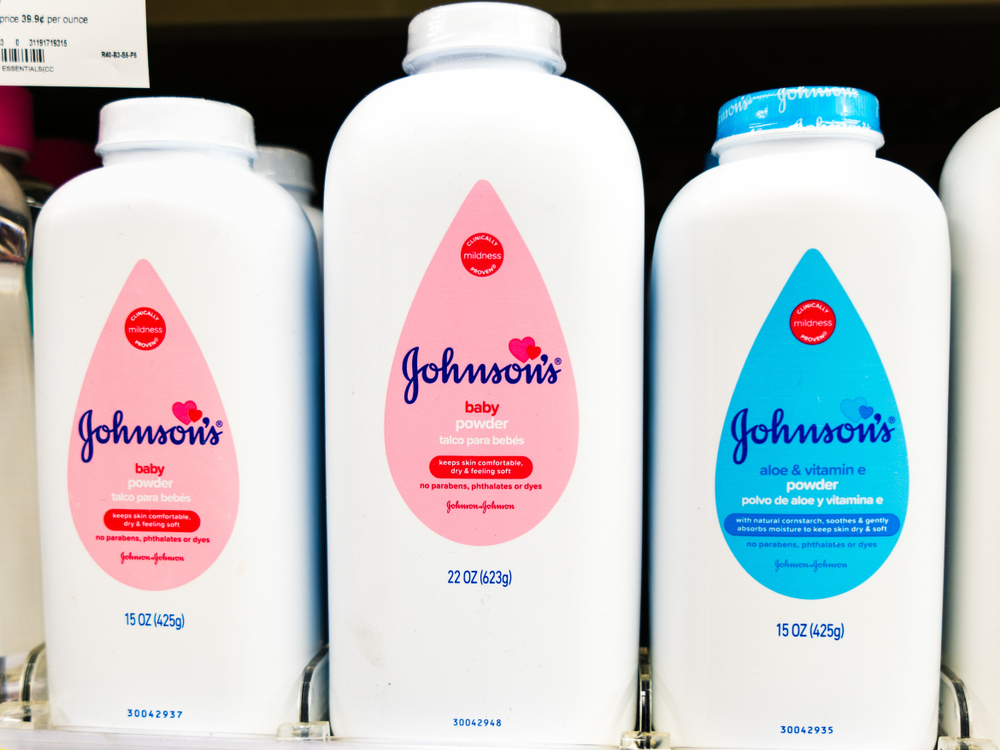
Johnson & Johnson has long been a household name, but in recent years, parents have begun distancing themselves from it. Much of this comes from lingering concerns over past lawsuits involving talcum powder and claims of asbestos contamination. Even though the company has reformulated and defended its products, some families remain skeptical about the brand’s transparency. When discussing baby brands that parents are quietly boycotting, Johnson & Johnson often tops the list because of trust issues rather than performance. Parents are now seeking cleaner, more transparent baby care alternatives.

2. Gerber

For generations, Gerber was synonymous with baby food, but today’s parents are more cautious. Several reports have highlighted heavy metal levels in baby food across multiple brands, and Gerber was among those scrutinized. Although the company has taken steps to improve testing, many families have switched to smaller, organic brands. In conversations about baby brands that parents are quietly boycotting, Gerber often surfaces as a symbol of outdated manufacturing practices. Parents increasingly prefer baby food companies that clearly label sourcing and safety standards.

3. Pampers

Pampers remains a top diaper brand, but its reputation has taken some hits among parents advocating for eco-friendly alternatives. Concerns over fragrance ingredients, landfill waste, and skin sensitivity have pushed many families toward biodegradable or cloth options. Online discussions frequently point out the high cost and environmental impact of traditional disposable diapers. As awareness of sustainable parenting grows, Pampers finds itself among the baby brands that parents are quietly boycotting for greener options. Modern parents want performance without guilt.

4. Similac

The infant formula industry has faced growing scrutiny, and Similac has been at the center of several controversies. Recalls tied to contamination and bacterial concerns have made many parents uneasy. Even though such incidents are rare, they leave lasting impressions when it comes to infant safety. In lists of baby brands that parents are quietly boycotting, Similac appears due to both health fears and frustration over supply chain issues during shortages. Parents now seek brands with transparent sourcing and more reliable availability.

5. Fisher-Price

Once a staple of childhood play, Fisher-Price has dealt with multiple recalls over the past few years. The most concerning involved the Rock ’n Play Sleeper, which was linked to infant fatalities and later removed from the market. Even after the recall, trust hasn’t fully recovered among many parents. As a result, Fisher-Price often lands on lists of baby brands that parents are quietly boycotting because safety should never be an afterthought. Parents are opting for newer, safety-first toy and gear companies instead.

6. Enfamil

Enfamil, another major baby formula brand, has faced its share of controversy as well. Lawsuits have emerged alleging potential links between certain formula products and health issues in premature infants. While scientific consensus remains complex, the public relations damage has been significant. For many families, the uncertainty is enough to explore smaller or European formula alternatives. Enfamil’s inclusion among baby brands that parents are quietly boycotting reflects a growing desire for cleaner labels and rigorous testing.

7. Huggies

Huggies has a loyal following, but even that loyalty is starting to waver. Environmental concerns and chemical sensitivity reports have made parents rethink disposable diaper brands altogether. Critics point out that while Huggies markets itself as gentle, it still uses materials that don’t align with eco-conscious values. As sustainability takes center stage, many families now prefer plant-based or reusable diapers. That trend has quietly placed Huggies among the baby brands that parents are quietly boycotting in favor of greener solutions.

8. Baby Einstein

Baby Einstein was once a go-to name for educational toys and videos, but research later found little evidence that the products enhanced cognitive development. Some parents even felt misled by earlier marketing claims suggesting the toys could accelerate learning. Today, many families prefer interactive play, real-world exploration, and screen-free activities instead. Among baby brands that parents are quietly boycotting, Baby Einstein stands out for shifting perceptions about early education. Parents have learned that meaningful learning doesn’t come in a box or video.

9. Nestlé

Nestlé’s reputation in the baby market remains controversial after decades of criticism over its formula marketing practices, particularly in developing countries. Although the company continues to operate globally, ethical concerns have driven many parents to boycott its baby products entirely. Critics argue that Nestlé’s focus on profits sometimes overshadows public health interests. This history continues to influence modern consumer behavior, with Nestlé frequently included among baby brands that parents are quietly boycotting. Trust, once lost, is difficult to regain in such a sensitive market.

Parents Are Demanding Accountability, Not Perfection

Parents today are more informed, connected, and outspoken than ever before. When they stop supporting certain baby brands that parents are quietly boycotting, it’s not just about one bad experience—it’s about broader patterns of accountability, transparency, and values. Modern parents want companies to take responsibility for safety, sustainability, and ethics without waiting for public backlash. The shift isn’t about cancel culture; it’s about conscious consumerism. In the end, brands that listen, evolve, and earn back trust will be the ones parents truly stand behind.

Have you stopped buying from any of these baby brands? What drives your purchasing decisions most—safety, ethics, or sustainability? Share your thoughts in the comments.

What to Read Next…

10 Popular Diaper Brands That Have Faced Consumer Complaints

Beyond The Brand: 8 Common Kid Snacks With Dangerous Allergens

Are the Brands You’re Buying for Your Child Worth the Money?

7 Luxury Brands That Parents Won’t Stop Buying Their Kids Even When It’s Out of Their Budget

4 Diaper Brands That Are Nothing More Than Elevated Paper Towels

Catherine Reed
Catherine Reed

Catherine is a tech-savvy writer who has focused on the personal finance space for more than eight years. She has a Bachelor’s in Information Technology and enjoys showcasing how tech can simplify everyday personal finance tasks like budgeting, spending tracking, and planning for the future. Additionally, she’s explored the ins and outs of the world of side hustles and loves to share what she’s learned along the way. When she’s not working, you can find her relaxing at home in the Pacific Northwest with her two cats or enjoying a cup of coffee at her neighborhood cafe.

Filed Under: Shopping Tagged With: baby products, baby safety, brand trust, consumer trends, ethical shopping, Family Finance, Parenting, product recalls, sustainability

  • Facebook
  • Pinterest
  • RSS
  • Twitter

Basic Principles Of Good Parenting

Here some basic principles for good parenting:

  1. What You Do Matters: Your kids are watching you. So, be purposeful about what you want to accomplish.
  2. You Can’t be Too Loving: Don’t replace love with material possessions, lowered expectations or leniency.
  3. Be Involved Your Kids Life: Arrange your priorities to focus on what your kid’s needs. Be there mentally and physically.
  4. Adapt Your Parenting: Children grow quickly, so keep pace with your child’s development.
  5. Establish and Set Rules: The rules you set for children will establish the rules they set for themselves later.  Avoid harsh discipline and be consistent.
  6. Explain Your Decisions: What is obvious to you may not be evident to your child. They don’t have the experience you do.
  7. Be Respectful To Your Child: How you treat your child is how they will treat others.  Be polite, respectful and make an effort to pay attention.
Best Parenting Blogs

Most Popular

Baby

9 Baby Names That Sound Rare Without Being Hard to Spell

Evan Morgan
Baby

9 Unusual Baby Names That Sound Like They Belong to Future CEOs

Evan Morgan
Target Store

Choking Incident Prompts Recall of 49,000 Target Gigglescape “Under the Sea” Popping Toys

Evan Morgan
Frustrated Girl

Why Some Students on the Spectrum Are Labeled With ODD

Evan Morgan
Coke Bottles

12 Things Kids Took to School in the ’70s That Would Never Be Allowed Today

Evan Morgan

All content on Kids Ain’t Cheap is for entertainment purposes only. By reading this blog, you agree that Kids Ain’t Cheap is not responsible for any actions taken after reading this blog. For the full disclaimer, see our privacy policy.

Please note that Kids Ain’t Cheap has financial relationships with some of the merchants mentioned here. Kids Ain’t Cheap is funded by banner advertising, commission sales and search optimization consulting.

Copyright © 2006–2026 | District Media | All Rights Reserved | Privacy Policy

Copyright © 2026 Runway Pro Theme by Viva la Violette