• Home
  • About Us
  • Toolkit
  • Archives
  • Advertise
  • Privacy Policy

Kids Ain't Cheap

But They Sure Are Worth It

  • Parenting
    • Baby Stuff
    • Books and Reading
      • Aesops Fables
      • Comic Books
    • Education
    • Family Time
    • Green Living
    • Growing Up
    • Healthy Living & Eating
    • Holidays
    • Parenting
    • Random Musings
    • Shopping
    • Stuff to Do
  • Money
  • Product Reviews
    • Books and Magazines
    • Discount Sites
    • Furniture
    • House Keeping
    • Reviews News
    • Toys and Games
  • Contact Us
  • Our Editorial Commitment
  • Search

Pediatricians Say Parents Are Overbuying These 4 Baby Items (And Skipping What Matters)

February 10, 2026 | Leave a Comment

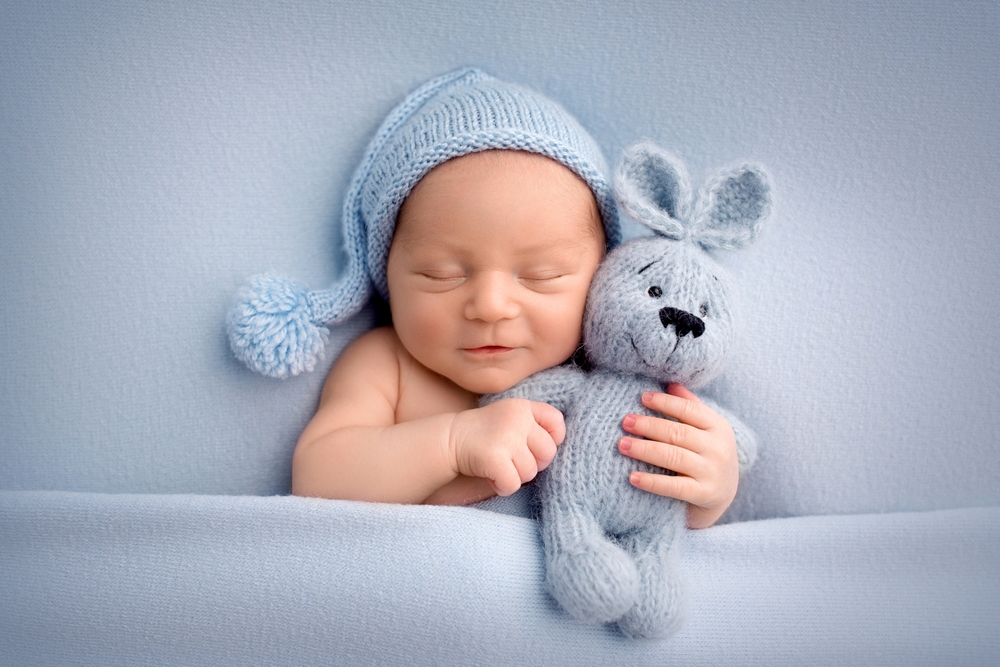
Pediatricians Say Parents Are Overbuying These 4 Baby Items (And Skipping What Matters)
Image Source: Shutterstock.com

Preparing for a new baby can turn even the calmest adults into full‑blown researchers, scrolling through endless lists of “must‑haves” that somehow stretch into the triple digits. It’s exciting, overwhelming, and—if we’re being honest—a little bit expensive.

But according to pediatricians, many parents are stocking up on items that look impressive in a nursery photo but don’t actually contribute much to a baby’s health, safety, or development. Meanwhile, the things that do matter often get overlooked in the chaos of shopping carts and registry checklists.

1. Fancy Bedding Sets: Beautiful, But Not Baby‑Approved

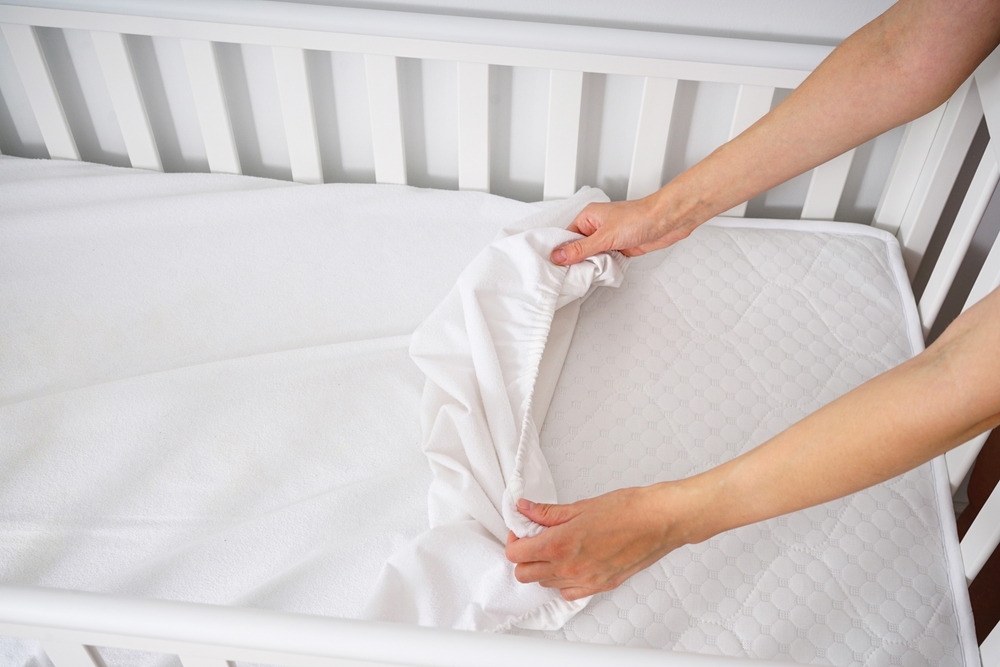
Walk into any baby store and you’ll see bedding sets that look like they belong in a magazine spread—pillows, quilts, bumpers, and decorative blankets all perfectly coordinated. They’re adorable, but pediatricians consistently warn that these items are unnecessary and, in some cases, unsafe. Soft bedding increases the risk of suffocation and is not recommended for infants. Babies don’t need pillows or quilts, and crib bumpers—whether padded or mesh—are discouraged by major health organizations.

What babies do need is a firm mattress with a fitted sheet. That’s it. It may not look as glamorous, but it’s the safest sleep environment. If you want to add personality to the nursery, focus on wall art or décor that doesn’t interfere with safe sleep guidelines. Your baby won’t care about the theme, but they will benefit from a safe, simple sleep setup.

2. High‑Tech Gadgets That Promise Peace of Mind (But Don’t Deliver)

The baby‑tech market is booming, offering everything from smart socks to wearable monitors to devices that track every breath and wiggle. While these gadgets can feel reassuring, pediatricians emphasize that they’re not medical devices and shouldn’t be relied on to detect or prevent health issues. Many parents end up spending hundreds of dollars on monitors that create more anxiety than they relieve, especially when false alarms occur.

Instead of investing in high‑tech gear, pediatricians recommend focusing on safe sleep practices and regular checkups. A basic audio or video monitor is more than enough for most families. If you’re concerned about your baby’s breathing or health, your pediatrician—not a gadget—should be your guide. Peace of mind comes from knowledge and support, not necessarily from the latest device.

3. Too Many Toys for a Baby Who Can’t Even Sit Up Yet

It’s easy to get swept up in the excitement of buying toys, especially when they promise to boost development or keep your baby entertained for hours. But pediatricians point out that newborns and young infants don’t need a mountain of toys. In fact, too many options can be overstimulating. Babies learn best through simple, repetitive interactions—faces, voices, gentle movement, and a few well‑chosen toys that encourage exploration.

A small collection of age‑appropriate items, like soft rattles, high‑contrast books, or textured toys, is more than enough in the early months. As your baby grows, you can add toys that support new skills, but there’s no need to stockpile. What matters most is interaction: talking, singing, reading, and playing with your baby. Those moments do far more for development than any toy aisle ever could.

4. Baby Shoes for Babies Who Aren’t Walking

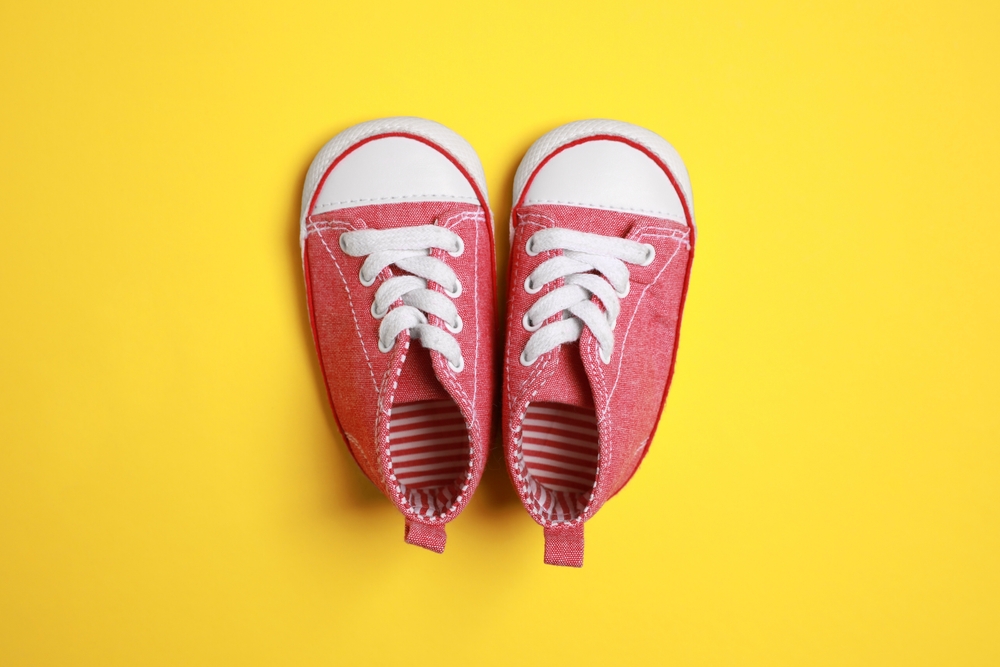
Tiny baby shoes are undeniably cute, and it’s tempting to buy a pair for every outfit. But pediatricians remind parents that babies who aren’t walking don’t need shoes at all. In fact, going barefoot helps babies develop balance, coordination, and strength. Shoes can restrict natural movement, and they’re often uncomfortable for infants who spend most of their time being carried or lying down.

When your baby does start taking those first steps, flexible, lightweight shoes are the best choice. Until then, soft socks or booties are all you need to keep little feet warm. Save the adorable mini‑sneakers for later—they’ll appreciate them more when they’re actually using them.
Pediatricians Say Parents Are Overbuying These 4 Baby Items (And Skipping What Matters)
Image Source: Shutterstock.com

What Pediatricians Say Parents Should Focus On Instead

If parents are overbuying certain items, what are they missing? Pediatricians consistently highlight a few essentials that support safety, development, and overall well‑being. A properly installed car seat is at the top of the list, along with safe sleep practices and regular tummy time.

Simple, developmentally appropriate toys and books also make a meaningful difference. And perhaps most importantly, parents should prioritize routines, bonding, and responsive caregiving—things that don’t come in a box but matter more than any product ever could.

How to Build a Baby Registry That Actually Makes Sense

Creating a baby registry can feel like assembling a survival kit for a tiny human, but it doesn’t have to be overwhelming. Start with the basics: feeding supplies, diapers, a safe sleep space, and a car seat. Add a few items that support your lifestyle, like a baby carrier or stroller. Then sprinkle in a handful of toys and books that encourage early learning.

Resist the urge to fill every category just because it exists. A thoughtful, streamlined registry not only saves money but also reduces clutter and stress once the baby arrives.

Babies Need Less Stuff and More Connection

Pediatricians agree on one thing: babies don’t need a mountain of gear to thrive. They need responsive caregivers, safe environments, and opportunities to explore the world at their own pace. When parents focus on connection rather than consumption, everyone benefits. The early months are full of learning, bonding, and discovery—and none of that depends on having the trendiest products. By skipping the unnecessary items and investing in what truly matters, you create a calmer, more meaningful start for your baby and yourself.

What baby item do you think parents tend to overbuy the most? If you have parenting tales that will help people with their newborns, share them in the comments below.

You May Also Like…

5 Cold Weather Baby Gear Items That Are Unsafe for Car Seats

Baby Danger: 10 Household Items That Hurt Babies You Own

10 Forgotten Baby Items That Are Still Lurking in Your House

Unsafe Products: 8 Everyday Items Dangerous for Babies

6 Baby Name Trends Making a Comeback From the 1970s

Brandon Marcus
Brandon Marcus
Brandon Marcus is a writer who has been sharing the written word since a very young age. His interests include sports, history, pop culture, and so much more. When he isn’t writing, he spends his time jogging, drinking coffee, or attempting to read a long book he may never complete.

Filed Under: healthcare Tagged With: Baby Gear, baby products, baby safety, child development, family life, infant care, new parents, newborn essentials, Parenting, parenting tips, pediatrician advice

9 Things You’re Buying for Your Baby That They’ll Never Actually Use

January 11, 2026 | Leave a Comment

9 Things You’re Buying for Your Baby That They’ll Never Actually Use
Image source: shutterstock.com

Baby gear marketing is loud, and it can make every little “upgrade” feel urgent. In reality, plenty of popular items never leave the box, or they get used once and abandoned. If you want to spend less and still feel prepared, start by spotting the purchases you’re buying for your baby that rarely earn their spot .

1. Wipe Warmers That Become One More Thing to Maintain

Wipe warmers sound cozy, which is why buying them for your baby should nice. The problem is that they can dry out wipes fast. They also need refilling and cleaning when you’re already tired. Most babies adjust to room-temperature wipes within a few days. If cold wipes cause a protest, warm them in your hands first. Put that money toward diapers or a backup pack for the car.

2. Countertop Bottle Sterilizers With Too Many Parts

A sterilizer looks helpful, but it’s another appliance to wash and store. Some models have racks, tongs, and filters that add steps, not speed. For many families, a solid scrub and air-dry is enough day to day. If you’re worried about germs for your baby early on, a quick boil works without extra gear. Choose the method you’ll still do at 3 a.m.

3. Baby Shoes Before Walking Is Even a Thing

Tiny shoes are cute, but they’re mostly for pictures. Babies learn balance better barefoot or in socks indoors. Shoes also come with sizing guesswork, and they outgrow pairs fast. If you want warmth, soft booties are easier than stiff soles. Save real shoe shopping for when walking is steady.

4. Fancy Outfits For Your Baby That Never Fit the Day

Dressy outfits look great on a hanger, then life happens. Stiff fabric, tricky snaps, and “dry clean” tags don’t mix with spit-up. Many parents grab the same sleepers on repeat, even after buying backups for your baby. If you want cute clothes, pick one easy outfit per size and wash it often. Comfort wins when you’re changing diapers nonstop.

5. Newborn Mittens That Disappear Immediately

Mittens seem like a scratch fix, but they fall off quickly. They also block babies from touching their face to self-soothe. Most sleepers have fold-over cuffs that stay put. Trimming nails after a feeding is usually the better solution. Skip the tiny extras you’ll spend time hunting.

6. Diaper Pails That Lock You Into Pricey Refills

Buying a diaper pail for your baby can help, but some brands trap you with special cartridges. The refill costs add up long after the baby shower is over. A regular trash can with a tight lid often does the same job. If you’re buying something for your baby’s room, spend first on safe sleep basics. Smell control improves most with frequent emptying anyway.

7. Overbuilt Activity Gyms With Too Many Dangly Toys

A play mat is useful, but deluxe versions can be clutter. Babies often focus on a few high-contrast shapes at a time. Extra pieces end up on the floor, under the couch, or in the dog’s mouth. A simple mat plus two or three toys you rotate keeps interest longer. Put the rest of the budget into board books you’ll reread.

8. “Special” Baby Laundry Detergent With a Bigger Price Tag

You don’t need a tiny detergent bottle that costs twice as much. Most families do fine with a gentle, fragrance-free detergent. If sensitivity is a concern, avoid dyes and heavy scents instead of chasing labels. Washing baby clothes with yours can save time and money for your baby’s next size jump. Keep it simple so laundry doesn’t pile up.

9. Nursery Decor That’s Really Just for Adults

A themed nursery looks nice, but babies don’t notice most decor. Early vision is limited, and faces matter more than wall art. Many decorative “must-haves” become expensive background in photos. If you want a calmer room, focus on lighting, storage, and a safe sleep space that works for your baby. Function beats aesthetic when you’re running on little sleep.

A Smarter Baby List That Saves Money and Space

Before you buy, imagine using the item with one hand. If it needs refills, special cleaning, or perfect timing, it may not last. The best purchases solve real problems in your home, not in an ad. When you skip the extras, you free up cash and clutter for your baby. A practical list means fewer returns and more breathing room.

When buying for your baby, what purchase did you regret most after the first month?

What to Read Next…

10 Common Baby Products Now Under FDA Scrutiny

9 Baby Brands That Parents Are Quietly Boycotting

10 Forgotten Baby Items That Are Still Lurking in Your House

7 Baby Items That Are Collecting More Bacteria Than a Toilet Seat

6 Baby Products Pulled from Shelves But Still in Homes

Catherine Reed
Catherine Reed

Catherine is a tech-savvy writer who has focused on the personal finance space for more than eight years. She has a Bachelor’s in Information Technology and enjoys showcasing how tech can simplify everyday personal finance tasks like budgeting, spending tracking, and planning for the future. Additionally, she’s explored the ins and outs of the world of side hustles and loves to share what she’s learned along the way. When she’s not working, you can find her relaxing at home in the Pacific Northwest with her two cats or enjoying a cup of coffee at her neighborhood cafe.

Filed Under: Shopping Tagged With: Baby Gear, baby registry, frugal parenting, new parents, newborn essentials, parenting on a budget, smart shopping

10 Common Baby Products Now Under FDA Scrutiny

November 18, 2025 | Leave a Comment

10 Common Baby Products Now Under FDA Scrutiny
Image source: shutterstock.com

Parents trust that the items they buy for their babies are safe, gentle, and thoroughly tested. However, recent attention from the U.S. Food and Drug Administration (FDA) shows that even trusted baby products can raise red flags. From teething gels to sleep aids, regulators are taking a closer look at how certain items are marketed and manufactured. Understanding which products are now under review can help you make smarter, safer choices for your family.

1. Teething Gels and Tablets

Teething gels have long been a staple for soothing sore gums, but several brands are now under FDA scrutiny for containing harmful ingredients. Some formulas once included benzocaine or belladonna, which can cause serious side effects in infants. The FDA has advised parents to avoid products that promise “instant relief” without medical oversight. Natural alternatives like chilled teethers or gum massages are safer options. Always check labels carefully before applying anything to your baby’s gums.

2. Baby Powders

For decades, baby powder symbolized freshness and comfort, but concerns about talc-based formulas have changed that perception. Some talc products may contain trace amounts of asbestos, leading to multiple lawsuits and increased FDA testing. Many parents are now choosing cornstarch-based versions to reduce risk. Still, it’s smart to avoid using powders near your baby’s face to prevent inhalation. This simple switch can protect your child’s respiratory health while maintaining dryness.

3. Infant Sleep Positioners

Sleep positioners were once promoted as solutions to prevent rolling or improve comfort, but they’ve become one of the most controversial baby products in recent years. The FDA has linked these items to suffocation risks and strongly discourages their use. Parents are advised to follow safe sleep guidelines—placing babies on their backs on a firm, flat surface with no soft bedding or padding. Simplicity is best when it comes to sleep safety. The ongoing review highlights the importance of avoiding unnecessary sleep accessories.

4. Baby Lotions and Creams

Even gentle-sounding lotions marketed for sensitive skin can sometimes contain allergens or endocrine-disrupting chemicals. The FDA is investigating several formulations for hidden irritants such as parabens, formaldehyde releasers, and synthetic fragrances. Parents are encouraged to choose fragrance-free, dermatologist-tested products instead. Reading ingredient lists can make a big difference in protecting delicate skin. Simple, plant-based moisturizers often work just as well without unnecessary additives.

5. Infant Formula Additives

Many parents rely on formula to nourish their babies, but some additives have drawn the FDA’s attention. Probiotic and prebiotic blends, once marketed as immune boosters, are under review for safety and efficacy. The concern isn’t with formula itself but with unregulated claims and inconsistent quality controls among manufacturers. It’s crucial to stick with well-established brands and consult your pediatrician before switching types. This ensures your baby receives proper nutrition without unnecessary risks.

6. Baby Wipes

Baby wipes may seem harmless, yet some contain preservatives that can irritate skin or cause allergic reactions. The FDA is examining certain chemical preservatives linked to dermatitis in infants. Using fragrance-free, hypoallergenic wipes—or even warm water and soft cloths—can minimize exposure. When possible, look for wipes labeled “formaldehyde-free” and “no alcohol.” Small daily choices like these can have long-term benefits for your baby’s skin health.

7. Infant Cough and Cold Remedies

Many over-the-counter cough and cold medicines claim to be safe for babies but are now under FDA scrutiny for potential side effects. These products often include ingredients that are not clinically proven for infants and can cause drowsiness or breathing problems. The FDA recommends avoiding any cough or cold medications for children under two years old unless prescribed. Instead, try natural remedies like humidifiers or saline drops. Parental caution can help prevent unnecessary health complications.

8. Baby Sunscreens

Baby sunscreens sound protective, but not all are created equal. Some formulas contain chemical UV filters that can irritate sensitive skin or absorb into the bloodstream. The FDA is re-evaluating several common sunscreen ingredients, including oxybenzone and octinoxate. Mineral-based sunscreens with zinc oxide or titanium dioxide are considered safer alternatives. Be sure to apply them generously and reapply during sun exposure for consistent protection.

9. Pacifiers with Built-In Thermometers or Lights

High-tech pacifiers are marketed as convenient tools for monitoring temperature or soothing babies with gentle lights. However, the FDA has raised questions about their accuracy and potential choking hazards. Electrical components and small batteries can pose serious risks if damaged. Traditional, single-piece pacifiers without added features remain the safest option. Always inspect pacifiers regularly for wear or damage before giving them to your baby.

10. Herbal Teas and Drops for Colic

Herbal supplements marketed to calm colicky babies are also under review. The FDA is investigating several blends containing ingredients not proven safe for infants, such as fennel or chamomile extracts. Even natural ingredients can interfere with digestion or cause allergic reactions. Parents should discuss any herbal remedies with their pediatrician before use. Staying cautious about unregulated products can prevent unexpected health issues.

Staying Informed Protects Your Baby

Parents want to believe that every baby product on store shelves has been rigorously vetted, but that isn’t always the case. By staying aware of items under FDA scrutiny, you can make proactive choices and avoid potential risks. Look for safety certifications, read ingredients closely, and follow trusted pediatric advice when selecting products. Awareness, not fear, is the key to smarter parenting.

Which of these baby products surprised you the most? Share your thoughts and experiences in the comments below!

What to Read Next…

The Hidden Truth: 8 Common Cleaning Products Toxic For Kids

Toddler Danger: 8 Everyday Products Dangerous for Toddlers

Experts Are Worried: 10 “Eco-Friendly” Baby Products With Harmful Chemicals

10 Children’s Medications That Were Recently Recalled

7 Popular Lunch Snacks That Were Quietly Recalled

Catherine Reed
Catherine Reed

Catherine is a tech-savvy writer who has focused on the personal finance space for more than eight years. She has a Bachelor’s in Information Technology and enjoys showcasing how tech can simplify everyday personal finance tasks like budgeting, spending tracking, and planning for the future. Additionally, she’s explored the ins and outs of the world of side hustles and loves to share what she’s learned along the way. When she’s not working, you can find her relaxing at home in the Pacific Northwest with her two cats or enjoying a cup of coffee at her neighborhood cafe.

Filed Under: Safety Tagged With: baby health, baby products, baby safety, FDA updates, infant care, newborn essentials, parenting tips, product recalls

9 Baby Shower Gifts That Could Raise Eyebrows with Social Workers

September 8, 2025 | Leave a Comment

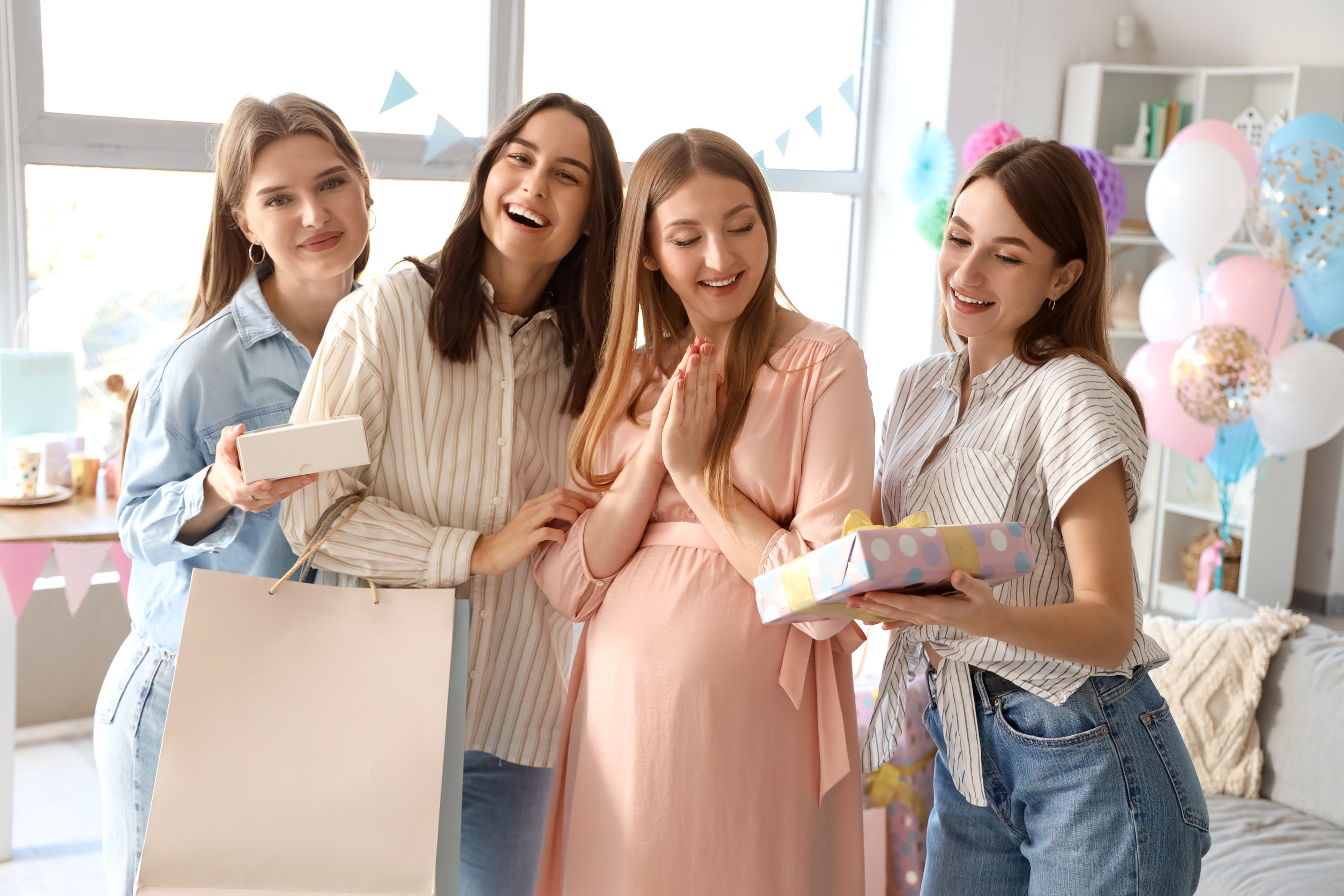
9 Baby Shower Gifts That Could Raise Eyebrows with Social Workers
Image source: 123rf.com

Baby showers are full of excitement, laughter, and well-meaning presents from friends and family. But not every gift is appropriate, and some can spark concern if ever noticed by professionals tasked with child welfare. While most people intend to be helpful, certain items may unintentionally send the wrong message. Baby shower gifts that could raise eyebrows with social workers tend to highlight safety concerns, poor judgment, or cultural misunderstandings. Knowing which gifts to avoid helps protect both the baby’s well-being and the parents’ peace of mind.

1. Alcohol-Themed Gifts

It might seem playful to gift a new parent a wine glass labeled “Mommy’s Juice” or a onesie with a beer logo. However, alcohol-related items can look irresponsible when linked to infant care. Baby shower gifts that could raise eyebrows with social workers include anything that associates babies with drinking culture. Social workers are trained to look for signs of risky environments, and alcohol-centric humor doesn’t always translate well. A safer choice would be pampering gifts for the parents that don’t carry questionable implications.

2. Toy Weapons or Violent-Themed Items

Gifting a toy gun, knife-shaped teether, or clothing with violent slogans may seem harmless to some, but it raises red flags for others. Baby shower gifts that could raise eyebrows with social workers include anything that normalizes aggression around children. Early childhood is about safety and nurturing, not exposure to violent symbolism. Even as a joke, such gifts suggest environments that may not prioritize healthy development. Parents should encourage friends and family to keep gifts age-appropriate and peaceful.

3. Unsafe Cribs or Secondhand Bedding

Hand-me-down cribs or mattresses may appear generous but can pose serious safety hazards. Older cribs often don’t meet current safety regulations, and used mattresses can harbor bacteria or mold. Baby shower gifts that could raise eyebrows with social workers often involve items that don’t align with safe sleep guidelines. Social workers emphasize proper sleep environments to prevent risks like suffocation or sudden infant death syndrome. Brand-new, safety-certified sleep products are always a better option.

4. Homeopathic Remedies or Unregulated Supplements

Some well-meaning relatives may bring natural remedies or over-the-counter herbal products for babies. Unfortunately, these items are not always regulated, and their safety for infants is questionable. Baby shower gifts that could raise eyebrows with social workers include anything that promotes unverified health practices. Using untested substances on newborns could be interpreted as neglectful or unsafe. Parents should politely decline such gifts and instead request approved baby-safe care products.

5. Exotic Pets or Animal-Themed Surprises

It might sound quirky to give a family a pet turtle, rabbit, or even a bird as part of the baby shower fun. However, introducing animals alongside a newborn comes with health and safety risks. Baby shower gifts that could raise eyebrows with social workers definitely include live animals, especially if parents are unprepared. Pets require time, money, and proper care, which can overwhelm already stressed new parents. A stuffed animal or animal-themed décor is a much safer alternative.

6. Inappropriate Clothing Messages

Onesies or baby shirts with phrases like “Future Heartbreaker” or “Crybaby in Training” might get laughs, but they don’t always send the right message. Clothing that sexualizes, stereotypes, or mocks infants falls into the category of baby shower gifts that could raise eyebrows with social workers. These items can suggest a lack of seriousness about parenting. Social workers may interpret them as small indicators of larger issues in the household environment. Sticking to neutral, cute, and practical clothing is always best.

7. Outdated Baby Gear

Walkers, drop-side cribs, or recalled car seats are examples of items that should never be given. Baby shower gifts that could raise eyebrows with social workers often include outdated gear that ignores current safety recommendations. Even if given with love, such items may unintentionally put a baby at risk. Parents receiving these gifts could face scrutiny if unsafe gear is discovered in their home. A better route is providing gift cards or pooling money for new, approved products.

8. Cash Hidden in Odd or Risky Packaging

Cash is a useful gift, but the presentation matters. Placing money inside a beer bottle, adult-themed card, or gag item could create the wrong impression. Baby shower gifts that could raise eyebrows with social workers include anything that blends financial help with questionable humor. While the intent is usually fun, it can backfire if ever noticed by outsiders evaluating the family’s judgment. A simple card or savings bond is a more thoughtful and safe way to gift money.

9. Dangerous DIY Toys or Homemade Furniture

Homemade gifts can be heartfelt, but safety should always come first. A hand-carved crib or DIY toy without proper testing could become hazardous quickly. Baby shower gifts that could raise eyebrows with social workers often involve well-meaning but unsafe homemade items. Sharp edges, toxic paints, or unstable construction make them unsuitable for infants. If offering something homemade, it’s best to stick with décor or keepsakes rather than functional baby gear.

Striking the Right Balance Between Fun and Safe

Celebrating a new baby should be joyful, not complicated by questionable choices. By steering clear of baby shower gifts that could raise eyebrows with social workers, friends and family can show support without unintentionally causing concern. Thoughtful, safe, and practical gifts demonstrate care for both the baby and the parents’ long-term well-being. Ultimately, the best presents are those that reduce stress and promote a healthy, nurturing environment. Keeping this balance ensures the celebration stays focused on love and excitement for the new arrival.

Have you ever received a questionable baby shower gift? Share the most surprising ones in the comments below!

What to Read Next…

6 Baby Items Hospitals Don’t Provide Anymore—But Parents Think They Do

9 Birthday Traditions That Are Quietly Disappearing in 2025

12 Classic Items That Older Generations Wish Were Still Here

Parents: Stop Bringing Uninvited Siblings to Parties

8 Happy Moments That Every Child Should Experience

Catherine Reed
Catherine Reed

Catherine is a tech-savvy writer who has focused on the personal finance space for more than eight years. She has a Bachelor’s in Information Technology and enjoys showcasing how tech can simplify everyday personal finance tasks like budgeting, spending tracking, and planning for the future. Additionally, she’s explored the ins and outs of the world of side hustles and loves to share what she’s learned along the way. When she’s not working, you can find her relaxing at home in the Pacific Northwest with her two cats or enjoying a cup of coffee at her neighborhood cafe.

Filed Under: Shopping Tagged With: Baby Shower Gifts, child safety, family concerns, newborn essentials, parenting tips, safe baby gear, social workers

6 Baby Items Hospitals Don’t Provide Anymore—But Parents Think They Do

September 1, 2025 | Leave a Comment

6 Baby Items Hospitals Don’t Provide Anymore—But Parents Think They Do
Image source: 123rf.com

New parents often head to the hospital believing they’ll leave with a bag full of freebies. For decades, hospitals were known for sending families home with everything from formula to keepsakes. But policies have changed, and what parents expect is not always what they actually receive. Knowing which baby items hospitals don’t provide anymore can help families prepare and avoid last-minute stress. Planning ahead ensures a smoother transition home and fewer surprises during those first hectic days with a newborn.

1. Free Formula Samples

There was a time when hospitals sent parents home with a supply of formula. Today, many hospitals have moved away from this practice due to breastfeeding initiatives and partnerships with health organizations. Parents often assume they’ll get bottles of formula included, but most facilities only provide it during the stay if medically necessary. Once discharged, families are expected to buy their own supply. This makes formula one of the baby items hospitals don’t provide anymore, leaving parents to plan ahead.

2. Diaper Stockpiles

Hospitals still give newborns diapers while admitted, but the idea of leaving with a large stash is outdated. Most parents now only get enough for use during their stay, not extras to take home. The cost of disposable diapers and the emphasis on cutting waste mean hospitals are limiting what they hand out. Parents should be ready with a package of newborn diapers at home. Diapers are one of the most common baby items hospitals don’t provide in bulk anymore.

3. Pacifiers for Every Baby

Pacifiers used to be handed out to nearly all newborns. Today, many hospitals have restricted their use unless parents specifically request them, citing concerns about breastfeeding success. This has led to confusion when new parents expect them to be included in standard care. Families should pack their preferred pacifier in the hospital bag just in case. Pacifiers are another example of baby items hospitals don’t provide as freely as they once did.

4. Infant Grooming Supplies

Years ago, hospitals often sent families home with small grooming kits that included items like nail clippers, baby brushes, and thermometers. These days, those extras are rarely included. Parents are expected to purchase their own infant grooming items before or after birth. While hospitals may use these tools for care, they typically do not send them home with families. Grooming kits are one of the overlooked baby items hospitals don’t provide anymore but many parents still expect.

5. Keepsake Items like Diaper Bags

Hospitals once had partnerships with brands that allowed them to distribute promotional items, such as branded diaper bags or baby booklets. These free giveaways were a way for companies to market directly to new parents. Most hospitals no longer offer them due to budget cuts and changing policies on advertising. Today, families should not expect extras beyond basic care items. Keepsake freebies like diaper bags are among the baby items hospitals don’t provide anymore.

6. Large-Scale Baby Blankets

While hospitals still give newborns swaddle blankets during their stay, they do not usually send extras home. Parents might assume they’ll receive several, but they’re only provided for use in the hospital. These blankets are often reused and laundered for other patients, not given as take-home gifts. Families should plan to pack or purchase swaddles or baby blankets ahead of time. Baby blankets are one of the practical baby items hospitals don’t provide in multiples anymore.

Preparing Beyond Expectations

Hospital stays today focus on medical care, not on supplying families with everything they need for the weeks ahead. Parents who understand which baby items hospitals don’t provide anymore can better plan their packing list and stock up at home. While it may feel like traditions have changed, the shift emphasizes personal choice and preparation. By taking control of what you bring and what you buy afterward, you reduce stress and ensure your baby has everything they need. Being prepared helps families focus less on missing items and more on enjoying their new arrival.

Were you surprised by which baby items hospitals don’t provide anymore? Share your experience and tips for new parents in the comments below!

What to Read Next…

9 Childhood Milestones That Are Happening Later Than Ever

8 Reasons Why Children Are Priceless

9 Things No One Tells You About Raising an Only Child

Can You Afford to Have Kids in 2025? Here’s What It Really Costs Per Year

5 Unintended Consequences Of Keeping A Child Sheltered

Catherine Reed
Catherine Reed

Catherine is a tech-savvy writer who has focused on the personal finance space for more than eight years. She has a Bachelor’s in Information Technology and enjoys showcasing how tech can simplify everyday personal finance tasks like budgeting, spending tracking, and planning for the future. Additionally, she’s explored the ins and outs of the world of side hustles and loves to share what she’s learned along the way. When she’s not working, you can find her relaxing at home in the Pacific Northwest with her two cats or enjoying a cup of coffee at her neighborhood cafe.

Filed Under: Parenting Tagged With: baby items hospitals don’t provide, baby preparation, hospital stay, new parents, newborn essentials, parenting tips

  • Facebook
  • Pinterest
  • RSS
  • Twitter

Basic Principles Of Good Parenting

Here some basic principles for good parenting:

  1. What You Do Matters: Your kids are watching you. So, be purposeful about what you want to accomplish.
  2. You Can’t be Too Loving: Don’t replace love with material possessions, lowered expectations or leniency.
  3. Be Involved Your Kids Life: Arrange your priorities to focus on what your kid’s needs. Be there mentally and physically.
  4. Adapt Your Parenting: Children grow quickly, so keep pace with your child’s development.
  5. Establish and Set Rules: The rules you set for children will establish the rules they set for themselves later.  Avoid harsh discipline and be consistent.
  6. Explain Your Decisions: What is obvious to you may not be evident to your child. They don’t have the experience you do.
  7. Be Respectful To Your Child: How you treat your child is how they will treat others.  Be polite, respectful and make an effort to pay attention.
Best Parenting Blogs

Most Popular

Baby

9 Unusual Baby Names That Sound Like They Belong to Future CEOs

Evan Morgan
Baby

10 Baby Names That Were Once Considered “Grandparent Names” but Feel Cool Again

Evan Morgan
Target Store

Choking Incident Prompts Recall of 49,000 Target Gigglescape “Under the Sea” Popping Toys

Evan Morgan
Frustrated Girl

Why Some Students on the Spectrum Are Labeled With ODD

Evan Morgan
Coke Bottles

12 Things Kids Took to School in the ’70s That Would Never Be Allowed Today

Evan Morgan

All content on Kids Ain’t Cheap is for entertainment purposes only. By reading this blog, you agree that Kids Ain’t Cheap is not responsible for any actions taken after reading this blog. For the full disclaimer, see our privacy policy.

Please note that Kids Ain’t Cheap has financial relationships with some of the merchants mentioned here. Kids Ain’t Cheap is funded by banner advertising, commission sales and search optimization consulting.

Copyright © 2006–2026 | District Media | All Rights Reserved | Privacy Policy

Copyright © 2026 Runway Pro Theme by Viva la Violette