• Home
  • About Us
  • Toolkit
  • Archives
  • Advertise
  • Privacy Policy

Kids Ain't Cheap

But They Sure Are Worth It

  • Parenting
    • Baby Stuff
    • Books and Reading
      • Aesops Fables
      • Comic Books
    • Education
    • Family Time
    • Green Living
    • Growing Up
    • Healthy Living & Eating
    • Holidays
    • Parenting
    • Random Musings
    • Shopping
    • Stuff to Do
  • Money
  • Product Reviews
    • Books and Magazines
    • Discount Sites
    • Furniture
    • House Keeping
    • Reviews News
    • Toys and Games
  • Contact Us
  • Our Editorial Commitment
  • Search

Pediatricians Say Parents Are Overbuying These 4 Baby Items (And Skipping What Matters)

February 10, 2026 | Leave a Comment

Pediatricians Say Parents Are Overbuying These 4 Baby Items (And Skipping What Matters)
Image Source: Shutterstock.com

Preparing for a new baby can turn even the calmest adults into full‑blown researchers, scrolling through endless lists of “must‑haves” that somehow stretch into the triple digits. It’s exciting, overwhelming, and—if we’re being honest—a little bit expensive.

But according to pediatricians, many parents are stocking up on items that look impressive in a nursery photo but don’t actually contribute much to a baby’s health, safety, or development. Meanwhile, the things that do matter often get overlooked in the chaos of shopping carts and registry checklists.

1. Fancy Bedding Sets: Beautiful, But Not Baby‑Approved

Walk into any baby store and you’ll see bedding sets that look like they belong in a magazine spread—pillows, quilts, bumpers, and decorative blankets all perfectly coordinated. They’re adorable, but pediatricians consistently warn that these items are unnecessary and, in some cases, unsafe. Soft bedding increases the risk of suffocation and is not recommended for infants. Babies don’t need pillows or quilts, and crib bumpers—whether padded or mesh—are discouraged by major health organizations.

What babies do need is a firm mattress with a fitted sheet. That’s it. It may not look as glamorous, but it’s the safest sleep environment. If you want to add personality to the nursery, focus on wall art or décor that doesn’t interfere with safe sleep guidelines. Your baby won’t care about the theme, but they will benefit from a safe, simple sleep setup.

2. High‑Tech Gadgets That Promise Peace of Mind (But Don’t Deliver)

The baby‑tech market is booming, offering everything from smart socks to wearable monitors to devices that track every breath and wiggle. While these gadgets can feel reassuring, pediatricians emphasize that they’re not medical devices and shouldn’t be relied on to detect or prevent health issues. Many parents end up spending hundreds of dollars on monitors that create more anxiety than they relieve, especially when false alarms occur.

Instead of investing in high‑tech gear, pediatricians recommend focusing on safe sleep practices and regular checkups. A basic audio or video monitor is more than enough for most families. If you’re concerned about your baby’s breathing or health, your pediatrician—not a gadget—should be your guide. Peace of mind comes from knowledge and support, not necessarily from the latest device.

3. Too Many Toys for a Baby Who Can’t Even Sit Up Yet

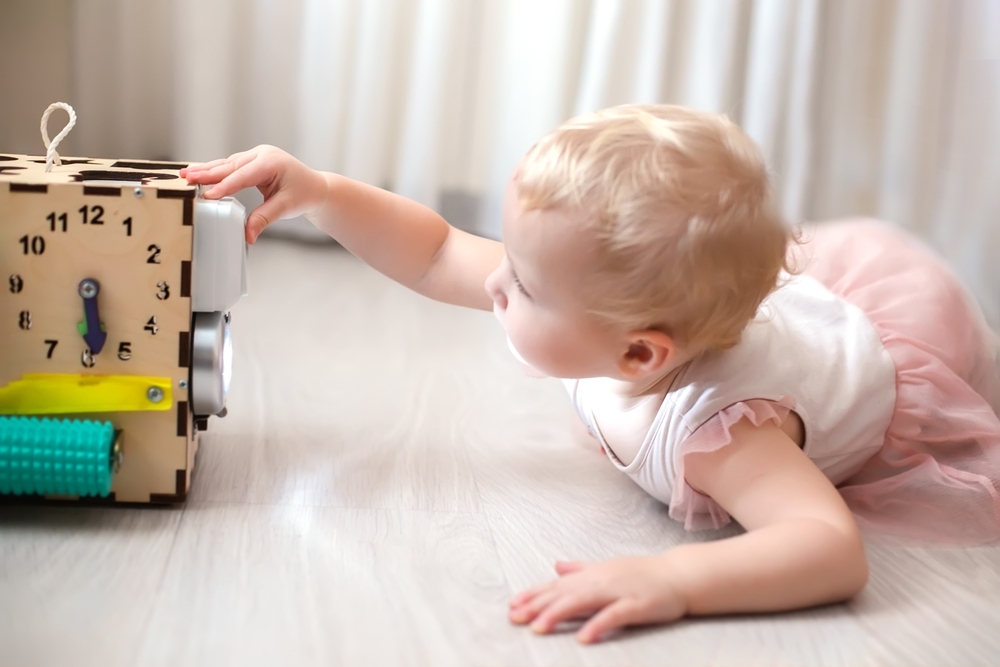
It’s easy to get swept up in the excitement of buying toys, especially when they promise to boost development or keep your baby entertained for hours. But pediatricians point out that newborns and young infants don’t need a mountain of toys. In fact, too many options can be overstimulating. Babies learn best through simple, repetitive interactions—faces, voices, gentle movement, and a few well‑chosen toys that encourage exploration.

A small collection of age‑appropriate items, like soft rattles, high‑contrast books, or textured toys, is more than enough in the early months. As your baby grows, you can add toys that support new skills, but there’s no need to stockpile. What matters most is interaction: talking, singing, reading, and playing with your baby. Those moments do far more for development than any toy aisle ever could.

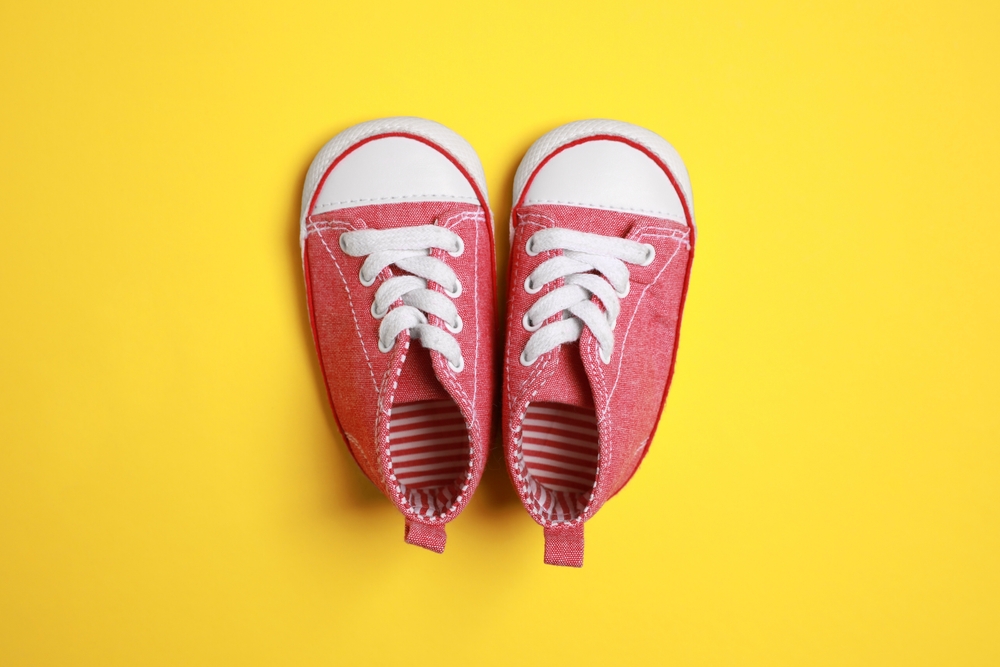
4. Baby Shoes for Babies Who Aren’t Walking

Tiny baby shoes are undeniably cute, and it’s tempting to buy a pair for every outfit. But pediatricians remind parents that babies who aren’t walking don’t need shoes at all. In fact, going barefoot helps babies develop balance, coordination, and strength. Shoes can restrict natural movement, and they’re often uncomfortable for infants who spend most of their time being carried or lying down.

When your baby does start taking those first steps, flexible, lightweight shoes are the best choice. Until then, soft socks or booties are all you need to keep little feet warm. Save the adorable mini‑sneakers for later—they’ll appreciate them more when they’re actually using them.
Pediatricians Say Parents Are Overbuying These 4 Baby Items (And Skipping What Matters)
Image Source: Shutterstock.com

What Pediatricians Say Parents Should Focus On Instead

If parents are overbuying certain items, what are they missing? Pediatricians consistently highlight a few essentials that support safety, development, and overall well‑being. A properly installed car seat is at the top of the list, along with safe sleep practices and regular tummy time.

Simple, developmentally appropriate toys and books also make a meaningful difference. And perhaps most importantly, parents should prioritize routines, bonding, and responsive caregiving—things that don’t come in a box but matter more than any product ever could.

How to Build a Baby Registry That Actually Makes Sense

Creating a baby registry can feel like assembling a survival kit for a tiny human, but it doesn’t have to be overwhelming. Start with the basics: feeding supplies, diapers, a safe sleep space, and a car seat. Add a few items that support your lifestyle, like a baby carrier or stroller. Then sprinkle in a handful of toys and books that encourage early learning.

Resist the urge to fill every category just because it exists. A thoughtful, streamlined registry not only saves money but also reduces clutter and stress once the baby arrives.

Babies Need Less Stuff and More Connection

Pediatricians agree on one thing: babies don’t need a mountain of gear to thrive. They need responsive caregivers, safe environments, and opportunities to explore the world at their own pace. When parents focus on connection rather than consumption, everyone benefits. The early months are full of learning, bonding, and discovery—and none of that depends on having the trendiest products. By skipping the unnecessary items and investing in what truly matters, you create a calmer, more meaningful start for your baby and yourself.

What baby item do you think parents tend to overbuy the most? If you have parenting tales that will help people with their newborns, share them in the comments below.

You May Also Like…

5 Cold Weather Baby Gear Items That Are Unsafe for Car Seats

Baby Danger: 10 Household Items That Hurt Babies You Own

10 Forgotten Baby Items That Are Still Lurking in Your House

Unsafe Products: 8 Everyday Items Dangerous for Babies

6 Baby Name Trends Making a Comeback From the 1970s

Brandon Marcus
Brandon Marcus
Brandon Marcus is a writer who has been sharing the written word since a very young age. His interests include sports, history, pop culture, and so much more. When he isn’t writing, he spends his time jogging, drinking coffee, or attempting to read a long book he may never complete.

Filed Under: healthcare Tagged With: Baby Gear, baby products, baby safety, child development, family life, infant care, new parents, newborn essentials, Parenting, parenting tips, pediatrician advice

8 Must-Have Baby Gadgets That Pediatricians Say Delay Development

February 2, 2026 | Leave a Comment

These Are 8 Must-Have Baby Gadgets That Pediatricians Say Delay Development
Image Source: Shutterstock.com

Walk into any baby store or scroll social media for five minutes, and you’ll feel like you’re one gadget away from being the “perfect” parent. Every product promises smarter babies, calmer nights, faster milestones, and easier parenting.

The problem is that not all convenience equals healthy development, and some popular baby gadgets can actually interfere with natural learning and growth. Pediatricians and child development specialists often emphasize that babies develop best through movement, human interaction, and real-world sensory experiences, not constant assistance from devices.

1. Baby Walkers That Create The Illusion Of Early Walking

Baby walkers look like confidence boosters, but pediatricians have warned for years that they can interfere with natural motor development. Babies in walkers learn to move without using the muscles and balance systems needed for real walking. This can delay crawling, pulling up, and independent standing because core strength and coordination develop differently.

Doctors have consistently advised against their use, citing safety risks like falls and injuries. Babies need floor time, not wheeled shortcuts, to build strength and spatial awareness. A simple play mat and supervised tummy time support far healthier physical development than any walker ever could.

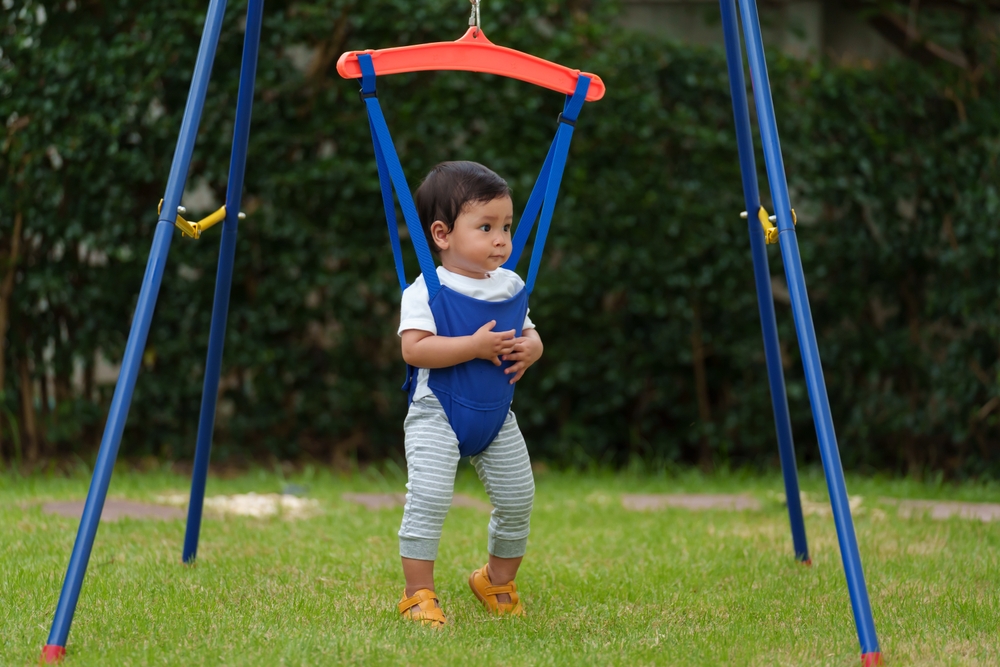
2. Jumpers That Replace Natural Muscle Development

Those doorway jumpers and bouncing activity centers look like harmless fun, but pediatricians often caution against frequent use. Jumpers encourage unnatural movement patterns that don’t match how babies actually learn to walk or balance. They can place stress on hips, spine, and developing joints when used too often or too early. Babies also miss out on crawling, rolling, and floor-based exploration that builds coordination and strength.

Short, supervised use may not cause harm, but relying on jumpers as daily entertainment can delay key motor milestones, according to many doctors. Floor play, crawling space, and climbing-safe environments offer better long-term benefits.

3. Electronic Learning Toys That Replace Human Interaction

Talking toys, light-up tablets, and “educational” screens promise early learning, but pediatricians consistently stress that real learning comes from human interaction. Babies learn language through face-to-face conversation, tone, expression, and response, not recorded voices and flashing buttons. Passive stimulation does not build communication skills the same way real engagement does.

These Are 8 Must-Have Baby Gadgets That Pediatricians Say Delay Development
Image Source: Shutterstock.com

4. Infant Positioning Seats That Limit Movement

Those molded infant seats that prop babies upright look helpful and adorable, but they limit natural movement. Pediatricians often caution that babies need freedom to move, twist, roll, and shift their bodies naturally. Being placed in fixed positions for long periods can slow muscle development and body awareness. Babies learn balance by falling, adjusting, and trying again, not by being held in perfect posture.

These seats may be useful briefly for feeding or supervision, but they should not replace floor time. Open space, soft mats, and safe play areas give babies the movement they need to develop properly.

5. Overused Swings And Motion Devices

Swings and automated rockers can be lifesavers for exhausted parents, but overuse can create developmental tradeoffs. Babies benefit from being soothed by human touch, voice, and movement, not just mechanical motion. Excessive reliance on swings reduces floor time, which is essential for strength, coordination, and exploration.

Pediatricians and experts emphasize balance, not elimination, when it comes to these devices. They work best as short-term soothing tools, not long-term substitutes for interaction. Holding, carrying, and engaging your baby builds emotional security and physical development simultaneously.

6. Baby Containers That Limit Exploration

The term “container baby syndrome” is used by therapists to describe overuse of devices that restrict movement, like bouncers, seats, loungers, and carriers. Babies need freedom to explore their environment to develop motor skills, problem-solving, and body awareness. Too much time in containers limits rolling, crawling, scooting, and reaching behaviors.

Pediatricians emphasize that development happens through movement, not containment. Convenience devices should support parenting, not replace movement. Rotating free play, tummy time, and open-floor exploration makes a real developmental difference.

7. White Noise And Sleep Machines Used Constantly

White noise machines can help babies sleep, but constant use can reduce exposure to natural sounds and voices. Pediatricians note that babies learn language patterns from hearing real speech, not continuous background noise. Overuse can also make babies dependent on artificial sound environments for sleep.

Moderation matters more than elimination here. Use sound machines when needed, but allow quiet, natural sound spaces during waking hours. Real-world sounds help babies build auditory processing and language skills.

8. Over-Structured Activity Centers

Multi-feature activity centers look stimulating, but they often overwhelm babies with lights, sounds, and limited movement options. Babies benefit more from simple toys that encourage exploration, grasping, and movement.

When everything lights up and responds automatically, babies don’t learn cause-and-effect the same way. Open-ended toys like blocks, balls, and soft books promote deeper learning. Simpler environments often produce stronger developmental outcomes.

Real Growth Happens In Real Life, Not Gadgets

The most powerful developmental tools aren’t sold in boxes or marketed online. They look like floor time, eye contact, conversation, messy play, movement, and human connection. Gadgets may offer convenience, but they should never replace interaction, exploration, and freedom of movement.

If you looked around your home right now, which of these gadgets does your baby spend the most time in—and what would change if you replaced just one of them with more real-world play? Give your parenting insights in the comments below.

You May Also Like…

Listening In: 7 Kid Gadgets That Listen to Your Family

9 Traditional Family Routines That Help Kids Feel Secure

Why Pediatricians are Quietly Flagging These 5 Household Items as Toxic

7 Boomer-Era Family Traditions That Lower Household Stress

6 Toy Store Layout Tricks That Manipulate Your Wallet

Brandon Marcus
Brandon Marcus
Brandon Marcus is a writer who has been sharing the written word since a very young age. His interests include sports, history, pop culture, and so much more. When he isn’t writing, he spends his time jogging, drinking coffee, or attempting to read a long book he may never complete.

Filed Under: Baby Stuff Tagged With: baby development, baby gadgets, Baby Gear, baby safety, child development, early learning, infant growth, modern parenting, Parenting, parenting tips, pediatrician advice

9 Times a Toddler’s Behavior Was a Sign of Something Medical

January 7, 2026 | Leave a Comment

9 Times a Toddler’s Behavior Was a Sign of Something Medical
Image source: shutterstock.com

Toddlers are famous for big feelings, weird sleep, and sudden “nope” energy, so it’s easy to chalk every tough day up to a phase. But sometimes a new behavior is your child’s way of saying, “I don’t feel right,” especially when they can’t explain what hurts. The goal isn’t to panic or diagnose at home—it’s to notice patterns, spot red flags, and know when a pediatrician visit is the smart move. If your gut says this isn’t your usual kid, it’s worth taking seriously, because toddler behavior can occasionally point to something medical that needs attention.

1. Sudden Meltdowns With Ear Pulling or Head Tilting

A toddler who melts down every time you lay them down or touch their head might be dealing with ear pain. Ear infections can make kids clingy, cranky, and inconsolable, especially at night. You might also notice ear tugging, new balance issues, or a fever that comes and goes. If the irritability shows up fast and feels out of character, call your pediatrician and describe the timeline and symptoms, because this can be something medical that’s treatable. In the meantime, track temperature, fluids, and sleep so you can give clear details during the visit.

2. New Aggression or “Wild” Energy Along With Belly Complaints

If your toddler suddenly hits, bites, or can’t settle, pain can be the driver, not “bad behavior.” Constipation is a common culprit and can cause belly pain, appetite changes, and mood swings that look like defiance. Some kids also stiffen, hide, or refuse the potty because they’re trying to avoid discomfort. If you notice hard stools, straining, or fewer poops than usual, bring it up promptly since it could be something medical that improves with the right plan. Ask your pediatrician before using laxatives, and focus on water, fiber-rich foods, and predictable bathroom routines.

3. When “Out Of Nowhere” Irritability Could Be something medical

A toddler who’s suddenly irritable all day—without the usual triggers—may be reacting to discomfort they can’t name. Teething gets blamed for everything, but persistent crankiness can also show up with sore throats, headaches, or sinus pressure. Watch for clues like rubbing the face, refusing to chew, drooling more than normal, or waking crying repeatedly. If the mood shift lasts more than a couple of days or comes with fever, dehydration, or lethargy, loop in your pediatrician. Bring notes on sleep, food, and any new exposures so you’re not trying to remember it all in the exam room.

4. Sleep Regression With Snoring, Mouth Breathing, or Pauses

If your toddler starts waking constantly and also snores loudly, sleep quality might be the issue, not discipline. Enlarged tonsils, allergies, or chronic congestion can make breathing harder at night and cause frequent wake-ups. Some kids become hyper or emotional during the day because they’re exhausted, even if they don’t look sleepy. If you notice mouth breathing, restless sleep, or pauses in breathing, it’s worth evaluating because it can be something medical affecting development and behavior. Record a short video of the snoring or breathing sounds to share with your pediatrician.

5. Refusing Food After Being a Solid Eater

When a toddler who normally eats well suddenly refuses food, think beyond picky phases. Mouth pain, sore throat, ear pressure, reflux, or even a small cut in the mouth can make eating feel scary. You may see them accept cold foods but reject anything chewy, warm, or textured, which can hint at pain. If the change is sharp, lasts several days, or leads to fewer wet diapers, treat it like something medical and call your pediatrician. Offer fluids and soft foods, and avoid forcing bites so meals don’t turn into a long-term battle.

6. New Clinginess With Frequent Urination or Accidents

Some toddlers act unusually needy or emotional when they have urinary discomfort they can’t explain. A urinary tract infection can show up as frequent urination, accidents after being mostly trained, foul-smelling urine, or crying on the potty. Kids might also refuse the toilet because they link it with burning or pressure. If you notice these signs—especially with fever—contact your pediatrician because it may be something medical that needs quick treatment. Encourage water and don’t shame accidents, because stress can make symptoms and behavior worse.

7. Constant Chewing, Staring Spells, or “Zoning Out” Moments

Toddlers explore with their mouths, but nonstop chewing or unusual staring can be worth a closer look if it’s new. Some kids chew more when anxious, overstimulated, or seeking sensory input, but sudden changes can also happen with sleep loss or certain deficiencies. Brief “zoning out” can be normal daydreaming, yet repeated episodes where your child doesn’t respond to their name deserve medical attention. If the pattern is frequent, lasts longer than a few seconds, or comes with lip smacking, eyelid fluttering, or confusion afterward, talk to your pediatrician because it could be something medical. Take a short video if you can do it safely, since descriptions are hard to capture in words.

8. Big Behavior Changes After a New Medication or Supplement

Sometimes the timing tells the story: a new medicine starts, and behavior shifts fast. Some kids become extra wired, emotional, or sleepless with certain cold medicines, allergy meds, or even new vitamins. Others get stomach upset that shows up as tantrums, not “my tummy hurts.” If you notice a clear before-and-after change, stop and call the pediatrician or pharmacist to ask what to do next. Bring the exact product name, dose, and start date so you get guidance that fits your child.

9. Frequent Tantrums With Light Sensitivity, Vomiting, or Complaints of Pain

A toddler who screams and covers their eyes, vomits, or seems worse in bright light may be dealing with more than a typical meltdown. Migraines can happen in children, and pain can look like rage when kids don’t have the words. Severe headaches, neck stiffness, ongoing vomiting, or a child who becomes unusually sleepy are reasons to seek urgent care. Trust patterns: if tantrums cluster around symptoms, the symptoms matter. When in doubt, call your pediatrician and describe what you’re seeing as clearly and calmly as you can.

The Pattern That Matters Most

One tough day usually isn’t the signal—change is. Pay attention to what’s new, intense, persistent, or paired with physical symptoms like fever, dehydration, breathing issues, or pain. Keep a simple log for two or three days with sleep, food, fluids, bowel movements, and notable behaviors, because patterns make appointments more productive. If you ever see trouble breathing, blue lips, severe lethargy, a stiff neck, a seizure, or signs of severe dehydration, seek emergency care right away. And remember: you’re not overreacting by checking in—your job is to notice and advocate.

What’s one behavior shift you’ve learned to take seriously, and what helped you figure out what was going on?

What to Read Next…

Is Your Child’s “Tantrum” Really a Sensory Issue?

6 Questions Pediatricians Wish Parents Would Actually Ask

9 Toddler Behaviors That Could Signal Deeper Issues

Stop the Meltdowns: 7 Tantrum Triggers You’re Missing

10 Childhood Illnesses Making a Comeback in U.S. Schools

Catherine Reed
Catherine Reed

Catherine is a tech-savvy writer who has focused on the personal finance space for more than eight years. She has a Bachelor’s in Information Technology and enjoys showcasing how tech can simplify everyday personal finance tasks like budgeting, spending tracking, and planning for the future. Additionally, she’s explored the ins and outs of the world of side hustles and loves to share what she’s learned along the way. When she’s not working, you can find her relaxing at home in the Pacific Northwest with her two cats or enjoying a cup of coffee at her neighborhood cafe.

Filed Under: healthcare Tagged With: child behavior, developmental milestones, family health, parenting tips, pediatrician advice, sick toddler signs, toddler health

What Are Pediatricians Quietly Saying About Parental Guilt?

August 4, 2025 | Leave a Comment

What Are Pediatricians Quietly Saying About Parental Guilt?
Image source: 123rf.com

Every parent feels it at some point: the nagging voice that says you’re not doing enough, not doing it right, or doing too much all at once. Parental guilt is a powerful and often exhausting emotion that can overshadow even the most loving moments with your child. Behind closed doors, many pediatricians share candid thoughts about how guilt affects both parents and kids, and what they wish families understood about it. Their insights may surprise you—and could help you finally let go of some of that unnecessary weight you’ve been carrying.

1. Parental Guilt Is Far More Common Than You Think

Pediatricians say that nearly every parent who walks through their office feels some level of guilt. Whether it’s about screen time, fast food dinners, or missing a school event, parents are constantly measuring themselves against an impossible standard. This widespread feeling is often fueled by social media and societal pressures, making parents believe they’re the only ones falling short. Understanding that parental guilt is universal can be comforting and help you feel less isolated. Pediatricians often reassure parents that perfection doesn’t exist and mistakes are part of raising healthy, happy kids.

2. Too Much Guilt Can Negatively Affect Parenting

While a little self-reflection can help parents improve, pediatricians warn that constant guilt is harmful. Parental guilt can lead to overcompensating, giving in too easily, or becoming overly critical of yourself and your child. These patterns can create tension at home and affect your child’s sense of security. Pediatricians quietly emphasize the importance of balance—acknowledging mistakes while also giving yourself grace. Children benefit more from a parent who feels confident and calm than one who is consumed by guilt.

3. Comparing Yourself to Other Parents Feeds the Guilt Cycle

One of the biggest contributors to parental guilt, according to pediatricians, is comparison. Watching how other families handle routines, discipline, or achievements can make you feel like you’re falling behind. Pediatricians remind parents that every child is different, and what works for one family may not work for another. Trying to replicate someone else’s parenting style often leads to frustration and more guilt. Focusing on your child’s unique needs helps quiet the comparisons and builds a healthier home environment.

4. Kids Don’t Need Perfect Parents to Thrive

Many pediatricians stress that children don’t need flawless parents to grow up happy and healthy. In fact, witnessing parents make mistakes and recover teaches resilience and problem-solving. Parental guilt often stems from the belief that every misstep will harm your child, but that’s rarely the case. Pediatricians reassure parents that love, safety, and consistent care matter far more than doing everything “right.” Letting go of the quest for perfection helps both you and your child enjoy life more fully.

5. Open Conversations Can Help Ease the Pressure

Pediatricians often advise parents to talk openly about their guilt with trusted friends, support groups, or even their child’s doctor. Parental guilt tends to thrive in silence, making you believe you’re the only one struggling. By sharing your feelings, you can gain perspective and practical advice that lightens the emotional load. Pediatricians also suggest speaking gently to yourself, as you would to a friend going through the same experience. Sometimes, simply acknowledging guilt out loud is the first step to releasing it.

Rewriting the Story, You Tell Yourself as a Parent

Pediatricians want parents to know that guilt doesn’t have to define your parenting journey. When you stop striving for impossible standards, you create space for real connection and growth with your child. Letting go of parental guilt doesn’t mean you stop caring—it means you give yourself permission to be human. Your kids need love, patience, and presence far more than perfection. Changing the story, you tell yourself about what it means to be a good parent can make all the difference for your family’s happiness.

Have you struggled with parental guilt? What’s one piece of advice you’d give other parents facing the same feelings? Share your thoughts in the comments below!

Read More:

Why Burned-Out Moms Are Fantasizing About Running Away

Why Some Parents Resent Their Kids—But Can’t Say It Out Loud

Catherine Reed
Catherine Reed

Catherine is a tech-savvy writer who has focused on the personal finance space for more than eight years. She has a Bachelor’s in Information Technology and enjoys showcasing how tech can simplify everyday personal finance tasks like budgeting, spending tracking, and planning for the future. Additionally, she’s explored the ins and outs of the world of side hustles and loves to share what she’s learned along the way. When she’s not working, you can find her relaxing at home in the Pacific Northwest with her two cats or enjoying a cup of coffee at her neighborhood cafe.

Filed Under: Parenting Tagged With: family well-being, parental guilt, parenting tips, pediatrician advice, Positive Parenting, raising kids

Doctor Questions: 6 Critical Questions to Ask Your Child’s Doctor

July 14, 2025 | Leave a Comment

Doctor Questions 6 Critical Questions to Ask Your Childs Doctor
123rf.com

When it comes to your child’s health, no question is too small. But with limited time during pediatric visits and a flood of online information, it’s easy to feel overwhelmed or forget what really matters. Knowing the right questions to ask your child’s doctor can help you feel more confident, informed, and in control of your child’s well-being. These conversations aren’t just about treating symptoms—they’re about building a foundation of trust, advocacy, and proactive care. Whether you’re a new parent or simply want to feel more prepared at your next checkup, these six questions will help you make the most of every appointment.

1. Is My Child’s Growth and Development on Track?

One of the most important questions to ask your child’s doctor is whether your child is hitting age-appropriate milestones. Doctors use growth charts and developmental checklists to track progress and knowing where your child stands helps you spot potential issues early. It also gives you peace of mind or a plan of action when something seems off. Don’t hesitate to ask for clarification about height, weight, or motor skill delays—even if your doctor says it’s nothing to worry about. Trust your instincts and ask for specific benchmarks to look out for before the next visit.

2. Are These Symptoms Normal or Something to Watch?

Every parent has panicked over a mysterious rash, a stubborn cough, or an unexpected behavior. One of the smartest questions to ask your child’s doctor is whether these symptoms are routine or red flags. While some symptoms are part of typical childhood development, others might indicate allergies, infections, or underlying health concerns. Your doctor can help you distinguish between the two and advise when to seek urgent care or ride it out at home. This question also opens the door to learning what signs should never be ignored.

3. What Vaccinations Does My Child Need Right Now?

Keeping up with your child’s immunization schedule can be a challenge, especially with changing guidelines and school requirements. This is why one of the key questions to ask your child’s doctor involves which vaccines are due and why they’re important. A good pediatrician will explain the benefits and any potential side effects in plain language. It’s also the right time to ask about delayed schedules or catch-up plans if your child has missed any shots. Understanding the timing and purpose of each vaccine helps you make confident, informed choices.

4. How Can I Support My Child’s Mental and Emotional Health?

Pediatric visits aren’t just about physical health—your child’s emotional well-being matters just as much. That’s why it’s vital to ask your child’s doctor about signs of anxiety, stress, or behavioral changes that concern you. Many doctors now incorporate mental health screenings into routine checkups, especially for older kids and teens. Ask for recommendations if your child is struggling socially, emotionally, or academically. Your doctor can suggest books, therapy options, or simple routines to promote emotional stability at home.

5. What Should I Know About My Child’s Nutrition?

With picky eaters, sugar temptations, and confusing food advice online, nutrition questions are more important than ever. Ask your child’s doctor about how balanced your child’s current diet is and whether supplements are needed. This includes guidance on portion sizes, snacking habits, hydration, and even how much milk is too much. If your child is overweight, underweight, or has food sensitivities, now’s the time to create a game plan. Your doctor can refer you to a pediatric nutritionist or offer practical tips tailored to your child’s needs.

6. Are There Any Screenings, Tests, or Follow-Ups I Should Schedule?

Some health concerns aren’t immediately visible, which is why preventive screenings and follow-ups are essential. One of the most overlooked questions to ask your child’s doctor is whether anything needs monitoring between now and the next visit. Depending on your child’s age, medical history, or family risk factors, your pediatrician may recommend hearing tests, vision exams, lead testing, or dental evaluations. Knowing what to expect helps you stay ahead of potential issues. It also ensures you don’t miss a critical step in maintaining your child’s overall health.

Empowered Parents Ask Better Questions

The more you engage with your child’s doctor, the stronger your partnership becomes. By asking smart, focused questions, you’re not only getting better answers—you’re also showing your child how to advocate for their health. Every appointment is an opportunity to learn, plan, and stay ahead of concerns before they become problems. So take notes, speak up, and don’t leave the exam room with lingering doubts. When it comes to parenting, confidence starts with asking the right questions.

What questions do you always make sure to ask at your child’s doctor visits? Share your go-to questions in the comments below!

Read More:

6 Times You Should See a Doctor for Bedwetting

8 Snacks That Kids Love and Doctors Hate

Catherine Reed
Catherine Reed

Catherine is a tech-savvy writer who has focused on the personal finance space for more than eight years. She has a Bachelor’s in Information Technology and enjoys showcasing how tech can simplify everyday personal finance tasks like budgeting, spending tracking, and planning for the future. Additionally, she’s explored the ins and outs of the world of side hustles and loves to share what she’s learned along the way. When she’s not working, you can find her relaxing at home in the Pacific Northwest with her two cats or enjoying a cup of coffee at her neighborhood cafe.

Filed Under: Parenting Tagged With: child health, kids medical visits, parenting confidence, parenting tips, pediatric checkups, pediatrician advice, questions to ask your child's doctor

  • Facebook
  • Pinterest
  • RSS
  • Twitter

Basic Principles Of Good Parenting

Here some basic principles for good parenting:

  1. What You Do Matters: Your kids are watching you. So, be purposeful about what you want to accomplish.
  2. You Can’t be Too Loving: Don’t replace love with material possessions, lowered expectations or leniency.
  3. Be Involved Your Kids Life: Arrange your priorities to focus on what your kid’s needs. Be there mentally and physically.
  4. Adapt Your Parenting: Children grow quickly, so keep pace with your child’s development.
  5. Establish and Set Rules: The rules you set for children will establish the rules they set for themselves later.  Avoid harsh discipline and be consistent.
  6. Explain Your Decisions: What is obvious to you may not be evident to your child. They don’t have the experience you do.
  7. Be Respectful To Your Child: How you treat your child is how they will treat others.  Be polite, respectful and make an effort to pay attention.
Best Parenting Blogs

Most Popular

Baby

9 Unusual Baby Names That Sound Like They Belong to Future CEOs

Evan Morgan
Baby

10 Baby Names That Were Once Considered “Grandparent Names” but Feel Cool Again

Evan Morgan
Target Store

Choking Incident Prompts Recall of 49,000 Target Gigglescape “Under the Sea” Popping Toys

Evan Morgan
Frustrated Girl

Why Some Students on the Spectrum Are Labeled With ODD

Evan Morgan
Coke Bottles

12 Things Kids Took to School in the ’70s That Would Never Be Allowed Today

Evan Morgan

All content on Kids Ain’t Cheap is for entertainment purposes only. By reading this blog, you agree that Kids Ain’t Cheap is not responsible for any actions taken after reading this blog. For the full disclaimer, see our privacy policy.

Please note that Kids Ain’t Cheap has financial relationships with some of the merchants mentioned here. Kids Ain’t Cheap is funded by banner advertising, commission sales and search optimization consulting.

Copyright © 2006–2026 | District Media | All Rights Reserved | Privacy Policy

Copyright © 2026 Runway Pro Theme by Viva la Violette