• Home
  • About Us
  • Toolkit
  • Archives
  • Advertise
  • Privacy Policy

Kids Ain't Cheap

But They Sure Are Worth It

  • Parenting
    • Baby Stuff
    • Books and Reading
      • Aesops Fables
      • Comic Books
    • Education
    • Family Time
    • Green Living
    • Growing Up
    • Healthy Living & Eating
    • Holidays
    • Parenting
    • Random Musings
    • Shopping
    • Stuff to Do
  • Money
  • Product Reviews
    • Books and Magazines
    • Discount Sites
    • Furniture
    • House Keeping
    • Reviews News
    • Toys and Games
  • Contact Us
  • Our Editorial Commitment
  • Search

8 Must-Have Baby Gadgets That Pediatricians Say Delay Development

February 2, 2026 | Leave a Comment

These Are 8 Must-Have Baby Gadgets That Pediatricians Say Delay Development
Image Source: Shutterstock.com

Walk into any baby store or scroll social media for five minutes, and you’ll feel like you’re one gadget away from being the “perfect” parent. Every product promises smarter babies, calmer nights, faster milestones, and easier parenting.

The problem is that not all convenience equals healthy development, and some popular baby gadgets can actually interfere with natural learning and growth. Pediatricians and child development specialists often emphasize that babies develop best through movement, human interaction, and real-world sensory experiences, not constant assistance from devices.

1. Baby Walkers That Create The Illusion Of Early Walking

Baby walkers look like confidence boosters, but pediatricians have warned for years that they can interfere with natural motor development. Babies in walkers learn to move without using the muscles and balance systems needed for real walking. This can delay crawling, pulling up, and independent standing because core strength and coordination develop differently.

Doctors have consistently advised against their use, citing safety risks like falls and injuries. Babies need floor time, not wheeled shortcuts, to build strength and spatial awareness. A simple play mat and supervised tummy time support far healthier physical development than any walker ever could.

2. Jumpers That Replace Natural Muscle Development

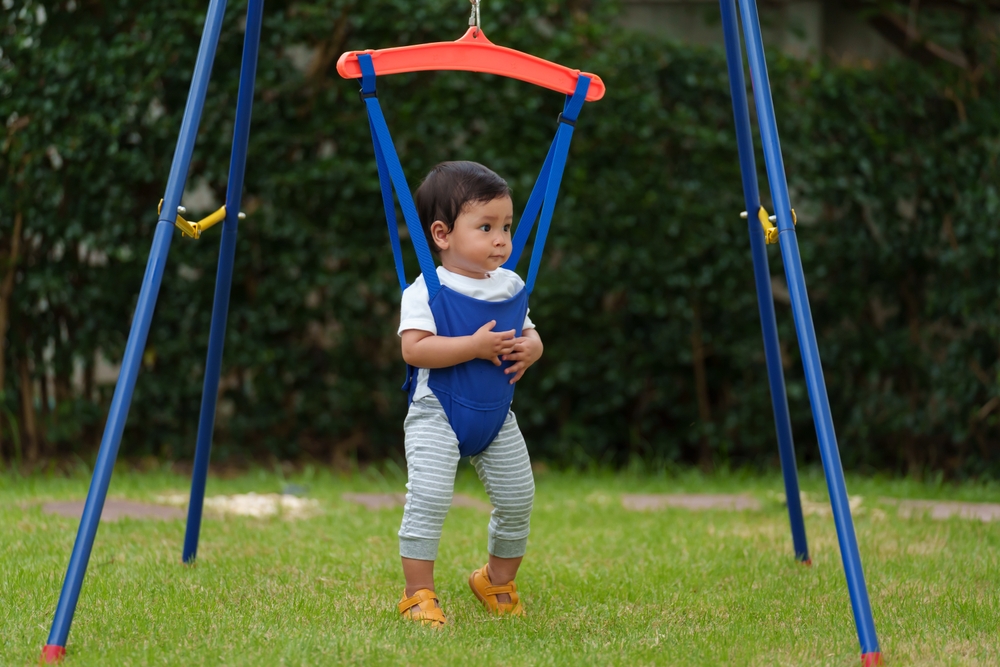
Those doorway jumpers and bouncing activity centers look like harmless fun, but pediatricians often caution against frequent use. Jumpers encourage unnatural movement patterns that don’t match how babies actually learn to walk or balance. They can place stress on hips, spine, and developing joints when used too often or too early. Babies also miss out on crawling, rolling, and floor-based exploration that builds coordination and strength.

Short, supervised use may not cause harm, but relying on jumpers as daily entertainment can delay key motor milestones, according to many doctors. Floor play, crawling space, and climbing-safe environments offer better long-term benefits.

3. Electronic Learning Toys That Replace Human Interaction

Talking toys, light-up tablets, and “educational” screens promise early learning, but pediatricians consistently stress that real learning comes from human interaction. Babies learn language through face-to-face conversation, tone, expression, and response, not recorded voices and flashing buttons. Passive stimulation does not build communication skills the same way real engagement does.
These Are 8 Must-Have Baby Gadgets That Pediatricians Say Delay Development
Image Source: Shutterstock.com

4. Infant Positioning Seats That Limit Movement

Those molded infant seats that prop babies upright look helpful and adorable, but they limit natural movement. Pediatricians often caution that babies need freedom to move, twist, roll, and shift their bodies naturally. Being placed in fixed positions for long periods can slow muscle development and body awareness. Babies learn balance by falling, adjusting, and trying again, not by being held in perfect posture.

These seats may be useful briefly for feeding or supervision, but they should not replace floor time. Open space, soft mats, and safe play areas give babies the movement they need to develop properly.

5. Overused Swings And Motion Devices

Swings and automated rockers can be lifesavers for exhausted parents, but overuse can create developmental tradeoffs. Babies benefit from being soothed by human touch, voice, and movement, not just mechanical motion. Excessive reliance on swings reduces floor time, which is essential for strength, coordination, and exploration.

Pediatricians and experts emphasize balance, not elimination, when it comes to these devices. They work best as short-term soothing tools, not long-term substitutes for interaction. Holding, carrying, and engaging your baby builds emotional security and physical development simultaneously.

6. Baby Containers That Limit Exploration

The term “container baby syndrome” is used by therapists to describe overuse of devices that restrict movement, like bouncers, seats, loungers, and carriers. Babies need freedom to explore their environment to develop motor skills, problem-solving, and body awareness. Too much time in containers limits rolling, crawling, scooting, and reaching behaviors.

Pediatricians emphasize that development happens through movement, not containment. Convenience devices should support parenting, not replace movement. Rotating free play, tummy time, and open-floor exploration makes a real developmental difference.

7. White Noise And Sleep Machines Used Constantly

White noise machines can help babies sleep, but constant use can reduce exposure to natural sounds and voices. Pediatricians note that babies learn language patterns from hearing real speech, not continuous background noise. Overuse can also make babies dependent on artificial sound environments for sleep.

Moderation matters more than elimination here. Use sound machines when needed, but allow quiet, natural sound spaces during waking hours. Real-world sounds help babies build auditory processing and language skills.

8. Over-Structured Activity Centers

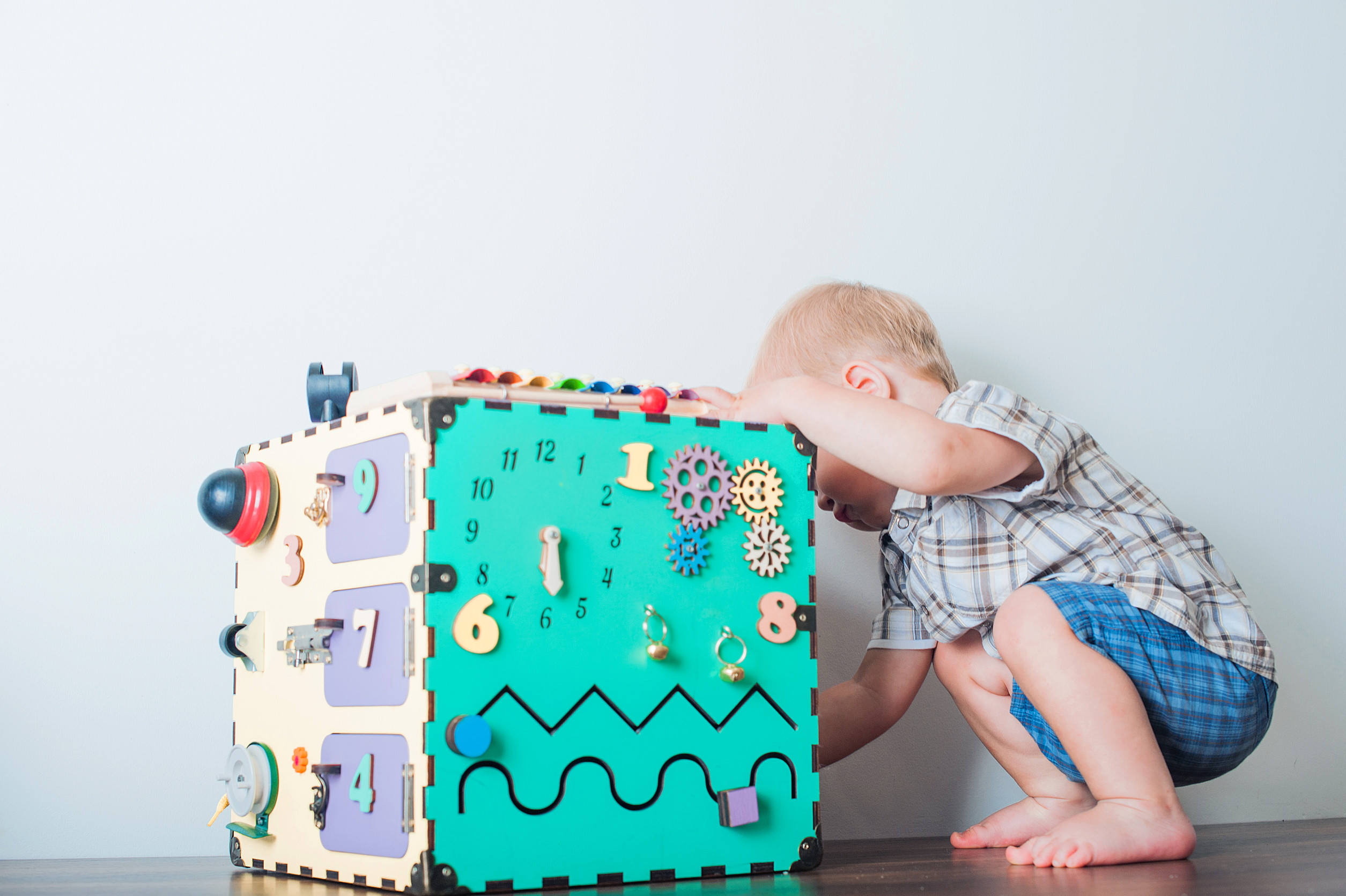
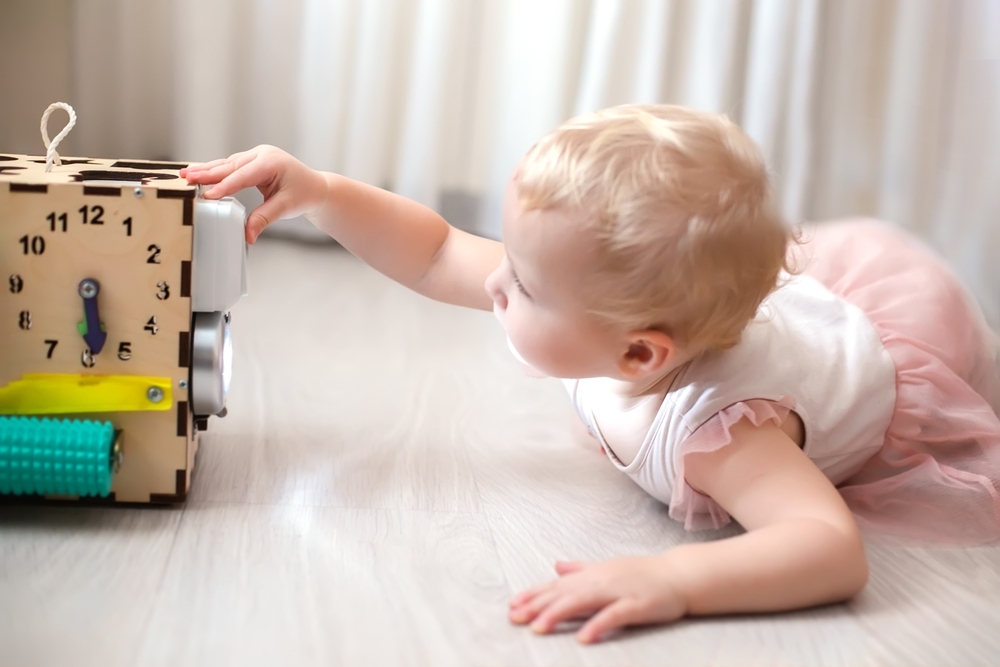
Multi-feature activity centers look stimulating, but they often overwhelm babies with lights, sounds, and limited movement options. Babies benefit more from simple toys that encourage exploration, grasping, and movement.

When everything lights up and responds automatically, babies don’t learn cause-and-effect the same way. Open-ended toys like blocks, balls, and soft books promote deeper learning. Simpler environments often produce stronger developmental outcomes.

Real Growth Happens In Real Life, Not Gadgets

The most powerful developmental tools aren’t sold in boxes or marketed online. They look like floor time, eye contact, conversation, messy play, movement, and human connection. Gadgets may offer convenience, but they should never replace interaction, exploration, and freedom of movement.

If you looked around your home right now, which of these gadgets does your baby spend the most time in—and what would change if you replaced just one of them with more real-world play? Give your parenting insights in the comments below.

You May Also Like…

Listening In: 7 Kid Gadgets That Listen to Your Family

9 Traditional Family Routines That Help Kids Feel Secure

Why Pediatricians are Quietly Flagging These 5 Household Items as Toxic

7 Boomer-Era Family Traditions That Lower Household Stress

6 Toy Store Layout Tricks That Manipulate Your Wallet

Brandon Marcus
Brandon Marcus
Brandon Marcus is a writer who has been sharing the written word since a very young age. His interests include sports, history, pop culture, and so much more. When he isn’t writing, he spends his time jogging, drinking coffee, or attempting to read a long book he may never complete.

Filed Under: Baby Stuff Tagged With: baby development, baby gadgets, Baby Gear, baby safety, child development, early learning, infant growth, modern parenting, Parenting, parenting tips, pediatrician advice

Think Your Baby’s Safe? 5 Toddler Habits Stalling Brain Development

July 21, 2025 | Leave a Comment

Think Your Babys Safe 5 Toddler Habits Stalling Brain Development
Image source: 123rf.com

We all want our toddlers to grow up healthy, happy, and bright—but what if some common daily routines are quietly interfering with their brain development? As parents, it’s easy to overlook habits that seem harmless on the surface but may be slowing down your child’s cognitive progress behind the scenes. Brain development in the early years sets the foundation for learning, memory, emotional regulation, and problem-solving skills. That’s why recognizing and addressing these behaviors early is critical. Let’s explore five surprisingly common toddler habits stalling brain development—and what you can do to help.

1. Too Much Screen Time, Not Enough Human Interaction

Many parents use screens to keep toddlers occupied while they juggle household tasks or grab a moment of peace. But extended screen time limits critical face-to-face interactions that stimulate speech, empathy, and social skills. When toddlers spend hours glued to devices, they miss opportunities for back-and-forth conversation, imaginative play, and problem-solving—all essential for brain growth. Pediatricians recommend limiting screen use to under an hour per day for children aged 2–5, and even less for younger toddlers. Instead of relying on screens, opt for shared reading, singing, or simple games that encourage eye contact and engagement.

2. Poor Sleep Routines That Disrupt Restorative Sleep

Sleep isn’t just a break—it’s an active period when the brain organizes memories, builds connections, and recharges. Toddlers who go to bed late, wake frequently, or don’t nap consistently can miss out on critical stages of deep sleep. Over time, this lack of restorative rest can lead to irritability, slower language acquisition, and difficulty concentrating. Establishing a consistent bedtime routine, avoiding screens before bed, and creating a calming sleep environment can make a big difference. Quality sleep helps ensure your child’s brain gets the time it needs to grow and develop properly.

3. Feeding on Autopilot Without Encouraging Exploration

Mealtime can become rushed, repetitive, or overly structured without allowing your toddler the chance to explore new textures and tastes. This habit may seem minor, but it can limit sensory stimulation and autonomy—two essential components of toddler brain development. Encouraging your child to touch, smell, and even play with new foods promotes curiosity, coordination, and decision-making. It also helps build healthy associations with food, which supports emotional and cognitive growth. Try offering a variety of foods and let your toddler lead sometimes, even if it gets a little messy.

4. Lack of Physical Movement and Outdoor Play

Active movement isn’t just good for gross motor skills—it directly supports brain development by stimulating neural connections related to balance, coordination, and spatial awareness. Toddlers who spend too much time confined indoors or strapped into devices like strollers or car seats miss out on valuable opportunities for learning through movement. Even simple activities like climbing, dancing, or running help the brain and body develop in sync. Outdoor play also reduces stress and encourages creativity through unstructured exploration. Try to include at least an hour of active play each day and make it fun for the whole family.

5. Not Enough Talk, Songs, or Storytelling

Talking to toddlers even when they can’t respond with full sentences is one of the most powerful ways to support early brain development. Language exposure helps build vocabulary, improves listening skills, and strengthens the ability to understand the world. If a toddler hears only limited speech during the day, they may struggle to keep up with developmental milestones like speech, reading, and comprehension. Narrating daily activities, reading out loud, or singing familiar songs can all help boost verbal skills. Make it a habit to talk and sing to your toddler frequently, even if you feel a bit silly—they’re soaking it all in.

Helping Healthy Habits Stick from the Start

While these toddler habits stalling brain development may seem small on their own, their impact adds up over time. The good news is that with just a few intentional changes—less screen time, more active play, better sleep, and consistent communication—you can set your child up for long-term success. Parenting doesn’t require perfection, just a willingness to adapt and grow alongside your child. Keep your routines flexible but mindful, knowing that your everyday actions play a huge role in shaping your little one’s brain. Your attention today builds their foundation for tomorrow.

Which of these habits have you noticed in your home—and how have you worked to shift them? Share your thoughts in the comments!

Read More:

6 Family Secrets That Could Derail Child Development

9 Parenting Beliefs That Are Harmful to Your Kids

Catherine Reed
Catherine Reed

Catherine is a tech-savvy writer who has focused on the personal finance space for more than eight years. She has a Bachelor’s in Information Technology and enjoys showcasing how tech can simplify everyday personal finance tasks like budgeting, spending tracking, and planning for the future. Additionally, she’s explored the ins and outs of the world of side hustles and loves to share what she’s learned along the way. When she’s not working, you can find her relaxing at home in the Pacific Northwest with her two cats or enjoying a cup of coffee at her neighborhood cafe.

Filed Under: Parenting Tagged With: brain development, child growth, early childhood, early learning, Outdoor Play, parenting tips, Screen Time, toddler development, toddler habits, toddler sleep

6 Fun History Facts for Young Learners

June 14, 2025 | Leave a Comment

6 Fun History Facts for Young Learners
123rf.com

History doesn’t have to be all dates, dusty books, and long speeches—especially for kids! In fact, there are tons of fun history facts that can make the past feel just as exciting as their favorite cartoons. When children hear weird, funny, or surprising stories from history, they’re more likely to stay curious and want to learn more. That early spark of interest can turn into a lifelong love for learning, reading, and asking questions. So grab a snack, get comfy, and check out these six kid-friendly historical facts that are as entertaining as they are educational.

1. George Washington Didn’t Have Wooden Teeth

One of the most popular fun history facts floating around is that George Washington wore wooden dentures—but that’s actually not true. His false teeth were made from a mix of animal teeth, human teeth, ivory, and metal. While they probably didn’t feel great in his mouth, they definitely weren’t made of wood. The myth might have started because his dentures looked stained and rough, giving them a wood-like appearance. This fact is a great way to show kids that not everything we hear about history is 100% accurate!

2. Ancient Egyptians Loved Board Games

Kids today aren’t the only ones who enjoy a good board game—ancient Egyptians played them too! One of their favorite games was called Senet, and it’s believed to be one of the oldest board games in the world. It had a checkerboard-like design and used tokens and dice, with players racing their pieces across the board. Egyptians thought the game had a connection to the afterlife and even buried it in tombs with pharaohs. Sharing this fun history fact can make the ancient world feel more relatable and fun for young learners.

3. A War Once Started Over a Bucket

Believe it or not, there was a real war called the War of the Bucket—and yes, it involved an actual bucket. In 1325, two cities in Italy, Bologna and Modena, went to battle after soldiers from Modena stole a wooden bucket from a well in Bologna. It might sound silly, but the cities were already rivals, and the bucket was the final straw. The fight lasted over a decade, and Modena even kept the bucket as a trophy. This wacky story is a great example of how strange and surprising history can be.

4. Vikings Didn’t Actually Wear Horned Helmets

Another one of those fun history facts that challenge what we think we know is that Vikings never wore horned helmets in battle. That image actually came from operas and costume designers in the 1800s who wanted Viking characters to look dramatic. Real Viking helmets were simpler and made for protection, not flair. Teaching this to kids shows them how myths and media can shape our understanding of the past. It’s a fun way to explore the difference between legend and truth.

5. Napoleon Wasn’t Actually Short

Napoleon Bonaparte is often remembered as being unusually short, but he was actually of average height for his time. He stood about 5’6” or 5’7”, which was pretty normal for a French man in the 1800s. The “short Napoleon” idea likely came from British propaganda meant to make him seem weak or silly. This fun history fact can open up conversations about how people’s reputations are shaped by others—and how important it is to question what we hear. It’s also a reminder that even powerful leaders can be misunderstood.

6. President Taft Had an Oversized Bathtub in the White House

William Howard Taft, the 27th President of the United States, is remembered for many things, but kids especially love the unusual story of him allegedly getting stuck in a White House bathtub because of his size. While the full details are debated (and it may be a myth), we do know that a special oversized tub was eventually installed just for him. This funny image helps make history feel more human and real. Even presidents have awkward moments, and that’s something kids of all ages can appreciate!

Making History Stick with a Smile

Fun history facts help kids remember the past in ways that feel exciting and meaningful. When children hear about ancient games, stolen buckets, or bathtub mishaps, history becomes more than just facts and figures—it becomes a story they can connect with. These lighthearted facts are a great gateway to deeper learning and critical thinking. The more fun you make history, the more likely kids are to explore it on their own. So keep the laughs coming and let curiosity lead the way.

Which of these fun history facts surprised your child the most? Do you have a favorite weird or wild story from the past? Share it in the comments!

Read More:

The Most Fascinating Facts You Never Knew About Diamonds

Think Your Child’s Car Seat Is Safe? These 7 Shocking Facts Say Otherwise

Catherine Reed
Catherine Reed

Catherine is a tech-savvy writer who has focused on the personal finance space for more than eight years. She has a Bachelor’s in Information Technology and enjoys showcasing how tech can simplify everyday personal finance tasks like budgeting, spending tracking, and planning for the future. Additionally, she’s explored the ins and outs of the world of side hustles and loves to share what she’s learned along the way. When she’s not working, you can find her relaxing at home in the Pacific Northwest with her two cats or enjoying a cup of coffee at her neighborhood cafe.

Filed Under: Education Tagged With: child curiosity, early learning, fun history facts, historical trivia, homeschooling, kids education, learning through play, parenting tips, teaching history

Building a Study Habit Early—Without Killing Curiosity

May 31, 2025 | Leave a Comment

Building a Study Habit Early Without Killing Curiosity

Helping kids develop strong academic habits is important—but if you’re not careful, structure can smother their natural curiosity. It’s a delicate balance: encouraging responsibility while still allowing kids to explore, question, and get excited about learning. Building a study habit early doesn’t mean replacing joy with rigid schedules or turning every interest into a lesson plan. It’s about making learning feel rewarding, not required. The goal is to create a lifelong learner, not just a rule follower with a perfect planner.

1. Start with Short, Fun Sessions

Kids don’t need hours of study time each day to build good habits. In fact, short bursts of focused learning are often more effective than long, exhausting sessions. Begin with 10 to 15 minutes of fun, structured review, or homework time to make it feel manageable. Using games, colorful supplies, or movement-based learning can help keep things lively. Building a study habit this way keeps the process light, positive, and connected to their natural sense of play.

2. Make Space for Questions, Not Just Answers

A good study habit isn’t about memorizing facts—it’s about developing a curious mind. When your child asks “why” or “how,” pause and explore with them rather than steering back to the textbook. Their questions are the foundation of deeper thinking, even if they sidetrack the original task. Let them investigate rabbit holes now and then—it shows that learning isn’t just about what’s assigned. Encouraging exploration is key to building a study habit that doesn’t sacrifice wonder.

3. Use Real-Life Learning Opportunities

Study habits don’t have to live at a desk. Everyday moments—cooking, gardening, shopping—can be opportunities to teach math, reading, and science. Ask your child to measure ingredients, read a recipe, or calculate the total cost of groceries. When kids see how knowledge applies to real life, it makes study time more meaningful. Building a study habit doesn’t always look like studying, and that’s a good thing.

4. Create a Predictable but Flexible Routine

Structure matters, but so does adaptability. Choose a consistent time for study, like after snack time or before dinner, to help kids know what to expect. But if your child is tired, emotional, or just had a big day at school, adjust accordingly. Flexibility ensures study time feels supportive, not like punishment. Building a study habit thrives on consistency, not rigidity, so listen to what your child needs on any given day.

5. Let Them Own the Process

Children are more likely to stick with a habit if they feel some sense of control. Allow them to choose where they study, which subjects they tackle first, or what materials they use. You can even create a checklist together or let them decorate their study space. Ownership builds motivation and confidence, making learning something they do for themselves, not just to please someone else. Empowerment is a powerful tool in building a study habit.

6. Celebrate Effort, Not Just Results

Too much focus on grades or getting everything right can crush a child’s willingness to try. Instead of saying “You’re so smart,” say “You worked really hard on that” or “You kept going even when it was tough.” This encourages a growth mindset, where effort matters more than instant success. A study habit built on resilience and determination will last much longer than one based on pressure. Confidence grows when kids know mistakes are part of the process.

7. Make Curiosity the Goal

Instead of asking “Did you finish your homework?” try asking “What did you learn today that surprised you?” or “What made you curious?” These kinds of questions reinforce that studying isn’t just a task to be completed, but a journey of discovery. Building a study habit this way makes learning feel alive and personal, not just a chore. When curiosity is the focus, kids naturally want to keep coming back for more.

8. Limit Distractions—but Not Joy

While it’s important to create a quiet, focused environment, don’t strip it of all personality. A little music, a favorite pencil, or a cozy reading nook can turn study time into a welcome part of the day. Limiting distractions doesn’t mean making things sterile or joyless. You’re not creating a classroom—you’re creating a space where your child feels comfortable and encouraged. Building a study habit works best when the environment feels like a place to thrive, not just obey.

When Learning Feels Like Living

Building a study habit doesn’t have to feel like a grind. When curiosity leads the way, habits form naturally, without resentment or burnout. Your child’s early experiences with learning will shape how they approach challenges for the rest of their life. Nurture their interests, allow for flexibility, and celebrate small wins. The goal isn’t perfection—it’s passion, persistence, and a lifelong love of learning.

How do you keep study time exciting in your home? Share your best tips or favorite tricks in the comments—we’d love to hear how your family keeps curiosity alive!

Read More:

School Success Starts at Home—Here’s How to Prep Your Kids

10 School Mistakes That Follow Kids for Years

Catherine Reed
Catherine Reed

Catherine is a tech-savvy writer who has focused on the personal finance space for more than eight years. She has a Bachelor’s in Information Technology and enjoys showcasing how tech can simplify everyday personal finance tasks like budgeting, spending tracking, and planning for the future. Additionally, she’s explored the ins and outs of the world of side hustles and loves to share what she’s learned along the way. When she’s not working, you can find her relaxing at home in the Pacific Northwest with her two cats or enjoying a cup of coffee at her neighborhood cafe.

Filed Under: Education Tagged With: building a study habit, child development, curious learners, early learning, education at home, homework routines, parenting tips, study habits for kids

  • Facebook
  • Pinterest
  • RSS
  • Twitter

Basic Principles Of Good Parenting

Here some basic principles for good parenting:

  1. What You Do Matters: Your kids are watching you. So, be purposeful about what you want to accomplish.
  2. You Can’t be Too Loving: Don’t replace love with material possessions, lowered expectations or leniency.
  3. Be Involved Your Kids Life: Arrange your priorities to focus on what your kid’s needs. Be there mentally and physically.
  4. Adapt Your Parenting: Children grow quickly, so keep pace with your child’s development.
  5. Establish and Set Rules: The rules you set for children will establish the rules they set for themselves later.  Avoid harsh discipline and be consistent.
  6. Explain Your Decisions: What is obvious to you may not be evident to your child. They don’t have the experience you do.
  7. Be Respectful To Your Child: How you treat your child is how they will treat others.  Be polite, respectful and make an effort to pay attention.
Best Parenting Blogs

Most Popular

Baby

9 Unusual Baby Names That Sound Like They Belong to Future CEOs

Evan Morgan
Baby

10 Baby Names That Were Once Considered “Grandparent Names” but Feel Cool Again

Evan Morgan
Target Store

Choking Incident Prompts Recall of 49,000 Target Gigglescape “Under the Sea” Popping Toys

Evan Morgan
Frustrated Girl

Why Some Students on the Spectrum Are Labeled With ODD

Evan Morgan
Coke Bottles

12 Things Kids Took to School in the ’70s That Would Never Be Allowed Today

Evan Morgan

All content on Kids Ain’t Cheap is for entertainment purposes only. By reading this blog, you agree that Kids Ain’t Cheap is not responsible for any actions taken after reading this blog. For the full disclaimer, see our privacy policy.

Please note that Kids Ain’t Cheap has financial relationships with some of the merchants mentioned here. Kids Ain’t Cheap is funded by banner advertising, commission sales and search optimization consulting.

Copyright © 2006–2026 | District Media | All Rights Reserved | Privacy Policy

Copyright © 2026 Runway Pro Theme by Viva la Violette