• Home
  • About Us
  • Toolkit
  • Archives
  • Advertise
  • Privacy Policy

Kids Ain't Cheap

But They Sure Are Worth It

  • Parenting
    • Baby Stuff
    • Books and Reading
      • Aesops Fables
      • Comic Books
    • Education
    • Family Time
    • Green Living
    • Growing Up
    • Healthy Living & Eating
    • Holidays
    • Parenting
    • Random Musings
    • Shopping
    • Stuff to Do
  • Money
  • Product Reviews
    • Books and Magazines
    • Discount Sites
    • Furniture
    • House Keeping
    • Reviews News
    • Toys and Games
  • Contact Us
  • Our Editorial Commitment
  • Search

Washington State Families: Early Intervention Access Expands for Toddlers

May 1, 2026 | Leave a Comment

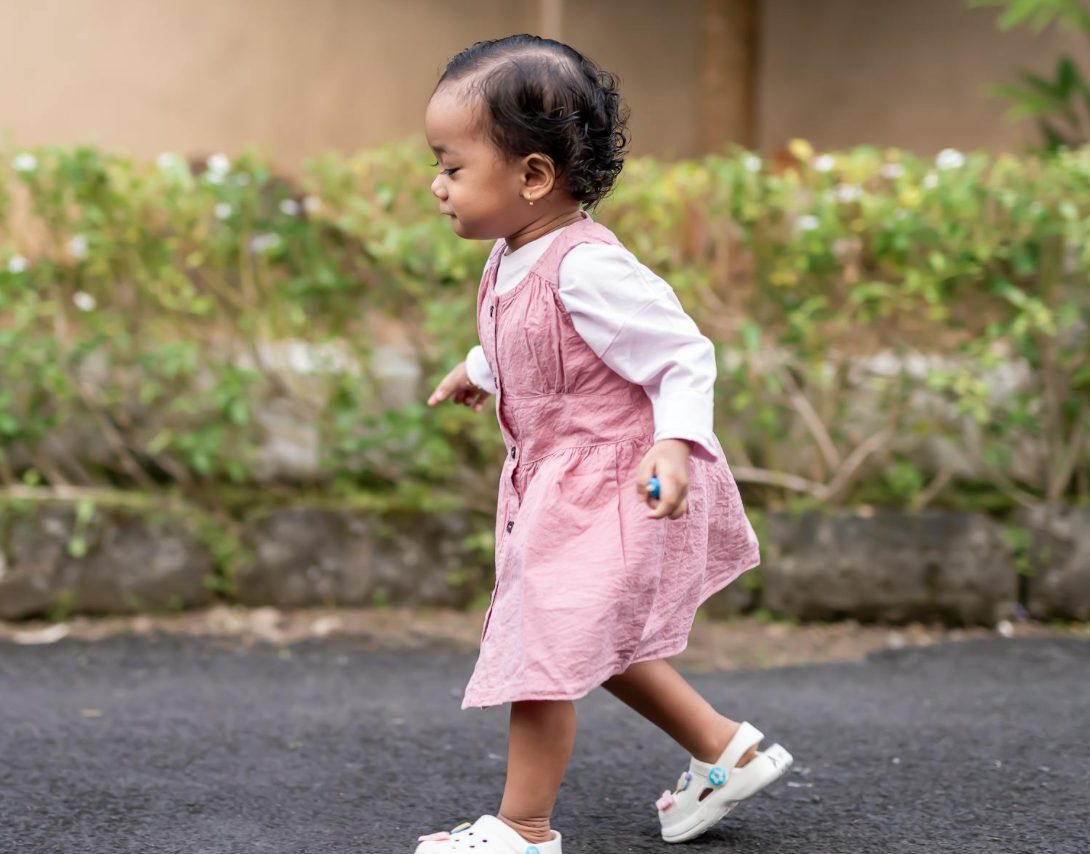
Toddler
Image Source: Pexels

Washington State families are seeing a meaningful shift in how early childhood support is delivered, especially for toddlers who need developmental services. In recent months, expanded access to early intervention programs has begun to reshape the landscape for parents navigating delays in speech, motor skills, or social development. These changes are designed to reduce wait times, improve outreach, and ensure more children receive help during critical developmental windows. For many families, this expansion could mean earlier diagnoses and faster access to therapies that make a lifelong difference. Understanding what this means in practical terms can help parents take full advantage of these opportunities.

Why Early Intervention Access Matters More Than Ever

Early intervention access plays a crucial role in supporting children from birth to age three who show signs of developmental delays. Research consistently shows that the earlier a child receives support, the better their long-term outcomes in areas like communication, learning, and behavior. For example, a toddler struggling with speech delays may catch up significantly faster with early therapy compared to starting later in preschool. These programs often include speech therapy, occupational therapy, and family coaching tailored to each child’s needs. With Washington expanding early intervention access, more families can now benefit from these proven services without facing long delays.

What’s Changing for Washington State Families

The expansion of early intervention access in Washington State is focused on increasing availability and reducing barriers for families. This includes adding more providers, streamlining referral systems, and improving coordination between healthcare professionals and early learning programs. In practical terms, parents may notice shorter waitlists and quicker evaluations after raising concerns with pediatricians. For example, a parent who previously waited months for an assessment might now secure one within weeks. These improvements aim to ensure that no child falls through the cracks during critical developmental stages.

Real-Life Impact: Families Seeing the Difference

For many families, expanded early intervention access is already making a tangible difference in daily life. Consider a working parent who notices their toddler isn’t responding to their name or using words like peers; earlier access means they can seek help without prolonged uncertainty. Families are reporting smoother transitions into services and more consistent communication with providers. This not only supports the child but also reduces stress for parents who often feel overwhelmed navigating the system. By addressing concerns earlier, families can build stronger foundations for their child’s growth and confidence.

Addressing Common Concerns and Misconceptions

Some parents worry that enrolling their child in early intervention access programs may label them or create unnecessary stress. However, experts emphasize that these services are designed to empower families, not stigmatize children. Early support is often short-term and focused on helping children reach milestones at their own pace. Another concern is cost, but many programs in Washington are subsidized or offered on a sliding scale based on income. Understanding these details can help parents make informed decisions without fear or hesitation.

How to Access Early Intervention Services

Getting started with early intervention access in Washington is more straightforward than many families realize. Parents can begin by discussing concerns with their child’s pediatrician, who can provide referrals or guidance. Alternatively, families can contact local early intervention providers directly to request an evaluation. It’s helpful to keep notes on developmental milestones and specific concerns to share during the assessment process. Acting early and staying proactive can ensure children receive the support they need during critical growth periods.

The Bigger Picture: Building Stronger Starts for Every Child

The expansion of early intervention access in Washington State is more than a policy update; it’s a shift toward prioritizing children’s long-term success. Families now have greater opportunities to address developmental concerns early, reducing uncertainty and improving outcomes. By understanding how to access services and overcoming common misconceptions, parents can make confident decisions for their children. These changes highlight the importance of acting early and staying informed about available resources.

Have you or someone you know experienced early intervention access services? Share your thoughts and experiences in the comments—your insight could help another family take that important first step.

What to Read Next

The Toxic Household List: 5 Everyday Items Pediatricians Are Flagging for Toddler Safety

6 Ways to Entertain a Toddler for Free Without a Tablet

Nutritionists Warn: The 3 Toddler Snacks Parents Waste $400+ on Yearly

Evan Morgan

Evan Morgan has been a full-time freelance writer and editor for 10+ years. When not working, he enjoys catching the latest true crime documentary or getting lost in a good book.


Filed Under: Parenting Tagged With: child development services, early intervention access, parenting support, toddler development, Washington State families

Screen Time Isn’t Causing Autism — But It Can Cause Autism-Like Delays

April 6, 2026 | Leave a Comment

Smartphone
Image Source: Pexels

It’s easy to feel alarmed when headlines suggest that screen time might be linked to autism. For many parents, especially those raising young children in a digital world, this idea can spark guilt and confusion. But here’s the important truth: screen time does not cause autism. What it can do, however, is contribute to developmental delays that may look similar to autism-related behaviors. Understanding the difference can help you make more confident, informed choices for your child.

Understanding the Difference Between Autism and Developmental Delays

Autism is a neurodevelopmental condition with strong genetic and biological roots that begin before a child is even born. It affects communication, social interaction, and behavior in ways that are not caused by external factors like screen use. Developmental delays, on the other hand, can arise from environmental influences, including limited interaction or stimulation. Excessive screen time may reduce opportunities for real-world engagement, which is crucial for early development. While some behaviors may overlap, the underlying causes and long-term outcomes are very different.

How Screen Time Can Mimic Autism-Like Behaviors

When children spend large amounts of time on screens, they may show reduced eye contact and limited verbal interaction. These behaviors can resemble early signs of autism, which understandably raises concern among parents. However, in many cases, these symptoms are linked to reduced social exposure rather than a neurological condition. Children learn language and social cues primarily through human interaction, not passive viewing. When those interactions are replaced by screens, development can slow in noticeable ways.

The Critical Role of Human Interaction in Early Development

Young children develop best through responsive, back-and-forth communication with caregivers and peers. This includes talking, playing, and even simple activities like reading together. These interactions help build language skills, emotional understanding, and social awareness. Screens, while entertaining and sometimes educational, cannot replicate this dynamic exchange. Without enough real-life engagement, children may miss key developmental milestones during critical growth periods.

When Screen Time Becomes a Concern

Not all screen time is harmful, but excessive or unsupervised use can become problematic. If a child spends more time with devices than with people, it may impact their ability to communicate and connect. Warning signs include delayed speech, lack of interest in social play, and difficulty following simple instructions. These signs don’t automatically indicate autism but should prompt closer observation. Reducing screen exposure and increasing interactive activities can often lead to noticeable improvement.

Practical Ways to Balance Screen Time

Set clear limits on daily screen use based on your child’s age and needs. Prioritize interactive activities like reading, outdoor play, and conversation. Watch and engage with your child during screen time to make it more interactive. Create screen-free zones or times, such as during meals and before bedtime. Encourage playdates or group activities to build social skills naturally.

Balancing screen time doesn’t mean eliminating it entirely, but rather using it thoughtfully. By creating structure and prioritizing human interaction, you can support healthier development. Small, consistent changes often make the biggest difference over time. The goal is to create a routine that supports both learning and connection.

What Parents Should Focus on Instead of Fear

Rather than worrying about screens causing autism, it’s more helpful to focus on overall developmental health. Pay attention to how your child communicates, plays, and responds to others. If you notice delays, early intervention can be incredibly effective. Pediatricians and developmental specialists can help assess whether concerns are temporary or something more significant. The goal isn’t perfection—it’s awareness and responsiveness.

Clarity Over Fear

Screen time isn’t the root cause of autism, but it can influence how a child develops in their early years. The key takeaway is balance and intentionality in how screens are used. By prioritizing interaction, communication, and play, parents can help children thrive in both digital and real-world environments. It’s not about eliminating technology, but about making sure it doesn’t replace meaningful human connection. With the right approach, you can support your child’s development with confidence and clarity.

Have you noticed changes in your child’s behavior related to screen time? What strategies have worked for your family? Share your thoughts in the comments—we’d love to hear your experience and keep the conversation going.

What to Read Next

The SEED Act Victory: What Parents Should Know About the New 2026 Child Care Funding

Stop Posting Your Kids Online: The 2026 Safety Warning Every Parent Needs to Hear

California’s Nondisclosure Law Blocked: What Every Parent Needs to Know About ‘Mirabelli v. Bonta’

Evan Morgan

Evan Morgan has been a full-time freelance writer and editor for 10+ years. When not working, he enjoys catching the latest true crime documentary or getting lost in a good book.

Filed Under: Parenting Tagged With: autism myths, child development, digital parenting, parenting tips, Screen Time, toddler development

Psychologists Warn: 8 Toddler Classes That Spike Anxiety (Not Skills)

February 17, 2026 | Leave a Comment

Psychologists Warn Toddler Classes
Image source: shutterstock.com

Dragging a crying toddler to a weekly enrichment session feels like a chore you never signed up for. You see other parents smiling while their two-year-olds perfectly follow instructions. However, a child having a meltdown instead of mastering Mandarin is not your fault. You are likely experiencing a hyper-competitive parenting system that markets over-scheduling as essential for success. Many experts suggest these classes can cause unnecessary pressure rather than building meaningful skills. Your child might be better off playing with a cardboard box in the backyard. This exploration covers specific programs that may clash with your little one’s developmental needs.

1. High-Pressure Foreign Language Immersion

Immersion programs for toddlers represent a massive industry today. These companies promise your child will be bilingual before they can even tie their shoes. Some developmental specialists suggest that forcing a toddler into a rigid linguistic environment before they master their primary language can cause frustration. This occurs because the child cannot communicate basic needs to the instructor easily. Consequently, this environment might create a sense of communicative unease during early schooling years. Natural exposure through music or casual play at home usually works more effectively. Such methods remain far less taxing on a developing brain.

2. Competitive Junior Sports Leagues

You might think a toddler soccer league revolves around exercise and teamwork. In reality, these programs often mirror adult competitive structures with drills and specific goals. Toddlers generally lack the cognitive development to understand complex rules or the concept of a team. Specialized drills may lead to a loss of interest in physical activity if the child feels overwhelmed. Interestingly, the sideline energy from parents often intensifies this internal pressure for the toddler. A trip to the local park provides the same physical benefits without the emotional weight of a trophy-chasing environment.

3. Accelerated Early Reading Boot Camps

The push to have children reading by age three marks a hallmark of modern academic anxiety. These classes use flashcards and repetitive drills to force a milestone that most children are not biologically ready to reach. Pushing phonics prematurely can reduce a child’s natural curiosity and love for stories. It turns a magical developmental phase into a high-stakes performance for the parents. The best way to foster reading skills involves reading to your child in a relaxed setting. Forcing academic benchmarks too early often leads to early school fatigue before the child even reaches kindergarten.

4. Rigid Toddler Etiquette and Social Graces

Classes that teach toddlers how to behave at a formal tea party might look cute on social media. However, these programs often demand a level of impulse control that a three-year-old simply does not possess yet. Expecting adult-level behavior in these settings can make a child feel confused or discouraged. It suggests to the child that their natural energy is a problem to be fixed. Social skills grow best through unstructured playdates where children navigate conflict naturally. Forced manners serve as a poor substitute for genuine emotional intelligence and empathy.

5. Professional Grade Art and Music Theory

Some toddler classes focus on technical mastery rather than creative expression. They might insist on a specific way to hold a violin or a paintbrush at age two. This rigid approach often stifles the very creativity the program aims to encourage. When a child hears that their natural way of creating is wrong, they may stop wanting to create altogether. Such experiences can foster performance anxiety that lingers for years. Let your child finger paint and bang on pots and pans without a formal syllabus. True talent grows from a foundation of joy instead of strict rules.

6. Technology and Coding for Tots

Marketing these programs as preparation for a digital future effectively targets parenting fears. Some pediatric guidelines recommend limited screen time because toddlers learn best through hands-on, three-dimensional play. Toddlers need tactile experiences to build their spatial awareness properly. A coding app serves as a poor replacement for building with blocks or playing in the dirt. Many professionals in the tech industry actually keep their own children away from these digital programs early on. Your child has plenty of time to learn about computers when their brain is more resilient.

7. Performance-Based Dance and Gymnastics

Movement is wonderful for growth, but classes culminating in a high-pressure recital can overwhelm a toddler. The bright lights, costumes, and crowd noise often tax a young child’s sensory system significantly. The focus shifts toward the performance rather than the joy of movement itself. This environment can make a child feel their value depends on how well they perform for an audience. A simple creative movement class without a final show allows the child to explore their body’s capabilities safely. Avoid the stage until they are old enough to ask for it.

8. Extreme Survival Swimming Programs

Water safety remains vital, but some programs use methods that intentionally distress the child to teach floating. Many child-development specialists prefer gentle, parent-led swimming programs that prioritize comfort and confidence. High-stress experiences in the water can lead to a long-term hesitation around pools. The stress experienced during these lessons is often unnecessary for effective learning. If your child is screaming in terror, they are likely not absorbing the skills effectively. Protect their emotional comfort while you teach them essential physical safety skills.

The best thing you can do for your toddler involves providing a safe, loving environment for unstructured play. You have the power to opt out of systems that profit from your parenting concerns. By choosing fewer classes and more downtime, you validate your child’s need for a slow and simple childhood. The greatest skill a toddler can learn is how to be comfortable in their own skin. This growth happens through connection with you rather than a forty-minute class twice a week. Reclaim your family’s schedule and prioritize peace over performance today.

Have you ever felt pressured to sign your toddler up for a class that just did not feel right? Leave a comment below and let us know how you handled the peer pressure!

What To Read Next…

  • 8 DIY Projects at Home That Put Curious Toddlers at Risk
  • 9 Times a Toddler’s Behavior Was a Sign of Something Medical
  • Before The First Step: 8 Hidden Dangers In Your Bathroom Threatening Toddlers
Latrice Perez

Latrice is a dedicated professional with a rich background in social work, complemented by an Associate Degree in the field. Her journey has been uniquely shaped by the rewarding experience of being a stay-at-home mom to her two children, aged 13 and 5. This role has not only been a testament to her commitment to family but has also provided her with invaluable life lessons and insights.  As a mother, Latrice has embraced the opportunity to educate her children on essential life skills, with a special focus on financial literacy.

Filed Under: Parenting Tagged With: child anxiety, early childhood, extracurriculars, Parenting, Psychologists Warn, Schooling, toddler development

Think Your Baby’s Safe? 5 Toddler Habits Stalling Brain Development

July 21, 2025 | Leave a Comment

Think Your Babys Safe 5 Toddler Habits Stalling Brain Development
Image source: 123rf.com

We all want our toddlers to grow up healthy, happy, and bright—but what if some common daily routines are quietly interfering with their brain development? As parents, it’s easy to overlook habits that seem harmless on the surface but may be slowing down your child’s cognitive progress behind the scenes. Brain development in the early years sets the foundation for learning, memory, emotional regulation, and problem-solving skills. That’s why recognizing and addressing these behaviors early is critical. Let’s explore five surprisingly common toddler habits stalling brain development—and what you can do to help.

1. Too Much Screen Time, Not Enough Human Interaction

Many parents use screens to keep toddlers occupied while they juggle household tasks or grab a moment of peace. But extended screen time limits critical face-to-face interactions that stimulate speech, empathy, and social skills. When toddlers spend hours glued to devices, they miss opportunities for back-and-forth conversation, imaginative play, and problem-solving—all essential for brain growth. Pediatricians recommend limiting screen use to under an hour per day for children aged 2–5, and even less for younger toddlers. Instead of relying on screens, opt for shared reading, singing, or simple games that encourage eye contact and engagement.

2. Poor Sleep Routines That Disrupt Restorative Sleep

Sleep isn’t just a break—it’s an active period when the brain organizes memories, builds connections, and recharges. Toddlers who go to bed late, wake frequently, or don’t nap consistently can miss out on critical stages of deep sleep. Over time, this lack of restorative rest can lead to irritability, slower language acquisition, and difficulty concentrating. Establishing a consistent bedtime routine, avoiding screens before bed, and creating a calming sleep environment can make a big difference. Quality sleep helps ensure your child’s brain gets the time it needs to grow and develop properly.

3. Feeding on Autopilot Without Encouraging Exploration

Mealtime can become rushed, repetitive, or overly structured without allowing your toddler the chance to explore new textures and tastes. This habit may seem minor, but it can limit sensory stimulation and autonomy—two essential components of toddler brain development. Encouraging your child to touch, smell, and even play with new foods promotes curiosity, coordination, and decision-making. It also helps build healthy associations with food, which supports emotional and cognitive growth. Try offering a variety of foods and let your toddler lead sometimes, even if it gets a little messy.

4. Lack of Physical Movement and Outdoor Play

Active movement isn’t just good for gross motor skills—it directly supports brain development by stimulating neural connections related to balance, coordination, and spatial awareness. Toddlers who spend too much time confined indoors or strapped into devices like strollers or car seats miss out on valuable opportunities for learning through movement. Even simple activities like climbing, dancing, or running help the brain and body develop in sync. Outdoor play also reduces stress and encourages creativity through unstructured exploration. Try to include at least an hour of active play each day and make it fun for the whole family.

5. Not Enough Talk, Songs, or Storytelling

Talking to toddlers even when they can’t respond with full sentences is one of the most powerful ways to support early brain development. Language exposure helps build vocabulary, improves listening skills, and strengthens the ability to understand the world. If a toddler hears only limited speech during the day, they may struggle to keep up with developmental milestones like speech, reading, and comprehension. Narrating daily activities, reading out loud, or singing familiar songs can all help boost verbal skills. Make it a habit to talk and sing to your toddler frequently, even if you feel a bit silly—they’re soaking it all in.

Helping Healthy Habits Stick from the Start

While these toddler habits stalling brain development may seem small on their own, their impact adds up over time. The good news is that with just a few intentional changes—less screen time, more active play, better sleep, and consistent communication—you can set your child up for long-term success. Parenting doesn’t require perfection, just a willingness to adapt and grow alongside your child. Keep your routines flexible but mindful, knowing that your everyday actions play a huge role in shaping your little one’s brain. Your attention today builds their foundation for tomorrow.

Which of these habits have you noticed in your home—and how have you worked to shift them? Share your thoughts in the comments!

Read More:

6 Family Secrets That Could Derail Child Development

9 Parenting Beliefs That Are Harmful to Your Kids

Catherine Reed
Catherine Reed

Catherine is a tech-savvy writer who has focused on the personal finance space for more than eight years. She has a Bachelor’s in Information Technology and enjoys showcasing how tech can simplify everyday personal finance tasks like budgeting, spending tracking, and planning for the future. Additionally, she’s explored the ins and outs of the world of side hustles and loves to share what she’s learned along the way. When she’s not working, you can find her relaxing at home in the Pacific Northwest with her two cats or enjoying a cup of coffee at her neighborhood cafe.

Filed Under: Parenting Tagged With: brain development, child growth, early childhood, early learning, Outdoor Play, parenting tips, Screen Time, toddler development, toddler habits, toddler sleep

Undermining Toddlers: 11 Ways You’re Undermining Your Toddler’s Growth

July 16, 2025 | Leave a Comment

Undermining Toddlers 11 Ways Youre Undermining Your Toddlers Growth
123rf.com

Toddlers are bursting with curiosity, independence, and emotional growth—but even the most well-meaning parents can unintentionally get in their way. It’s easy to overlook how small actions, words, or habits might affect a child’s development in the long run. These early years are critical for building confidence, motor skills, social awareness, and emotional strength. Recognizing what might be undermining toddlers helps parents shift from frustration to empowerment and create an environment that supports healthy growth. Here are 11 common ways you could be stalling your toddler’s progress—and how to turn things around.

1. Doing Everything for Them

It might feel faster and easier to zip their coat or pour the milk yourself, but always stepping in robs your toddler of learning opportunities. Toddlers thrive on trying new things, even if they’re messy or slow at first. When parents constantly take over, it sends the message that the child isn’t capable. This approach can chip away at their confidence and delay independence. Letting your toddler try—even if they struggle—is essential for growth.

2. Not Letting Them Make Choices

Undermining toddlers often starts with forgetting they need a sense of control. Always choosing their clothes, meals, or activities for them can lead to power struggles and limit decision-making skills. Simple choices like “blue shirt or red shirt?” help build autonomy and cooperation. Toddlers who make small decisions feel more confident and engaged. Giving them age-appropriate options teaches responsibility and reduces tantrums.

3. Reacting Too Harshly to Mistakes

Toddlers are going to spill, stumble, and make messes—it’s part of how they learn. Harsh reactions like yelling, shaming, or punishing can create fear and discourage trying again. These responses can damage their self-esteem and make them anxious about making mistakes. Encouragement and gentle guidance teach more than criticism ever will. A calm, understanding response builds resilience and emotional safety.

4. Overusing Screens for Entertainment

Screens can be convenient, especially during tough days, but too much passive screen time limits essential hands-on learning. Undermining toddlers with excessive tablet or TV use can delay language, reduce attention span, and discourage creative play. Toddlers need active interaction with their environment, not just visuals and sounds. Balancing screen time with imaginative play, outdoor time, and social interaction supports healthy development. Try using screens as a tool, not a babysitter.

5. Interrupting Their Play Too Often

Play is your toddler’s most important job, but frequent interruptions can disrupt learning and concentration. Constantly directing, correcting, or rushing them undermines their ability to focus and explore. Independent play teaches problem-solving, emotional regulation, and creativity. Giving your child uninterrupted time shows you value their work and respect their space. Even 10–15 minutes of free play can have powerful developmental benefits.

6. Comparing Them to Other Kids

No two toddlers develop at the same pace, and comparing yours to others can be discouraging—for both of you. Comments like “Why aren’t you doing what your cousin can do?” can lead to shame and frustration. These comparisons can also create pressure or self-doubt that lingers. Focus on your child’s unique timeline and celebrate their personal wins. Growth looks different for everyone, and that’s okay.

7. Rushing Developmental Milestones

It’s tempting to push your toddler toward milestones like potty training, early reading, or riding a bike. But pressuring them too soon can backfire and create resistance or anxiety. Undermining toddlers this way ignores their natural readiness cues and emotional needs. Following their lead usually results in more successful outcomes and fewer setbacks. Support, don’t rush—their timeline matters more than yours.

8. Minimizing Their Big Feelings

Toddlers have huge emotions in tiny bodies, and brushing those feelings off teaches them to bottle things up. Saying things like “You’re fine” or “Stop crying” can make them feel misunderstood. Acknowledging their emotions helps them learn to express and manage them in healthy ways. Emotional validation fosters trust and connection. Teaching them it’s okay to feel paves the way for emotional intelligence.

9. Constantly Saying “No” Without Explanation

“No” is necessary sometimes but overusing it without offering reasons or alternatives can leave toddlers confused or defiant. Repeating “no” all day can make them tune you out or act out more. Undermining toddlers like this teaches rules without understanding. Offering brief explanations or redirecting behavior builds comprehension and cooperation. Instead of “No running,” try “Let’s Walk so we stay safe.”

10. Skipping Routines and Structure

Toddlers thrive with predictable routines—it helps them feel secure and know what to expect. Skipping meals, naps, or bedtime routines too often can lead to meltdowns and misbehavior. When life feels chaotic, toddlers may struggle with regulation and transitions. Consistency provides a sense of stability, even when other things change. Routines don’t have to be rigid, but they should be reliable.

11. Underestimating Their Abilities

Toddlers are often capable of more than we realize and underestimating them limits their potential. Assuming they “can’t handle it” or “won’t understand” leads to missed opportunities for growth. Undermining toddlers with low expectations holds them back from learning new skills. Give them chances to help, speak up, and take small risks. You might be surprised by what they can do when you believe in them.

Supporting Growth Starts with Awareness

The toddler years are messy, magical, and full of learning—both for them and for you. Recognizing how you might be unintentionally undermining toddlers is the first step to becoming a more mindful and supportive parent. These changes don’t require perfection, just intention and patience. Each moment you give your toddler room to try, feel, and grow is a powerful investment in their future. With just a few mindful shifts, you can build a foundation that lasts a lifetime.

Have you noticed ways you’ve been unintentionally undermining your toddler? Share your thoughts or tips in the comments below!

Read More:

The Discipline Mistakes That Actually Make Kids Behave Worse

These 5 Books Will Help You With Effective Communication With Your Kids

Catherine Reed
Catherine Reed

Catherine is a tech-savvy writer who has focused on the personal finance space for more than eight years. She has a Bachelor’s in Information Technology and enjoys showcasing how tech can simplify everyday personal finance tasks like budgeting, spending tracking, and planning for the future. Additionally, she’s explored the ins and outs of the world of side hustles and loves to share what she’s learned along the way. When she’s not working, you can find her relaxing at home in the Pacific Northwest with her two cats or enjoying a cup of coffee at her neighborhood cafe.

Filed Under: Parenting Tagged With: early childhood, emotional development, parenting toddlers, toddler development, toddler growth tips, toddler independence, undermining toddlers

9 Classic Nursery Rhymes Every Toddler Should Know

June 29, 2025 | Leave a Comment

9 Classic Nursery Rhymes Every Toddler Should Know
123rf.com

There’s something timeless about classic nursery rhymes—those simple, singable verses that stick with us long after childhood. These catchy tunes do more than fill the silence on long car rides or liven up playtime. They help toddlers build early language skills, develop rhythm and memory, and form bonds with family through shared storytelling. Even in the age of streaming apps and techy toys, there’s still magic in a good old-fashioned rhyme. Here are nine classic nursery rhymes every toddler should know (and yes, you’ll probably be singing them in your sleep).

1. Twinkle, Twinkle, Little Star

This soothing lullaby is one of the most iconic classic nursery rhymes. Its gentle melody and poetic lines make it a bedtime staple, perfect for winding down after a busy day. Toddlers love its predictable rhythm and sparkly imagery, which sparks curiosity about the night sky. It’s also a great introduction to rhyming words and melody repetition. Even better, it can be easily adapted with hand motions or stuffed animal accompaniments for extra fun.

2. The Itsy Bitsy Spider

No toddler playlist is complete without this sing-song story of persistence. The hand movements that accompany “The Itsy Bitsy Spider” make it interactive and engaging, helping little ones build fine motor skills along with language. The catchy tune helps with memory retention and sequencing. It also introduces simple cause-and-effect logic—rain washes the spider out, sun dries things up, spider tries again. This rhyme is fun, educational, and always a hit during circle time or playdates.

3. Wheels on the Bus

This one could qualify as a toddler anthem. “Wheels on the Bus” is one of the most animated classic nursery rhymes, filled with actions, sounds, and lots of opportunities for participation. Each verse invites kids to move, sing, and imitate real-world experiences like riding public transportation. It’s also great for reinforcing routines, social cues, and everyday vocabulary. Whether you’re at home or on the go, this one keeps toddlers entertained and involved.

4. Old MacDonald Had a Farm

If you’re introducing your child to animal sounds, look no further than “Old MacDonald.” This farmyard favorite lets toddlers explore different animals while building confidence through repetition. It’s ideal for practicing phonics and improving listening skills as they learn to associate animals with their respective sounds. Plus, the endless list of possible verses means it never has to end—unless, of course, you need it to end. Among classic nursery rhymes, this one brings the farm to life with just your voice.

5. Humpty Dumpty

“Humpty Dumpty” may have a tragic ending, but toddlers still love its rhythm and dramatic flair. The sing-song beat makes it easy to memorize, and the imagery opens the door to storytelling, problem-solving, and even simple discussions about safety. It’s also a gentle introduction to the idea that not everything can be fixed, which helps build emotional understanding. With or without a puppet version of the egg himself, this rhyme stands the test of time. And yes, they’ll eventually ask what a king’s horse is doing in this story.

6. Baa, Baa, Black Sheep

This rhyme may seem simple, but it’s rich with repetition, structure, and pattern—key elements for early literacy. “Baa, Baa, Black Sheep” also introduces counting and sharing concepts through its memorable verses. Toddlers enjoy mimicking animal sounds and pretending to hand out bags of wool. It’s an easy one to sing softly during transitions, like getting dressed or brushing hair. When you’re looking for quiet classic nursery rhymes with a calm tone, this one is a go-to.

7. Row, Row, Row Your Boat

Perfect for lap time or bathtub play, this short rhyme teaches rhythm, repetition, and the soothing nature of melodic phrases. “Row, Row, Row Your Boat” is a great one for movement-based play and even has multiple versions you can try out when your toddler wants something new. It subtly introduces ideas about teamwork, imagination, and flow—all in just a few lines. Singing it in a round can also be a fun family challenge once they get the hang of it. This rhyme gently encourages joy and cooperation.

8. Jack and Jill

“Jack and Jill” is one of those classic nursery rhymes that introduces storytelling in a neat little package. It features a beginning, middle, and end, with action and characters kids can visualize. Toddlers enjoy the dramatic element of the fall, and parents can use it as a prompt for safety lessons or pretend play. The rhyming structure helps with memory and speech development. While it’s one of the older rhymes in the bunch, it’s still surprisingly relatable in a toddler’s world of tumbles and spills.

9. London Bridge Is Falling Down

This rhyme doubles as a game and often involves group movement, making it a perfect pick for playdates and preschool. “London Bridge” supports rhythm and timing while also encouraging coordination and social interaction. Whether you’re singing it with two grown-ups forming the bridge or with chairs and blankets at home, it always ends in laughter and excitement. It’s especially fun for toddlers who enjoy repetition and playful suspense. Classic nursery rhymes like this are full of charm, and they never lose their appeal.

Nursery Rhymes: Where Learning and Laughter Meet

Classic nursery rhymes are more than just catchy songs—they’re building blocks for language, creativity, and bonding. They help toddlers grow in confidence, speech, memory, and even emotional development, all while creating sweet shared moments between parent and child. From bedtime routines to car rides and everything in between, these little songs pack a big punch. So the next time you’re singing about spiders or stars, remember you’re not just entertaining—you’re teaching, connecting, and planting the seeds of lifelong learning.

Which classic nursery rhymes are a hit in your home? Share your family’s favorite verses in the comments—we’d love to add a few more to our playlist!

Read More:

13 Classic Board Games That Need a 21st Century Twist!

9 Toys That Passed the Drop Test—and 4 That Didn’t Survive a Week

Catherine Reed
Catherine Reed

Catherine is a tech-savvy writer who has focused on the personal finance space for more than eight years. She has a Bachelor’s in Information Technology and enjoys showcasing how tech can simplify everyday personal finance tasks like budgeting, spending tracking, and planning for the future. Additionally, she’s explored the ins and outs of the world of side hustles and loves to share what she’s learned along the way. When she’s not working, you can find her relaxing at home in the Pacific Northwest with her two cats or enjoying a cup of coffee at her neighborhood cafe.

Filed Under: Parenting Tagged With: classic nursery rhymes, early literacy, kids songs, nursery rhymes for toddlers, parenting tips, preschool songs, toddler development, toddler learning activities

8 Hard Truths About Toddlers Every Parent Learns Too Late

May 31, 2025 | Leave a Comment

8 Hard Truths About Toddlers Every Parent Learns Too Late

Toddlers are adorable, hilarious, and full of personality—but they also come with surprises that no parenting book fully prepares you for. Just when you think you’ve figured them out, they change the rules, melt down in the grocery store, or decide they hate bananas today even though they loved them yesterday. The hard truths about toddlers don’t make you love them any less, but they can catch even the most seasoned parents off guard. Learning these truths often happens through trial, error, and lots of deep breaths. If you’re in the thick of toddlerhood, you’re not alone—and you’re not crazy for wondering why no one warned you.

1. Toddlers Are Not Rational Beings

Trying to reason with a toddler during a meltdown is like arguing with a tiny tornado. No amount of logic will convince them that they can’t eat crayons or wear sandals in the snow. Toddlers operate on impulse and emotion, not reason or consistency. It’s not that they’re being difficult on purpose—they genuinely lack the brain development to think things through. Accepting this early can save you from a lot of frustration and help you parent with more patience.

2. Sleep Is Always a Moving Target

Just when you think you’ve nailed bedtime, your toddler hits a regression, drops a nap, or decides 4:45 a.m. is the new wake-up time. Sleep patterns in toddlerhood are notoriously unpredictable, no matter how solid your routine may be. One missed nap can throw off your entire week, and some toddlers fight sleep like it’s a personal vendetta. Among the hardest truths about toddlers is that sleep doesn’t magically stabilize after babyhood—it often gets even weirder before it gets better.

3. They Are Miniature Control Freaks

Toddlers crave independence but want it on their terms. This means they’ll insist on doing everything themselves, but then scream when it doesn’t work out. Choosing the “wrong” bowl, opening their granola bar “too fast,” or helping with their shoes can spark an emotional tsunami. Power struggles become daily battles, often over the tiniest things. The best defense is offering limited choices and accepting that sometimes, the meltdown just needs to happen.

4. Tantrums Are Inevitable—and Necessary

No parent enjoys public meltdowns, but tantrums are a normal part of toddler development. Toddlers don’t yet have the skills to regulate big feelings, so those feelings come out loudly and dramatically. As uncomfortable as it is, these outbursts are part of how they learn emotional boundaries and communication. The hard truth? You can’t prevent every tantrum, but you can stay calm and teach them how to recover. It’s a messy process, but it’s also incredibly important.

5. They Hear Everything (and Repeat It Later)

Your toddler might not seem like they’re paying attention, but they’re always absorbing language, especially the words you don’t want them to repeat. One offhand comment, frustrated sigh, or sarcastic remark can show up at daycare, Grandma’s house, or during your next pediatrician visit. This age is a sponge phase, and they mimic what they see and hear without filters. If you need motivation to clean up your language and model kind communication, your toddler is it.

6. Eating Habits Are Wildly Unpredictable

One day, they eat like a bottomless pit. Next, they survive on three crackers and a half-eaten cheese stick. Toddlers’ appetites fluctuate based on growth, mood, activity, and mysterious toddler logic. Trying to control their food intake too tightly can lead to bigger mealtime battles. It’s one of the more frustrating hard truths about toddlers, but offering balanced options and letting go of perfection is often the best approach.

7. They’re Simultaneously Fragile and Fearless

Toddlers can burst into tears because their sleeve feels “weird,” but then try to launch themselves off the couch like a superhero. They crave comfort and reassurance one moment and declare their independence the next. This combination of emotional sensitivity and physical boldness can be hard to navigate. You’ll spend your days alternating between snuggles and saying “feet on the floor” at least 37 times. It’s exhausting—but completely developmentally normal.

8. Your Patience Will Be Tested Daily

No matter how calm and composed you are, toddlerhood will challenge you in ways you didn’t expect. Repeating yourself, cleaning messes, and enduring the same song 15 times in a row can wear anyone down. The hardest of all hard truths about toddlers? Some days you’ll feel like you’re losing your mind. And yet, somehow, they’ll flash a goofy grin or say “I wuv you” at the exact moment you need it most.

They’re Chaos and Magic All at Once

Toddlers will push every button you have—and then ask to cuddle five minutes later. Their wild mood swings, endless curiosity, and fierce independence are part of what makes this stage so challenging and so rewarding. Learning the hard truths about toddlers doesn’t make you a pessimistic parent. It makes you a prepared one. Embrace the chaos, laugh when you can, and remember—this stage is loud, messy, and incredibly short.

What’s the hardest toddler truth you’ve had to learn the hard way? Share your parenting surprises (and survival tips) in the comments!

Read More:

Managing the Early Morning Toddler Tornado

From Chaos to Calm: Strategies for Difficult Toddler Behavior

Catherine Reed
Catherine Reed

Catherine is a tech-savvy writer who has focused on the personal finance space for more than eight years. She has a Bachelor’s in Information Technology and enjoys showcasing how tech can simplify everyday personal finance tasks like budgeting, spending tracking, and planning for the future. Additionally, she’s explored the ins and outs of the world of side hustles and loves to share what she’s learned along the way. When she’s not working, you can find her relaxing at home in the Pacific Northwest with her two cats or enjoying a cup of coffee at her neighborhood cafe.

Filed Under: Parenting Tagged With: hard truths about toddlers, parenting struggles, parenting tips, parenting toddlers, toddler behavior, toddler development, toddler sleep, toddler tantrums

What Toddlers Understand About Death (And What They Don’t)

May 22, 2025 | Leave a Comment

What Toddlers Understand About Death And What They Dont

Talking to a toddler about death is one of the hardest conversations a parent might ever face, especially when you’re not quite sure how much they truly understand. At this age, children live in a world of pretend play and magical thinking, where the lines between reality and imagination are still very blurry. As a result, their grasp of something as complex and permanent as death is often limited, confusing, and emotional—for both them and the adults guiding them. Knowing what toddlers understand about death (and what they don’t) can help parents respond with empathy and age-appropriate support. It’s not about having the perfect words—it’s about meeting your child where they are emotionally and developmentally.

1. They Don’t Understand Permanence

One of the biggest gaps in a toddler’s understanding of death is the concept of permanence. Toddlers often think of death as something temporary or reversible, much like a character in a cartoon who disappears and pops back up in the next scene. They may ask if the person or pet will come back later or wonder when they’ll “wake up.” This misunderstanding can lead to repeated questions that might sound insensitive but are really just a reflection of their limited cognitive development. Parents can gently reinforce that when someone dies, they don’t come back, using clear and simple language without euphemisms.

2. They Understand Loss Through Routine

While toddlers may not grasp death conceptually, they absolutely notice the absence of someone they love. Whether it’s a grandparent who always gave them snacks or a pet that greeted them each morning, their routine gets disrupted, and that disruption is often what triggers their grief. Toddlers process this absence in behavioral ways—clinginess, changes in sleep or appetite, or mood swings. Helping toddlers cope means acknowledging the absence honestly and reassuring them that they are safe and loved, even as things feel different. Their emotional response is very real, even if they can’t verbalize what they’re feeling.

3. They Struggle with Time Concepts

Toddlers live in the now. Their sense of time is still developing, which makes understanding forever or even tomorrow difficult. When someone dies, saying “we won’t see them again” might get interpreted as “not today,” which can lead to confusion or false hope. Repeating consistent language around death helps reinforce the truth without overwhelming them. Using terms like “their body stopped working and they can’t come back” may sound blunt, but it creates clarity within the toddler’s limited sense of time and logic.

4. They Are Literal Thinkers

Metaphors like “passed away,” “gone to sleep,” or “watching from the clouds” might comfort adults but can confuse toddlers. These phrases can be taken literally and spark unnecessary fears, such as worrying that they’ll die if they go to sleep or get in trouble for something they don’t understand. Toddlers thrive with honesty wrapped in love. Clear, gentle explanations like “they died, which means their body stopped working and they can’t come back” offer the kind of straightforward answers toddlers need to feel grounded. Being honest doesn’t mean being cold—it means speaking at their level.

5. They Often Mirror Adult Emotions

Toddlers are deeply attuned to their caregivers’ emotions, even if they don’t fully understand what’s happening. If a parent is grieving, a toddler might cry more, act out, or become unusually quiet—not because they grasp the loss, but because they feel the shift in energy. They may also ask repetitive or seemingly inappropriate questions, trying to make sense of why things feel “off.” It’s okay for children to see adults cry or be sad—it models healthy emotional expression. At the same time, toddlers benefit from reassurance that they are still safe and cared for, even when grown-ups are upset.

6. They Might Revisit the Topic Repeatedly

Grief in toddlers tends to come in waves, and they may bring up the person or pet who died days, weeks, or even months later. These moments can feel unexpected or jarring, but they’re a normal part of how toddlers process new and confusing information. Every time they ask about death, they’re trying to understand it a little more deeply. Patience and consistency in your responses are key. Over time, these conversations help build a foundation for emotional resilience and healthy coping.

7. They Use Play to Process Emotions

Toddlers often work through big feelings in the safest way they know—through play. You might notice them pretending someone is sick, having dolls go to “heaven,” or acting out funerals with toy animals. This kind of imaginative play is how they express grief, confusion, or curiosity in a non-verbal, manageable way. Instead of stopping this behavior, try observing it and gently joining in when appropriate. Play offers a window into how your child is processing death and can lead to important, if simple, conversations.

8. They Need Reassurance and Routine

More than anything, toddlers need to know that they are safe, loved, and cared for, especially in the face of loss. Changes in the household can feel unsettling, so returning to regular routines can offer comfort and stability. Small daily rituals—like storytime, favorite snacks, or outdoor walks—help toddlers feel secure even when their world feels uncertain. Reassuring them with extra hugs, loving words, and your presence makes a huge difference. While they may not understand everything about death, they can absolutely feel your support.

Supporting Their Hearts While Guiding Their Minds

Understanding what toddlers know about death helps parents strike the right balance between honesty and compassion. These little ones aren’t looking for deep philosophical answers—they’re seeking safety, love, and understanding. By approaching the topic gently and clearly, you give your child the tools to process grief in their own time and way. It’s not about saying the perfect thing—it’s about showing up, staying steady, and loving them through the hardest moments.

Have you talked to your toddler about death? What helped your family navigate those early conversations? Share your thoughts in the comments.

Read More:

From Chaos to Calm: Strategies for Difficult Toddler Behavior

7 Secrets to Stopping Toddler Tantrums

Catherine Reed
Catherine Reed

Catherine is a tech-savvy writer who has focused on the personal finance space for more than eight years. She has a Bachelor’s in Information Technology and enjoys showcasing how tech can simplify everyday personal finance tasks like budgeting, spending tracking, and planning for the future. Additionally, she’s explored the ins and outs of the world of side hustles and loves to share what she’s learned along the way. When she’s not working, you can find her relaxing at home in the Pacific Northwest with her two cats or enjoying a cup of coffee at her neighborhood cafe.

Filed Under: Child behavior Tagged With: age-appropriate parenting, helping children cope, parenting toddlers, talking to kids about death, toddler development, toddler grief

10 Mistakes That Accidentally Make Toddler Meltdowns Worse

May 10, 2025 | Leave a Comment

Mistakes That Accidentally Make Toddler Meltdowns Worse

Meltdowns are part of toddler life, but some of our well-meaning reactions can make them much harder. When your toddler is screaming over the wrong color cup or refusing to get in the car seat, it’s tempting to jump into “fix it” mode. But how we respond in these moments often shapes whether the storm passes or escalates. Toddlers are still learning how to regulate their emotions, and our reactions play a big role in that process. Parents can turn tantrum chaos into a powerful opportunity for connection and growth by avoiding common missteps.

1. Reacting With Your Own Frustration

It’s completely normal to feel overwhelmed when your toddler is melting down in the middle of the grocery store. But meeting their big emotions with your frustration tends to fuel the fire. Toddlers are emotional sponges—they mirror what they see. When parents stay calm, it signals safety and helps regulate a child’s emotional response. Modeling calm under pressure teaches toddlers how to manage stress in the long run.

2. Talking Too Much During the Meltdown

When emotions are high, reasoning doesn’t work the way we hope it will. Trying to explain, lecture, or ask too many questions during a meltdown usually overwhelms toddlers even more. Their brains aren’t in “listening mode” at that moment—they’re in survival mode. The more we talk, the more noise we add to their already overloaded system. Save the teaching moment for later, when they’ve calmed down and are actually able to hear you.

3. Giving In to Avoid Conflict

It can feel easier to hand over the cookie, cancel the errand, or change the rules to stop the screaming. But giving in during a meltdown teaches toddlers that tantrums are a successful strategy. This reinforces the very behavior you’re trying to reduce. Instead, hold the boundary with calm confidence—even when it’s hard. Consistency is comforting for toddlers, even when they protest it in the moment.

4. Ignoring Triggers That Could Be Prevented

Many toddler meltdowns are preventable when we learn to spot the early signs. Skipping naps, delaying meals, or rushing transitions can create the perfect storm for emotional overload. When parents stay ahead of known triggers, they reduce the number of meltdowns altogether. Think of it as emotional maintenance—keeping your toddler’s tank full lowers the odds of a blow-up. Preparation often beats reaction.

5. Overusing Distractions Instead of Teaching Coping

Offering a snack or screen to stop the crying is tempting, but distractions only work temporarily. If toddlers never learn how to feel and manage their emotions, they miss a crucial developmental step. Teaching calming tools like deep breaths, sensory play, or just sitting together helps them learn what to do when they’re upset. These moments lay the foundation for future emotional resilience. Distraction has its place—but it shouldn’t be the only tool.

6. Minimizing Their Feelings

Saying things like “You’re fine” or “That’s nothing to cry about” might seem reassuring, but it can feel dismissive to a toddler. What seems small to us often feels enormous to them. Minimizing their emotions makes it harder for them to trust their feelings or feel safe sharing them with you. Instead, validate their experience with a simple “I know that’s hard” or “You’re really upset right now.” Feeling seen and heard helps the meltdown lose steam.

7. Expecting Too Much Emotional Control

Toddlers are still developing the brain structures needed to manage big feelings. Expecting them to stay calm or act logically when they’re upset is like asking a 2-year-old to do algebra. When parents expect too much, they often respond with punishment or shame, which makes things worse. Adjusting expectations to match developmental reality leads to more compassionate, effective responses. Your toddler isn’t giving you a hard time—they’re having a hard time.

8. Being Inconsistent With Boundaries

Sometimes we ignore a behavior, other times we correct it harshly, and that back-and-forth creates confusion. Inconsistent responses make it hard for toddlers to learn what’s expected. The more predictable your reactions, the safer and more secure your child will feel. Set clear, simple boundaries and stick to them with calm repetition. Consistency builds trust and reduces future meltdowns.

9. Trying to “Fix” the Feeling Too Quickly

We often rush to fix what’s wrong instead of just being present. But toddlers don’t always need a solution—they need connection. Sitting quietly with them, offering a hug, or just staying close says, “I’m here with you through this.” Trying to make the feelings disappear can feel like rejection to a little one. Sometimes the best way to help is to stay beside them in the storm, simply.

10. Taking It Personally

Toddler meltdowns are rarely about you, but it’s easy to feel like they are. It doesn’t mean you’re doing a bad job when kids lash out or scream. It means they’re still learning, and you’re their safe place to practice. Staying grounded in that truth helps you respond with empathy instead of ego. Parenting through meltdowns is less about control and more about connection.

When You Know Better, You Can Respond Better

Toddler meltdowns are tough—but they’re not personal, and they’re not permanent. By recognizing these common mistakes and shifting how you respond, you can dramatically reduce the intensity and frequency of emotional blowups. Every meltdown is a chance to build trust, teach emotional skills, and show your child that big feelings are okay. You’re not just surviving the moment—you’re shaping how your child learns to handle life’s challenges. And that’s one of the most important jobs there is.
What meltdown mistake have you caught yourself making—and how did you shift your approach? Share your story in the comments!

Read More:

From Chaos to Calm: Strategies for Difficult Toddler Behavior

Why Toddlers Love Early Mornings (and Parents Dread Them)

Catherine Reed
Catherine Reed

Catherine is a tech-savvy writer who has focused on the personal finance space for more than eight years. She has a Bachelor’s in Information Technology and enjoys showcasing how tech can simplify everyday personal finance tasks like budgeting, spending tracking, and planning for the future. Additionally, she’s explored the ins and outs of the world of side hustles and loves to share what she’s learned along the way. When she’s not working, you can find her relaxing at home in the Pacific Northwest with her two cats or enjoying a cup of coffee at her neighborhood cafe.

Filed Under: Parenting Tagged With: discipline tips, Emotional Regulation, managing big emotions, parenting advice, parenting toddlers, Positive Parenting, toddler behavior, toddler development, toddler meltdowns, toddler tantrums

Why Toddlers Love Early Mornings (and Parents Dread Them)

May 6, 2025 | Leave a Comment

Image by Vije Vijendranath

There’s something almost mystical about the way toddlers can wake up at the crack of dawn with boundless energy while their parents are dragging themselves to the kitchen, hoping coffee will somehow work miracles. If you’ve ever asked yourself why your child seems to treat 5:30 a.m. like it’s party time, you’re not alone.

For many families, early mornings aren’t a choice. They’re a rite of passage. And while grown-ups may fantasize about sleeping in past seven, toddlers seem biologically and emotionally wired to rise with the sun. Understanding why that happens can help parents cope and maybe even shift the routine in their favor.

Let’s dig into why toddlers love early mornings so much and why that enthusiasm can feel like a form of parental torture when you’re already running on empty.

It’s Not You. It’s Their Circadian Rhythm

Toddlers have very different internal clocks compared to adults. Most are naturally wired to be early risers because of how their circadian rhythms—our body’s 24-hour sleep/wake cycle—are structured in the early years. Their melatonin production starts and stops earlier than yours, meaning they get sleepy sooner in the evening and wake up earlier in the morning.

In other words, your child isn’t trying to sabotage your sleep. They’re just following their internal programming. Unfortunately, that rhythm doesn’t adjust easily. Even if your toddler goes to bed later, it doesn’t always mean they’ll sleep in the next morning. In fact, overtired toddlers often wake up even earlier, creating a frustrating feedback loop for parents.

Toddlers Crave Connection First Thing

Another reason toddlers love early mornings? It’s often the first chance they get to reconnect with you after a night apart. Many toddlers have limited ways of expressing their needs, and one of the strongest emotional needs at this age is connection.

For a child, waking up and immediately seeing their parent is a moment of joy and comfort. They don’t consider whether you’re exhausted or whether it’s still dark outside. They’re just excited to start the day with their favorite person.

And because they often wake up full of energy (thanks to that efficient sleep cycle), they assume everyone else should, too.

Sleep Regressions and Developmental Spurts Don’t Help

If your toddler’s early rising came out of nowhere, there’s a good chance it’s linked to a sleep regression or developmental milestone. Around 18 months and again around 2 years, many toddlers experience changes in sleep due to language growth, mobility, separation anxiety, or even potty training.

These transitions can interrupt their normal patterns, causing them to wake earlier or struggle with staying asleep. Once a new pattern forms, even if temporary, it can take weeks to reset, especially if you’re reinforcing it without realizing it, such as by offering snacks, screen time, or snuggles to calm them down.

Image by Richard R

Your Environment Might Be Encouraging It

Sometimes, a toddler’s early wake-ups are unintentionally supported by the sleep environment. If the room starts to brighten at 5:30 a.m., or if birds are chirping outside the window, their bodies might be triggered to wake.

Also, toddlers are highly sensitive to household routines. If they’ve picked up on the fact that mom or dad wakes up at a certain time and that mornings are when the “action” starts, they might be motivated to get a head start.

In many homes, mornings are high-stimulation times—lights turn on, breakfasts are made, TVs go on, and everyone is moving. To a toddler, it’s a signal that the world is awake, and they don’t want to miss a moment of it.

Parents Dread It for More Than Just Sleep Deprivation

While toddler enthusiasm can be endearing (in small doses), most parents dread early mornings because they’re rarely restful. Starting the day while still mentally and physically exhausted creates a feeling of burnout that builds over time.

Parents often feel like they don’t get a moment to themselves—from the second they open their eyes, they’re already “on.” There’s no transition, no slow start, no warm cup of coffee in peace. Just questions, demands, cries, messes, and movement before the sun even rises.

And while toddlers reset overnight and wake up with a clean emotional slate, adults don’t always have that luxury. The stress of work, household responsibilities, and sleep deprivation can make early mornings feel especially heavy.

Can You Shift an Early Riser’s Routine?

While some children are biologically destined to be early birds, there are a few things parents can try to gradually encourage more reasonable wake times.

First, examine the bedtime. Many toddlers wake early because they’re actually going to bed too late. It sounds counterintuitive, but moving bedtime earlier by 15 to 30 minutes for a few nights can sometimes result in later waking.

Second, create a pitch-black sleep environment. Blackout curtains and white noise can block out morning light and sounds that trigger early rising. Also, try to avoid responding with anything stimulating—no screens, snacks, or exciting activities before a set “wake-up” time.

Some parents have luck with toddler clocks that change color when it’s okay to get out of bed. These visual cues help little ones start to learn boundaries around sleep, especially if combined with positive reinforcement.

That said, even the best routines take time. Shifting a toddler’s sleep habits is more of a marathon than a sprint, so be patient with the process and with yourself.

When You Can’t Win, Focus on Survival

If no amount of scheduling, darkness, or gentle nudging works, then it might be time to embrace reality and shift your mindset. Early risers are exhausting, but they won’t be this little forever. Finding small ways to care for yourself in the process is key.

Go to bed earlier when you can. Take turns with your partner on weekend mornings. Prep breakfasts the night before. Build quiet morning rituals your child can do independently while you slowly wake up nearby. The goal isn’t perfection. It’s endurance.

It Boils Down to Biology

So many parents are fighting the same early-morning battle, wondering if they’re doing something wrong or just missing some secret tip. The truth is, toddler biology is often stronger than any trick in the book, but understanding the why can help make the how a little more bearable.

Do you have an early-rising toddler? What tricks have worked—or completely failed—for your family?

Read More:

What Are the Long-Term Effects of Sleep Training?

7 Solutions to Help Your Early Riser Stay Occupied While You Sleep

Filed Under: Parenting Tagged With: early waking toddlers, morning routines, parenting fatigue, sleep training toddlers, toddler behavior, toddler development, toddler sleep

Signs Your Toddler Might Actually Be Ready to Potty Train

May 4, 2025 | Leave a Comment

Image by Claire Mueller

Potty training is one of those major milestones that every parent anticipates with a mix of excitement and dread. On one hand, you’re ready to stop spending money on diapers. On the other, you’ve heard horror stories—endless accidents, tantrums on the toilet, and power struggles in public restrooms. The key to avoiding a potty-training nightmare often comes down to timing. If your toddler isn’t ready, no method in the world will make it smooth. But if they are? You might be surprised by how easy it can actually be.

So, how do you know when your child is ready to potty train, not just when you want them to be? Thankfully, toddlers usually give off a few clear signals. You just have to know what to look for.

Showing Interest in the Bathroom

One of the first signs of readiness is curiosity. Is your toddler following you into the bathroom and asking questions about what you’re doing? Are they fascinated by flushing or trying to climb up on the toilet by themselves? This shows they’re becoming aware of what it means to go potty, and that’s a great start.

Staying Dry for Longer Stretches

A toddler who’s ready to potty train typically starts staying dry for longer periods, sometimes two hours or more. This means their bladder is developing enough to hold urine and that they’re physically capable of waiting, which is essential for successful training. You might also notice they wake up dry from naps, another indicator of physical readiness.

Communicating Needs Clearly

Potty training requires a toddler to recognize the urge to go and communicate it in time. If your child can tell you when they need a snack, ask for help with a toy, or express when they’re uncomfortable, that’s a good sign they’re ready to let you know about bathroom needs, too. Whether they’re using full sentences or simple words like “pee” or “potty,” consistent communication is key.

Discomfort with Dirty Diapers

Some toddlers are perfectly content sitting in a soiled diaper. Others start to show signs of discomfort—pulling at their diaper, asking to be changed, or even removing it themselves. If your child is suddenly aware that they’re wet or dirty and wants to be clean, that’s a major step toward toilet training readiness.

Predictable Bowel Movements

Kids who poop on a regular schedule are often easier to train. If your toddler tends to go at the same time each day, you can begin introducing them to the potty at those times. Regularity allows you to anticipate their needs and makes accidents less likely in the beginning stages.

Physical Independence

Can your child pull down their pants and underwear without help? Can they sit down on a potty chair and get back up? Potty training is a physical process that requires a bit of coordination and independence. If they’re already dressing themselves or insisting on doing things “all by myself,” they may be ready to handle the mechanics of using the toilet.

Verbal or Physical Cues Before Going

If your toddler pauses mid-play, hides behind furniture, or tells you they’re about to go, that’s an encouraging sign. These behaviors show that they can recognize the feeling before they actually go, a crucial part of making it to the potty on time.

The Magic of Motivation

Every toddler is different, and while some are eager to throw out their diapers and become “big kids,” others may resist the process. What matters most is that they have some interest and motivation. Whether it’s getting to flush, earning stickers on a chart, or simply the thrill of being praised, look for signs that your child wants to try.

Remember, readiness is more important than age. Some kids show signs at 18 months, others closer to 3 years old. Rushing the process before they’re physically and emotionally ready often leads to frustration for everyone involved.

Set the Stage, Then Follow Their Lead

If your toddler is showing several of these signs, you’re probably in a good spot to start introducing potty training gently. Keep it positive, keep it pressure-free, and focus on progress, not perfection. The goal isn’t just to get out of diapers. It’s to help your child build confidence and independence, one flush at a time.

What signs did your toddler show before potty training clicked, and what tricks helped you both make it through?

Read More:

Three and Still In Pampers? Do This To Get Them Potty Trained Immediately

Is Your Child Still Peeing in the Bed? Here Are the Best Tools for Potty Training

Filed Under: Parenting Tagged With: parenting advice, parenting toddlers, potty training tips, signs of potty readiness, toddler development, toddler milestones, toilet training

What Does It Mean When My Child Walks On His Tiptoes?

May 1, 2025 | Leave a Comment

Barefoot toddler walking on tiptoes in sand with adult support.
Image Source: Unsplash

You’ve seen it: your toddler gliding through the living room like a pint-size ballerina, heels never touching the floor. At first it’s adorable, but after several weeks—or months—you may wonder whether tiptoe walking is still “just a phase.”

It’s time to set the record straight! Friends, family, and social-media threads often offer conflicting opinions, making it hard to know what’s normal and what needs a closer look. Below, you’ll find clear, parent-friendly answers so you can support your child with confidence instead of worry.

Tiptoe Walking in Toddlers Is Often Developmental

Between first steps and roughly age 2, many children experiment with different walking styles while they master balance and leg strength. Tiptoe walking during this stage can feel thrilling—kids move faster and enjoy the springy sensation.

Pediatric resources note that most toddlers naturally settle into a flat-footed gait as muscles mature and coordination improves. If your child is under two, walks on their toes only part of the time, and meets other milestones (climbing, squatting, cruising furniture), tiptoe bursts are usually part of healthy exploration.

Persistent Toe Walking Can Signal Something More

When toe walking sticks around beyond age 2 or intensifies around age 3, it’s time for a closer examination. Consistent tiptoeing may stem from:

  • Tight calf muscles or a shortened Achilles tendon – If the heel cords are too tight, placing the foot flat feels uncomfortable.
  • Sensory preferences – Some kids dislike the feeling of shoes or certain floor textures under their heels.
  • Neurological or developmental conditions – Cerebral palsy, muscular dystrophy, autism spectrum disorder, and certain genetic syndromes can all feature toe walking among early signs.

These possibilities don’t mean your child definitely has a serious condition; they simply highlight why a professional evaluation is smart. Early assessment by a pediatrician or pediatric physical therapist can rule out issues—or catch them early when intervention is most effective.

Many Kids Toe Walk Without a Medical Cause

Surprisingly, a large group of children who continue tiptoeing after toddlerhood have no identifiable medical reason—a pattern called idiopathic toe walking. In these cases, the habit can:

  • Run in families – If you, a sibling, or another relative tiptoed, genetics or shared motor-learning styles may play a role.
  • Stem from imitation or habit – Kids may copy peers or simply enjoy the sensation and continue out of routine.
  • Resolve over time – Some idiopathic toe walkers transition to a normal gait during preschool or early elementary years without intervention.

Even with idiopathic cases, a brief assessment is valuable; professionals can confirm that muscle length and joint mobility are adequate and give you exercises to encourage heel-to-toe walking.

How Professionals Evaluate Toe Walking

If you seek help, expect a step-by-step process:

  1. Medical history & milestone review – A pediatrician asks about birth history, developmental patterns, family traits, and any other concerns (speech delays, sensory sensitivities).
  2. Physical exam – Checking muscle tone, joint range, reflexes, and foot alignment helps pinpoint tightness or neurological signs.
  3. Gait observation – Therapists watch your child walk barefoot and in shoes on different surfaces, assessing stride length, balance, and heel strike.
  4. Additional tests – In rare cases, imaging or referral to a neurologist or orthopedist may follow if underlying conditions are suspected.
Adult helping a child fit an ankle-foot orthosis brace.
Image Source: Unsplash

Practical Ways to Support Your Tiptoer at Home

Whether your child is still under evaluation or already in therapy, simple daily habits reinforce progress:

  • Stretch and strengthen – Play “bear walks” (heels down, hips high) or “wall calf stretches” disguised as superhero poses.
  • Ride scooters or trikes – Pushing pedals with heels encourages dorsiflexion (bringing toes toward the shin).
  • Barefoot play on varied textures – Grass, sand, and play-dough mats can give sensory input that motivates heel contact.
  • Use visual cues – Place stickers or footprints on the floor and invite your child to make their heels “squish the stickers.”
  • Celebrate every heel touch – Positive attention reinforces the brain–body connection; skip shaming or constant corrections.

When Intervention Goes Beyond Exercise

Most kids respond well to stretching and practice, but persistent tightness or underlying conditions may call for:

  • Night splints or ankle-foot orthoses (AFOs) – Soft braces worn during sleep gently lengthen the Achilles tendon.
  • Serial casting – A series of lightweight casts gradually stretches calf muscles over several weeks.
  • Botox injections – In select neurological cases, Botox temporarily relaxes tight calf muscles to facilitate therapy.
  • Surgery – Reserved for severe, long-standing contractures that limit mobility or cause pain.

These interventions are typically guided by a pediatric orthopedic surgeon after conservative methods are tried.

Understanding Toe Walking Builds Confidence—For Both of You

Most parents breathe easier once they know two facts:

  1. Occasional toe walking in toddlers is usually harmless.
  2. Persistent toe walking has effective, child-friendly treatments.

By observing, asking questions, and partnering with professionals, you turn uncertainty into actionable support. This proactive approach not only protects your child’s physical development but also models problem-solving and self-advocacy—skills they’ll carry far beyond the toddler years.

Have you dealt with tiptoe walking in your family? Share success stories, lingering questions, or creative at-home exercises in the comments. Your experience could reassure another parent who’s watching a tiny ballerina dart across the living room right now.

Read More

  • Introducing Christie Walker; One of Our Newest Writer
  • Looking for the Best Walker for Infants? Here Are 5

Samantha Warren
Samantha

Samantha Warren is a holistic marketing strategist with 8+ years of experience partnering with startups, Fortune 500 companies, and everything in between. With an entrepreneurial mindset, she excels at shaping brand narratives through data-driven, creative content. When she’s not working, Samantha loves to travel and draws inspiration from her trips to Thailand, Spain, Costa Rica, and beyond.

Filed Under: Parenting Tagged With: child mobility, child walking issues, childhood milestones, developmental milestones, parenting tips, physical therapy | Child Health, toddler development, toe walking

  • Facebook
  • Pinterest
  • RSS
  • Twitter

Basic Principles Of Good Parenting

Here some basic principles for good parenting:

  1. What You Do Matters: Your kids are watching you. So, be purposeful about what you want to accomplish.
  2. You Can’t be Too Loving: Don’t replace love with material possessions, lowered expectations or leniency.
  3. Be Involved Your Kids Life: Arrange your priorities to focus on what your kid’s needs. Be there mentally and physically.
  4. Adapt Your Parenting: Children grow quickly, so keep pace with your child’s development.
  5. Establish and Set Rules: The rules you set for children will establish the rules they set for themselves later.  Avoid harsh discipline and be consistent.
  6. Explain Your Decisions: What is obvious to you may not be evident to your child. They don’t have the experience you do.
  7. Be Respectful To Your Child: How you treat your child is how they will treat others.  Be polite, respectful and make an effort to pay attention.
Best Parenting Blogs

Most Popular

11 Ways Kids Are Outsmarting Parental Controls 1. Using Alternate Devices One common trick is simply turning to another device. If a child’s main phone or tablet is restricted, they may borrow a sibling’s, friend’s, or even a school laptop. This instantly gives them access to content outside of parental oversight. Parents often focus on one device, forgetting that others in the household can serve as loopholes. Knowing this tactic helps families tighten controls across all electronics. 2. Clearing Browsing Histories Many kids quickly learn that clearing browsing history hides evidence of restricted activity. With just a few clicks, they can erase any trace of websites visited. This makes it harder for parents to notice when rules are being broken. Parents may assume no history means no browsing, but the reality is often the opposite. Kids are outsmarting parental controls by making it seem like nothing happened at all. 3. Using Private Browsing Modes Most browsers offer “incognito” or private browsing features. Kids use this mode to access websites without leaving a record in the history. To parents checking later, everything looks clean and safe. This simple trick is often one of the first ways kids discover how to bypass restrictions. Conversations about private browsing can help close this gap. 4. Guessing or Resetting Passwords Children who are persistent may try to guess passwords to parental control apps or accounts. Others may find ways to reset them through email prompts or security questions. Once inside, they can disable restrictions entirely. Parents may not even realize controls have been altered until much later. Stronger, less predictable passwords can make this more difficult. 5. Using VPNs to Hide Activity Virtual private networks, or VPNs, let kids disguise their online locations. With one downloaded app, they can bypass geographic or parental restrictions. Some children learn about VPNs through friends or even social media. This makes it easy for them to reach content that should be blocked. Parents often underestimate just how simple it is for kids to use these tools. 6. Creating Fake Accounts When parents monitor social media, kids may create hidden accounts. These “finstas” or fake profiles allow them to interact freely without parental oversight. While their main account appears harmless, the secondary one tells a different story. Kids are outsmarting parental controls by playing both sides at once. Checking for duplicate accounts can help parents stay more aware. 7. Exploiting Time Zone Settings Some kids change the time zone on their devices to bypass screen time limits. This trick allows them to gain extra hours of usage undetected. Parents may assume controls are working, but in reality, the child is bending the clock. It’s a clever loophole that highlights just how resourceful kids can be. Monitoring device settings regularly can catch this tactic. 8. Disabling or Uninstalling Apps Parental control apps can be deleted or disabled with surprising ease. Some kids even reinstall them before a parent checks, making it seem like nothing changed. Others may simply restrict permissions to prevent apps from functioning properly. When apps aren’t monitored closely, parents may not notice they’ve been tampered with. This shows the importance of consistent follow-up. 9. Turning to Friends for Access If a child can’t get past restrictions on their own, they may rely on friends. Visiting a friend’s house or borrowing their phone can give them a free pass. Parents often forget that peer environments can override restrictions set at home. This kind of social workaround is especially common with gaming or social media. Open conversations about trust and responsibility are essential. 10. Hiding Apps in Plain Sight Kids sometimes download apps that look innocent but serve as gateways to hidden activity. These apps may disguise themselves as calculators or utilities. In reality, they allow file storage, private messaging, or browser access. Parents glancing at a home screen may overlook them entirely. Learning to recognize these disguised apps can help parents stay informed. 11. Outpacing Parents’ Tech Knowledge Finally, kids often know more about devices than their parents do. Whether through YouTube tutorials, TikTok hacks, or peer groups, they quickly learn advanced workarounds. This knowledge gap means controls can be bypassed before parents even realize the loophole exists. Staying informed and continually learning about new technology is the best defense. Kids are outsmarting parental controls because they adapt faster than most adults. The Real Solution Lies Beyond Restrictions While controls and filters are important, no system is perfect. Kids will always find creative ways around barriers, making communication the strongest safeguard. Setting clear expectations, building trust, and having ongoing conversations about online behavior matter more than apps alone. Parents who combine technology with open dialogue create a safer digital environment. The goal isn’t to win a battle of wits but to build a relationship that keeps kids both safe and honest. Do you think kids are outsmarting parental controls faster than parents can keep up? Share your experiences in the comments below. What to Read Next... 6 Parenting Tech Shortcuts That Can Expose Your Child to Strangers How Much Screen Time Is Too Much—Legally Speaking? Is Your Child’s School Quietly Tracking Their Location Without Your Consent? How Much Screen Time Is Quietly Reshaping Childhood Behavior? Why Some Parents Are Being Investigated Over Homeschooling Records

11 Ways Kids Are Outsmarting Parental Controls

Catherine Reed
Smiling grandfather holding a happy baby indoors.

Why Grandparents Shouldn’t Babysit Their Grandkids Every Week – The Unspoken Issue

Samantha
Girl getting makeup done, referencing psychologist-approved age.

Wearing Makeup: Here Is the Age That Psychologists Agree It’s Okay for Girls to Wear Makeup

Samantha
birthday gifts

7 Birthday Gifts Your Child Should Never Bring to a Party

Latrice Perez

Babysitting Without Cash: 10 Ways to Barter Your Way Out of Childcare Costs

Ashleigh Clyde

All content on Kids Ain’t Cheap is for entertainment purposes only. By reading this blog, you agree that Kids Ain’t Cheap is not responsible for any actions taken after reading this blog. For the full disclaimer, see our privacy policy.

Please note that Kids Ain’t Cheap has financial relationships with some of the merchants mentioned here. Kids Ain’t Cheap is funded by banner advertising, commission sales and search optimization consulting.

Copyright © 2006–2026 | District Media | All Rights Reserved | Privacy Policy

Copyright © 2026 Runway Pro Theme by Viva la Violette