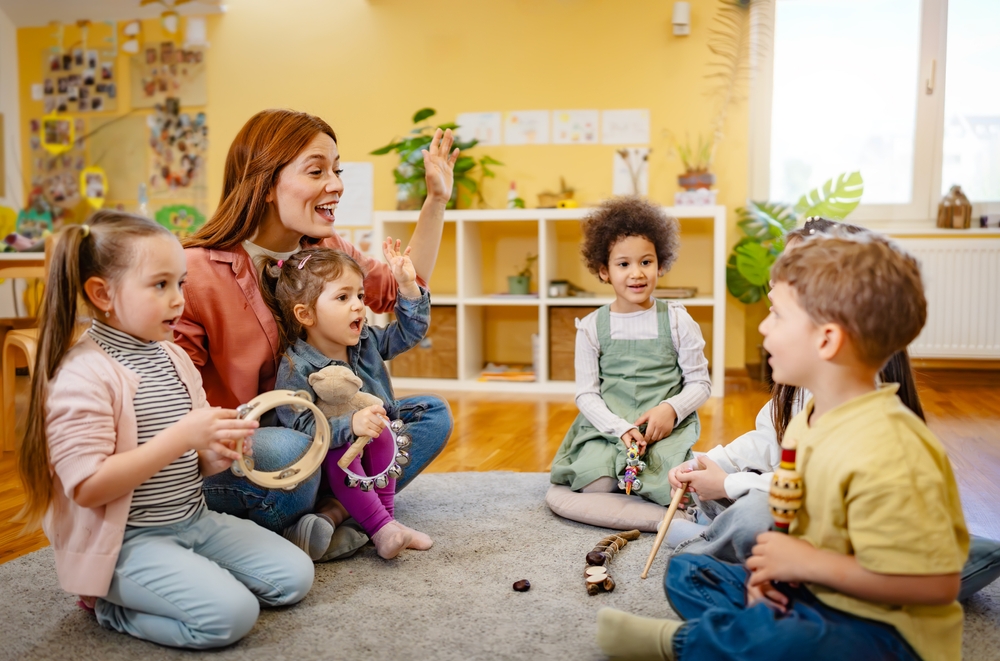
Dragging a crying toddler to a weekly enrichment session feels like a chore you never signed up for. You see other parents smiling while their two-year-olds perfectly follow instructions. However, a child having a meltdown instead of mastering Mandarin is not your fault. You are likely experiencing a hyper-competitive parenting system that markets over-scheduling as essential for success. Many experts suggest these classes can cause unnecessary pressure rather than building meaningful skills. Your child might be better off playing with a cardboard box in the backyard. This exploration covers specific programs that may clash with your little one’s developmental needs.
1. High-Pressure Foreign Language Immersion
Immersion programs for toddlers represent a massive industry today. These companies promise your child will be bilingual before they can even tie their shoes. Some developmental specialists suggest that forcing a toddler into a rigid linguistic environment before they master their primary language can cause frustration. This occurs because the child cannot communicate basic needs to the instructor easily. Consequently, this environment might create a sense of communicative unease during early schooling years. Natural exposure through music or casual play at home usually works more effectively. Such methods remain far less taxing on a developing brain.
2. Competitive Junior Sports Leagues
You might think a toddler soccer league revolves around exercise and teamwork. In reality, these programs often mirror adult competitive structures with drills and specific goals. Toddlers generally lack the cognitive development to understand complex rules or the concept of a team. Specialized drills may lead to a loss of interest in physical activity if the child feels overwhelmed. Interestingly, the sideline energy from parents often intensifies this internal pressure for the toddler. A trip to the local park provides the same physical benefits without the emotional weight of a trophy-chasing environment.
3. Accelerated Early Reading Boot Camps
The push to have children reading by age three marks a hallmark of modern academic anxiety. These classes use flashcards and repetitive drills to force a milestone that most children are not biologically ready to reach. Pushing phonics prematurely can reduce a child’s natural curiosity and love for stories. It turns a magical developmental phase into a high-stakes performance for the parents. The best way to foster reading skills involves reading to your child in a relaxed setting. Forcing academic benchmarks too early often leads to early school fatigue before the child even reaches kindergarten.
4. Rigid Toddler Etiquette and Social Graces
Classes that teach toddlers how to behave at a formal tea party might look cute on social media. However, these programs often demand a level of impulse control that a three-year-old simply does not possess yet. Expecting adult-level behavior in these settings can make a child feel confused or discouraged. It suggests to the child that their natural energy is a problem to be fixed. Social skills grow best through unstructured playdates where children navigate conflict naturally. Forced manners serve as a poor substitute for genuine emotional intelligence and empathy.
5. Professional Grade Art and Music Theory
Some toddler classes focus on technical mastery rather than creative expression. They might insist on a specific way to hold a violin or a paintbrush at age two. This rigid approach often stifles the very creativity the program aims to encourage. When a child hears that their natural way of creating is wrong, they may stop wanting to create altogether. Such experiences can foster performance anxiety that lingers for years. Let your child finger paint and bang on pots and pans without a formal syllabus. True talent grows from a foundation of joy instead of strict rules.
6. Technology and Coding for Tots
Marketing these programs as preparation for a digital future effectively targets parenting fears. Some pediatric guidelines recommend limited screen time because toddlers learn best through hands-on, three-dimensional play. Toddlers need tactile experiences to build their spatial awareness properly. A coding app serves as a poor replacement for building with blocks or playing in the dirt. Many professionals in the tech industry actually keep their own children away from these digital programs early on. Your child has plenty of time to learn about computers when their brain is more resilient.
7. Performance-Based Dance and Gymnastics
Movement is wonderful for growth, but classes culminating in a high-pressure recital can overwhelm a toddler. The bright lights, costumes, and crowd noise often tax a young child’s sensory system significantly. The focus shifts toward the performance rather than the joy of movement itself. This environment can make a child feel their value depends on how well they perform for an audience. A simple creative movement class without a final show allows the child to explore their body’s capabilities safely. Avoid the stage until they are old enough to ask for it.
8. Extreme Survival Swimming Programs
Water safety remains vital, but some programs use methods that intentionally distress the child to teach floating. Many child-development specialists prefer gentle, parent-led swimming programs that prioritize comfort and confidence. High-stress experiences in the water can lead to a long-term hesitation around pools. The stress experienced during these lessons is often unnecessary for effective learning. If your child is screaming in terror, they are likely not absorbing the skills effectively. Protect their emotional comfort while you teach them essential physical safety skills.
The best thing you can do for your toddler involves providing a safe, loving environment for unstructured play. You have the power to opt out of systems that profit from your parenting concerns. By choosing fewer classes and more downtime, you validate your child’s need for a slow and simple childhood. The greatest skill a toddler can learn is how to be comfortable in their own skin. This growth happens through connection with you rather than a forty-minute class twice a week. Reclaim your family’s schedule and prioritize peace over performance today.
Have you ever felt pressured to sign your toddler up for a class that just did not feel right? Leave a comment below and let us know how you handled the peer pressure!
What To Read Next…
- 8 DIY Projects at Home That Put Curious Toddlers at Risk
- 9 Times a Toddler’s Behavior Was a Sign of Something Medical
- Before The First Step: 8 Hidden Dangers In Your Bathroom Threatening Toddlers

Latrice is a dedicated professional with a rich background in social work, complemented by an Associate Degree in the field. Her journey has been uniquely shaped by the rewarding experience of being a stay-at-home mom to her two children, aged 13 and 5. This role has not only been a testament to her commitment to family but has also provided her with invaluable life lessons and insights. As a mother, Latrice has embraced the opportunity to educate her children on essential life skills, with a special focus on financial literacy.
