• Home
  • About Us
  • Toolkit
  • Archives
  • Advertise
  • Privacy Policy

Kids Ain't Cheap

But They Sure Are Worth It

  • Parenting
    • Baby Stuff
    • Books and Reading
      • Aesops Fables
      • Comic Books
    • Education
    • Family Time
    • Green Living
    • Growing Up
    • Healthy Living & Eating
    • Holidays
    • Parenting
    • Random Musings
    • Shopping
    • Stuff to Do
  • Money
  • Product Reviews
    • Books and Magazines
    • Discount Sites
    • Furniture
    • House Keeping
    • Reviews News
    • Toys and Games
  • Contact Us
  • Our Editorial Commitment
  • Search

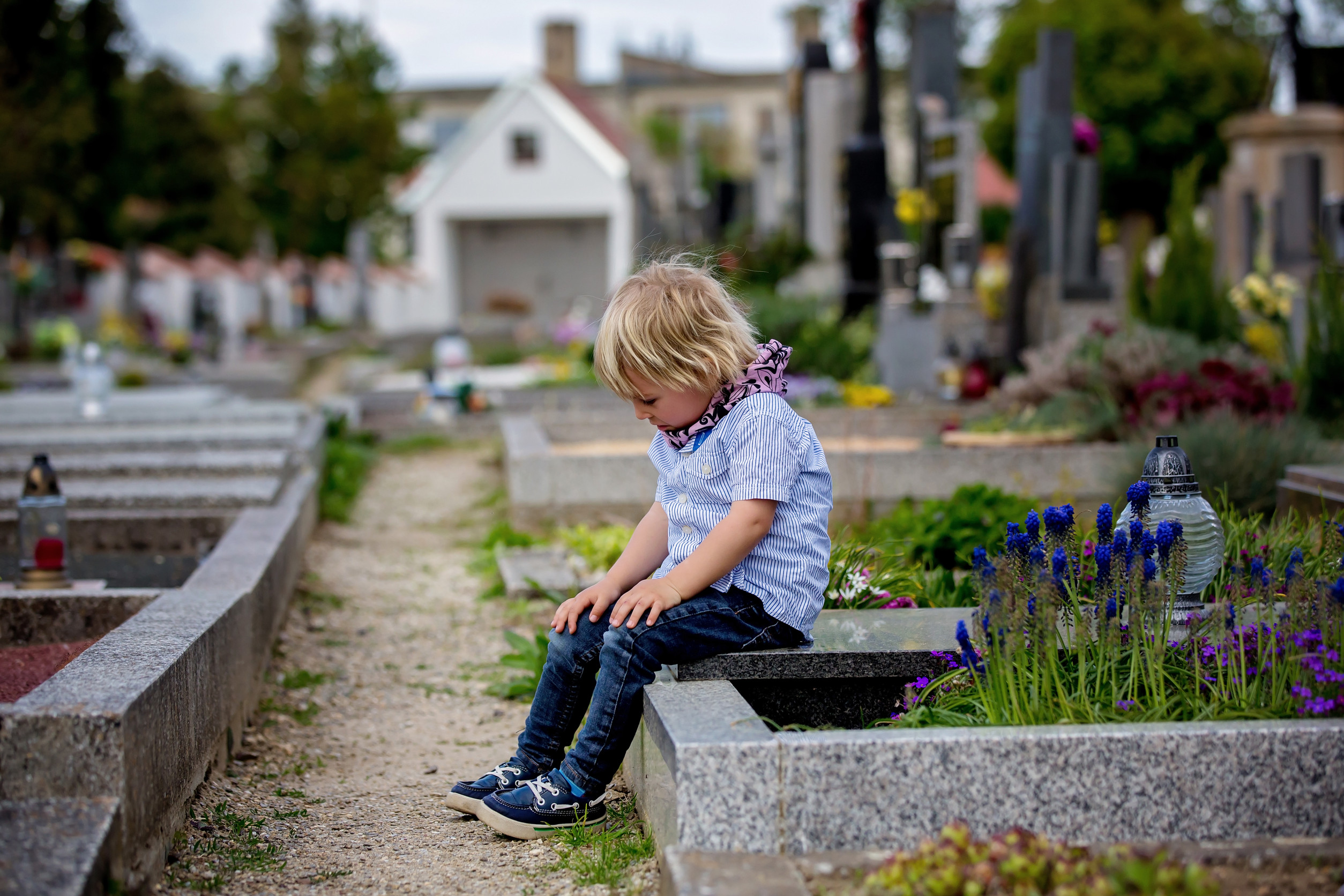
Helping Toddlers Grieve in Healthy Ways

May 31, 2025 | Leave a Comment

Helping Toddlers Grieve in Healthy Ways

Grief is hard for anyone, but when it comes to toddlers, the experience can be especially confusing and overwhelming. Their limited vocabulary and understanding of time, loss, and emotions make it tough for them to express how they feel. Whether it’s the death of a loved one, a pet, or even a major change like a move or divorce, toddlers can grieve deeply, just differently than adults. Helping toddlers grieve in healthy ways isn’t about shielding them from pain but guiding them through it gently. The more support and understanding they receive, the better equipped they’ll be to process emotions now and later in life.

1. Be Honest in Simple Terms

Young children don’t need every detail, but they do need honesty. Use clear, age-appropriate language to explain what happened without sugarcoating or using confusing metaphors. Phrases like “went to sleep” can actually cause fear around bedtime, so stick with simple truths like “they died” or “we won’t see them anymore.” Toddlers may ask the same question repeatedly as they try to understand, so be patient and consistent. Helping toddlers grieve starts with giving them reliable answers they can emotionally absorb.

2. Let Them Express Feelings Freely

Toddlers often express grief through behavior rather than words—tantrums, clinginess, or regression can be signs of sadness or confusion. Validate their emotions by letting them cry, be quiet, or act out without rushing to “fix” the situation. It’s okay to say, “You seem really sad,” or “I miss them too,” to help name what they’re feeling. Creating a safe space for emotional expression is a key part of helping toddlers grieve. Sometimes, just sitting with them and offering a hug says more than words can.

3. Keep Routines as Stable as Possible

Change is hard for toddlers, and loss often disrupts their sense of safety and normalcy. Maintaining familiar routines—meals, bedtime, playtime—can provide comfort during a time that feels unpredictable. This doesn’t mean pretending everything is normal, but it gives toddlers a sense of control and security. Knowing what to expect each day helps them cope better emotionally. When routines need to shift, explain the changes gently and ahead of time when possible.

4. Use Books and Stories to Guide Understanding

Books are powerful tools for helping toddlers grieve, especially those written specifically for young children dealing with loss. Stories allow toddlers to relate to characters and see their emotions mirrored in healthy, safe ways. Look for books that are age-appropriate, use direct language, and focus on love, memory, and feelings. Reading together also gives you a chance to pause, ask questions, and discuss emotions in a relaxed environment. Even if they don’t say much, your toddler is likely absorbing more than you realize.

5. Encourage Comfort Through Play

Play is how toddlers make sense of the world, including things as big as grief. You might notice them reenacting aspects of the loss with dolls, toys, or make-believe games. While this may seem strange, it’s actually a healthy and necessary way to process emotions. Don’t correct or steer their play—instead, watch and gently offer support if they need it. Helping toddlers grieve often means meeting them at their level, and play is their most natural language.

6. Model Healthy Grieving Behavior

Toddlers learn by watching, and your own grief provides a model for how emotions are handled. It’s okay for your child to see you cry or talk about missing someone. Let them know that feeling sad is normal and that emotions come and go. Avoid bottling up your feelings in front of them or pretending nothing’s wrong—authenticity builds trust. The more they see you processing grief in a healthy way, the more they’ll learn how to do the same.

7. Allow Time and Repetition

Grief isn’t something toddlers understand or process in one conversation. They may ask questions weeks or months after the event, or seem fine one day and upset the next. This is all part of how they grieve, and it’s normal for their feelings to surface over time. Be ready to revisit the topic, repeat explanations, and continue offering reassurance. Helping toddlers grieve isn’t a one-time task—it’s an ongoing journey of love, listening, and gentle guidance.

8. Seek Support if Needed

If your toddler shows signs of prolonged distress—like severe withdrawal, ongoing sleep issues, or aggressive behavior—it may be time to seek help from a child therapist. Some toddlers need extra support beyond what parents can provide, and that’s okay. A specialist in early childhood grief can offer tools that make a big difference in your child’s healing. There’s no shame in asking for help, especially when navigating something as complex as loss. Your willingness to get support models courage and care for your child.

Little Hearts, Big Emotions

Helping toddlers grieve means accepting that their sorrow might look different than ours—but it’s no less real. By offering honest words, loving presence, and space for emotional expression, you build a foundation of emotional resilience. Even in loss, children can grow stronger when they feel safe and understood. You don’t need to have all the answers—just a listening heart, open arms, and steady love through the storm.

Have you supported a toddler through grief? What helped them most? Share your experience in the comments and help others walking the same path.

Read More:

What Toddlers Understand About Death (And What They Don’t)

Your Dog Died: 8 Ways To Break The News To Your Child

Catherine Reed
Catherine Reed

Catherine is a tech-savvy writer who has focused on the personal finance space for more than eight years. She has a Bachelor’s in Information Technology and enjoys showcasing how tech can simplify everyday personal finance tasks like budgeting, spending tracking, and planning for the future. Additionally, she’s explored the ins and outs of the world of side hustles and loves to share what she’s learned along the way. When she’s not working, you can find her relaxing at home in the Pacific Northwest with her two cats or enjoying a cup of coffee at her neighborhood cafe.

Filed Under: Parenting Tagged With: childhood loss, emotional support, grief and kids, helping toddlers grieve, parenting tips, parenting toddlers, toddler grief, toddler mental health

What Toddlers Understand About Death (And What They Don’t)

May 22, 2025 | Leave a Comment

What Toddlers Understand About Death And What They Dont

Talking to a toddler about death is one of the hardest conversations a parent might ever face, especially when you’re not quite sure how much they truly understand. At this age, children live in a world of pretend play and magical thinking, where the lines between reality and imagination are still very blurry. As a result, their grasp of something as complex and permanent as death is often limited, confusing, and emotional—for both them and the adults guiding them. Knowing what toddlers understand about death (and what they don’t) can help parents respond with empathy and age-appropriate support. It’s not about having the perfect words—it’s about meeting your child where they are emotionally and developmentally.

1. They Don’t Understand Permanence

One of the biggest gaps in a toddler’s understanding of death is the concept of permanence. Toddlers often think of death as something temporary or reversible, much like a character in a cartoon who disappears and pops back up in the next scene. They may ask if the person or pet will come back later or wonder when they’ll “wake up.” This misunderstanding can lead to repeated questions that might sound insensitive but are really just a reflection of their limited cognitive development. Parents can gently reinforce that when someone dies, they don’t come back, using clear and simple language without euphemisms.

2. They Understand Loss Through Routine

While toddlers may not grasp death conceptually, they absolutely notice the absence of someone they love. Whether it’s a grandparent who always gave them snacks or a pet that greeted them each morning, their routine gets disrupted, and that disruption is often what triggers their grief. Toddlers process this absence in behavioral ways—clinginess, changes in sleep or appetite, or mood swings. Helping toddlers cope means acknowledging the absence honestly and reassuring them that they are safe and loved, even as things feel different. Their emotional response is very real, even if they can’t verbalize what they’re feeling.

3. They Struggle with Time Concepts

Toddlers live in the now. Their sense of time is still developing, which makes understanding forever or even tomorrow difficult. When someone dies, saying “we won’t see them again” might get interpreted as “not today,” which can lead to confusion or false hope. Repeating consistent language around death helps reinforce the truth without overwhelming them. Using terms like “their body stopped working and they can’t come back” may sound blunt, but it creates clarity within the toddler’s limited sense of time and logic.

4. They Are Literal Thinkers

Metaphors like “passed away,” “gone to sleep,” or “watching from the clouds” might comfort adults but can confuse toddlers. These phrases can be taken literally and spark unnecessary fears, such as worrying that they’ll die if they go to sleep or get in trouble for something they don’t understand. Toddlers thrive with honesty wrapped in love. Clear, gentle explanations like “they died, which means their body stopped working and they can’t come back” offer the kind of straightforward answers toddlers need to feel grounded. Being honest doesn’t mean being cold—it means speaking at their level.

5. They Often Mirror Adult Emotions

Toddlers are deeply attuned to their caregivers’ emotions, even if they don’t fully understand what’s happening. If a parent is grieving, a toddler might cry more, act out, or become unusually quiet—not because they grasp the loss, but because they feel the shift in energy. They may also ask repetitive or seemingly inappropriate questions, trying to make sense of why things feel “off.” It’s okay for children to see adults cry or be sad—it models healthy emotional expression. At the same time, toddlers benefit from reassurance that they are still safe and cared for, even when grown-ups are upset.

6. They Might Revisit the Topic Repeatedly

Grief in toddlers tends to come in waves, and they may bring up the person or pet who died days, weeks, or even months later. These moments can feel unexpected or jarring, but they’re a normal part of how toddlers process new and confusing information. Every time they ask about death, they’re trying to understand it a little more deeply. Patience and consistency in your responses are key. Over time, these conversations help build a foundation for emotional resilience and healthy coping.

7. They Use Play to Process Emotions

Toddlers often work through big feelings in the safest way they know—through play. You might notice them pretending someone is sick, having dolls go to “heaven,” or acting out funerals with toy animals. This kind of imaginative play is how they express grief, confusion, or curiosity in a non-verbal, manageable way. Instead of stopping this behavior, try observing it and gently joining in when appropriate. Play offers a window into how your child is processing death and can lead to important, if simple, conversations.

8. They Need Reassurance and Routine

More than anything, toddlers need to know that they are safe, loved, and cared for, especially in the face of loss. Changes in the household can feel unsettling, so returning to regular routines can offer comfort and stability. Small daily rituals—like storytime, favorite snacks, or outdoor walks—help toddlers feel secure even when their world feels uncertain. Reassuring them with extra hugs, loving words, and your presence makes a huge difference. While they may not understand everything about death, they can absolutely feel your support.

Supporting Their Hearts While Guiding Their Minds

Understanding what toddlers know about death helps parents strike the right balance between honesty and compassion. These little ones aren’t looking for deep philosophical answers—they’re seeking safety, love, and understanding. By approaching the topic gently and clearly, you give your child the tools to process grief in their own time and way. It’s not about saying the perfect thing—it’s about showing up, staying steady, and loving them through the hardest moments.

Have you talked to your toddler about death? What helped your family navigate those early conversations? Share your thoughts in the comments.

Read More:

From Chaos to Calm: Strategies for Difficult Toddler Behavior

7 Secrets to Stopping Toddler Tantrums

Catherine Reed
Catherine Reed

Catherine is a tech-savvy writer who has focused on the personal finance space for more than eight years. She has a Bachelor’s in Information Technology and enjoys showcasing how tech can simplify everyday personal finance tasks like budgeting, spending tracking, and planning for the future. Additionally, she’s explored the ins and outs of the world of side hustles and loves to share what she’s learned along the way. When she’s not working, you can find her relaxing at home in the Pacific Northwest with her two cats or enjoying a cup of coffee at her neighborhood cafe.

Filed Under: Child behavior Tagged With: age-appropriate parenting, helping children cope, parenting toddlers, talking to kids about death, toddler development, toddler grief

  • Facebook
  • Pinterest
  • RSS
  • Twitter

Basic Principles Of Good Parenting

Here some basic principles for good parenting:

  1. What You Do Matters: Your kids are watching you. So, be purposeful about what you want to accomplish.
  2. You Can’t be Too Loving: Don’t replace love with material possessions, lowered expectations or leniency.
  3. Be Involved Your Kids Life: Arrange your priorities to focus on what your kid’s needs. Be there mentally and physically.
  4. Adapt Your Parenting: Children grow quickly, so keep pace with your child’s development.
  5. Establish and Set Rules: The rules you set for children will establish the rules they set for themselves later.  Avoid harsh discipline and be consistent.
  6. Explain Your Decisions: What is obvious to you may not be evident to your child. They don’t have the experience you do.
  7. Be Respectful To Your Child: How you treat your child is how they will treat others.  Be polite, respectful and make an effort to pay attention.
Best Parenting Blogs

Most Popular

Baby

9 Baby Names That Sound Rare Without Being Hard to Spell

Evan Morgan
Baby

9 Unusual Baby Names That Sound Like They Belong to Future CEOs

Evan Morgan
Target Store

Choking Incident Prompts Recall of 49,000 Target Gigglescape “Under the Sea” Popping Toys

Evan Morgan
Frustrated Girl

Why Some Students on the Spectrum Are Labeled With ODD

Evan Morgan
Coke Bottles

12 Things Kids Took to School in the ’70s That Would Never Be Allowed Today

Evan Morgan

All content on Kids Ain’t Cheap is for entertainment purposes only. By reading this blog, you agree that Kids Ain’t Cheap is not responsible for any actions taken after reading this blog. For the full disclaimer, see our privacy policy.

Please note that Kids Ain’t Cheap has financial relationships with some of the merchants mentioned here. Kids Ain’t Cheap is funded by banner advertising, commission sales and search optimization consulting.

Copyright © 2006–2026 | District Media | All Rights Reserved | Privacy Policy

Copyright © 2026 Runway Pro Theme by Viva la Violette