Walk into any baby store or scroll social media for five minutes, and you’ll feel like you’re one gadget away from being the “perfect” parent. Every product promises smarter babies, calmer nights, faster milestones, and easier parenting.
The problem is that not all convenience equals healthy development, and some popular baby gadgets can actually interfere with natural learning and growth. Pediatricians and child development specialists often emphasize that babies develop best through movement, human interaction, and real-world sensory experiences, not constant assistance from devices.
1. Baby Walkers That Create The Illusion Of Early Walking
Baby walkers look like confidence boosters, but pediatricians have warned for years that they can interfere with natural motor development. Babies in walkers learn to move without using the muscles and balance systems needed for real walking. This can delay crawling, pulling up, and independent standing because core strength and coordination develop differently.
Doctors have consistently advised against their use, citing safety risks like falls and injuries. Babies need floor time, not wheeled shortcuts, to build strength and spatial awareness. A simple play mat and supervised tummy time support far healthier physical development than any walker ever could.
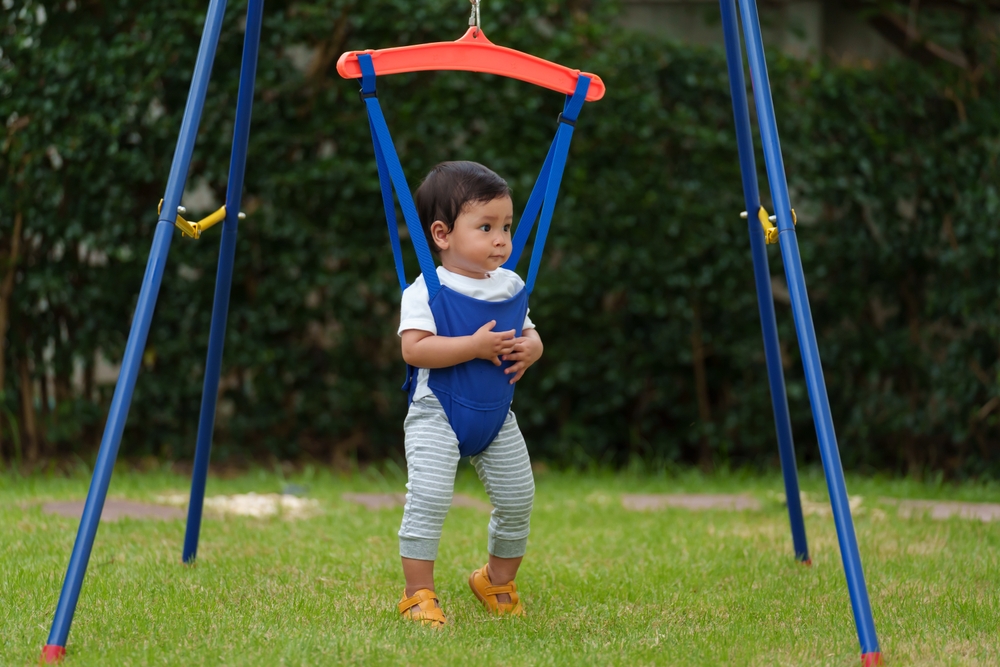
2. Jumpers That Replace Natural Muscle Development
Those doorway jumpers and bouncing activity centers look like harmless fun, but pediatricians often caution against frequent use. Jumpers encourage unnatural movement patterns that don’t match how babies actually learn to walk or balance. They can place stress on hips, spine, and developing joints when used too often or too early. Babies also miss out on crawling, rolling, and floor-based exploration that builds coordination and strength.
Short, supervised use may not cause harm, but relying on jumpers as daily entertainment can delay key motor milestones, according to many doctors. Floor play, crawling space, and climbing-safe environments offer better long-term benefits.
3. Electronic Learning Toys That Replace Human Interaction
Talking toys, light-up tablets, and “educational” screens promise early learning, but pediatricians consistently stress that real learning comes from human interaction. Babies learn language through face-to-face conversation, tone, expression, and response, not recorded voices and flashing buttons. Passive stimulation does not build communication skills the same way real engagement does.
4. Infant Positioning Seats That Limit Movement
Those molded infant seats that prop babies upright look helpful and adorable, but they limit natural movement. Pediatricians often caution that babies need freedom to move, twist, roll, and shift their bodies naturally. Being placed in fixed positions for long periods can slow muscle development and body awareness. Babies learn balance by falling, adjusting, and trying again, not by being held in perfect posture.
These seats may be useful briefly for feeding or supervision, but they should not replace floor time. Open space, soft mats, and safe play areas give babies the movement they need to develop properly.
5. Overused Swings And Motion Devices
Swings and automated rockers can be lifesavers for exhausted parents, but overuse can create developmental tradeoffs. Babies benefit from being soothed by human touch, voice, and movement, not just mechanical motion. Excessive reliance on swings reduces floor time, which is essential for strength, coordination, and exploration.
Pediatricians and experts emphasize balance, not elimination, when it comes to these devices. They work best as short-term soothing tools, not long-term substitutes for interaction. Holding, carrying, and engaging your baby builds emotional security and physical development simultaneously.
6. Baby Containers That Limit Exploration
The term “container baby syndrome” is used by therapists to describe overuse of devices that restrict movement, like bouncers, seats, loungers, and carriers. Babies need freedom to explore their environment to develop motor skills, problem-solving, and body awareness. Too much time in containers limits rolling, crawling, scooting, and reaching behaviors.
Pediatricians emphasize that development happens through movement, not containment. Convenience devices should support parenting, not replace movement. Rotating free play, tummy time, and open-floor exploration makes a real developmental difference.
7. White Noise And Sleep Machines Used Constantly
White noise machines can help babies sleep, but constant use can reduce exposure to natural sounds and voices. Pediatricians note that babies learn language patterns from hearing real speech, not continuous background noise. Overuse can also make babies dependent on artificial sound environments for sleep.
Moderation matters more than elimination here. Use sound machines when needed, but allow quiet, natural sound spaces during waking hours. Real-world sounds help babies build auditory processing and language skills.
8. Over-Structured Activity Centers
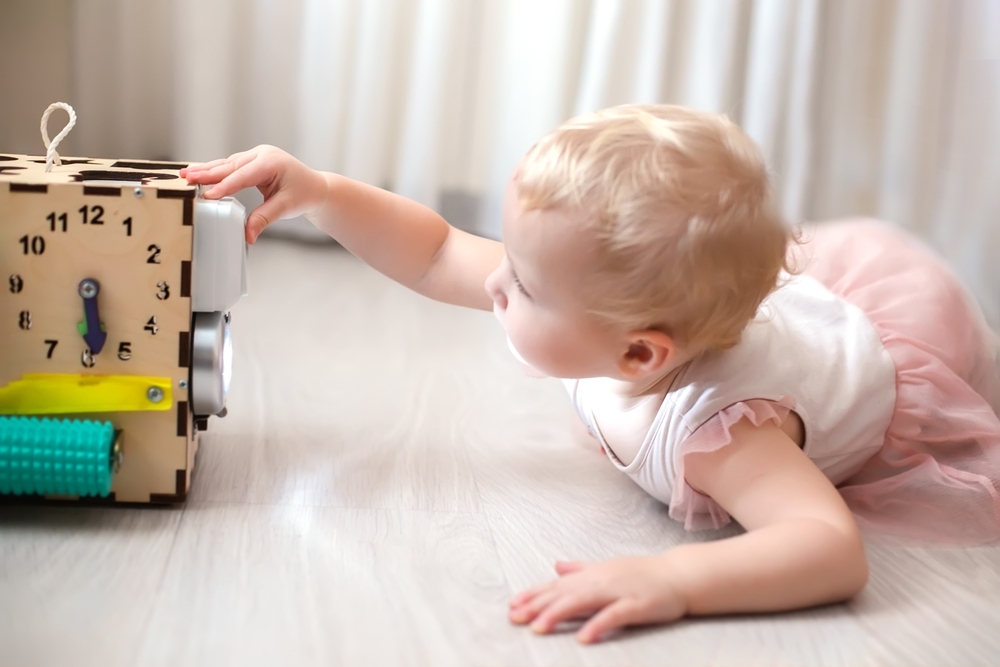
Multi-feature activity centers look stimulating, but they often overwhelm babies with lights, sounds, and limited movement options. Babies benefit more from simple toys that encourage exploration, grasping, and movement.
When everything lights up and responds automatically, babies don’t learn cause-and-effect the same way. Open-ended toys like blocks, balls, and soft books promote deeper learning. Simpler environments often produce stronger developmental outcomes.
Real Growth Happens In Real Life, Not Gadgets
The most powerful developmental tools aren’t sold in boxes or marketed online. They look like floor time, eye contact, conversation, messy play, movement, and human connection. Gadgets may offer convenience, but they should never replace interaction, exploration, and freedom of movement.
If you looked around your home right now, which of these gadgets does your baby spend the most time in—and what would change if you replaced just one of them with more real-world play? Give your parenting insights in the comments below.
You May Also Like…
Listening In: 7 Kid Gadgets That Listen to Your Family
9 Traditional Family Routines That Help Kids Feel Secure
Why Pediatricians are Quietly Flagging These 5 Household Items as Toxic
7 Boomer-Era Family Traditions That Lower Household Stress
6 Toy Store Layout Tricks That Manipulate Your Wallet

