• Home
  • About Us
  • Toolkit
  • Archives
  • Advertise
  • Privacy Policy

Kids Ain't Cheap

But They Sure Are Worth It

  • Parenting
    • Baby Stuff
    • Books and Reading
      • Aesops Fables
      • Comic Books
    • Education
    • Family Time
    • Green Living
    • Growing Up
    • Healthy Living & Eating
    • Holidays
    • Parenting
    • Random Musings
    • Shopping
    • Stuff to Do
  • Money
  • Product Reviews
    • Books and Magazines
    • Discount Sites
    • Furniture
    • House Keeping
    • Reviews News
    • Toys and Games
  • Contact Us
  • Our Editorial Commitment
  • Search

Shocking Reality: 10 Popular Baby Items With Carcinogens

July 24, 2025 | Leave a Comment

Shocking Reality 10 Popular Baby Items With Carcinogens
Image source: 123rf.com

When it comes to your baby, safety is always the top priority. So it’s unsettling to discover that some of the most common baby items with carcinogens are sitting right in your nursery or diaper bag. Parents trust that products designed for infants have been thoroughly vetted, but loopholes in regulations and lax labeling laws mean many toxins still sneak through. From crib sheets to shampoos, the threat is real—but so is the power of awareness. Knowing what to look for can help you make smarter choices and reduce your child’s long-term exposure to harmful chemicals.

1. Baby Shampoos That Contain Formaldehyde

Many popular baby shampoos once contained formaldehyde-releasing preservatives, and shockingly, some still do. Even though formaldehyde is a known human carcinogen, it’s sometimes added as a byproduct of preservatives like DMDM hydantoin. While some companies have phased it out, not all have, and the labels don’t always make it obvious. Parents may be unknowingly exposing their babies to a toxic chemical every bath night. Look for shampoos labeled “formaldehyde-free” and opt for brands that fully disclose their ingredients.

2. Foam Crib Mattresses with Flame Retardants

Foam crib mattresses are a staple in many nurseries, but they often contain flame retardants linked to cancer. These chemicals can off-gas over time, exposing your baby to harmful particles while they sleep. Even organic-looking products may have these substances unless they’re clearly certified. Babies spend up to 16 hours a day sleeping, making the mattress one of the most critical exposure points. Choose a mattress that is GREENGUARD Gold certified or labeled as free from polyurethane foam and flame retardants.

3. Plastic Baby Bottles Made With BPA

Despite increased awareness, baby items with carcinogens like BPA still appear on shelves. Bisphenol A (BPA) is a chemical that disrupts hormones and has been linked to several cancers. While BPA is banned in baby bottles in many countries, some older or off-brand products still contain it. Heat can cause BPA to leach into liquids, especially during warming or washing. Stick with bottles clearly marked BPA-free and avoid heating milk or formula in plastic altogether.

4. Vinyl Changing Pads and Covers

Vinyl, or PVC, is commonly used in changing pads and covers because it’s easy to wipe clean. However, PVC contains phthalates, chemicals used to make plastic soft and flexible—many of which are carcinogenic. Over time, these chemicals can off-gas or flake into the air, where babies may inhale or absorb them through skin contact. Phthalate exposure has been linked to developmental problems and certain cancers. Safer alternatives include organic cotton pads with waterproof covers made from food-grade polyethylene.

5. Baby Lotions with Parabens

Many commercial baby lotions contain parabens, which act as preservatives but may also act like estrogen in the body. This hormone disruption has been associated with breast cancer and reproductive toxicity. Babies have more permeable skin, which means these substances can enter their systems more easily. Fragrances, another concern, are often labeled vaguely and can hide even more harmful ingredients. Stick with lotions that are paraben-free, fragrance-free, and made from simple, plant-based ingredients.

6. Stroller Padding Treated With PFAS

PFAS, also known as “forever chemicals,” are used to make fabrics stain and water resistant. Unfortunately, these same chemicals are also linked to a variety of cancers, including kidney and testicular cancer. Stroller padding, car seat linings, and highchair cushions are common sources. Because babies often chew on or touch these surfaces, the risk of ingestion is high. Seek out baby gear that is PFAS-free and instead uses untreated, washable fabrics.

7. Teething Toys Made from Unsafe Plastics

Chewing is a developmental milestone, but some teething toys are made from plastics that contain known toxins. PVC, phthalates, and even heavy metals have been found in unregulated toys. Since these items go directly in a baby’s mouth, any exposure to carcinogens is concerning. Just because a product is labeled “non-toxic” doesn’t mean it’s free of all risks. Choose teethers made from medical-grade silicone or natural rubber and look for reputable third-party safety certifications.

8. Laundry Detergents with Optical Brighteners

Your baby’s freshly washed clothes may come with an invisible risk if you’re using detergents with optical brighteners. These compounds give fabrics a “whiter” look but can also leave behind residue that irritates sensitive skin and may contain carcinogenic ingredients. Detergents made for adults often sneak into baby laundry routines, especially for busy families. Look for baby-safe detergents that are fragrance-free, dye-free, and clearly marked for sensitive skin. What touches your baby’s skin daily matters more than you think.

9. Baby Food Jar Linings Containing BPA

While most focus has been on baby bottles, fewer parents realize that some baby food jar lids are lined with BPA-containing resins. Heating these jars or even prolonged storage can cause leaching of BPA into the food. Since babies have developing systems, their bodies are more vulnerable to hormone disruptors and carcinogens. Check for brands that use BPA-free packaging and prioritize fresh or homemade baby food when possible. It’s not just what they eat, but how it’s packaged.

10. Nursery Paints That Emit VOCs

Paint might seem harmless once dry, but many nursery walls are coated with paints that release volatile organic compounds (VOCs) for months after application. VOCs include carcinogens like benzene and formaldehyde and can affect indoor air quality. Babies are especially sensitive to these airborne chemicals due to their small size and immature lungs. Even low-VOC paints can emit harmful substances if not applied properly. Look for zero-VOC, third-party certified paints and ventilate the room thoroughly before baby sleeps in it.

Empowerment Through Awareness Starts with You

Discovering that baby items with carcinogens are more common than expected can feel overwhelming. But you don’t need to toss everything and start from scratch. Awareness allows you to make informed swaps one item at a time, improving your child’s safety with each choice. Whether it’s changing your detergent or choosing a different teether, small actions can lead to a healthier environment. Your vigilance today helps build a safer tomorrow for your baby.

Have you found a surprising ingredient or material in your baby’s products? Share your discoveries and tips in the comments below.

Read More:

The Quiet Killer: 8 Hidden Hazards In Your Nursery You’re Not Checking

9 Privacy Settings You Didn’t Know Existed for Kids’ Devices

Catherine Reed
Catherine Reed

Catherine is a tech-savvy writer who has focused on the personal finance space for more than eight years. She has a Bachelor’s in Information Technology and enjoys showcasing how tech can simplify everyday personal finance tasks like budgeting, spending tracking, and planning for the future. Additionally, she’s explored the ins and outs of the world of side hustles and loves to share what she’s learned along the way. When she’s not working, you can find her relaxing at home in the Pacific Northwest with her two cats or enjoying a cup of coffee at her neighborhood cafe.
Filed Under: Parenting Tagged With: baby health, baby items with carcinogens, baby product warnings, baby safety, carcinogens, chemical-free nursery, eco-friendly parenting, safe baby gear, toxic baby products

Is Your Home Toxic? 8 Everyday Items Poisoning Your Toddler

July 21, 2025 | Leave a Comment

Is Your Home Toxic 8 Everyday Items Poisoning Your Toddler
Image source: 123rf.com

Your home should be your toddler’s safest space, but what if the real danger isn’t outside your door—it’s already inside? From everyday cleaning products to cute decor, many common household items contain hidden toxins that can silently impact your child’s health. Toddlers are especially vulnerable because of their size, developing systems, and habit of touching everything and putting it in their mouths. While we can’t wrap our kids in a protective bubble, we can reduce exposure to the worst offenders. Let’s uncover the top items potentially poisoning your toddler so you can take simple, powerful steps to make your home safer today.

1. Air Fresheners and Scented Candles

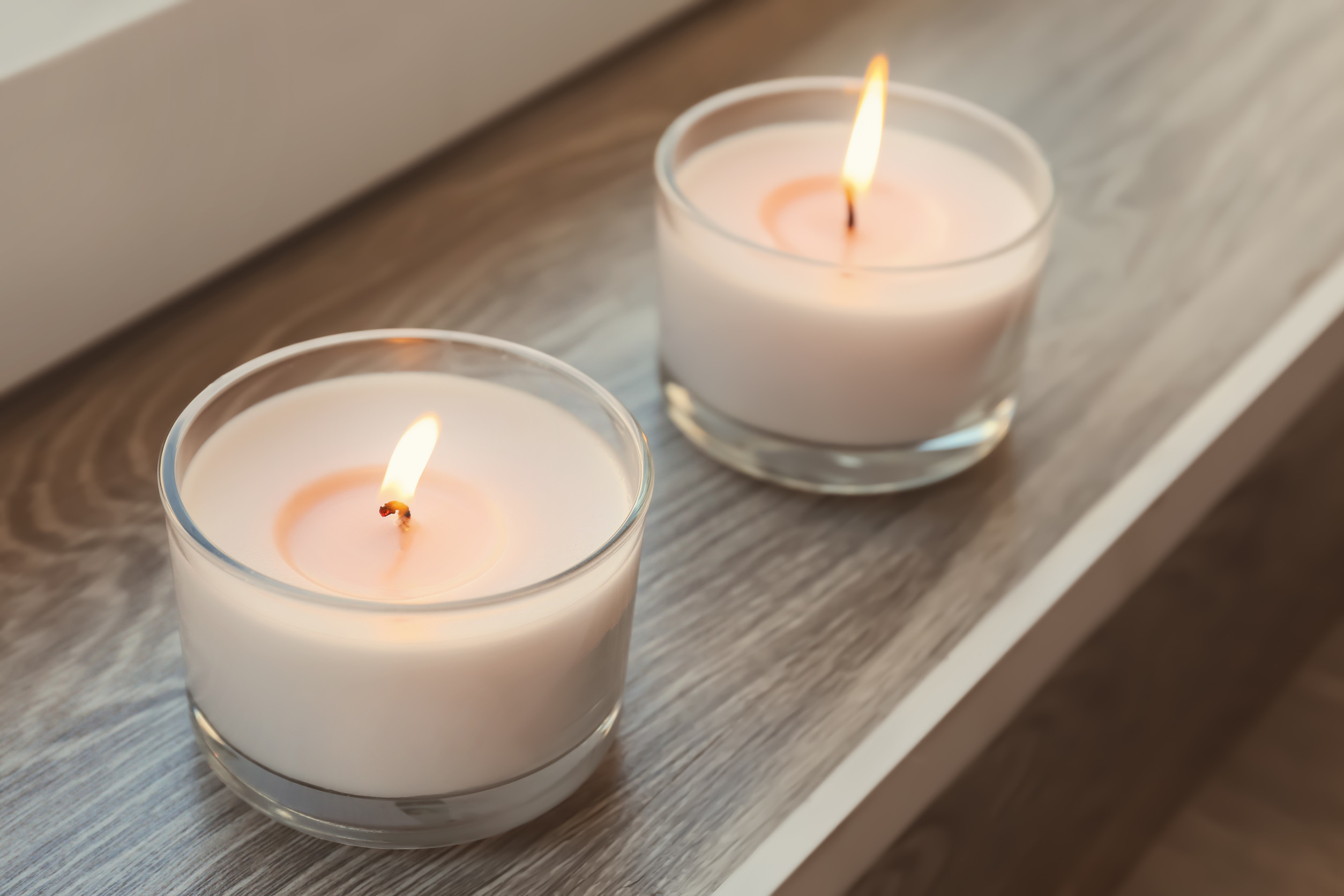
That fresh scent may seem like a comforting touch in your home, but many air fresheners and candles are loaded with phthalates and synthetic fragrances. These chemicals can disrupt hormones, affect breathing, and contribute to long-term health problems, especially in young children. Toddlers inhale these toxins in higher concentrations because they breathe more rapidly than adults. Even “natural” or “green” products often include vague ingredients that aren’t truly safe. Try using essential oils with a diffuser or simply open windows for natural ventilation instead.

2. Vinyl Flooring

Vinyl floors are affordable and easy to clean, but they can release harmful volatile organic compounds (VOCs) into the air. These VOCs are particularly concerning for babies and toddlers who spend a lot of time crawling, sitting, or playing on the floor. Studies show vinyl flooring may also contain lead and phthalates, which have been linked to developmental delays. If replacing flooring isn’t an option, use area rugs made from natural fibers to create a safer play space. Regularly vacuuming and mopping can also help reduce dust-bound toxins.

3. Non-Stick Cookware

That slick, easy-to-clean non-stick pan may contain perfluorinated chemicals (PFCs), which have been associated with hormone disruption and weakened immune systems in children. When overheated, these coatings can break down and release toxic fumes into the air. Tiny developing bodies are more sensitive to these exposures, especially during mealtime prep. If you’re concerned about poisoning your toddler through food exposure, consider switching to cast iron, stainless steel, or ceramic cookware. These safer alternatives last longer and eliminate the risk of harmful coatings altogether.

4. Plastic Food Containers

Many plastic containers, even those labeled “microwave safe,” can leach harmful chemicals like BPA or BPS into food when heated. These substances can mimic hormones and interfere with a toddler’s growth and development. It’s one of the most overlooked ways you might be unintentionally poisoning your toddler during meal prep or snack storage. Swap them out for glass or stainless-steel containers whenever possible. If you must use plastic, avoid heating it and check labels for BPA-free certifications.

5. Flame Retardant Furniture and Bedding

That cozy crib mattress or car seat cover might be laced with flame retardants that pose risks far greater than fire. These chemicals can off-gas into the air or accumulate in household dust, which toddlers then inhale or ingest while playing. Over time, exposure has been linked to behavioral problems, learning difficulties, and hormone disruption. Choose items made with safer, naturally fire-resistant materials like wool or cotton, and look for “free from flame retardants” on product labels. Regularly cleaning soft furniture can also help limit toxic buildup.

6. Cleaning Supplies Under the Sink

Those bright bottles under your kitchen or bathroom sink are some of the most obvious hazards—but they’re also easily overlooked. Harsh cleaners often contain bleach, ammonia, and other corrosive ingredients that can cause serious injury if ingested, inhaled, or even touched. Poisoning your toddler can happen in seconds if these are left unlocked and within reach. Consider switching to safer, plant-based cleaners and always store them in high or locked cabinets. Better yet, make your own cleaners with vinegar, baking soda, and lemon for a toddler-safe clean.

7. Lead-Based Paint or Dust in Older Homes

If your home was built before 1978, there’s a good chance it contains lead-based paint. As paint chips or turns to dust, toddlers can easily ingest or inhale it during everyday play. Lead poisoning is especially dangerous because it builds up slowly and can permanently affect brain development. Have your home tested for lead and keep high-traffic areas well-cleaned to reduce exposure. If renovations are needed, hire certified professionals who follow lead-safe protocols.

8. Cheap Toys and Teething Products

Not all baby toys are created equal, and some inexpensive options still contain harmful chemicals like lead, PVC, and phthalates. When toddlers chew, suck, or play with these toys, they’re exposed to toxic substances that can affect their development over time. Even some teethers and bath toys labeled “safe” may not meet stringent safety standards. Look for toys certified by trusted organizations, made from non-toxic materials like silicone, wood, or organic cotton. Always supervise teething play and clean toys regularly to keep them safe.

Safer Homes Start with Small, Smart Swaps

You don’t have to overhaul your entire house overnight to protect your child. Reducing the risks of poisoning your toddler starts with small changes—like replacing just one item at a time or reading labels more carefully. Awareness is the most powerful tool you have as a parent. By creating a cleaner, safer space today, you support your toddler’s healthy development for years to come. After all, peace of mind is one thing every parent deserves to bring home.

Have you already swapped out any of these toxic household items? Share your tips or questions in the comments—we’d love to hear from you!

Read More:

5 Home Areas Where Toddlers Get Hurt Most (Are Yours Safe?)

6 Urgent Steps to Protect Your Home from Kids’ Dangers

Catherine Reed
Catherine Reed

Catherine is a tech-savvy writer who has focused on the personal finance space for more than eight years. She has a Bachelor’s in Information Technology and enjoys showcasing how tech can simplify everyday personal finance tasks like budgeting, spending tracking, and planning for the future. Additionally, she’s explored the ins and outs of the world of side hustles and loves to share what she’s learned along the way. When she’s not working, you can find her relaxing at home in the Pacific Northwest with her two cats or enjoying a cup of coffee at her neighborhood cafe.

Filed Under: Parenting Tagged With: childproofing tips, eco-friendly parenting, parenting safety, poisoning your toddler, safe home for kids, toddler health, toddler safety, toxic household items

  • Facebook
  • Pinterest
  • RSS
  • Twitter

Basic Principles Of Good Parenting

Here some basic principles for good parenting:

  1. What You Do Matters: Your kids are watching you. So, be purposeful about what you want to accomplish.
  2. You Can’t be Too Loving: Don’t replace love with material possessions, lowered expectations or leniency.
  3. Be Involved Your Kids Life: Arrange your priorities to focus on what your kid’s needs. Be there mentally and physically.
  4. Adapt Your Parenting: Children grow quickly, so keep pace with your child’s development.
  5. Establish and Set Rules: The rules you set for children will establish the rules they set for themselves later.  Avoid harsh discipline and be consistent.
  6. Explain Your Decisions: What is obvious to you may not be evident to your child. They don’t have the experience you do.
  7. Be Respectful To Your Child: How you treat your child is how they will treat others.  Be polite, respectful and make an effort to pay attention.
Best Parenting Blogs

Most Popular

Baby names

Teachers Admit: These 6 Baby Names Create Instant Bias in the Classroom

Latrice Perez
6 Baby Names That Sound Cute Now but Cause Problems Later

6 Baby Names That Sound Cute Now but Cause Problems Later

Brandon Marcus
11 Ways Kids Are Outsmarting Parental Controls 1. Using Alternate Devices One common trick is simply turning to another device. If a child’s main phone or tablet is restricted, they may borrow a sibling’s, friend’s, or even a school laptop. This instantly gives them access to content outside of parental oversight. Parents often focus on one device, forgetting that others in the household can serve as loopholes. Knowing this tactic helps families tighten controls across all electronics. 2. Clearing Browsing Histories Many kids quickly learn that clearing browsing history hides evidence of restricted activity. With just a few clicks, they can erase any trace of websites visited. This makes it harder for parents to notice when rules are being broken. Parents may assume no history means no browsing, but the reality is often the opposite. Kids are outsmarting parental controls by making it seem like nothing happened at all. 3. Using Private Browsing Modes Most browsers offer “incognito” or private browsing features. Kids use this mode to access websites without leaving a record in the history. To parents checking later, everything looks clean and safe. This simple trick is often one of the first ways kids discover how to bypass restrictions. Conversations about private browsing can help close this gap. 4. Guessing or Resetting Passwords Children who are persistent may try to guess passwords to parental control apps or accounts. Others may find ways to reset them through email prompts or security questions. Once inside, they can disable restrictions entirely. Parents may not even realize controls have been altered until much later. Stronger, less predictable passwords can make this more difficult. 5. Using VPNs to Hide Activity Virtual private networks, or VPNs, let kids disguise their online locations. With one downloaded app, they can bypass geographic or parental restrictions. Some children learn about VPNs through friends or even social media. This makes it easy for them to reach content that should be blocked. Parents often underestimate just how simple it is for kids to use these tools. 6. Creating Fake Accounts When parents monitor social media, kids may create hidden accounts. These “finstas” or fake profiles allow them to interact freely without parental oversight. While their main account appears harmless, the secondary one tells a different story. Kids are outsmarting parental controls by playing both sides at once. Checking for duplicate accounts can help parents stay more aware. 7. Exploiting Time Zone Settings Some kids change the time zone on their devices to bypass screen time limits. This trick allows them to gain extra hours of usage undetected. Parents may assume controls are working, but in reality, the child is bending the clock. It’s a clever loophole that highlights just how resourceful kids can be. Monitoring device settings regularly can catch this tactic. 8. Disabling or Uninstalling Apps Parental control apps can be deleted or disabled with surprising ease. Some kids even reinstall them before a parent checks, making it seem like nothing changed. Others may simply restrict permissions to prevent apps from functioning properly. When apps aren’t monitored closely, parents may not notice they’ve been tampered with. This shows the importance of consistent follow-up. 9. Turning to Friends for Access If a child can’t get past restrictions on their own, they may rely on friends. Visiting a friend’s house or borrowing their phone can give them a free pass. Parents often forget that peer environments can override restrictions set at home. This kind of social workaround is especially common with gaming or social media. Open conversations about trust and responsibility are essential. 10. Hiding Apps in Plain Sight Kids sometimes download apps that look innocent but serve as gateways to hidden activity. These apps may disguise themselves as calculators or utilities. In reality, they allow file storage, private messaging, or browser access. Parents glancing at a home screen may overlook them entirely. Learning to recognize these disguised apps can help parents stay informed. 11. Outpacing Parents’ Tech Knowledge Finally, kids often know more about devices than their parents do. Whether through YouTube tutorials, TikTok hacks, or peer groups, they quickly learn advanced workarounds. This knowledge gap means controls can be bypassed before parents even realize the loophole exists. Staying informed and continually learning about new technology is the best defense. Kids are outsmarting parental controls because they adapt faster than most adults. The Real Solution Lies Beyond Restrictions While controls and filters are important, no system is perfect. Kids will always find creative ways around barriers, making communication the strongest safeguard. Setting clear expectations, building trust, and having ongoing conversations about online behavior matter more than apps alone. Parents who combine technology with open dialogue create a safer digital environment. The goal isn’t to win a battle of wits but to build a relationship that keeps kids both safe and honest. Do you think kids are outsmarting parental controls faster than parents can keep up? Share your experiences in the comments below. What to Read Next... 6 Parenting Tech Shortcuts That Can Expose Your Child to Strangers How Much Screen Time Is Too Much—Legally Speaking? Is Your Child’s School Quietly Tracking Their Location Without Your Consent? How Much Screen Time Is Quietly Reshaping Childhood Behavior? Why Some Parents Are Being Investigated Over Homeschooling Records

11 Ways Kids Are Outsmarting Parental Controls

Catherine Reed
Smiling grandfather holding a happy baby indoors.

Why Grandparents Shouldn’t Babysit Their Grandkids Every Week – The Unspoken Issue

Samantha
birthday gifts

7 Birthday Gifts Your Child Should Never Bring to a Party

Latrice Perez

All content on Kids Ain’t Cheap is for entertainment purposes only. By reading this blog, you agree that Kids Ain’t Cheap is not responsible for any actions taken after reading this blog. For the full disclaimer, see our privacy policy.

Please note that Kids Ain’t Cheap has financial relationships with some of the merchants mentioned here. Kids Ain’t Cheap is funded by banner advertising, commission sales and search optimization consulting.

Copyright © 2006–2026 | District Media | All Rights Reserved | Privacy Policy

Copyright © 2026 Runway Pro Theme by Viva la Violette