• Home
  • About Us
  • Toolkit
  • Archives
  • Advertise
  • Privacy Policy

Kids Ain't Cheap

But They Sure Are Worth It

  • Parenting
    • Baby Stuff
    • Books and Reading
      • Aesops Fables
      • Comic Books
    • Education
    • Family Time
    • Green Living
    • Growing Up
    • Healthy Living & Eating
    • Holidays
    • Parenting
    • Random Musings
    • Shopping
    • Stuff to Do
  • Money
  • Product Reviews
    • Books and Magazines
    • Discount Sites
    • Furniture
    • House Keeping
    • Reviews News
    • Toys and Games
  • Contact Us
  • Our Editorial Commitment
  • Search

Could That Colorful Nursery Theme Impact Behavioral Development?

November 29, 2025 | Leave a Comment

Could That Colorful Nursery Theme Impact Behavioral Development?
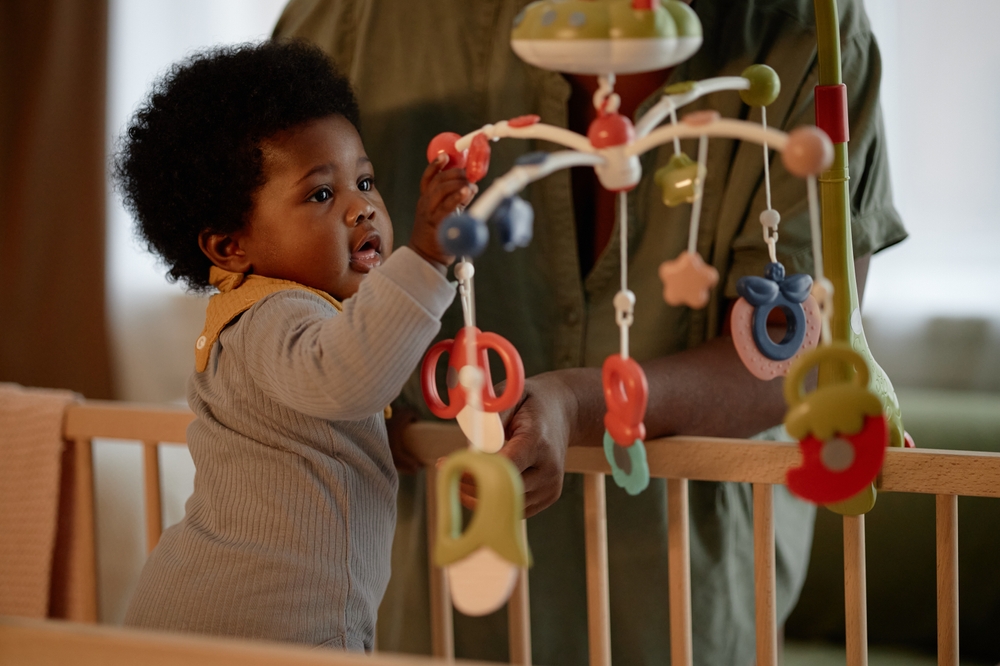
Image source: shutterstock.com

Parents put a lot of thought into the look of the nursery, from paint colors to wall decals and cozy rugs, especially if they chose a colorful nursery theme. You want the room to feel calm, happy, and special, but you may also wonder whether those choices actually affect how your baby behaves later on. Some experts suggest that color, lighting, and overall room design can influence mood, sleep, and attention, especially in the early years. At the same time, you do not need to panic if you chose a bold paint color or a busy pattern before you knew any of this. By understanding how your nursery setup might support or stress your child’s senses, you can make simple tweaks that protect behavioral development without redoing everything from scratch.

1. When a Colorful Nursery Theme Helps—and When It Overwhelms

In the first months, babies are drawn to high contrast and simple patterns, not just bright, busy walls. A room filled with strong colors, lots of decor, and constant visual stimulation can be exciting for a short visit, but tiring to live in all day. You might notice your baby turning away from certain corners, fussing more during diaper changes, or struggling to settle if there is too much to look at. On the flip side, a soft, cozy space with a few playful pops of color can make feeding, reading, and winding down feel easier for both of you. The key is watching your baby’s cues and being willing to adjust the environment if they seem more wired than relaxed in their room.

2. The Role of Light, Contrast, and Clutter

Light and clutter work together with color to shape how comfortable a space feels to a small child. Harsh overhead lighting, shiny surfaces, and too many things on the walls can keep little brains buzzing when they really need rest. Blackout curtains, a small lamp, and a few favorite wall pieces can make the room feel safe instead of overwhelming. Even if your budget is tight, simply removing extra posters, toys, or hanging decorations around your colorful nursery theme can reduce visual noise. Think of the room as a backdrop for your relationship with your baby, not a showroom that needs to impress anyone else.

3. How Personality and Sensory Needs Come Into Play

Two babies can react very differently to the exact same room setup. Some little ones seem energized and happy in a space with lots going on, while others startle easily or need more calm surroundings. If your child has a more sensitive nervous system, bright patterns and constant motion in the room may lead to extra fussiness, difficulty falling asleep, or clinginess. If they are more laid-back, they might be able to tune things out more easily, but that does not mean everything in the room works well for them. Pay attention to whether certain spots or times of day in the nursery—especially where your colorful nursery theme is most intense—consistently bring calm or chaos, and use those observations to guide small changes.

4. Smart Ways to Use Bold Colors Without Overdoing It

You do not have to give up bright colors altogether to support healthy behavior and sleep. Instead of painting every wall a loud shade, try using bold colors on one accent wall, a rug, or a few framed prints. This lets you enjoy a colorful nursery theme while keeping your baby’s main sleep and feeding areas a bit more neutral and soothing. You can also rotate eye-catching decor, such as mobiles or garlands, so there is always something interesting to look at without crowding the room. When you treat color as something you can dial up or down over time, the nursery becomes a flexible space that can change as your child grows.

5. Budget-Friendly Tweaks If the Room Feels Too Busy

If the room feels overstimulating, you do not need a full makeover or expensive new furniture. Start by removing a few wall hangings, extra stuffed animals, or bright storage bins, and see if the space feels calmer to you. You can soften strong colors by adding simple white or neutral bedding, plain curtains, or a larger rug that tones things down. Many parents find that they can keep the overall colorful nursery theme they love while using low-cost items like removable decals and fabric bins to create a more balanced look. Small shifts like these can make it easier for your child to wind down at bedtime and stay focused during play without straining your budget.

6. When to Talk With a Professional

Most of the time, nursery design tweaks are just one part of supporting your child’s behavior and emotional health. If you notice intense tantrums, constant sleep problems, or extreme sensitivity that does not improve when you simplify the room, it is wise to loop in your pediatrician. They can help rule out medical concerns, developmental differences, or anxiety that might need extra support. You can also share photos of the room and your observations so they understand the full picture of your child’s environment. Working with a professional does not mean you did anything wrong; it simply gives you more tools to help your child thrive.

Designing a Nursery That Supports Behavior, Not Perfection

The nursery does not need to look like a magazine spread to be a powerful support for your child’s development. What matters most is that the space feels safe, predictable, and calming to the little person who spends so much time there. When you stay curious about how your child responds to their colorful nursery theme and the rest of their surroundings, you can adjust color, light, and clutter in ways that fit their unique needs. Giving yourself permission to make simple, gradual changes also takes pressure off your budget and your expectations of yourself as a parent. By focusing on comfort and connection over perfection, you create a room where both you and your child can breathe easier and grow together.

Have you ever changed something in your nursery and noticed a difference in your child’s mood or sleep, even in a small way?

What to Read Next…

  • 6 Nursery Themes Perfect for a Baby Boy
  • 10 Things You’re Overspending On Because of Social Media Parenting Trends
  • 8 Nursery Ideas That’ll Make Your Friends Jealous
  • 10 Forgotten Baby Items That Are Still Lurking in Your House
  • 3 Tips for Transforming Your Nursery Into Your Baby’s Toddler Room
Catherine Reed
Catherine Reed

Catherine is a tech-savvy writer who has focused on the personal finance space for more than eight years. She has a Bachelor’s in Information Technology and enjoys showcasing how tech can simplify everyday personal finance tasks like budgeting, spending tracking, and planning for the future. Additionally, she’s explored the ins and outs of the world of side hustles and loves to share what she’s learned along the way. When she’s not working, you can find her relaxing at home in the Pacific Northwest with her two cats or enjoying a cup of coffee at her neighborhood cafe.


Filed Under: Baby Stuff Tagged With: baby room ideas, baby sleep, child behavior, early childhood development, nursery design, parenting on a budget, sensory-friendly spaces

Overwhelmed? 12 Essential Apps Every New Parent Needs Today

July 1, 2025 | Leave a Comment

Overwhelmed 12 Essential Apps Every New Parent Needs Today
123rf.com

From sleepless nights and endless diaper changes to tracking feeding times and growth charts, new parent life is beautiful—but chaotic. Thankfully, there are tools that can help take the pressure off your already busy brain. Whether you’re managing appointments, soothing a crying baby, or trying to remember which side you last breastfed on, the right apps can make a world of difference. The digital age has its perks, and with just a few taps, you can gain control, clarity, and even a little calm. These are the apps every new parent needs to simplify daily life and bring some sanity back to the journey.

1. Baby Tracker

Baby Tracker is one of the all-in-one apps every new parent needs to log feedings, diaper changes, sleep schedules, and more. It’s especially helpful for tracking patterns in those exhausting early weeks. You can also log pumping sessions, medications, milestones, and even temperature readings. The simple interface allows easy toggling between multiple caregivers. When your pediatrician asks how many wet diapers your baby had yesterday, you won’t be guessing.

2. The Wonder Weeks

Wondering why your usually calm baby is suddenly clingy and cranky? The Wonder Weeks app offers insight into developmental leaps based on your child’s due date. It helps parents understand brain growth patterns and emotional changes. This is one of the apps every new parent needs to help navigate the rollercoaster of early development. Plus, knowing a tough week has a scientific explanation makes it a little easier to handle.

3. Huckleberry

If you’re trying to create a sleep routine, Huckleberry is a game-changer. It combines sleep tracking with expert-backed nap and bedtime recommendations customized for your baby. The SweetSpot feature helps predict the best time to put your little one down without overtired battles. This is one of the sleep-focused apps every new parent needs to feel less like a zombie and more like a human. Better rest for baby means better rest for everyone.

4. Sound Sleeper

White noise works wonders for many babies, and Sound Sleeper offers a variety of calming sounds to choose from. Whether it’s ocean waves, vacuum cleaner hum, or lullabies, this app creates a comforting sound environment for sleep. You can set timers, use live monitoring, or even record your own calming message. It’s one of the soothing apps every new parent needs for naps, bedtime, or car rides. Best of all, it’s portable and free.

5. Baby Connect

If you like data and detailed tracking, Baby Connect is the app for you. It offers extensive customization for everything from weight and growth charts to solid food tracking and doctor appointments. It syncs across multiple devices, so everyone caring for your baby stays updated in real time. This is one of the more comprehensive apps every new parent needs when organization is your love language. It’s particularly great for families with nannies, babysitters, or co-parenting arrangements.

6. Cozi Family Organizer

Juggling pediatrician visits, grocery lists, and work schedules? Cozi helps families stay in sync with shared calendars, to-do lists, and meal plans. Each member of your household can access it to coordinate tasks, appointments, or even dinner plans. This is one of the must-have apps every new parent needs when multitasking becomes your full-time job. It also sends helpful reminders so nothing slips through the cracks.

7. Peanut

Feeling isolated or in need of mom friends who get it? Peanut is a social networking app that connects moms with others in their area who have similar interests or kids the same age. Think of it as Tinder for motherhood—with friendship as the goal. It’s one of the supportive apps every new parent needs when adult conversation is in short supply. You’re not alone, and this app proves it.

8. Pump Log

Exclusively pumping or managing breast milk storage? Pump Log tracks pumping sessions, milk output, and freezer stash over time. You can set goals, monitor your daily averages, and calculate when you might be able to wean the pump. This is one of the essential apps every new parent needs if pumping is part of your daily routine. Data equals motivation, especially on hard days.

9. BabySparks

BabySparks delivers daily age-appropriate activities to help your child hit developmental milestones through play. It includes instructional videos and tracks progress in motor skills, language, and more. This is one of the educational apps every new parent needs to support growth while having fun. It also gives you peace of mind that playtime is productive.

10. Glow Baby

Glow Baby simplifies daily care with beautiful tracking tools for feeding, diapering, growth, and sleep. It also includes expert articles and a supportive community forum. This is one of the visually clean, user-friendly apps every new parent needs for organized record keeping. Bonus: it syncs with partners to keep both parents in the loop.

11. Tinybeans

Want to share baby photos without social media overload? Tinybeans is a private photo-sharing app that lets you create a digital journal of your child’s growth and memories. Only invited friends and family can view your updates. It’s one of the memory-saving apps every new parent needs to preserve those fleeting firsts. No filters or hashtags required.

12. ChatterBaby

ChatterBaby uses AI to analyze your baby’s cries and identify whether they may be hungry, fussy, or in pain. Developed by UCLA, it helps new parents learn what their baby’s cries really mean. This is one of the more high-tech apps every new parent needs in those confusing first months. Even if it’s not perfect, it can give you a confidence boost when interpreting those shrieks.

A Little Tech Goes a Long Way

No app can replace your instincts or your love—but the right tools can ease stress, improve routines, and give you back a bit of control. These are the apps every new parent needs to navigate the early years with a little less chaos and a lot more support. Pick the ones that fit your family best and feel free to delete the rest. Sometimes, peace of mind is just a download away.

Which of these apps made your new-parent life easier? Or do you have a go-to app we missed? Share your must-haves in the comments!

Read More:

5 Free Budgeting Apps For Kids to Learn About Money

17 Innovative Apps Every Modern Parent Should Know About

Catherine Reed
Catherine Reed

Catherine is a tech-savvy writer who has focused on the personal finance space for more than eight years. She has a Bachelor’s in Information Technology and enjoys showcasing how tech can simplify everyday personal finance tasks like budgeting, spending tracking, and planning for the future. Additionally, she’s explored the ins and outs of the world of side hustles and loves to share what she’s learned along the way. When she’s not working, you can find her relaxing at home in the Pacific Northwest with her two cats or enjoying a cup of coffee at her neighborhood cafe.

Filed Under: Parenting Tagged With: apps every new parent needs, baby development, baby sleep, baby tracker, digital parenting, mom life, new parent tips, newborn tools, parenting apps, parenting support

7 Tools to Use When Your Baby Won’t Sleep Through the Night

April 24, 2025 | Leave a Comment

Sleeping baby curled on a moon pillow with stars and clouds
Image Source: Unsplash

Parenting is filled with blissful moments—and plenty of sleepless nights. If your baby won’t sleep through the night, you might feel like you’re running on caffeine and hope. While every child is different, these seven research‑backed tools can make the exhausting phase easier for everyone.

1. Try the Chair Method for Gentle Independence

The Chair Method builds self‑soothing skills gradually. Sit silently beside the crib on the first night, then move the chair farther away each evening until you’re outside the room. This slow approach helps babies learn to fall asleep without abrupt “cry‑it‑out” transitions.

2. Establish a Consistent Bedtime Routine

A predictable sequence cues the brain to release melatonin—the sleep hormone—at the same time every night.

  1. Wind-down (20 min): Dim lights, turn off screens, and play calming music.
  2. Warm bath (10 min): The post-bath drop in body temperature signals “sleep time” to the nervous system.
  3. PJs & diaper check (5 min).
  4. Feed & burp (10 min): Keep lights low; end the feed slightly before baby nods off.
  5. Story or lullaby (5 min).
  6. Crib while drowsy, not asleep.

Consistency—not length—matters most. If travel or illness disrupts the cadence, resume the same order as soon as possible so the neural association stays intact.

3. Optimize the Sleep Environment

A few environment tweaks can add precious minutes (or hours) of uninterrupted rest.

  • Safety musts: Firm mattress, fitted sheet, and no loose blankets until at least 12 months. Always place your baby on their back in a CPS-approved crib.
  • Temperature: 68–72 °F (20–22 °C) is ideal; hotter rooms increase wakefulness.
  • Light: Blackout curtains plus a dim red night light protect melatonin production.
  • Sound: A steady 50-60 dB white-noise machine masks household clatter and soothes babies who miss womb-like whooshing.

4. Encourage Self‑Soothing

Rushing in at every peep teaches your baby that full assistance arrives instantly. Instead:

  1. Pause: Wait 60–90 seconds before intervening. Many babies resettle within that window.
  2. Check-and-console: Enter, offer a gentle pat and soft voice, avoid picking up unless truly needed.
  3. Gradually extend pauses by 30 seconds every few nights.

Alternate “pick-up/put-down” for younger babies: hold until calm, crib when drowsy, repeat. The goal is to let the baby finish the job of falling asleep solo.

Baby lying in bed with a pacifier, holding a toy at night
Image Source: Unsplash

5. Minimize Stimulation at Night

Night wakings for feeds or diaper changes are inevitable, but you can keep them brief and boring.

  • No play: Skip toys and eye contact. Interaction triggers cortisol and playfulness—exactly what you don’t want at 3 a.m.
  • Lighting: Use a motion-activated 5-watt amber bulb; blue light can fully rouse both of you.
  • Voice: Whispers only. Reserve coos and chatter for daylight.
  • Touch: Slow, purposeful movements; avoid tickling or vigorous burping unless the baby is uncomfortable.

6. Respect Age‑Appropriate Awake Windows

Tired cues—rubbing eyes, zoning out—signal it’s time to sleep. Newborns need rest after 45 min to 1 hr; older infants last 1.5–3 hrs. Putting baby down before overtiredness sets in can prevent late‑night wake‑ups.

7. Stay Patient and Flexible

Sleep regressions at 4, 8, and 12 months, teething, illness, and developmental leaps can all cause setbacks. When progress stalls:

  • Re-anchor routines rather than introducing drastic new methods.
  • Offer extra comfort during illness but return to baseline as soon as baby is well.
  • Lean on help: Trade nights with a partner, nap when baby naps, or enlist a relative for a few hours so you can reset.

Sleep is not a performance test—it’s a developmental milestone that arrives at different times for different children.

You’re Not Failing—You’re Figuring It Out

Night waking doesn’t mean you’re doing anything wrong. With patience, consistency, and the right tools, better sleep will come. Share your own sleepy‑time tips in the comments—another tired parent will thank you.

Read More

  • Affording Children’s Gifts and Toys
  • Tips on Buying Gifts for Twins
Samantha Warren
Samantha

Samantha Warren is a holistic marketing strategist with 8+ years of experience partnering with startups, Fortune 500 companies, and everything in between. With an entrepreneurial mindset, she excels at shaping brand narratives through data-driven, creative content. When she’s not working, Samantha loves to travel and draws inspiration from her trips to Thailand, Spain, Costa Rica, and beyond.

Filed Under: Parenting Tagged With: baby sleep, baby won’t sleep through the night, infant sleep strategies, new‑parent help | Parenting, parenting tips, sleep training

Is the ‘Cry It Out’ Method Cruel or Effective?

March 28, 2025 | Leave a Comment

Crying newborn baby (Japanese baby girl)
Image Source: 123rf.com

The debate over the ‘Cry It Out’ (CIO) method of sleep training has polarized parents and experts for years. This technique, which involves letting a baby cry for controlled periods to encourage self-soothing, has both ardent supporters and strong critics.

Advocates say CIO leads to better sleep patterns and improved parental well-being, while detractors worry about potential emotional harm to the infant. In this article, we delve into the research, benefits, and criticisms of the CIO method, offering insights to help you decide what’s best for your family. By understanding both sides of the debate, you can make an informed decision tailored to your child’s needs.

Understanding the CIO Method

The Cry It Out method involves allowing a baby to cry for set intervals before offering comfort. This approach is based on the idea that babies will eventually learn to self-soothe and fall asleep on their own. Proponents point to studies showing that CIO can improve sleep duration and quality for both infants and parents. It is typically recommended to begin this method when a baby is between 4 and 6 months old. Experts stress that consistency and a gradual increase in waiting time are key elements for success.

Benefits Reported by Advocates

Many parents report that CIO significantly improves sleep patterns, benefiting both the child and the entire family. Better sleep can lead to improved mood, increased energy, and reduced stress levels for parents. Some studies indicate that sleep training methods like CIO do not have long-term negative effects on emotional development. The quick results achieved by this method are often cited as a major advantage. Additionally, a well-rested baby can be more alert and content during waking hours, contributing to overall development.

Criticisms and Concerns

Critics of the CIO method argue that allowing a baby to cry without immediate comfort can cause emotional distress. Some worry that prolonged crying may lead to elevated stress hormone levels in infants. There are concerns about potential impacts on the child’s attachment and trust with caregivers. Parents who are uncomfortable with listening to their baby cry may find the method emotionally challenging. These concerns have led some experts to recommend gentler sleep training alternatives that focus on gradual soothing.

Alternative Sleep Training Methods

Sleeping Baby
Image Source: 123rf.com

For parents seeking less stressful alternatives, several gentler sleep training methods are available. The Pick-Up/Put-Down method involves comforting the baby before returning them to their crib, gradually reducing the need for intervention. The Chair Method allows parents to remain present while slowly distancing themselves over time. Gradual extinction methods help minimize crying while still promoting independent sleep. Each alternative offers a different balance between parental involvement and fostering self-soothing skills.

What Research Tells Us

Scientific studies on the CIO method present mixed findings, with some showing no long-term negative effects and others urging caution. Research published in reputable journals indicates that, when implemented correctly, CIO does not harm the parent-child bond. However, the variability in individual child temperament means that one method may work well for some but not for others. It is important to review multiple studies and consider your child’s unique needs. Informed decision-making requires balancing empirical evidence with your parental instincts.

Making the Best Decision for Your Family

Ultimately, choosing a sleep training method should be based on your child’s temperament and your comfort level as a parent. Reflect on your family’s values, your baby’s responses, and your own emotional well-being. Consulting with your pediatrician can provide personalized advice tailored to your situation. It is also helpful to speak with other parents who have tried different methods. The goal is to ensure a restful night for everyone without compromising the emotional health of your baby.

Have you tried the Cry It Out method, or do you prefer a gentler approach? What challenges have you faced in establishing a sleep routine for your baby? Share your experiences, tips, and questions in the comments below to help other parents navigate this challenging decision.

Read More:

When A Child Bumps Their Head to Go to Sleep, Here’s What It Means

Doctors Swear by These 7 Baby Sleep Hacks—And They Actually Work

Tamila McDonald
Tamila McDonald

Tamila McDonald is a U.S. Army veteran with 20 years of service, including five years as a military financial advisor. After retiring from the Army, she spent eight years as an AFCPE-certified personal financial advisor for wounded warriors and their families. Now she writes about personal finance and benefits programs for numerous financial websites.

Filed Under: Parenting Tagged With: baby sleep, Childcare, Cry It Out, infant sleep, parenting methods, sleep training

Doctors Swear by These 7 Baby Sleep Hacks—And They Actually Work

March 23, 2025 | Leave a Comment

Laughing, smiling  little newborn baby boy sleeping in white blanket, lying on bed.
Image Source: 123rf.com

When you’re a sleep-deprived parent running on fumes and cold coffee, getting your baby to sleep can feel like solving a mystery with no clues. Every baby is different, but pediatricians and sleep experts agree on a few tried-and-true techniques that actually work. These aren’t just recycled internet tips—they’re backed by science and used by professionals who help babies sleep better every day. If you’ve tried everything and nothing sticks, these hacks might be your game-changer. Here are seven doctor-approved baby sleep strategies that work for real families.

Establish a Predictable Bedtime Routine

Doctors emphasize that babies thrive on routine, especially when it comes to sleep. Creating a simple, calming ritual—like bath time, followed by a lullaby and cuddles—helps signal to your baby that it’s time to wind down. Repeating the same pattern every night conditions their brain to associate these actions with sleep. Keep it quiet and consistent, avoiding bright lights or screen time before bed. The more predictable bedtime becomes, the less resistance you’ll face.

Use White Noise Strategically

White noise mimics the comforting sounds babies hear in the womb, making it easier for them to fall—and stay—asleep. Pediatricians often recommend a white noise machine to drown out household sounds or street noise that could jolt your baby awake. Just be sure to place the device at a safe distance from the crib and keep the volume under 50 decibels. Don’t worry about creating a “dependency”—many babies naturally wean off it as they grow. For now, if it helps your little one sleep, it’s worth using.

Respect Wake Windows (And Don’t Wait Too Long)

Many parents wait until their baby is rubbing eyes or yawning to start bedtime, but doctors say that might be too late. Once babies get overtired, their cortisol spikes, making it harder for them to settle down. Knowing your baby’s ideal wake window based on their age can prevent this struggle. For example, newborns may only tolerate 45–90 minutes of wake time, while older babies might go two to three hours. Timing naps and bedtime around these windows can improve sleep quality dramatically.

Don’t Rush to Pick Them Up

cute newborn baby girl in the bed
Image Source: 123rf.com

It’s natural to want to soothe your baby the second you hear a whimper, but sleep experts say pausing can be helpful. Babies, especially in lighter stages of sleep, often stir, fuss, or cry briefly before settling back down. By rushing in too quickly, you might actually wake them fully. Doctors suggest giving your baby a minute or two to see if they self-soothe. You’re not ignoring them—you’re giving them a chance to develop healthy sleep habits.

Keep Day and Night Clearly Separate

Newborns don’t know the difference between day and night, but you can teach them. During the day, keep the lights bright, talk to your baby often, and don’t tiptoe around. At night, keep things dim, quiet, and low-key—even during feedings or diaper changes. Doctors recommend avoiding eye contact at night to signal that it’s not time to play. This helps regulate their internal clock and supports better nighttime sleep.

Try a Dream Feed

For babies who wake up hungry during the night, some pediatricians recommend a “dream feed.” This involves gently feeding your baby while they’re still partially asleep, usually between 10 p.m. and midnight. The goal is to fill their belly before they hit their longest sleep stretch, helping them (and you) rest longer. Not all babies respond to this technique, but it’s worth trying if your child consistently wakes from hunger. Make sure they’re still upright and burped afterward to avoid gas.

Make the Crib a Sleep-Only Zone

Sleep experts agree: the crib should be a space dedicated to rest. Avoid using it for playtime or time-outs, as this can create mixed associations. Keeping the crib strictly for sleep helps your baby mentally link it with relaxation and rest. Doctors also stress the importance of a safe sleep environment—firm mattress, no loose blankets or toys, and baby on their back. Consistency here builds a stronger sleep routine and ensures safety, too.

 Sleep Success Starts With Simplicity

You don’t need fancy gadgets or complicated sleep schedules to help your baby rest better. The best advice often comes from experts who’ve studied infant sleep for years—and their strategies focus on consistency, awareness, and comfort. By tuning into your baby’s needs while implementing these proven tips, you’ll likely see major improvements. Sleep isn’t just a dream—it’s a skill, and like any skill, it gets better with the right support. Your well-rested baby (and your well-rested self) will thank you.

Which of these sleep hacks have you tried—or are planning to try tonight? Let us know in the comments and share what’s worked for you.

Read More:

14 Things We Used to Do at Sleepovers That Kids Today Would Find Bizarre
10 Ways To Get Your Newborn To Sleep Through The Night

Latrice Perez

Latrice is a dedicated professional with a rich background in social work, complemented by an Associate Degree in the field. Her journey has been uniquely shaped by the rewarding experience of being a stay-at-home mom to her two children, aged 13 and 5. This role has not only been a testament to her commitment to family but has also provided her with invaluable life lessons and insights.  As a mother, Latrice has embraced the opportunity to educate her children on essential life skills, with a special focus on financial literacy.

Filed Under: Money and Finances Tagged With: baby sleep, baby sleep schedule, infant sleep hacks, new parent survival, newborn sleep advice, pediatrician tips, sleep training, white noise

  • Facebook
  • Pinterest
  • RSS
  • Twitter

Basic Principles Of Good Parenting

Here some basic principles for good parenting:

  1. What You Do Matters: Your kids are watching you. So, be purposeful about what you want to accomplish.
  2. You Can’t be Too Loving: Don’t replace love with material possessions, lowered expectations or leniency.
  3. Be Involved Your Kids Life: Arrange your priorities to focus on what your kid’s needs. Be there mentally and physically.
  4. Adapt Your Parenting: Children grow quickly, so keep pace with your child’s development.
  5. Establish and Set Rules: The rules you set for children will establish the rules they set for themselves later.  Avoid harsh discipline and be consistent.
  6. Explain Your Decisions: What is obvious to you may not be evident to your child. They don’t have the experience you do.
  7. Be Respectful To Your Child: How you treat your child is how they will treat others.  Be polite, respectful and make an effort to pay attention.
Best Parenting Blogs

Most Popular

Baby

9 Unusual Baby Names That Sound Like They Belong to Future CEOs

Evan Morgan
Baby

10 Baby Names That Were Once Considered “Grandparent Names” but Feel Cool Again

Evan Morgan
Target Store

Choking Incident Prompts Recall of 49,000 Target Gigglescape “Under the Sea” Popping Toys

Evan Morgan
Frustrated Girl

Why Some Students on the Spectrum Are Labeled With ODD

Evan Morgan
Coke Bottles

12 Things Kids Took to School in the ’70s That Would Never Be Allowed Today

Evan Morgan

All content on Kids Ain’t Cheap is for entertainment purposes only. By reading this blog, you agree that Kids Ain’t Cheap is not responsible for any actions taken after reading this blog. For the full disclaimer, see our privacy policy.

Please note that Kids Ain’t Cheap has financial relationships with some of the merchants mentioned here. Kids Ain’t Cheap is funded by banner advertising, commission sales and search optimization consulting.

Copyright © 2006–2026 | District Media | All Rights Reserved | Privacy Policy

Copyright © 2026 Runway Pro Theme by Viva la Violette