• Home
  • About Us
  • Toolkit
  • Archives
  • Advertise
  • Privacy Policy

Kids Ain't Cheap

But They Sure Are Worth It

  • Parenting
    • Baby Stuff
    • Books and Reading
      • Aesops Fables
      • Comic Books
    • Education
    • Family Time
    • Green Living
    • Growing Up
    • Healthy Living & Eating
    • Holidays
    • Parenting
    • Random Musings
    • Shopping
    • Stuff to Do
  • Money
  • Product Reviews
    • Books and Magazines
    • Discount Sites
    • Furniture
    • House Keeping
    • Reviews News
    • Toys and Games
  • Contact Us
  • Our Editorial Commitment
  • Search

Could That Colorful Nursery Theme Impact Behavioral Development?

November 29, 2025 | Leave a Comment

Could That Colorful Nursery Theme Impact Behavioral Development?
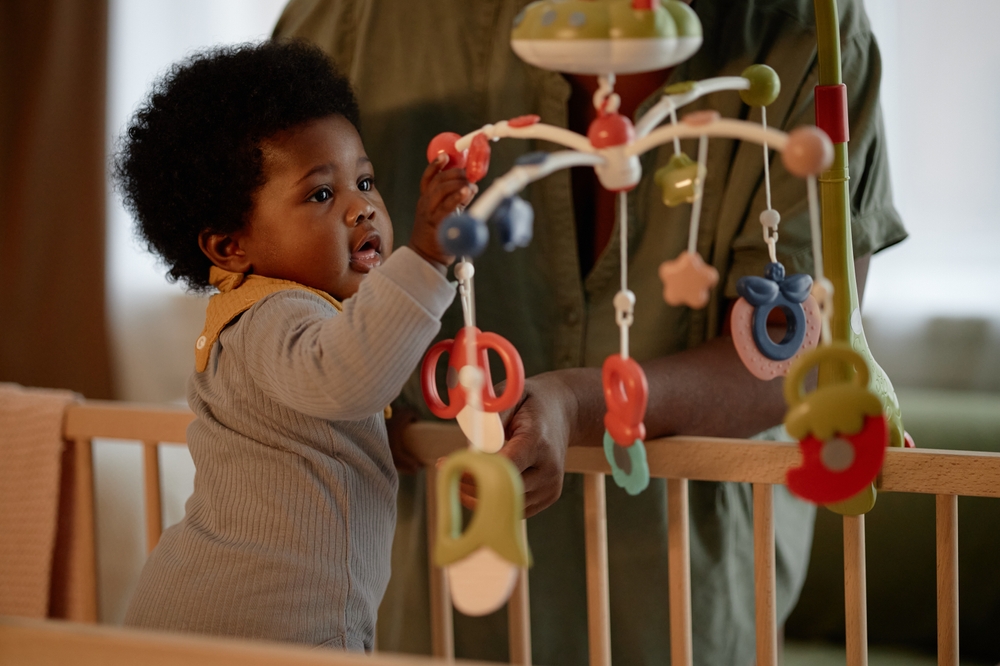
Image source: shutterstock.com

Parents put a lot of thought into the look of the nursery, from paint colors to wall decals and cozy rugs, especially if they chose a colorful nursery theme. You want the room to feel calm, happy, and special, but you may also wonder whether those choices actually affect how your baby behaves later on. Some experts suggest that color, lighting, and overall room design can influence mood, sleep, and attention, especially in the early years. At the same time, you do not need to panic if you chose a bold paint color or a busy pattern before you knew any of this. By understanding how your nursery setup might support or stress your child’s senses, you can make simple tweaks that protect behavioral development without redoing everything from scratch.

1. When a Colorful Nursery Theme Helps—and When It Overwhelms

In the first months, babies are drawn to high contrast and simple patterns, not just bright, busy walls. A room filled with strong colors, lots of decor, and constant visual stimulation can be exciting for a short visit, but tiring to live in all day. You might notice your baby turning away from certain corners, fussing more during diaper changes, or struggling to settle if there is too much to look at. On the flip side, a soft, cozy space with a few playful pops of color can make feeding, reading, and winding down feel easier for both of you. The key is watching your baby’s cues and being willing to adjust the environment if they seem more wired than relaxed in their room.

2. The Role of Light, Contrast, and Clutter

Light and clutter work together with color to shape how comfortable a space feels to a small child. Harsh overhead lighting, shiny surfaces, and too many things on the walls can keep little brains buzzing when they really need rest. Blackout curtains, a small lamp, and a few favorite wall pieces can make the room feel safe instead of overwhelming. Even if your budget is tight, simply removing extra posters, toys, or hanging decorations around your colorful nursery theme can reduce visual noise. Think of the room as a backdrop for your relationship with your baby, not a showroom that needs to impress anyone else.

3. How Personality and Sensory Needs Come Into Play

Two babies can react very differently to the exact same room setup. Some little ones seem energized and happy in a space with lots going on, while others startle easily or need more calm surroundings. If your child has a more sensitive nervous system, bright patterns and constant motion in the room may lead to extra fussiness, difficulty falling asleep, or clinginess. If they are more laid-back, they might be able to tune things out more easily, but that does not mean everything in the room works well for them. Pay attention to whether certain spots or times of day in the nursery—especially where your colorful nursery theme is most intense—consistently bring calm or chaos, and use those observations to guide small changes.

4. Smart Ways to Use Bold Colors Without Overdoing It

You do not have to give up bright colors altogether to support healthy behavior and sleep. Instead of painting every wall a loud shade, try using bold colors on one accent wall, a rug, or a few framed prints. This lets you enjoy a colorful nursery theme while keeping your baby’s main sleep and feeding areas a bit more neutral and soothing. You can also rotate eye-catching decor, such as mobiles or garlands, so there is always something interesting to look at without crowding the room. When you treat color as something you can dial up or down over time, the nursery becomes a flexible space that can change as your child grows.

5. Budget-Friendly Tweaks If the Room Feels Too Busy

If the room feels overstimulating, you do not need a full makeover or expensive new furniture. Start by removing a few wall hangings, extra stuffed animals, or bright storage bins, and see if the space feels calmer to you. You can soften strong colors by adding simple white or neutral bedding, plain curtains, or a larger rug that tones things down. Many parents find that they can keep the overall colorful nursery theme they love while using low-cost items like removable decals and fabric bins to create a more balanced look. Small shifts like these can make it easier for your child to wind down at bedtime and stay focused during play without straining your budget.

6. When to Talk With a Professional

Most of the time, nursery design tweaks are just one part of supporting your child’s behavior and emotional health. If you notice intense tantrums, constant sleep problems, or extreme sensitivity that does not improve when you simplify the room, it is wise to loop in your pediatrician. They can help rule out medical concerns, developmental differences, or anxiety that might need extra support. You can also share photos of the room and your observations so they understand the full picture of your child’s environment. Working with a professional does not mean you did anything wrong; it simply gives you more tools to help your child thrive.

Designing a Nursery That Supports Behavior, Not Perfection

The nursery does not need to look like a magazine spread to be a powerful support for your child’s development. What matters most is that the space feels safe, predictable, and calming to the little person who spends so much time there. When you stay curious about how your child responds to their colorful nursery theme and the rest of their surroundings, you can adjust color, light, and clutter in ways that fit their unique needs. Giving yourself permission to make simple, gradual changes also takes pressure off your budget and your expectations of yourself as a parent. By focusing on comfort and connection over perfection, you create a room where both you and your child can breathe easier and grow together.

Have you ever changed something in your nursery and noticed a difference in your child’s mood or sleep, even in a small way?

What to Read Next…

  • 6 Nursery Themes Perfect for a Baby Boy
  • 10 Things You’re Overspending On Because of Social Media Parenting Trends
  • 8 Nursery Ideas That’ll Make Your Friends Jealous
  • 10 Forgotten Baby Items That Are Still Lurking in Your House
  • 3 Tips for Transforming Your Nursery Into Your Baby’s Toddler Room
Catherine Reed
Catherine Reed

Catherine is a tech-savvy writer who has focused on the personal finance space for more than eight years. She has a Bachelor’s in Information Technology and enjoys showcasing how tech can simplify everyday personal finance tasks like budgeting, spending tracking, and planning for the future. Additionally, she’s explored the ins and outs of the world of side hustles and loves to share what she’s learned along the way. When she’s not working, you can find her relaxing at home in the Pacific Northwest with her two cats or enjoying a cup of coffee at her neighborhood cafe.

Filed Under: Baby Stuff Tagged With: baby room ideas, baby sleep, child behavior, early childhood development, nursery design, parenting on a budget, sensory-friendly spaces

9 Ways to Encourage Independent Play (So You Can Finally Pee Alone)

June 29, 2025 | Leave a Comment

9 Ways to Encourage Independent Play So You Can Finally Pee Alone
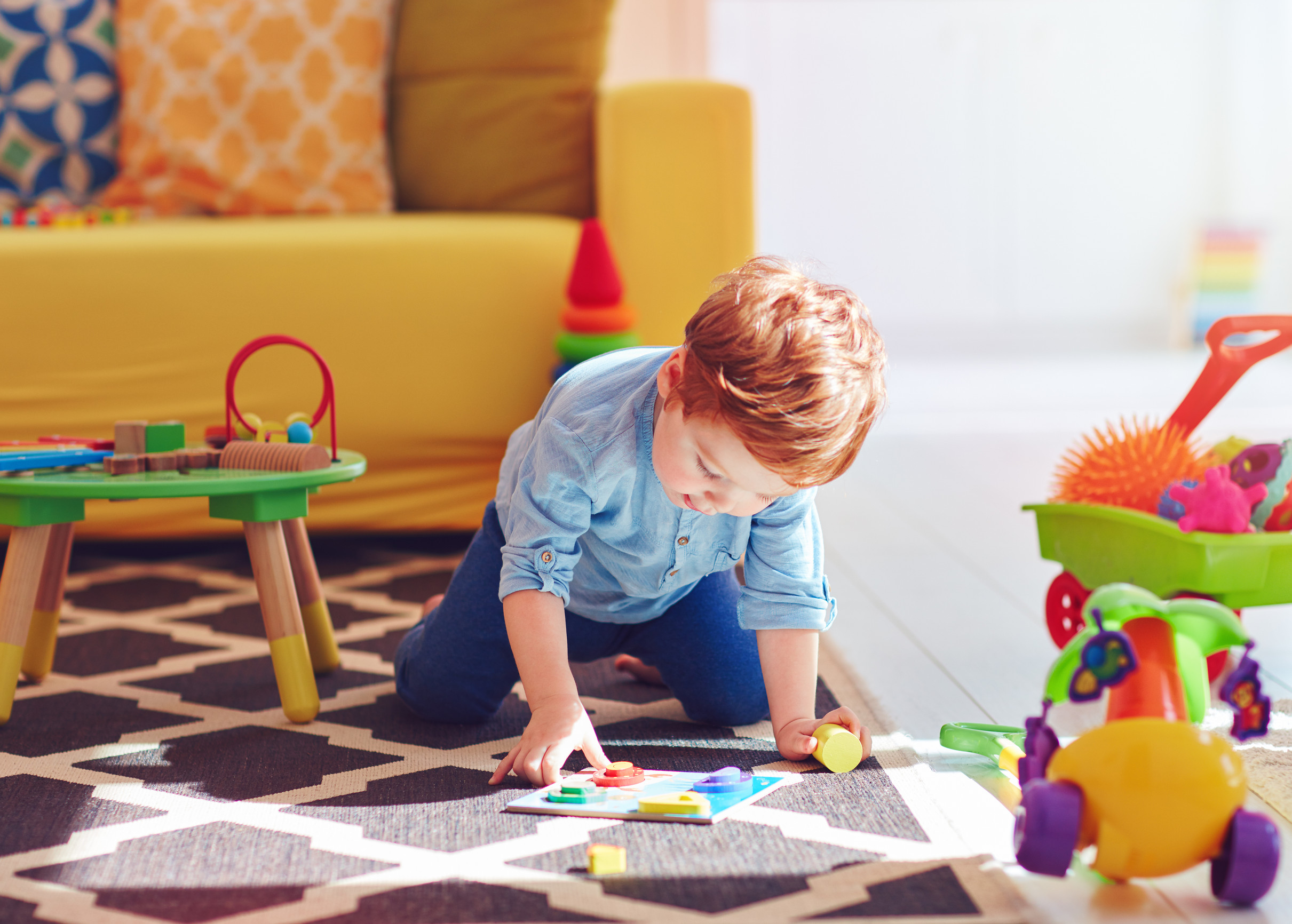
123rf.com

If you’ve ever tried to sneak off to the bathroom only to find tiny fingers wiggling under the door, you’re not alone. The dream of peeing in peace feels like a far-off fantasy for many parents of young kids. But here’s the good news—when you encourage independent play, you’re not only giving yourself a breather, you’re also helping your child build essential skills like creativity, problem-solving, and self-confidence. Independent play isn’t just a break for you, it’s a gift for them. These nine tried-and-true strategies can help you reclaim five quiet minutes (or maybe even ten) without guilt or a clingy sidekick.

1. Start with Short, Realistic Goals

Expecting your child to entertain themselves for an hour out of the gate isn’t realistic. Start small by giving them five to ten minutes of solo play, then gradually increase the time. Setting a timer can help them know what to expect and give them a set break. Keep your expectations low at first so you can build confidence. Learning how to play alone is a skill, and like any skill, it takes time and practice.

2. Create a Safe and Inviting Play Space

A child is more likely to engage in solo play if their environment feels secure and interesting. Designate a play area that’s safe for exploration without constant supervision, and stock it with age-appropriate toys that don’t need adult help. Keep it clutter-free so they’re not overwhelmed with too many choices. A cozy rug, a few baskets, and some well-loved toys go a long way. When kids feel ownership over their space, they’re more likely to stay engaged.

3. Rotate Toys to Keep Things Fresh

One of the easiest ways to encourage independent play is by rotating toys regularly. Too many options can be overwhelming, but reintroducing forgotten favorites can spark curiosity all over again. Store some toys out of sight and swap them every few weeks. It keeps their interest high without the need for new purchases. This simple trick can breathe new life into even the most ignored playthings.

4. Use Open-Ended Toys

Toys that do all the talking (literally) don’t leave much room for imagination. Open-ended toys like blocks, dolls, magnetic tiles, or pretend food encourage kids to build, create, and narrate their own stories. These types of toys are gold when you want to encourage independent play that lasts longer than two minutes. The less the toy does, the more your child’s brain has to do. And that’s exactly the kind of deep play you’re hoping for.

5. Encourage “Boredom”

It may feel counterintuitive, but boredom is often the gateway to independent play. When you resist the urge to offer entertainment immediately, kids have the opportunity to create their own fun. Give them time and space to figure it out—even if they whine a little at first. You’re teaching them that it’s okay to be bored, and even better, that they can solve that boredom on their own. That’s a lifelong skill worth developing early.

6. Play With Them First, Then Step Back

Some kids need a little warm-up before diving into solo play. Spend five to ten minutes playing with them to help them settle into a story or activity. Then, quietly excuse yourself while they’re still engaged. Say something like, “I love what you’re building—keep working while I grab a snack.” This approach creates a gentle transition and makes the idea of playing alone feel less abrupt. It’s a simple but effective way to encourage independent play without a full-on exit.

7. Use Independent Play Time Strategically

Timing matters when it comes to solo play. Try scheduling it for times when your child isn’t hungry, overtired, or cranky. Mid-morning or just after a snack often works best. Pair it with a predictable routine so it becomes part of their daily rhythm. When kids know what to expect, they’re more likely to cooperate.

8. Offer Positive Reinforcement

Celebrate their independent play with praise that focuses on effort and creativity. Say things like, “You came up with such a cool idea!” or “I love how focused you were on that puzzle.” Positive attention reinforces the behavior you want to see more of. Over time, your child will feel more confident and motivated to continue playing solo. Encouragement goes a long way in making them feel proud of their independence.

9. Don’t Interrupt When They’re Focused

When your child finally gets in the zone, resist the urge to step in with suggestions or commentary. Independent play thrives on uninterrupted concentration. If they’re happily immersed in stacking blocks or role-playing with stuffed animals, just let them be. Interruptions—even well-meaning ones—can snap them out of their creative flow. Give them space and watch their imagination take over.

Peace and Pee Breaks Can Coexist

When you encourage independent play, you’re creating moments of freedom not just for yourself but for your child, too. They get to explore their own ideas, solve problems, and discover what makes them tick—all while you finally get a second to breathe, sip your coffee, or yes, pee in peace. It won’t happen overnight, but with consistency, a little patience, and the right environment, independent play can become a part of your everyday parenting toolkit.

What’s your go-to strategy for encouraging independent play? Share your favorite tips (or your funniest solo play fails) in the comments!

Read More:

10 Screen-Free Activities to Keep Kids Entertained

9 Ways to Encourage Creativity in Kids

Catherine Reed
Catherine Reed

Catherine is a tech-savvy writer who has focused on the personal finance space for more than eight years. She has a Bachelor’s in Information Technology and enjoys showcasing how tech can simplify everyday personal finance tasks like budgeting, spending tracking, and planning for the future. Additionally, she’s explored the ins and outs of the world of side hustles and loves to share what she’s learned along the way. When she’s not working, you can find her relaxing at home in the Pacific Northwest with her two cats or enjoying a cup of coffee at her neighborhood cafe.

Filed Under: Parenting Tagged With: early childhood development, encourage independent play, independent play for kids, parenting tips, peaceful parenting, real-life parenting, solo play, toddler play ideas

10 Empowering Things to Teach Your Baby Girl from the Start

June 12, 2025 | Leave a Comment

10 Empowering Things to Teach Your Baby Girl from the Start
Image Source: 123rf.com

Even before your baby girl takes her first steps or speaks her first words, the foundation for her confidence, values, and worldview is already taking shape. From the way you speak to her to the examples you set, your everyday choices help shape the strong, capable person she will grow into. While the world may try to limit her, your job as a parent is to expand what she believes is possible. These empowering things to teach your baby girl from the start can spark resilience, curiosity, and self-worth long before she fully understands the words. Small lessons now can lead to big impact later—and it all begins at home.

1. Her Voice Matters

Teach your baby girl that her thoughts, sounds, and expressions are worth listening to. Respond to her babbles, encourage her gestures, and celebrate her attempts to communicate. When she sees that her voice is acknowledged, she learns that it has value. This early reinforcement lays the groundwork for self-advocacy and confidence in speaking up. Empowering things to teach your baby girl often start with simply letting her know she’ll be heard.

2. She Is Strong

Strength isn’t just about physical toughness—it’s also about persistence, courage, and spirit. Encourage her efforts when she’s learning to crawl, walk, or solve simple problems. Celebrate her determination rather than just the outcome. When she falls, remind her she can get back up and try again. Teaching resilience is one of the most empowering things to teach your baby girl because it fuels a lifetime of confidence.

3. Kindness Is Power

Kindness should never be mistaken for weakness. From a young age, model empathy and compassion in your own actions. Show her how to be gentle with pets, respectful to others, and generous with love. When you demonstrate kindness as a strength, she learns it’s something to be proud of. Among the empowering things to teach your baby girl, empathy holds lasting value.

4. She Can Like What She Likes

Whether she’s drawn to trucks, tutus, dinosaurs, or dolls, support her interests without labeling them as “girly” or “boyish.” Let her explore freely and celebrate her passions, whatever they may be. This kind of freedom gives her permission to be her true self without apology. Empowering things to teach your baby girl include helping her trust her own preferences—not just what others expect. Confidence grows when she feels accepted for who she is.

5. Her Body Belongs to Her

Teaching body autonomy starts early. Even with babies, it’s important to respect boundaries—like asking before tickling or letting them say no to a hug. Use proper names for body parts and create an open, safe environment for questions as she grows. These early lessons will help her understand consent and self-respect. Empowering things to teach your baby girl include the right to set boundaries and say no.

6. Mistakes Help Us Grow

Nobody gets everything right the first time, and that’s okay. Help her understand that falling, fumbling, and failing are all part of learning. Instead of saying “You’re wrong,” try saying, “Let’s try that a different way.” Celebrate the effort, not just the success. One of the most empowering things to teach your baby girl is that mistakes are stepping stones, not roadblocks.

7. Curiosity Is a Superpower

Encourage her to ask questions, explore her environment, and touch everything safely within reach. Read often, narrate your routines, and let her engage with the world around her. Curiosity is the spark behind creativity, innovation, and learning. Show her that being curious is something to celebrate, not stifle. Teaching curiosity is one of those empowering things to teach your baby girl that fuels a lifelong love of discovery.

8. Feelings Are Okay

Big emotions are part of being human—even for babies. Instead of shushing her cries or brushing off her frustration, acknowledge what she’s feeling. Teach her the words for emotions and validate them without judgment. This builds emotional intelligence and helps her feel secure in expressing herself. Helping her navigate her feelings is one of the most empowering things to teach your baby girl in a world that often silences emotion.

9. Girls Can Be Leaders

Introduce her to stories with bold, brave girls who lead, create, and change the world. Show her examples of women in science, art, leadership, and beyond. Let her see you lead in your own life and include her in decision-making when appropriate. When leadership feels normal, she’ll naturally see herself as someone who can lead too. Empowering things to teach your baby girl include letting her see herself reflected in possibility.

10. Love Starts with Self

Teach her that she is worthy of love just as she is—not for what she looks like, how well she performs, or how much she pleases others. Speak words of affirmation to her, even when she’s too young to understand them. Make self-love part of your family’s everyday language. Among all the empowering things to teach your baby girl, learning to value herself is the most powerful of all.

Planting Seeds for a Powerful Future

You don’t need to wait until she’s older to start building her confidence and character. The empowering things to teach your baby girl from the start aren’t complicated—they’re found in the way you speak to her, support her, and model the values you hope she carries. When she grows up knowing her worth, her voice, and her strength, she won’t need the world to tell her she matters—she’ll already know.

What empowering message do you want your baby girl to carry with her? Share your thoughts in the comments—we’d love to hear from you!

Read More:

7 Crushing Comments That Can Wreck a Kid’s Confidence

Why Your Child’s Self-Esteem Depends on This One Thing

Catherine Reed
Catherine Reed

Catherine is a tech-savvy writer who has focused on the personal finance space for more than eight years. She has a Bachelor’s in Information Technology and enjoys showcasing how tech can simplify everyday personal finance tasks like budgeting, spending tracking, and planning for the future. Additionally, she’s explored the ins and outs of the world of side hustles and loves to share what she’s learned along the way. When she’s not working, you can find her relaxing at home in the Pacific Northwest with her two cats or enjoying a cup of coffee at her neighborhood cafe.

Filed Under: Parenting Tagged With: building confidence in kids, early childhood development, emotional intelligence for kids, empowering things to teach your baby girl, parenting girls, Positive Parenting, raising strong daughters, self-esteem for children

8 Reasons Your Kids Prefer Being at Daycare More Than Home

May 12, 2025 | Leave a Comment

8 Reasons Your Kids Prefer Being at Daycare More Than Home

It can sting a little to hear your child say they want to stay at daycare instead of coming home. After all, home is where the heart is, right? But if your kid lights up when they talk about daycare or seems reluctant to leave, don’t panic—it’s more common than you think. In fact, there are some great reasons behind why kids love daycare, and most of them have nothing to do with how much they love their parents. It often comes down to structure, stimulation, and social opportunities that align perfectly with how young kids learn and grow.
Let’s take a closer look at what makes daycare so appealing—and how you can bring a little of that magic into your home life.

1. There’s Always Something to Do

Daycares are designed to keep kids engaged from the moment they arrive until the moment they leave. From sensory bins and story circles to music time and crafts, there’s always something new to explore. This constant rotation of activities keeps boredom at bay and feeds their natural curiosity. At home, even the best-planned day can’t always match that level of variety. Kids thrive on stimulation, and daycare delivers it on a schedule built just for them.

2. Social Time Is Built In

One of the biggest reasons why kids love daycare is the daily access to other kids. Whether they’re learning to share toys, take turns, or play pretend, children get tons of social practice throughout the day. At home, especially in smaller families, they may not have as many opportunities to interact with peers. Social development is a huge part of early childhood—and daycare is where that growth often flourishes. It’s not that they don’t love being home, but daycare might just be more “people-packed.”

3. The Routine Feels Safe

Daycares follow a reliable schedule: snack time, circle time, nap time, outdoor play—it’s the same rhythm every day. For young children, this predictability is comforting. Knowing what comes next helps them feel secure and in control of their environment. While home life can be loving and flexible, it may not always follow such a set structure. Kids often feel calmer in places where the day is more predictable.

4. They Get More Independence

At daycare, kids are encouraged to do age-appropriate things on their own—clean up toys, wash hands, pick their own activities. That little taste of independence is empowering. At home, it’s easy to step in and do things for them, especially when you’re in a rush. But daycare lets kids practice autonomy in a safe, supervised space. That freedom feels exciting and gives them a sense of accomplishment.

5. They Love the Teachers

Daycare teachers aren’t just caretakers—they’re trained to connect with children, support emotional development, and make learning fun. Many kids form strong bonds with their caregivers and look forward to seeing them each day. It’s not about replacing parents—it’s about expanding a child’s circle of trusted adults. The warm, enthusiastic attention they receive helps them feel seen and valued. And when kids feel secure, they want to keep going back.

6. No “Adult Stuff” Distractions

At home, parents juggle laundry, work calls, errands, and everything else on the to-do list. It’s hard to give full, uninterrupted attention all the time—and that’s okay. At daycare, though, adults are 100% focused on the kids. The environment is designed around their needs and interests without the usual household distractions. Kids often feel like the center of the universe at daycare—and that attention is hard to compete with.

7. Learning Feels Like Play

One reason why kids love daycare so much is because they’re learning without even realizing it. Activities are hands-on, fun, and often disguised as games or exploration. Whether it’s building with blocks or dancing to music, their brains are growing while their bodies are moving. At home, “learning time” might feel more structured or even boring by comparison. Daycare blends education with excitement in a way that keeps them coming back for more.

8. It’s Their Own Space

Daycare feels like theirs. They have their cubby, their art on the wall, their friends, and a routine that feels familiar. Home is where family lives—but daycare is where they build their own little world. That sense of ownership and identity is important for growing confidence. When kids feel like a space belongs to them, they naturally enjoy being there.

Celebrate the Joy—Then Bring Some Home

If your child seems to prefer daycare, it doesn’t mean they love you any less—it just means daycare offers things that meet their developmental needs in a big way. Use this insight to make home life feel a little more like daycare: add more routine, offer more choices, and build in play-based learning. When kids feel supported both at daycare and at home, everyone wins.
Does your child light up when it’ time to go to daycare? What do you think makes daycare so exciting for your little one? Share your experiences and thoughts with other parents in the comments!

Read More:

Choosing Daycare: Finding the Perfect Fit

Parenting on a Budget: 8 Tips for Affordable Childcare Alternatives

Catherine Reed
Catherine Reed

Catherine is a tech-savvy writer who has focused on the personal finance space for more than eight years. She has a Bachelor’s in Information Technology and enjoys showcasing how tech can simplify everyday personal finance tasks like budgeting, spending tracking, and planning for the future. Additionally, she’s explored the ins and outs of the world of side hustles and loves to share what she’s learned along the way. When she’s not working, you can find her relaxing at home in the Pacific Northwest with her two cats or enjoying a cup of coffee at her neighborhood cafe.

Filed Under: Parenting Tagged With: child independence, child routine, daycare benefits, daycare vs home, early childhood development, parenting tips, Social Skills, why kids love daycare

Fostering Independence in Young Children: Start Early

April 27, 2025 | Leave a Comment

Young child walking alone through tall grass at sunset.
Image Source: Unsplash

Parenting can feel like an endless tug-of-war between protecting your child and preparing them to stand on their own. It’s tough to watch little fingers fumble with buttons or zippers, especially when you’re running late. Yet those slow, sometimes messy moments are exactly where confidence is born. Fostering independence in young children isn’t about pushing them out of the nest too soon; it’s about giving them age-appropriate tools, space, and trust so they can discover the thrill of “I did it myself!”—a feeling that fuels resilience for years to come.

Below are five research-backed strategies that turn everyday routines into powerful lessons in self-reliance—without adding stress to your already busy day.

1. Confidence Grows From Small Responsibilities

A toddler who gets to carry the napkins to the table or toss dirty socks in the hamper is practicing more than motor skills—they’re learning capability. Studies show children who are trusted with simple, predictable chores develop stronger problem-solving abilities and a healthier self-image. Start tiny: have your two-year-old match lids to plastic containers, or let your preschooler water one potted plant each afternoon. Resist the urge to “fix” crooked placemats or wonky sock pairs. Every imperfect success whispers, You can do hard things, louder than any pep talk.

Try this tonight: After dinner, hand your child a damp cloth and invite them to wipe the table. Praise the effort (“You covered the whole surface!”) rather than the outcome. They’ll beam—and so will you.

2. Embrace the Magic of Independent Play

Unstructured playtime is often where kids’ best ideas—and coping skills—are born. When children build block towers, invent puppet voices, or run toy cars along couch cushions, they practice creativity, decision-making, and emotional regulation. The key is stepping back long enough for true independence to blossom. If they invite you in, follow their lead—but try not to steer. A few minutes of “boring” parental observation can yield 30 minutes of absorbed solo play, giving everyone a peaceful reset.

Set the stage: Create a “yes space” stocked with open-ended items—scarves, cardboard tubes, non-toxic crayons—and store electronics elsewhere. Then announce, “Playtime is yours. I’ll be right here folding laundry if you need me.” Expect a brief protest the first few times; soon curiosity outweighs clinginess.

3. Use Choices and Routines as Secret Weapons

Independence soars when kids feel a healthy sense of control. Offering limited choices—“blue shirt or green shirt?”—lets them practice decision-making without overwhelming options. Pair that freedom with predictable routines, and you carve reliable pathways in their day. Familiar sequences (“Potty, wash hands, then lunch”) reduce power struggles and teach children to anticipate next steps without constant reminders.

Quick tweak: Post a picture schedule at eye level: a toothbrush icon, a book, and a bed for bedtime; a sun, shoes, and backpack for mornings. Invite your child to slide a clothespin along the images as each step is finished. You’ll watch independence click into place—literally.

Cozy, organized living room in a wooden cabin-style home.
Image Source: Unsplash

4. Set Up Your Home for Success

Imagine trying to make breakfast with the cereal on the top shelf and spoons locked in a drawer. That’s how your child feels when needed items are out of reach. A few strategic adjustments can transform frustration into freedom:

  • Lower hooks for coats and backpacks.
  • Label toy bins with words and pictures.
  • Store snacks in clear, easy-open containers on a low shelf.
  • Keep step stools in bathrooms and closets.

These tweaks send a powerful message: This space belongs to you, too. As children navigate their environment smoothly, their confidence (and cooperation) skyrockets.

5. Remember: Independence Builds Emotional Muscle

Each time your child struggles through a challenge—tying shoes, solving a puzzle, negotiating toy-sharing—they add a layer of resilience. Research links early autonomy with reduced anxiety and stronger adaptability later in life. In other words, letting kids handle age-appropriate friction now prepares them to weather bigger storms later.

When frustration flares: Offer “just-enough” help. Instead of finishing the Lego model, guide with questions: “What piece might fit here?” Validate feelings (“It’s tricky, huh?”) while keeping the task in their hands. You’re not only teaching perseverance—you’re modeling how to manage emotions under pressure.

Trust Is the Root of Independence

Ultimately, fostering independence in young children is an act of trust—trust in their abilities and in your willingness to let them learn by doing. Yes, toast will drop butter-side down. Socks will end up mismatched. But each small stumble is an investment in self-belief that pays lifelong dividends. So pause before swooping in. Cheer on the effort. And remember: the confident, resilient adult you dream of raising starts with one wobbly button, one boldly chosen outfit, one victorious “I did it!”

Your turn: How do you weave independence into daily life? Share your favorite tip—or funniest toddler attempt—in the comments. Every little story helps another parent breathe easier.

Read More

  • We’re Trying to Raise Independent Kids
  • 4 Financial Reasons to Teach Your Kids About Car Maintenance Early
Samantha Warren
Samantha

Samantha Warren is a holistic marketing strategist with 8+ years of experience partnering with startups, Fortune 500 companies, and everything in between. With an entrepreneurial mindset, she excels at shaping brand narratives through data-driven, creative content. When she’s not working, Samantha loves to travel and draws inspiration from her trips to Thailand, Spain, Costa Rica, and beyond.

Filed Under: Parenting Tagged With: child independence, confidence in children, early childhood development, parenting tips, preschool routines, resilience in kids, toddler behavior

10 Words Most Adults Use That Children Should Understand by the Age of 5

April 24, 2025 | Leave a Comment

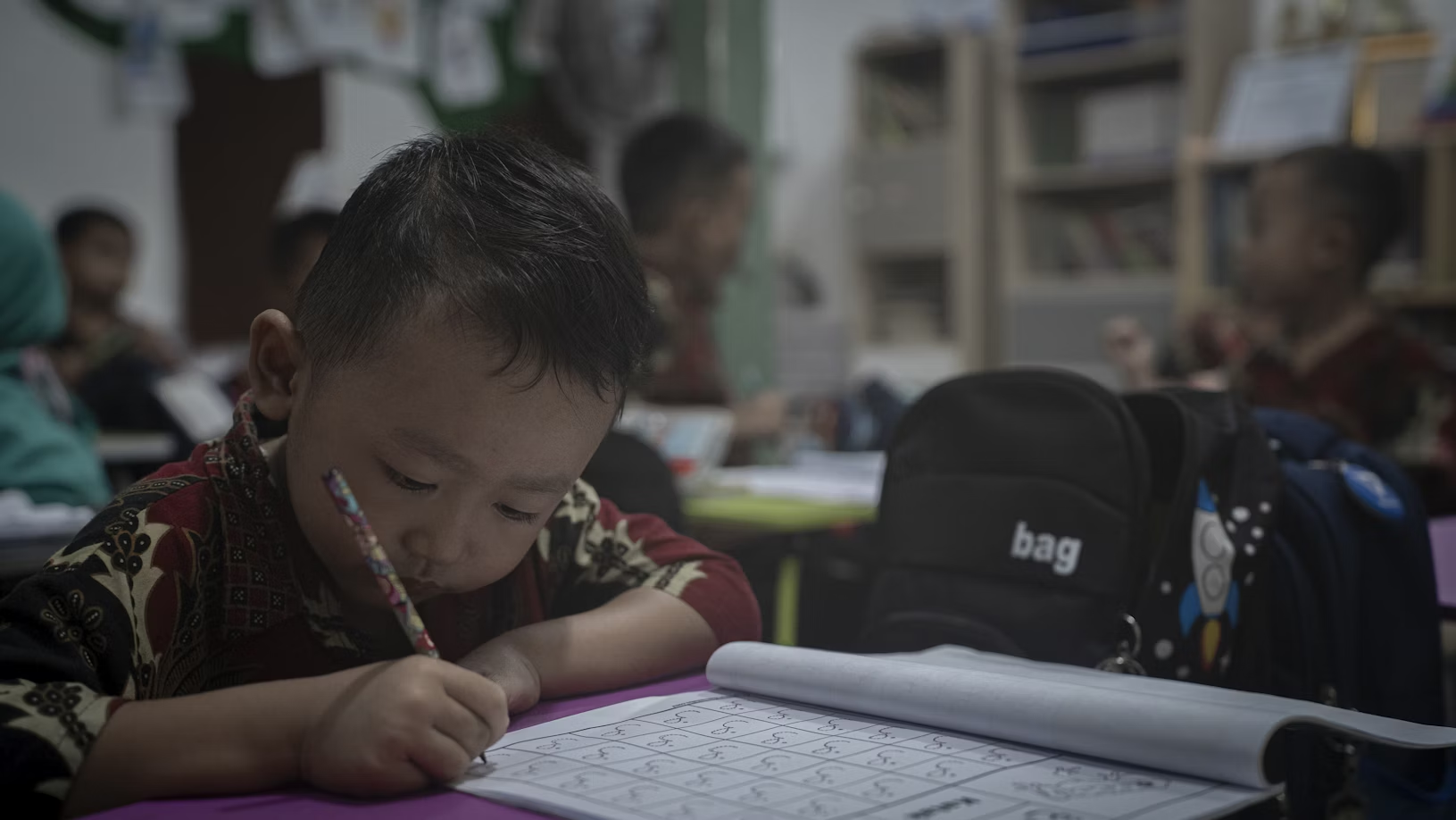
Young child focused on writing in a classroom setting
Image Source: Unsplash

The preschool years are bursting with discoveries—tying shoes, sharing toys, asking a million “why’s.” Underneath those visible milestones, language is the real powerhouse, wiring a child’s brain for everything from emotional self-control to early math.

During the ages of three to five, neural connections fire at lightning speed; every conversation, story time, or grocery-aisle chat lays down pathways they’ll use for reading, problem-solving, and friendship.

A typical five-year-old recognizes roughly 10,000 words, yet a handful function like VIP passes: they open the doors to sequencing, emotional literacy, and social ease.

Below are 10 everyday words that children should understand by the age of 5—and why each one matters for confidence and connection.

Think of this list as the starter kit for confident communication. Mastery doesn’t require flashcards—just mindful, everyday talk from caregivers and teachers.

WordWhy It Matters
BeforeTeaches sequencing: “Wash hands before dinner.” Mastering order helps with routines and later reading comprehension.
BecauseConnects cause and effect: “I’m sad because my tower fell.” Builds reasoning and empathy.
AfterIntroduces future thinking and delayed gratification: “After school we’ll visit the park.”
HappyFoundational feeling word; naming emotions reduces meltdowns and boosts emotional intelligence.
SameEarly concept of equality and basic math (“same amount”); fosters fairness.
DifferentEncourages curiosity about diversity—eye color, lunch choices, cultures.
InsideSpatial cue vital for safety and independence (“Snacks are inside your bag”).
StopBoundary word that promotes impulse control—and can literally keep kids safe.
WaitBuilds patience and self‑regulation: “Wait for the light to turn green.”
FunnyRecognizing humor strengthens peer bonds and supports pre‑reading rhyming skills.
Scrabble tiles spelling 'SMILE' with googly eyes on blue background
Image Source: Unsplash

How to Weave These Words Into Daily Life

  • Narrate routines: “Before we go outside, coats on; after we play, shoes off.”
  • Model feelings: “I feel happy because you shared.”
  • Transform playtime: Sort blocks into “same” and “different” piles, hide treasures inside boxes, shout “stop” then “go.”
  • Pause for practice: When you say “wait,” count slowly together to reinforce the pause, then cheer their success.
  • Fuel laughter: Make up tongue twisters or silly rhymes—anything that tickles their “funny” bone reinforces the concept.

Remember, learning these words isn’t a quiz—it unfolds through everyday chatter, stories, and games. Each term strengthens a bridge to clearer communication, sturdier self-control, and richer relationships.

Quick Word Check and When to Seek Extra Support

Worried your child might be missing a few of these key terms? Try this simple, no-pressure check:

  1. Play “Show Me”: Hold up a favorite toy and say, “Hide it inside the box—then grab it after I count to three.”
  2. Feelings Flashcards: Show a happy face and ask, “What’s this feeling? When do you feel happy?”
  3. Story Sequencing: Ask your child to retell a short picture book. Listen for before, because, and after clues.
  4. Red Light/Green Light Remix: Add “stop,” “wait,” and “go” commands to see how quickly they connect words with actions.

If your preschooler regularly:

  • Replaces these words with vague fillers (“thingy,” “that one”),
  • Avoids cause-and-effect phrases (“because”) by age five,
  • Struggles to follow simple sequencing directions

Consider a chat with their teacher or a pediatric speech-language pathologist. Early intervention can turn small gaps into big gains—giving your child the confidence to tackle kindergarten with a robust word bank and the social skills to match.

Join the Conversation

Which of these words sparked the biggest “aha!” moment for your child? Tell us in the comments—your tip could help another parent today.

Read More

  • Here’s How to Send Your Children to Private School
  • Your Child’s Manners Are Why No One Is Inviting You Over (You Can Change This)
Samantha Warren
Samantha

Samantha Warren is a holistic marketing strategist with 8+ years of experience partnering with startups, Fortune 500 companies, and everything in between. With an entrepreneurial mindset, she excels at shaping brand narratives through data-driven, creative content. When she’s not working, Samantha loves to travel and draws inspiration from her trips to Thailand, Spain, Costa Rica, and beyond.

Filed Under: Parenting Tagged With: child communication | Parenting, child development, early childhood development, kids vocabulary, parenting tips, preschool learning, speech milestones

Is Parenting Today Way Too Soft? Here’s Why It Might Be Hurting Your Kids

April 24, 2025 | Leave a Comment

Mother and daughter lying on bed, smiling at each other
Image Source: Unsplash

The instinct to shield children from stress or hardship is natural—especially in an unpredictable world. Yet when protection turns into soft parenting that removes every obstacle, kids can miss out on crucial emotional tools. Below, we explore how overly gentle approaches can backfire and what balanced alternatives—like “lighthouse parenting”—offer instead.

What is Soft Parenting?

Soft parenting—often called gentle or respectful parenting—is an approach that puts connection before correction. Instead of relying on threats, bribes, or harsh punishments, caregivers lead with empathy, collaboration, and steady boundaries.

The goal is not permissiveness; it is to teach self‑discipline through modeling and problem solving rather than fear. A soft parent begins by validating feelings (“You feel angry your tower broke”) and then guides behavior (“Let’s breathe, then rebuild”).

Core pillars include emotional attunement, age‑appropriate choices, and natural consequences. For example, rather than yelling about a skipped chore, a parent might calmly explain why the task matters and invite the child to help set a reminder system.

Discipline focuses on repairing, not shaming: apologize if you overreact, brainstorm solutions together, and reinforce the idea that mistakes are learning chances.

Soft Parenting Can Undermine Resilience

Shielding children from failure or disappointment robs them of practice in problem‑solving. Studies highlight that over‑involvement lowers self‑esteem and leaves kids anxious about trying new things without immediate help.

Emotional Health May Be at Risk

Counter‑intuitively, removing all hurdles doesn’t guarantee happiness. Research links overprotective parenting to higher rates of anxiety and depression because kids never build the coping muscles everyday struggles provide.

Soft Does Not Always Mean Effective

A Pew survey reports 45% of parents lean overprotective. Excessive softness—fixing every issue, avoiding discipline—can stunt independence and stall skills such as decision‑making and persistence.

Two kids at a kitchen sink, one wearing a colander as a hat
Image Source: Unsplash

Behavior Problems May Follow

Permissive households often see more defiance, aggression, or trouble respecting authority. Consistent, supportive boundaries teach kids limits while still making them feel safe.

A Balanced Path: Lighthouse Parenting

Lighthouse parents offer steady guidance and clear expectations while allowing kids to navigate manageable challenges—a middle ground between helicopter (over‑involved) and free‑range (hands‑off) styles.

What You Can Do Today

  • Set firm, consistent rules—and explain the why. Kids are more likely to respect boundaries when they understand the reason behind them. Instead of “Because I said so,” try: “We turn tablets off at 7 p.m. so your mind can slow down and you can fall asleep faster.” Deliver rules in the same tone every time, and follow through on consequences you’ve agreed upon. Predictability helps children feel safe, which in turn makes cooperation easier.
  • Let children face age‑appropriate challenges before stepping in. Soft parenting isn’t swooping in at every wobble; it’s offering a safety net, not a helicopter. If your five‑year‑old struggles to zip a jacket, resist the urge to fix it immediately. Offer encouragement—“I see you working hard; try guiding the zipper with your thumbs”—and step back. Mastering small frustrations now builds resilience for bigger hurdles later.
  • Model calm problem‑solving: talk through setbacks instead of erasing them. When setbacks happen—spilled juice, lost homework—narrate your thought process: “I feel disappointed, but let’s figure out a solution. First, we’ll grab paper towels; then we’ll pour a new drink.” Speaking your steps aloud shows kids how to move from emotion to action. It also normalizes mistakes as learning moments, not crises that require rescue.
  • Praise effort over outcomes to build grit. Swap “You’re so smart” with “I noticed how patiently you sounded out every word.” Highlighting persistence teaches children that growth comes from practice, not innate talent. When a project fails, celebrate the experiment: “It didn’t work this time, but you tested a brave idea—what will you try next?” Over time, kids internalize that setbacks are stepping stones, not dead ends.

Parenting With Heart and Backbone

Soft parenting becomes harmful when it erases struggle altogether. By combining warmth with structure—walking beside rather than clearing the path—you empower kids to handle life’s hard parts with confidence.

Have you noticed softness slipping into your own style? Share how you balance love and limits in the comments below.

Read More

  • 12 Parenting Mistakes You’re Making Right Now: Learn How to Save Your Child’s Happiness Before It’s Too Late
  • Guiding The Future: 12 Crucial Conversations With Your Son on His Road to Manhood
Samantha Warren
Samantha

Samantha Warren is a holistic marketing strategist with 8+ years of experience partnering with startups, Fortune 500 companies, and everything in between. With an entrepreneurial mindset, she excels at shaping brand narratives through data-driven, creative content. When she’s not working, Samantha loves to travel and draws inspiration from her trips to Thailand, Spain, Costa Rica, and beyond.

Filed Under: Parenting Tagged With: child communication | Parenting, child development, early childhood development, kids vocabulary, parenting tips, preschool learning, speech milestones

  • Facebook
  • Pinterest
  • RSS
  • Twitter

Basic Principles Of Good Parenting

Here some basic principles for good parenting:

  1. What You Do Matters: Your kids are watching you. So, be purposeful about what you want to accomplish.
  2. You Can’t be Too Loving: Don’t replace love with material possessions, lowered expectations or leniency.
  3. Be Involved Your Kids Life: Arrange your priorities to focus on what your kid’s needs. Be there mentally and physically.
  4. Adapt Your Parenting: Children grow quickly, so keep pace with your child’s development.
  5. Establish and Set Rules: The rules you set for children will establish the rules they set for themselves later.  Avoid harsh discipline and be consistent.
  6. Explain Your Decisions: What is obvious to you may not be evident to your child. They don’t have the experience you do.
  7. Be Respectful To Your Child: How you treat your child is how they will treat others.  Be polite, respectful and make an effort to pay attention.
Best Parenting Blogs

Most Popular

Baby

9 Unusual Baby Names That Sound Like They Belong to Future CEOs

Evan Morgan
Baby

10 Baby Names That Were Once Considered “Grandparent Names” but Feel Cool Again

Evan Morgan
Target Store

Choking Incident Prompts Recall of 49,000 Target Gigglescape “Under the Sea” Popping Toys

Evan Morgan
Frustrated Girl

Why Some Students on the Spectrum Are Labeled With ODD

Evan Morgan
Coke Bottles

12 Things Kids Took to School in the ’70s That Would Never Be Allowed Today

Evan Morgan

All content on Kids Ain’t Cheap is for entertainment purposes only. By reading this blog, you agree that Kids Ain’t Cheap is not responsible for any actions taken after reading this blog. For the full disclaimer, see our privacy policy.

Please note that Kids Ain’t Cheap has financial relationships with some of the merchants mentioned here. Kids Ain’t Cheap is funded by banner advertising, commission sales and search optimization consulting.

Copyright © 2006–2026 | District Media | All Rights Reserved | Privacy Policy

Copyright © 2026 Runway Pro Theme by Viva la Violette