• Home
  • About Us
  • Toolkit
  • Archives
  • Advertise
  • Privacy Policy

Kids Ain't Cheap

But They Sure Are Worth It

  • Parenting
    • Baby Stuff
    • Books and Reading
      • Aesops Fables
      • Comic Books
    • Education
    • Family Time
    • Green Living
    • Growing Up
    • Healthy Living & Eating
    • Holidays
    • Parenting
    • Random Musings
    • Shopping
    • Stuff to Do
  • Money
  • Product Reviews
    • Books and Magazines
    • Discount Sites
    • Furniture
    • House Keeping
    • Reviews News
    • Toys and Games
  • Contact Us
  • Our Editorial Commitment
  • Search

Pediatricians Warn: The “White Noise” Habit That Is Quietly Damaging Infant Hearing

April 5, 2026 | Leave a Comment

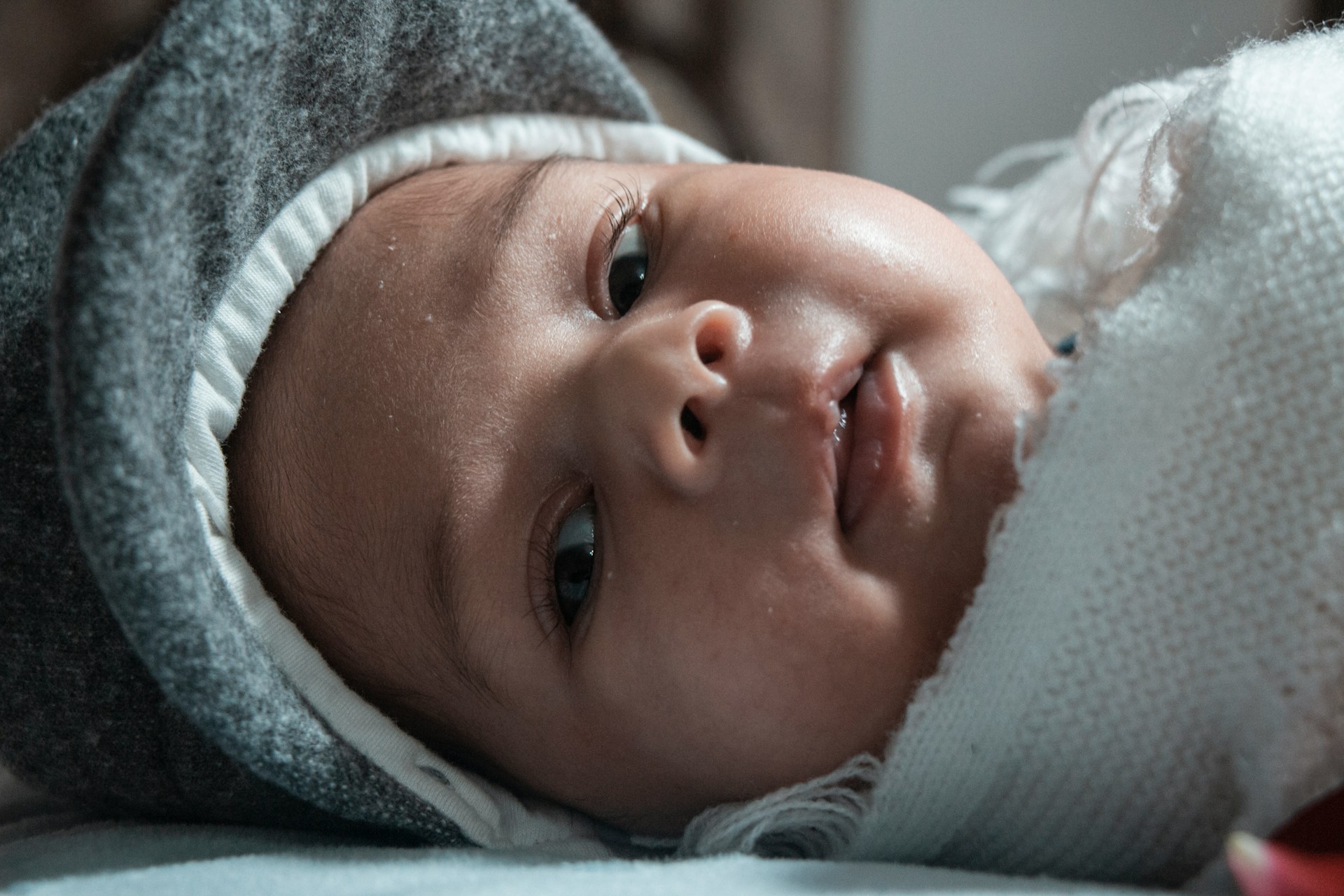
Sleeping Baby
Image Source: Pexels

White noise has become a go-to solution for exhausted parents trying to help their babies sleep longer and more soundly. From sleek sound machines to smartphone apps, the promise of better rest is incredibly appealing during those early months. But pediatricians are beginning to raise concerns about how this seemingly harmless habit may be affecting infant hearing over time. While white noise can be useful, misuse or overuse may carry risks that many parents simply aren’t aware of. Understanding those risks—and how to use white noise safely—can make a meaningful difference in your child’s development.

Why White Noise Became So Popular Among Parents

White noise mimics the constant whooshing sounds babies hear in the womb, which can be soothing and familiar to newborns. Many parents find that it helps babies fall asleep faster and stay asleep longer, especially in noisy households. It can also mask sudden sounds like barking dogs or slamming doors that might otherwise wake a sleeping infant. Because of these benefits, white noise machines have quickly become a staple in nurseries around the world. However, popularity doesn’t always equal safety, especially when guidelines aren’t clearly understood or followed.

The Hidden Risks of Continuous Noise Exposure

One of the main concerns pediatricians highlight is prolonged exposure to high decibel levels. Some white noise machines can reach volumes comparable to a running vacuum cleaner, which is far louder than most parents realize. Infants have delicate, developing auditory systems that are particularly vulnerable to sustained noise exposure. Over time, this can potentially lead to subtle hearing damage or delayed auditory processing. The issue becomes more concerning when devices are left running all night at high volumes, creating a constant stream of sound with no breaks.

How Volume and Distance Make a Big Difference

Not all white noise use is harmful, and much depends on how the device is used. Experts recommend keeping sound levels below 50 decibels, which is roughly the volume of a quiet conversation. Placement also matters, as devices placed too close to a crib can significantly increase the intensity of sound reaching a baby’s ears. Ideally, the machine should be positioned several feet away from the sleeping area to reduce direct exposure. Small adjustments like lowering the volume and increasing the distance can dramatically reduce potential risks.

Signs Your Baby May Be Affected

It’s not always easy to recognize early signs of hearing issues in infants, but there are subtle clues to watch for. A baby who doesn’t startle at loud noises or fails to respond to familiar voices may need further evaluation. Delays in babbling or vocal experimentation can also signal potential concerns. While these signs don’t always point directly to white noise exposure, they are worth discussing with a pediatrician. Early detection is crucial, as addressing hearing issues sooner rather than later can significantly improve outcomes.

Safer Alternatives and Smart Usage Tips

Parents don’t have to abandon white noise altogether, but using it more thoughtfully can make a big difference. Consider using timers so the sound turns off after your baby falls asleep rather than playing continuously. You might also explore gentler alternatives like soft lullabies or ambient nature sounds played at low volumes. Creating a consistent bedtime routine can help babies associate sleep with calming cues beyond just sound. Over time, this reduces reliance on white noise and supports more natural sleep habits.

Finding the Right Balance for Healthy Sleep

White noise can be a helpful tool, but like many parenting aids, it works best when used with care and awareness. Pediatricians aren’t calling for a complete ban but rather encouraging parents to be mindful of volume, duration, and placement. By making small adjustments, you can continue to support your baby’s sleep without putting their hearing at risk. As more research emerges, staying informed will help you make the best choices for your child’s well-being. After all, healthy sleep should never come at the cost of healthy development.

Have you been using white noise for your baby, and did any of these insights surprise you? What changes, if any, will you make to your baby’s sleep routine after reading this? Share your experience or questions in the comments—we’d love to hear how you’re navigating sleep routines at home.

What to Read Next

5 Baby Products Pediatricians Warn Parents to Stop Using Early

12 Household Sounds That Are Affecting Your Child’s Sleep

8 Must-Have Baby Gadgets That Pediatricians Say Delay Development

Evan Morgan

Evan Morgan has been a full-time freelance writer and editor for 10+ years. When not working, he enjoys catching the latest true crime documentary or getting lost in a good book.

Filed Under: Parenting Tagged With: baby safety, baby sleep tips, infant hearing, Newborn Care, parenting advice, sleep training, white noise

7 Tools to Use When Your Baby Won’t Sleep Through the Night

April 24, 2025 | Leave a Comment

Sleeping baby curled on a moon pillow with stars and clouds
Image Source: Unsplash

Parenting is filled with blissful moments—and plenty of sleepless nights. If your baby won’t sleep through the night, you might feel like you’re running on caffeine and hope. While every child is different, these seven research‑backed tools can make the exhausting phase easier for everyone.

1. Try the Chair Method for Gentle Independence

The Chair Method builds self‑soothing skills gradually. Sit silently beside the crib on the first night, then move the chair farther away each evening until you’re outside the room. This slow approach helps babies learn to fall asleep without abrupt “cry‑it‑out” transitions.

2. Establish a Consistent Bedtime Routine

A predictable sequence cues the brain to release melatonin—the sleep hormone—at the same time every night.

  1. Wind-down (20 min): Dim lights, turn off screens, and play calming music.
  2. Warm bath (10 min): The post-bath drop in body temperature signals “sleep time” to the nervous system.
  3. PJs & diaper check (5 min).
  4. Feed & burp (10 min): Keep lights low; end the feed slightly before baby nods off.
  5. Story or lullaby (5 min).
  6. Crib while drowsy, not asleep.

Consistency—not length—matters most. If travel or illness disrupts the cadence, resume the same order as soon as possible so the neural association stays intact.

3. Optimize the Sleep Environment

A few environment tweaks can add precious minutes (or hours) of uninterrupted rest.

  • Safety musts: Firm mattress, fitted sheet, and no loose blankets until at least 12 months. Always place your baby on their back in a CPS-approved crib.
  • Temperature: 68–72 °F (20–22 °C) is ideal; hotter rooms increase wakefulness.
  • Light: Blackout curtains plus a dim red night light protect melatonin production.
  • Sound: A steady 50-60 dB white-noise machine masks household clatter and soothes babies who miss womb-like whooshing.

4. Encourage Self‑Soothing

Rushing in at every peep teaches your baby that full assistance arrives instantly. Instead:

  1. Pause: Wait 60–90 seconds before intervening. Many babies resettle within that window.
  2. Check-and-console: Enter, offer a gentle pat and soft voice, avoid picking up unless truly needed.
  3. Gradually extend pauses by 30 seconds every few nights.

Alternate “pick-up/put-down” for younger babies: hold until calm, crib when drowsy, repeat. The goal is to let the baby finish the job of falling asleep solo.

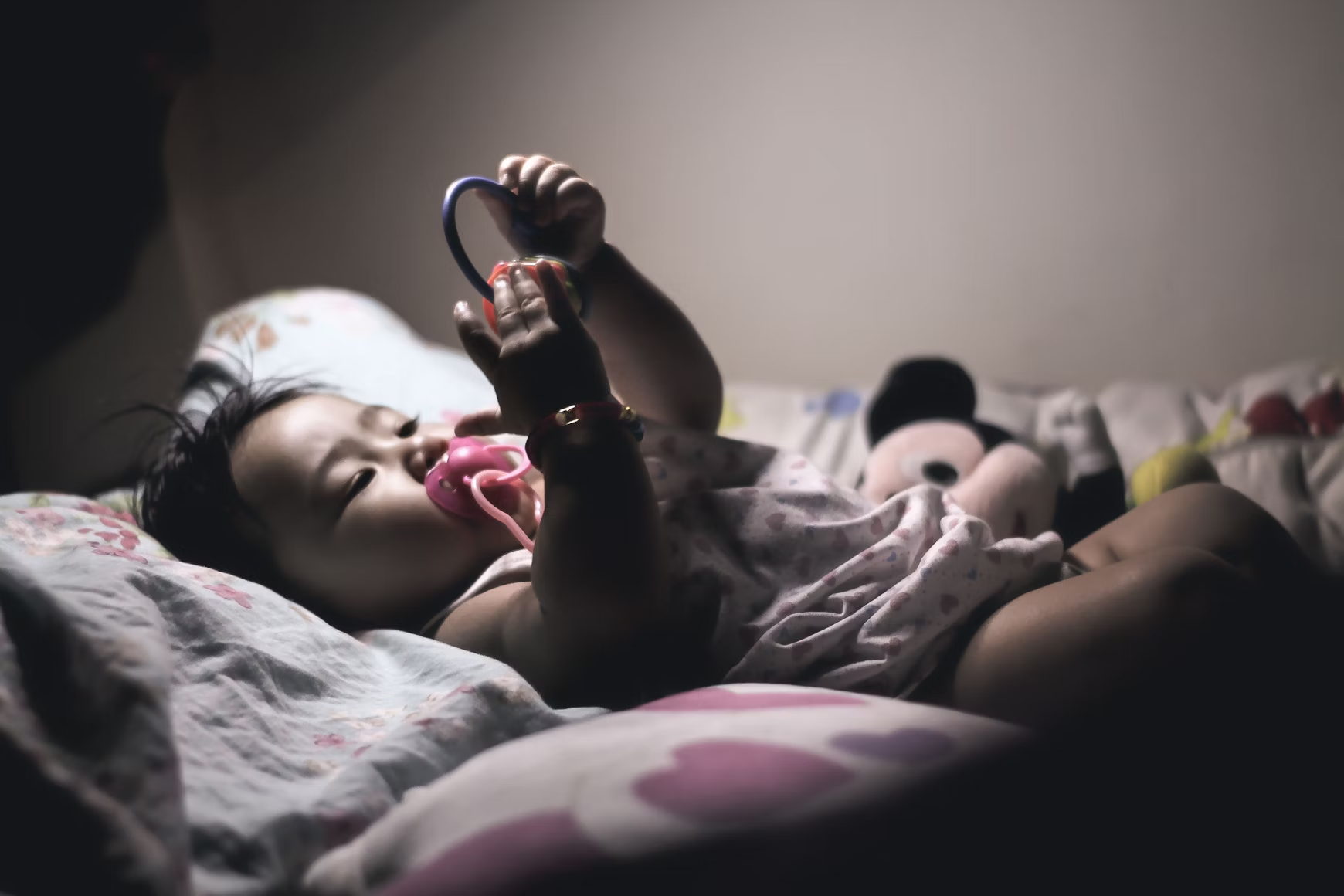
Baby lying in bed with a pacifier, holding a toy at night
Image Source: Unsplash

5. Minimize Stimulation at Night

Night wakings for feeds or diaper changes are inevitable, but you can keep them brief and boring.

  • No play: Skip toys and eye contact. Interaction triggers cortisol and playfulness—exactly what you don’t want at 3 a.m.
  • Lighting: Use a motion-activated 5-watt amber bulb; blue light can fully rouse both of you.
  • Voice: Whispers only. Reserve coos and chatter for daylight.
  • Touch: Slow, purposeful movements; avoid tickling or vigorous burping unless the baby is uncomfortable.

6. Respect Age‑Appropriate Awake Windows

Tired cues—rubbing eyes, zoning out—signal it’s time to sleep. Newborns need rest after 45 min to 1 hr; older infants last 1.5–3 hrs. Putting baby down before overtiredness sets in can prevent late‑night wake‑ups.

7. Stay Patient and Flexible

Sleep regressions at 4, 8, and 12 months, teething, illness, and developmental leaps can all cause setbacks. When progress stalls:

  • Re-anchor routines rather than introducing drastic new methods.
  • Offer extra comfort during illness but return to baseline as soon as baby is well.
  • Lean on help: Trade nights with a partner, nap when baby naps, or enlist a relative for a few hours so you can reset.

Sleep is not a performance test—it’s a developmental milestone that arrives at different times for different children.

You’re Not Failing—You’re Figuring It Out

Night waking doesn’t mean you’re doing anything wrong. With patience, consistency, and the right tools, better sleep will come. Share your own sleepy‑time tips in the comments—another tired parent will thank you.

Read More

  • Affording Children’s Gifts and Toys
  • Tips on Buying Gifts for Twins
Samantha Warren
Samantha

Samantha Warren is a holistic marketing strategist with 8+ years of experience partnering with startups, Fortune 500 companies, and everything in between. With an entrepreneurial mindset, she excels at shaping brand narratives through data-driven, creative content. When she’s not working, Samantha loves to travel and draws inspiration from her trips to Thailand, Spain, Costa Rica, and beyond.

Filed Under: Parenting Tagged With: baby sleep, baby won’t sleep through the night, infant sleep strategies, new‑parent help | Parenting, parenting tips, sleep training

What Are the Long-Term Effects of Sleep Training?

April 14, 2025 | Leave a Comment

baby crying
Image Source: Unsplash

Sleep training is a sensitive, complex topic. Some parents and experts swear by it and extol the benefits of allowing babies to self-soothe. Others believe that letting babies “cry it out” could create attachment issues and increase infant stress. To help you decide how to handle bedtime, let’s dive into some of the studies that show the long-term effects of sleep training.

What Is Sleep Training?

Before we dive into the studies, it’s important to understand what sleep training is. Sleep training is an umbrella term that encompasses many different types of bedtime routines. These run the gamut from shutting the door and letting babies “cry it out” to sleeping next to their crib. This method is often referred to as “camping out” in the baby’s nursery. Some sleep training methods recommend checking on your child at regular intervals or if they cry for too long.

The fact that there are so many sleep training methods can make it difficult for researchers to compare all of them. It’s possible that the type of sleep training you use may affect your baby’s long-term outcomes.

Effects of Sleep Training

Health of the Parents

One of the most positive long-term effects of sleep training is the health benefits this method confers on parents. Obviously, your baby waking up and crying frequently disturbs your sleep, which has negative consequences over time. Studies have shown that depressed moms are more likely to have babies with broken sleep patterns. In this case, sleep training may be beneficial. According to the BBC, mothers of sleep-trained two-year-olds were less likely to be depressed. Ultimately, when parents have better mental health, they’re able to be more responsive, engaged, and effective.

Long-Term Attachment

baby looking at you
Image Source: Unsplash

Some experts warn that sleep training could create attachment issues and increase infant stress. However, these claims can be hard to verify because it’s difficult to gauge anxiety in infants. One method used is measuring cortisol, which can be tricky because it naturally fluctuates throughout the day. So experts say to take study results with a grain of salt.

With that being said, a small study found that babies had elevated cortisol levels after sleep training interventions. Plus, in 1998, Harvard researchers discovered that babies who were left to cry could be more susceptible to stress and trauma as adults. However, some longitudinal studies yielded different findings.

Researchers in Australia decided to measure children’s cortisol levels five years later to gauge the long-term effects of sleep training. One group had undergone behavioral intervention as babies, while the other group hadn’t. Since the two groups had no significant difference in cortisol levels, they concluded that sleep training doesn’t make kids more stressed in the long run.

According to the BBC, another long-term study found that sleep-trained babies were no more likely to have attachment or behavioral issues at six years of age than other children. Their sleep patterns and cortisol levels were also in line with expectations.

Short-Term Sleep Improvement

Another benefit of sleep training is short-term sleep improvement. A review of 52 studies found that 80% of children experienced clinically significant improvements from bedtime behavioral interventions. These improvements were maintained for between 3 and 6 months. Parents may need to repeat sleep training to make the results stick long-term. However, these results suggest that it’s an effective way to get your baby to fall and stay asleep, potentially helping the whole family get more rest.

Sleep is a tricky topic because every baby and family is different. What works for you may not work for your friends and vice versa. Ultimately, you have to follow your parental instincts. Experts say that going against them can make you more stressed out, so don’t feel like you have to sleep train just because it’s popular. Whether you prefer to rock your baby to sleep or let them self-soothe, feel free to follow your parental intuition.

Read More

  • My Experience With Co-Sleeping
  • Sleeping, Outings and Other Tips to Remember During Potty Training
Vicky Monroe headshot
Vicky Monroe

Vicky Monroe is a freelance personal finance writer who enjoys learning about and discussing the psychology of money. In her free time, she loves to cook and tackle DIY projects.

Filed Under: Baby Stuff Tagged With: child development, Sleep, sleep training

Is the ‘Cry It Out’ Method Cruel or Effective?

March 28, 2025 | Leave a Comment

Crying newborn baby (Japanese baby girl)
Image Source: 123rf.com

The debate over the ‘Cry It Out’ (CIO) method of sleep training has polarized parents and experts for years. This technique, which involves letting a baby cry for controlled periods to encourage self-soothing, has both ardent supporters and strong critics.

Advocates say CIO leads to better sleep patterns and improved parental well-being, while detractors worry about potential emotional harm to the infant. In this article, we delve into the research, benefits, and criticisms of the CIO method, offering insights to help you decide what’s best for your family. By understanding both sides of the debate, you can make an informed decision tailored to your child’s needs.

Understanding the CIO Method

The Cry It Out method involves allowing a baby to cry for set intervals before offering comfort. This approach is based on the idea that babies will eventually learn to self-soothe and fall asleep on their own. Proponents point to studies showing that CIO can improve sleep duration and quality for both infants and parents. It is typically recommended to begin this method when a baby is between 4 and 6 months old. Experts stress that consistency and a gradual increase in waiting time are key elements for success.

Benefits Reported by Advocates

Many parents report that CIO significantly improves sleep patterns, benefiting both the child and the entire family. Better sleep can lead to improved mood, increased energy, and reduced stress levels for parents. Some studies indicate that sleep training methods like CIO do not have long-term negative effects on emotional development. The quick results achieved by this method are often cited as a major advantage. Additionally, a well-rested baby can be more alert and content during waking hours, contributing to overall development.

Criticisms and Concerns

Critics of the CIO method argue that allowing a baby to cry without immediate comfort can cause emotional distress. Some worry that prolonged crying may lead to elevated stress hormone levels in infants. There are concerns about potential impacts on the child’s attachment and trust with caregivers. Parents who are uncomfortable with listening to their baby cry may find the method emotionally challenging. These concerns have led some experts to recommend gentler sleep training alternatives that focus on gradual soothing.

Alternative Sleep Training Methods

Sleeping Baby
Image Source: 123rf.com

For parents seeking less stressful alternatives, several gentler sleep training methods are available. The Pick-Up/Put-Down method involves comforting the baby before returning them to their crib, gradually reducing the need for intervention. The Chair Method allows parents to remain present while slowly distancing themselves over time. Gradual extinction methods help minimize crying while still promoting independent sleep. Each alternative offers a different balance between parental involvement and fostering self-soothing skills.

What Research Tells Us

Scientific studies on the CIO method present mixed findings, with some showing no long-term negative effects and others urging caution. Research published in reputable journals indicates that, when implemented correctly, CIO does not harm the parent-child bond. However, the variability in individual child temperament means that one method may work well for some but not for others. It is important to review multiple studies and consider your child’s unique needs. Informed decision-making requires balancing empirical evidence with your parental instincts.

Making the Best Decision for Your Family

Ultimately, choosing a sleep training method should be based on your child’s temperament and your comfort level as a parent. Reflect on your family’s values, your baby’s responses, and your own emotional well-being. Consulting with your pediatrician can provide personalized advice tailored to your situation. It is also helpful to speak with other parents who have tried different methods. The goal is to ensure a restful night for everyone without compromising the emotional health of your baby.

Have you tried the Cry It Out method, or do you prefer a gentler approach? What challenges have you faced in establishing a sleep routine for your baby? Share your experiences, tips, and questions in the comments below to help other parents navigate this challenging decision.

Read More:

When A Child Bumps Their Head to Go to Sleep, Here’s What It Means

Doctors Swear by These 7 Baby Sleep Hacks—And They Actually Work

Tamila McDonald
Tamila McDonald

Tamila McDonald is a U.S. Army veteran with 20 years of service, including five years as a military financial advisor. After retiring from the Army, she spent eight years as an AFCPE-certified personal financial advisor for wounded warriors and their families. Now she writes about personal finance and benefits programs for numerous financial websites.

Filed Under: Parenting Tagged With: baby sleep, Childcare, Cry It Out, infant sleep, parenting methods, sleep training

Doctors Swear by These 7 Baby Sleep Hacks—And They Actually Work

March 23, 2025 | Leave a Comment

Laughing, smiling  little newborn baby boy sleeping in white blanket, lying on bed.
Image Source: 123rf.com

When you’re a sleep-deprived parent running on fumes and cold coffee, getting your baby to sleep can feel like solving a mystery with no clues. Every baby is different, but pediatricians and sleep experts agree on a few tried-and-true techniques that actually work. These aren’t just recycled internet tips—they’re backed by science and used by professionals who help babies sleep better every day. If you’ve tried everything and nothing sticks, these hacks might be your game-changer. Here are seven doctor-approved baby sleep strategies that work for real families.

Establish a Predictable Bedtime Routine

Doctors emphasize that babies thrive on routine, especially when it comes to sleep. Creating a simple, calming ritual—like bath time, followed by a lullaby and cuddles—helps signal to your baby that it’s time to wind down. Repeating the same pattern every night conditions their brain to associate these actions with sleep. Keep it quiet and consistent, avoiding bright lights or screen time before bed. The more predictable bedtime becomes, the less resistance you’ll face.

Use White Noise Strategically

White noise mimics the comforting sounds babies hear in the womb, making it easier for them to fall—and stay—asleep. Pediatricians often recommend a white noise machine to drown out household sounds or street noise that could jolt your baby awake. Just be sure to place the device at a safe distance from the crib and keep the volume under 50 decibels. Don’t worry about creating a “dependency”—many babies naturally wean off it as they grow. For now, if it helps your little one sleep, it’s worth using.

Respect Wake Windows (And Don’t Wait Too Long)

Many parents wait until their baby is rubbing eyes or yawning to start bedtime, but doctors say that might be too late. Once babies get overtired, their cortisol spikes, making it harder for them to settle down. Knowing your baby’s ideal wake window based on their age can prevent this struggle. For example, newborns may only tolerate 45–90 minutes of wake time, while older babies might go two to three hours. Timing naps and bedtime around these windows can improve sleep quality dramatically.

Don’t Rush to Pick Them Up

cute newborn baby girl in the bed
Image Source: 123rf.com

It’s natural to want to soothe your baby the second you hear a whimper, but sleep experts say pausing can be helpful. Babies, especially in lighter stages of sleep, often stir, fuss, or cry briefly before settling back down. By rushing in too quickly, you might actually wake them fully. Doctors suggest giving your baby a minute or two to see if they self-soothe. You’re not ignoring them—you’re giving them a chance to develop healthy sleep habits.

Keep Day and Night Clearly Separate

Newborns don’t know the difference between day and night, but you can teach them. During the day, keep the lights bright, talk to your baby often, and don’t tiptoe around. At night, keep things dim, quiet, and low-key—even during feedings or diaper changes. Doctors recommend avoiding eye contact at night to signal that it’s not time to play. This helps regulate their internal clock and supports better nighttime sleep.

Try a Dream Feed

For babies who wake up hungry during the night, some pediatricians recommend a “dream feed.” This involves gently feeding your baby while they’re still partially asleep, usually between 10 p.m. and midnight. The goal is to fill their belly before they hit their longest sleep stretch, helping them (and you) rest longer. Not all babies respond to this technique, but it’s worth trying if your child consistently wakes from hunger. Make sure they’re still upright and burped afterward to avoid gas.

Make the Crib a Sleep-Only Zone

Sleep experts agree: the crib should be a space dedicated to rest. Avoid using it for playtime or time-outs, as this can create mixed associations. Keeping the crib strictly for sleep helps your baby mentally link it with relaxation and rest. Doctors also stress the importance of a safe sleep environment—firm mattress, no loose blankets or toys, and baby on their back. Consistency here builds a stronger sleep routine and ensures safety, too.

 Sleep Success Starts With Simplicity

You don’t need fancy gadgets or complicated sleep schedules to help your baby rest better. The best advice often comes from experts who’ve studied infant sleep for years—and their strategies focus on consistency, awareness, and comfort. By tuning into your baby’s needs while implementing these proven tips, you’ll likely see major improvements. Sleep isn’t just a dream—it’s a skill, and like any skill, it gets better with the right support. Your well-rested baby (and your well-rested self) will thank you.

Which of these sleep hacks have you tried—or are planning to try tonight? Let us know in the comments and share what’s worked for you.

Read More:

14 Things We Used to Do at Sleepovers That Kids Today Would Find Bizarre
10 Ways To Get Your Newborn To Sleep Through The Night

Latrice Perez

Latrice is a dedicated professional with a rich background in social work, complemented by an Associate Degree in the field. Her journey has been uniquely shaped by the rewarding experience of being a stay-at-home mom to her two children, aged 13 and 5. This role has not only been a testament to her commitment to family but has also provided her with invaluable life lessons and insights.  As a mother, Latrice has embraced the opportunity to educate her children on essential life skills, with a special focus on financial literacy.

Filed Under: Money and Finances Tagged With: baby sleep, baby sleep schedule, infant sleep hacks, new parent survival, newborn sleep advice, pediatrician tips, sleep training, white noise

  • Facebook
  • Pinterest
  • RSS
  • Twitter

Basic Principles Of Good Parenting

Here some basic principles for good parenting:

  1. What You Do Matters: Your kids are watching you. So, be purposeful about what you want to accomplish.
  2. You Can’t be Too Loving: Don’t replace love with material possessions, lowered expectations or leniency.
  3. Be Involved Your Kids Life: Arrange your priorities to focus on what your kid’s needs. Be there mentally and physically.
  4. Adapt Your Parenting: Children grow quickly, so keep pace with your child’s development.
  5. Establish and Set Rules: The rules you set for children will establish the rules they set for themselves later.  Avoid harsh discipline and be consistent.
  6. Explain Your Decisions: What is obvious to you may not be evident to your child. They don’t have the experience you do.
  7. Be Respectful To Your Child: How you treat your child is how they will treat others.  Be polite, respectful and make an effort to pay attention.
Best Parenting Blogs

Most Popular

11 Ways Kids Are Outsmarting Parental Controls 1. Using Alternate Devices One common trick is simply turning to another device. If a child’s main phone or tablet is restricted, they may borrow a sibling’s, friend’s, or even a school laptop. This instantly gives them access to content outside of parental oversight. Parents often focus on one device, forgetting that others in the household can serve as loopholes. Knowing this tactic helps families tighten controls across all electronics. 2. Clearing Browsing Histories Many kids quickly learn that clearing browsing history hides evidence of restricted activity. With just a few clicks, they can erase any trace of websites visited. This makes it harder for parents to notice when rules are being broken. Parents may assume no history means no browsing, but the reality is often the opposite. Kids are outsmarting parental controls by making it seem like nothing happened at all. 3. Using Private Browsing Modes Most browsers offer “incognito” or private browsing features. Kids use this mode to access websites without leaving a record in the history. To parents checking later, everything looks clean and safe. This simple trick is often one of the first ways kids discover how to bypass restrictions. Conversations about private browsing can help close this gap. 4. Guessing or Resetting Passwords Children who are persistent may try to guess passwords to parental control apps or accounts. Others may find ways to reset them through email prompts or security questions. Once inside, they can disable restrictions entirely. Parents may not even realize controls have been altered until much later. Stronger, less predictable passwords can make this more difficult. 5. Using VPNs to Hide Activity Virtual private networks, or VPNs, let kids disguise their online locations. With one downloaded app, they can bypass geographic or parental restrictions. Some children learn about VPNs through friends or even social media. This makes it easy for them to reach content that should be blocked. Parents often underestimate just how simple it is for kids to use these tools. 6. Creating Fake Accounts When parents monitor social media, kids may create hidden accounts. These “finstas” or fake profiles allow them to interact freely without parental oversight. While their main account appears harmless, the secondary one tells a different story. Kids are outsmarting parental controls by playing both sides at once. Checking for duplicate accounts can help parents stay more aware. 7. Exploiting Time Zone Settings Some kids change the time zone on their devices to bypass screen time limits. This trick allows them to gain extra hours of usage undetected. Parents may assume controls are working, but in reality, the child is bending the clock. It’s a clever loophole that highlights just how resourceful kids can be. Monitoring device settings regularly can catch this tactic. 8. Disabling or Uninstalling Apps Parental control apps can be deleted or disabled with surprising ease. Some kids even reinstall them before a parent checks, making it seem like nothing changed. Others may simply restrict permissions to prevent apps from functioning properly. When apps aren’t monitored closely, parents may not notice they’ve been tampered with. This shows the importance of consistent follow-up. 9. Turning to Friends for Access If a child can’t get past restrictions on their own, they may rely on friends. Visiting a friend’s house or borrowing their phone can give them a free pass. Parents often forget that peer environments can override restrictions set at home. This kind of social workaround is especially common with gaming or social media. Open conversations about trust and responsibility are essential. 10. Hiding Apps in Plain Sight Kids sometimes download apps that look innocent but serve as gateways to hidden activity. These apps may disguise themselves as calculators or utilities. In reality, they allow file storage, private messaging, or browser access. Parents glancing at a home screen may overlook them entirely. Learning to recognize these disguised apps can help parents stay informed. 11. Outpacing Parents’ Tech Knowledge Finally, kids often know more about devices than their parents do. Whether through YouTube tutorials, TikTok hacks, or peer groups, they quickly learn advanced workarounds. This knowledge gap means controls can be bypassed before parents even realize the loophole exists. Staying informed and continually learning about new technology is the best defense. Kids are outsmarting parental controls because they adapt faster than most adults. The Real Solution Lies Beyond Restrictions While controls and filters are important, no system is perfect. Kids will always find creative ways around barriers, making communication the strongest safeguard. Setting clear expectations, building trust, and having ongoing conversations about online behavior matter more than apps alone. Parents who combine technology with open dialogue create a safer digital environment. The goal isn’t to win a battle of wits but to build a relationship that keeps kids both safe and honest. Do you think kids are outsmarting parental controls faster than parents can keep up? Share your experiences in the comments below. What to Read Next... 6 Parenting Tech Shortcuts That Can Expose Your Child to Strangers How Much Screen Time Is Too Much—Legally Speaking? Is Your Child’s School Quietly Tracking Their Location Without Your Consent? How Much Screen Time Is Quietly Reshaping Childhood Behavior? Why Some Parents Are Being Investigated Over Homeschooling Records

11 Ways Kids Are Outsmarting Parental Controls

Catherine Reed

10 Children’s Games From the ’60s That Need to Make a Comeback

Samantha
Girl getting makeup done, referencing psychologist-approved age.

Wearing Makeup: Here Is the Age That Psychologists Agree It’s Okay for Girls to Wear Makeup

Samantha
birthday gifts

7 Birthday Gifts Your Child Should Never Bring to a Party

Latrice Perez

Babysitting Without Cash: 10 Ways to Barter Your Way Out of Childcare Costs

Ashleigh Clyde

All content on Kids Ain’t Cheap is for entertainment purposes only. By reading this blog, you agree that Kids Ain’t Cheap is not responsible for any actions taken after reading this blog. For the full disclaimer, see our privacy policy.

Please note that Kids Ain’t Cheap has financial relationships with some of the merchants mentioned here. Kids Ain’t Cheap is funded by banner advertising, commission sales and search optimization consulting.

Copyright © 2006–2026 | District Media | All Rights Reserved | Privacy Policy

Copyright © 2026 Runway Pro Theme by Viva la Violette