• Home
  • About Us
  • Toolkit
  • Archives
  • Advertise
  • Privacy Policy

Kids Ain't Cheap

But They Sure Are Worth It

  • Parenting
    • Baby Stuff
    • Books and Reading
      • Aesops Fables
      • Comic Books
    • Education
    • Family Time
    • Green Living
    • Growing Up
    • Healthy Living & Eating
    • Holidays
    • Parenting
    • Random Musings
    • Shopping
    • Stuff to Do
  • Money
  • Product Reviews
    • Books and Magazines
    • Discount Sites
    • Furniture
    • House Keeping
    • Reviews News
    • Toys and Games
  • Contact Us
  • Our Editorial Commitment
  • Search

The Silence Before The Storm: 8 Hidden Dangers In Your Nursery

July 24, 2025 | Leave a Comment

The Silence Before The Storm 8 Hidden Dangers In Your Nursery
Image source: 123rf.com

A baby’s nursery is designed to be peaceful, cozy, and safe—but beneath the adorable decor and soft lullabies, there may be more lurking than meets the eye. Many well-meaning parents unknowingly introduce risks through common products, furniture, and even how the room is set up. The truth is, hidden dangers in your nursery often blend right in, quietly waiting to pose a threat. From furniture that tips too easily to chemicals in crib mattresses, it’s not about fear—it’s about awareness. With a few simple adjustments, you can turn your nursery into a truly safe haven where your baby can grow and thrive.

1. Unsecured Furniture That Can Tip

Dressers, changing tables, and bookshelves might look sturdy, but if they’re not anchored to the wall, they can tip over easily. Once your baby starts pulling up or crawling, curiosity takes over, and climbing becomes a real risk. Even lightweight furniture can cause serious injury if it topples. Anti-tip kits are inexpensive and easy to install but are often overlooked in nursery setup. Securing every tall item in the room is a key step in eliminating one of the most overlooked hidden dangers in your nursery.

2. Crib Bedding and Soft Accessories

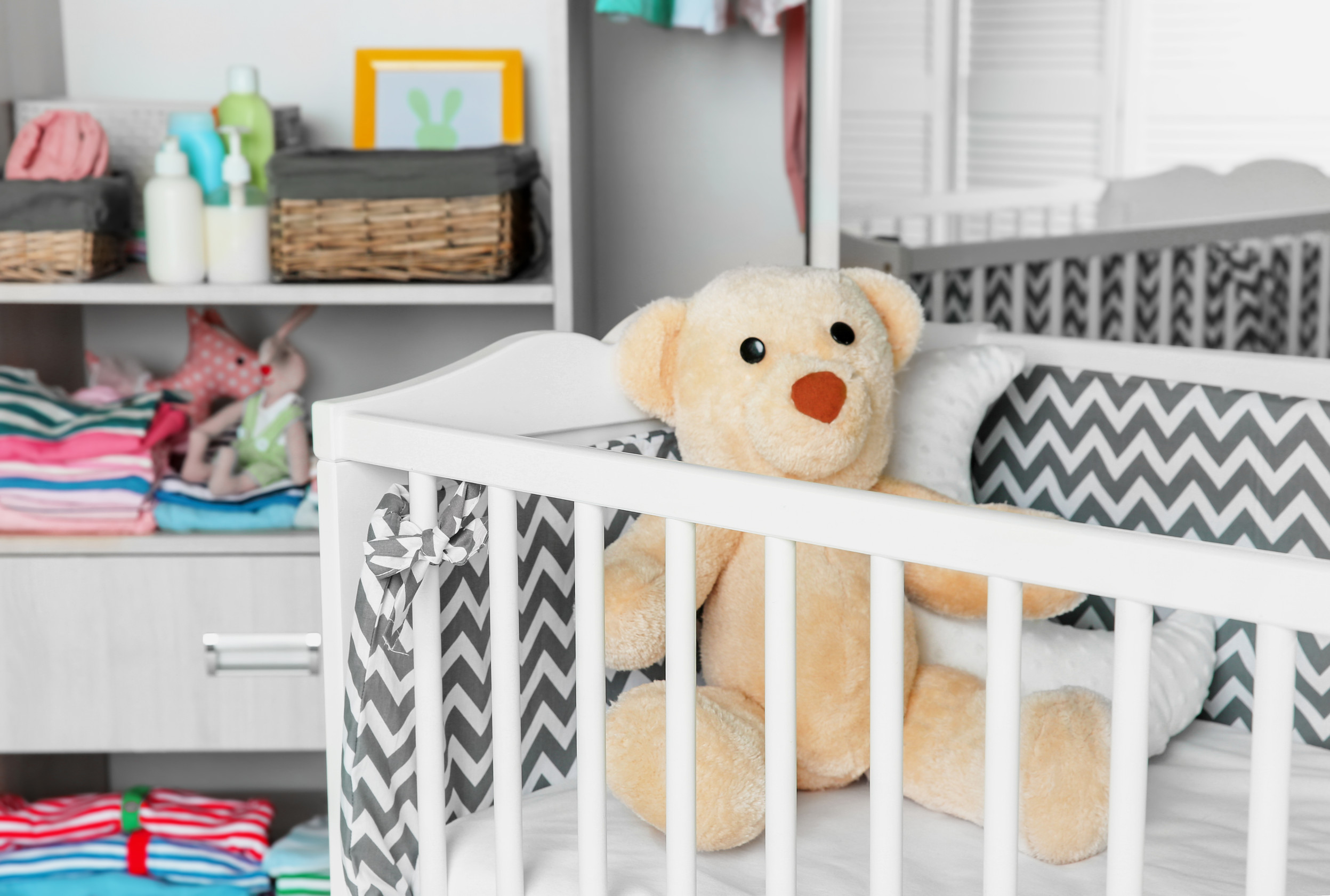
It’s tempting to dress your baby’s crib with cute pillows, blankets, and stuffed animals, but these pose significant suffocation hazards. Pediatric guidelines recommend a firm mattress with a tightly fitted sheet only—no extras. Even breathable bumpers, once marketed as a safer alternative, have been linked to infant sleep deaths. While they may look harmless, these cozy additions have no place in a safe sleep environment. Keeping the crib bare is one of the simplest ways to reduce hidden dangers in your nursery.

3. Window Cords Within Reach

Window blinds and their cords are a silent hazard in many nurseries. Dangling cords can quickly become strangulation risks for babies and toddlers who grab everything in reach. Even tucked behind furniture, a long cord is a hidden threat if not properly secured. Cordless blinds or cord wraps designed to keep strings out of reach are much safer alternatives. Always position cribs and other furniture away from windows for added protection.

4. Overlooked Choking Hazards

From loose buttons on plush toys to small parts on décor, nurseries often contain choking hazards you might not notice at first glance. Babies explore the world with their mouths, so anything small enough to swallow becomes risky. Decorations with beads, drawer knobs, or unsecured wall hangings can fall apart and pose a threat. Even baby monitors with detachable antennas or cords can be problematic if left within reach. Make a habit of inspecting toys and décor regularly for wear, especially if they were hand-me-downs.

5. Unsafe Sleep Surfaces Outside the Crib

While it might feel easier to let your baby nap in a swing, lounger, or car seat, these items are not designed for unsupervised sleep. The incline and padding can lead to positional asphyxia or breathing difficulties, especially in infants under four months. Though convenient, these alternatives come with serious risks when used in place of a crib or bassinet. Babies should always sleep on a flat, firm surface approved for sleep. Understanding the purpose and limits of each product helps reduce hidden dangers in your nursery.

6. Chemical Off-Gassing from Furniture and Paint

New furniture, rugs, and paint might smell “fresh,” but that scent can come from volatile organic compounds (VOCs), which are harmful to developing lungs. VOCs can linger in the air for weeks, especially in poorly ventilated rooms. Cribs, changing tables, and dressers made with pressed wood or particleboard are often the biggest culprits. To lower exposure, look for GREENGUARD Gold certified or low-VOC labeled products, and air out new items before use. Babies breathe more rapidly than adults, making clean air even more essential in the nursery.

7. Loose Rugs and Slippery Floors

While they may add warmth and style, rugs that slide or bunch can pose tripping hazards for parents and older siblings. This becomes especially dangerous during late-night feedings or diaper changes when you’re sleep-deprived and walking in the dark. Anti-slip pads underneath rugs can make a huge difference in preventing falls. If your nursery has hardwood or tile, be cautious with socks or smooth-soled slippers. Creating a secure walking path helps avoid preventable accidents during those early months.

8. Electrical Outlets and Cords

With nightlights, humidifiers, monitors, and white noise machines, nurseries are often filled with electronics. That means outlets and cords are everywhere, and without proper covers or cord organizers, they pose shock or strangulation hazards. Babies love to grab, yank, and explore, so anything exposed is fair game. Outlet covers and cord shorteners are inexpensive but essential. Keeping cords out of reach and neatly bundled is one of the easiest ways to eliminate hidden dangers in your nursery.

Creating a Safe Space Isn’t Complicated, Just Intentional

Most hidden dangers in your nursery aren’t obvious at first—and that’s what makes them so risky. But you don’t need a complete overhaul to make a big difference. Small steps like anchoring furniture, checking for VOCs, and minimizing soft bedding can dramatically reduce risk. Creating a truly safe space means staying alert to both the obvious and the sneaky hazards. With a little awareness and effort, you can protect your baby without losing sleep over what’s lurking behind the cuteness.

Did you discover a hidden hazard in your baby’s nursery? Share your experience or safety tips with other parents in the comments.

Read More:

The Quiet Killer: 8 Hidden Hazards In Your Nursery You’re Not Checking

Are You Wasting Money? 6 Baby Items New Parents Regret Buying

Catherine Reed
Catherine Reed

Catherine is a tech-savvy writer who has focused on the personal finance space for more than eight years. She has a Bachelor’s in Information Technology and enjoys showcasing how tech can simplify everyday personal finance tasks like budgeting, spending tracking, and planning for the future. Additionally, she’s explored the ins and outs of the world of side hustles and loves to share what she’s learned along the way. When she’s not working, you can find her relaxing at home in the Pacific Northwest with her two cats or enjoying a cup of coffee at her neighborhood cafe.

Filed Under: Home and Living Tagged With: baby room hazards, baby safety, babyproofing, childproofing nursery, crib safety, hidden dangers in your nursery, new parent tips, nursery setup, safe sleep tips

  • Facebook
  • Pinterest
  • RSS
  • Twitter

Basic Principles Of Good Parenting

Here some basic principles for good parenting:

  1. What You Do Matters: Your kids are watching you. So, be purposeful about what you want to accomplish.
  2. You Can’t be Too Loving: Don’t replace love with material possessions, lowered expectations or leniency.
  3. Be Involved Your Kids Life: Arrange your priorities to focus on what your kid’s needs. Be there mentally and physically.
  4. Adapt Your Parenting: Children grow quickly, so keep pace with your child’s development.
  5. Establish and Set Rules: The rules you set for children will establish the rules they set for themselves later.  Avoid harsh discipline and be consistent.
  6. Explain Your Decisions: What is obvious to you may not be evident to your child. They don’t have the experience you do.
  7. Be Respectful To Your Child: How you treat your child is how they will treat others.  Be polite, respectful and make an effort to pay attention.
Best Parenting Blogs

Most Popular

11 Ways Kids Are Outsmarting Parental Controls 1. Using Alternate Devices One common trick is simply turning to another device. If a child’s main phone or tablet is restricted, they may borrow a sibling’s, friend’s, or even a school laptop. This instantly gives them access to content outside of parental oversight. Parents often focus on one device, forgetting that others in the household can serve as loopholes. Knowing this tactic helps families tighten controls across all electronics. 2. Clearing Browsing Histories Many kids quickly learn that clearing browsing history hides evidence of restricted activity. With just a few clicks, they can erase any trace of websites visited. This makes it harder for parents to notice when rules are being broken. Parents may assume no history means no browsing, but the reality is often the opposite. Kids are outsmarting parental controls by making it seem like nothing happened at all. 3. Using Private Browsing Modes Most browsers offer “incognito” or private browsing features. Kids use this mode to access websites without leaving a record in the history. To parents checking later, everything looks clean and safe. This simple trick is often one of the first ways kids discover how to bypass restrictions. Conversations about private browsing can help close this gap. 4. Guessing or Resetting Passwords Children who are persistent may try to guess passwords to parental control apps or accounts. Others may find ways to reset them through email prompts or security questions. Once inside, they can disable restrictions entirely. Parents may not even realize controls have been altered until much later. Stronger, less predictable passwords can make this more difficult. 5. Using VPNs to Hide Activity Virtual private networks, or VPNs, let kids disguise their online locations. With one downloaded app, they can bypass geographic or parental restrictions. Some children learn about VPNs through friends or even social media. This makes it easy for them to reach content that should be blocked. Parents often underestimate just how simple it is for kids to use these tools. 6. Creating Fake Accounts When parents monitor social media, kids may create hidden accounts. These “finstas” or fake profiles allow them to interact freely without parental oversight. While their main account appears harmless, the secondary one tells a different story. Kids are outsmarting parental controls by playing both sides at once. Checking for duplicate accounts can help parents stay more aware. 7. Exploiting Time Zone Settings Some kids change the time zone on their devices to bypass screen time limits. This trick allows them to gain extra hours of usage undetected. Parents may assume controls are working, but in reality, the child is bending the clock. It’s a clever loophole that highlights just how resourceful kids can be. Monitoring device settings regularly can catch this tactic. 8. Disabling or Uninstalling Apps Parental control apps can be deleted or disabled with surprising ease. Some kids even reinstall them before a parent checks, making it seem like nothing changed. Others may simply restrict permissions to prevent apps from functioning properly. When apps aren’t monitored closely, parents may not notice they’ve been tampered with. This shows the importance of consistent follow-up. 9. Turning to Friends for Access If a child can’t get past restrictions on their own, they may rely on friends. Visiting a friend’s house or borrowing their phone can give them a free pass. Parents often forget that peer environments can override restrictions set at home. This kind of social workaround is especially common with gaming or social media. Open conversations about trust and responsibility are essential. 10. Hiding Apps in Plain Sight Kids sometimes download apps that look innocent but serve as gateways to hidden activity. These apps may disguise themselves as calculators or utilities. In reality, they allow file storage, private messaging, or browser access. Parents glancing at a home screen may overlook them entirely. Learning to recognize these disguised apps can help parents stay informed. 11. Outpacing Parents’ Tech Knowledge Finally, kids often know more about devices than their parents do. Whether through YouTube tutorials, TikTok hacks, or peer groups, they quickly learn advanced workarounds. This knowledge gap means controls can be bypassed before parents even realize the loophole exists. Staying informed and continually learning about new technology is the best defense. Kids are outsmarting parental controls because they adapt faster than most adults. The Real Solution Lies Beyond Restrictions While controls and filters are important, no system is perfect. Kids will always find creative ways around barriers, making communication the strongest safeguard. Setting clear expectations, building trust, and having ongoing conversations about online behavior matter more than apps alone. Parents who combine technology with open dialogue create a safer digital environment. The goal isn’t to win a battle of wits but to build a relationship that keeps kids both safe and honest. Do you think kids are outsmarting parental controls faster than parents can keep up? Share your experiences in the comments below. What to Read Next... 6 Parenting Tech Shortcuts That Can Expose Your Child to Strangers How Much Screen Time Is Too Much—Legally Speaking? Is Your Child’s School Quietly Tracking Their Location Without Your Consent? How Much Screen Time Is Quietly Reshaping Childhood Behavior? Why Some Parents Are Being Investigated Over Homeschooling Records

11 Ways Kids Are Outsmarting Parental Controls

Catherine Reed
Smiling grandfather holding a happy baby indoors.

Why Grandparents Shouldn’t Babysit Their Grandkids Every Week – The Unspoken Issue

Samantha
Girl getting makeup done, referencing psychologist-approved age.

Wearing Makeup: Here Is the Age That Psychologists Agree It’s Okay for Girls to Wear Makeup

Samantha
birthday gifts

7 Birthday Gifts Your Child Should Never Bring to a Party

Latrice Perez

Babysitting Without Cash: 10 Ways to Barter Your Way Out of Childcare Costs

Ashleigh Clyde

All content on Kids Ain’t Cheap is for entertainment purposes only. By reading this blog, you agree that Kids Ain’t Cheap is not responsible for any actions taken after reading this blog. For the full disclaimer, see our privacy policy.

Please note that Kids Ain’t Cheap has financial relationships with some of the merchants mentioned here. Kids Ain’t Cheap is funded by banner advertising, commission sales and search optimization consulting.

Copyright © 2006–2026 | District Media | All Rights Reserved | Privacy Policy

Copyright © 2026 Runway Pro Theme by Viva la Violette