• Home
  • About Us
  • Toolkit
  • Archives
  • Advertise
  • Privacy Policy

Kids Ain't Cheap

But They Sure Are Worth It

  • Parenting
    • Baby Stuff
    • Books and Reading
      • Aesops Fables
      • Comic Books
    • Education
    • Family Time
    • Green Living
    • Growing Up
    • Healthy Living & Eating
    • Holidays
    • Parenting
    • Random Musings
    • Shopping
    • Stuff to Do
  • Money
  • Product Reviews
    • Books and Magazines
    • Discount Sites
    • Furniture
    • House Keeping
    • Reviews News
    • Toys and Games
  • Contact Us
  • Our Editorial Commitment
  • Search

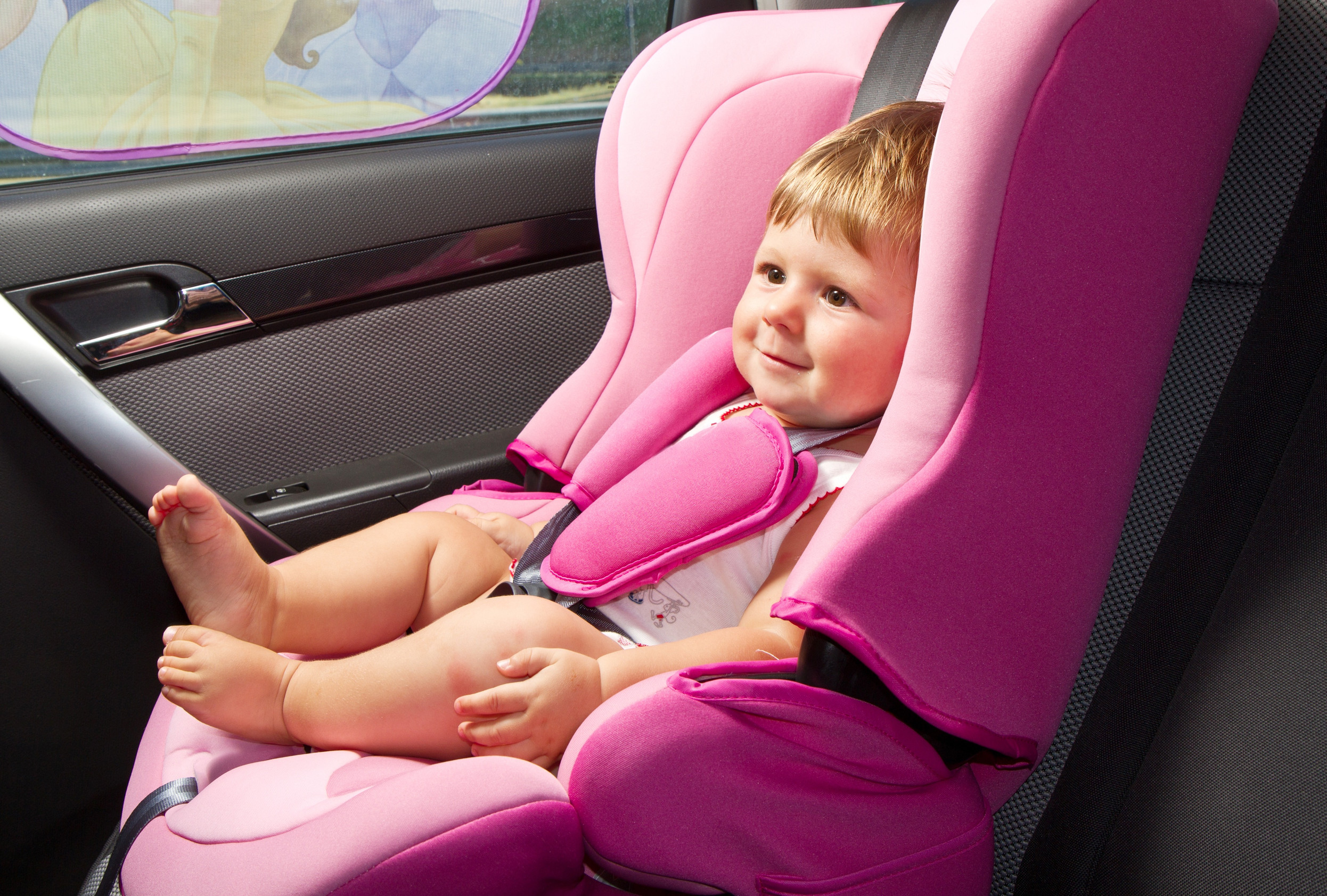
Shocking Data: 6 Car Seat Errors Still Causing Fatal Accidents

July 21, 2025 | Leave a Comment

Shocking Data 6 Car Seat Errors Still Causing Fatal Accidents
Image source: 123rf.com

It’s every parent’s worst nightmare—a car crash involving their child. Yet despite widespread education and resources, car seat errors continue to be a leading cause of preventable injury and death for young passengers. According to the National Highway Traffic Safety Administration, nearly half of all car seats are installed or used incorrectly. That means even the most loving, well-meaning parents may unknowingly be putting their child at serious risk. Let’s break down the six most common and dangerous mistakes that are still contributing to fatal accidents, and how to fix them fast.

1. Using the Wrong Type of Car Seat for Your Child’s Age and Size

Not every car seat fits every child. Using a seat that doesn’t match your child’s weight, height, or age is one of the most common car seat errors—and one of the most dangerous. Babies should be in a rear-facing seat until at least age two, or until they outgrow the manufacturer’s height or weight limit. Moving to a forward-facing seat too soon exposes them to greater forces in a crash. Always check the label on your seat and cross-reference with your child’s current measurements.

2. Installing the Car Seat Incorrectly

Even the best car seat won’t protect your child if it isn’t installed properly. Loose installation is one of the most widespread car seat errors, often leaving the seat able to move several inches in any direction. The base should be snug, with less than an inch of movement when pulled side to side or front to back. Most local fire departments or hospitals offer free car seat checks, and they’re well worth the visit. Reading the manual carefully and watching installation videos from the manufacturer can also help ensure everything is secured correctly.

3. Incorrect Harness Positioning and Tightness

The harness straps are your child’s only protection during a crash, so getting them right is non-negotiable. Yet many parents leave the harness too loose or set it at the wrong height, both of which reduce the seat’s effectiveness. For rear-facing seats, straps should be at or below the shoulders. For forward-facing, they should be at or above the shoulders. One of the most common car seat errors is being able to pinch the strap—if you can, it’s too loose.

4. Using Bulky Coats or Aftermarket Products

It might seem logical to bundle your child up on cold days, but that bulky jacket or plush insert can compress in a crash, creating dangerous slack in the harness. This mistake continues to contribute to fatal outcomes in otherwise survivable accidents. Most manufacturers advise against using any product that didn’t come with the car seat. Instead, buckle your child in snugly without the coat, and then layer a blanket or fitted car seat cover over the harness. It’s one of the simplest ways to avoid a critical car seat error.

5. Forgetting to Use the Top Tether on Forward-Facing Seats

When your child graduates to a forward-facing seat, it often comes with a top tether designed to anchor the top of the seat to your vehicle. Unfortunately, many parents forget or don’t realize this part exists. Failing to use the top tether is a serious car seat error because it allows the seat to move forward during a crash, increasing the risk of head injury. Your vehicle’s manual will show where to attach the tether anchor. It only takes seconds to secure and can make a life-saving difference.

6. Using a Car Seat Past Its Expiration Date

Car seats aren’t designed to last forever. Over time, the materials can break down, safety standards evolve, and parts wear out, making the seat less effective. Every seat has an expiration date—usually six to ten years after manufacture—and using one beyond that is a risky car seat error. Additionally, avoid buying secondhand seats unless you know their full history and can confirm they haven’t been in a crash. If in doubt, replace the seat and prioritize your child’s safety above all else.

The Small Fixes That Can Save Big Lives

It’s easy to assume your child’s car seat is “good enough,” especially when it’s something you use every day without issue. But even minor car seat errors can have devastating consequences in the event of a crash. The good news? Most of these mistakes are simple to fix with a few extra minutes and a little knowledge. Double-checking the straps, confirming the seat is secure, and making sure your child is in the correct seat for their size are small actions with major impact. When it comes to your child’s safety, “close enough” just isn’t enough.

Have you ever caught yourself making one of these car seat mistakes? What tips helped you correct them? Share your story in the comments below!

Read More:

6 Urgent Safety Checks for Baby Gear

11 Online Safety Risks Your Preschooler Faces

Catherine Reed
Catherine Reed

Catherine is a tech-savvy writer who has focused on the personal finance space for more than eight years. She has a Bachelor’s in Information Technology and enjoys showcasing how tech can simplify everyday personal finance tasks like budgeting, spending tracking, and planning for the future. Additionally, she’s explored the ins and outs of the world of side hustles and loves to share what she’s learned along the way. When she’s not working, you can find her relaxing at home in the Pacific Northwest with her two cats or enjoying a cup of coffee at her neighborhood cafe.

Filed Under: Parenting Tagged With: baby gear safety, car seat errors, car seat installation, car seat safety, child passenger safety, family travel safety, parenting tips, toddler car seats

5 Popular Car Seat Features Could Actually Be Putting Your Child in Danger

June 5, 2025 | Leave a Comment

5 Popular Car Seat Features Could Actually Be Putting Your Child in Danger

When choosing a car seat, most parents focus on features that promise added comfort, convenience, or advanced technology. It’s easy to assume that the more a seat offers, the safer it must be. But not all features are as beneficial as they seem—in fact, some of the most popular car seat features could actually increase the risk to your child in a crash or lead to dangerous misuse. As safety standards evolve, it’s more important than ever to look past the marketing and focus on what really protects your child. Here are five widely used features that may do more harm than good if you’re not careful.

1. Extra Padding and Plush Inserts

Many car seats are sold with thick, cushioned inserts that look luxurious and promise comfort. While a soft ride may feel like a plus, excessive padding (including plush inserts or even winter jackets) can alter how snugly a harness fits, making it less effective in a crash. These plush accessories often aren’t crash-tested with the seat and may not meet safety standards. Parents might also over-rely on them, assuming their child is better protected just because the seat looks more padded. If you’re using anything not included and approved by the manufacturer, it’s best to remove it.

2. Built-in Cup Holders and Armrests

Convenient for snacks and drinks, built-in cup holders are a wildly popular car seat feature—but they can pose unexpected risks. In a collision, hard plastic components like cup holders or armrests may become impact points or even break loose. If a child leans against them during a crash, it could increase the chance of injury to their arms or torso. Even worse, these features can make car seats bulkier, leading to poor installation or tight fits next to other seats. Safety experts recommend avoiding distractions and accessories that don’t contribute to restraint function.

3. Recline Options That Aren’t Properly Used

Some car seats offer adjustable recline positions to make long rides more comfortable for sleeping children. While that sounds great, incorrect recline angles can compromise safety—especially for infants. A seat that’s reclined too far back or too far forward can lead to positional asphyxia or reduce the effectiveness of the harness in a crash. Parents often trust the “clicks” without checking the angle indicators or referring to the manual. Always double-check the recline angle based on your child’s age and weight, and never guess based on what “looks” comfortable.

4. No-Rethread Harnesses Misused

No-rethread harnesses make adjusting shoulder straps easier by allowing you to slide them up or down without removing the seat or straps. But this popular car seat feature can lead to serious misuse if not done correctly. If the harness height doesn’t match the child’s shoulder level—at or below for rear-facing, at or above for forward-facing—the protection it offers drops significantly. Because it’s so easy to adjust, many parents skip re-checking regularly, especially during growth spurts. Simplicity doesn’t replace the need for precision when it comes to fit.

5. Touchscreen or App-Based Install Features

Modern car seats are starting to include app integration, Bluetooth sensors, or touchscreens for installation support and reminders. While tech can be helpful, overreliance on it can backfire. If parents skip manual checks or assume an app will alert them to every issue, they may miss common problems like loose installations, twisted straps, or incorrect anchor use. These digital additions are tools—not replacements—for learning how to install a seat correctly. Always refer to the printed manual and verify everything with a hands-on inspection.

Safety First Means Scrutinizing the Extras

When shopping for a car seat, it’s tempting to reach for the one with the most bells and whistles. But just because a popular car seat feature is trending doesn’t mean it’s the safest choice for your child. Stick with seats that prioritize crash-tested safety, clear instructions, and proper fit. And don’t hesitate to reach out to a certified Child Passenger Safety Technician (CPST) if you ever feel unsure—your child’s safety is worth it.

Have you ever second-guessed a car seat feature after using it? What made you reconsider? Share your experience in the comments to help other parents make informed choices.

Read More:

6 Seemingly Safe Places That Could Actually Be Dangerous for Kids

Food Choking Hazards: What Parents Should Watch Out For

Catherine Reed
Catherine Reed

Catherine is a tech-savvy writer who has focused on the personal finance space for more than eight years. She has a Bachelor’s in Information Technology and enjoys showcasing how tech can simplify everyday personal finance tasks like budgeting, spending tracking, and planning for the future. Additionally, she’s explored the ins and outs of the world of side hustles and loves to share what she’s learned along the way. When she’s not working, you can find her relaxing at home in the Pacific Northwest with her two cats or enjoying a cup of coffee at her neighborhood cafe.

Filed Under: Safety Tagged With: Baby Gear, car seat installation, car seat safety, child car seats, child passenger safety, infant safety, parenting tips, travel safety

  • Facebook
  • Pinterest
  • RSS
  • Twitter

Basic Principles Of Good Parenting

Here some basic principles for good parenting:

  1. What You Do Matters: Your kids are watching you. So, be purposeful about what you want to accomplish.
  2. You Can’t be Too Loving: Don’t replace love with material possessions, lowered expectations or leniency.
  3. Be Involved Your Kids Life: Arrange your priorities to focus on what your kid’s needs. Be there mentally and physically.
  4. Adapt Your Parenting: Children grow quickly, so keep pace with your child’s development.
  5. Establish and Set Rules: The rules you set for children will establish the rules they set for themselves later.  Avoid harsh discipline and be consistent.
  6. Explain Your Decisions: What is obvious to you may not be evident to your child. They don’t have the experience you do.
  7. Be Respectful To Your Child: How you treat your child is how they will treat others.  Be polite, respectful and make an effort to pay attention.
Best Parenting Blogs

Most Popular

Baby names

Teachers Admit: These 6 Baby Names Create Instant Bias in the Classroom

Latrice Perez
6 Baby Names That Sound Cute Now but Cause Problems Later

6 Baby Names That Sound Cute Now but Cause Problems Later

Brandon Marcus
11 Ways Kids Are Outsmarting Parental Controls 1. Using Alternate Devices One common trick is simply turning to another device. If a child’s main phone or tablet is restricted, they may borrow a sibling’s, friend’s, or even a school laptop. This instantly gives them access to content outside of parental oversight. Parents often focus on one device, forgetting that others in the household can serve as loopholes. Knowing this tactic helps families tighten controls across all electronics. 2. Clearing Browsing Histories Many kids quickly learn that clearing browsing history hides evidence of restricted activity. With just a few clicks, they can erase any trace of websites visited. This makes it harder for parents to notice when rules are being broken. Parents may assume no history means no browsing, but the reality is often the opposite. Kids are outsmarting parental controls by making it seem like nothing happened at all. 3. Using Private Browsing Modes Most browsers offer “incognito” or private browsing features. Kids use this mode to access websites without leaving a record in the history. To parents checking later, everything looks clean and safe. This simple trick is often one of the first ways kids discover how to bypass restrictions. Conversations about private browsing can help close this gap. 4. Guessing or Resetting Passwords Children who are persistent may try to guess passwords to parental control apps or accounts. Others may find ways to reset them through email prompts or security questions. Once inside, they can disable restrictions entirely. Parents may not even realize controls have been altered until much later. Stronger, less predictable passwords can make this more difficult. 5. Using VPNs to Hide Activity Virtual private networks, or VPNs, let kids disguise their online locations. With one downloaded app, they can bypass geographic or parental restrictions. Some children learn about VPNs through friends or even social media. This makes it easy for them to reach content that should be blocked. Parents often underestimate just how simple it is for kids to use these tools. 6. Creating Fake Accounts When parents monitor social media, kids may create hidden accounts. These “finstas” or fake profiles allow them to interact freely without parental oversight. While their main account appears harmless, the secondary one tells a different story. Kids are outsmarting parental controls by playing both sides at once. Checking for duplicate accounts can help parents stay more aware. 7. Exploiting Time Zone Settings Some kids change the time zone on their devices to bypass screen time limits. This trick allows them to gain extra hours of usage undetected. Parents may assume controls are working, but in reality, the child is bending the clock. It’s a clever loophole that highlights just how resourceful kids can be. Monitoring device settings regularly can catch this tactic. 8. Disabling or Uninstalling Apps Parental control apps can be deleted or disabled with surprising ease. Some kids even reinstall them before a parent checks, making it seem like nothing changed. Others may simply restrict permissions to prevent apps from functioning properly. When apps aren’t monitored closely, parents may not notice they’ve been tampered with. This shows the importance of consistent follow-up. 9. Turning to Friends for Access If a child can’t get past restrictions on their own, they may rely on friends. Visiting a friend’s house or borrowing their phone can give them a free pass. Parents often forget that peer environments can override restrictions set at home. This kind of social workaround is especially common with gaming or social media. Open conversations about trust and responsibility are essential. 10. Hiding Apps in Plain Sight Kids sometimes download apps that look innocent but serve as gateways to hidden activity. These apps may disguise themselves as calculators or utilities. In reality, they allow file storage, private messaging, or browser access. Parents glancing at a home screen may overlook them entirely. Learning to recognize these disguised apps can help parents stay informed. 11. Outpacing Parents’ Tech Knowledge Finally, kids often know more about devices than their parents do. Whether through YouTube tutorials, TikTok hacks, or peer groups, they quickly learn advanced workarounds. This knowledge gap means controls can be bypassed before parents even realize the loophole exists. Staying informed and continually learning about new technology is the best defense. Kids are outsmarting parental controls because they adapt faster than most adults. The Real Solution Lies Beyond Restrictions While controls and filters are important, no system is perfect. Kids will always find creative ways around barriers, making communication the strongest safeguard. Setting clear expectations, building trust, and having ongoing conversations about online behavior matter more than apps alone. Parents who combine technology with open dialogue create a safer digital environment. The goal isn’t to win a battle of wits but to build a relationship that keeps kids both safe and honest. Do you think kids are outsmarting parental controls faster than parents can keep up? Share your experiences in the comments below. What to Read Next... 6 Parenting Tech Shortcuts That Can Expose Your Child to Strangers How Much Screen Time Is Too Much—Legally Speaking? Is Your Child’s School Quietly Tracking Their Location Without Your Consent? How Much Screen Time Is Quietly Reshaping Childhood Behavior? Why Some Parents Are Being Investigated Over Homeschooling Records

11 Ways Kids Are Outsmarting Parental Controls

Catherine Reed
Smiling grandfather holding a happy baby indoors.

Why Grandparents Shouldn’t Babysit Their Grandkids Every Week – The Unspoken Issue

Samantha
birthday gifts

7 Birthday Gifts Your Child Should Never Bring to a Party

Latrice Perez

All content on Kids Ain’t Cheap is for entertainment purposes only. By reading this blog, you agree that Kids Ain’t Cheap is not responsible for any actions taken after reading this blog. For the full disclaimer, see our privacy policy.

Please note that Kids Ain’t Cheap has financial relationships with some of the merchants mentioned here. Kids Ain’t Cheap is funded by banner advertising, commission sales and search optimization consulting.

Copyright © 2006–2026 | District Media | All Rights Reserved | Privacy Policy

Copyright © 2026 Runway Pro Theme by Viva la Violette