• Home
  • About Us
  • Toolkit
  • Archives
  • Advertise
  • Privacy Policy

Kids Ain't Cheap

But They Sure Are Worth It

  • Parenting
    • Baby Stuff
    • Books and Reading
      • Aesops Fables
      • Comic Books
    • Education
    • Family Time
    • Green Living
    • Growing Up
    • Healthy Living & Eating
    • Holidays
    • Parenting
    • Random Musings
    • Shopping
    • Stuff to Do
  • Money
  • Product Reviews
    • Books and Magazines
    • Discount Sites
    • Furniture
    • House Keeping
    • Reviews News
    • Toys and Games
  • Contact Us
  • Our Editorial Commitment
  • Search

Shocking Data: 6 Car Seat Errors Still Causing Fatal Accidents

July 21, 2025 | Leave a Comment

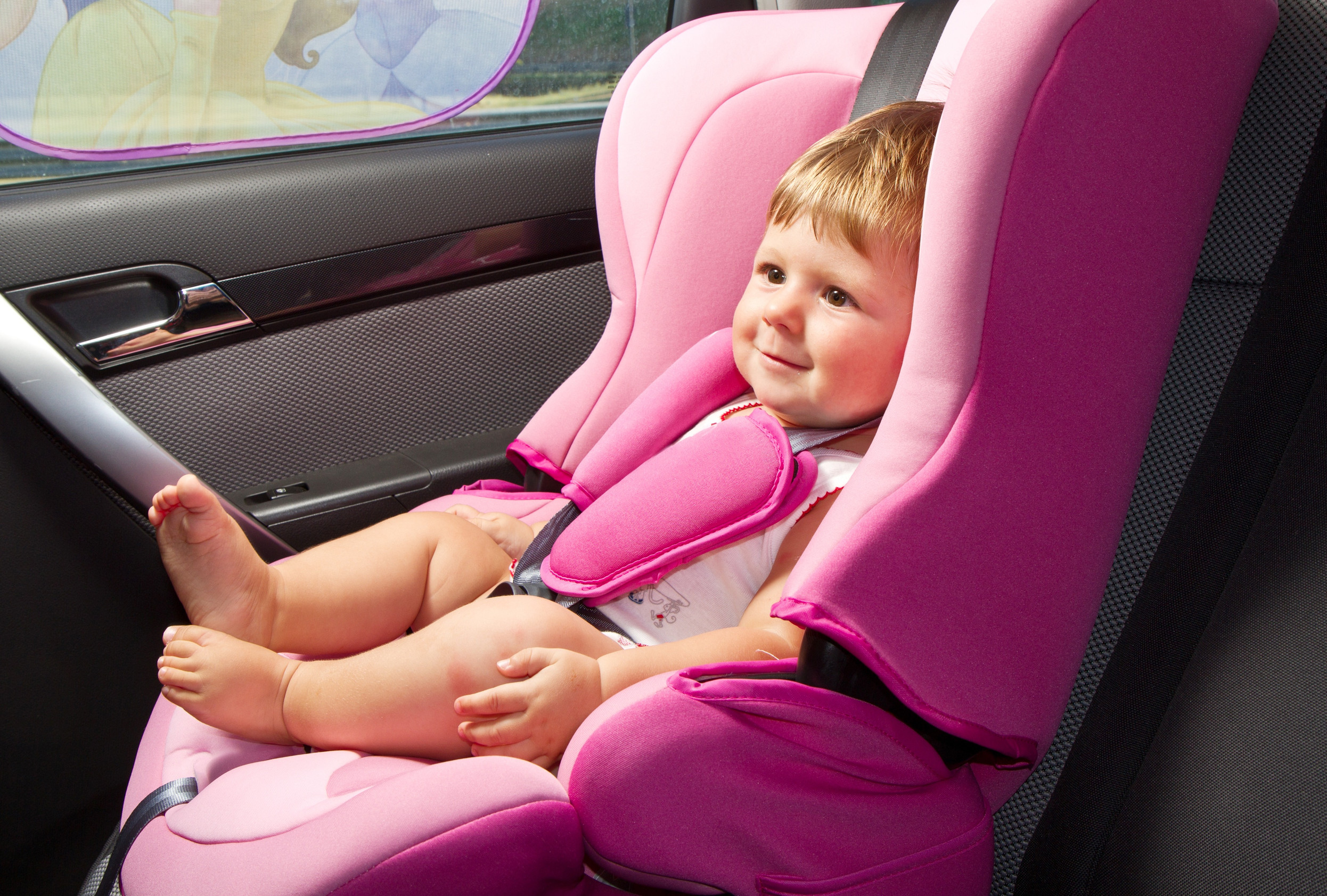
Shocking Data 6 Car Seat Errors Still Causing Fatal Accidents
Image source: 123rf.com

It’s every parent’s worst nightmare—a car crash involving their child. Yet despite widespread education and resources, car seat errors continue to be a leading cause of preventable injury and death for young passengers. According to the National Highway Traffic Safety Administration, nearly half of all car seats are installed or used incorrectly. That means even the most loving, well-meaning parents may unknowingly be putting their child at serious risk. Let’s break down the six most common and dangerous mistakes that are still contributing to fatal accidents, and how to fix them fast.

1. Using the Wrong Type of Car Seat for Your Child’s Age and Size

Not every car seat fits every child. Using a seat that doesn’t match your child’s weight, height, or age is one of the most common car seat errors—and one of the most dangerous. Babies should be in a rear-facing seat until at least age two, or until they outgrow the manufacturer’s height or weight limit. Moving to a forward-facing seat too soon exposes them to greater forces in a crash. Always check the label on your seat and cross-reference with your child’s current measurements.

2. Installing the Car Seat Incorrectly

Even the best car seat won’t protect your child if it isn’t installed properly. Loose installation is one of the most widespread car seat errors, often leaving the seat able to move several inches in any direction. The base should be snug, with less than an inch of movement when pulled side to side or front to back. Most local fire departments or hospitals offer free car seat checks, and they’re well worth the visit. Reading the manual carefully and watching installation videos from the manufacturer can also help ensure everything is secured correctly.

3. Incorrect Harness Positioning and Tightness

The harness straps are your child’s only protection during a crash, so getting them right is non-negotiable. Yet many parents leave the harness too loose or set it at the wrong height, both of which reduce the seat’s effectiveness. For rear-facing seats, straps should be at or below the shoulders. For forward-facing, they should be at or above the shoulders. One of the most common car seat errors is being able to pinch the strap—if you can, it’s too loose.

4. Using Bulky Coats or Aftermarket Products

It might seem logical to bundle your child up on cold days, but that bulky jacket or plush insert can compress in a crash, creating dangerous slack in the harness. This mistake continues to contribute to fatal outcomes in otherwise survivable accidents. Most manufacturers advise against using any product that didn’t come with the car seat. Instead, buckle your child in snugly without the coat, and then layer a blanket or fitted car seat cover over the harness. It’s one of the simplest ways to avoid a critical car seat error.

5. Forgetting to Use the Top Tether on Forward-Facing Seats

When your child graduates to a forward-facing seat, it often comes with a top tether designed to anchor the top of the seat to your vehicle. Unfortunately, many parents forget or don’t realize this part exists. Failing to use the top tether is a serious car seat error because it allows the seat to move forward during a crash, increasing the risk of head injury. Your vehicle’s manual will show where to attach the tether anchor. It only takes seconds to secure and can make a life-saving difference.

6. Using a Car Seat Past Its Expiration Date

Car seats aren’t designed to last forever. Over time, the materials can break down, safety standards evolve, and parts wear out, making the seat less effective. Every seat has an expiration date—usually six to ten years after manufacture—and using one beyond that is a risky car seat error. Additionally, avoid buying secondhand seats unless you know their full history and can confirm they haven’t been in a crash. If in doubt, replace the seat and prioritize your child’s safety above all else.

The Small Fixes That Can Save Big Lives

It’s easy to assume your child’s car seat is “good enough,” especially when it’s something you use every day without issue. But even minor car seat errors can have devastating consequences in the event of a crash. The good news? Most of these mistakes are simple to fix with a few extra minutes and a little knowledge. Double-checking the straps, confirming the seat is secure, and making sure your child is in the correct seat for their size are small actions with major impact. When it comes to your child’s safety, “close enough” just isn’t enough.

Have you ever caught yourself making one of these car seat mistakes? What tips helped you correct them? Share your story in the comments below!

Read More:

6 Urgent Safety Checks for Baby Gear

11 Online Safety Risks Your Preschooler Faces

Catherine Reed
Catherine Reed

Catherine is a tech-savvy writer who has focused on the personal finance space for more than eight years. She has a Bachelor’s in Information Technology and enjoys showcasing how tech can simplify everyday personal finance tasks like budgeting, spending tracking, and planning for the future. Additionally, she’s explored the ins and outs of the world of side hustles and loves to share what she’s learned along the way. When she’s not working, you can find her relaxing at home in the Pacific Northwest with her two cats or enjoying a cup of coffee at her neighborhood cafe.
Filed Under: Parenting Tagged With: baby gear safety, car seat errors, car seat installation, car seat safety, child passenger safety, family travel safety, parenting tips, toddler car seats

The Gas Station “Good Samaritan” Trick Parents Need to Know About

May 30, 2025 | Leave a Comment

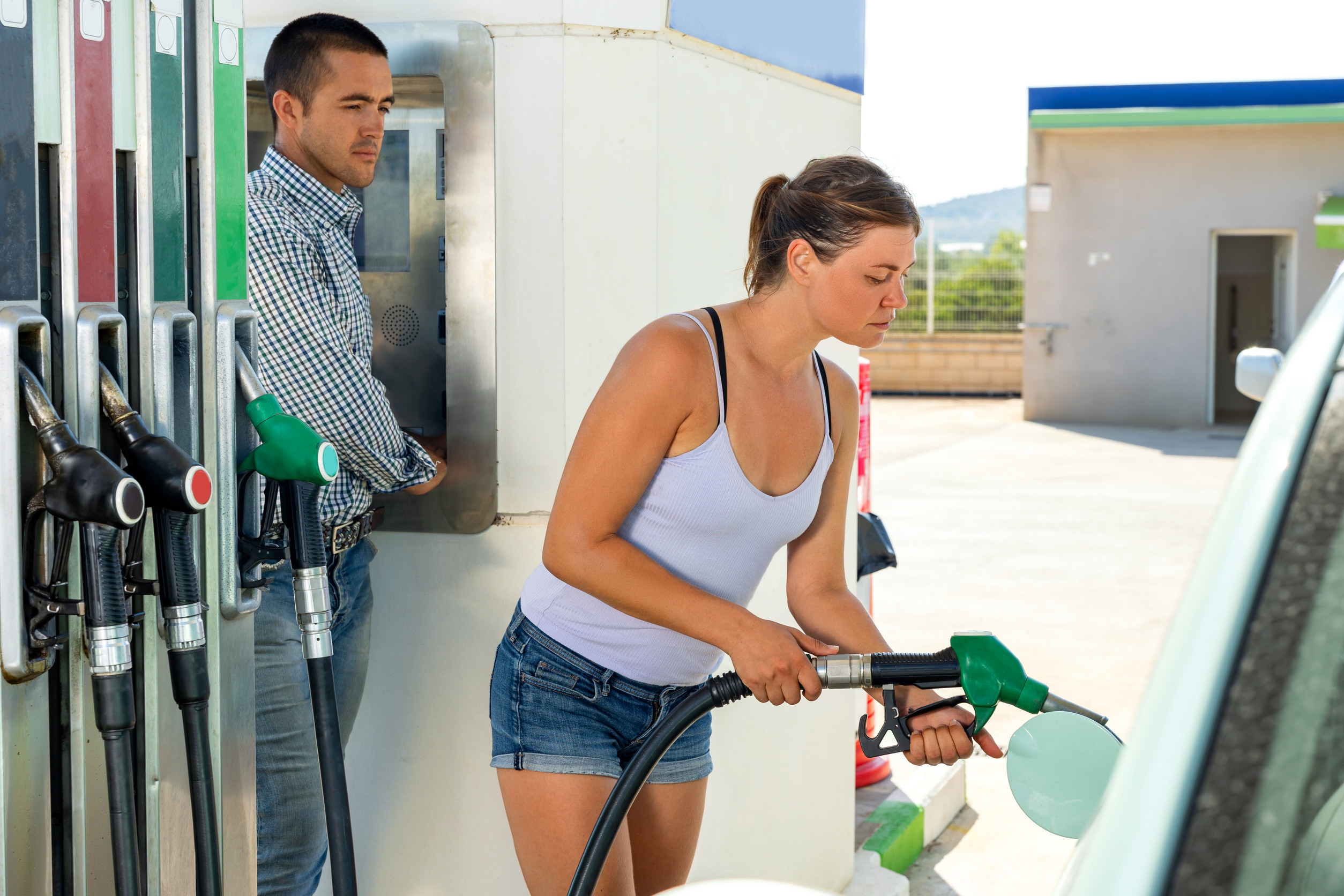
The Gas Station Good Samaritan Trick Parents Need to Know About

It starts off like a kind gesture—someone approaches offering to help you with something small: pumping your gas, fixing a loose tire, or alerting you to something wrong with your car. But in many cases, these helpful strangers are far from kind. A growing number of incidents involve what’s known as the gas station “Good Samaritan” trick, and parents need to be extra alert—especially when kids are in the car. This scam plays on your sense of trust and distraction, often leaving you vulnerable to theft, danger, or worse.

1. What Is the Gas Station “Good Samaritan” Trick?

This scam typically begins with someone offering to help in a moment that seems harmless or routine. They might say your tire looks flat, that your gas cap is missing, or that they saw something fall off your vehicle. While your guard is down and you’re focused on their concern, an accomplice may sneak around to steal from your car or even lure your attention further from your kids. It’s called the gas station “Good Samaritan” trick because it mimics helpfulness while hiding harmful intent. The scammers rely on the chaos of a busy gas station and your desire to keep things moving.

2. Why Parents Are Targeted More Often

Parents, especially those traveling with young kids, are frequently targeted by scammers using the gas station “Good Samaritan” trick. Why? Because parents are multitasking—watching kids, pumping gas, checking directions—and are more likely to be distracted. The more your attention is divided, the easier it is for someone to take advantage of the situation. Criminals often assume that a parent’s priority will be the safety of their children, and they use that to shift your focus. Unfortunately, that distraction gives them just enough time to open a door, snatch a purse, or access the vehicle.

3. Common Tactics Used by Scammers

There are a few specific methods scammers use under the gas station “Good Samaritan” trick umbrella. One involves dropping something near your feet or under your car to get you to bend down and look away. Another is a tap on your window with a friendly smile and a warning like, “Your rear tire is really low.” In some cases, scammers even pose as gas station employees to gain your trust. They may also point out a fake oil leak or act concerned about smoke that doesn’t exist. All of these are designed to get you out of the car or away from your kids.

4. Red Flags to Watch For

Not all help is suspicious, but there are key red flags to look out for. Be wary of overly friendly strangers who approach you directly and uninvited, especially if they’re trying to draw your attention away from your car. If someone insists on helping even after you politely decline, that’s a big warning sign. Watch for people working in pairs or groups—one talking while another circles the car. If something about the interaction feels off or forced, trust your gut. The gas station “Good Samaritan” trick relies on your hesitation to be rude or cautious.

5. How to Protect Yourself and Your Kids

There are a few simple steps you can take to stay safe. First, always lock your car doors, even while pumping gas. Keep your valuables out of sight and never leave your purse, phone, or wallet on the passenger seat. If someone approaches, speak through a cracked window and remain aware of your surroundings. Politely decline unsolicited help and trust your instincts—if something feels wrong, it probably is. Teach your kids to stay buckled or close to you while at the pump, and if you ever feel unsafe, go inside the station or drive to a more secure location.

6. What to Do If You’ve Been Targeted

If you suspect someone has tried to scam you using the gas station “Good Samaritan” trick, document what you can. Write down descriptions, license plate numbers, and the time and location. Notify the gas station staff and contact local authorities, even if nothing was stolen—your report could help prevent future incidents. If anything is missing from your vehicle, alert your bank, freeze credit cards, and file a police report immediately. Don’t hesitate to speak up; even a near-miss deserves attention.

7. Teaching Kids About Stranger Safety—Even at the Pump

Kids often see gas stations as boring stops or chances to ask for snacks, but it’s important to teach them that these places come with safety rules too. Practice scenarios together and explain why they should stay in their seats, keep doors closed, and avoid opening windows. Let them know that not every adult who approaches the car has good intentions—even if they seem nice. Discussing the gas station “Good Samaritan” trick in an age-appropriate way helps build awareness without fear. Empowered kids are safer kids.

Staying Alert Is the Best Defense

Gas stations should be a routine stop, not a dangerous one. But awareness is key when it comes to protecting your family from subtle but serious scams. The gas station “Good Samaritan” trick preys on kindness and distraction—two things parents have in abundance. By staying alert, trusting your instincts, and teaching your kids what to watch for, you can keep your family safer with every stop.

Have you ever encountered a suspicious situation at a gas station? What steps do you take to stay alert when your kids are with you? Share your tips in the comments.

Read More:

School Is In Session! Protect Yourself From Scams

10 Dangerous Activities Your Kids Are Participating In Online

Catherine Reed
Catherine Reed

Catherine is a tech-savvy writer who has focused on the personal finance space for more than eight years. She has a Bachelor’s in Information Technology and enjoys showcasing how tech can simplify everyday personal finance tasks like budgeting, spending tracking, and planning for the future. Additionally, she’s explored the ins and outs of the world of side hustles and loves to share what she’s learned along the way. When she’s not working, you can find her relaxing at home in the Pacific Northwest with her two cats or enjoying a cup of coffee at her neighborhood cafe.

Filed Under: Safety Tagged With: child safety tips, family travel safety, gas station scams, parenting awareness, parenting safety, safety on the go, scam prevention, stranger danger, street smarts for kids

  • Facebook
  • Pinterest
  • RSS
  • Twitter

Basic Principles Of Good Parenting

Here some basic principles for good parenting:

  1. What You Do Matters: Your kids are watching you. So, be purposeful about what you want to accomplish.
  2. You Can’t be Too Loving: Don’t replace love with material possessions, lowered expectations or leniency.
  3. Be Involved Your Kids Life: Arrange your priorities to focus on what your kid’s needs. Be there mentally and physically.
  4. Adapt Your Parenting: Children grow quickly, so keep pace with your child’s development.
  5. Establish and Set Rules: The rules you set for children will establish the rules they set for themselves later.  Avoid harsh discipline and be consistent.
  6. Explain Your Decisions: What is obvious to you may not be evident to your child. They don’t have the experience you do.
  7. Be Respectful To Your Child: How you treat your child is how they will treat others.  Be polite, respectful and make an effort to pay attention.
Best Parenting Blogs

Most Popular

Baby Girl

12 “Grandma” Baby Names That Are Suddenly Cool Again

Evan Morgan
Baby

9 Baby Names That Sound Rare Without Being Hard to Spell

Evan Morgan
Target Store

Choking Incident Prompts Recall of 49,000 Target Gigglescape “Under the Sea” Popping Toys

Evan Morgan
Frustrated Girl

Why Some Students on the Spectrum Are Labeled With ODD

Evan Morgan
Coke Bottles

12 Things Kids Took to School in the ’70s That Would Never Be Allowed Today

Evan Morgan

All content on Kids Ain’t Cheap is for entertainment purposes only. By reading this blog, you agree that Kids Ain’t Cheap is not responsible for any actions taken after reading this blog. For the full disclaimer, see our privacy policy.

Please note that Kids Ain’t Cheap has financial relationships with some of the merchants mentioned here. Kids Ain’t Cheap is funded by banner advertising, commission sales and search optimization consulting.

Copyright © 2006–2026 | District Media | All Rights Reserved | Privacy Policy

Copyright © 2026 Runway Pro Theme by Viva la Violette