• Home
  • About Us
  • Toolkit
  • Archives
  • Advertise
  • Privacy Policy

Kids Ain't Cheap

But They Sure Are Worth It

  • Parenting
    • Baby Stuff
    • Books and Reading
      • Aesops Fables
      • Comic Books
    • Education
    • Family Time
    • Green Living
    • Growing Up
    • Healthy Living & Eating
    • Holidays
    • Parenting
    • Random Musings
    • Shopping
    • Stuff to Do
  • Money
  • Product Reviews
    • Books and Magazines
    • Discount Sites
    • Furniture
    • House Keeping
    • Reviews News
    • Toys and Games
  • Contact Us
  • Our Editorial Commitment
  • Search

Fur-Ever Care: 10 Things to Consider About Your Child’s Pets’ Future

July 14, 2025 | Leave a Comment

Fur Ever Care 10 Things to Consider About Your Childs Pets Future
123rf.com

When your child bonds with a pet, it creates a unique kind of love that’s equal parts joy, responsibility, and emotional growth. But what happens to that pet when life changes? Whether your child goes off to college, the family moves, or unexpected events unfold, planning for your child’s pets’ future is something many families forget to consider—until it’s too late. Pets are family, too, and thinking ahead ensures they receive the same level of care and attention even when circumstances shift. Here are 10 things to keep in mind when planning long-term for your child’s beloved animal companions.

1. Who Will Take Over When Your Child Grows Up?

Many kids start with small pets, but as they head off to college or start careers, they may not be able to bring their furry (or scaly) friend along. Thinking about who will take over care is a key step in planning your child’s pets’ future. Will it fall to you as the parent? Is there a relative who would be a good fit? Having this conversation before your child moves out avoids rushed decisions and ensures continuity in the pet’s care.

2. Emergency Pet Care Plans

Just like you may have a will or guardianship plan for your children, it’s wise to think about what happens to pets in emergencies. Who would care for your child’s pet if something happened to you? This is one of the most overlooked aspects of your child’s pets’ future. Choose a trusted friend or family member who agrees to step in, and make sure your pet’s medical records and feeding instructions are easily accessible. A pet emergency contact card or file can bring peace of mind.

3. Financial Considerations for Long-Term Pet Care

Vet visits, grooming, food, and medications can really add up over time. If your child’s pet is expected to live for many years, such as a turtle, bird, or cat, it’s important to plan for ongoing costs. Saving a small amount monthly or setting aside funds in a pet trust can help cover unexpected expenses. Your child may not have the financial ability to care for a pet when they’re older, so budget conversations are important. Planning today can help prevent tough choices down the road.

4. College Housing and Pet Restrictions

If your child plans to go to college and wants to bring a pet, housing options may be limited. Most dorms prohibit pets, and even off-campus housing can have strict rules. Knowing the pet policy in advance gives you time to make alternative care arrangements. If the pet can’t go with them, decide where the animal will live and who will take care of daily needs. Being proactive supports both your child and their pet’s emotional health.

5. Long-Lived or Exotic Pets Need Extra Planning

Some pets, like parrots or tortoises, can live for decades—far beyond the years your child will live at home. If your child chooses one of these species, it’s crucial to discuss what long-term care will look like. These animals often require specialized diets, enclosures, and veterinary care. Your child’s pets’ future might include transitioning to a sanctuary or another committed caretaker. Research and transparency are key before bringing a long-lived animal into your home.

6. Behavioral and Socialization Needs Over Time

As pets age, their behavior and needs can shift. A once-friendly bunny may become territorial, or a hyper puppy may develop anxiety if left alone. Teaching your child to recognize these changes and adapt care accordingly is an important part of the process. If your child moves out, you’ll want to make sure the new caregiver understands these nuances. Maintaining routines, training, and social interaction protects your pet’s emotional well-being.

7. Veterinary and Medical Care Transitions

Transferring care to a new vet is more than just finding the closest clinic. Your child’s pets’ future includes having access to consistent, high-quality medical care. Keep thorough medical records, and consider writing a summary of your pet’s health history for future caregivers. This helps avoid gaps in care or repeated procedures. It’s especially important if your pet has a chronic condition or requires regular medication.

8. Housing and Lifestyle Compatibility

Not every home is a good fit for every animal. A large dog might struggle in a small apartment, while a snake might not be welcome in some households. If you’re rehoming or transitioning a pet as part of a long-term plan, consider environment and compatibility. Ask questions like: Will the new household have children? Are there other pets? Matching your child’s pet with the right environment is essential to their happiness and safety.

9. Emotional Impact on Your Child

Pets are often your child’s best friend, confidant, and comfort. So even if they agree that rehoming or transitioning care is the right choice, the emotional toll can be heavy. Involve your child in planning and conversations to help them feel empowered rather than excluded. Honoring their feelings is just as important as planning for their pet’s well-being. Encourage letters, photos, or updates if the pet moves to someone else’s care.

10. Teaching Lifelong Responsibility

Helping your child understand the long-term needs of their pet goes beyond daily feeding and playtime. It teaches commitment, foresight, and compassion. Your child’s pets’ future becomes a valuable tool for teaching real-life responsibility. These lessons shape how they care for others, manage time, and handle obligations later in life. And in the process, you’re nurturing both your child’s heart and the well-being of a beloved animal.

A Future Plan Means Peace of Mind for Everyone

Pets give so much joy, love, and companionship—but they also depend on us completely. When you plan for your child’s pets’ future, you ensure their safety, stability, and comfort, no matter what life brings. It’s a gift of care that extends beyond your child’s growing-up years and teaches your family the true meaning of responsibility. Think ahead, ask questions, and make thoughtful choices now so your pet’s tomorrow is just as loving as today.

Have you made a plan for your child’s pet if things change? What steps have you taken to prepare for the future? Share your ideas in the comments!

Read More:

These Are The 8 Best Pets For Small Children

Pet Parents Beware: Common Mistakes You Might Be Making

Catherine Reed
Catherine Reed

Catherine is a tech-savvy writer who has focused on the personal finance space for more than eight years. She has a Bachelor’s in Information Technology and enjoys showcasing how tech can simplify everyday personal finance tasks like budgeting, spending tracking, and planning for the future. Additionally, she’s explored the ins and outs of the world of side hustles and loves to share what she’s learned along the way. When she’s not working, you can find her relaxing at home in the Pacific Northwest with her two cats or enjoying a cup of coffee at her neighborhood cafe.


Filed Under: Parenting Tagged With: Family Pets, kids and animals, long-term pet planning, parenting and pets, pet care tips, pet ownership advice, pet safety, your child’s pets’ future

7 Dogs That Are Great Companions For Autistic Children

June 4, 2025 | Leave a Comment

7 Dogs That Are Great Companions For Autistic Children

Finding the right support system for a child with autism can make all the difference—and sometimes, that support has four legs, a wagging tail, and an unconditional heart. Certain dog breeds naturally provide the calm, loyalty, and patience that many autistic children need in a companion. These dogs don’t just offer comfort and play—they can help with emotional regulation, sensory processing, and building social skills. But not every breed is ideal for every child. The dogs that are great companions for autistic children tend to share key traits: gentleness, consistency, intelligence, and a deep bond with their humans.

1. Golden Retriever

Golden Retrievers top the list of dogs that are great companions for autistic children because of their friendly nature and easy-going temperament. They’re highly trainable and respond well to routine, which can be incredibly important for kids who thrive on structure. Golden Retrievers are gentle with children, patient during meltdowns, and eager to offer affection when it’s needed most. They are also intuitive, often sensing when a child is overwhelmed and responding with calmness. These dogs make wonderful emotional anchors during unpredictable days.

2. Labrador Retriever

Labrador Retrievers are known for their loyalty, energy, and love for people—all of which make them excellent companions for autistic children. Labs are playful but gentle, which can help with physical activity and sensory integration in a safe and positive way. Their patience and ability to form strong bonds can support communication development and reduce anxiety. Because they are eager to please, they can be trained to assist with tasks or provide sensory comfort. For families seeking a dog that is both active and adaptable, Labradors are a dependable choice.

3. Poodle

Poodles are intelligent, hypoallergenic, and come in a variety of sizes, which makes them one of the most versatile dogs that are great companions for autistic children. They’re quick learners, which allows for specific training to meet the unique needs of a child on the autism spectrum. Poodles are also low-shedding, which helps reduce allergens and mess—an added bonus for sensory-sensitive kids. Their calm but alert demeanor helps them read situations and offer comfort when needed. Whether toy, miniature, or standard size, poodles can be great emotional and physical support dogs.

4. Bernese Mountain Dog

These gentle giants may be large, but their loving nature makes them ideal for kids who benefit from physical closeness and a calm presence. Bernese Mountain Dogs are incredibly patient, even with high-energy or unpredictable behaviors, and often serve as a grounding presence for autistic children. Their calm energy makes them reliable during transitions or overstimulating environments. With proper training, they can provide sensory pressure or companionship during quiet moments. Their size also provides a sense of security and reassurance to children who find comfort in physical proximity.

5. Boxer

Boxers are loyal, protective, and incredibly loving, making them great dogs for families with autistic children who need a confident but kind companion. Boxers are known to be especially bonded with children, often developing a strong sense of duty and affection toward them. They are playful enough to encourage activity and social engagement but also know when to settle down and relax. Their expressive faces and responsive nature can help children with nonverbal communication or emotional awareness. With proper exercise and training, boxers become joyful additions to the home.

6. Beagle

Beagles may be small, but their hearts are huge. These curious, affectionate dogs are ideal for kids who benefit from a gentle but alert companion. Beagles are naturally friendly and can adapt to various environments, whether a quiet home or a more bustling one. Their size makes them easy to manage, and their playful attitude can be great for encouraging engagement and sensory play. Though sometimes stubborn, beagles are loving and loyal when given structure and affection.

7. Collie

Immortalized by the character of Lassie, collies are deeply intuitive and nurturing dogs that make wonderful companions for children with autism. They’re easy to train, loyal to their family, and naturally inclined to protect and comfort. Collies are calm and even-tempered, often knowing just how to respond when a child is upset or overstimulated. Their herding instincts can also be helpful when families are out and about, as collies tend to stay close and attentive. For kids who respond well to emotional intelligence and physical softness, the collie is a beautiful match.

Finding the Right Fit for Your Family

Every child with autism is different, and so is every dog. While there are many dogs that are great companions for autistic children, the key is finding the breed and personality that align with your child’s unique needs. Think about your family’s routine, your child’s sensory sensitivities, and the time you can dedicate to training and bonding. With the right match, a dog can become more than a pet—they can be a source of calm, confidence, and unconditional friendship.

Do you have a dog that’s been an amazing support for your autistic child? Share your story in the comments—we’d love to hear about your family’s perfect match!

Read More:

6 Dog Breeds That Will Fiercely Protect Your Children

7 Behaviors That Make Dogs Bite Children

Catherine Reed
Catherine Reed

Catherine is a tech-savvy writer who has focused on the personal finance space for more than eight years. She has a Bachelor’s in Information Technology and enjoys showcasing how tech can simplify everyday personal finance tasks like budgeting, spending tracking, and planning for the future. Additionally, she’s explored the ins and outs of the world of side hustles and loves to share what she’s learned along the way. When she’s not working, you can find her relaxing at home in the Pacific Northwest with her two cats or enjoying a cup of coffee at her neighborhood cafe.

Filed Under: Pets Tagged With: autism parenting, best dog breeds for autism, child development, emotional support animals, Family Pets, special needs parenting, therapy dogs

6 Cat Names That Are Perfect for Little Troublemakers

May 30, 2025 | Leave a Comment

6 Cat Names That Are Perfect for Little Troublemakers

If you’ve just welcomed a mischievous kitten into your home, you already know you’re in for a wild ride. Whether they’re knocking plants off shelves, attacking your ankles from under the couch, or scaling the curtains like a feline superhero, some cats just radiate chaos—and charm. So why settle for a boring name when their personality practically demands something bold, funny, or delightfully devious? These cat names that are perfect for little troublemakers capture that spicy spirit and give your furry tornado the title they truly deserve. From pop culture nods to clever twists, these names will suit your cat’s antics perfectly.

1. Gremlin

Gremlin is one of those cat names that are perfect for little troublemakers because it nails the vibe: small, mischievous, and a little bit unpredictable. Whether your kitten is zooming around at 3 a.m. or hissing at their own reflection, the name Gremlin says, “I’m cute, but don’t trust me alone with your shoelaces.” It works especially well for cats with big ears, bug eyes, or that signature scrappy energy. Plus, anyone who’s seen the classic movie will get a chuckle—and know to keep snacks out of reach after midnight. It’s equal parts spooky and silly, just like your little terror.

2. Bandit

If your cat has a talent for swiping socks, stealing snacks, or sneaking into rooms they definitely weren’t invited into, Bandit is a top-tier choice. It’s one of those cat names that are perfect for little troublemakers who act like they live in a feline version of “Oceans 11.” This name works great for tuxedo cats, tabbies with mask-like markings, or any sneaky troublemaker who always seems to vanish right before you find the broken vase. Bandit adds a little swagger to your cat’s reputation—and they’ll live up to it every single day.

3. Mayhem

Some cats don’t walk—they crash through life like a furry wrecking ball. For those wildly energetic kittens who have two speeds (asleep or absolute chaos), Mayhem is a name that says it all. It’s short, punchy, and hilarious every time you say it out loud—especially when you’re yelling it while pulling them out of your laundry basket. This is one of the cat names that are perfect for little troublemakers who are equal parts disaster and delight. And let’s be real, if your home feels like a sitcom now, Mayhem is basically the star.

4. Loki

Named after the Norse god of mischief—and, more recently, Marvel’s charming trickster—Loki is the perfect name for a cat who’s always scheming. Whether your kitten is plotting the downfall of your houseplants or teleporting between hiding spots, Loki captures the sly, smart, and slightly smug energy that defines so many troublemaking cats. It’s one of the cat names that are perfect for little troublemakers with personality for days. And yes, your kid might think it’s cool too—bonus points if your whole family is into superheroes.

5. Chaos

Chaos is not just a name—it’s a warning. If your kitten turns every quiet moment into a five-act play, this name might be the perfect fit. Whether it’s zoomies at dawn, scaling the curtains, or pouncing on the dog’s tail with zero fear, some cats were born to stir things up. Chaos works great as a cheeky contrast to a tiny kitten with an innocent face—because you know that behind those big eyes is a plan to tip over the water dish. This name turns every “what did you do now?” moment into a comedy routine.

6. Trouble (Because, of Course)

Sometimes, the simplest name is the best one. Trouble is one of the most classic cat names that are perfect for little troublemakers, because it says exactly what you’re getting: a pint-sized rebel who keeps life interesting. Whether they’re playing innocent while hiding your keys or meowing like a banshee at 2 a.m., the name Trouble fits like a charm. It’s playful, catchy, and guaranteed to make anyone meeting your cat laugh. Just be prepared to say, “Trouble’s at it again!” more times than you can count.

When the Name Says It All

The right name can make your cat’s personality shine even brighter—and for mischievous felines, a little humor goes a long way. These cat names that are perfect for little troublemakers are more than just fun; they’re a badge of honor for your fearless feline. Whether your cat is causing chaos or cuddling sweetly after a day of destruction, their name becomes part of the story your family will be telling for years. So go ahead and name them Mayhem, Gremlin, or Trouble—they’ve probably earned it already.

Got a mischievous kitty with a fitting name? Share your favorite cat names that are perfect for little troublemakers in the comments—we’re all ears (and whiskers)!

Read More:

7 Cat Breeds That Are Way Friendlier Than You Expect

8 Cat Names Inspired by Legendary Sass

Catherine Reed
Catherine Reed

Catherine is a tech-savvy writer who has focused on the personal finance space for more than eight years. She has a Bachelor’s in Information Technology and enjoys showcasing how tech can simplify everyday personal finance tasks like budgeting, spending tracking, and planning for the future. Additionally, she’s explored the ins and outs of the world of side hustles and loves to share what she’s learned along the way. When she’s not working, you can find her relaxing at home in the Pacific Northwest with her two cats or enjoying a cup of coffee at her neighborhood cafe.

Filed Under: Pets Tagged With: cat names, Family Pets, feline behavior, funny cat names, kids and cats, kittens, mischievous cats, naming pets, parenting with pets, pet names

7 Dog Breeds That No One Should Own If They Have Infants At Home

April 29, 2025 | Leave a Comment

Baby and fluffy dog lying face-to-face on a carpeted floor.
Image Source: Unsplash

Welcoming a newborn is exhilarating, exhausting, and—when pets enter the picture—downright complicated. Most dogs are wonderful companions, yet some breeds bring size, strength, or instincts that clash with a household still navigating 2 a.m. feedings.

Babies cry unpredictably, flail tiny arms, and emit new scents, all of which can confuse or overstimulate certain canines. While early socialization and solid training help, genetics and breed tendencies still matter. If your family is eyeing a new furry friend, the following breeds demand extra caution around infants.

Pit Bulls

Pit Bulls often adore their people, but their bite strength and reactive history raise serious concerns in baby-filled homes. Studies attribute a large number of severe dog-related injuries to Pit Bull–type dogs. Even well-loved Pitties can misread a baby’s squeal as prey-like distress or become protective in a flash. Managing that power requires constant supervision and expert training most new parents can’t juggle. Until your child is older, consider a breed with a gentler track record. Your peace of mind is worth it.

Siberian Huskies

With striking eyes and sled-dog stamina, Huskies captivate families—yet their high energy and strong prey drive complicate infant safety. These dogs love rough play and can bowl over a sitting parent or bassinet without realizing their force. Their independent streak sometimes overrides obedience cues. This is especially true when startled by a baby’s sudden movements. Training a Husky is doable but time-intensive, and new parents are already running on minimal sleep. Waiting until kids are sturdier walkers—and you have more bandwidth—may be the wiser route.

Mastiffs

Mastiffs are affectionate “gentle giants,” but that bulk can quickly become hazardous in tight nurseries. A casual tail wag can smack a baby’s head. A simple lean could topple a toddler. Though typically calm, Mastiffs need early socialization to prevent protective guarding around their favorite humans. Combine their drool, size, and space requirements with a newborn’s gear and you may feel overwhelmed. Postponing a Mastiff adoption until your child has better balance keeps everyone safer.

Dogs with High Predatory Aggression

Regardless of breed label, some individual dogs possess intense prey instincts. These are triggered by squeaks, quick motions, or high-pitched cries. A wiggling infant can inadvertently activate those instincts, leading to dangerous snapping or chasing behavior. Training can manage but rarely erase deeply ingrained drives. Signs include fixating on small pets or lunging at joggers and bikes. If you already see these red flags, consult a professional trainer before blending baby and dog under one roof.

Shih Tzus

Their small size fools many parents into assuming safety, yet Shih Tzus can be zippy, territorial, and intolerant of sudden grabs. They often weave underfoot. This creates tripping hazards for sleep-deprived adults carrying newborns. A curious baby tugging fur can provoke defensive nips from this sensitive breed. Shih Tzus thrive when children are old enough to respect canine boundaries. For households with infants, a mellower lap-dog breed may fit better.

Close-up of a happy Pekingese dog with tongue out.
Image Source: Unsplash

Pekingese

Bred as royal companions, Pekingese frequently consider themselves household monarchs. They guard favored humans, toys, or spots on the couch. However, these behaviors spell trouble when a baby “invades” their space. Their short muzzles also make them more prone to respiratory stress, increasing irritability. Because they dislike rough handling, unpredictable baby hands can spark growls or bites. Parents often find it simpler to welcome a Peke once kids understand gentler interactions.

Any Dog Lacking Proper Socialization

Even typically child-friendly breeds can become risky if they’ve never encountered babies, strollers, or nursery noises. Dogs unfamiliar with infant smells or sounds may react with anxiety, barking, or snapping. Consistent exposure, positive reinforcement, and professional guidance are essential prerequisites before mixing dogs and newborns.

If your current pet hasn’t undergone this training, start months ahead of the due date or arrange safe separations. Socialization isn’t optional. It’s foundational for harmonious pet-baby cohabitation.

A Safer Home Comes First

Choosing a dog while caring for a newborn isn’t just about breed popularity or cuteness. It’s about minimizing preventable risks. Powerful jaws, high energy, territorial streaks, or missing socialization can turn ordinary moments into emergencies. Patience—waiting until children are older or selecting calmer breeds—protects both baby and dog from stressful situations.

Are you weighing a pet adoption with an infant at home, or have you navigated this decision already? Share your questions, tips, and experiences below so other parents can learn from your journey!

Read More

  • Dogs and Children: 6 Tips for Teaching Them to Be Gentle With Each Other
  • What Is Dog Anxiety?

Samantha Warren
Samantha

Samantha Warren is a holistic marketing strategist with 8+ years of experience partnering with startups, Fortune 500 companies, and everything in between. With an entrepreneurial mindset, she excels at shaping brand narratives through data-driven, creative content. When she’s not working, Samantha loves to travel and draws inspiration from her trips to Thailand, Spain, Costa Rica, and beyond.

Filed Under: Parenting Tagged With: baby and dog, childproofing, dog breeds not safe for babies, Family Pets, infant safety, parenting tips, pet safety

Pet Parents Beware: Common Mistakes You Might Be Making

April 24, 2025 | Leave a Comment

Baby and dog lying on the carpet facing each other.
Image Source: Unsplash

When kids start lobbying for a pet, the chorus of “I’ll walk her every day!” and “I’ll clean the litter box!” can melt even the toughest parent. Pets really do deliver laughter, comfort, and stronger family bonds—but only when their physical and emotional needs are met day after day.

Without a game plan, the fun can fade into frustration, unexpected costs, or even the heartbreak of re-homing. Think of a new pet like any major life change: success depends on research, realistic budgeting, and healthy routines.

Avoid these five common pet care mistakes and you’ll set your family—and your furry friend—up for a happier, healthier life.

1. Impulse Adoptions Without Research

Those soulful eyes can cloud judgment in seconds, but every animal has a built-in “operating manual” you need to read first. Before signing adoption papers:

  • Match energy levels. A high-octane herding dog may feel trapped in an apartment, while a low-energy senior cat won’t keep up with toddlers.
  • Check lifespan and health quirks. Large-breed dogs age faster, certain cat breeds need daily grooming, and some small mammals are nocturnal—none of which are deal-breakers if you plan ahead.
  • Talk to reputable sources. Rescues, breed clubs, and veterinarians can give candid insight into temperament, medical issues, and typical costs.

Treat the decision like buying a car: test drive, compare models, and know the upkeep before you bring it home.

2. Skipping Socialization and Training

A well-socialized pet isn’t born; it’s taught. Early, positive exposure to new sights, sounds, and people prevents anxiety and curbs unwanted behaviors. Build a confident companion by:

  • Starting early. The first four months are a prime learning window for puppies and kittens.
  • Using rewards, not punishment. Treats, praise, and toys reinforce desired behaviors far better than scolding.
  • Taking a class. Beginner obedience or kitten kindergarten teaches both humans and animals the basics—sit, stay, polite leash walking—and offers controlled practice around other pets.

An investment of a few weeks now can save years of stress later.

3. Underestimating the Real Cost

Pet budgets often end at food and toys, but hidden expenses creep in fast. Plan for:

  • Routine care. Annual exams, vaccines, flea and tick prevention, heartworm meds, and grooming.
  • Emergency fund. A single accident or illness can cost more than a family vacation; a savings cushion or pet insurance keeps tough choices off the table.
  • Life changes. Boarding fees during travel, higher rent deposits, or replacing chewed furniture.

Write down expected monthly and annual costs before adoption day so the pet never feels like a financial burden.

Dog enjoying a strawberry from a fork
Image Source: Unsplash

4. Feeding an Improper Diet

The internet is packed with DIY pet-food advice—some of it dangerous. Avoid nutrition pitfalls by:

  • Choosing life-stage food. Puppies, adults, and seniors have different calorie and nutrient needs.
  • Sticking to vet-approved brands. Your veterinarian can recommend diets backed by research, not trends.
  • Limiting “people food.” Table scraps can upset digestion or cause obesity; some foods—like grapes, onions, and chocolate—are toxic.
  • Monitoring weight. Feel for ribs without excess padding and adjust portions as activity levels change.

Balanced nutrition fuels healthy growth, shiny coats, and long, active years together.

5. Skipping Routine Vet Check-Ups

Annual—or twice-yearly for seniors—wellness exams catch problems while they’re small and affordable. Make preventive care non-negotiable by:

  • Booking appointments in advance. Treat vet visits like pediatric check-ups and mark them on the family calendar.
  • Discussing early warning signs. Weight changes, bad breath, or increased thirst often signal underlying issues.
  • Staying current on vaccines and parasite control. Consistent protection shields both pets and family members from avoidable diseases.

Regular check-ups save money, pain, and worry down the line.

Build a Bond, Not a Burden

Responsible pet ownership isn’t about perfection; it’s about preparation and follow-through. When kids help research breeds, measure food, or attend vet visits, they learn empathy and accountability. Avoiding these common mistakes means more wagging tails, fewer unexpected bills, and a household where both pets and people thrive.

What pet-parent lesson did you learn the hard way? Share your story in the comments—your insights might spare another family the same headache.

Read More

  • The Expenses of a Family Pet
  • Why Fish Are the Perfect Starter Pet for Children

Samantha Warren
Samantha

Samantha Warren is a holistic marketing strategist with 8+ years of experience partnering with startups, Fortune 500 companies, and everything in between. With an entrepreneurial mindset, she excels at shaping brand narratives through data-driven, creative content. When she’s not working, Samantha loves to travel and draws inspiration from her trips to Thailand, Spain, Costa Rica, and beyond.

Filed Under: Parenting Tagged With: child safety, common pet care mistakes, Family Pets, parenting and pets | Home & Family, pet parenting, teaching kids responsibility

These Are The 8 Best Pets For Small Children

March 31, 2025 | Leave a Comment

dog and a cat in the hands of their owner
Image Source: 123rf.com

Introducing a pet into a home with small children can be an incredibly rewarding experience. Pets offer companionship, teach responsibility, and provide endless joy and learning opportunities. However, it’s important to choose a pet that matches your family’s lifestyle and your child’s ability to care for it. In this article, we’ll explore eight of the best pets for small children, examining their care needs, temperament, and overall suitability for a family environment. By understanding the unique characteristics of each pet, you can make an informed decision that enhances your family life.

1. Dogs

Dogs are known for their loyalty and affectionate nature, making them excellent companions for children. Breeds such as Labrador Retrievers, Poodles, and Cavalier King Charles Spaniels are especially renowned for their friendly and patient demeanors. A well-trained dog can teach children about responsibility, empathy, and the importance of routine. Daily walks, playtime, and proper care are essential to ensure that the dog remains happy and healthy. In turn, children often develop a deep, lifelong bond with their canine friend.

2. Cats

Cats are another popular pet choice, known for their independence and gentle affection. They typically require less maintenance than dogs, while still offering companionship and interactive play. Introducing a cat to a home with small children can teach kids about gentle handling and respect for an animal’s space. Cats can be a calming presence, and their playful antics often bring joy to the household. However, it’s important to supervise interactions to ensure the cat is not overwhelmed.

3. Guinea Pigs

Guinea pigs are gentle, sociable rodents that make great pets for young children. They are relatively low-maintenance, requiring a spacious cage, a balanced diet of hay and fresh vegetables, and regular gentle handling. Their calm nature and soft sounds can be very soothing to kids. Guinea pigs typically live for 5 to 8 years, providing a medium-term commitment for families. They also offer a great opportunity for children to learn about daily pet care responsibilities.

4. Fish

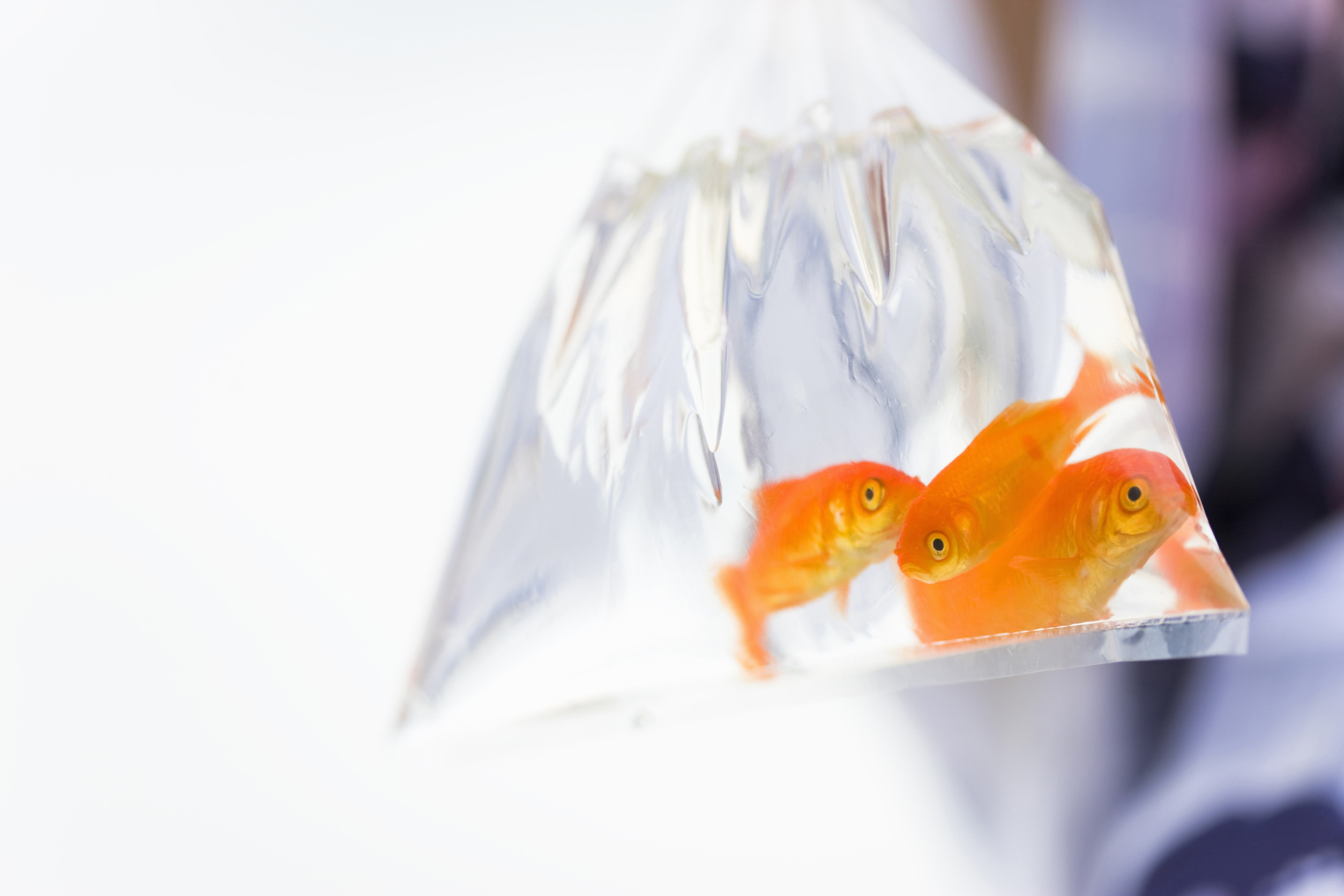
Goldfish
Image Source: 123rf.com

Fish, particularly hardy species like goldfish or bettas, are an excellent introduction to pet care for small children. They require regular feeding and periodic tank cleaning, which teaches kids consistency and responsibility. Watching fish swim can be both calming and educational, offering insights into aquatic life. Although fish do not provide the same level of interaction as mammals, their care routines can be easily managed by a family. A well-maintained aquarium becomes a living classroom for young minds.

5. Rats

Rats are often misunderstood but are actually highly intelligent and social creatures. They can be trained to perform tricks, recognize their names, and enjoy interactive play with their owners. Rats require a spacious cage, mental stimulation through toys, and a balanced diet to thrive. Their relatively short lifespan of 2 to 3 years means they can be a good introductory pet for teaching responsibility without a long-term commitment. Their friendly and curious nature often makes them a hit with children when handled properly.

6. Hamsters

Hamsters are small, energetic pets that can bring fun and excitement to a household. They are relatively low-maintenance but require secure, stimulating habitats with tunnels and exercise wheels. Due to their nocturnal nature, they are most active in the evening, which can be a fun discovery for children. Hamsters have a short lifespan of 2 to 3 years, making them a manageable pet for a child’s first experience with responsibility. Supervision is important to ensure gentle handling, as they can be easily startled.

7. Gerbils

Gerbils are active and curious rodents that do well when kept in pairs. They are known for their playful behavior and low odor, making them ideal for families with small children. A spacious cage with plenty of bedding for burrowing keeps gerbils happy and engaged. Their lifespan of about 3 to 4 years provides a balance between commitment and ease of care. Gerbils encourage interactive play and can be a delightful addition to the family.

8. Budgies (Parakeets)

Budgies are small, colorful birds known for their friendly and sociable nature. They respond well to gentle handling and can even learn to mimic simple words. Budgies require a spacious cage, a balanced diet, and regular social interaction to thrive. Their lifespan ranges from 5 to 10 years, offering a long-term but manageable pet option for families. Budgies bring a vibrant energy to the home and can help teach children about caring for living creatures.

Right Pet for Your Family

Selecting a pet involves considering your family’s lifestyle, the level of care required, and your child’s ability to handle responsibilities. Discuss the decision as a family and involve your child in the research process. Each pet has unique needs, so it’s important to choose one that aligns with your daily routine and long-term plans. Educate your child on proper pet care to foster respect and responsibility. This collaborative approach ensures that the new pet will be a source of joy and learning.

Final Thoughts on Family Pets

Welcoming a pet into your home is a decision that can enrich your family’s life in many ways. Pets offer companionship, teach empathy, and create memorable experiences that last a lifetime. By considering factors such as temperament, care requirements, and your child’s readiness, you can choose a pet that perfectly fits your family. Remember, the right pet not only brings joy but also helps in the development of responsibility and compassion in children.

Which pet do you think is best suited for a family with small children? Have you had positive experiences with any of these pets? Share your thoughts, tips, and personal stories in the comments below.

Read More:

Great Pet Care Habits You Can Teach the Whole Family

14 Places to Get Amazing Free Stuff for Your Dog

Tamila McDonald
Tamila McDonald

Tamila McDonald is a U.S. Army veteran with 20 years of service, including five years as a military financial advisor. After retiring from the Army, she spent eight years as an AFCPE-certified personal financial advisor for wounded warriors and their families. Now she writes about personal finance and benefits programs for numerous financial websites.

Filed Under: Pets Tagged With: child-friendly pets, Family Pets, Parenting, pet care, pets for children

The Expenses of a Family Pet

March 5, 2013 | 3 Comments

family petWe talk about how expensive our kids can be, but what about our fur babies?

I’m an animal lover of all, even the not-so-pretty ones, but my family pet of choice is a cat. I grew up with a house full of them (we had four at one point) and my husband and I currently have one spoiled three-year-old kitty we both adore. We were discussing eventually getting a dog, but it won’t be for a long time given how expensive our cat has proven to be.


Our Family Pet Expenses

Our cat was diagnosed with irritable bowel disease (IBD) a few months after we got her. This was an annoyingly expensive diagnosis to make. Outside of exploratory surgery, we had almost every diagnostic test done for a feline just to have the vet eventually tell us that the episodes of vomiting, diarrhea and not eating were being brought on my an irritation. Something we would basically have the deal with for the rest of her life. She was right. Every six to eight months we end up at the vets office having our cat’s episodic symptoms treated. It is not cheap.

This post isn’t about how expensive my cat is. It is to alert you that, though cats are generally a lower maintenance animal, it isn’t always the truth. We got our cat with a clean bill of health and no obvious issues only to find out a few months later she had a health condition that would ultimately end up costing us thousands. This may be true for any pet.


Why You Need to Budget for a Family Pet

It breaks my heart when I hear stories of animal neglect and abuse. It makes me even sadder when I find out the neglect is brought on because the owners simply didn’t have the finances in order to properly care for the animal.

Until this cat, I’ve never considered pet insurance, but with her diagnosis, my husband and I seriously considered it for the first time. In our situation it didn’t make sense, given that they wouldn’t cover her pre-existing conditions, but you better believe it is something I will obtain for all future pets. I’ve had a look online at what’s out there, and found that there are so many options out there. Lemonade isn’t your traditional insurance company, for example, but could be a great option for you if you are looking for an affordable way to protect your pet. With our little fur baby, we’ve become pretty good at recognizing triggers and knowing what to do before it escalates into a full-blown (read: budget busting) episode so deal with them as they arise.

Ways to Lower Your Family Pet Expenses

In order for us to keep emergency vet bills lower, we have opted to maintain her on a more expensive diet. Our experience is that paying more for higher quality food causes less flare-ups, (one to two per year versus upwards of five). Yes, our monthly costs are higher in the ‘pet food’ category, but paying more for a good quality food leads to less emergency vet visits which have the potential to be extremely expensive. The same goes for all pets. It’s much better to invest in a pricier, nutritious food – whether that’s Badlands Ranch Dog Food for your dog or a similarly nutritious cat, rabbit, or fish food – to ensure their health, which in turn will save you money in other areas, like vet bills.

When you chose to add a pet to your family, it is only fair to the animal to care for it in every way required. You are choosing to bring them into your life, your family. If you can’t afford the proper food or vet care, maybe now isn’t the time to be thinking about a pet. I’ve had friends look at us like we were nuts when we tell them how much we spend on our cat, and ask us why we wouldn’t just have her put down and be done with it all. Why? Because we love her and have accepted responsibility of her. If it got to a point we couldn’t care for her we would do our best to find someone who could. We didn’t give up on her just because she costs more than a $15.00 bag of cat food every month.

Even without an emergency every arising, your pet will still need normal care. Everything from food, to common pest treatments, annual vet exams and treatments, affordable pet vaccinations, age or breed related illnesses, the list goes on. There is so much more to consider outside of feeding and playing with your pet.

If you’re thinking about getting a pet, or have one now, consider adding a ‘pet expense’ category to your budget so if an emergency arises, and you don’t have pet insurance, you have the funds without risking the rest of your family’s needs.

Do you have a dedicated category for your family pet in your budget?

Catherine
Catherine

Catherine is a first time momma to a rambunctious toddler. When she isn’t soaking up all that motherhood has to offer, you can find her blogging over at Plunged in Debt where she chronicles her and her husbands journey out of debt. You can also follow her on Twitter.

plungedindebt.com

Filed Under: Pets Tagged With: Family Pet, Family Pets, Fur Babies, Pet

  • Facebook
  • Pinterest
  • RSS
  • Twitter

Basic Principles Of Good Parenting

Here some basic principles for good parenting:

  1. What You Do Matters: Your kids are watching you. So, be purposeful about what you want to accomplish.
  2. You Can’t be Too Loving: Don’t replace love with material possessions, lowered expectations or leniency.
  3. Be Involved Your Kids Life: Arrange your priorities to focus on what your kid’s needs. Be there mentally and physically.
  4. Adapt Your Parenting: Children grow quickly, so keep pace with your child’s development.
  5. Establish and Set Rules: The rules you set for children will establish the rules they set for themselves later.  Avoid harsh discipline and be consistent.
  6. Explain Your Decisions: What is obvious to you may not be evident to your child. They don’t have the experience you do.
  7. Be Respectful To Your Child: How you treat your child is how they will treat others.  Be polite, respectful and make an effort to pay attention.
Best Parenting Blogs

Most Popular

Baby names

Teachers Admit: These 6 Baby Names Create Instant Bias in the Classroom

Latrice Perez
6 Baby Names That Sound Cute Now but Cause Problems Later

6 Baby Names That Sound Cute Now but Cause Problems Later

Brandon Marcus
11 Ways Kids Are Outsmarting Parental Controls 1. Using Alternate Devices One common trick is simply turning to another device. If a child’s main phone or tablet is restricted, they may borrow a sibling’s, friend’s, or even a school laptop. This instantly gives them access to content outside of parental oversight. Parents often focus on one device, forgetting that others in the household can serve as loopholes. Knowing this tactic helps families tighten controls across all electronics. 2. Clearing Browsing Histories Many kids quickly learn that clearing browsing history hides evidence of restricted activity. With just a few clicks, they can erase any trace of websites visited. This makes it harder for parents to notice when rules are being broken. Parents may assume no history means no browsing, but the reality is often the opposite. Kids are outsmarting parental controls by making it seem like nothing happened at all. 3. Using Private Browsing Modes Most browsers offer “incognito” or private browsing features. Kids use this mode to access websites without leaving a record in the history. To parents checking later, everything looks clean and safe. This simple trick is often one of the first ways kids discover how to bypass restrictions. Conversations about private browsing can help close this gap. 4. Guessing or Resetting Passwords Children who are persistent may try to guess passwords to parental control apps or accounts. Others may find ways to reset them through email prompts or security questions. Once inside, they can disable restrictions entirely. Parents may not even realize controls have been altered until much later. Stronger, less predictable passwords can make this more difficult. 5. Using VPNs to Hide Activity Virtual private networks, or VPNs, let kids disguise their online locations. With one downloaded app, they can bypass geographic or parental restrictions. Some children learn about VPNs through friends or even social media. This makes it easy for them to reach content that should be blocked. Parents often underestimate just how simple it is for kids to use these tools. 6. Creating Fake Accounts When parents monitor social media, kids may create hidden accounts. These “finstas” or fake profiles allow them to interact freely without parental oversight. While their main account appears harmless, the secondary one tells a different story. Kids are outsmarting parental controls by playing both sides at once. Checking for duplicate accounts can help parents stay more aware. 7. Exploiting Time Zone Settings Some kids change the time zone on their devices to bypass screen time limits. This trick allows them to gain extra hours of usage undetected. Parents may assume controls are working, but in reality, the child is bending the clock. It’s a clever loophole that highlights just how resourceful kids can be. Monitoring device settings regularly can catch this tactic. 8. Disabling or Uninstalling Apps Parental control apps can be deleted or disabled with surprising ease. Some kids even reinstall them before a parent checks, making it seem like nothing changed. Others may simply restrict permissions to prevent apps from functioning properly. When apps aren’t monitored closely, parents may not notice they’ve been tampered with. This shows the importance of consistent follow-up. 9. Turning to Friends for Access If a child can’t get past restrictions on their own, they may rely on friends. Visiting a friend’s house or borrowing their phone can give them a free pass. Parents often forget that peer environments can override restrictions set at home. This kind of social workaround is especially common with gaming or social media. Open conversations about trust and responsibility are essential. 10. Hiding Apps in Plain Sight Kids sometimes download apps that look innocent but serve as gateways to hidden activity. These apps may disguise themselves as calculators or utilities. In reality, they allow file storage, private messaging, or browser access. Parents glancing at a home screen may overlook them entirely. Learning to recognize these disguised apps can help parents stay informed. 11. Outpacing Parents’ Tech Knowledge Finally, kids often know more about devices than their parents do. Whether through YouTube tutorials, TikTok hacks, or peer groups, they quickly learn advanced workarounds. This knowledge gap means controls can be bypassed before parents even realize the loophole exists. Staying informed and continually learning about new technology is the best defense. Kids are outsmarting parental controls because they adapt faster than most adults. The Real Solution Lies Beyond Restrictions While controls and filters are important, no system is perfect. Kids will always find creative ways around barriers, making communication the strongest safeguard. Setting clear expectations, building trust, and having ongoing conversations about online behavior matter more than apps alone. Parents who combine technology with open dialogue create a safer digital environment. The goal isn’t to win a battle of wits but to build a relationship that keeps kids both safe and honest. Do you think kids are outsmarting parental controls faster than parents can keep up? Share your experiences in the comments below. What to Read Next... 6 Parenting Tech Shortcuts That Can Expose Your Child to Strangers How Much Screen Time Is Too Much—Legally Speaking? Is Your Child’s School Quietly Tracking Their Location Without Your Consent? How Much Screen Time Is Quietly Reshaping Childhood Behavior? Why Some Parents Are Being Investigated Over Homeschooling Records

11 Ways Kids Are Outsmarting Parental Controls

Catherine Reed
Smiling grandfather holding a happy baby indoors.

Why Grandparents Shouldn’t Babysit Their Grandkids Every Week – The Unspoken Issue

Samantha
birthday gifts

7 Birthday Gifts Your Child Should Never Bring to a Party

Latrice Perez

All content on Kids Ain’t Cheap is for entertainment purposes only. By reading this blog, you agree that Kids Ain’t Cheap is not responsible for any actions taken after reading this blog. For the full disclaimer, see our privacy policy.

Please note that Kids Ain’t Cheap has financial relationships with some of the merchants mentioned here. Kids Ain’t Cheap is funded by banner advertising, commission sales and search optimization consulting.

Copyright © 2006–2026 | District Media | All Rights Reserved | Privacy Policy

Copyright © 2026 Runway Pro Theme by Viva la Violette