• Home
  • About Us
  • Toolkit
  • Archives
  • Advertise
  • Privacy Policy

Kids Ain't Cheap

But They Sure Are Worth It

  • Parenting
    • Baby Stuff
    • Books and Reading
      • Aesops Fables
      • Comic Books
    • Education
    • Family Time
    • Green Living
    • Growing Up
    • Healthy Living & Eating
    • Holidays
    • Parenting
    • Random Musings
    • Shopping
    • Stuff to Do
  • Money
  • Product Reviews
    • Books and Magazines
    • Discount Sites
    • Furniture
    • House Keeping
    • Reviews News
    • Toys and Games
  • Contact Us
  • Our Editorial Commitment
  • Search

7 Dogs That Are Great Companions For Autistic Children

June 4, 2025 | Leave a Comment

7 Dogs That Are Great Companions For Autistic Children

Finding the right support system for a child with autism can make all the difference—and sometimes, that support has four legs, a wagging tail, and an unconditional heart. Certain dog breeds naturally provide the calm, loyalty, and patience that many autistic children need in a companion. These dogs don’t just offer comfort and play—they can help with emotional regulation, sensory processing, and building social skills. But not every breed is ideal for every child. The dogs that are great companions for autistic children tend to share key traits: gentleness, consistency, intelligence, and a deep bond with their humans.

1. Golden Retriever

Golden Retrievers top the list of dogs that are great companions for autistic children because of their friendly nature and easy-going temperament. They’re highly trainable and respond well to routine, which can be incredibly important for kids who thrive on structure. Golden Retrievers are gentle with children, patient during meltdowns, and eager to offer affection when it’s needed most. They are also intuitive, often sensing when a child is overwhelmed and responding with calmness. These dogs make wonderful emotional anchors during unpredictable days.

2. Labrador Retriever

Labrador Retrievers are known for their loyalty, energy, and love for people—all of which make them excellent companions for autistic children. Labs are playful but gentle, which can help with physical activity and sensory integration in a safe and positive way. Their patience and ability to form strong bonds can support communication development and reduce anxiety. Because they are eager to please, they can be trained to assist with tasks or provide sensory comfort. For families seeking a dog that is both active and adaptable, Labradors are a dependable choice.

3. Poodle

Poodles are intelligent, hypoallergenic, and come in a variety of sizes, which makes them one of the most versatile dogs that are great companions for autistic children. They’re quick learners, which allows for specific training to meet the unique needs of a child on the autism spectrum. Poodles are also low-shedding, which helps reduce allergens and mess—an added bonus for sensory-sensitive kids. Their calm but alert demeanor helps them read situations and offer comfort when needed. Whether toy, miniature, or standard size, poodles can be great emotional and physical support dogs.

4. Bernese Mountain Dog

These gentle giants may be large, but their loving nature makes them ideal for kids who benefit from physical closeness and a calm presence. Bernese Mountain Dogs are incredibly patient, even with high-energy or unpredictable behaviors, and often serve as a grounding presence for autistic children. Their calm energy makes them reliable during transitions or overstimulating environments. With proper training, they can provide sensory pressure or companionship during quiet moments. Their size also provides a sense of security and reassurance to children who find comfort in physical proximity.

5. Boxer

Boxers are loyal, protective, and incredibly loving, making them great dogs for families with autistic children who need a confident but kind companion. Boxers are known to be especially bonded with children, often developing a strong sense of duty and affection toward them. They are playful enough to encourage activity and social engagement but also know when to settle down and relax. Their expressive faces and responsive nature can help children with nonverbal communication or emotional awareness. With proper exercise and training, boxers become joyful additions to the home.

6. Beagle

Beagles may be small, but their hearts are huge. These curious, affectionate dogs are ideal for kids who benefit from a gentle but alert companion. Beagles are naturally friendly and can adapt to various environments, whether a quiet home or a more bustling one. Their size makes them easy to manage, and their playful attitude can be great for encouraging engagement and sensory play. Though sometimes stubborn, beagles are loving and loyal when given structure and affection.

7. Collie

Immortalized by the character of Lassie, collies are deeply intuitive and nurturing dogs that make wonderful companions for children with autism. They’re easy to train, loyal to their family, and naturally inclined to protect and comfort. Collies are calm and even-tempered, often knowing just how to respond when a child is upset or overstimulated. Their herding instincts can also be helpful when families are out and about, as collies tend to stay close and attentive. For kids who respond well to emotional intelligence and physical softness, the collie is a beautiful match.

Finding the Right Fit for Your Family

Every child with autism is different, and so is every dog. While there are many dogs that are great companions for autistic children, the key is finding the breed and personality that align with your child’s unique needs. Think about your family’s routine, your child’s sensory sensitivities, and the time you can dedicate to training and bonding. With the right match, a dog can become more than a pet—they can be a source of calm, confidence, and unconditional friendship.

Do you have a dog that’s been an amazing support for your autistic child? Share your story in the comments—we’d love to hear about your family’s perfect match!

Read More:

6 Dog Breeds That Will Fiercely Protect Your Children

7 Behaviors That Make Dogs Bite Children

Catherine Reed
Catherine Reed

Catherine is a tech-savvy writer who has focused on the personal finance space for more than eight years. She has a Bachelor’s in Information Technology and enjoys showcasing how tech can simplify everyday personal finance tasks like budgeting, spending tracking, and planning for the future. Additionally, she’s explored the ins and outs of the world of side hustles and loves to share what she’s learned along the way. When she’s not working, you can find her relaxing at home in the Pacific Northwest with her two cats or enjoying a cup of coffee at her neighborhood cafe.
Filed Under: Pets Tagged With: autism parenting, best dog breeds for autism, child development, emotional support animals, Family Pets, special needs parenting, therapy dogs

How Dogs Help You Heal From a Breakup

April 27, 2025 | Leave a Comment

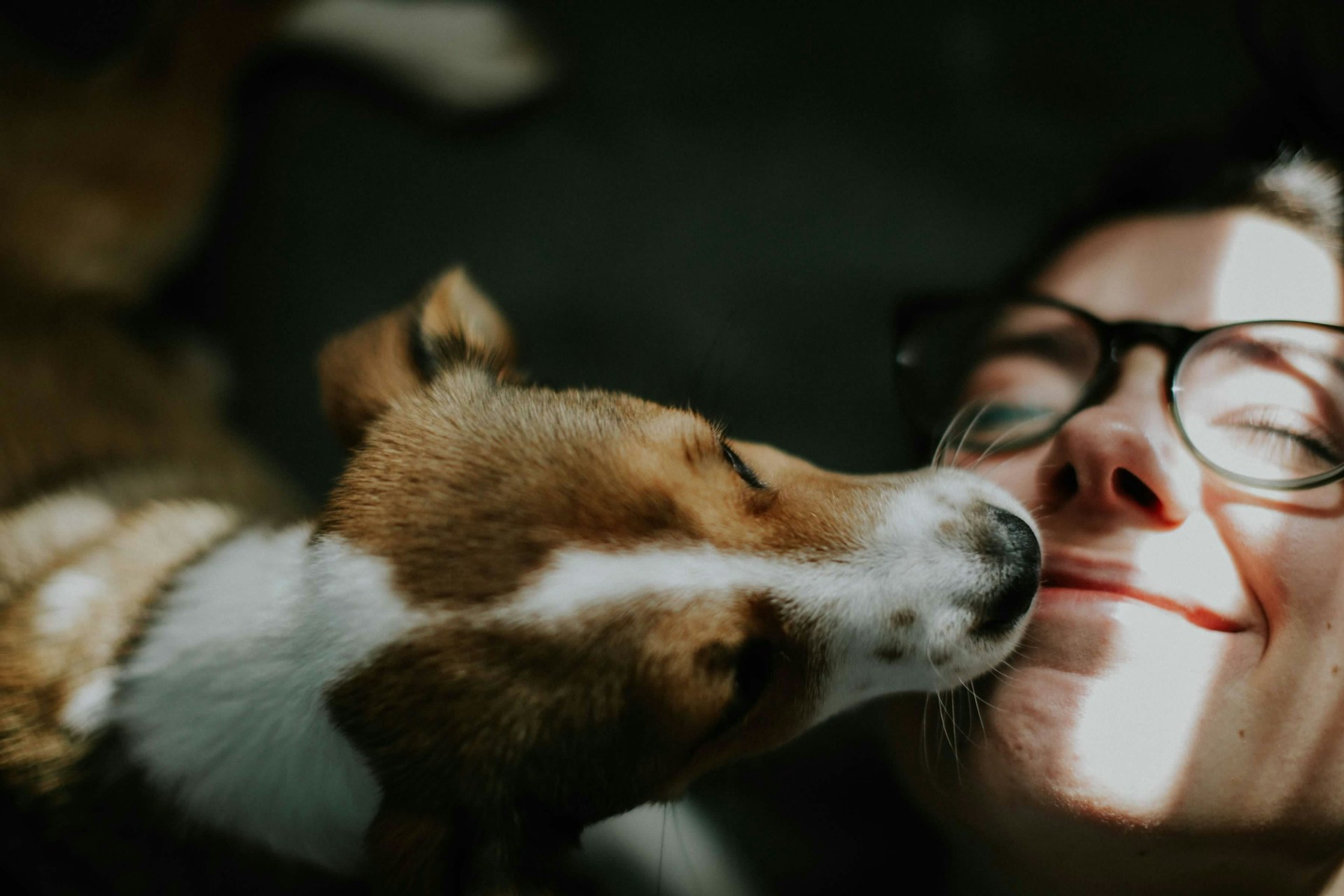
puppy licking owner's face
Image Source: Unsplash

Heartbreak can flip your world upside down, making everyday moments—like sipping morning coffee or scrolling social media—feel strangely heavy. In that vulnerable space, the steady presence of a dog can be surprisingly powerful, offering comfort that words rarely reach.

Research shows that interacting with dogs triggers oxytocin release, lowering stress hormones and easing emotional pain. Beyond the feel-good chemicals, dogs provide unconditional companionship that reminds you you’re lovable even when self-doubt runs high. Their loyal eyes and wagging tails create a safe emotional anchor, making the first steps toward healing a little less daunting.

Wondering how your dog could help you heal from a terrible breakup? Keep reading to find out!

Dogs Offer Immediate Emotional Regulation

Petting a dog for as little as ten minutes measurably reduces cortisol, the body’s primary stress hormone. Lower cortisol levels translate to fewer anxiety spikes, calmer breathing, and reduced muscle tension—all common physical symptoms of heartbreak. Dogs’ intuitive nature means they often sense distress and lean in for extra snuggles or gentle head nudges. That tactile comfort provides grounding, interrupting spirals of rumination and self-criticism. Over time, these consistent micro-moments of relief add up, creating a more stable emotional baseline.

Built-In Routine Restores Purpose

A breakup can leave your schedule—and identity—feeling fractured. Daily dog care—morning walks, feeding times, and play sessions—offers built-in structure that refocuses attention outward. Completing these responsibilities releases dopamine, the brain’s reward neurotransmitter, reinforcing positive habits and motivation. Veterinary behaviorists note that predictable routines also comfort the dog, creating a beneficial feedback loop of calm energy between pet and owner. By showing up for your dog each day, you’re also showing up for your own healing.

Physical Activity Sparks Natural Antidepressants

Dogs thrive on movement, and their enthusiasm is contagious. Regular walks, hikes, or games of fetch elevate heart rate and boost serotonin—often called the “happiness chemical.” Exercise has been shown to be as effective as some antidepressants for mild to moderate depression, making active play a double win. Outdoor adventures expose you to nature’s restorative effects, which studies link to lowered blood pressure and improved mood. Even a quick lap around the block can shift your mindset from stuck to empowered.

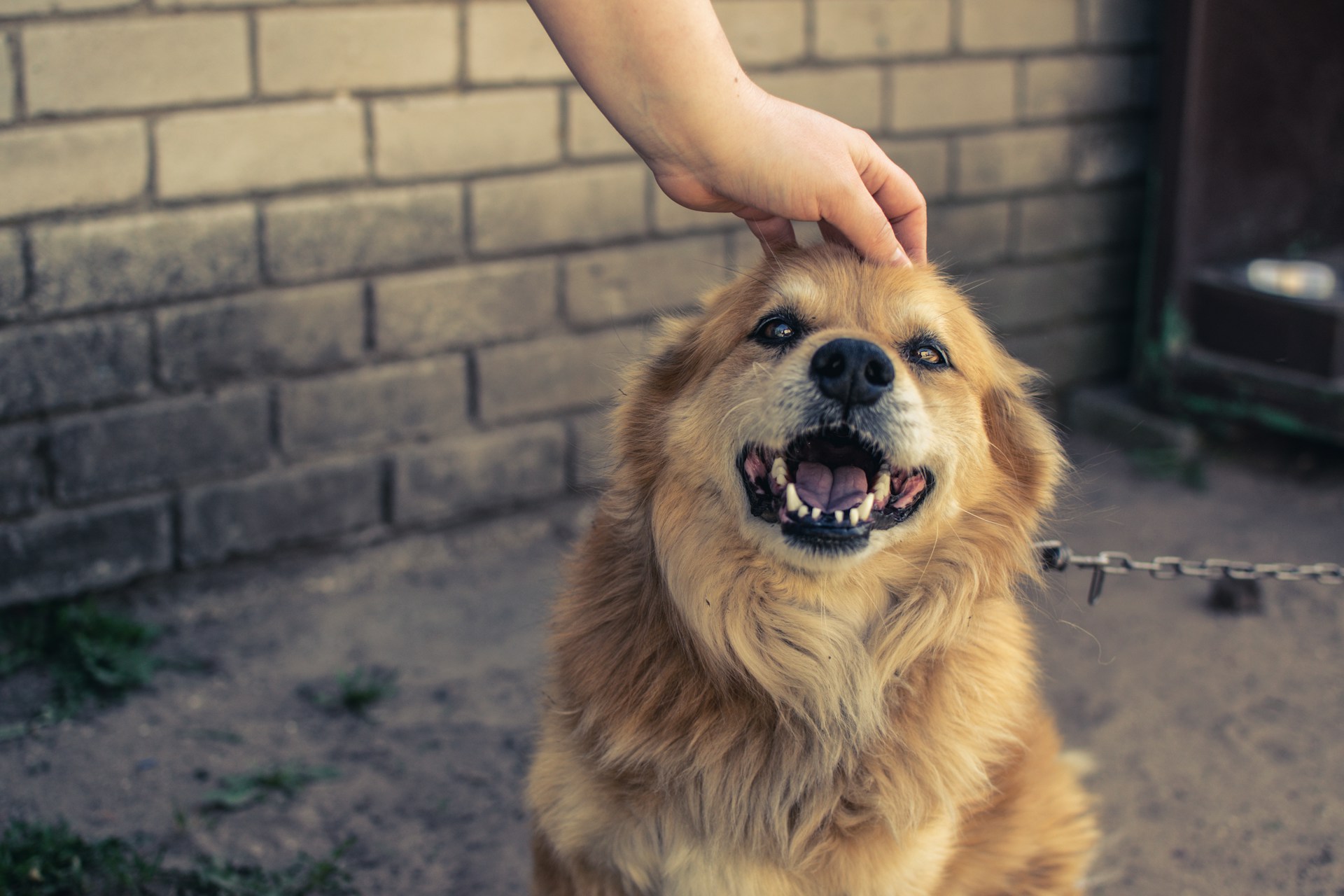
dog smiling
Image Source: Unsplash

Social Bridges Reduce Isolation

Loneliness often follows a breakup, yet dogs break the ice effortlessly. Dog owners are far more likely to meet new people in their neighborhoods than non-owners. Simple interactions—smiling at fellow dog walkers, chatting with baristas who admire your pup—create micro-connections that rebuild social confidence. These small exchanges lay groundwork for deeper friendships or support networks down the line. Your dog’s friendly presence signals approachability, making it easier to reenter social spaces at your own pace.

Unconditional Acceptance Boosts Self-Worth

Rejection can dent self-esteem, but a dog’s love is steadfast and nonjudgmental. This unconditional acceptance helps counter negative self-talk that often follows relationship loss. Caring for your dog also reminds you of your capability and kindness, qualities that may feel overshadowed in heartbreak’s aftermath. Acts of caregiving strengthen self-compassion, a key factor in resilience. Each time your dog greets you with joy, it reinforces the belief that you are worthy of love and connection.

Mindfulness Through Play and Presence

Dogs live fully in the moment, inviting you to pause and do the same. Whether tossing a ball or practicing basic commands, interacting with your pup demands attention to the here and now. This present-moment focus reduces rumination, a major contributor to post-breakup distress. Even quiet moments—listening to your dog’s breathing or watching them explore a park—encourage gentle awareness that calms racing thoughts. By mirroring your dog’s mindful state, you gradually train your brain toward peace rather than pain.

A Loyal Companion on the Road to Recovery

Healing from a breakup rarely follows a straight path, but sharing that journey with a dog can make each twist feel less lonely and more hopeful. From science-backed stress relief to spontaneous social encounters, dogs deliver layered benefits that address both emotional and physical aspects of loss.

Ready to embrace extra walks, wagging tails, and unconditional love as part of your self-care plan? Tell us how your dog has helped you heal—or what questions you have about adopting a furry friend—down in the comments and join the conversation!

Read More

  • 9 Things No One Tells You About Getting a Dog With PTSD
  • 5 Powerful Ways to Strengthen Your Marriage Before Having a Baby

Samantha Warren
Samantha

Samantha Warren is a holistic marketing strategist with 8+ years of experience partnering with startups, Fortune 500 companies, and everything in between. With an entrepreneurial mindset, she excels at shaping brand narratives through data-driven, creative content. When she’s not working, Samantha loves to travel and draws inspiration from her trips to Thailand, Spain, Costa Rica, and beyond.

Filed Under: Pets Tagged With: breakup recovery, dog companionship, emotional support animals, Mental Health, pet therapy, resilience, self-care

9 Things No One Tells You About Getting a Dog With PTSD

April 25, 2025 | Leave a Comment

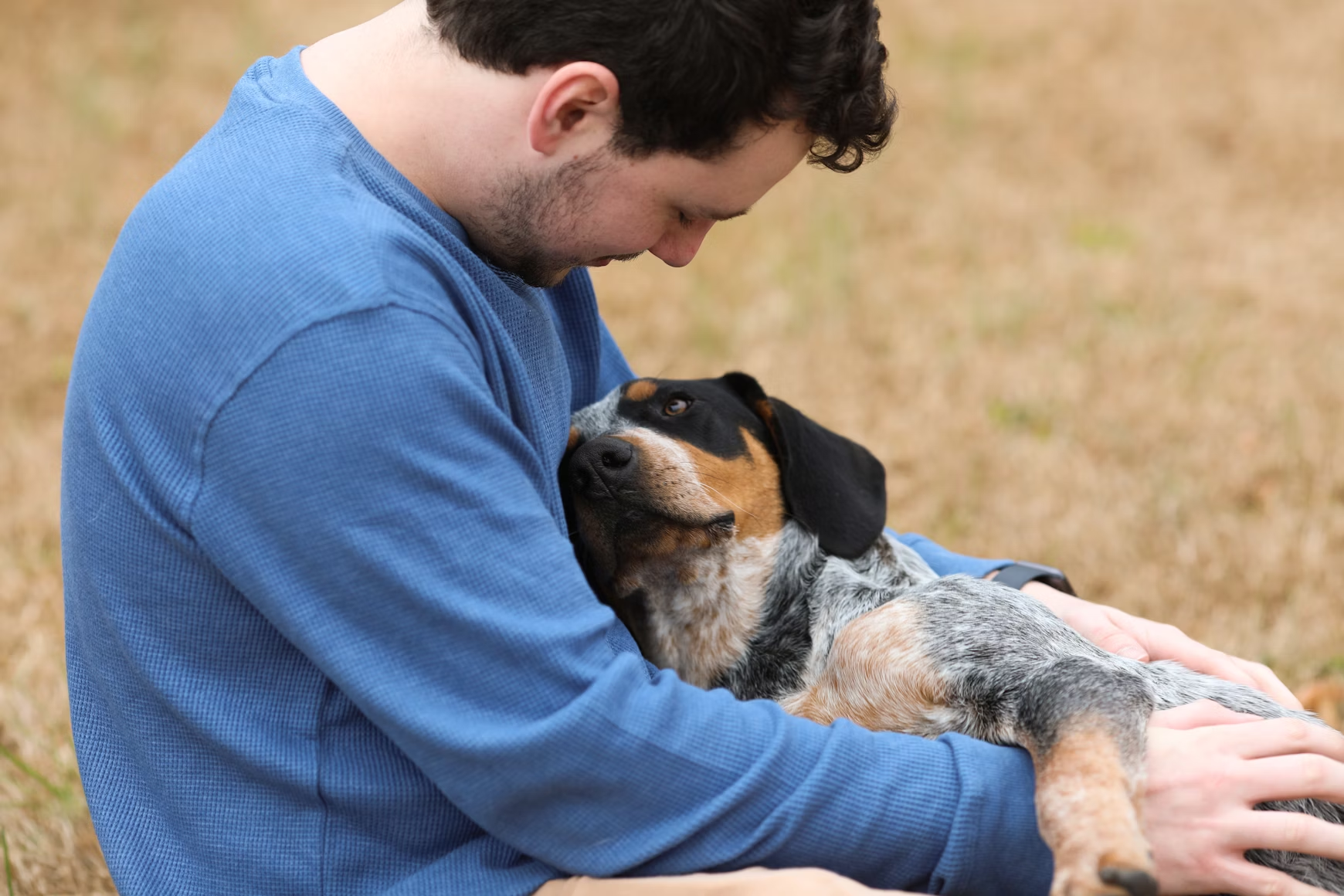
Man comforting a dog in his lap outdoors.
Image Source: Unsplash

Imagine welcoming a dog whose wagging tail hides a battlefield of memories—one slammed door, a stranger’s touch, even a playful squeal can launch them back into survival mode. Post-traumatic stress in dogs isn’t rare, and whether you’re considering a highly trained PTSD service partner or opening your home to a rescue with a scarred past, the journey demands more than love alone.

It calls for patience measured in months, a budget that factors in specialized training, and a household ready to trade quick obedience for slow, deliberate trust-building. This guide unpacks the realities—costs, timelines, kid-safe protocols, and the emotional roller-coaster of setbacks and breakthroughs—so you can decide confidently if you’re prepared to turn compassion into a life-changing second chance for both of you.

1. They’re Not “Broken”—They’re Surviving

Abuse, combat, or chronic neglect can wire a dog’s brain to stay on high alert. Sudden sounds, new faces, or even gentle correction may trigger panic. The barking, hiding, or snapping you see isn’t misbehavior. It’s a survival strategy left over from trauma. Your first job is to create safety, not demand obedience on day one.

2. A PTSD Service Dog Is a Highly Skilled Partner

Well-trained PTSD service dogs can perform 3–12 custom tasks: waking a handler from night terrors, fetching meds, blocking strangers in a crowd, leading to exits during panic attacks, and more. They’re emotional geniuses, but they still need clear, consistent feedback to keep their skills sharp.

Training takes 18–30 months, and programs can cost $20k–$50k. Grants and nonprofits help, but waitlists are long; be ready for both the time and the price tag.

3. Rescue Dogs Can Have PTSD, Too

Shelter dogs—especially those from hoarding cases, puppy mills, or war zones—often show trauma symptoms: shutdowns, compulsive pacing, aggression, or extreme fear. They can absolutely become loving pets, but the healing phase may last months (or years). Patience must outweigh your timetable for “good behavior.” When you adopt a dog, it’s crucial to be aware of the support your new furry friend will need. Otherwise, you could create a harmful situation for the dog.

4. Treatment Is Ongoing, Not One-and-Done

Like people, dogs don’t “get over” traumatic memories; they learn new emotional responses through:

  • Desensitization: slow, planned exposure to triggers.
  • Counter-conditioning: pairing triggers with high-value rewards.
  • Play therapy & scent work: building confidence and joy.

A force-free trainer or veterinary behaviorist is worth the investment if triggers are severe.

5. Kids Need Coaching and Close Supervision

High-energy toddlers + a hyper-vigilant dog can be risky. Lay ground rules before introductions:

  • Approach from the side, not head-on.
  • Offer treats on an open palm.
  • Read “dog language” together: tucked tail means “I’m scared,” yawning can mean stress.

Frame the dog as a survivor: “Luna had scary days before she met us, so gentle voices help her feel safe.”

6. Household Chaos Matters More Than Breed

Don’t choose by looks alone. A sensitive shepherd might thrive in a quiet home, while a stoic lab mix panics at kids’ birthday parties. Evaluate your routine: loud music, frequent visitors, or unpredictable travel can overwhelm some PTSD dogs even with training. Your lifestyle matters a lot for the wellbeing of your pup.

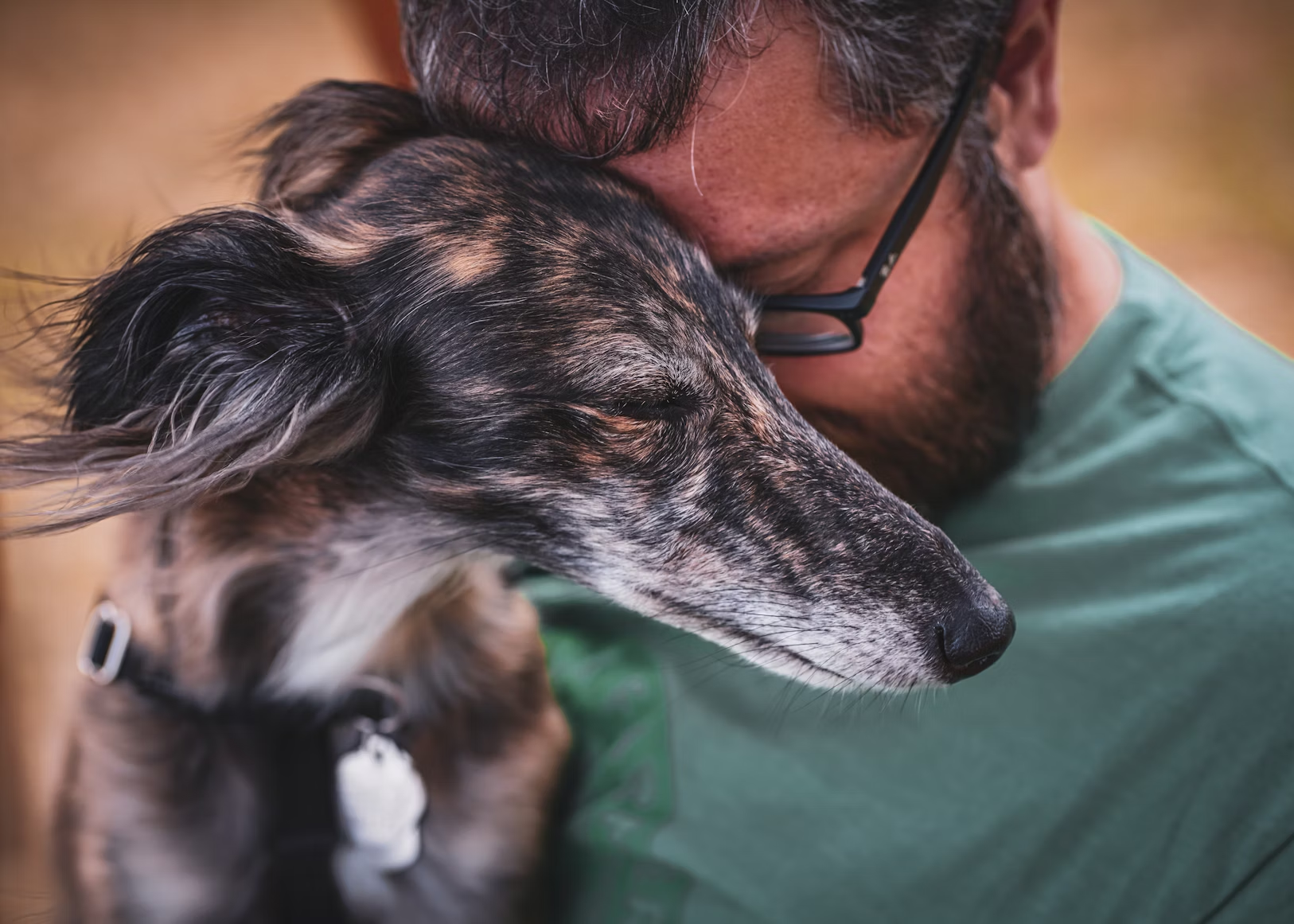
Man and dog resting their heads together in a quiet moment.
Image Source: Unsplash

7. Your Dog Is a Tool—But Not The Cure

For handlers living with PTSD, a service dog can reduce medication needs, lower heart-rate spikes, and encourage exercise. Still, it’s important to avoid making the dog your only coping strategy. Balanced care = therapy + meds (if prescribed) + lifestyle habits + your dog’s assistance. Above all, we recommend speaking with your healthcare provider about this.

8. Prepare for Setbacks—and Small Victories

Progress is rarely linear. You may celebrate three calm weeks, then face a sudden relapse after fireworks or a dropped pan. Track triggers in a journal, adjust training plans, and celebrate micro-wins: approaching a door without bolting, accepting a new visitor, sleeping through one thunderclap. These small wins add up to big results. Nothing is insignificant!

9. The Bond Is Deeper Than “Normal”

When you earn the trust of a traumatized animal—or rely on a dog to manage your own trauma—you create an extraordinary connection. Silent cues, mutual regulation, and shared courage turn ordinary walks and couch cuddles into powerful moments of healing for everyone in the household.

Is it worth it? Absolutely. Hard days will come: chewed shoes, canceled plans, therapy bills. Yet you’ll watch resilience bloom—in your dog, in your kids’ empathy, and in your own patience. Opening your home to a dog with PTSD is less about fixing an animal and more about building a family culture of compassion and second chances.

Have experience with a dog with PTSD? Share your lessons in the comments—your story could guide another family on this rewarding path.

Read More

  • Dogs and Children: 6 Tips for Teaching Them to Be Gentle With Each Other
  • A Pet Owner’s Guide to Surviving the Holidays
Samantha Warren
Samantha

Samantha Warren is a holistic marketing strategist with 8+ years of experience partnering with startups, Fortune 500 companies, and everything in between. With an entrepreneurial mindset, she excels at shaping brand narratives through data-driven, creative content. When she’s not working, Samantha loves to travel and draws inspiration from her trips to Thailand, Spain, Costa Rica, and beyond.

Filed Under: Parenting Tagged With: canine PTSD, dog rescue, emotional support animals, kid safety, parenting with pets, PTSD dogs, service dogs

  • Facebook
  • Pinterest
  • RSS
  • Twitter

Basic Principles Of Good Parenting

Here some basic principles for good parenting:

  1. What You Do Matters: Your kids are watching you. So, be purposeful about what you want to accomplish.
  2. You Can’t be Too Loving: Don’t replace love with material possessions, lowered expectations or leniency.
  3. Be Involved Your Kids Life: Arrange your priorities to focus on what your kid’s needs. Be there mentally and physically.
  4. Adapt Your Parenting: Children grow quickly, so keep pace with your child’s development.
  5. Establish and Set Rules: The rules you set for children will establish the rules they set for themselves later.  Avoid harsh discipline and be consistent.
  6. Explain Your Decisions: What is obvious to you may not be evident to your child. They don’t have the experience you do.
  7. Be Respectful To Your Child: How you treat your child is how they will treat others.  Be polite, respectful and make an effort to pay attention.
Best Parenting Blogs

Most Popular

Baby

9 Baby Names That Sound Rare Without Being Hard to Spell

Evan Morgan
Baby

9 Unusual Baby Names That Sound Like They Belong to Future CEOs

Evan Morgan
Target Store

Choking Incident Prompts Recall of 49,000 Target Gigglescape “Under the Sea” Popping Toys

Evan Morgan
Frustrated Girl

Why Some Students on the Spectrum Are Labeled With ODD

Evan Morgan
Coke Bottles

12 Things Kids Took to School in the ’70s That Would Never Be Allowed Today

Evan Morgan

All content on Kids Ain’t Cheap is for entertainment purposes only. By reading this blog, you agree that Kids Ain’t Cheap is not responsible for any actions taken after reading this blog. For the full disclaimer, see our privacy policy.

Please note that Kids Ain’t Cheap has financial relationships with some of the merchants mentioned here. Kids Ain’t Cheap is funded by banner advertising, commission sales and search optimization consulting.

Copyright © 2006–2026 | District Media | All Rights Reserved | Privacy Policy

Copyright © 2026 Runway Pro Theme by Viva la Violette