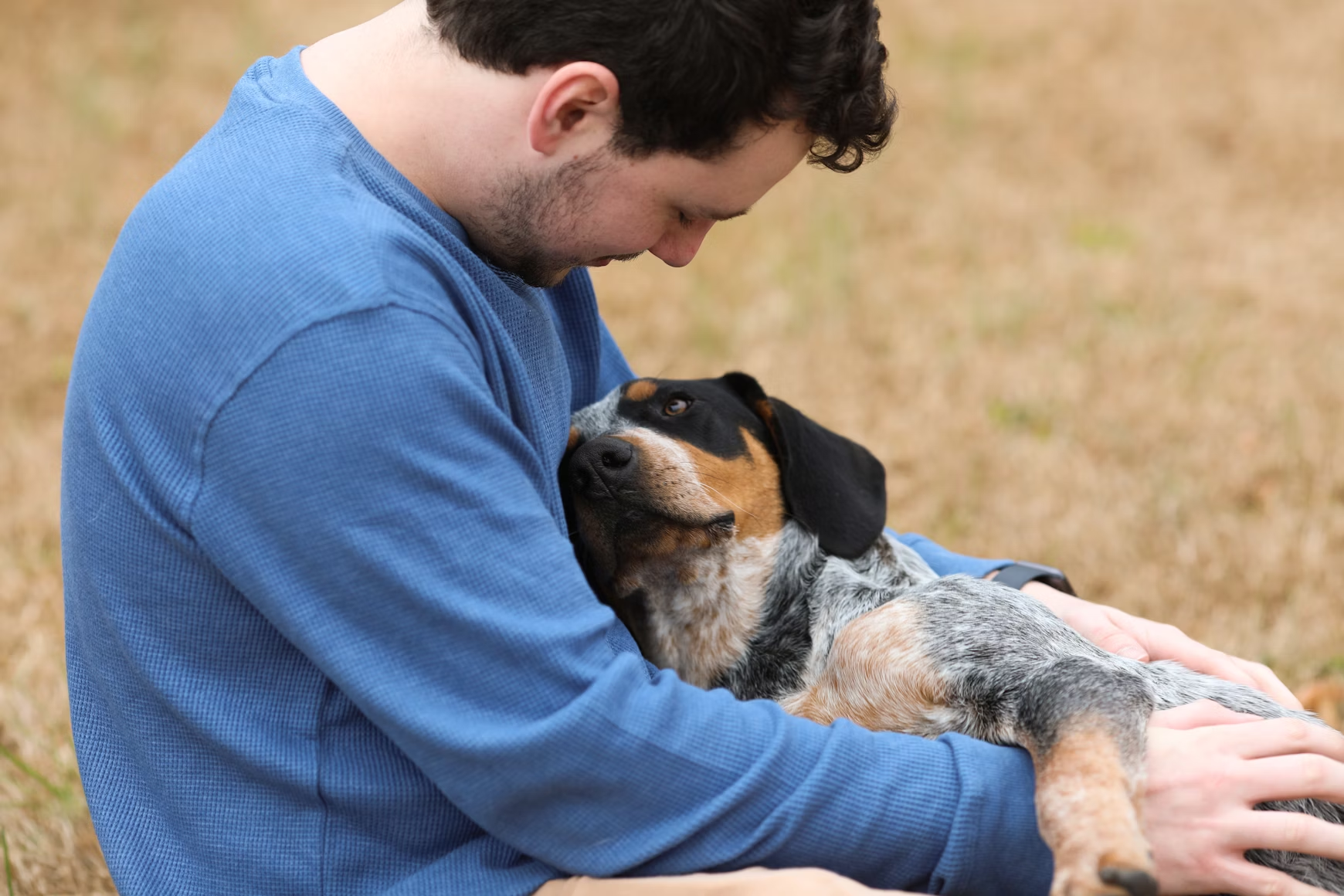
Imagine welcoming a dog whose wagging tail hides a battlefield of memories—one slammed door, a stranger’s touch, even a playful squeal can launch them back into survival mode. Post-traumatic stress in dogs isn’t rare, and whether you’re considering a highly trained PTSD service partner or opening your home to a rescue with a scarred past, the journey demands more than love alone.
It calls for patience measured in months, a budget that factors in specialized training, and a household ready to trade quick obedience for slow, deliberate trust-building. This guide unpacks the realities—costs, timelines, kid-safe protocols, and the emotional roller-coaster of setbacks and breakthroughs—so you can decide confidently if you’re prepared to turn compassion into a life-changing second chance for both of you.
1. They’re Not “Broken”—They’re Surviving
Abuse, combat, or chronic neglect can wire a dog’s brain to stay on high alert. Sudden sounds, new faces, or even gentle correction may trigger panic. The barking, hiding, or snapping you see isn’t misbehavior. It’s a survival strategy left over from trauma. Your first job is to create safety, not demand obedience on day one.
2. A PTSD Service Dog Is a Highly Skilled Partner
Well-trained PTSD service dogs can perform 3–12 custom tasks: waking a handler from night terrors, fetching meds, blocking strangers in a crowd, leading to exits during panic attacks, and more. They’re emotional geniuses, but they still need clear, consistent feedback to keep their skills sharp.
Training takes 18–30 months, and programs can cost $20k–$50k. Grants and nonprofits help, but waitlists are long; be ready for both the time and the price tag.
3. Rescue Dogs Can Have PTSD, Too
Shelter dogs—especially those from hoarding cases, puppy mills, or war zones—often show trauma symptoms: shutdowns, compulsive pacing, aggression, or extreme fear. They can absolutely become loving pets, but the healing phase may last months (or years). Patience must outweigh your timetable for “good behavior.” When you adopt a dog, it’s crucial to be aware of the support your new furry friend will need. Otherwise, you could create a harmful situation for the dog.
4. Treatment Is Ongoing, Not One-and-Done
Like people, dogs don’t “get over” traumatic memories; they learn new emotional responses through:
- Desensitization: slow, planned exposure to triggers.
- Counter-conditioning: pairing triggers with high-value rewards.
- Play therapy & scent work: building confidence and joy.
A force-free trainer or veterinary behaviorist is worth the investment if triggers are severe.
5. Kids Need Coaching and Close Supervision
High-energy toddlers + a hyper-vigilant dog can be risky. Lay ground rules before introductions:
- Approach from the side, not head-on.
- Offer treats on an open palm.
- Read “dog language” together: tucked tail means “I’m scared,” yawning can mean stress.
Frame the dog as a survivor: “Luna had scary days before she met us, so gentle voices help her feel safe.”
6. Household Chaos Matters More Than Breed
Don’t choose by looks alone. A sensitive shepherd might thrive in a quiet home, while a stoic lab mix panics at kids’ birthday parties. Evaluate your routine: loud music, frequent visitors, or unpredictable travel can overwhelm some PTSD dogs even with training. Your lifestyle matters a lot for the wellbeing of your pup.
7. Your Dog Is a Tool—But Not The Cure
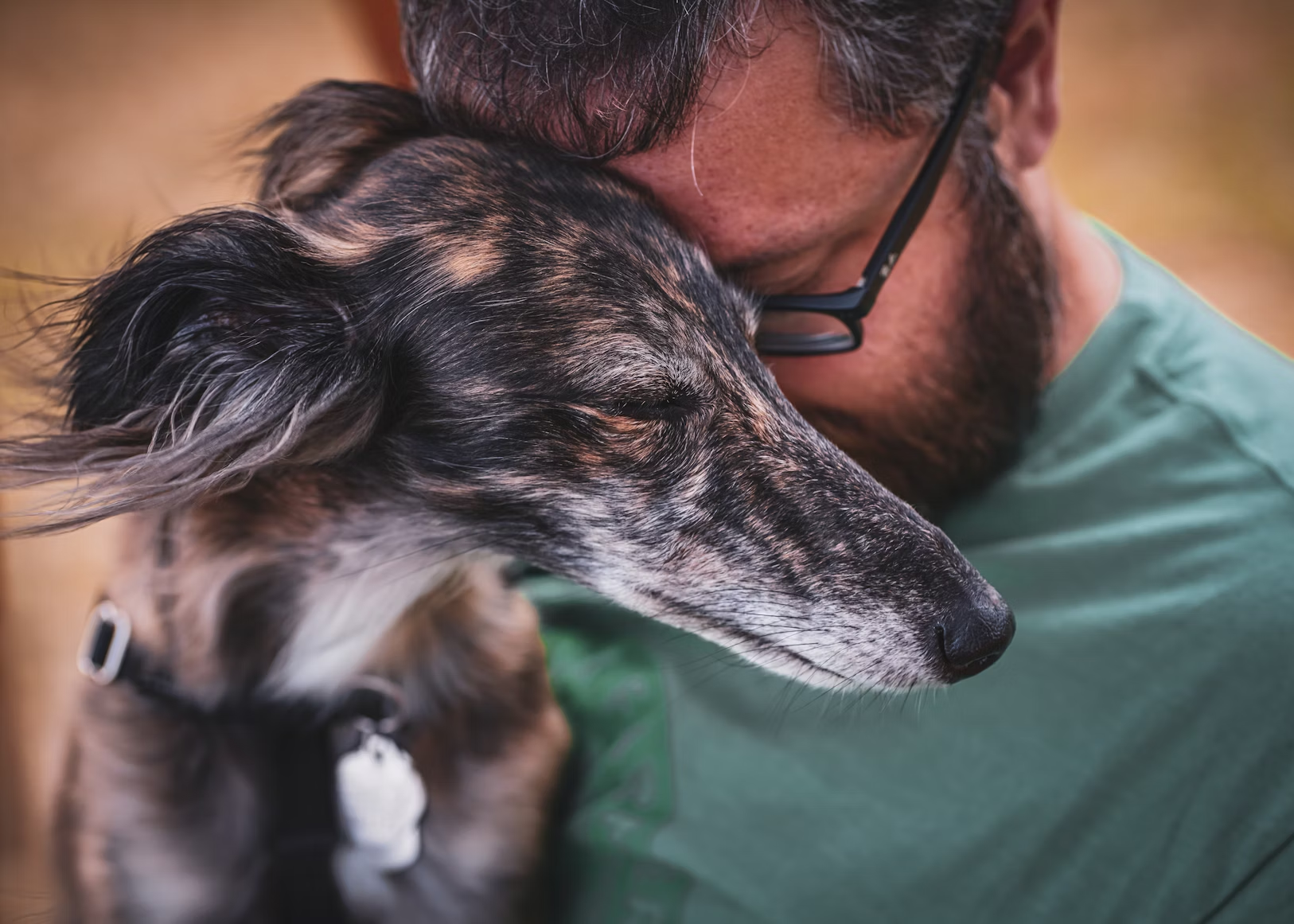
For handlers living with PTSD, a service dog can reduce medication needs, lower heart-rate spikes, and encourage exercise. Still, it’s important to avoid making the dog your only coping strategy. Balanced care = therapy + meds (if prescribed) + lifestyle habits + your dog’s assistance. Above all, we recommend speaking with your healthcare provider about this.
8. Prepare for Setbacks—and Small Victories
Progress is rarely linear. You may celebrate three calm weeks, then face a sudden relapse after fireworks or a dropped pan. Track triggers in a journal, adjust training plans, and celebrate micro-wins: approaching a door without bolting, accepting a new visitor, sleeping through one thunderclap. These small wins add up to big results. Nothing is insignificant!
9. The Bond Is Deeper Than “Normal”
When you earn the trust of a traumatized animal—or rely on a dog to manage your own trauma—you create an extraordinary connection. Silent cues, mutual regulation, and shared courage turn ordinary walks and couch cuddles into powerful moments of healing for everyone in the household.
Is it worth it? Absolutely. Hard days will come: chewed shoes, canceled plans, therapy bills. Yet you’ll watch resilience bloom—in your dog, in your kids’ empathy, and in your own patience. Opening your home to a dog with PTSD is less about fixing an animal and more about building a family culture of compassion and second chances.
Have experience with a dog with PTSD? Share your lessons in the comments—your story could guide another family on this rewarding path.
Read More
- Dogs and Children: 6 Tips for Teaching Them to Be Gentle With Each Other
- A Pet Owner’s Guide to Surviving the Holidays

Samantha Warren is a holistic marketing strategist with 8+ years of experience partnering with startups, Fortune 500 companies, and everything in between. With an entrepreneurial mindset, she excels at shaping brand narratives through data-driven, creative content. When she’s not working, Samantha loves to travel and draws inspiration from her trips to Thailand, Spain, Costa Rica, and beyond.
