• Home
  • About Us
  • Toolkit
  • Archives
  • Advertise
  • Privacy Policy

Kids Ain't Cheap

But They Sure Are Worth It

  • Parenting
    • Baby Stuff
    • Books and Reading
      • Aesops Fables
      • Comic Books
    • Education
    • Family Time
    • Green Living
    • Growing Up
    • Healthy Living & Eating
    • Holidays
    • Parenting
    • Random Musings
    • Shopping
    • Stuff to Do
  • Money
  • Product Reviews
    • Books and Magazines
    • Discount Sites
    • Furniture
    • House Keeping
    • Reviews News
    • Toys and Games
  • Contact Us
  • Our Editorial Commitment
  • Search

6 Cat Names That Are Perfect for Little Troublemakers

May 30, 2025 | Leave a Comment

6 Cat Names That Are Perfect for Little Troublemakers

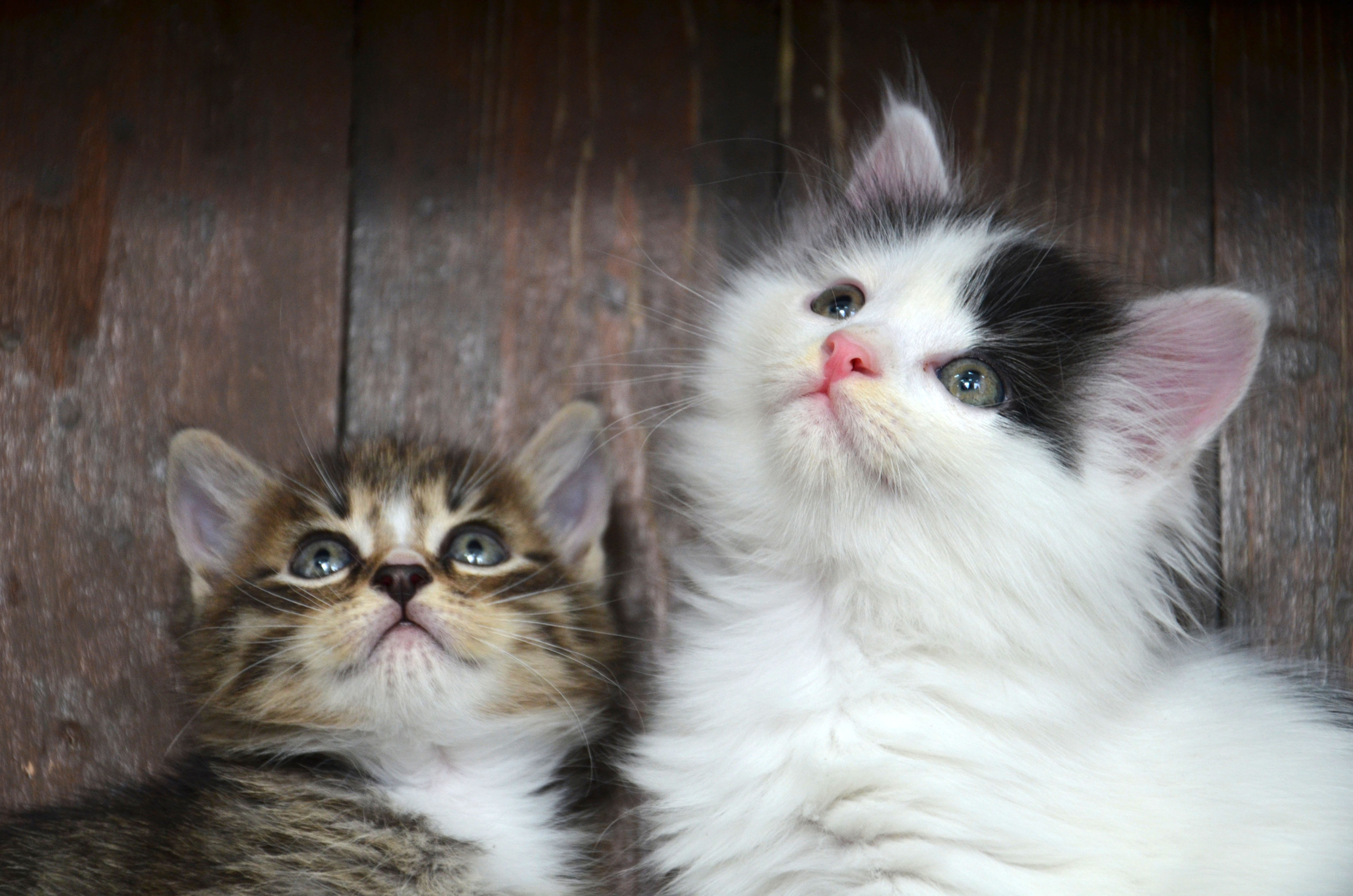
If you’ve just welcomed a mischievous kitten into your home, you already know you’re in for a wild ride. Whether they’re knocking plants off shelves, attacking your ankles from under the couch, or scaling the curtains like a feline superhero, some cats just radiate chaos—and charm. So why settle for a boring name when their personality practically demands something bold, funny, or delightfully devious? These cat names that are perfect for little troublemakers capture that spicy spirit and give your furry tornado the title they truly deserve. From pop culture nods to clever twists, these names will suit your cat’s antics perfectly.

1. Gremlin

Gremlin is one of those cat names that are perfect for little troublemakers because it nails the vibe: small, mischievous, and a little bit unpredictable. Whether your kitten is zooming around at 3 a.m. or hissing at their own reflection, the name Gremlin says, “I’m cute, but don’t trust me alone with your shoelaces.” It works especially well for cats with big ears, bug eyes, or that signature scrappy energy. Plus, anyone who’s seen the classic movie will get a chuckle—and know to keep snacks out of reach after midnight. It’s equal parts spooky and silly, just like your little terror.

2. Bandit

If your cat has a talent for swiping socks, stealing snacks, or sneaking into rooms they definitely weren’t invited into, Bandit is a top-tier choice. It’s one of those cat names that are perfect for little troublemakers who act like they live in a feline version of “Oceans 11.” This name works great for tuxedo cats, tabbies with mask-like markings, or any sneaky troublemaker who always seems to vanish right before you find the broken vase. Bandit adds a little swagger to your cat’s reputation—and they’ll live up to it every single day.

3. Mayhem

Some cats don’t walk—they crash through life like a furry wrecking ball. For those wildly energetic kittens who have two speeds (asleep or absolute chaos), Mayhem is a name that says it all. It’s short, punchy, and hilarious every time you say it out loud—especially when you’re yelling it while pulling them out of your laundry basket. This is one of the cat names that are perfect for little troublemakers who are equal parts disaster and delight. And let’s be real, if your home feels like a sitcom now, Mayhem is basically the star.

4. Loki

Named after the Norse god of mischief—and, more recently, Marvel’s charming trickster—Loki is the perfect name for a cat who’s always scheming. Whether your kitten is plotting the downfall of your houseplants or teleporting between hiding spots, Loki captures the sly, smart, and slightly smug energy that defines so many troublemaking cats. It’s one of the cat names that are perfect for little troublemakers with personality for days. And yes, your kid might think it’s cool too—bonus points if your whole family is into superheroes.

5. Chaos

Chaos is not just a name—it’s a warning. If your kitten turns every quiet moment into a five-act play, this name might be the perfect fit. Whether it’s zoomies at dawn, scaling the curtains, or pouncing on the dog’s tail with zero fear, some cats were born to stir things up. Chaos works great as a cheeky contrast to a tiny kitten with an innocent face—because you know that behind those big eyes is a plan to tip over the water dish. This name turns every “what did you do now?” moment into a comedy routine.

6. Trouble (Because, of Course)

Sometimes, the simplest name is the best one. Trouble is one of the most classic cat names that are perfect for little troublemakers, because it says exactly what you’re getting: a pint-sized rebel who keeps life interesting. Whether they’re playing innocent while hiding your keys or meowing like a banshee at 2 a.m., the name Trouble fits like a charm. It’s playful, catchy, and guaranteed to make anyone meeting your cat laugh. Just be prepared to say, “Trouble’s at it again!” more times than you can count.

When the Name Says It All

The right name can make your cat’s personality shine even brighter—and for mischievous felines, a little humor goes a long way. These cat names that are perfect for little troublemakers are more than just fun; they’re a badge of honor for your fearless feline. Whether your cat is causing chaos or cuddling sweetly after a day of destruction, their name becomes part of the story your family will be telling for years. So go ahead and name them Mayhem, Gremlin, or Trouble—they’ve probably earned it already.

Got a mischievous kitty with a fitting name? Share your favorite cat names that are perfect for little troublemakers in the comments—we’re all ears (and whiskers)!

Read More:

7 Cat Breeds That Are Way Friendlier Than You Expect

8 Cat Names Inspired by Legendary Sass

Catherine Reed
Catherine Reed

Catherine is a tech-savvy writer who has focused on the personal finance space for more than eight years. She has a Bachelor’s in Information Technology and enjoys showcasing how tech can simplify everyday personal finance tasks like budgeting, spending tracking, and planning for the future. Additionally, she’s explored the ins and outs of the world of side hustles and loves to share what she’s learned along the way. When she’s not working, you can find her relaxing at home in the Pacific Northwest with her two cats or enjoying a cup of coffee at her neighborhood cafe.
Filed Under: Pets Tagged With: cat names, Family Pets, feline behavior, funny cat names, kids and cats, kittens, mischievous cats, naming pets, parenting with pets, pet names

5 Ways Cats Quietly Take Care of Their Humans

May 29, 2025 | Leave a Comment

5 Ways Cats Quietly Take Care of Their Humans

They may not bring you slippers or bark at the mail carrier, but cats have their own quiet ways of showing love—and supporting their humans when it matters most. While they often get labeled as aloof or independent, anyone who’s shared their home with a feline knows there’s much more going on behind those watchful eyes. Cats quietly take care of their humans in subtle, meaningful ways that can improve mood, reduce stress, and even support emotional healing. If you’ve ever had a cat curl up beside you on a hard day, you’ve already experienced one of their secret superpowers. Let’s explore five ways these quiet companions become unexpected caretakers.

1. They Sense When You’re Feeling Down

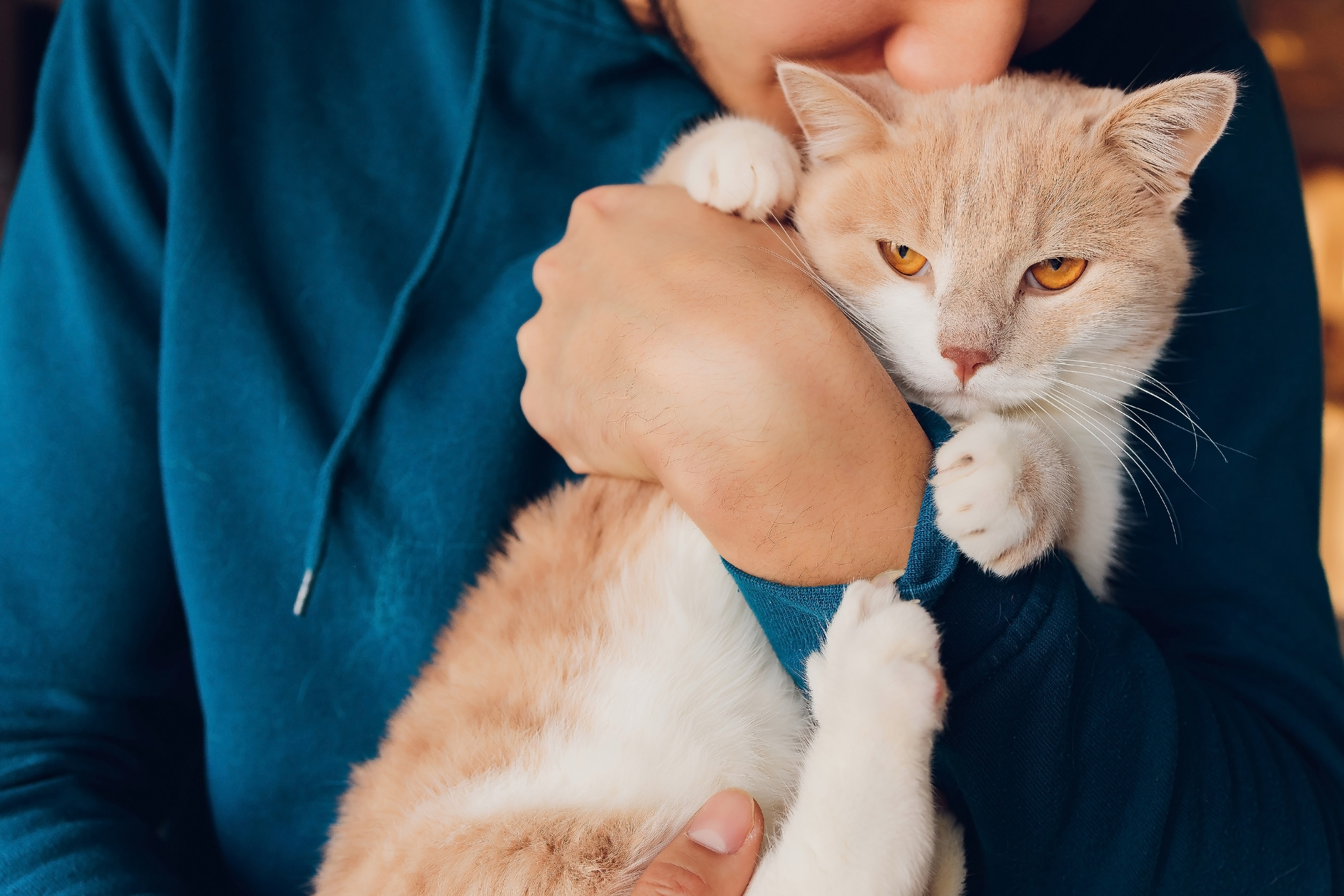
Cats are more emotionally intuitive than people give them credit for. When their humans are sad, anxious, or sick, many cats will stay close, offering silent companionship and gentle comfort. You may notice your cat lingering by your side, following you more than usual, or resting nearby without demanding attention. This behavior is a subtle way cats quietly take care of their humans—they may not know exactly what’s wrong, but they sense a shift and respond with presence. That quiet loyalty during tough times can mean everything, especially when you need support without conversation.

2. Their Purring Has a Healing Effect

Purring isn’t just adorable—it’s therapeutic. Studies suggest that a cat’s purr may promote healing, reduce stress, and even lower blood pressure. The low-frequency vibrations produced by purring are thought to have a calming, almost meditative effect on the human nervous system. When your cat curls up on your lap and begins to purr, they’re not just getting comfortable—they’re helping your body and mind unwind. It’s one of the most understated ways cats quietly take care of their humans, and all it takes is a soft rumble and a little cuddle time.

3. They Provide Structure and Routine

Even the most laid-back cat will hold their humans accountable to a daily routine. Whether it’s mealtime reminders, nudging you awake in the morning, or standing guard by the litter box while you clean, cats help create structure. This gentle insistence on routine can be surprisingly grounding—especially for people who struggle with anxiety, depression, or inconsistent schedules. Their habits become your habits, nudging you to move, eat, and check in. By simply being themselves, cats quietly take care of their humans by adding rhythm and reliability to daily life.

4. They Help Reduce Loneliness

Cats don’t talk back (well, not in words), but their companionship fills a home with presence and comfort. For people who live alone, work from home, or are going through life changes, cats offer a steady emotional anchor. They provide nonjudgmental company—always there, often watching, and sometimes jumping into your Zoom call just because. Their ability to make a room feel less empty is one of the most powerful ways cats quietly take care of their humans. A soft paw on your leg or a tail flick on the couch can remind you that you’re not alone.

5. They Encourage Mindfulness and Calm

Cats are masters of living in the moment. Whether they’re basking in a sunbeam or chasing a crumpled paper ball, they remind us to slow down and notice the little things. Observing a cat nap, play, or simply exist can help you shift gears from racing thoughts to quiet appreciation. That gentle encouragement to slow down, breathe, and stay present is another way cats quietly take care of their humans. Without saying a word, they lead by example—showing us that rest is important, play is sacred, and sometimes the best thing you can do is sit still and just be.

They Care in Their Own Quiet Way

Cats may not make grand gestures, but their care runs deep—and often shows up just when it’s needed most. From purring through your toughest moments to anchoring you in routine and presence, cats quietly take care of their humans in ways that are easy to overlook but impossible to replace. Their companionship is subtle but powerful, offering warmth, comfort, and calm without ever asking for much in return. If your cat has ever sat beside you when no one else could, you already know just how healing that presence can be.

Has your cat ever taken care of you during a tough moment? Share your story in the comments—we’d love to hear how your feline has quietly supported you.

Read More:

These Are The 8 Best Pets For Small Children

The Safest Ways to Introduce Pets to Young Children

Catherine Reed
Catherine Reed

Catherine is a tech-savvy writer who has focused on the personal finance space for more than eight years. She has a Bachelor’s in Information Technology and enjoys showcasing how tech can simplify everyday personal finance tasks like budgeting, spending tracking, and planning for the future. Additionally, she’s explored the ins and outs of the world of side hustles and loves to share what she’s learned along the way. When she’s not working, you can find her relaxing at home in the Pacific Northwest with her two cats or enjoying a cup of coffee at her neighborhood cafe.
Filed Under: Pets Tagged With: animals and anxiety, cat behavior, cat owners, cats and mental health, emotional support pets, how cats help, parenting with pets, pet therapy, pets and mindfulness

9 Things No One Tells You About Getting a Dog With PTSD

April 25, 2025 | Leave a Comment

Man comforting a dog in his lap outdoors.
Image Source: Unsplash

Imagine welcoming a dog whose wagging tail hides a battlefield of memories—one slammed door, a stranger’s touch, even a playful squeal can launch them back into survival mode. Post-traumatic stress in dogs isn’t rare, and whether you’re considering a highly trained PTSD service partner or opening your home to a rescue with a scarred past, the journey demands more than love alone.

It calls for patience measured in months, a budget that factors in specialized training, and a household ready to trade quick obedience for slow, deliberate trust-building. This guide unpacks the realities—costs, timelines, kid-safe protocols, and the emotional roller-coaster of setbacks and breakthroughs—so you can decide confidently if you’re prepared to turn compassion into a life-changing second chance for both of you.

1. They’re Not “Broken”—They’re Surviving

Abuse, combat, or chronic neglect can wire a dog’s brain to stay on high alert. Sudden sounds, new faces, or even gentle correction may trigger panic. The barking, hiding, or snapping you see isn’t misbehavior. It’s a survival strategy left over from trauma. Your first job is to create safety, not demand obedience on day one.

2. A PTSD Service Dog Is a Highly Skilled Partner

Well-trained PTSD service dogs can perform 3–12 custom tasks: waking a handler from night terrors, fetching meds, blocking strangers in a crowd, leading to exits during panic attacks, and more. They’re emotional geniuses, but they still need clear, consistent feedback to keep their skills sharp.

Training takes 18–30 months, and programs can cost $20k–$50k. Grants and nonprofits help, but waitlists are long; be ready for both the time and the price tag.

3. Rescue Dogs Can Have PTSD, Too

Shelter dogs—especially those from hoarding cases, puppy mills, or war zones—often show trauma symptoms: shutdowns, compulsive pacing, aggression, or extreme fear. They can absolutely become loving pets, but the healing phase may last months (or years). Patience must outweigh your timetable for “good behavior.” When you adopt a dog, it’s crucial to be aware of the support your new furry friend will need. Otherwise, you could create a harmful situation for the dog.

4. Treatment Is Ongoing, Not One-and-Done

Like people, dogs don’t “get over” traumatic memories; they learn new emotional responses through:

  • Desensitization: slow, planned exposure to triggers.
  • Counter-conditioning: pairing triggers with high-value rewards.
  • Play therapy & scent work: building confidence and joy.

A force-free trainer or veterinary behaviorist is worth the investment if triggers are severe.

5. Kids Need Coaching and Close Supervision

High-energy toddlers + a hyper-vigilant dog can be risky. Lay ground rules before introductions:

  • Approach from the side, not head-on.
  • Offer treats on an open palm.
  • Read “dog language” together: tucked tail means “I’m scared,” yawning can mean stress.

Frame the dog as a survivor: “Luna had scary days before she met us, so gentle voices help her feel safe.”

6. Household Chaos Matters More Than Breed

Don’t choose by looks alone. A sensitive shepherd might thrive in a quiet home, while a stoic lab mix panics at kids’ birthday parties. Evaluate your routine: loud music, frequent visitors, or unpredictable travel can overwhelm some PTSD dogs even with training. Your lifestyle matters a lot for the wellbeing of your pup.

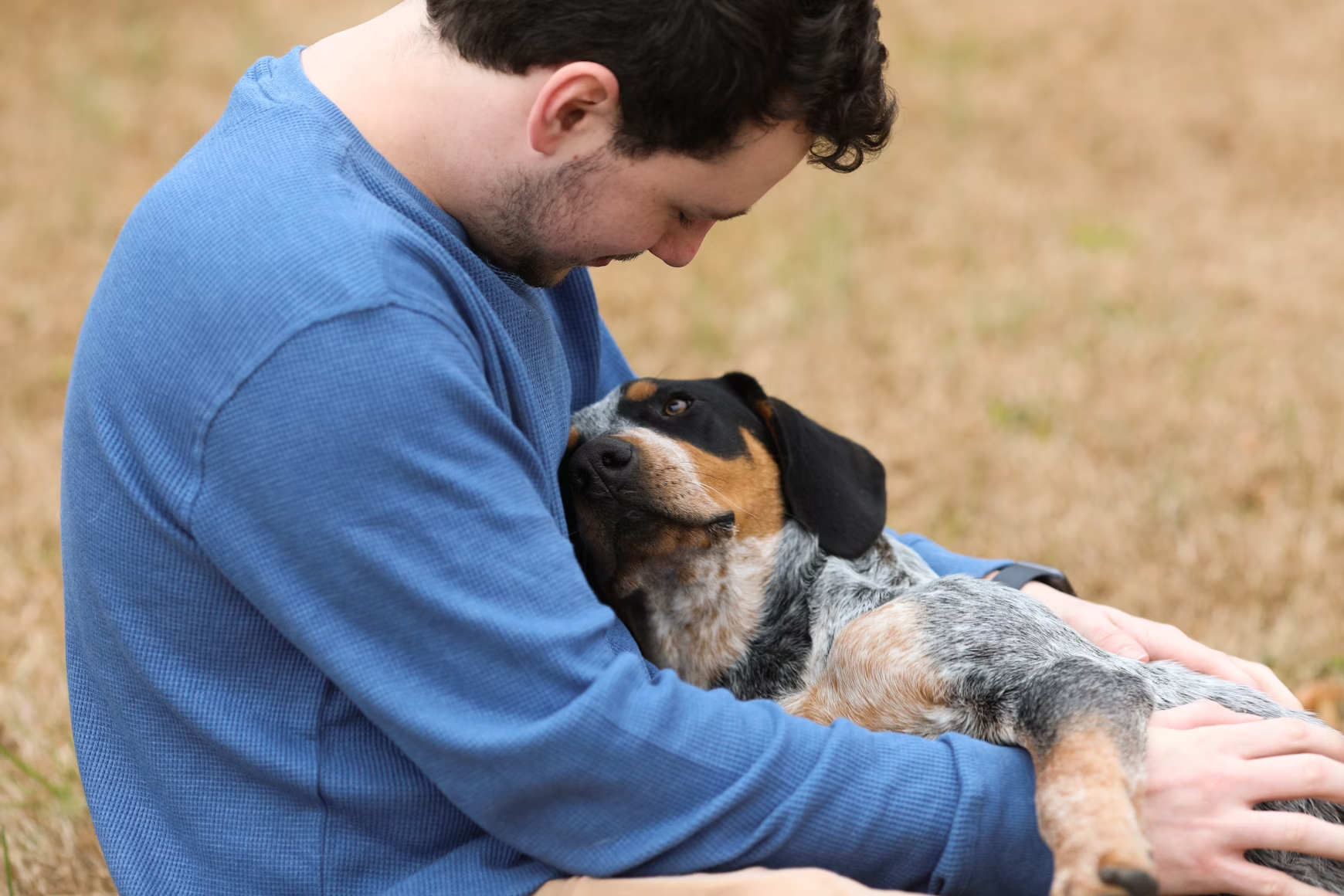
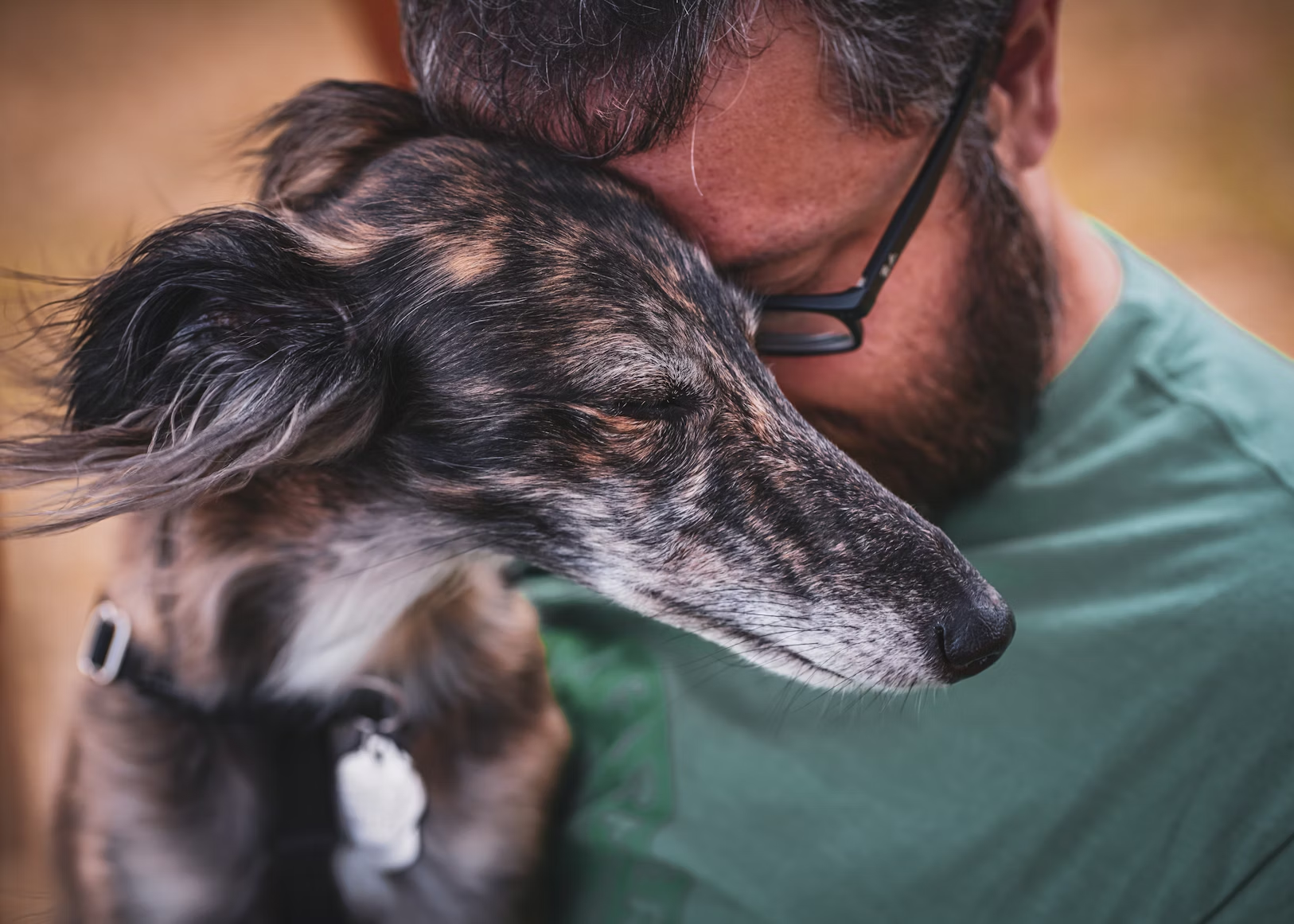
Man and dog resting their heads together in a quiet moment.
Image Source: Unsplash

7. Your Dog Is a Tool—But Not The Cure

For handlers living with PTSD, a service dog can reduce medication needs, lower heart-rate spikes, and encourage exercise. Still, it’s important to avoid making the dog your only coping strategy. Balanced care = therapy + meds (if prescribed) + lifestyle habits + your dog’s assistance. Above all, we recommend speaking with your healthcare provider about this.

8. Prepare for Setbacks—and Small Victories

Progress is rarely linear. You may celebrate three calm weeks, then face a sudden relapse after fireworks or a dropped pan. Track triggers in a journal, adjust training plans, and celebrate micro-wins: approaching a door without bolting, accepting a new visitor, sleeping through one thunderclap. These small wins add up to big results. Nothing is insignificant!

9. The Bond Is Deeper Than “Normal”

When you earn the trust of a traumatized animal—or rely on a dog to manage your own trauma—you create an extraordinary connection. Silent cues, mutual regulation, and shared courage turn ordinary walks and couch cuddles into powerful moments of healing for everyone in the household.

Is it worth it? Absolutely. Hard days will come: chewed shoes, canceled plans, therapy bills. Yet you’ll watch resilience bloom—in your dog, in your kids’ empathy, and in your own patience. Opening your home to a dog with PTSD is less about fixing an animal and more about building a family culture of compassion and second chances.

Have experience with a dog with PTSD? Share your lessons in the comments—your story could guide another family on this rewarding path.

Read More

  • Dogs and Children: 6 Tips for Teaching Them to Be Gentle With Each Other
  • A Pet Owner’s Guide to Surviving the Holidays
Samantha Warren
Samantha

Samantha Warren is a holistic marketing strategist with 8+ years of experience partnering with startups, Fortune 500 companies, and everything in between. With an entrepreneurial mindset, she excels at shaping brand narratives through data-driven, creative content. When she’s not working, Samantha loves to travel and draws inspiration from her trips to Thailand, Spain, Costa Rica, and beyond.

Filed Under: Parenting Tagged With: canine PTSD, dog rescue, emotional support animals, kid safety, parenting with pets, PTSD dogs, service dogs

Is Your Dog Ready to Be a Big Brother or Sister?

April 18, 2025 | Leave a Comment

Two puppies
Image Source: Unsplash

Bringing home a baby changes everything—including life for your dog. If your pup has been your “first baby” for years, introducing a newborn sibling can be a big adjustment.

The good news? With a little preparation and a lot of love, your dog and baby can build a strong bond right from the start. This guide walks you through thoughtful, practical ways to help your dog become the best furry big sibling they can be.

Below are five essential strategies to help your dog transition smoothly, feel secure, and respond well when baby finally arrives.

1. Start With Baby’s Scent

Dogs rely heavily on scent to understand their world—and a new baby brings a whole lot of new smells. One effective way to prepare your dog is to start introducing the baby’s scent gradually. Before you bring your baby home, let your dog sniff a blanket, hat, or onesie the baby has worn. This “scent preview” eases anxiety and sets the stage for a positive introduction.

2. Practice Baby Scenarios With a Doll

Your dog is used to fetch and sofa snuggles—but bouncing a baby? That’s new. Using a life‑like doll to simulate common baby activities can help desensitize your dog ahead of time. Try feeding, rocking, and carrying the doll while observing your pup’s reactions. It may feel silly, yet it makes a world of difference once the real bundle arrives.

3. Modify Your Dog’s Routine in Advance

Babies shake up well‑established routines, and pets often struggle with sudden change. Begin shifting walk times, feeding schedules, and attention windows a few weeks before your due date so your dog doesn’t associate the switch directly with the baby. A gradual transition keeps your pet feeling secure and reduces the risk of jealousy.

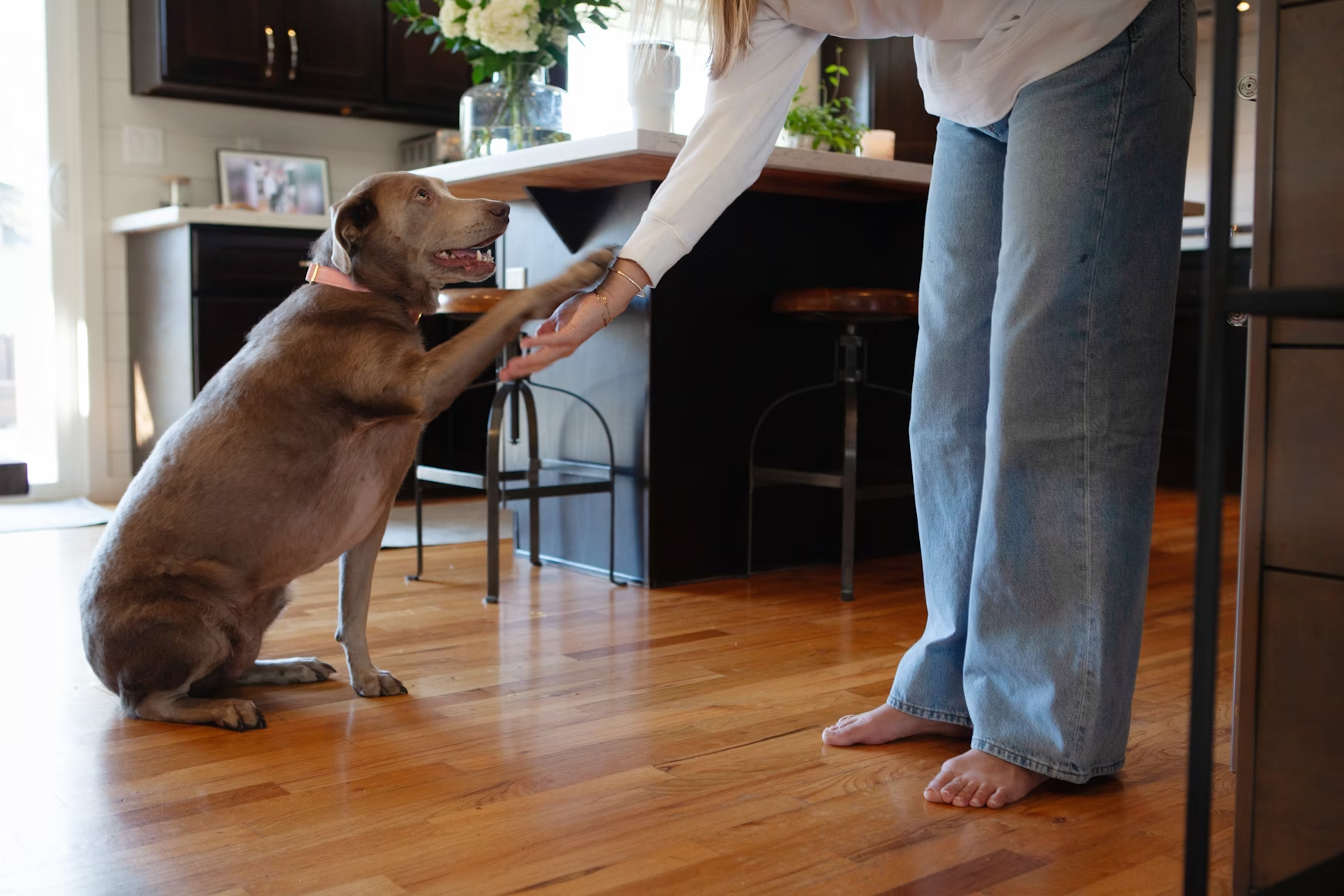
Teaching a dog basic commands outdoors
Image Source: Unsplash

4. Teach and Reinforce Critical Commands

When your hands are full of bottles and blankets, the last thing you need is a pup leaping into the mix. That’s why it’s crucial to train key cues like “stay,” “leave it,” and “go to your mat”. Practice these commands in different rooms and with distractions so your dog responds reliably. Clear boundaries protect both baby and dog—and lower everyone’s stress.

5. Manage That First Meeting Carefully

The first encounter sets the tone. Professionals recommend a calm, staged introduction: have one adult greet the dog alone first, let the pup sniff a baby blanket, then bring the baby in once the excitement dies down. Use praise and treats to reinforce gentle, relaxed behavior.

A Growing Pack: Why This Transition Matters

Your baby’s arrival is a beautiful milestone—but for your dog, it can feel like a big unknown. Helping your pup feel included, safe, and respected during this time is one of the best gifts you can give both your child and your pet.

Think of this transition as expanding your family’s communication playbook. Introduce baby‑related sounds early—soft recordings of coos, gentle lullabies, even the faint whir of a swing—so Fido won’t be startled on day one. Rotate new baby scents, like freshly washed onesies or lotion, into your dog’s resting spaces, pairing them with praise and treats to build positive associations. Maintain your pup’s favorite routines—morning walks, puzzle feeders, evening cuddle time—so a sense of normalcy anchors the change.

Managed with care, the dog‑and‑baby relationship can blossom into a lifelong bond. Someday, hearing your child call your dog their “first best friend” will make every bit of preparation worthwhile.

What helped your dog adjust when your baby arrived? Share your tips in the comments—we’d love to hear your story!

Read More

  • Tips for Ensuring a Cost-Effective Home Build for Your Family
  • 4 Simple Ways Your Family Can Save Money
Samantha Warren
Samantha

Samantha Warren is a holistic marketing strategist with 8+ years of experience partnering with startups, Fortune 500 companies, and everything in between. With an entrepreneurial mindset, she excels at shaping brand narratives through data-driven, creative content. When she’s not working, Samantha loves to travel and draws inspiration from her trips to Thailand, Spain, Costa Rica, and beyond.

Filed Under: Money and Finances, Parenting Tagged With: dog training for new baby, dogs and babies, introducing dog to baby, newborn prep, parenting with pets, pet safety

  • Facebook
  • Pinterest
  • RSS
  • Twitter

Basic Principles Of Good Parenting

Here some basic principles for good parenting:

  1. What You Do Matters: Your kids are watching you. So, be purposeful about what you want to accomplish.
  2. You Can’t be Too Loving: Don’t replace love with material possessions, lowered expectations or leniency.
  3. Be Involved Your Kids Life: Arrange your priorities to focus on what your kid’s needs. Be there mentally and physically.
  4. Adapt Your Parenting: Children grow quickly, so keep pace with your child’s development.
  5. Establish and Set Rules: The rules you set for children will establish the rules they set for themselves later.  Avoid harsh discipline and be consistent.
  6. Explain Your Decisions: What is obvious to you may not be evident to your child. They don’t have the experience you do.
  7. Be Respectful To Your Child: How you treat your child is how they will treat others.  Be polite, respectful and make an effort to pay attention.
Best Parenting Blogs

Most Popular

Baby names

Teachers Admit: These 6 Baby Names Create Instant Bias in the Classroom

Latrice Perez
6 Baby Names That Sound Cute Now but Cause Problems Later

6 Baby Names That Sound Cute Now but Cause Problems Later

Brandon Marcus
11 Ways Kids Are Outsmarting Parental Controls 1. Using Alternate Devices One common trick is simply turning to another device. If a child’s main phone or tablet is restricted, they may borrow a sibling’s, friend’s, or even a school laptop. This instantly gives them access to content outside of parental oversight. Parents often focus on one device, forgetting that others in the household can serve as loopholes. Knowing this tactic helps families tighten controls across all electronics. 2. Clearing Browsing Histories Many kids quickly learn that clearing browsing history hides evidence of restricted activity. With just a few clicks, they can erase any trace of websites visited. This makes it harder for parents to notice when rules are being broken. Parents may assume no history means no browsing, but the reality is often the opposite. Kids are outsmarting parental controls by making it seem like nothing happened at all. 3. Using Private Browsing Modes Most browsers offer “incognito” or private browsing features. Kids use this mode to access websites without leaving a record in the history. To parents checking later, everything looks clean and safe. This simple trick is often one of the first ways kids discover how to bypass restrictions. Conversations about private browsing can help close this gap. 4. Guessing or Resetting Passwords Children who are persistent may try to guess passwords to parental control apps or accounts. Others may find ways to reset them through email prompts or security questions. Once inside, they can disable restrictions entirely. Parents may not even realize controls have been altered until much later. Stronger, less predictable passwords can make this more difficult. 5. Using VPNs to Hide Activity Virtual private networks, or VPNs, let kids disguise their online locations. With one downloaded app, they can bypass geographic or parental restrictions. Some children learn about VPNs through friends or even social media. This makes it easy for them to reach content that should be blocked. Parents often underestimate just how simple it is for kids to use these tools. 6. Creating Fake Accounts When parents monitor social media, kids may create hidden accounts. These “finstas” or fake profiles allow them to interact freely without parental oversight. While their main account appears harmless, the secondary one tells a different story. Kids are outsmarting parental controls by playing both sides at once. Checking for duplicate accounts can help parents stay more aware. 7. Exploiting Time Zone Settings Some kids change the time zone on their devices to bypass screen time limits. This trick allows them to gain extra hours of usage undetected. Parents may assume controls are working, but in reality, the child is bending the clock. It’s a clever loophole that highlights just how resourceful kids can be. Monitoring device settings regularly can catch this tactic. 8. Disabling or Uninstalling Apps Parental control apps can be deleted or disabled with surprising ease. Some kids even reinstall them before a parent checks, making it seem like nothing changed. Others may simply restrict permissions to prevent apps from functioning properly. When apps aren’t monitored closely, parents may not notice they’ve been tampered with. This shows the importance of consistent follow-up. 9. Turning to Friends for Access If a child can’t get past restrictions on their own, they may rely on friends. Visiting a friend’s house or borrowing their phone can give them a free pass. Parents often forget that peer environments can override restrictions set at home. This kind of social workaround is especially common with gaming or social media. Open conversations about trust and responsibility are essential. 10. Hiding Apps in Plain Sight Kids sometimes download apps that look innocent but serve as gateways to hidden activity. These apps may disguise themselves as calculators or utilities. In reality, they allow file storage, private messaging, or browser access. Parents glancing at a home screen may overlook them entirely. Learning to recognize these disguised apps can help parents stay informed. 11. Outpacing Parents’ Tech Knowledge Finally, kids often know more about devices than their parents do. Whether through YouTube tutorials, TikTok hacks, or peer groups, they quickly learn advanced workarounds. This knowledge gap means controls can be bypassed before parents even realize the loophole exists. Staying informed and continually learning about new technology is the best defense. Kids are outsmarting parental controls because they adapt faster than most adults. The Real Solution Lies Beyond Restrictions While controls and filters are important, no system is perfect. Kids will always find creative ways around barriers, making communication the strongest safeguard. Setting clear expectations, building trust, and having ongoing conversations about online behavior matter more than apps alone. Parents who combine technology with open dialogue create a safer digital environment. The goal isn’t to win a battle of wits but to build a relationship that keeps kids both safe and honest. Do you think kids are outsmarting parental controls faster than parents can keep up? Share your experiences in the comments below. What to Read Next... 6 Parenting Tech Shortcuts That Can Expose Your Child to Strangers How Much Screen Time Is Too Much—Legally Speaking? Is Your Child’s School Quietly Tracking Their Location Without Your Consent? How Much Screen Time Is Quietly Reshaping Childhood Behavior? Why Some Parents Are Being Investigated Over Homeschooling Records

11 Ways Kids Are Outsmarting Parental Controls

Catherine Reed
Smiling grandfather holding a happy baby indoors.

Why Grandparents Shouldn’t Babysit Their Grandkids Every Week – The Unspoken Issue

Samantha
birthday gifts

7 Birthday Gifts Your Child Should Never Bring to a Party

Latrice Perez

All content on Kids Ain’t Cheap is for entertainment purposes only. By reading this blog, you agree that Kids Ain’t Cheap is not responsible for any actions taken after reading this blog. For the full disclaimer, see our privacy policy.

Please note that Kids Ain’t Cheap has financial relationships with some of the merchants mentioned here. Kids Ain’t Cheap is funded by banner advertising, commission sales and search optimization consulting.

Copyright © 2006–2026 | District Media | All Rights Reserved | Privacy Policy

Copyright © 2026 Runway Pro Theme by Viva la Violette