• Home
  • About Us
  • Toolkit
  • Archives
  • Advertise
  • Privacy Policy

Kids Ain't Cheap

But They Sure Are Worth It

  • Parenting
    • Baby Stuff
    • Books and Reading
      • Aesops Fables
      • Comic Books
    • Education
    • Family Time
    • Green Living
    • Growing Up
    • Healthy Living & Eating
    • Holidays
    • Parenting
    • Random Musings
    • Shopping
    • Stuff to Do
  • Money
  • Product Reviews
    • Books and Magazines
    • Discount Sites
    • Furniture
    • House Keeping
    • Reviews News
    • Toys and Games
  • Contact Us
  • Our Editorial Commitment
  • Search

Fur-Ever Care: 10 Things to Consider About Your Child’s Pets’ Future

July 14, 2025 | Leave a Comment

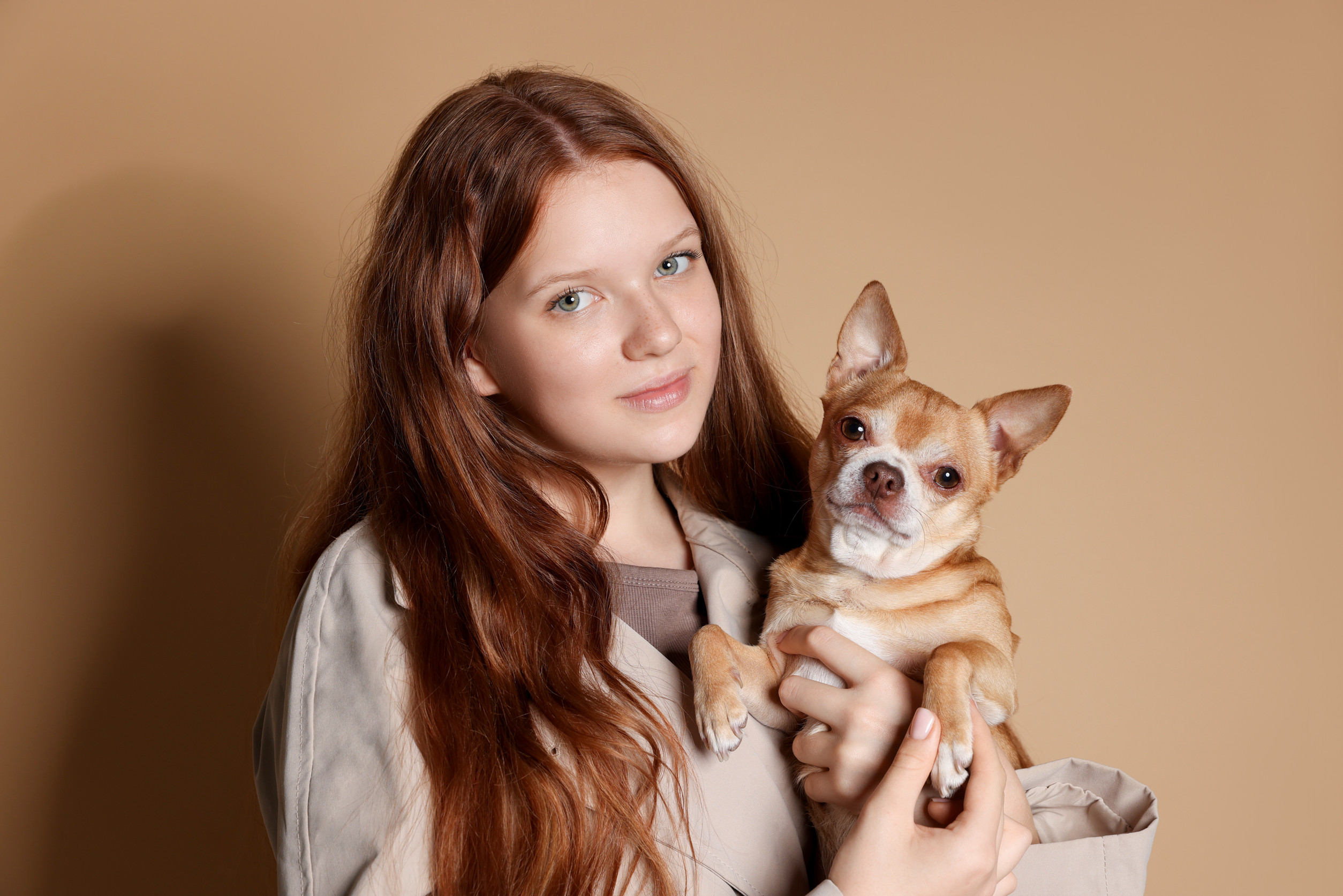
Fur Ever Care 10 Things to Consider About Your Childs Pets Future
123rf.com

When your child bonds with a pet, it creates a unique kind of love that’s equal parts joy, responsibility, and emotional growth. But what happens to that pet when life changes? Whether your child goes off to college, the family moves, or unexpected events unfold, planning for your child’s pets’ future is something many families forget to consider—until it’s too late. Pets are family, too, and thinking ahead ensures they receive the same level of care and attention even when circumstances shift. Here are 10 things to keep in mind when planning long-term for your child’s beloved animal companions.

1. Who Will Take Over When Your Child Grows Up?

Many kids start with small pets, but as they head off to college or start careers, they may not be able to bring their furry (or scaly) friend along. Thinking about who will take over care is a key step in planning your child’s pets’ future. Will it fall to you as the parent? Is there a relative who would be a good fit? Having this conversation before your child moves out avoids rushed decisions and ensures continuity in the pet’s care.

2. Emergency Pet Care Plans

Just like you may have a will or guardianship plan for your children, it’s wise to think about what happens to pets in emergencies. Who would care for your child’s pet if something happened to you? This is one of the most overlooked aspects of your child’s pets’ future. Choose a trusted friend or family member who agrees to step in, and make sure your pet’s medical records and feeding instructions are easily accessible. A pet emergency contact card or file can bring peace of mind.

3. Financial Considerations for Long-Term Pet Care

Vet visits, grooming, food, and medications can really add up over time. If your child’s pet is expected to live for many years, such as a turtle, bird, or cat, it’s important to plan for ongoing costs. Saving a small amount monthly or setting aside funds in a pet trust can help cover unexpected expenses. Your child may not have the financial ability to care for a pet when they’re older, so budget conversations are important. Planning today can help prevent tough choices down the road.

4. College Housing and Pet Restrictions

If your child plans to go to college and wants to bring a pet, housing options may be limited. Most dorms prohibit pets, and even off-campus housing can have strict rules. Knowing the pet policy in advance gives you time to make alternative care arrangements. If the pet can’t go with them, decide where the animal will live and who will take care of daily needs. Being proactive supports both your child and their pet’s emotional health.

5. Long-Lived or Exotic Pets Need Extra Planning

Some pets, like parrots or tortoises, can live for decades—far beyond the years your child will live at home. If your child chooses one of these species, it’s crucial to discuss what long-term care will look like. These animals often require specialized diets, enclosures, and veterinary care. Your child’s pets’ future might include transitioning to a sanctuary or another committed caretaker. Research and transparency are key before bringing a long-lived animal into your home.

6. Behavioral and Socialization Needs Over Time

As pets age, their behavior and needs can shift. A once-friendly bunny may become territorial, or a hyper puppy may develop anxiety if left alone. Teaching your child to recognize these changes and adapt care accordingly is an important part of the process. If your child moves out, you’ll want to make sure the new caregiver understands these nuances. Maintaining routines, training, and social interaction protects your pet’s emotional well-being.

7. Veterinary and Medical Care Transitions

Transferring care to a new vet is more than just finding the closest clinic. Your child’s pets’ future includes having access to consistent, high-quality medical care. Keep thorough medical records, and consider writing a summary of your pet’s health history for future caregivers. This helps avoid gaps in care or repeated procedures. It’s especially important if your pet has a chronic condition or requires regular medication.

8. Housing and Lifestyle Compatibility

Not every home is a good fit for every animal. A large dog might struggle in a small apartment, while a snake might not be welcome in some households. If you’re rehoming or transitioning a pet as part of a long-term plan, consider environment and compatibility. Ask questions like: Will the new household have children? Are there other pets? Matching your child’s pet with the right environment is essential to their happiness and safety.

9. Emotional Impact on Your Child

Pets are often your child’s best friend, confidant, and comfort. So even if they agree that rehoming or transitioning care is the right choice, the emotional toll can be heavy. Involve your child in planning and conversations to help them feel empowered rather than excluded. Honoring their feelings is just as important as planning for their pet’s well-being. Encourage letters, photos, or updates if the pet moves to someone else’s care.

10. Teaching Lifelong Responsibility

Helping your child understand the long-term needs of their pet goes beyond daily feeding and playtime. It teaches commitment, foresight, and compassion. Your child’s pets’ future becomes a valuable tool for teaching real-life responsibility. These lessons shape how they care for others, manage time, and handle obligations later in life. And in the process, you’re nurturing both your child’s heart and the well-being of a beloved animal.

A Future Plan Means Peace of Mind for Everyone

Pets give so much joy, love, and companionship—but they also depend on us completely. When you plan for your child’s pets’ future, you ensure their safety, stability, and comfort, no matter what life brings. It’s a gift of care that extends beyond your child’s growing-up years and teaches your family the true meaning of responsibility. Think ahead, ask questions, and make thoughtful choices now so your pet’s tomorrow is just as loving as today.

Have you made a plan for your child’s pet if things change? What steps have you taken to prepare for the future? Share your ideas in the comments!

Read More:

These Are The 8 Best Pets For Small Children

Pet Parents Beware: Common Mistakes You Might Be Making

Catherine Reed
Catherine Reed

Catherine is a tech-savvy writer who has focused on the personal finance space for more than eight years. She has a Bachelor’s in Information Technology and enjoys showcasing how tech can simplify everyday personal finance tasks like budgeting, spending tracking, and planning for the future. Additionally, she’s explored the ins and outs of the world of side hustles and loves to share what she’s learned along the way. When she’s not working, you can find her relaxing at home in the Pacific Northwest with her two cats or enjoying a cup of coffee at her neighborhood cafe.
Filed Under: Parenting Tagged With: Family Pets, kids and animals, long-term pet planning, parenting and pets, pet care tips, pet ownership advice, pet safety, your child’s pets’ future

7 Dogs Who Saved Their Owners in Incredible Ways

May 16, 2025 | Leave a Comment

7 Dogs Who Saved Their Owners in Incredible Ways

Dogs aren’t just loyal companions—they can also be life-saving heroes. Across the world, countless stories have surfaced of ordinary pups doing extraordinary things to protect their humans from danger. From alerting families to fires, to fighting off attackers, to calling for help in the most unexpected ways, these brave dogs prove that instinct, love, and courage know no species. It’s one thing to love your pet. It’s another to realize they’d risk everything for you without hesitation.

If your child has ever asked, “Can our dog be a hero too?” the answer is yes—and these stories might just inspire a deeper appreciation for your family’s four-legged friend. The following tales are all true, and each one showcases a dog that went above and beyond to save the person they loved most. Get ready to feel a little more grateful the next time your pup curls up at your feet.

1. Kelsey the Golden Retriever Saved Her Owner from Freezing

When Bob from Michigan slipped on the ice and broke his neck outside his home, he was completely alone—until his dog, Kelsey, sprang into action. As temperatures dropped to 24 degrees, Kelsey lay across his body, barking nonstop for help and keeping him warm for over 20 hours. She never left his side, howled to attract attention, and licked his face to keep him awake. Eventually, a neighbor heard her cries and rushed to help. Without Kelsey’s dedication, Bob wouldn’t have survived the night.

2. Yogi the Shih Tzu Detected a Gas Leak

In 2021, a small Shih Tzu named Yogi from England saved his family from what could have been a deadly gas explosion. Yogi kept pawing at the oven and barking, which his owner found odd. Upon further inspection, they discovered a gas leak in the kitchen. The family quickly evacuated and called emergency services, who confirmed that the leak could have led to a fatal blast. Thanks to Yogi’s persistence, an entire household was saved from tragedy.

3. Max the Blue Heeler Protected a Lost Girl

Max, a partially deaf and nearly blind 17-year-old blue heeler, became an unlikely hero when a 3-year-old girl wandered away from her family home in rural Australia. As night fell, Max stayed by the toddler’s side through the storm, helping her stay warm and calm until help arrived. The next morning, he led rescuers to the exact location where she was huddled. The Queensland Police Department was so impressed that they made Max an honorary police dog. This dog’s loyalty quite literally saved a life.

4. Nero the Pit Bull Stopped a Home Invasion

Pit bulls often get a bad rap, but Nero’s story flips the script in the best way. When a stranger broke into his family’s home, Nero barked ferociously and physically blocked the intruder from reaching the child’s bedroom. His owner called 911 while Nero kept the man cornered until police arrived. No one in the family was harmed, and the suspect was arrested thanks to Nero’s bravery. Child supervision doesn’t always have to come from a parent—sometimes it’s the family dog who steps up.

5. Angel the Golden Retriever Fought Off a Cougar

In Canada, an 11-year-old boy was walking his golden retriever, Angel, when a cougar suddenly lunged at him. Without hesitation, Angel leapt between the boy and the wild animal, taking the full force of the attack. By the time officers arrived and shot the cougar, Angel was severely injured but alive—and the boy was completely unharmed. Angel made a full recovery and received national attention for his courage. His actions were pure instinct—and pure love.

6. Babu the Shih Tzu Escaped a Tsunami

During the 2011 earthquake and tsunami in Japan, a small Shih Tzu named Babu became an unlikely lifesaver. Just after the quake hit, Babu began pulling on her leash and refusing to go home, dragging her elderly owner in the opposite direction. Confused but trusting her dog, the woman followed—and shortly after, their home was swallowed by the tsunami. Thanks to Babu’s bizarre but determined behavior, they both survived. Sometimes dogs sense things we simply can’t.

7. Roselle the Guide Dog Led Her Owner Out of the Twin Towers

On September 11, 2001, Roselle, a guide dog, helped her blind owner, Michael Hingson, escape the World Trade Center after the first plane hit. Despite the chaos, noise, and smoke, Roselle calmly guided him down 78 flights of stairs without panicking or losing focus. Along the way, she helped lead others out as well, offering reassurance and direction amid complete disaster. Her incredible composure and training turned into life-saving action. Roselle was later awarded honors for her role in one of America’s darkest days.

Every Dog Has the Potential to Be a Hero

You don’t need a professionally trained service dog to see bravery in action. Sometimes all it takes is loyalty, awareness, and a deep bond between a dog and their human. These incredible dogs didn’t hesitate—they simply acted, proving that love really can be life-saving. So the next time your pup barks at the door, paws at your leg, or refuses to leave your side, remember: they just might know something you don’t. And that kind of devotion is priceless.

Have you ever had a dog do something heroic? Share your story with us in the comments!

Read More:

6 Dog Breeds That Will Fiercely Protect Your Children

These 6 Dog Behaviors Are Actually Red Flags

Catherine Reed
Catherine Reed

Catherine is a tech-savvy writer who has focused on the personal finance space for more than eight years. She has a Bachelor’s in Information Technology and enjoys showcasing how tech can simplify everyday personal finance tasks like budgeting, spending tracking, and planning for the future. Additionally, she’s explored the ins and outs of the world of side hustles and loves to share what she’s learned along the way. When she’s not working, you can find her relaxing at home in the Pacific Northwest with her two cats or enjoying a cup of coffee at her neighborhood cafe.

Filed Under: Pets Tagged With: animal heroes, child supervision, dog behavior, dog saves owner, dog stories, family dog, heroic dogs, kid-friendly dogs, pet safety

You Think You’re a Good Dog Owner—But You’re Probably Skipping These 15 Things

May 8, 2025 | Leave a Comment

Image source: Unsplash

The connection you share with your dog is profound, a unique blend of unconditional love, joyful companionship, and countless everyday moments that fill your camera roll and warm your heart. You diligently provide nourishing food, shower them with affection, and ensure their basic needs are met – all hallmarks of a caring dog parent. But even with the best intentions, in the whirlwind of daily life and amidst a sea of pet care advice, some crucial aspects of their well-being can inadvertently be overlooked. This isn’t about assigning blame or feeling guilty; it’s an invitation to deepen your understanding and enhance your care. Because every dog, with their distinct personality and boundless enthusiasm, has complex physical, mental, and emotional needs that sometimes get lost in translation or simply aren’t widely known.

Below, we’ll explore 15 key areas that many well-meaning dog owners might unintentionally skip, not realizing the profound impact these practices can have on their dog’s overall health, happiness, and longevity.

1. Underprioritizing Annual Wellness Bloodwork

While most dogs dutifully receive their core vaccinations according to schedule, comprehensive annual wellness bloodwork often doesn’t get the same consistent attention. This vital screening is far more than just an “extra” for older or visibly unwell pets; it’s a cornerstone of proactive, preventative healthcare for dogs of all ages. These blood panels typically include a Complete Blood Count (CBC) and a Chemistry Profile, which provide a detailed snapshot of your dog’s internal health. They assess organ function (like kidneys and liver), check for signs of infection or inflammation, measure blood sugar levels (crucial for detecting diabetes), evaluate electrolytes, proteins, and screen for anemia or other blood cell abnormalities.

For young and seemingly healthy dogs, annual bloodwork establishes an invaluable baseline – a personalized reference point for their normal values. As they age, subtle shifts from this baseline, even before overt symptoms of illness appear, can alert your veterinarian to emerging issues like early-stage kidney disease (where intervention can significantly slow progression), thyroid imbalances, or metabolic changes. Catching these conditions in their infancy often leads to more effective management, a better prognosis, and ultimately, a higher quality of life for your dog. Think of it as an internal health MOT that empowers you and your vet to be proactive rather than reactive.

2. Letting Nail Trims Slide

Long nails in dogs aren’t just a cosmetic issue or a minor inconvenience; they represent a significant but often overlooked welfare concern that can lead to a cascade of physical problems. When a dog’s nails are too long, they make contact with the ground before their paw pads do. This forces the dog to alter its natural gait, often causing them to rock their weight backward onto their pasterns (the dog equivalent of wrists and ankles) or splay their toes wider apart to try and find a comfortable stance. This unnatural foot placement fundamentally changes the biomechanics of how they move, putting undue stress on the delicate structures of their feet and legs.

Over time, this continuous, incorrect weight distribution and altered posture can cause serious joint problems. The constant pressure and unnatural angles can lead to inflammation and pain in the toe joints, which can progress to premature arthritis. This discomfort doesn’t always stay localized; it can radiate up the leg, affecting the carpal (wrist) joints, elbows, shoulders, and even the hips and spine as the dog’s entire body tries to compensate for the instability and pain originating in their feet. This can be a major contributor to lameness and a decreased quality of life, especially in older dogs.

3. Overlooking Consistent Dental Hygiene

That familiar “doggy breath” might seem like a minor nuisance, but it’s often the first warning sign of escalating dental issues. Neglecting your dog’s oral health allows plaque to accumulate and harden into tartar, leading to gingivitis (inflamed gums) and eventually progressing to painful periodontal disease. This condition doesn’t just cause discomfort, bleeding gums, difficulty eating, and tooth loss; the bacteria thriving in an unhealthy mouth can enter the bloodstream and potentially damage vital organs like the heart, liver, and kidneys over time.

While daily tooth brushing with dog-specific enzymatic toothpaste is the gold standard for preventing dental disease (veterinarians often recommend aiming for at least 3-4 times a week if daily isn’t feasible), many owners find this challenging. If regular brushing proves difficult, don’t give up entirely. Supplementing with effective dental chews designed to reduce plaque, water additives approved by the Veterinary Oral Health Council (VOHC), or specific dental diets can offer some benefit. However, these are generally aids, not replacements for brushing and, crucially, professional veterinary dental cleanings under anesthesia, which are necessary to remove tartar below the gumline and thoroughly assess oral health. Start slowly when introducing tooth brushing, making it a positive experience with lots_of_praise_and_tasty_rewards.

4. Underestimating the Need for Daily Mental Enrichment

Physical exercise is vital, but a dog whose mind isn’t engaged can quickly become a bored, anxious, or even destructive dog. Just like humans, dogs require consistent mental stimulation to thrive and prevent problem behaviors such as excessive barking, chewing inappropriate items, or digging. This enrichment doesn’t always require elaborate setups or hours of your time. Short, focused activities can make a huge difference.

Incorporate puzzle toys that make your dog work for their treats, use slow-feeder bowls to turn mealtime into a brain game, or engage them in simple hide-and-seek games with their favorite toys or even their food. Short, positive training sessions to teach new tricks or refresh old cues are excellent mental workouts. Scent work, like hiding treats around the house for them to find, taps into their powerful natural instincts and can be incredibly satisfying and tiring for them. Even varying your walk routes to provide new sights, sounds, and especially smells contributes to their mental well-being. Remember, a mentally stimulated dog is often a calmer, happier, and more well-behaved companion, regardless of their age.

5. Neglecting to Keep Identification Details Current

The thought of a beloved dog getting lost is every owner’s nightmare, yet it happens with alarming frequency. While visible ID tags on your dog’s collar are the first line of defense, providing immediate contact information, they can fall off or become illegible. A microchip offers a permanent form of identification, but both systems are only effective if the information linked to them is accurate and up-to-date. If you’ve recently moved, changed your phone number, or updated your email address, one of your first tasks should be to update your dog’s ID tags and, critically, the contact details registered with their microchip company.

Ensure ID tags clearly display your current phone number(s) and possibly your city. For the microchip, contact the registry (the information should be in your dog’s adoption or veterinary paperwork) to verify and update all contact methods. Consider adding a secondary emergency contact. Making it a habit to check these details annually – perhaps around your dog’s birthday or yearly vet visit – can dramatically increase the chances of a swift and safe reunion should the unthinkable happen. This small administrative task provides immense peace of mind.

6. Overlooking Innate Breed-Specific Needs and Instincts

Every dog breed, and even mixed breeds with discernible heritage, carries a legacy of traits shaped by centuries of selective breeding for specific purposes – whether herding livestock, hunting game, guarding property, or simply providing companionship. Understanding these ingrained instincts and characteristics is crucial for providing appropriate care. A Border Collie, bred for intense herding work, will likely need significant mental stimulation and an outlet for their herding drive to prevent frustration, which might manifest as nipping at heels or obsessive behaviors. Conversely, a Bulldog, while enjoying walks, has different exercise tolerances and specific health considerations due to their brachycephalic (flat-faced) nature.

Failing to meet these inherent needs can lead to boredom, anxiety, and a range of behavioral issues. Researching your dog’s breed (or likely breed mix) can illuminate their typical energy levels, exercise requirements, grooming needs, common health predispositions, and natural behavioral tendencies. This knowledge empowers you to create an environment and lifestyle that truly allows them to flourish, making them a happier and more balanced member of your family. While every dog is an individual, understanding their breed heritage provides invaluable clues to their unique needs.

7. Letting Consistent Training and Learning Fade After Puppyhood

Many owners breathe a sigh of relief once their puppy is reliably house-trained and knows a few basic cues, often letting formal training efforts wane. However, training is much more than just puppyhood basics; it’s an ongoing process of communication, engagement, and relationship-building that benefits dogs of all ages. Continuing training throughout your dog’s life reinforces desired behaviors, helps prevent new problem behaviors from emerging, provides essential mental stimulation, and continually strengthens the bond you share through positive, interactive experiences.

Consider enrolling in advanced obedience classes, trying fun dog sports like agility, scent work, or rally obedience, or simply dedicating a few minutes each day to teaching new tricks or practicing existing skills. Positive reinforcement-based training keeps learning enjoyable and engaging for your dog. Don’t fall for the myth that “you can’t teach an old dog new tricks”; senior dogs are very capable of learning and can greatly benefit from the mental engagement and one-on-one attention that training provides, which can even help keep their cognitive functions sharp as they age.

Image by Victor G

8. Overlooking Their Weight and Body Condition

Obesity is one of the most prevalent, yet entirely preventable, health crises affecting our canine companions today. It’s crucial to understand that even a few extra pounds on a dog can significantly strain their joints, potentially leading to or exacerbating conditions like osteoarthritis. This excess weight also puts a heavy burden on their cardiovascular and respiratory systems, can contribute to diabetes, pancreatitis, certain types of cancer, and will invariably shorten their lifespan and diminish their overall quality of life.

Instead of solely relying on the number on a scale, learn to assess your dog’s Body Condition Score (BCS). A dog at an ideal weight will have ribs that are easily palpable with a thin layer of fat covering, a visible waist when viewed from above, and an abdominal tuck when viewed from the side. If you can’t easily feel their ribs or see a defined waist, or if their abdomen sags, they are likely overweight. Regularly monitor this, consult with your vet about an ideal BCS for your dog’s breed and size, and be diligent about portion control with high-quality food, limiting calorie-dense treats, and ensuring consistent, appropriate exercise.

9. Neglecting to Provide a Dedicated “Safe Space”

Just like humans, dogs need a personal sanctuary—a designated spot where they can retreat, feel secure, and decompress without being disturbed. This is especially vital in bustling households with young children, other pets, or frequent visitors. This “safe haven” might be a comfortable crate (never used for punishment and always with the door open unless for safe travel/containment), a plush bed in a quiet corner, or even a specific room they can access freely.

A dedicated safe space significantly contributes to your dog’s mental well-being by reducing stress, anxiety, and fear-based behaviors. Observe your dog for subtle cues like lip licking, yawning, showing the whites of their eyes (whale eye), or attempting to hide; these can indicate they’re feeling overwhelmed and could benefit from retreating to their den. Ensure this space is always associated with positive experiences, like special toys or chews, and that family members and guests understand to respect their time there.

10. Rushing Through Walks and Ignoring Sniffing Needs

Walks are far more than just perfunctory bathroom breaks for your dog; they are rich, multi-sensory expeditions crucial for their mental and emotional health. For a dog, their nose is their primary tool for interpreting the world, akin to how humans rely on sight. Allowing your dog ample time to sniff their environment isn’t a waste of time or a sign of a “stubborn” dog – it’s profound mental enrichment. Sniffing allows them to gather information, process their surroundings, and can actually have a calming, stress-reducing effect, sometimes referred to as a “decompression walk.”

Try to differentiate between a brisk exercise walk and a more leisurely “sniffari.” For the latter, use a longer leash (where safe and legal), vary your routes to provide new olfactory experiences, and let your dog dictate the pace and points of interest. Constantly pulling them away from engaging smells can lead to frustration for your dog and a missed opportunity for essential mental stimulation, which is just as important as physical exercise for a well-rounded, happy companion.

11. Forgetting Weekly Ear Checks and Basic Hygiene

Ear infections are a common and painful ailment in dogs, particularly for breeds with long, floppy ears that restrict airflow and trap moisture, creating a perfect breeding ground for yeast and bacteria. If not detected and addressed early, these infections can become chronic, leading to recurrent pain, costly vet visits, and even hearing impairment. Make it a habit to visually inspect your dog’s ears at least once a week. Look for signs of trouble such as redness, swelling, unusual discharge (brown, yellow, or bloody), a foul odor, or behaviors like excessive head shaking, scratching at the ears, or whining when their head is touched.

If the ears look healthy, generally leave them be. If you notice mild dirt or wax, gently clean the outer part of the ear canal with a vet-approved canine ear cleaner and a cotton ball or gauze – never insert cotton swabs deep into the canal, as this can cause damage. If you suspect an infection or are unsure, always consult your veterinarian for diagnosis and treatment. Factors like allergies, swimming, and foreign bodies can also contribute to ear problems.

12. Allowing Leash Manners to Deteriorate

A dog that consistently pulls on the leash, lunges at other dogs or people, or zigzags erratically doesn’t just make walks unpleasant; it poses a significant safety risk to both you and your dog. Pulling can lead to falls and injuries for the handler, while a lunging dog could slip their collar or harness, or instigate a negative interaction. Moreover, constant tension on the leash creates physical discomfort and stress for your dog.

Teaching polite leash manners requires patience, consistency, and positive reinforcement techniques. Focus on rewarding loose-leash walking and redirecting unwanted behaviors calmly. Consider using well-fitted equipment like a front-clip harness or, for more challenging cases and with proper guidance, a head halter, which can offer better control without causing pain when used correctly. Avoid relying on punitive tools like choke chains or prong collars, as these can cause physical injury and worsen anxiety or aggression. Investing time in leash training transforms walks from a stressful chore into an enjoyable bonding experience for everyone.

13. Underestimating the Need for Ongoing Socialization

Socialization is the process of exposing your dog to a variety of people, places, sounds, sights, and other animals in a positive and controlled manner, helping them develop into confident, well-adjusted adults. While the critical socialization window for puppies (roughly 3 to 16 weeks of age) is paramount, socialization is not a one-time event; it’s a lifelong practice. Dogs that lack ongoing, positive novel experiences can become fearful, anxious, or reactive over time when faced with unfamiliar situations.

Good socialization isn’t about forcing your dog into overwhelming situations like a crowded dog park if they’re uncomfortable. It’s about creating positive associations and teaching them coping skills. This can include parallel walks with calm dogs, visits to new environments where they can observe from a comfortable distance, or simply encountering different types of people in a controlled way. Always prioritize your dog’s comfort and safety, allowing them to engage at their own pace and never forcing interactions. The goal is to build their confidence and adaptability, not to flood them with stimuli.

14. Failing to Adapt Care to Seasonal Dangers

Each season brings its own set of potential hazards for our canine friends, and proactive, adaptive care is essential to keep them safe.

  • Summer: The most obvious danger is heatstroke, which can be fatal. Never leave your dog in a parked car, avoid strenuous exercise during the hottest parts of the day, ensure access to shade and fresh water, and be mindful of hot pavement that can burn paw pads. Parasites like fleas, ticks (which can transmit Lyme disease and other illnesses), and mosquitoes (heartworm vectors) are also more prevalent.
  • Winter: Cold weather brings risks of hypothermia and frostbite, especially for paws, ears, and tails of short-haired or small breeds. Antifreeze is highly toxic if ingested, and ice melt chemicals can irritate or burn paws. Be cautious around frozen ponds or lakes.
  • Spring and Fall: These seasons often see a rise in allergens for dogs, potentially leading to skin issues or respiratory discomfort. Wildlife activity may increase, and in the fall, be wary of toxic mushrooms if your dog explores wooded areas.

Adjusting your dog’s routine, providing appropriate gear (like booties in winter or a cooling vest in summer), and staying current on preventative medications for parasites are crucial year-round responsibilities.

15. Assuming “No Whine Means They’re Fine”

Dogs, by their evolutionary nature, are often remarkably stoic creatures and may instinctively hide signs of pain, discomfort, or anxiety until these issues become quite advanced. This trait, while beneficial for survival in the wild, means that waiting for overt signs like whining or limping can result in delayed diagnosis and treatment. It’s vital to become a keen observer of your dog’s subtle behavioral shifts.

Pay close attention to changes in their appetite, water intake, sleep patterns (sleeping significantly more or less), energy levels, enthusiasm for walks or play, social interactions, or grooming habits. Reluctance to jump, changes in posture, unusual breathing patterns, excessive licking of a particular area, or new patterns of irritability or clinginess can all be subtle indicators that something is amiss. Regular veterinary wellness exams, even for seemingly healthy dogs, are indispensable for early detection of potential problems. Always trust your intuition; if you feel something is “off” with your dog, it’s always best to consult your veterinarian.

Loving Them Means Committing to Learn and Adapt

Being a truly dedicated dog parent isn’t about achieving an unattainable standard of perfection. Instead, it’s a journey fueled by curiosity, a commitment to staying informed, and the willingness to adapt your care as you learn more about canine needs and as your own dog’s needs change with age and circumstance. Your dog doesn’t require you to be an expert in veterinary medicine or animal behavior—they simply need you to be present, observant, and engaged in their well-being.

Consider this information not as a critique of past actions, but as an empowering nudge towards an even deeper understanding of your companion. The love you already have for your dog is the perfect foundation. By incorporating these insights and continually seeking to learn, you can significantly enhance their physical health, enrich their emotional happiness, and strengthen the incredible bond you share for all the years to come.

What’s one new insight or practice you’ve adopted recently that you feel has positively impacted your relationship with your dog or their quality of life?ur relationship with your dog or their quality of life?

Read More:

Pet Parents Beware: Common Mistakes You Might Be Making

Great Pet Care Habits You Can Teach the Whole Family

Filed Under: Pets Tagged With: daily dog needs, dog behavior, dog care, dog health, dog owner mistakes, dog parenting tips, pet safety, responsible pet ownership

7 Dog Breeds That No One Should Own If They Have Infants At Home

April 29, 2025 | Leave a Comment

Baby and fluffy dog lying face-to-face on a carpeted floor.
Image Source: Unsplash

Welcoming a newborn is exhilarating, exhausting, and—when pets enter the picture—downright complicated. Most dogs are wonderful companions, yet some breeds bring size, strength, or instincts that clash with a household still navigating 2 a.m. feedings.

Babies cry unpredictably, flail tiny arms, and emit new scents, all of which can confuse or overstimulate certain canines. While early socialization and solid training help, genetics and breed tendencies still matter. If your family is eyeing a new furry friend, the following breeds demand extra caution around infants.

Pit Bulls

Pit Bulls often adore their people, but their bite strength and reactive history raise serious concerns in baby-filled homes. Studies attribute a large number of severe dog-related injuries to Pit Bull–type dogs. Even well-loved Pitties can misread a baby’s squeal as prey-like distress or become protective in a flash. Managing that power requires constant supervision and expert training most new parents can’t juggle. Until your child is older, consider a breed with a gentler track record. Your peace of mind is worth it.

Siberian Huskies

With striking eyes and sled-dog stamina, Huskies captivate families—yet their high energy and strong prey drive complicate infant safety. These dogs love rough play and can bowl over a sitting parent or bassinet without realizing their force. Their independent streak sometimes overrides obedience cues. This is especially true when startled by a baby’s sudden movements. Training a Husky is doable but time-intensive, and new parents are already running on minimal sleep. Waiting until kids are sturdier walkers—and you have more bandwidth—may be the wiser route.

Mastiffs

Mastiffs are affectionate “gentle giants,” but that bulk can quickly become hazardous in tight nurseries. A casual tail wag can smack a baby’s head. A simple lean could topple a toddler. Though typically calm, Mastiffs need early socialization to prevent protective guarding around their favorite humans. Combine their drool, size, and space requirements with a newborn’s gear and you may feel overwhelmed. Postponing a Mastiff adoption until your child has better balance keeps everyone safer.

Dogs with High Predatory Aggression

Regardless of breed label, some individual dogs possess intense prey instincts. These are triggered by squeaks, quick motions, or high-pitched cries. A wiggling infant can inadvertently activate those instincts, leading to dangerous snapping or chasing behavior. Training can manage but rarely erase deeply ingrained drives. Signs include fixating on small pets or lunging at joggers and bikes. If you already see these red flags, consult a professional trainer before blending baby and dog under one roof.

Shih Tzus

Their small size fools many parents into assuming safety, yet Shih Tzus can be zippy, territorial, and intolerant of sudden grabs. They often weave underfoot. This creates tripping hazards for sleep-deprived adults carrying newborns. A curious baby tugging fur can provoke defensive nips from this sensitive breed. Shih Tzus thrive when children are old enough to respect canine boundaries. For households with infants, a mellower lap-dog breed may fit better.

Close-up of a happy Pekingese dog with tongue out.
Image Source: Unsplash

Pekingese

Bred as royal companions, Pekingese frequently consider themselves household monarchs. They guard favored humans, toys, or spots on the couch. However, these behaviors spell trouble when a baby “invades” their space. Their short muzzles also make them more prone to respiratory stress, increasing irritability. Because they dislike rough handling, unpredictable baby hands can spark growls or bites. Parents often find it simpler to welcome a Peke once kids understand gentler interactions.

Any Dog Lacking Proper Socialization

Even typically child-friendly breeds can become risky if they’ve never encountered babies, strollers, or nursery noises. Dogs unfamiliar with infant smells or sounds may react with anxiety, barking, or snapping. Consistent exposure, positive reinforcement, and professional guidance are essential prerequisites before mixing dogs and newborns.

If your current pet hasn’t undergone this training, start months ahead of the due date or arrange safe separations. Socialization isn’t optional. It’s foundational for harmonious pet-baby cohabitation.

A Safer Home Comes First

Choosing a dog while caring for a newborn isn’t just about breed popularity or cuteness. It’s about minimizing preventable risks. Powerful jaws, high energy, territorial streaks, or missing socialization can turn ordinary moments into emergencies. Patience—waiting until children are older or selecting calmer breeds—protects both baby and dog from stressful situations.

Are you weighing a pet adoption with an infant at home, or have you navigated this decision already? Share your questions, tips, and experiences below so other parents can learn from your journey!

Read More

  • Dogs and Children: 6 Tips for Teaching Them to Be Gentle With Each Other
  • What Is Dog Anxiety?

Samantha Warren
Samantha

Samantha Warren is a holistic marketing strategist with 8+ years of experience partnering with startups, Fortune 500 companies, and everything in between. With an entrepreneurial mindset, she excels at shaping brand narratives through data-driven, creative content. When she’s not working, Samantha loves to travel and draws inspiration from her trips to Thailand, Spain, Costa Rica, and beyond.

Filed Under: Parenting Tagged With: baby and dog, childproofing, dog breeds not safe for babies, Family Pets, infant safety, parenting tips, pet safety

Are You a Helicopter Pet Parent? 5 Signs You’re Too Involved—and How to Dial It Back

April 27, 2025 | Leave a Comment

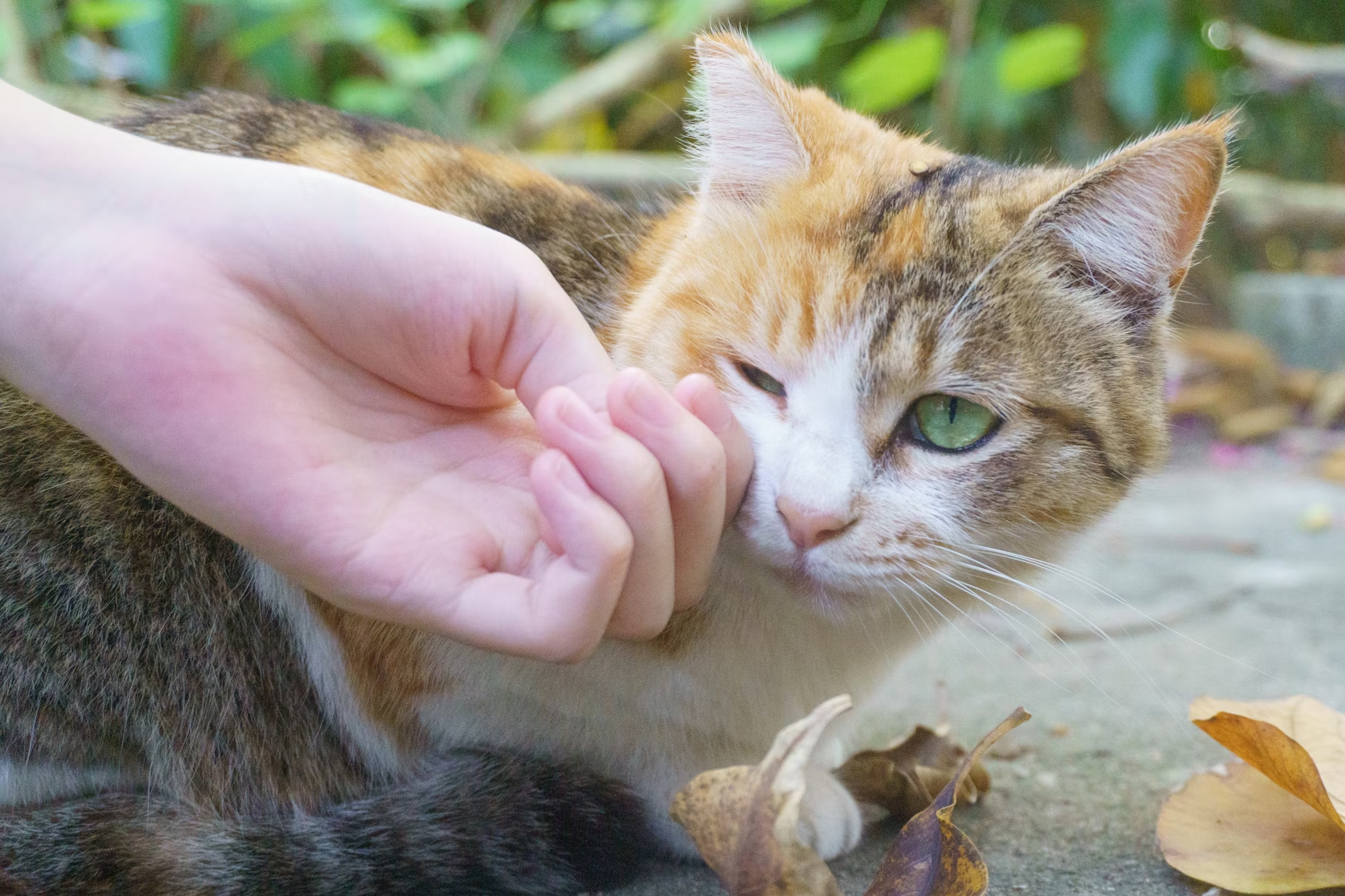
Person petting a cat with green eyes outdoors.
Image Source: Unsplash

You adore your pet—maybe even more than a few human relatives. But is your devotion crossing the line from dedicated to downright overbearing? While dogs and cats rely on us for food, safety, and affection, constant hovering can create anxiety, stifle confidence, and stress everyone out (including you). Below, we unpack what helicopter pet parenting looks like, why it happens, and how to give your four-legged friend the freedom they need to thrive.

What Is a Helicopter Pet Parent?

The phrase borrows from “helicopter parenting” in the human-kid world: think nonstop supervision, micromanaging every experience, and worrying over the smallest blip in the day. For pets, that might mean:

  • Shadowing them from room to room
  • Googling every sneeze or soft stool
  • Avoiding any off-leash exploration—even in fenced areas
  • Obsessing over Instagram “perfect” routines and enrichment toys
  • Planning your entire life (and vacations) around your animal 24/7

Your heart is in the right place, but too much oversight can backfire, leaving pets under-socialized, less resilient, and even more anxious.

1. You Plan Every Vacation Around Your Pet

Choosing a dog-friendly destination is great. Cancelling every non-pet invitation or refusing family trips because you can’t bear to leave Fluffy for a night? That’s a red flag. Board-certified behaviorists note that moderate separation—staying with a trusted sitter, for example—helps dogs gain coping skills and eases their stress when unexpected absences occur. Giving yourself time away is also crucial for your own well-being.

Quick Fix: Create a short list of reputable sitters or boarding facilities well in advance. Start with half-day trials so your pet builds confidence in new settings while you practice letting go.

2. You Monitor Every Minor Health Quirk

A bit of eye goop or a single skipped meal can send some owners into a veterinary spiral. While vigilance is important, over-monitoring breeds needless stress and can make pets associate normal bodily functions with panic signals from you.

Quick Fix: Keep a symptom log and follow the 24-hour rule: if a mild issue persists or is accompanied by other changes (vomiting, lethargy, pain), call the vet. Otherwise, note and watch—no frantic Googling required.

3. You Speak for Your Pet 24/7

“He’s upset because I moved his toy.” “She’s depressed because the music is sad.” Constant anthropomorphizing can blur the line between real animal cues and your own projections. Misreading signals may prompt unnecessary interventions that disrupt natural coping.

Quick Fix: Learn the basics of canine and feline body language—ears, tail carriage, pupil size, vocalizations—so you can respond to actual stress signs rather than imagined ones.

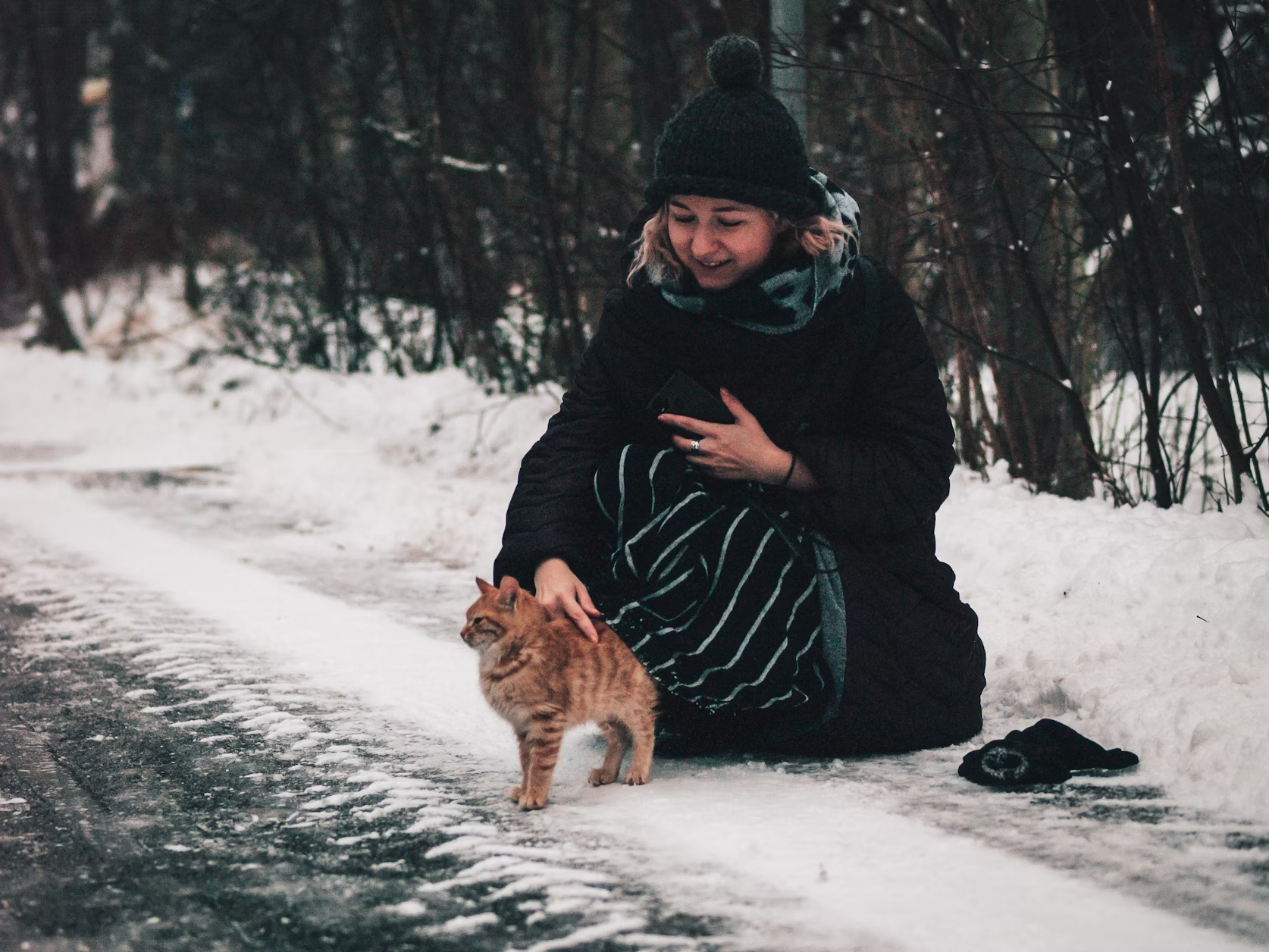
Woman petting a cat on a snowy path.
Image Source: Unsplash

4. You Avoid Any Rough Play or Risk

It’s natural to protect your pet, but safe risk-taking (chasing a ball off-leash in a secure field, climbing a cat tree, romping with well-matched dogs) builds confidence and physical fitness. Over-restriction can lead to pent-up energy and behavioral issues.

Quick Fix: Use the “80/20” rule: 80% structured safety (leash walks, fenced yards), 20% supervised freedom (dog-park areas, agility courses, puzzle feeders that encourage natural foraging).

5. You Constantly Compare Your Pet to Others

Scrolling past an endless feed of immaculate enrichment stations, championship-level agility runs, and “my dog eats only hand-foraged blueberries” reels can trigger a spiral of self-doubt. Before you know it, you’re questioning whether the Friday evening couch snuggle you both adore is somehow inferior to a color-coded sniffari or a three-tiered lick-mat charcuterie board. This comparison trap doesn’t just erode your confidence—it can also chip away at your pet’s comfort.

  • Pressure to perform: Piling on advanced tricks or intense daily “brain games” because “everyone else’s dog can do it” may overwhelm a naturally chill pup—or exhaust an older cat whose joints just want a warm patch of sunlight.
  • Guilt-driven spending: Shelling out for every trending toy or subscription box can clutter your home with gear your animal never needed, while your attention (the thing they crave most) gets stretched thin.
  • Shifting the goalposts: Constant comparison makes it hard to see the quiet wins—like the formerly shy rescue who now greets visitors, or the senior cat who’s finally comfortable taking meds. These everyday victories matter more than Instagram optics.

Quick Fix: Unfollow or mute accounts that trigger anxiety and jot weekly wins—like a shy rescue greeting a guest—to stay focused on your own journey and choose enrichment that truly fits your pet’s temperament, life stage, and health. Then take one social-media-free day each week and use that reclaimed scrolling time to play, brush, or simply relax together so you both feel the difference.

How to Find a Healthier Balance

45% of Gen-Z owners say their pet is the most important thing in their lives. There’s nothing wrong with loving your pet, but it’s important to strike the right balance. Here are a few tips to do that:

  1. Schedule “independence training.” Let your dog gnaw a safe chew in another room or your cat explore a new perch while you step away.
  2. Set realistic health-check routines. Weigh monthly, brush weekly, vet annually—extra visits only for clear symptoms.
  3. Practice gradual separations. Short absences help pets learn you always return.
  4. Invest in enrichment, not perfection. A cardboard box can beat a pricey puzzle toy if it sparks curiosity.
  5. Mind your own stress. Pets read our emotions. Lowering your anxiety often lowers theirs.

The Bottom Line on Helicopter Pet Parenting

Being a caring guardian means meeting your pet’s needs—not micromanaging their every move. By stepping back thoughtfully, you’ll nurture a calmer, more confident animal and reclaim a bit of sanity for yourself. Love, after all, is strongest when mixed with trust.

Have you caught yourself helicoptering? Share your experiences or tips for striking a balance in the comments below!

Read More

  • Dogs and Children: 6 Tips for Teaching Them to Be Gentle With Each Other
  • 8 Possible Reasons Why Your Cat Won’t Eat
Samantha Warren
Samantha

Samantha Warren is a holistic marketing strategist with 8+ years of experience partnering with startups, Fortune 500 companies, and everything in between. With an entrepreneurial mindset, she excels at shaping brand narratives through data-driven, creative content. When she’s not working, Samantha loves to travel and draws inspiration from her trips to Thailand, Spain, Costa Rica, and beyond.

Filed Under: Parenting Tagged With: cat care, dog parenting tips, Gen Z pet parents, helicopter pet parent, overprotective pet owners, pet health monitoring, pet safety

Is Your Dog Ready to Be a Big Brother or Sister?

April 18, 2025 | Leave a Comment

Two puppies
Image Source: Unsplash

Bringing home a baby changes everything—including life for your dog. If your pup has been your “first baby” for years, introducing a newborn sibling can be a big adjustment.

The good news? With a little preparation and a lot of love, your dog and baby can build a strong bond right from the start. This guide walks you through thoughtful, practical ways to help your dog become the best furry big sibling they can be.

Below are five essential strategies to help your dog transition smoothly, feel secure, and respond well when baby finally arrives.

1. Start With Baby’s Scent

Dogs rely heavily on scent to understand their world—and a new baby brings a whole lot of new smells. One effective way to prepare your dog is to start introducing the baby’s scent gradually. Before you bring your baby home, let your dog sniff a blanket, hat, or onesie the baby has worn. This “scent preview” eases anxiety and sets the stage for a positive introduction.

2. Practice Baby Scenarios With a Doll

Your dog is used to fetch and sofa snuggles—but bouncing a baby? That’s new. Using a life‑like doll to simulate common baby activities can help desensitize your dog ahead of time. Try feeding, rocking, and carrying the doll while observing your pup’s reactions. It may feel silly, yet it makes a world of difference once the real bundle arrives.

3. Modify Your Dog’s Routine in Advance

Babies shake up well‑established routines, and pets often struggle with sudden change. Begin shifting walk times, feeding schedules, and attention windows a few weeks before your due date so your dog doesn’t associate the switch directly with the baby. A gradual transition keeps your pet feeling secure and reduces the risk of jealousy.

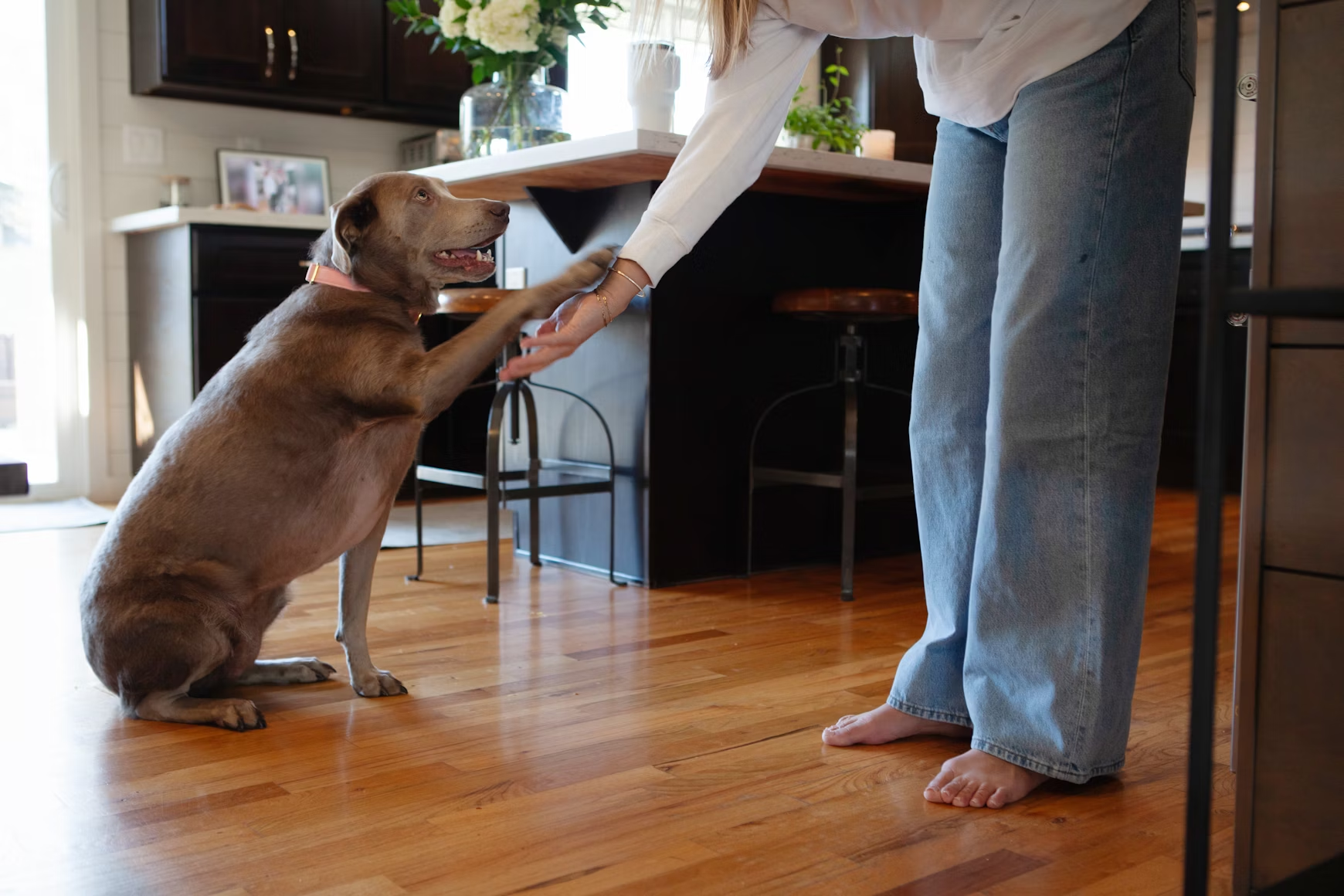
Teaching a dog basic commands outdoors
Image Source: Unsplash

4. Teach and Reinforce Critical Commands

When your hands are full of bottles and blankets, the last thing you need is a pup leaping into the mix. That’s why it’s crucial to train key cues like “stay,” “leave it,” and “go to your mat”. Practice these commands in different rooms and with distractions so your dog responds reliably. Clear boundaries protect both baby and dog—and lower everyone’s stress.

5. Manage That First Meeting Carefully

The first encounter sets the tone. Professionals recommend a calm, staged introduction: have one adult greet the dog alone first, let the pup sniff a baby blanket, then bring the baby in once the excitement dies down. Use praise and treats to reinforce gentle, relaxed behavior.

A Growing Pack: Why This Transition Matters

Your baby’s arrival is a beautiful milestone—but for your dog, it can feel like a big unknown. Helping your pup feel included, safe, and respected during this time is one of the best gifts you can give both your child and your pet.

Think of this transition as expanding your family’s communication playbook. Introduce baby‑related sounds early—soft recordings of coos, gentle lullabies, even the faint whir of a swing—so Fido won’t be startled on day one. Rotate new baby scents, like freshly washed onesies or lotion, into your dog’s resting spaces, pairing them with praise and treats to build positive associations. Maintain your pup’s favorite routines—morning walks, puzzle feeders, evening cuddle time—so a sense of normalcy anchors the change.

Managed with care, the dog‑and‑baby relationship can blossom into a lifelong bond. Someday, hearing your child call your dog their “first best friend” will make every bit of preparation worthwhile.

What helped your dog adjust when your baby arrived? Share your tips in the comments—we’d love to hear your story!

Read More

  • Tips for Ensuring a Cost-Effective Home Build for Your Family
  • 4 Simple Ways Your Family Can Save Money
Samantha Warren
Samantha

Samantha Warren is a holistic marketing strategist with 8+ years of experience partnering with startups, Fortune 500 companies, and everything in between. With an entrepreneurial mindset, she excels at shaping brand narratives through data-driven, creative content. When she’s not working, Samantha loves to travel and draws inspiration from her trips to Thailand, Spain, Costa Rica, and beyond.

Filed Under: Money and Finances, Parenting Tagged With: dog training for new baby, dogs and babies, introducing dog to baby, newborn prep, parenting with pets, pet safety

The Safest Ways to Introduce Pets to Young Children

April 1, 2025 | Leave a Comment

adorable toddler boy and grey british shorthair cat lying on floor together at home
Image Source: 123rf.com

Bringing a new pet into the family is exciting—but also a little nerve-wracking when you have small children. Both your child and the animal need time, space, and structure to build a healthy relationship. Rushing the process can lead to misunderstandings, injuries, or stress on both sides. That’s why pet introductions should be handled with care. Here’s how to do it safely and smoothly.

1. Set the Scene Beforehand

Before the pet even walks in, talk to your child about what to expect. Let them know the animal might feel nervous or shy, and that’s perfectly normal. Go over gentle behavior—no grabbing, yelling, or chasing. Prepare a quiet space for the pet to retreat if overwhelmed. Creating a calm environment from the start sets the tone.

2. Supervise Every Interaction

Never leave a young child and a pet alone during the first days—or even weeks. Stay close to observe body language and step in if either seems uncomfortable. This lets you gently correct behavior, like pulling fur or rough petting. In some cases, incorrect handling can stress your pet. For example, grabbing a Bearded Dragon by the tail can be interpreted as predatory behavior by the animal. Similarly, hugging an elderly dog too tightly may stress the dog.

In any event, supervision also builds your child’s confidence as they learn how to interact appropriately with the pet.

3. Teach Boundaries Early

Children should learn that pets have feelings, too. Help them recognize when a dog or cat wants space—ears back, tail down, moving away. Use age-appropriate language like “That means she needs a break.” Encourage calm, slow approaches and praise gentle touch. Kids who understand boundaries early form stronger, safer bonds with animals.

4. Reward Positive Behavior

Positive behavior support symbol. Concept words Positive behavior on wooden blocks on a beautiful yellow background. Business, psychological and Positive behavior support concept. Copy space.
Image Source: 123rf.com

Reinforce every safe, gentle interaction your child has with the pet. Compliment them for being calm, listening to instructions, or noticing when the animal walked away. This builds confidence and teaches them that kindness earns trust. You can also include the pet in praise—“See how happy she is when you’re gentle?” Celebrate their progress together. Small wins lead to lifelong pet friendships.

5. Take It Slow

There’s no need to rush friendship. Let the child and pet set the pace, even if it takes days or weeks. Some pets need more time to adjust, especially rescues or shy animals. Pushing them together too soon can create fear or resentment. Respecting the timeline shows both the child and the pet that their comfort matters.

Building Trust Together

When done safely, introducing pets to young children can be a magical experience. It teaches empathy, responsibility, and patience. With careful steps, you can foster a bond that lasts a lifetime. Just remember—supervision and gentle guidance are key to everyone feeling safe.

Do you remember your child’s first meeting with a pet? Share your story in the comments!

Read More:

These Are The 8 Best Pets For Small Children

Can School Be Bad For Your Child?

Latrice Perez

Latrice is a dedicated professional with a rich background in social work, complemented by an Associate Degree in the field. Her journey has been uniquely shaped by the rewarding experience of being a stay-at-home mom to her two children, aged 13 and 5. This role has not only been a testament to her commitment to family but has also provided her with invaluable life lessons and insights.  As a mother, Latrice has embraced the opportunity to educate her children on essential life skills, with a special focus on financial literacy.

Filed Under: Pets Tagged With: child safety, first pet tips, introducing pets, kids and animals, parenting tips, pet safety, pets and kids

  • Facebook
  • Pinterest
  • RSS
  • Twitter

Basic Principles Of Good Parenting

Here some basic principles for good parenting:

  1. What You Do Matters: Your kids are watching you. So, be purposeful about what you want to accomplish.
  2. You Can’t be Too Loving: Don’t replace love with material possessions, lowered expectations or leniency.
  3. Be Involved Your Kids Life: Arrange your priorities to focus on what your kid’s needs. Be there mentally and physically.
  4. Adapt Your Parenting: Children grow quickly, so keep pace with your child’s development.
  5. Establish and Set Rules: The rules you set for children will establish the rules they set for themselves later.  Avoid harsh discipline and be consistent.
  6. Explain Your Decisions: What is obvious to you may not be evident to your child. They don’t have the experience you do.
  7. Be Respectful To Your Child: How you treat your child is how they will treat others.  Be polite, respectful and make an effort to pay attention.
Best Parenting Blogs

Most Popular

Baby names

Teachers Admit: These 6 Baby Names Create Instant Bias in the Classroom

Latrice Perez
6 Baby Names That Sound Cute Now but Cause Problems Later

6 Baby Names That Sound Cute Now but Cause Problems Later

Brandon Marcus
11 Ways Kids Are Outsmarting Parental Controls 1. Using Alternate Devices One common trick is simply turning to another device. If a child’s main phone or tablet is restricted, they may borrow a sibling’s, friend’s, or even a school laptop. This instantly gives them access to content outside of parental oversight. Parents often focus on one device, forgetting that others in the household can serve as loopholes. Knowing this tactic helps families tighten controls across all electronics. 2. Clearing Browsing Histories Many kids quickly learn that clearing browsing history hides evidence of restricted activity. With just a few clicks, they can erase any trace of websites visited. This makes it harder for parents to notice when rules are being broken. Parents may assume no history means no browsing, but the reality is often the opposite. Kids are outsmarting parental controls by making it seem like nothing happened at all. 3. Using Private Browsing Modes Most browsers offer “incognito” or private browsing features. Kids use this mode to access websites without leaving a record in the history. To parents checking later, everything looks clean and safe. This simple trick is often one of the first ways kids discover how to bypass restrictions. Conversations about private browsing can help close this gap. 4. Guessing or Resetting Passwords Children who are persistent may try to guess passwords to parental control apps or accounts. Others may find ways to reset them through email prompts or security questions. Once inside, they can disable restrictions entirely. Parents may not even realize controls have been altered until much later. Stronger, less predictable passwords can make this more difficult. 5. Using VPNs to Hide Activity Virtual private networks, or VPNs, let kids disguise their online locations. With one downloaded app, they can bypass geographic or parental restrictions. Some children learn about VPNs through friends or even social media. This makes it easy for them to reach content that should be blocked. Parents often underestimate just how simple it is for kids to use these tools. 6. Creating Fake Accounts When parents monitor social media, kids may create hidden accounts. These “finstas” or fake profiles allow them to interact freely without parental oversight. While their main account appears harmless, the secondary one tells a different story. Kids are outsmarting parental controls by playing both sides at once. Checking for duplicate accounts can help parents stay more aware. 7. Exploiting Time Zone Settings Some kids change the time zone on their devices to bypass screen time limits. This trick allows them to gain extra hours of usage undetected. Parents may assume controls are working, but in reality, the child is bending the clock. It’s a clever loophole that highlights just how resourceful kids can be. Monitoring device settings regularly can catch this tactic. 8. Disabling or Uninstalling Apps Parental control apps can be deleted or disabled with surprising ease. Some kids even reinstall them before a parent checks, making it seem like nothing changed. Others may simply restrict permissions to prevent apps from functioning properly. When apps aren’t monitored closely, parents may not notice they’ve been tampered with. This shows the importance of consistent follow-up. 9. Turning to Friends for Access If a child can’t get past restrictions on their own, they may rely on friends. Visiting a friend’s house or borrowing their phone can give them a free pass. Parents often forget that peer environments can override restrictions set at home. This kind of social workaround is especially common with gaming or social media. Open conversations about trust and responsibility are essential. 10. Hiding Apps in Plain Sight Kids sometimes download apps that look innocent but serve as gateways to hidden activity. These apps may disguise themselves as calculators or utilities. In reality, they allow file storage, private messaging, or browser access. Parents glancing at a home screen may overlook them entirely. Learning to recognize these disguised apps can help parents stay informed. 11. Outpacing Parents’ Tech Knowledge Finally, kids often know more about devices than their parents do. Whether through YouTube tutorials, TikTok hacks, or peer groups, they quickly learn advanced workarounds. This knowledge gap means controls can be bypassed before parents even realize the loophole exists. Staying informed and continually learning about new technology is the best defense. Kids are outsmarting parental controls because they adapt faster than most adults. The Real Solution Lies Beyond Restrictions While controls and filters are important, no system is perfect. Kids will always find creative ways around barriers, making communication the strongest safeguard. Setting clear expectations, building trust, and having ongoing conversations about online behavior matter more than apps alone. Parents who combine technology with open dialogue create a safer digital environment. The goal isn’t to win a battle of wits but to build a relationship that keeps kids both safe and honest. Do you think kids are outsmarting parental controls faster than parents can keep up? Share your experiences in the comments below. What to Read Next... 6 Parenting Tech Shortcuts That Can Expose Your Child to Strangers How Much Screen Time Is Too Much—Legally Speaking? Is Your Child’s School Quietly Tracking Their Location Without Your Consent? How Much Screen Time Is Quietly Reshaping Childhood Behavior? Why Some Parents Are Being Investigated Over Homeschooling Records

11 Ways Kids Are Outsmarting Parental Controls

Catherine Reed
Smiling grandfather holding a happy baby indoors.

Why Grandparents Shouldn’t Babysit Their Grandkids Every Week – The Unspoken Issue

Samantha
birthday gifts

7 Birthday Gifts Your Child Should Never Bring to a Party

Latrice Perez

All content on Kids Ain’t Cheap is for entertainment purposes only. By reading this blog, you agree that Kids Ain’t Cheap is not responsible for any actions taken after reading this blog. For the full disclaimer, see our privacy policy.

Please note that Kids Ain’t Cheap has financial relationships with some of the merchants mentioned here. Kids Ain’t Cheap is funded by banner advertising, commission sales and search optimization consulting.

Copyright © 2006–2026 | District Media | All Rights Reserved | Privacy Policy

Copyright © 2026 Runway Pro Theme by Viva la Violette