• Home
  • About Us
  • Toolkit
  • Archives
  • Advertise
  • Privacy Policy

Kids Ain't Cheap

But They Sure Are Worth It

  • Parenting
    • Baby Stuff
    • Books and Reading
      • Aesops Fables
      • Comic Books
    • Education
    • Family Time
    • Green Living
    • Growing Up
    • Healthy Living & Eating
    • Holidays
    • Parenting
    • Random Musings
    • Shopping
    • Stuff to Do
  • Money
  • Product Reviews
    • Books and Magazines
    • Discount Sites
    • Furniture
    • House Keeping
    • Reviews News
    • Toys and Games
  • Contact Us
  • Our Editorial Commitment
  • Search

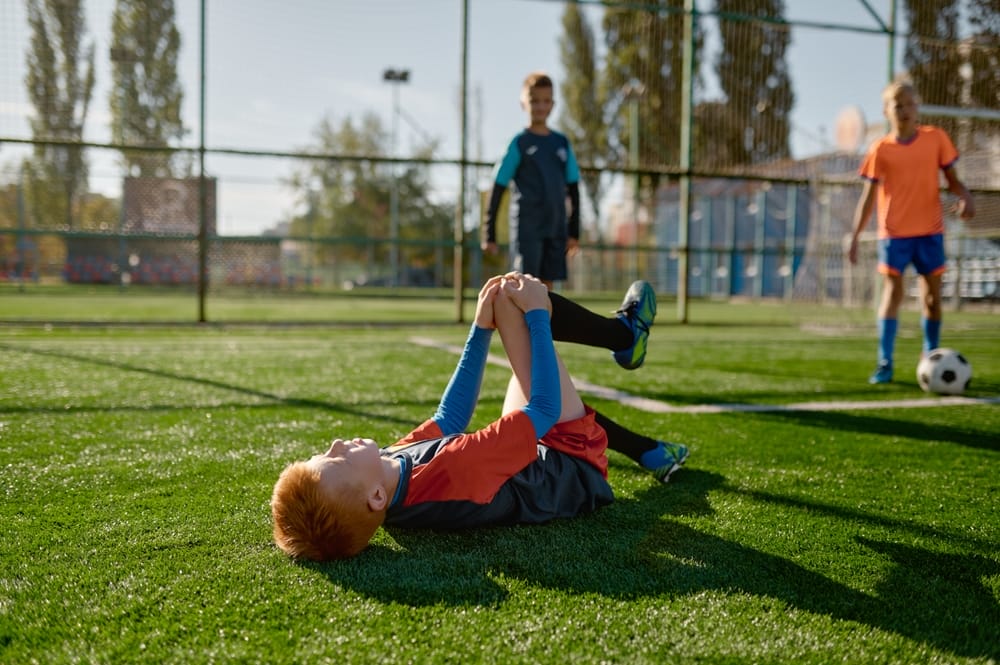
7 Reasons Kids Are Getting Hurt in After-School Programs

November 24, 2025 | Leave a Comment

7 Reasons Kids Are Getting Hurt in After-School Programs
Image source: shutterstock.com

Many parents assume after-school programs are a safe extension of the classroom, but rising injury rates suggest otherwise. As more families rely on structured care between 3 p.m. and 6 p.m., these programs often juggle crowded groups, mixed-age activities, and limited supervision. Understanding the real risks helps parents advocate for safer environments and make better choices for their children. Here are the most common reasons kids get hurt—and what you can do about it.

1. Inadequate Supervision in After-school programs

Many programs operate with fewer adults than they truly need, creating long stretches where kids aren’t being closely watched. Staff members may be pulled into administrative tasks, leaving fewer eyes on active groups. When children have room to roam without guidance, small problems escalate into unsafe situations. Rough play, boundary-pushing, and accidental injuries become more likely. Parents should ask about the staff-to-child ratio before enrolling.

2. Unstructured Play That Turns Risky

Free play is important, but without structure, kids often shift into high-speed games that can get out of hand. After-school programs sometimes allow children to choose activities without providing enough direction. Running, climbing, and chasing in tight spaces raise the odds of collisions and falls. Kids don’t always recognize when play becomes unsafe. A clear set of rules and supervised zones can keep excitement from turning into injuries.

3. Poorly Maintained Equipment at After-school programs

From play structures to sports gear, worn-out equipment is a major contributor to preventable injuries. Programs may rely on older items that haven’t been inspected or repaired in years. Broken swings, loose bolts, or outdated mats can quickly create dangerous situations. Kids often don’t notice hazards until it’s too late. Parents can request a maintenance schedule or ask who handles inspections to ensure equipment stays safe.

4. Staff Not Properly Trained for Emergencies

Many after-school programs hire caring individuals who enjoy working with kids, but not all of them have strong safety or first-aid training. When an accident happens, unprepared staff may freeze or respond incorrectly. Delayed or improper responses can turn minor injuries into major issues. Kids need adults who know how to act quickly and confidently. Programs should provide ongoing training so staff can handle medical situations calmly and correctly.

5. Overcrowded Activities That Don’t Meet Capacity Limits

Some after-school programs take on more children than their space was designed to support. Overcrowding makes it harder to supervise, easier for kids to bump into each other, and more difficult to control group dynamics. Furniture, equipment, and narrow hallways add even more risks. Kids naturally become louder and more energetic in crowded settings, which increases the chance of accidents. Choosing a program with appropriate enrollment limits can significantly reduce injury risk.

6. High-Energy Games Without Safety Rules in After-school programs

Popular activities like tag, soccer, or dodgeball are fun but can be risky without clear expectations. Without boundaries, games often escalate in speed and intensity. Kids may push, trip, or collide because no one paused to review safety guidelines. Staff should set rules and model safe behavior, especially for mixed-age groups. Parents can ask how are structured to ensure safety is built into the fun.

7. Lack of Communication About Behavior Issues

Sometimes the biggest risks come from ongoing behavior concerns that programs fail to share with families. When a child struggles with aggression, impulsivity, or rule-following, the entire group can be affected. Programs that avoid tough conversations may allow patterns to continue until someone gets hurt. Transparent communication helps everyone respond consistently. Parents should choose programs that value honesty and partnership when addressing challenging behavior.

What Parents Can Do to Make After-school programs Safer

Parents play a major role in making after-school programs safer by asking informed questions and staying involved. Visiting the program at least once during active hours can reveal strengths and red flags. Talking with staff about rules, training, and communication shows that safety is a priority for your family. Kids also benefit when parents discuss expectations for behavior and following directions. When families and programs work together, children are far less likely to get hurt.

What safety improvements would you like to see in the after-school programs in your community?

What to Read Next…

8 After-School Activities That Drain Family Budgets the Fastest

7 Ways Schools Fail to Hold Bullies Accountable

School Safety Warning: The Real Reason Some Lockdown Drills Are Backfiring

5 School Field Trip Threads That Expose Emotional Trauma Risks

7 After-School Activities That Are Quietly Putting Kids in Danger

Catherine Reed
Catherine Reed

Catherine is a tech-savvy writer who has focused on the personal finance space for more than eight years. She has a Bachelor’s in Information Technology and enjoys showcasing how tech can simplify everyday personal finance tasks like budgeting, spending tracking, and planning for the future. Additionally, she’s explored the ins and outs of the world of side hustles and loves to share what she’s learned along the way. When she’s not working, you can find her relaxing at home in the Pacific Northwest with her two cats or enjoying a cup of coffee at her neighborhood cafe.

Filed Under: Money and Finances Tagged With: after school safety, child injuries, child supervision, kids safety, parenting tips, school programs

When Summer Freedom Turns Risky: What Time Should Kids Really Be Home?

June 5, 2025 | Leave a Comment

When Summer Freedom Turns Risky What Time Should Kids Really Be Home

Summer break often brings a mix of joy, chaos, and the occasional “Where are they now?” moment. Longer daylight hours and relaxed routines can blur the lines of responsibility, especially when it comes to letting kids stay out later. While a little extra freedom is part of the magic of summer, too much of it can lead to trouble if boundaries aren’t clearly set. That’s why many parents are now asking the same essential question: what time should kids really be home? Finding the right curfew can help kids stay safe, stay grounded, and still enjoy the carefree spirit of summer.

1. Consider Age and Maturity First

There’s no one-size-fits-all rule for summer curfews, because kids develop at different rates. A 12-year-old hanging out at the park might need a much earlier check-in time than a 16-year-old attending a supervised party. Maturity matters just as much as age—can your child handle emergencies, stay in touch, and make safe choices when you’re not around? If you’re unsure, start with an earlier time and expand it gradually as they demonstrate responsibility. When deciding what time kids should really be home, trust and accountability should weigh just as heavily as the clock.

2. Check Local Ordinances

Many cities and towns have curfew laws that apply to minors, especially during the summer months. These regulations may vary by age and time of day, so it’s worth checking with your local government or police department. Violating curfew laws can result in fines or warnings, and you don’t want your child learning about them the hard way. Let your kids know these rules aren’t about punishment—they’re about protection. Understanding the law is part of figuring out what time kids should really be home in your area.

3. Factor in the Type of Activity

Not all evenings out are created equal. Is your child at a sleepover, a movie, a sports practice, or just wandering the neighborhood with friends? The level of supervision and location makes a big difference in determining how late is too late. For example, kids coming home from a structured event may be okay with a later curfew than those out just roaming around. Matching the curfew to the activity helps kids stay safe and avoids a one-rule-fits-all approach.

4. Don’t Ignore Daylight and Neighborhood Safety

Summer sun may stick around until 9 PM, but that doesn’t mean every environment is safe after dark. Consider the safety of your neighborhood, whether your child is walking or biking home, and how well-lit their path is. Even responsible kids can end up in risky situations if the area isn’t secure. This is another factor to weigh when asking what time should kids really be home. It’s not just about the time—it’s about the conditions they’re returning in.

5. Use Technology, But Don’t Rely on It Alone

Phones, smartwatches, and tracking apps can help keep tabs on your child, but they’re not foolproof. Batteries die, Wi-Fi drops, and kids forget to check in. While technology can support your peace of mind, it shouldn’t replace real communication. Set expectations about texting when plans change and always make time for a quick debrief after they get home. Tools can help, but your trust and relationship are still the foundation when setting limits around what time kids should really be home.

6. Create Clear Curfew Expectations

A vague “be home at a reasonable hour” is asking for interpretation—and probably some frustration. Be clear about your expectations and the reasons behind them. If your child knows their curfew is 9:30 and understands it’s to ensure safety and peace of mind, they’re more likely to stick to it. Give a five- to ten-minute grace period, but reinforce consistency. Clear rules remove the guesswork and reduce the chance of late-night power struggles.

7. Be Open to Negotiation

As kids get older and prove their responsibility, consider being flexible. Let them request a later curfew for special occasions or weekends. When they feel heard, they’re more likely to respect the boundaries you set. Allowing them some input teaches negotiation and compromise—skills they’ll use well beyond summer. Just remember that flexibility still requires follow-through; if they miss the mark, it’s okay to pull things back temporarily.

8. Don’t Compare to Other Families

You might hear, “But Jordan’s parents let them stay out until midnight!” more than once this summer. Every family has different rules, and yours don’t need to match anyone else’s. Your job is to make decisions that reflect your child’s needs and your family’s values. Stand firm in what feels right for your household, even if it’s earlier than their friends’ curfews. Knowing what time kids should really be home starts with trusting your instincts—not peer pressure.

9. Use Curfew as a Conversation Starter

Instead of just announcing a curfew, talk to your child about why you’re setting it. Ask how they feel about the time, what their friends’ curfews are, and what their plans involve. This turns curfew into a relationship builder, not just a rule to follow. When kids understand your reasoning, they’re more likely to cooperate and less likely to push back. Open dialogue creates mutual respect and makes summer freedom a little safer.

Setting Boundaries Doesn’t Kill the Fun—It Protects It

Summer doesn’t have to mean throwing out every rule. In fact, thoughtful boundaries help kids enjoy their freedom while staying safe and secure. Asking what time kids should really be home is more than just a parenting dilemma—it’s a chance to build trust, independence, and connection that lasts beyond the season.

How do you decide what time your kids should be home during the summer? Do you set different rules based on age or activities? Share your thoughts below!

Read More:

8 Rules You Must Enforce This Summer So Your Child Isn’t Left Behind

7 Summer Activities That Are Surprisingly Dangerous for Kids

Catherine Reed
Catherine Reed

Catherine is a tech-savvy writer who has focused on the personal finance space for more than eight years. She has a Bachelor’s in Information Technology and enjoys showcasing how tech can simplify everyday personal finance tasks like budgeting, spending tracking, and planning for the future. Additionally, she’s explored the ins and outs of the world of side hustles and loves to share what she’s learned along the way. When she’s not working, you can find her relaxing at home in the Pacific Northwest with her two cats or enjoying a cup of coffee at her neighborhood cafe.
Filed Under: Parenting Tagged With: child supervision, curfew rules, family safety, kids and curfews, parenting boundaries, summer parenting, summer safety, teen independence

5 Places You Shouldn’t Send Your Kids This Summer

June 2, 2025 | Leave a Comment

5 Places You Shouldnt Send Your Kids This Summer

Summer is full of opportunities for fun, growth, and independence—but not every option is as good as it looks. While you’re juggling work, vacations, and child care plans, it’s easy to overlook some of the hidden risks certain summer activities carry. Whether it’s safety concerns, lack of structure, or poor supervision, some places just don’t make the cut. The truth is, there are places you shouldn’t send your kids if you want them to stay safe, engaged, and supported this summer. Before you finalize your summer schedule, keep an eye out for these red-flag destinations.

1. Programs With No Clear Adult Supervision

One of the top places you shouldn’t send your kids this summer is anywhere with vague or minimal adult oversight. Whether it’s a casual community “drop-in” program or a backyard camp run by teens, kids need structured, present, and qualified adults watching out for them. Without strong supervision, even simple activities can turn risky fast. From bullying to injuries, problems are much more likely to go unnoticed and unresolved. Always ask about staff ratios, qualifications, and how conflict or emergencies are handled before signing anything.

2. Unaccredited Overnight Camps

Overnight camps can be magical—but not all of them are created equally. If a camp isn’t accredited by a recognized organization like the American Camp Association (ACA), that’s a red flag. These unaccredited camps may cut corners on safety training, staff background checks, or emergency planning. When evaluating camps, make sure they meet clear standards in health, security, and emotional support. Skipping this step could mean sending your child into an environment that’s far less prepared to keep them safe and happy.

3. Gyms or Activity Centers That Cater to Adults

Places like CrossFit boxes, adult fitness centers, or large recreational gyms may offer “kid-friendly” programs—but they’re often not designed with child development in mind. These are definitely places you shouldn’t send your kids if you’re hoping for supervision tailored to their needs. Some centers allow kids to roam freely or hang out in designated areas without close monitoring. This can result in safety hazards, exposure to adult conversations or behaviors, or even accidental injury from equipment. A child-specific camp or sports center is always a better choice.

4. Daycares or Camps With High Turnover

If a facility has a revolving door of staff, that’s a huge warning sign. High staff turnover can indicate low morale, poor training, or inconsistent leadership—all of which impact your child’s experience. Kids thrive in stable, predictable environments, especially when they’re spending long summer days away from home. Without consistent caregivers, children may struggle to feel secure, and behavioral issues are more likely to be overlooked. Researching staff retention and reviews ahead of time can help you avoid these unstable places you shouldn’t send your kids.

5. Homes of People You Don’t Know Well

Let’s be honest—just because your child’s classmate invites them over doesn’t mean you know what kind of environment they’ll be walking into. Sending kids to someone’s home without fully knowing the adults, safety precautions, or household rules is one of the most overlooked places you shouldn’t send your kids this summer. Do they have firearms in the house? Is there a pool with no fence? Do they supervise screen time or snacks? Asking these questions might feel awkward, but it’s a small step toward avoiding big risks.

Your Summer Schedule Shouldn’t Come With Regrets

Summer should be about carefree fun—but that doesn’t mean letting your guard down. The places you shouldn’t send your kids aren’t always obvious at first glance, which is why a little research goes a long way. It’s worth being the parent who asks too many questions if it means your child ends up somewhere safe, enriching, and joyful. Trust your gut, trust your research, and don’t settle when it comes to your child’s summer experience.

Have you ever pulled your child from a summer activity that didn’t feel right? Share your experience or tips for vetting summer programs in the comments!

Read More:

7 Summer Activities That Are Surprisingly Dangerous for Kids

Summer Fun on a Budget: 10 Ways to Beat the Heat for Cheap

Catherine Reed
Catherine Reed

Catherine is a tech-savvy writer who has focused on the personal finance space for more than eight years. She has a Bachelor’s in Information Technology and enjoys showcasing how tech can simplify everyday personal finance tasks like budgeting, spending tracking, and planning for the future. Additionally, she’s explored the ins and outs of the world of side hustles and loves to share what she’s learned along the way. When she’s not working, you can find her relaxing at home in the Pacific Northwest with her two cats or enjoying a cup of coffee at her neighborhood cafe.

Filed Under: Parenting Tagged With: child care, child supervision, parenting advice, places you shouldn't send your kids, summer camp tips, summer planning, summer safety, unsafe environments

7 Summer Activities That Are Surprisingly Dangerous for Kids

May 29, 2025 | Leave a Comment

7 Summer Activities That Are Surprisingly Dangerous for Kids

Summer is a time for outdoor adventures, beach days, and endless play—but not every activity is as harmless as it seems. While kids are soaking up the sun and making memories, some common summer pastimes come with risks that can catch parents off guard. Whether it’s a favorite playground fixture or a staple of backyard fun, certain warm-weather traditions have hidden hazards. Knowing what to watch for helps families enjoy the season without trips to the ER. Here are seven summer activities that are surprisingly dangerous for kids—and what you can do to keep them safe.

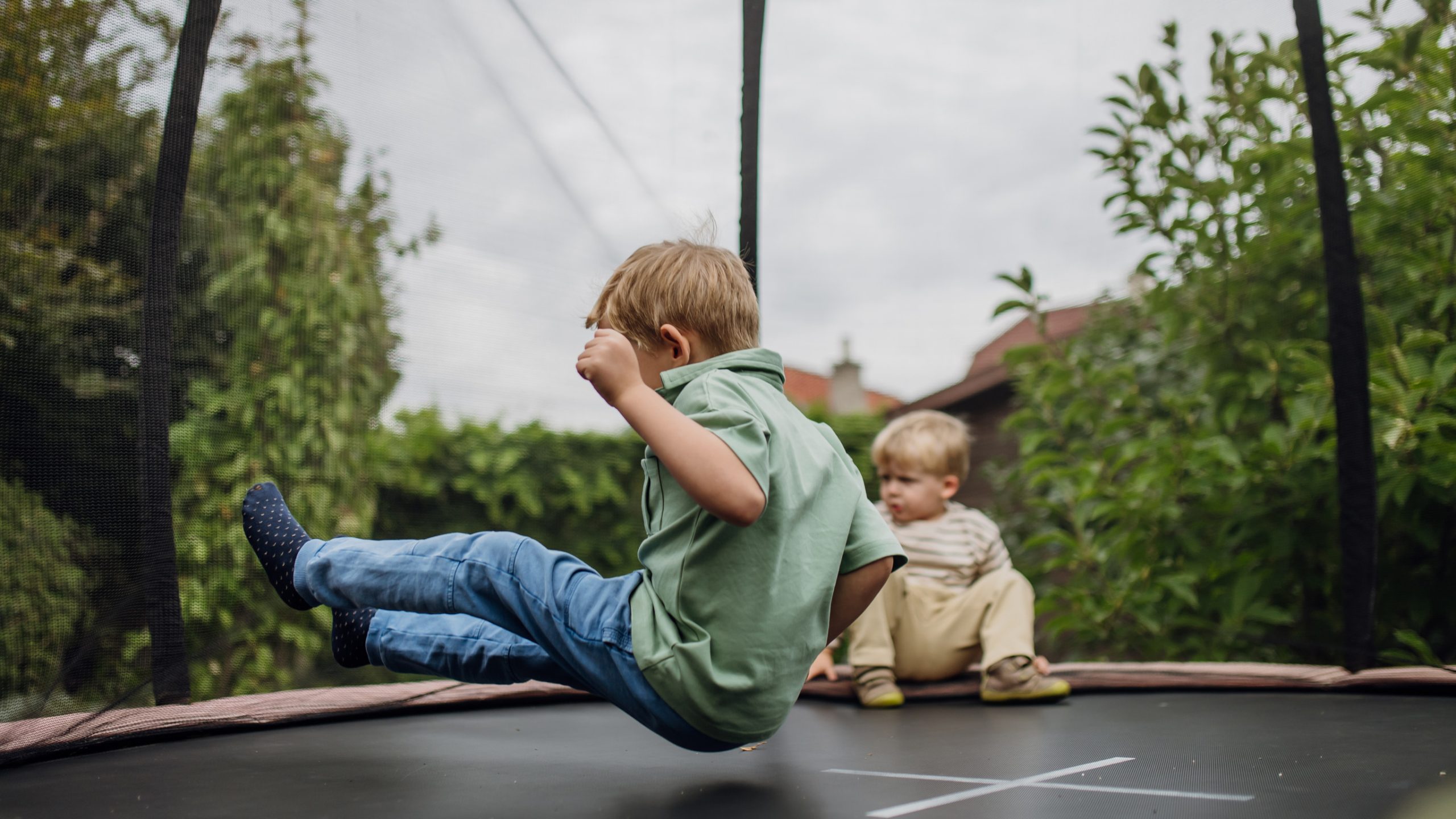
1. Trampoline Fun That Ends in Tears

Trampolines might seem like the ultimate backyard thrill, but they’re one of the top culprits for summertime injuries. Broken bones, sprains, and concussions are common, especially when multiple kids jump at once. Even with nets and pads, the risk of falling off or landing awkwardly is high. Many accidents happen when kids perform flips or try to bounce too high without supervision. While they’re fun in theory, trampolines are consistently listed as dangerous for kids by pediatric associations.

2. Slip-and-Slides That Seem Harmless

That long, soapy stretch of plastic looks like good old-fashioned fun—until someone gets whiplash. Slip-and-slides may feel nostalgic, but they can be extremely dangerous for kids, especially older ones or teens. Sudden stops, collisions, or hitting the hard ground underneath can lead to neck and spine injuries. What’s more, most are designed for smaller children, but older siblings often want to join in, increasing the risk. Even on soft lawns, a slip-and-slide can turn into a trip to urgent care if not used with caution.

3. Inflatable Bounce Houses That Don’t Stay Put

Bounce houses are staples at birthday parties and summer festivals, but when not properly secured, they can become airborne in windy conditions. In addition to the risk of flying away, bounce houses can overcrowd easily, causing collisions or crushing injuries. Many parents assume that having a few kids inside is safe, but one wrong landing can result in a twisted ankle or worse. Setup matters, too—improperly anchored bounce houses are dangerous for kids and everyone nearby. Supervision and safety checks should always be non-negotiable.

4. Playground Slides on Hot Days

Metal and plastic playground equipment can become scorching hot under the summer sun, sometimes reaching temperatures capable of causing second-degree burns. Slides, monkey bars, and climbing structures that seem inviting can quickly become hazardous without shade or routine touch-tests. Kids often run up barefoot or in shorts, increasing their risk of injury. Parents should check surfaces before letting kids play and avoid playgrounds during peak heat hours. Just because it’s built for kids doesn’t mean it’s always safe.

5. Backyard Fireworks and Sparklers

They look innocent—tiny sparklers, small fountains, and backyard poppers—but fireworks of any kind are dangerous for kids. Sparklers burn at over 1,000 degrees Fahrenheit and cause thousands of injuries every year, often to young children. Even under supervision, it’s easy for kids to trip, drop them, or get startled by sudden bursts. Many parents let their guard down with these smaller fireworks, but serious burns and eye injuries are all too common. The safest choice is to leave fireworks to the pros and enjoy from a distance.

6. Open Water Swimming Without Life Jackets

Lakes, rivers, and oceans are summer favorites, but they come with unpredictable currents, drop-offs, and murky visibility. Unlike swimming pools, natural bodies of water are harder to gauge for depth and safety, even if your child is a strong swimmer. Without life jackets, kids are at risk of drowning, especially if they tire quickly or panic. Many tragic accidents happen just a few feet from shore. Proper flotation devices and adult supervision are absolutely essential near open water, even for older kids.

7. Unattended Time in the Car

It may sound like common sense, but many parents still underestimate how fast a car can heat up in the sun. Running into the store “just for a minute” or thinking cracked windows will help can turn deadly in a shockingly short time. Children’s bodies heat up faster than adults’, and heatstroke can begin within minutes—even on milder days. Every summer, preventable tragedies remind us how dangerous this scenario is for kids. Never leave a child unattended in a vehicle, no matter how brief the errand may seem.

Awareness Turns Risk into Prevention

The good news is that most of these hazards are preventable with the right information and precautions. Summer doesn’t have to be scary—but it does require vigilance. By understanding what’s truly dangerous for kids, you can enjoy the season with fewer risks and more peace of mind. Safety doesn’t mean saying “no” to fun. It means choosing fun that doesn’t end with stitches, burns, or broken bones.

Have you ever been surprised by how risky a “normal” summer activity turned out to be? Share your story or tips in the comments!

Read More:

The Silent Danger Lurking in Your Child’s Daily Routine

“Stranger Danger” Isn’t Enough Anymore: What Kids Really Need to Know

Catherine Reed
Catherine Reed

Catherine is a tech-savvy writer who has focused on the personal finance space for more than eight years. She has a Bachelor’s in Information Technology and enjoys showcasing how tech can simplify everyday personal finance tasks like budgeting, spending tracking, and planning for the future. Additionally, she’s explored the ins and outs of the world of side hustles and loves to share what she’s learned along the way. When she’s not working, you can find her relaxing at home in the Pacific Northwest with her two cats or enjoying a cup of coffee at her neighborhood cafe.

Filed Under: Safety Tagged With: child injuries, child supervision, dangerous for kids, kids and heat, Outdoor Play, parenting tips, Summer Activities, summer hazards, summer safety

7 Dogs Who Saved Their Owners in Incredible Ways

May 16, 2025 | Leave a Comment

7 Dogs Who Saved Their Owners in Incredible Ways

Dogs aren’t just loyal companions—they can also be life-saving heroes. Across the world, countless stories have surfaced of ordinary pups doing extraordinary things to protect their humans from danger. From alerting families to fires, to fighting off attackers, to calling for help in the most unexpected ways, these brave dogs prove that instinct, love, and courage know no species. It’s one thing to love your pet. It’s another to realize they’d risk everything for you without hesitation.

If your child has ever asked, “Can our dog be a hero too?” the answer is yes—and these stories might just inspire a deeper appreciation for your family’s four-legged friend. The following tales are all true, and each one showcases a dog that went above and beyond to save the person they loved most. Get ready to feel a little more grateful the next time your pup curls up at your feet.

1. Kelsey the Golden Retriever Saved Her Owner from Freezing

When Bob from Michigan slipped on the ice and broke his neck outside his home, he was completely alone—until his dog, Kelsey, sprang into action. As temperatures dropped to 24 degrees, Kelsey lay across his body, barking nonstop for help and keeping him warm for over 20 hours. She never left his side, howled to attract attention, and licked his face to keep him awake. Eventually, a neighbor heard her cries and rushed to help. Without Kelsey’s dedication, Bob wouldn’t have survived the night.

2. Yogi the Shih Tzu Detected a Gas Leak

In 2021, a small Shih Tzu named Yogi from England saved his family from what could have been a deadly gas explosion. Yogi kept pawing at the oven and barking, which his owner found odd. Upon further inspection, they discovered a gas leak in the kitchen. The family quickly evacuated and called emergency services, who confirmed that the leak could have led to a fatal blast. Thanks to Yogi’s persistence, an entire household was saved from tragedy.

3. Max the Blue Heeler Protected a Lost Girl

Max, a partially deaf and nearly blind 17-year-old blue heeler, became an unlikely hero when a 3-year-old girl wandered away from her family home in rural Australia. As night fell, Max stayed by the toddler’s side through the storm, helping her stay warm and calm until help arrived. The next morning, he led rescuers to the exact location where she was huddled. The Queensland Police Department was so impressed that they made Max an honorary police dog. This dog’s loyalty quite literally saved a life.

4. Nero the Pit Bull Stopped a Home Invasion

Pit bulls often get a bad rap, but Nero’s story flips the script in the best way. When a stranger broke into his family’s home, Nero barked ferociously and physically blocked the intruder from reaching the child’s bedroom. His owner called 911 while Nero kept the man cornered until police arrived. No one in the family was harmed, and the suspect was arrested thanks to Nero’s bravery. Child supervision doesn’t always have to come from a parent—sometimes it’s the family dog who steps up.

5. Angel the Golden Retriever Fought Off a Cougar

In Canada, an 11-year-old boy was walking his golden retriever, Angel, when a cougar suddenly lunged at him. Without hesitation, Angel leapt between the boy and the wild animal, taking the full force of the attack. By the time officers arrived and shot the cougar, Angel was severely injured but alive—and the boy was completely unharmed. Angel made a full recovery and received national attention for his courage. His actions were pure instinct—and pure love.

6. Babu the Shih Tzu Escaped a Tsunami

During the 2011 earthquake and tsunami in Japan, a small Shih Tzu named Babu became an unlikely lifesaver. Just after the quake hit, Babu began pulling on her leash and refusing to go home, dragging her elderly owner in the opposite direction. Confused but trusting her dog, the woman followed—and shortly after, their home was swallowed by the tsunami. Thanks to Babu’s bizarre but determined behavior, they both survived. Sometimes dogs sense things we simply can’t.

7. Roselle the Guide Dog Led Her Owner Out of the Twin Towers

On September 11, 2001, Roselle, a guide dog, helped her blind owner, Michael Hingson, escape the World Trade Center after the first plane hit. Despite the chaos, noise, and smoke, Roselle calmly guided him down 78 flights of stairs without panicking or losing focus. Along the way, she helped lead others out as well, offering reassurance and direction amid complete disaster. Her incredible composure and training turned into life-saving action. Roselle was later awarded honors for her role in one of America’s darkest days.

Every Dog Has the Potential to Be a Hero

You don’t need a professionally trained service dog to see bravery in action. Sometimes all it takes is loyalty, awareness, and a deep bond between a dog and their human. These incredible dogs didn’t hesitate—they simply acted, proving that love really can be life-saving. So the next time your pup barks at the door, paws at your leg, or refuses to leave your side, remember: they just might know something you don’t. And that kind of devotion is priceless.

Have you ever had a dog do something heroic? Share your story with us in the comments!

Read More:

6 Dog Breeds That Will Fiercely Protect Your Children

These 6 Dog Behaviors Are Actually Red Flags

Catherine Reed
Catherine Reed

Catherine is a tech-savvy writer who has focused on the personal finance space for more than eight years. She has a Bachelor’s in Information Technology and enjoys showcasing how tech can simplify everyday personal finance tasks like budgeting, spending tracking, and planning for the future. Additionally, she’s explored the ins and outs of the world of side hustles and loves to share what she’s learned along the way. When she’s not working, you can find her relaxing at home in the Pacific Northwest with her two cats or enjoying a cup of coffee at her neighborhood cafe.

Filed Under: Pets Tagged With: animal heroes, child supervision, dog behavior, dog saves owner, dog stories, family dog, heroic dogs, kid-friendly dogs, pet safety

10 Places Your Kids Shouldn’t Be Left Alone (Even If They Beg You To)

May 16, 2025 | Leave a Comment

10 Places Your Kids Shouldnt Be Left Alone Even If They Beg You To

Kids crave independence. It’s part of growing up, and hearing “Can I just go by myself?” is almost a rite of passage. But while some requests are reasonable, others are flat-out dangerous. As much as we want to build trust and confidence in our children, it’s still our job to recognize the difference between confidence and recklessness. Certain places are simply not safe for kids to navigate alone, no matter how much they insist they’ll be “totally fine.”

Whether your child is five or fifteen, the world is full of hidden risks that can escalate quickly in the wrong environment. Peer pressure, strangers, confusing situations, or even just a split-second decision can change everything. Even the most mature kid needs boundaries that protect them from what they don’t see coming. Below are ten places kids should never be left unsupervised—even if they’re sure they can handle it.

1. The Public Restroom at a Busy Mall

It might seem harmless to let your child go into a restroom while you wait outside, especially in a public place with lots of people. But restrooms in malls, stadiums, and parks can be isolated and unmonitored, creating a perfect storm for bad situations. Unpredictable individuals can take advantage of that privacy, and kids may not know how to react or get help quickly. It’s always better to go with them or choose family restrooms when available. Digital safety starts offline, in real life, where supervision still matters most.

2. The Neighborhood Park When No One Else Is Around

Even a familiar playground can be dangerous when your child is alone. Without other parents, kids, or trusted adults nearby, there’s no backup if something goes wrong. Falls, injuries, or strangers passing through can turn a quiet park into a risky place fast. It’s not about making kids afraid—it’s about understanding how quickly safety can shift. Stay nearby or send them with a responsible buddy to keep the fun from turning scary.

3. The Changing Room at a Clothing Store

You may think your preteen doesn’t need help trying on clothes, but changing rooms are private spaces with little oversight. Retail employees are not responsible for keeping an eye on who’s coming and going. Kids can feel uncomfortable or unsure in those environments, especially if they’re approached or watched by someone inappropriate. It’s best to wait just outside the curtain or stall, not wander off to another section of the store. Your presence is often enough to prevent unwanted interactions.

4. The Parking Lot (Even Just to Wait in the Car)

Cars get hot. Strangers pass by. And if your child decides to unlock the door or leave the vehicle, the risks multiply. Even with the engine running or the window cracked, parking lots are unpredictable. What seems like a “quick trip inside” for you can be a long, vulnerable wait for a child. If they’re too young to come in with you, they’re too young to be left alone in a parking lot.

5. The Grocery Store “Just for One Thing”

Sending your child into a store alone—even if it’s just for milk—opens the door to a range of risks. They could get lost, followed, or overwhelmed by unexpected questions or situations. If they forget where to pay, run into a stranger, or drop something fragile, they might panic without knowing how to handle it. It’s also easy for adults to mistake them for shoplifters or misbehaving customers. Teaching responsibility is important, but it has to come with supervision, not just independence.

6. Someone Else’s Home Without an Adult Present

Your child might feel completely comfortable at a friend’s house, but if there’s no adult around, that comfort can be a false sense of security. Kids alone together may take risks they wouldn’t otherwise—whether it’s exploring medicine cabinets, watching inappropriate content, or roughhousing that ends in injury. No one is there to mediate if a fight breaks out or something goes wrong. Trust isn’t about the friend; it’s about making sure there’s adult supervision when it’s needed most.

7. School Grounds After Hours

Once the school day ends and staff go home, school grounds are no longer supervised or secure. An empty playground or hallway may look safe, but there’s no one around to help if a problem arises. Kids hanging out unsupervised may get involved in vandalism, peer pressure, or unsafe activities just to pass the time. Without adult eyes, the risks climb quickly. Arrange pick-ups on time and discourage loitering after school ends.

8. Large Public Events or Festivals

The noise, crowds, and chaos of large events can overwhelm even confident kids. It’s incredibly easy to get separated, and predators often target these environments because they know how easily a child can get lost. Cell phones aren’t a foolproof solution—if they lose service or battery, your child is suddenly alone in a sea of strangers. Always have a plan for sticking together and identifying a meeting spot if separated. A visible adult presence lowers the risk dramatically.

9. The Internet, Unmonitored

The digital world may not have walls, but it can be just as dangerous as any physical location. Unmonitored screen time opens the door to predators, scams, explicit content, and cyberbullying. Your child may stumble onto something completely inappropriate or be manipulated into sharing personal information. Parental controls, open conversations, and supervision are essential parts of digital safety. Just like you wouldn’t drop your child off at an unknown party, don’t drop them off online without guidance.

10. A Hotel Room, Pool, or Elevator Alone

Vacation doesn’t mean letting your guard down. Letting your child run back to the hotel room, swim alone, or ride the elevator solo might feel like a small risk—but it’s not. Hotels are full of strangers, unsecured access points, and fast-moving elevators that can trap or isolate a child in seconds. If something goes wrong, help may not be nearby or quick to respond. Vacations should feel safe, not suddenly stressful.

Safety Isn’t About Fear—It’s About Preparation

Saying no to independence can be hard when your child insists they’re ready, but boundaries are what protect them from dangers they can’t yet see. Being overprotective isn’t the goal—being informed and intentional is. The more you explain why a place isn’t safe alone, the more your child will learn to recognize and respect those limits. Independence can come later. Right now, safety comes first.

Which places do you never let your kids go alone? Share your thoughts and experiences in the comments!

Read More:

The ‘Stranger Danger’ Myth: Teaching Kids About Real Safety Risks

9 Creepy Red Flags That a Daycare Isn’t Safe

Catherine Reed
Catherine Reed

Catherine is a tech-savvy writer who has focused on the personal finance space for more than eight years. She has a Bachelor’s in Information Technology and enjoys showcasing how tech can simplify everyday personal finance tasks like budgeting, spending tracking, and planning for the future. Additionally, she’s explored the ins and outs of the world of side hustles and loves to share what she’s learned along the way. When she’s not working, you can find her relaxing at home in the Pacific Northwest with her two cats or enjoying a cup of coffee at her neighborhood cafe.

Filed Under: Safety Tagged With: child safety tips, child supervision, family safety, kids and independence, parenting advice, parenting safety tips, risky places for kids

  • Facebook
  • Pinterest
  • RSS
  • Twitter

Basic Principles Of Good Parenting

Here some basic principles for good parenting:

  1. What You Do Matters: Your kids are watching you. So, be purposeful about what you want to accomplish.
  2. You Can’t be Too Loving: Don’t replace love with material possessions, lowered expectations or leniency.
  3. Be Involved Your Kids Life: Arrange your priorities to focus on what your kid’s needs. Be there mentally and physically.
  4. Adapt Your Parenting: Children grow quickly, so keep pace with your child’s development.
  5. Establish and Set Rules: The rules you set for children will establish the rules they set for themselves later.  Avoid harsh discipline and be consistent.
  6. Explain Your Decisions: What is obvious to you may not be evident to your child. They don’t have the experience you do.
  7. Be Respectful To Your Child: How you treat your child is how they will treat others.  Be polite, respectful and make an effort to pay attention.
Best Parenting Blogs

Most Popular

Baby

9 Unusual Baby Names That Sound Like They Belong to Future CEOs

Evan Morgan
Baby

10 Baby Names That Were Once Considered “Grandparent Names” but Feel Cool Again

Evan Morgan
Target Store

Choking Incident Prompts Recall of 49,000 Target Gigglescape “Under the Sea” Popping Toys

Evan Morgan
Frustrated Girl

Why Some Students on the Spectrum Are Labeled With ODD

Evan Morgan
Coke Bottles

12 Things Kids Took to School in the ’70s That Would Never Be Allowed Today

Evan Morgan

All content on Kids Ain’t Cheap is for entertainment purposes only. By reading this blog, you agree that Kids Ain’t Cheap is not responsible for any actions taken after reading this blog. For the full disclaimer, see our privacy policy.

Please note that Kids Ain’t Cheap has financial relationships with some of the merchants mentioned here. Kids Ain’t Cheap is funded by banner advertising, commission sales and search optimization consulting.

Copyright © 2006–2026 | District Media | All Rights Reserved | Privacy Policy

Copyright © 2026 Runway Pro Theme by Viva la Violette