• Home
  • About Us
  • Toolkit
  • Archives
  • Advertise
  • Privacy Policy

Kids Ain't Cheap

But They Sure Are Worth It

  • Parenting
    • Baby Stuff
    • Books and Reading
      • Aesops Fables
      • Comic Books
    • Education
    • Family Time
    • Green Living
    • Growing Up
    • Healthy Living & Eating
    • Holidays
    • Parenting
    • Random Musings
    • Shopping
    • Stuff to Do
  • Money
  • Product Reviews
    • Books and Magazines
    • Discount Sites
    • Furniture
    • House Keeping
    • Reviews News
    • Toys and Games
  • Contact Us
  • Our Editorial Commitment
  • Search

7 Reasons Kids Are Getting Hurt in After-School Programs

November 24, 2025 | Leave a Comment

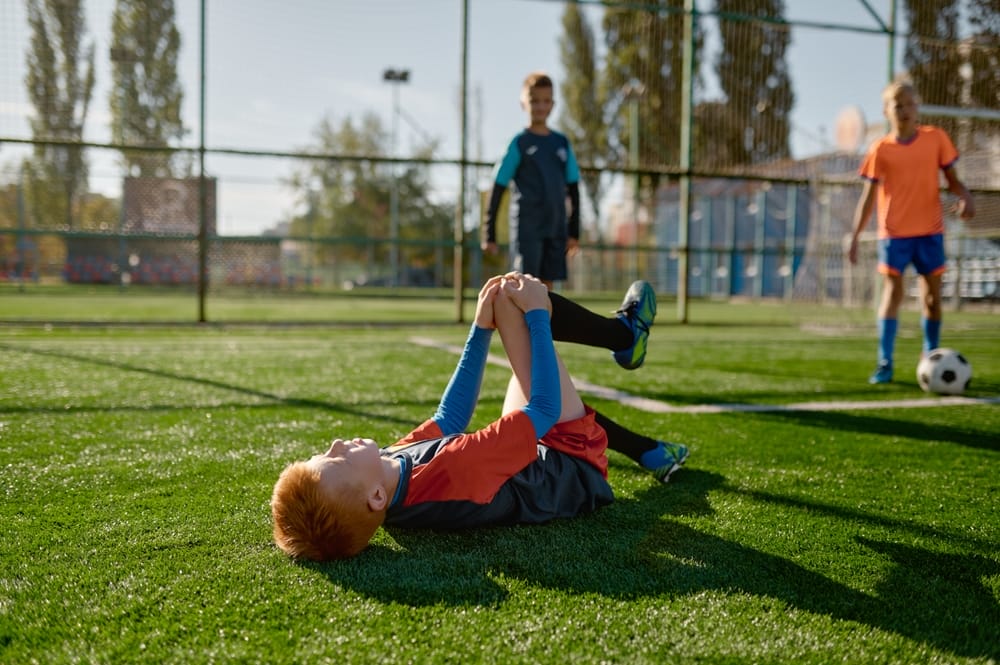
7 Reasons Kids Are Getting Hurt in After-School Programs
Image source: shutterstock.com

Many parents assume after-school programs are a safe extension of the classroom, but rising injury rates suggest otherwise. As more families rely on structured care between 3 p.m. and 6 p.m., these programs often juggle crowded groups, mixed-age activities, and limited supervision. Understanding the real risks helps parents advocate for safer environments and make better choices for their children. Here are the most common reasons kids get hurt—and what you can do about it.

1. Inadequate Supervision in After-school programs

Many programs operate with fewer adults than they truly need, creating long stretches where kids aren’t being closely watched. Staff members may be pulled into administrative tasks, leaving fewer eyes on active groups. When children have room to roam without guidance, small problems escalate into unsafe situations. Rough play, boundary-pushing, and accidental injuries become more likely. Parents should ask about the staff-to-child ratio before enrolling.

2. Unstructured Play That Turns Risky

Free play is important, but without structure, kids often shift into high-speed games that can get out of hand. After-school programs sometimes allow children to choose activities without providing enough direction. Running, climbing, and chasing in tight spaces raise the odds of collisions and falls. Kids don’t always recognize when play becomes unsafe. A clear set of rules and supervised zones can keep excitement from turning into injuries.

3. Poorly Maintained Equipment at After-school programs

From play structures to sports gear, worn-out equipment is a major contributor to preventable injuries. Programs may rely on older items that haven’t been inspected or repaired in years. Broken swings, loose bolts, or outdated mats can quickly create dangerous situations. Kids often don’t notice hazards until it’s too late. Parents can request a maintenance schedule or ask who handles inspections to ensure equipment stays safe.

4. Staff Not Properly Trained for Emergencies

Many after-school programs hire caring individuals who enjoy working with kids, but not all of them have strong safety or first-aid training. When an accident happens, unprepared staff may freeze or respond incorrectly. Delayed or improper responses can turn minor injuries into major issues. Kids need adults who know how to act quickly and confidently. Programs should provide ongoing training so staff can handle medical situations calmly and correctly.

5. Overcrowded Activities That Don’t Meet Capacity Limits

Some after-school programs take on more children than their space was designed to support. Overcrowding makes it harder to supervise, easier for kids to bump into each other, and more difficult to control group dynamics. Furniture, equipment, and narrow hallways add even more risks. Kids naturally become louder and more energetic in crowded settings, which increases the chance of accidents. Choosing a program with appropriate enrollment limits can significantly reduce injury risk.

6. High-Energy Games Without Safety Rules in After-school programs

Popular activities like tag, soccer, or dodgeball are fun but can be risky without clear expectations. Without boundaries, games often escalate in speed and intensity. Kids may push, trip, or collide because no one paused to review safety guidelines. Staff should set rules and model safe behavior, especially for mixed-age groups. Parents can ask how are structured to ensure safety is built into the fun.

7. Lack of Communication About Behavior Issues

Sometimes the biggest risks come from ongoing behavior concerns that programs fail to share with families. When a child struggles with aggression, impulsivity, or rule-following, the entire group can be affected. Programs that avoid tough conversations may allow patterns to continue until someone gets hurt. Transparent communication helps everyone respond consistently. Parents should choose programs that value honesty and partnership when addressing challenging behavior.

What Parents Can Do to Make After-school programs Safer

Parents play a major role in making after-school programs safer by asking informed questions and staying involved. Visiting the program at least once during active hours can reveal strengths and red flags. Talking with staff about rules, training, and communication shows that safety is a priority for your family. Kids also benefit when parents discuss expectations for behavior and following directions. When families and programs work together, children are far less likely to get hurt.

What safety improvements would you like to see in the after-school programs in your community?

What to Read Next…

8 After-School Activities That Drain Family Budgets the Fastest

7 Ways Schools Fail to Hold Bullies Accountable

School Safety Warning: The Real Reason Some Lockdown Drills Are Backfiring

5 School Field Trip Threads That Expose Emotional Trauma Risks

7 After-School Activities That Are Quietly Putting Kids in Danger

Catherine Reed
Catherine Reed

Catherine is a tech-savvy writer who has focused on the personal finance space for more than eight years. She has a Bachelor’s in Information Technology and enjoys showcasing how tech can simplify everyday personal finance tasks like budgeting, spending tracking, and planning for the future. Additionally, she’s explored the ins and outs of the world of side hustles and loves to share what she’s learned along the way. When she’s not working, you can find her relaxing at home in the Pacific Northwest with her two cats or enjoying a cup of coffee at her neighborhood cafe.


Filed Under: Money and Finances Tagged With: after school safety, child injuries, child supervision, kids safety, parenting tips, school programs

12 Times a Mom’s Intuition Was Scarily Accurate

June 26, 2025 | Leave a Comment

12 Times a Moms Intuition Was Scarily Accurate
123rf.com

There’s something eerie and incredible about a mom’s intuition. It’s the kind of gut feeling that doesn’t need evidence, logic, or explanation—but it often ends up being spot on. Whether it’s sensing a fever before the thermometer does or knowing something is wrong without a word being said, moms just know. Some call it instinct, others call it experience, but whatever it is, it can be shockingly accurate. These stories celebrate those goosebump-worthy moments when a mom’s intuition turned out to be life-changing, or even lifesaving.

1. The Fever Before the Fever

One mom had a strange feeling her toddler wasn’t quite right, even though he was acting normal. She felt his forehead and it seemed fine, but something told her to grab the thermometer anyway. Within minutes, a fever of 103 appeared. That early catch meant a faster response and a trip to urgent care before things escalated. A mom’s intuition kicked in before the symptoms even did.

2. “Don’t Go on That Field Trip”

A fifth grader was excited for an upcoming school field trip, but his mom couldn’t shake an uncomfortable feeling about it. She didn’t have a clear reason but said no and kept him home. That same day, the school bus was in a minor crash—not serious, but enough to make her trust in herself even more. Sometimes, the hardest decisions to explain turn out to be the most protective.

3. Not Just Growing Pains

When her daughter complained about leg pain for the third day in a row, one mom knew it wasn’t just growing pains. Doctors initially dismissed it, but she pushed for blood work. It revealed early signs of juvenile arthritis, and treatment started before long-term damage could set in. If she hadn’t trusted her instincts, they may have waited too long. A mom’s intuition led to an early diagnosis that made all the difference.

4. A Whisper in the Middle of the Night

A mom of twins sat up suddenly in the middle of the night with a strong urge to check the nursery. One baby had managed to roll into a dangerous position that made it hard to breathe. She caught it just in time. There were no noises or cries—just that deep, inner nudge that said “go check now.” It was a moment she never forgot.

5. The Wrong Babysitter Vibe

While interviewing a highly recommended babysitter, something about the teen’s responses didn’t sit right with one mom. There was no obvious red flag, but the vibe felt off. She thanked the sitter and chose someone else. A few weeks later, she found out the sitter had been fired by another family for neglecting the kids. That uncomfortable feeling was enough to change course.

6. The “Off” School Drop-Off

A mom dropped her son off at school like always, but something felt off—he seemed quiet, unlike his usual cheerful self. Instead of driving away, she walked him to the office and asked to speak with someone. Turns out he was being bullied, and it had gotten worse that day. Her gut picked up on what he couldn’t say.

7. There’s More Than a Cough

Her baby had a lingering cough that seemed mild, but a mom couldn’t shake the feeling that something deeper was going on. A trip to the pediatrician confirmed RSV, and they were able to start care early. The doctor said that waiting even one more day could’ve landed them in the ER. Moms know when a cough is more than “just a cough.”

8. The Surprise Pregnancy

Some moms know they’re pregnant before a test says so. One mom had a dream, followed by waves of unexplained nausea, and took a test a week earlier than planned. It came back positive. She said, “I just felt pregnant—I couldn’t explain why.” A mom’s intuition doesn’t wait for science to catch up.

9. The Dog Was Acting Strange

A family dog kept sniffing and pawing at a child’s stomach, and the mom noticed the pattern. It was unusual enough that she made a doctor’s appointment. After tests, doctors found an abdominal mass that needed immediate attention. It wasn’t just the dog—her decision to trust the dog’s instincts was part of her own.

10. Calling Home at the Perfect Moment

One mom had an urge to call her teenage daughter at an unusual hour. She found her crying in her room, overwhelmed with stress but unsure how to ask for help. That phone call led to the first honest conversation they’d had in weeks. Timing matters, and sometimes intuition provides the perfect one.

11. That One Friend They Didn’t Like

A mom warned her teen about a friend she just didn’t feel good about. The teen brushed it off—until that same friend ended up sneaking them into a party where things went downhill quickly. Luckily, she called for help and remembered her mom’s warning. That sense of “not this one” turned out to be right.

12. Time to Go to the Hospital—Now

One mom woke up feeling something wasn’t right with her pregnancy, even though she had no pain or symptoms. She went to the hospital “just in case” and discovered her baby was in distress. An emergency C-section saved both of them. She says her gut saved her child’s life.

When Moms Listen, Magic Happens

There’s something powerful about listening to that quiet inner voice, especially when it comes to our children. While not every moment will be dramatic or life-altering, many moms have a deep, natural radar that helps them show up at just the right time. These stories are more than just coincidences—they’re reminders to trust ourselves, even when logic says otherwise. A mom’s intuition might not be measurable, but it’s certainly real, and often, it’s just what a child needs.

Have you ever experienced a time when a mom’s intuition proved scarily accurate? Share your story in the comments!

Read More:

7 Ways to Teach Kids to Trust Their Instincts About Safety

5 Easy Safety Drills You Can Practice at Home With Kids

Catherine Reed
Catherine Reed

Catherine is a tech-savvy writer who has focused on the personal finance space for more than eight years. She has a Bachelor’s in Information Technology and enjoys showcasing how tech can simplify everyday personal finance tasks like budgeting, spending tracking, and planning for the future. Additionally, she’s explored the ins and outs of the world of side hustles and loves to share what she’s learned along the way. When she’s not working, you can find her relaxing at home in the Pacific Northwest with her two cats or enjoying a cup of coffee at her neighborhood cafe.

Filed Under: Parenting Tagged With: gut feeling, kids safety, mom intuition, mom life, motherhood stories, parenting advice, parenting instincts, parenting moments

9 Things You Should Never Buy Cheap for Your Kids

April 5, 2025 | Leave a Comment

Cute healthy little beautiful baby girl sitting in the pram or stroller and waiting for mom. Happy smiling child with blue eyes. With green tree background. Baby daughter going for a walk with family.
Image Source: 123rf.com

When it comes to parenting, budgeting wisely is a top priority. However, there are certain items for your kids where quality should never be compromised. While opting for cheaper alternatives may seem like a smart financial move, it can often result in safety risks, durability issues, and unnecessary expenses in the long run. Here are nine things you should never buy cheap for your kids—and why investing in quality matters.

1. Car Seats

Your child’s safety during car rides is non-negotiable, and that’s why a high-quality car seat is essential. Cheaper options may not meet the latest safety standards or offer adequate protection in the event of an accident. Investing in a car seat from a reputable brand ensures durability, proper installation, and peace of mind. Check for crash-test certifications and user reviews when making your selection. A quality car seat is worth every penny to keep your little one safe.

2. Cribs and Mattresses

A good night’s sleep is crucial for your child’s growth and development, which makes a well-made crib and mattress a priority. Cheaper cribs may have weak frames, potential safety hazards, or poor-quality materials. Similarly, low-cost mattresses might not offer proper support or be free of harmful chemicals. Choose cribs and mattresses that meet safety standards and are designed for longevity. Providing a safe and comfortable sleeping environment is invaluable for your child’s well-being.

3. Shoes

Your child’s feet are still growing and developing, so buying supportive and well-fitted shoes is essential for their health. Cheap shoes often lack proper arch support and cushioning, leading to discomfort or potential foot problems. Opting for high-quality footwear ensures durability and better support for active play and exploration. Regularly checking your child’s shoe size and replacing worn-out pairs is key to keeping them comfortable and happy. Investing in their foot health now can prevent issues later.

4. Bicycle Helmets

Safety gear, like bicycle helmets, is another area where quality should never be compromised. A cheap helmet might not provide adequate protection or fit properly, putting your child at risk during falls or accidents. Choose helmets that meet safety certifications and fit snugly on your child’s head. Ensuring proper ventilation and adjustability adds to their comfort and wearability. A high-quality helmet is a small price to pay for your child’s safety.

5. Backpacks

Happy little kid boy with glasses and backpack or satchel on his first day to school or nursery. Child outdoors on warm sunny day, Back to school concept
Image Source: 123rf.com

A poorly made backpack can lead to discomfort, back pain, or even strain for your child, especially if they carry heavy books and supplies. Cheap backpacks often lack padded straps, ergonomic designs, and durable materials. Investing in a well-designed, sturdy backpack ensures that it can withstand daily use and provide proper support. Look for features like wide, adjustable straps and compartments to distribute weight evenly. A reliable backpack is a long-term investment in your child’s comfort.

6. Baby Bottles and Feeding Utensils

The materials used in cheap baby bottles or feeding utensils may contain harmful chemicals like BPA, which can affect your child’s health. High-quality options are designed to be safe, durable, and easy to clean, ensuring they’re free from toxins. Opting for trusted brands gives you peace of mind about what your child is exposed to during feeding. Choosing quality feeding products promotes healthy and worry-free mealtime experiences.

7. Learning Tools and Toys

Toys and educational tools are essential for your child’s development, but cheaply made options can pose risks such as choking hazards or toxic materials. High-quality toys are designed to be safe, durable, and engaging for your child’s age and learning stage. Look for non-toxic certifications, rounded edges, and robust construction. Investing in well-made learning tools fosters creativity and growth while ensuring your child’s safety during playtime.

8. Winter Clothing

Keeping your child warm and protected during cold weather requires durable and effective winter clothing. Cheap coats, gloves, or boots may lack proper insulation or waterproofing, leaving your child uncomfortable or at risk of falling ill. High-quality winter gear is designed to withstand harsh conditions and keep your child warm and dry. Investing in premium clothing ensures your child can enjoy outdoor activities without worry.

9. Strollers

A stroller is one of the most-used items for parents, and skimping on quality can lead to frustration and safety concerns. Cheaper strollers may lack stability, durability, or essential features like adjustable handles and good brakes. A high-quality stroller provides smooth maneuverability, comfort, and safety for both you and your child. Choosing a sturdy and reliable model saves you money in the long run by avoiding frequent replacements.

Prioritize Safety and Quality

When it comes to your kids, some things are worth the extra investment. Spending a little more on essential items like car seats, helmets, and learning tools can save you money and heartache down the road. Your child’s safety, comfort, and well-being are priceless, and choosing quality over cost ensures they get the best start in life.

What items do you never compromise on when shopping for your kids? Share your tips and experiences in the comments below!

Read More:

15 Surprising Ways Your Daily Habits Impact Your Finances

10 Times Kids’ Stupid Mistakes Wrecked Their Parents’ Finances

Tamila McDonald
Tamila McDonald

Tamila McDonald is a U.S. Army veteran with 20 years of service, including five years as a military financial advisor. After retiring from the Army, she spent eight years as an AFCPE-certified personal financial advisor for wounded warriors and their families. Now she writes about personal finance and benefits programs for numerous financial websites.

Filed Under: Parenting Tagged With: essential kid items, kids safety, parenting advice, quality parenting products

Skateboarding for Kids: Safety Tips for Parents

November 18, 2014 | Leave a Comment

skateboarding for kidsSome parents dread the day that their little boy or girl asks for a skateboard or leaves the house in their older sibling’s BMX. There are some sports that some – or many – parents aren’t so keen to encourage, but whether our little monkeys decide to be a ballet dancer or a parkour runner, we have to be supportive in every way we can.

Skateboarding has become extremely popular in the last few decades, so it would be no surprise for our little ones to show an interest even from a young age. Off-shoot sports such as longboarding and mountain-boarding are also growing in popularity. So if your son or daughter decides that they want to give an extreme sport a go, and you’re fully supportive of it, here are some safety tips to make sure they stay as safe as possible.

Safety Gear Should be Mandatory

It should always be mandatory for kids to wear safety gear when they are taking part in sports such as skateboarding or mountain biking. This should be encouraged from the beginning, with serious discussions about the consequences that they could experience if they were not to follow safety rules. Safety gear should include a helmet, safety pads (elbows, knees and wrists), the right skateboard shoes and mouth guards for beginners. Padded jackets are also available if you worry about your child falling over. 

Take Part in Skateboarding Too

The best way to encourage safety in sport is to get involved too and show your little ones how it’s done. Show them that you take an interest in what they love to do by taking part and you can learn the sport together. You can  also lead by example and show them the importance of wearing safety gear.

Buy from Trusted Brands

If you are shopping around for skateboards and safety gear, make sure you research the different brands out there. Price isn’t everything but some of the better brands have been around for many years, and are trusted by many extreme sports stars. Brands such as Santa Cruz, Sk8 Mafia, Enuff, Bullet, Baker Skateboards, Element, Flip, Plan B, Real Skateboards, and Heroin Skateboards are all available from reputable retailers such as Skatehut.

Know Where Your Child Is Riding

This is extremely important. If your child is old enough to go riding with his friends, it’s not always easy to keep a track of exactly where he or she is at all times. Research the skate parks and bike trails in your local area and make sure you check out each of these spots before you allow your teenager to ride there. Don’t be afraid to set rules about where he/she can go and always tell your child to keep their skateboarding within designated skate parks. To locate the nearest skate parks anywhere in the world, use this locator from Thrasher Magazine.

Brian
Brian

Brian is the founder of Kids Ain’t Cheap and is now sharing his journey through parenthood.

 
Email • Google + • Facebook • Twitter

Filed Under: Safety Tagged With: kids safety, skateboarding safety

  • Facebook
  • Pinterest
  • RSS
  • Twitter

Basic Principles Of Good Parenting

Here some basic principles for good parenting:

  1. What You Do Matters: Your kids are watching you. So, be purposeful about what you want to accomplish.
  2. You Can’t be Too Loving: Don’t replace love with material possessions, lowered expectations or leniency.
  3. Be Involved Your Kids Life: Arrange your priorities to focus on what your kid’s needs. Be there mentally and physically.
  4. Adapt Your Parenting: Children grow quickly, so keep pace with your child’s development.
  5. Establish and Set Rules: The rules you set for children will establish the rules they set for themselves later.  Avoid harsh discipline and be consistent.
  6. Explain Your Decisions: What is obvious to you may not be evident to your child. They don’t have the experience you do.
  7. Be Respectful To Your Child: How you treat your child is how they will treat others.  Be polite, respectful and make an effort to pay attention.
Best Parenting Blogs

Most Popular

Baby names

Teachers Admit: These 6 Baby Names Create Instant Bias in the Classroom

Latrice Perez
6 Baby Names That Sound Cute Now but Cause Problems Later

6 Baby Names That Sound Cute Now but Cause Problems Later

Brandon Marcus
11 Ways Kids Are Outsmarting Parental Controls 1. Using Alternate Devices One common trick is simply turning to another device. If a child’s main phone or tablet is restricted, they may borrow a sibling’s, friend’s, or even a school laptop. This instantly gives them access to content outside of parental oversight. Parents often focus on one device, forgetting that others in the household can serve as loopholes. Knowing this tactic helps families tighten controls across all electronics. 2. Clearing Browsing Histories Many kids quickly learn that clearing browsing history hides evidence of restricted activity. With just a few clicks, they can erase any trace of websites visited. This makes it harder for parents to notice when rules are being broken. Parents may assume no history means no browsing, but the reality is often the opposite. Kids are outsmarting parental controls by making it seem like nothing happened at all. 3. Using Private Browsing Modes Most browsers offer “incognito” or private browsing features. Kids use this mode to access websites without leaving a record in the history. To parents checking later, everything looks clean and safe. This simple trick is often one of the first ways kids discover how to bypass restrictions. Conversations about private browsing can help close this gap. 4. Guessing or Resetting Passwords Children who are persistent may try to guess passwords to parental control apps or accounts. Others may find ways to reset them through email prompts or security questions. Once inside, they can disable restrictions entirely. Parents may not even realize controls have been altered until much later. Stronger, less predictable passwords can make this more difficult. 5. Using VPNs to Hide Activity Virtual private networks, or VPNs, let kids disguise their online locations. With one downloaded app, they can bypass geographic or parental restrictions. Some children learn about VPNs through friends or even social media. This makes it easy for them to reach content that should be blocked. Parents often underestimate just how simple it is for kids to use these tools. 6. Creating Fake Accounts When parents monitor social media, kids may create hidden accounts. These “finstas” or fake profiles allow them to interact freely without parental oversight. While their main account appears harmless, the secondary one tells a different story. Kids are outsmarting parental controls by playing both sides at once. Checking for duplicate accounts can help parents stay more aware. 7. Exploiting Time Zone Settings Some kids change the time zone on their devices to bypass screen time limits. This trick allows them to gain extra hours of usage undetected. Parents may assume controls are working, but in reality, the child is bending the clock. It’s a clever loophole that highlights just how resourceful kids can be. Monitoring device settings regularly can catch this tactic. 8. Disabling or Uninstalling Apps Parental control apps can be deleted or disabled with surprising ease. Some kids even reinstall them before a parent checks, making it seem like nothing changed. Others may simply restrict permissions to prevent apps from functioning properly. When apps aren’t monitored closely, parents may not notice they’ve been tampered with. This shows the importance of consistent follow-up. 9. Turning to Friends for Access If a child can’t get past restrictions on their own, they may rely on friends. Visiting a friend’s house or borrowing their phone can give them a free pass. Parents often forget that peer environments can override restrictions set at home. This kind of social workaround is especially common with gaming or social media. Open conversations about trust and responsibility are essential. 10. Hiding Apps in Plain Sight Kids sometimes download apps that look innocent but serve as gateways to hidden activity. These apps may disguise themselves as calculators or utilities. In reality, they allow file storage, private messaging, or browser access. Parents glancing at a home screen may overlook them entirely. Learning to recognize these disguised apps can help parents stay informed. 11. Outpacing Parents’ Tech Knowledge Finally, kids often know more about devices than their parents do. Whether through YouTube tutorials, TikTok hacks, or peer groups, they quickly learn advanced workarounds. This knowledge gap means controls can be bypassed before parents even realize the loophole exists. Staying informed and continually learning about new technology is the best defense. Kids are outsmarting parental controls because they adapt faster than most adults. The Real Solution Lies Beyond Restrictions While controls and filters are important, no system is perfect. Kids will always find creative ways around barriers, making communication the strongest safeguard. Setting clear expectations, building trust, and having ongoing conversations about online behavior matter more than apps alone. Parents who combine technology with open dialogue create a safer digital environment. The goal isn’t to win a battle of wits but to build a relationship that keeps kids both safe and honest. Do you think kids are outsmarting parental controls faster than parents can keep up? Share your experiences in the comments below. What to Read Next... 6 Parenting Tech Shortcuts That Can Expose Your Child to Strangers How Much Screen Time Is Too Much—Legally Speaking? Is Your Child’s School Quietly Tracking Their Location Without Your Consent? How Much Screen Time Is Quietly Reshaping Childhood Behavior? Why Some Parents Are Being Investigated Over Homeschooling Records

11 Ways Kids Are Outsmarting Parental Controls

Catherine Reed
Smiling grandfather holding a happy baby indoors.

Why Grandparents Shouldn’t Babysit Their Grandkids Every Week – The Unspoken Issue

Samantha
birthday gifts

7 Birthday Gifts Your Child Should Never Bring to a Party

Latrice Perez

All content on Kids Ain’t Cheap is for entertainment purposes only. By reading this blog, you agree that Kids Ain’t Cheap is not responsible for any actions taken after reading this blog. For the full disclaimer, see our privacy policy.

Please note that Kids Ain’t Cheap has financial relationships with some of the merchants mentioned here. Kids Ain’t Cheap is funded by banner advertising, commission sales and search optimization consulting.

Copyright © 2006–2026 | District Media | All Rights Reserved | Privacy Policy

Copyright © 2026 Runway Pro Theme by Viva la Violette