
• Home
  • About Us
  • Toolkit
  • Archives
  • Advertise
  • Privacy Policy

Kids Ain't Cheap

But They Sure Are Worth It

  • Parenting
    • Baby Stuff
    • Books and Reading
      • Aesops Fables
      • Comic Books
    • Education
    • Family Time
    • Green Living
    • Growing Up
    • Healthy Living & Eating
    • Holidays
    • Parenting
    • Random Musings
    • Shopping
    • Stuff to Do
  • Money
  • Product Reviews
    • Books and Magazines
    • Discount Sites
    • Furniture
    • House Keeping
    • Reviews News
    • Toys and Games
  • Contact Us
  • Our Editorial Commitment
  • Search

15 Surprising Ways Your Daily Habits Impact Your Finances

May 20, 2024 | Leave a Comment

daily habits

Your financial health isn’t just determined by major decisions like investments or big purchases—it’s often influenced by the everyday habits you might not even think twice about. From your morning routine to how you unwind at night, here are 15 surprising ways your daily habits can impact your finances.

1. Morning Coffee Run

coffee run

Your daily coffee run might seem like a harmless indulgence, but those small expenses can add up quickly. Spending $5 on a latte every day translates to $1,825 a year—money that could be put towards savings or investments. Consider brewing your coffee at home or investing in a quality coffee maker to save hundreds of dollars annually. By cutting back on this daily habit, you’ll not only save money but also start your day with a financial boost.

2. Skipping Breakfast

skipping breakfast

Missing the most important meal of the day can lead to impulsive spending on snacks later. Investing in a nutritious breakfast can boost your energy and save you money in the long run. Especially if you are commuting to work, grabbing an on-the-go breakfast from home, like a breakfast bar, can save you a good amount of money. In sum, skip the Dunkin Donuts run to cut back on your spending.

3. Online Shopping Binges

online shopping

Those late-night scrolling sessions can lead to unnecessary purchases. Consider implementing a waiting period before hitting “checkout” to curb impulse buys. Shopping when you’re tired or bored can lead to impulse buys. Avoid online shopping late at night and save your purchases for when you’re more alert and focused.

4. Unplanned Grocery Trips

unplanned grocery trips

Shopping without a list can result in buying items you don’t need. Plan your meals for the week and stick to a shopping list to avoid overspending at the grocery store. Also, don’t grocery shop when you’re hungry. Everything looks good when you’re starving and can seriously alter your grocery shopping list.

5. Unused Subscriptions

subscriptions

Unused subscriptions often fly under the radar, silently draining your bank account month after month. Whether it’s a streaming service you signed up for but rarely use or a gym membership that collects dust, these subscriptions can add up to significant expenses over time. Take the time to review your subscriptions regularly and cancel any that you don’t actively utilize. By freeing up this extra cash, you can redirect it towards more meaningful expenses or savings goals.

6. Eating Out Frequently

eating out

Frequent dining out may provide convenience, but it often comes at a hefty price. The cost of restaurant meals, beverages, and tips can quickly escalate, putting a strain on your budget. By opting to cook at home more often, not only can you save money, but you also gain control over ingredients and portion sizes, leading to potentially healthier eating habits. Planning meals ahead of time and enjoying home-cooked dishes can not only benefit your wallet but also your overall well-being.

7. Ignoring Energy Efficiency

energy efficiency

Ignoring energy efficiency practices at home can lead to inflated utility bills month after month. Leaving lights on, keeping electronics plugged in, and neglecting to adjust thermostat settings can all contribute to unnecessary energy consumption. By developing simple habits such as turning off lights when leaving a room, unplugging electronics when not in use, and adjusting the thermostat to conserve energy, you can significantly reduce your utility costs over time. Taking proactive steps to improve energy efficiency not only saves money but also reduces your environmental footprint, making it a win-win situation.

8. Paying ATM Fees
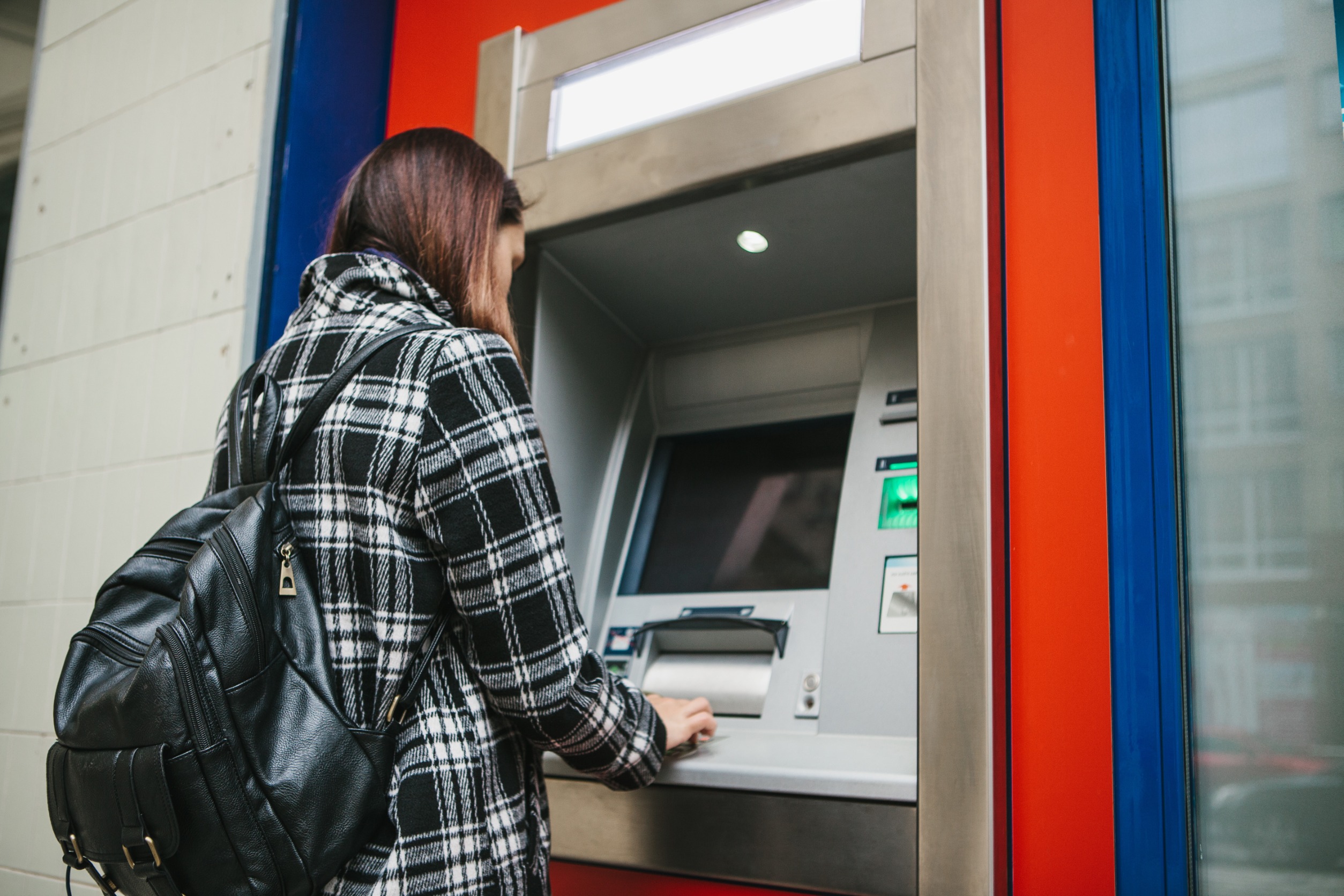
ATM fees

Frequently using out-of-network ATMs can result in substantial fees that eat into your budget. These fees, often ranging from $2 to $5 per transaction, can add up quickly, especially if you make multiple withdrawals each month. Planning ahead and withdrawing cash from your bank’s ATM or opting for cashback at stores can help you avoid these unnecessary charges. Some banks also offer ATM fee reimbursement, so make sure to take advantage of this perk if offered by your bank.

9. Daily Commute Costs

daily habits commuting to work

Driving solo to work every day can drain your budget with gas and parking expenses. The average commuting expense per year in 2023 was $8,466. To cut down on costs, ask your employer for a hybrid work schedule, working from home on some days. If this isn’t possible, consider carpooling, biking, or using public transportation to save money on transportation.

10. Impulse Buying

impulse buying

Those small impulse purchases at the checkout counter can add up over time. Impulse buying is often linked to unhappiness, which motivates impulsive buying decisions. Often we believe that impulse buys will make us feel better, but that often is a fleeting feeling. Stick to your shopping list and avoid the temptation to save money and also improve your well-being.

11. Mindless Snacking

snacking

Constant snacking throughout the day can lead to overspending on convenience foods. Plan healthy snacks ahead of time to avoid impulse purchases. It may be helpful to portion out snacks or buy pre-portioned snack packs to avoid mindless snacking. This can help your whole family manage portions and ultimately save money.

12. Overusing Credit Cards

overusing credit cards

Swiping your credit card for every purchase can lead to debt accumulation due to high interest rates. Use cash or a debit card for everyday expenses to stay within your budget. If you do utilize your credit cards, make sure that you can pay off your balance at the end of the month to avoid interest fees. At the very least, make sure that you can comfortably pay the minimum balance owed to avoid unnecessary late fees.

13. Ignoring Discounts and Coupons

coupons

Failing to take advantage of discounts and coupons means missing out on potential savings. Keep an eye out for deals and promotions to stretch your dollars further. Many influencers on social media will post the best deals of the week, so you don’t have to do a lot of extra work to snag the most savings. You can also get helpful rebates on Ibotta and Fetch to help you offset the cost of groceries and everyday purchases.

14. Not Tracking Expenses

budget

Ignoring your daily spending habits can lead to financial leaks. Keep track of your expenses using budgeting apps or spreadsheets to identify areas where you can cut back. Knowledge is power when it comes to managing your finances. Many banking apps can help you set up a budget that makes sense for your financial goals.

15. Rewarding Yourself with Little Treats

treat yourself

Usually, when we’re stressed it’s easy to motivate ourselves with the thought of a little reward. This could be grabbing a drink after work, buying something you’ve been eyeing on Amazon, or getting a massage. While these treats are great for your well-being, it’s important to keep your financial goals in mind. Make sure treats don’t become daily habits that you justify by saying, “I deserve this.”, or “I don’t do this often.” Ultimately, treating yourself can have a heavy financial impact at the end of the month.

Considering Your Financial Well-Being

financial health

Being mindful of your daily habits is crucial for maintaining financial well-being and achieving long-term goals. Small changes, such as brewing your coffee at home, cooking meals instead of eating out, and turning off lights when leaving a room, can have a significant impact on your budget over time. By consistently making smart choices in your daily routine, you can save money, reduce unnecessary expenses, and allocate funds toward your financial priorities. Ultimately, practicing mindfulness in your daily habits empowers you to take control of your finances and build a more secure future.

Read More

12 Things You Should Never Do at a Casino

17 Odd Rituals People Do Behind Closed Doors

Teri Monroe
Teri Monroe
Teri Monroe started her career in communications working for local government and nonprofits. Today, she is a freelance finance and lifestyle writer and small business owner. In her spare time, she loves golfing with her husband, taking her dog Milo on long walks, and playing pickleball with friends.

Read More

  • When Good Advice From Parents Isnt Good for Your Family
    When "Good Advice" From Parents Isn’t Good for Your Family

    Everyone has an opinion when it comes to raising kids, especially your own parents. Maybe…

  • The One Thing Most Parents Forget to Budget for in January and How Kids Can Help
    The One Thing Most Parents Forget to Budget for in January and How Kids Can Help

    Every January, parents everywhere swear this will be the year their budget finally behaves. You…

  • second hand store
    How to Shop Secondhand

    Due in part to the rise of the green movement, secondhand shopping has become easier…

  • 8 Snacks That Kids Love and Doctors Hate
    8 Snacks That Kids Love and Doctors Hate

    When your child begs for a snack, you want something quick, easy, and guaranteed to…

  • Can You Get a Personal Loan with Bad Credit?
    Can You Get a Personal Loan with Bad Credit?

    Most people with bad credit can easily get discouraged when looking for a financing option.…

  • Urgent Symptoms 7 Health Symptoms Demanding Immediate Attention in Kids
    Urgent Symptoms: 7 Health Symptoms Demanding Immediate Attention in Kids

    No parent wants to overreact, but when it comes to your child’s health, ignoring the…

Filed Under: Money and Finances Tagged With: Money Saving Tips, personal finance, Saving Money

Leave a Reply Cancel reply

Your email address will not be published. Required fields are marked *

This site uses Akismet to reduce spam. Learn how your comment data is processed.

  • Facebook
  • Pinterest
  • RSS
  • Twitter
Best Parenting Blogs

Most Popular

Baby names

Teachers Admit: These 6 Baby Names Create Instant Bias in the Classroom

Latrice Perez
These Are 6 Baby Names Inspired by Vintage TV and Movies

6 Baby Names Inspired by Vintage TV and Movies

Brandon Marcus
6 Baby Names That Sound Cute Now but Cause Problems Later

6 Baby Names That Sound Cute Now but Cause Problems Later

Brandon Marcus
11 Ways Kids Are Outsmarting Parental Controls 1. Using Alternate Devices One common trick is simply turning to another device. If a child’s main phone or tablet is restricted, they may borrow a sibling’s, friend’s, or even a school laptop. This instantly gives them access to content outside of parental oversight. Parents often focus on one device, forgetting that others in the household can serve as loopholes. Knowing this tactic helps families tighten controls across all electronics. 2. Clearing Browsing Histories Many kids quickly learn that clearing browsing history hides evidence of restricted activity. With just a few clicks, they can erase any trace of websites visited. This makes it harder for parents to notice when rules are being broken. Parents may assume no history means no browsing, but the reality is often the opposite. Kids are outsmarting parental controls by making it seem like nothing happened at all. 3. Using Private Browsing Modes Most browsers offer “incognito” or private browsing features. Kids use this mode to access websites without leaving a record in the history. To parents checking later, everything looks clean and safe. This simple trick is often one of the first ways kids discover how to bypass restrictions. Conversations about private browsing can help close this gap. 4. Guessing or Resetting Passwords Children who are persistent may try to guess passwords to parental control apps or accounts. Others may find ways to reset them through email prompts or security questions. Once inside, they can disable restrictions entirely. Parents may not even realize controls have been altered until much later. Stronger, less predictable passwords can make this more difficult. 5. Using VPNs to Hide Activity Virtual private networks, or VPNs, let kids disguise their online locations. With one downloaded app, they can bypass geographic or parental restrictions. Some children learn about VPNs through friends or even social media. This makes it easy for them to reach content that should be blocked. Parents often underestimate just how simple it is for kids to use these tools. 6. Creating Fake Accounts When parents monitor social media, kids may create hidden accounts. These “finstas” or fake profiles allow them to interact freely without parental oversight. While their main account appears harmless, the secondary one tells a different story. Kids are outsmarting parental controls by playing both sides at once. Checking for duplicate accounts can help parents stay more aware. 7. Exploiting Time Zone Settings Some kids change the time zone on their devices to bypass screen time limits. This trick allows them to gain extra hours of usage undetected. Parents may assume controls are working, but in reality, the child is bending the clock. It’s a clever loophole that highlights just how resourceful kids can be. Monitoring device settings regularly can catch this tactic. 8. Disabling or Uninstalling Apps Parental control apps can be deleted or disabled with surprising ease. Some kids even reinstall them before a parent checks, making it seem like nothing changed. Others may simply restrict permissions to prevent apps from functioning properly. When apps aren’t monitored closely, parents may not notice they’ve been tampered with. This shows the importance of consistent follow-up. 9. Turning to Friends for Access If a child can’t get past restrictions on their own, they may rely on friends. Visiting a friend’s house or borrowing their phone can give them a free pass. Parents often forget that peer environments can override restrictions set at home. This kind of social workaround is especially common with gaming or social media. Open conversations about trust and responsibility are essential. 10. Hiding Apps in Plain Sight Kids sometimes download apps that look innocent but serve as gateways to hidden activity. These apps may disguise themselves as calculators or utilities. In reality, they allow file storage, private messaging, or browser access. Parents glancing at a home screen may overlook them entirely. Learning to recognize these disguised apps can help parents stay informed. 11. Outpacing Parents’ Tech Knowledge Finally, kids often know more about devices than their parents do. Whether through YouTube tutorials, TikTok hacks, or peer groups, they quickly learn advanced workarounds. This knowledge gap means controls can be bypassed before parents even realize the loophole exists. Staying informed and continually learning about new technology is the best defense. Kids are outsmarting parental controls because they adapt faster than most adults. The Real Solution Lies Beyond Restrictions While controls and filters are important, no system is perfect. Kids will always find creative ways around barriers, making communication the strongest safeguard. Setting clear expectations, building trust, and having ongoing conversations about online behavior matter more than apps alone. Parents who combine technology with open dialogue create a safer digital environment. The goal isn’t to win a battle of wits but to build a relationship that keeps kids both safe and honest. Do you think kids are outsmarting parental controls faster than parents can keep up? Share your experiences in the comments below. What to Read Next... 6 Parenting Tech Shortcuts That Can Expose Your Child to Strangers How Much Screen Time Is Too Much—Legally Speaking? Is Your Child’s School Quietly Tracking Their Location Without Your Consent? How Much Screen Time Is Quietly Reshaping Childhood Behavior? Why Some Parents Are Being Investigated Over Homeschooling Records

11 Ways Kids Are Outsmarting Parental Controls

Catherine Reed
Smiling grandfather holding a happy baby indoors.

Why Grandparents Shouldn’t Babysit Their Grandkids Every Week – The Unspoken Issue

Samantha

All content on Kids Ain’t Cheap is for entertainment purposes only. By reading this blog, you agree that Kids Ain’t Cheap is not responsible for any actions taken after reading this blog. For the full disclaimer, see our privacy policy.

Please note that Kids Ain’t Cheap has financial relationships with some of the merchants mentioned here. Kids Ain’t Cheap is funded by banner advertising, commission sales and search optimization consulting.

Copyright © 2006–2026 | District Media | All Rights Reserved | Privacy Policy

Copyright © 2026 Runway Pro Theme by Viva la Violette